
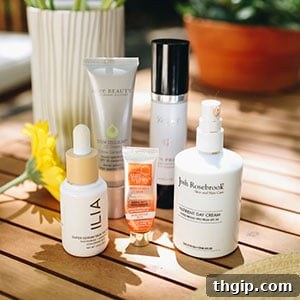
Welcome to your ultimate guide to finding the perfect facial sunscreen! We all strive for healthy, radiant skin, and the cornerstone of any effective skincare routine is consistent sun protection. More than just preventing a sunburn, the right facial sunscreen actively works to prevent sun damage, shield your skin from harmful UV rays, and can even contribute to a more even skin tone. This comprehensive guide will help you navigate the world of facial sunscreens, ensuring you find the best fit for your unique skin type – whether you have sensitive, dry, oily, or acne-prone skin, or you’re simply looking for a formula that offers a touch of coverage.
One of the most invaluable pieces of advice I ever received was from my mother: “Wear sunscreen every single day.” Her remarkably youthful and resilient skin stands as a testament to the power of this simple, yet profoundly impactful, daily habit. While we previously explored the best options for body sunscreens, today our focus shifts entirely to the delicate and distinct needs of your facial skin.
It’s often tempting to grab the nearest bottle of body sunscreen and apply it to your face, especially when you’re in a hurry. However, this is a practice I, along with most dermatologists, strongly advise against. Facial skin is inherently different from the skin on the rest of your body – it’s thinner, more delicate, and often more reactive. Body sunscreens are frequently formulated with heavier oils and occlusive ingredients designed for broader coverage and water resistance on larger, less sensitive areas. These formulations can easily clog pores on your face, leading to unwanted breakouts, especially if you have acne-prone or oily skin.
Furthermore, many natural body sunscreens rely heavily on pure zinc oxide, which, while highly effective at blocking UV rays, can often leave a noticeable “white cast.” While this might be less of a concern on your body, it’s typically undesirable for your face, creating a ghostly appearance that many prefer to avoid. Modern facial sunscreen formulations, particularly mineral sunscreens, have made incredible strides in minimizing this effect, offering sheerer, more elegant finishes specifically designed for daily facial wear.
Over the past few years, I’ve dedicated considerable time to researching and trying various natural facial sunscreens. I can confidently say that the landscape of natural and mineral facial sunscreens has been revolutionized. Brands are now offering products that are not only highly effective but also incredibly sophisticated in their texture and finish. These advanced formulations are now just as good, if not superior, to many conventional chemical sunscreens, providing excellent protection without compromise. The days of thick, chalky mineral sunscreens are largely behind us, replaced by options that seamlessly integrate into your daily skincare and makeup routine.
Why Daily Facial Sunscreen is Non-Negotiable for Skin Health
The importance of daily facial sunscreen extends far beyond simply preventing sunburn. It’s a critical component of skin health, anti-aging, and even cancer prevention. Here’s a deeper look at why it should be a fundamental part of your routine:
- Prevents Premature Aging: UV radiation is the primary cause of premature skin aging, leading to fine lines, wrinkles, dark spots, and loss of elasticity. Consistent use of facial sunscreen helps preserve your skin’s youthful appearance.
- Reduces Risk of Skin Cancer: Daily broad-spectrum SPF significantly lowers your risk of developing various forms of skin cancer, including melanoma, basal cell carcinoma, and squamous cell carcinoma.
- Maintains Even Skin Tone: Sun exposure can exacerbate hyperpigmentation, leading to sunspots, melasma, and uneven skin tone. Sunscreen helps prevent these discolorations, promoting a brighter, more uniform complexion.
- Protects Skin Barrier: UV damage can weaken the skin’s natural barrier, making it more susceptible to environmental stressors and moisture loss. Sunscreen acts as a protective shield, supporting overall skin health.
- Enhances Skincare Benefits: Many potent skincare ingredients, like retinoids and AHAs, increase skin’s sun sensitivity. Using sunscreen ensures you reap the full benefits of these products without counteracting their positive effects.
Understanding Broad Spectrum SPF: Your First Line of Defense
When selecting any sunscreen, whether for your face or body, the absolute first thing to look for is the “Broad Spectrum SPF” label. This isn’t just a marketing term; it’s a crucial indicator of comprehensive protection. As mentioned in our previous discussion, Broad Spectrum SPF means the product protects against both types of harmful ultraviolet rays:
- UVA Rays (Aging Rays): These rays penetrate deep into the skin, contributing to premature aging (wrinkles, fine lines, sunspots), and suppressing the immune system. They can penetrate clouds and glass, meaning you’re exposed even indoors or on cloudy days.
- UVB Rays (Burning Rays): These are the primary cause of sunburn and directly contribute to the risk of skin cancer. While their intensity varies by season and time of day, they are still a year-round threat.
An SPF (Sun Protection Factor) number indicates how long it would take for UVB rays to redden your skin with sunscreen compared to without. For example, SPF 30 means it would take 30 times longer for your skin to burn. While higher SPF numbers offer slightly more protection (SPF 30 blocks about 97% of UVB rays, SPF 50 blocks about 98%), no sunscreen blocks 100%. Therefore, consistent reapplication is key, regardless of the SPF number.
The Power of Mineral Sunscreens for Facial Protection
Mineral sunscreens, also known as physical blockers, utilize naturally occurring minerals to create a protective barrier on the skin’s surface. The two primary active ingredients found in mineral sunscreens are:
- Zinc Oxide: A broad-spectrum blocker that provides protection against both UVA and UVB rays. It’s known for its anti-inflammatory properties and is generally very well-tolerated by sensitive and acne-prone skin types.
- Titanium Dioxide: Primarily blocks UVB rays and some short-wave UVA rays. It’s often used in combination with zinc oxide to achieve comprehensive broad-spectrum protection.
Unlike chemical sunscreens, which absorb UV radiation and convert it into heat, mineral sunscreens physically deflect and scatter UV rays away from the skin. This makes them an excellent choice for individuals with sensitive skin, rosacea, or those who prefer a more natural approach to sun protection. Modern formulations use micronized or non-nano particles of these minerals, which greatly improves their spreadability and reduces the dreaded white cast, making them cosmetically elegant for daily facial use.
Tailoring Your Facial Sunscreen Choice to Your Skin Type
The “best” facial sunscreen isn’t a one-size-fits-all product. It’s the one that works harmoniously with your specific skin type and concerns, encouraging daily use.
For Sensitive Skin:
If your skin is easily irritated, red, or prone to allergic reactions, mineral sunscreens are almost always the preferred choice. Look for formulas that are:
- Fragrance-free and dye-free.
- Hypoallergenic and non-comedogenic (won’t clog pores).
- Contain soothing ingredients like aloe vera or chamomile.
- Rely solely on zinc oxide and titanium dioxide for UV protection.
For Dry Skin:
Dry skin types benefit immensely from sunscreens that offer additional hydration. Seek out formulas containing:
- Hyaluronic acid for deep moisture retention.
- Glycerin and ceramides to support the skin barrier.
- Nourishing oils (non-comedogenic ones) that provide a dewy finish.
- A creamy texture that feels comfortable and prevents flakiness.
For Oily and Acne-Prone Skin:
The fear of clogged pores and breakouts often deters those with oily or acne-prone skin from wearing sunscreen. However, sun protection is vital to prevent post-inflammatory hyperpigmentation (dark spots) from acne. Look for:
- Oil-free, non-comedogenic formulas.
- Lightweight, gel-like or fluid textures.
- Matte or semi-matte finishes to control shine.
- Ingredients like niacinamide (vitamin B3) which can help regulate oil production and reduce inflammation.
For Those Seeking More Coverage (Tinted Sunscreens):
A facial sunscreen that includes a slight tint offers a fantastic two-in-one benefit. It provides robust sun protection while also helping to:
- Even out skin tone and subtly conceal minor imperfections.
- Neutralize the white cast often associated with mineral sunscreens, especially on deeper skin tones.
- Simplify your morning routine by combining a sun protector with light foundation or BB cream.
Always test a tinted formula on your jawline to ensure the shade blends seamlessly with your natural skin tone.
Beyond SPF: Additional Skincare Benefits to Look For
The best facial sunscreens do more than just block UV rays; they often incorporate powerful skincare ingredients that offer additional benefits, enhancing your skin’s overall health and appearance:
- Hyaluronic Acid: A humectant that draws moisture from the air into your skin, providing intense hydration and a plump appearance.
- Niacinamide (Vitamin B3): Known for its ability to reduce inflammation, minimize pore appearance, regulate oil production, and improve skin barrier function. It’s excellent for redness and blemishes.
- Antioxidants (e.g., Vitamin C, Vitamin E, Green Tea Extract): These ingredients help neutralize free radicals generated by UV exposure and environmental pollution, offering an extra layer of defense against skin damage and premature aging.
- Ceramides: Essential lipids that help strengthen the skin’s natural barrier, preventing moisture loss and protecting against irritants.
Incorporating these ingredients into your daily facial sunscreen means you’re not just protecting your skin, but actively nourishing and improving it with every application.
Mastering Sunscreen Application and Reapplication
Choosing the right facial sunscreen is only half the battle; proper application and consistent reapplication are equally crucial for effective protection.
How Much to Apply:
A common mistake is not using enough sunscreen. For your face and neck, aim for about a nickel-sized amount, or what’s often referred to as the “two-finger rule” – squeeze a line of sunscreen onto your index and middle fingers. This ensures you’re getting the stated SPF protection.
When to Apply:
Apply your facial sunscreen as the last step in your morning skincare routine, after moisturizers and serums, but before any makeup. This allows the sunscreen to form a protective layer on your skin.
How Often to Reapply:
Sunscreen isn’t a “one-and-done” product. Reapplication is vital, especially if you’re spending extended time outdoors, sweating, or swimming:
- Every Two Hours: This is the general recommendation for continuous outdoor exposure.
- After Swimming or Sweating: Even water-resistant sunscreens lose their efficacy after a certain period of water exposure. Always reapply immediately after towel drying.
- Over Makeup: Reapplying sunscreen over makeup can be tricky. Options include using a setting spray with SPF, a brush-on mineral powder SPF, or gently dabbing on a sheer fluid sunscreen with a beauty blender.
Debunking Common Sunscreen Myths
Misconceptions about sunscreen can lead to inadequate protection. Let’s clarify a few common myths:
- Myth: “I don’t need sunscreen on cloudy days.” False! Up to 80% of UV rays can penetrate clouds, making sunscreen just as important on overcast days.
- Myth: “Makeup with SPF is enough protection.” While makeup with SPF offers some protection, you typically don’t apply enough foundation or powder to achieve the full SPF rating on the label. It’s best to use a dedicated facial sunscreen underneath.
- Myth: “People with darker skin tones don’t need sunscreen.” False! While darker skin has more melanin, which offers some natural protection, it is still susceptible to sun damage, premature aging, and skin cancer. Sunscreen is essential for all skin tones.
- Myth: “Once I apply sunscreen, I’m protected all day.” False! As discussed, sunscreen breaks down and wears off. Regular reapplication is critical.
Your Promise to Your Skin: Wear Sunscreen!
Whether your primary motivation is to prevent skin cancer, ward off wrinkles, maintain an even skin tone, or simply keep your complexion healthy and vibrant, there’s one promise you must make to your skin: wear sunscreen! Make it an ingrained part of your daily routine, just like brushing your teeth. Your future self, and your skin, will thank you for this simple yet powerful act of self-care.
By understanding the nuances of different formulations, the importance of broad-spectrum protection, and how to choose the right product for your skin type, you are well-equipped to make an informed decision and embark on a lifetime of healthy, protected skin. Invest in a high-quality facial sunscreen today, and embrace the confidence that comes with knowing your skin is safeguarded against the elements.
Like this post? Here are a few others you might enjoy:
- Avoid These Ingredients in Your Makeup Products
- The Best All Natural Foundations
- How to Simplify Your Skincare Routine
- Natural Ingredients for Your Skin