
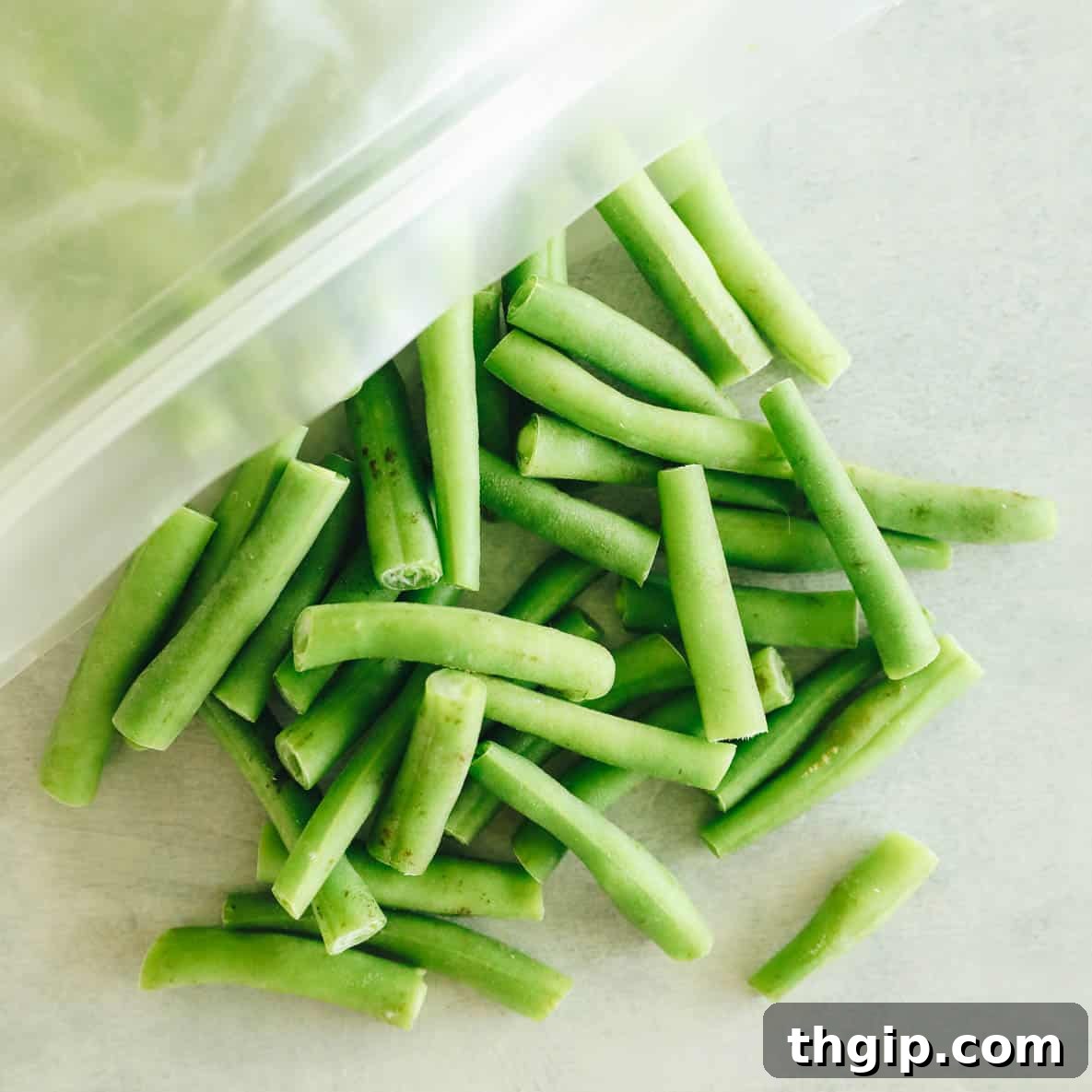
Imagine enjoying the crisp, garden-fresh taste of green beans even in the dead of winter! Freezing green beans is a simple yet incredibly effective way to preserve their peak flavor, vibrant color, and essential nutrients, allowing you to savor this versatile vegetable long after its growing season has passed. Whether you’re a seasoned gardener with a bountiful harvest, a smart shopper looking to take advantage of seasonal sales, or simply aiming to reduce food waste and enhance your meal prep, learning how to properly freeze green beans is a game-changer. This comprehensive, step-by-step guide will walk you through everything you need to know, from selecting the best beans to perfecting your freezing technique, ensuring you have a steady supply of delicious green beans for all your culinary creations throughout the year.
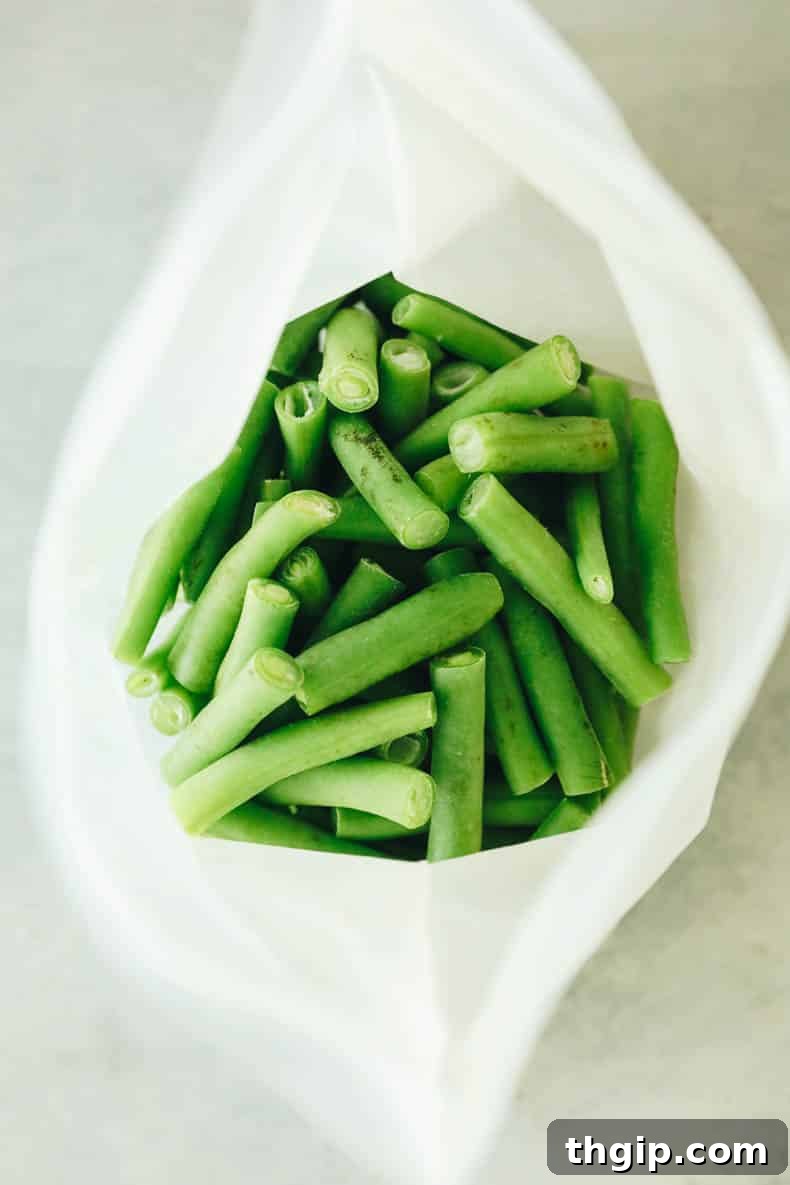
Table of Contents
- The Freshness Factor: How Long Do Green Beans Last?
- Yes, You Can Freeze Fresh Green Beans!
- Blanching: A Myth for Green Beans?
- Mastering the Freeze: Step-by-Step Guide to Freezing Green Beans
- Maximizing Shelf Life: How Long Do Frozen Green Beans Last?
- Delicious Uses for Frozen Green Beans: Recipes and Ideas
- Expand Your Freezer Knowledge: More Preservation Guides
The Freshness Factor: How Long Do Green Beans Last?
Before diving into the wonderful world of freezing, it’s essential to understand the relatively short lifespan of fresh green beans. Typically, fresh green beans maintain their optimal quality when stored in the refrigerator for approximately 5 to 7 days. To prolong their crispness and prevent them from becoming limp, rubbery, or developing mold, proper storage is absolutely paramount. We highly recommend placing them in a perforated plastic bag or loosely wrapping them in a slightly damp paper towel before storing them in your refrigerator’s crisper drawer. This method helps maintain a humid yet breathable environment, keeping the beans hydrated without making them overly soggy, which can unfortunately accelerate spoilage. However, for those keen on meal prepping, savoring the bounty of a summer garden, or simply extending the availability of this nutritious vegetable, freezing them is undoubtedly the superior preservation method. Freezing captures their peak freshness, locking in flavor, vibrant color, and vital nutrients far beyond the capabilities of refrigeration alone. Always aim to freeze your green beans when they are at their freshest – vibrant green, firm to the touch, and completely free from blemishes or soft spots – for the best possible results and an optimal culinary experience.
Yes, You Can Freeze Fresh Green Beans!
Absolutely, freezing fresh green beans is not only entirely possible but also a highly recommended strategy for anyone looking to extend their enjoyment of this delightful and healthy vegetable. The process is remarkably straightforward, and the culinary rewards are abundant. When you meticulously freeze green beans, you effectively halt the enzymatic processes that naturally lead to spoilage and a decline in quality, thereby preserving their essential nutritional value, appealing vibrant color, and satisfying crunch. The absolute ideal time to freeze green beans is when they are perfectly in season and at their freshest – typically ranging from late spring through early fall, though this can vary depending on your specific geographic location and climate. During these peak months, green beans are usually more abundant, often more affordable at markets, and taste their absolute best, offering unparalleled sweetness and crispness. Sourcing them from local farmers’ markets or, even better, harvesting them directly from your own garden, ensures you’re starting with the highest quality produce, which directly translates to superior frozen beans that will truly elevate your meals. Freezing them as soon as possible after harvesting or purchasing is a critical step; the quicker they transition from fresh to frozen, the better their texture and robust flavor will be maintained when you’re finally ready to use them. This proactive approach guarantees that every single bean you pull from your freezer will be a testament to peak freshness and quality, making your cooking both easier and more delicious.
Beyond simply extending their shelf life, freezing green beans offers incredible practical convenience. Imagine the ease of having pre-prepped, perfectly portioned green beans ready to be effortlessly tossed into weeknight dinners, elegant holiday side dishes, or hearty, comforting casseroles, all without the last-minute hassle of washing and trimming. It’s a fantastic, time-saving way to streamline your cooking process and ensures you always have a healthy, versatile vegetable option conveniently on hand. This no-fuss method is suitable for most popular varieties of green beans, including common snap beans, delicate string beans, and the slender French haricots verts, allowing you the flexibility to choose your preferred type for freezing based on your culinary needs and preferences.
Blanching: A Myth for Green Beans?
Often, when the topic of freezing vegetables arises, blanching is presented as an indispensable, almost non-negotiable step. Blanching traditionally involves briefly immersing vegetables in boiling water, followed by rapidly chilling them in ice water, primarily to halt enzymatic action that can degrade flavor, color, and texture during prolonged freezing. While blanching is undeniably highly beneficial, and often absolutely essential, for a multitude of other vegetables – think of broccoli, cauliflower, or even zucchini (which can become overly watery or mushy without this critical step, as comprehensively detailed in our guide to freezing zucchini) – it presents a distinctly different scenario when it comes to green beans. In fact, many experienced home cooks and culinary experts, myself included, consistently find that green beans actually retain a superior, more appealing texture and a fresher, more authentic taste when they are frozen without undergoing the blanching process.
The conventional wisdom behind blanching is generally sound: it effectively helps preserve the vegetable’s cellular integrity. However, green beans, particularly when flash-frozen correctly (a technique we’ll detail below), seem to uniquely bypass the need for this additional step without compromising their inherent quality. When green beans are blanched, they can sometimes emerge from the freezer with a slightly softer, less “snappy” or firm texture that a significant number of people might find undesirable. They also possess the potential to absorb a bit more water during the blanching process itself, potentially leading to a more watery or less concentrated outcome when they are finally cooked. By judiciously skipping the blanching step, you actively preserve the green beans’ natural firmness, their satisfying bite, and a more robust, truly garden-fresh flavor profile that stands up beautifully to a wide variety of cooking methods after they have been thawed.
This “no-blanch” approach significantly simplifies the entire freezing process, saving you valuable time and considerable effort without in any way sacrificing the end product’s overall quality. While it ultimately comes down to individual personal preference and a little experimentation, for a truly crisp, vibrant, and perfectly textured frozen green bean experience, intentionally skipping the boil is often the overwhelmingly preferred method among those who have tried both. Rest assured, by diligently following our recommended flash-freezing technique, you will consistently achieve perfectly preserved green beans that taste wonderfully fresh and retain their original character, all without the extra fuss and potential drawbacks of traditional blanching.
Mastering the Freeze: Step-by-Step Guide to Freezing Green Beans
Freezing green beans is a surprisingly straightforward process that consistently yields fantastic, high-quality results. Follow these simple yet crucial steps meticulously to ensure your green beans are perfectly preserved, maintaining their crispness, vibrant color, and delicious flavor for many months to come. Remember, the absolute key to success lies in proper preparation and airtight packaging.
STEP 1: Thoroughly Wash and Dry Your Green Beans
Begin by giving your fresh green beans a thorough, gentle rinse under cool, clean running water. This initial step is absolutely crucial for diligently removing any lingering dirt, garden debris, or potential residual pesticides that may be present on their surface. You can effectively achieve this by placing them in a large bowl and gently swishing them around, or by utilizing a colander for maximum ease of draining. Once meticulously cleaned, the most critical part of this step is to dry them completely and thoroughly. Any excess moisture remaining on the surface of the beans can lead to the formation of undesirable ice crystals during the freezing process, which unfortunately contributes significantly to freezer burn and a noticeable degradation in texture. Pat the green beans meticulously dry with several layers of paper towels, or for larger batches, spread them out evenly on clean kitchen towels and allow them to air dry for a sufficient period, perhaps even utilizing a salad spinner for effective initial water removal. Ensure they are bone dry before confidently moving to the subsequent step.
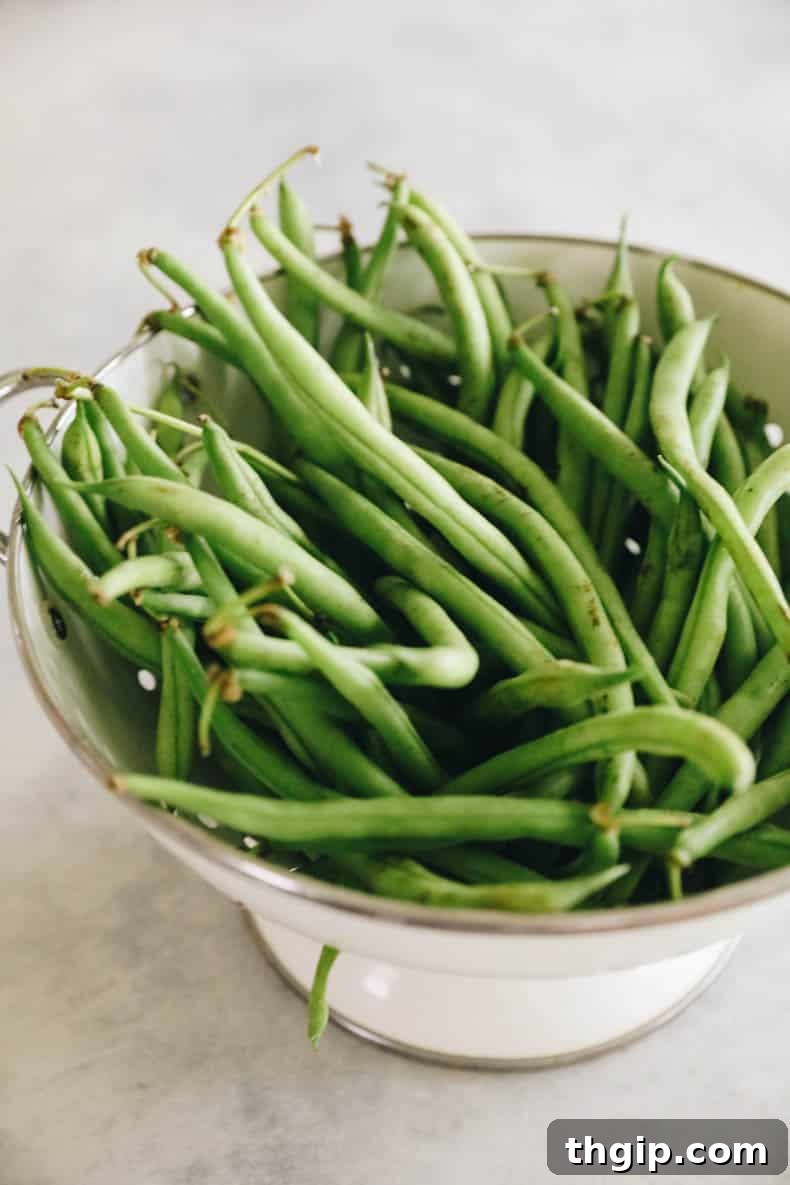
STEP 2: Trim the Ends and Cut to Your Desired Length
Next, meticulously prepare your green beans by carefully trimming off the tough, fibrous stem ends. You can accomplish this by gently snapping them off by hand if they are particularly tender and fresh, or by using a sharp knife for a cleaner, more precise cut. Some individuals also choose to remove the small, wispy tail end, though this is purely for aesthetic reasons and entirely optional. After trimming, thoughtfully decide on the length you prefer for your frozen beans, considering their intended use. For the vast majority of recipes, cutting the beans into 1-inch to 2-inch pieces is generally considered ideal, as it allows for quicker, more even cooking and easier incorporation into various dishes. If you intend to roast them whole, blanch them for a specific recipe, or use them in applications where whole beans are preferred for presentation, you can certainly leave them as they are. Ensuring uniformity in size, however, can significantly help guarantee even freezing and consistent cooking results later on, contributing to a better overall culinary experience.
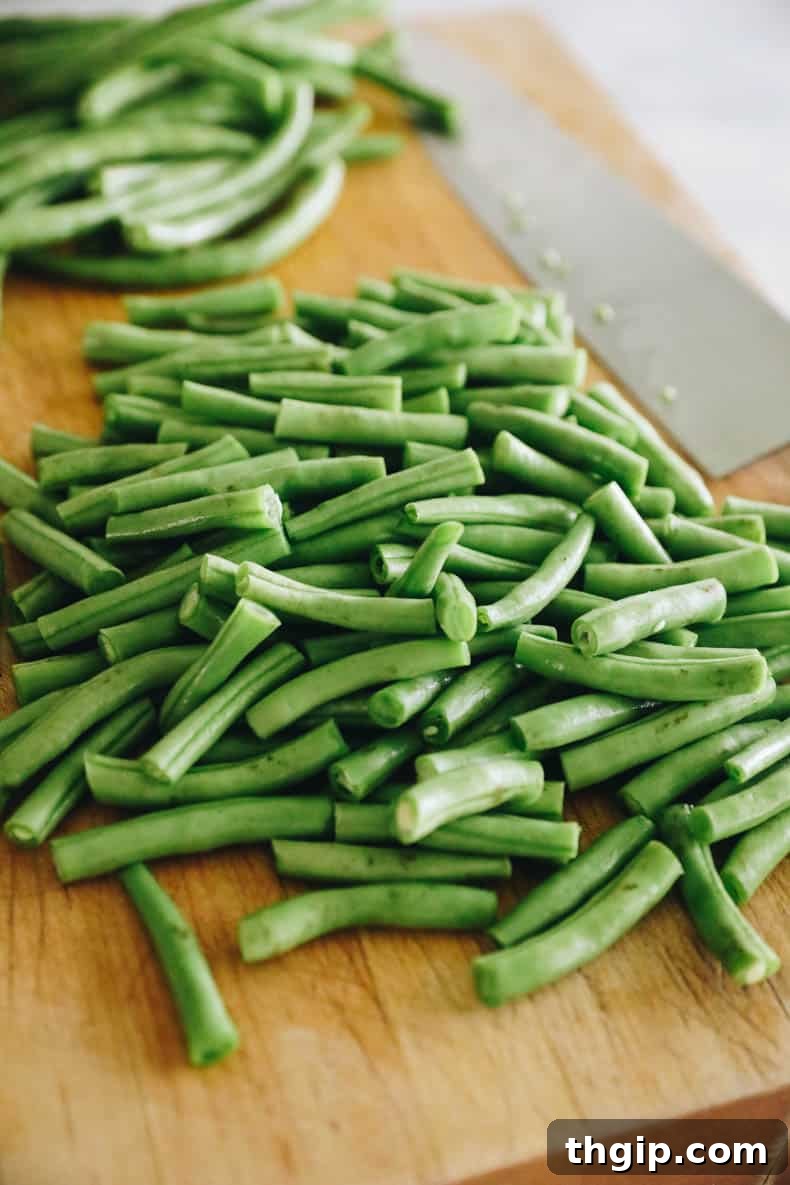
STEP 3: Flash Freeze on a Baking Sheet
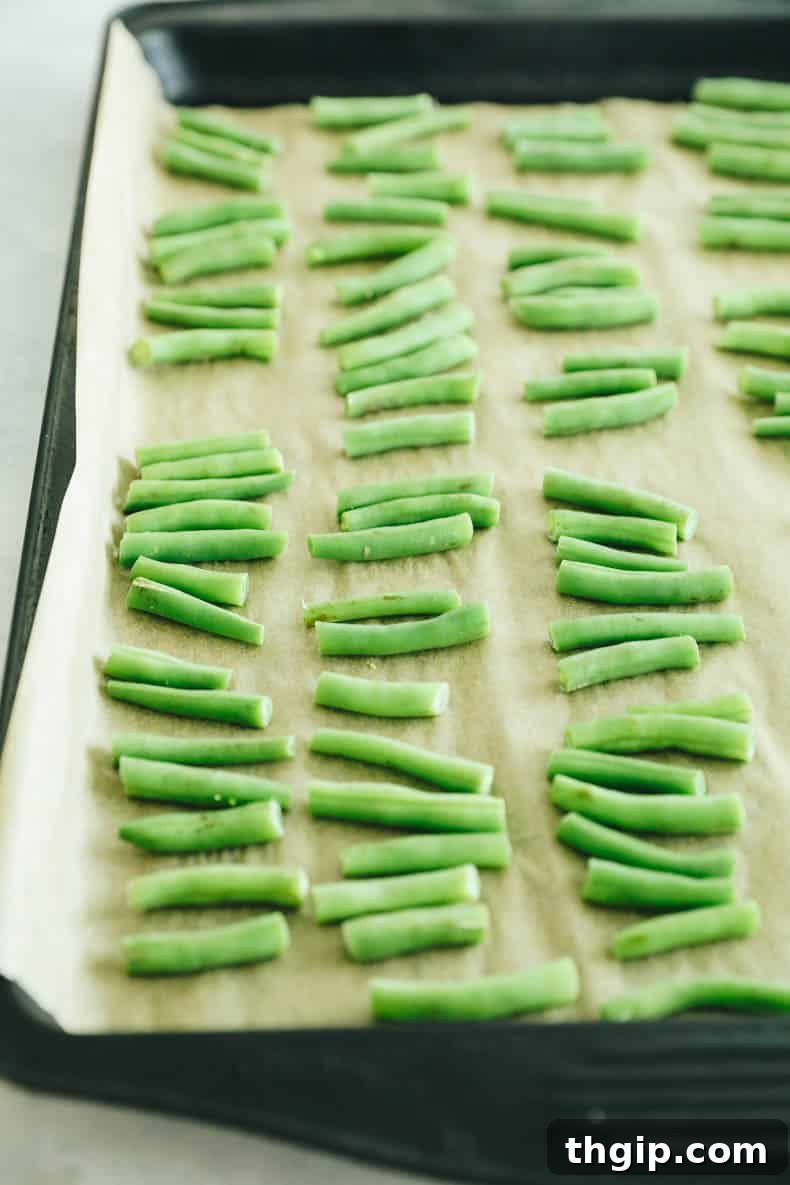
This step is absolutely crucial and cannot be skipped, as it is designed to prevent your individual green beans from regrettably clumping together into an unmanageable, solid frozen block, which would make it exceedingly difficult to use only a portion at a time. Lay the meticulously prepared and dried green beans in a single, even layer on a large baking sheet. For the very best results and to effectively prevent any sticking, it is highly recommended to line the baking sheet with parchment paper or a high-quality silicone baking mat. Ensure that the individual beans are not touching each other too much, allowing them ample space to freeze independently. Transfer the baking sheet carefully to your freezer and allow the beans to flash freeze for approximately 3 to 4 hours, or until they are completely solid and rigid. This ingenious process allows each individual piece to freeze independently, ensuring you can easily scoop out precisely how much you need for your recipe without the inconvenience of having to thaw an entire bag, thereby minimizing waste and maximizing convenience.
STEP 4: Package in Airtight Freezer Bags
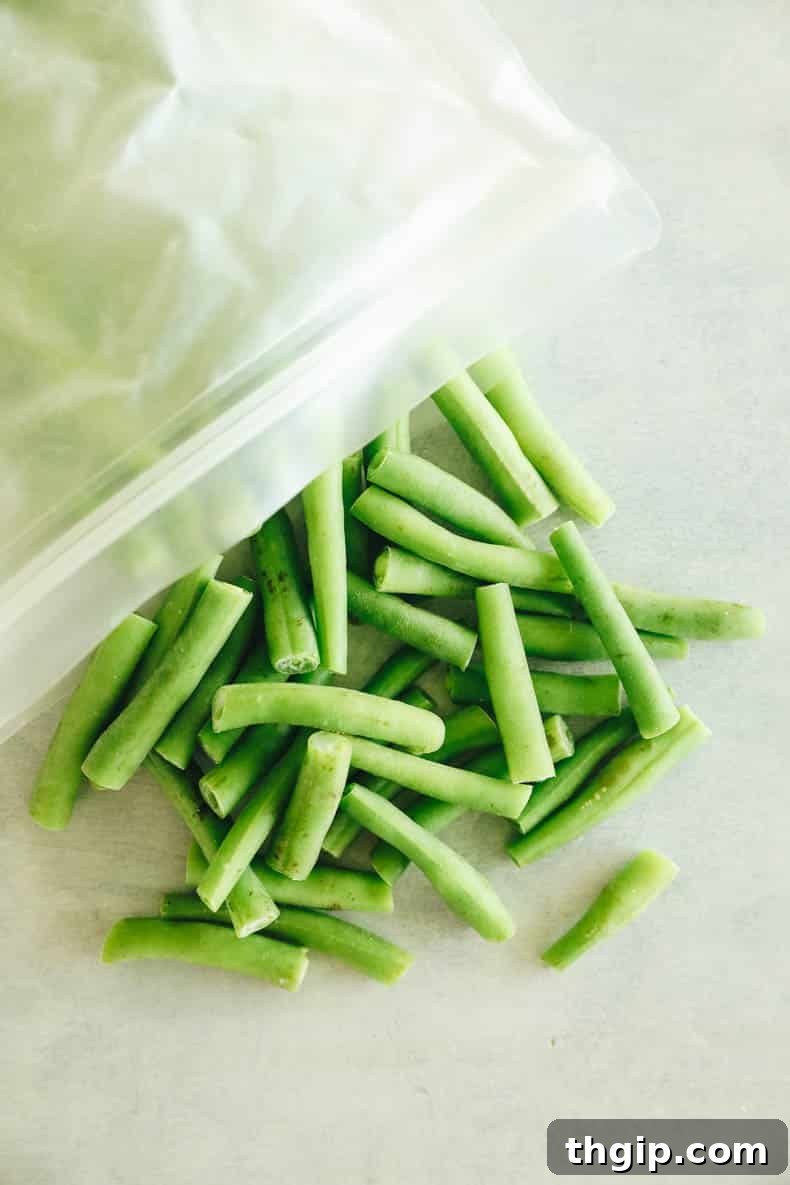
Once your green beans are individually flash-frozen and completely solid, it’s time for the final, essential step of packaging. Carefully transfer the solid, frozen green beans from the baking sheet into airtight, high-quality freezer-safe bags or sturdy containers. For optimal preservation and to relentlessly combat the dreaded freezer burn, it is absolutely paramount to remove as much air as humanly possible from the bag. You can effectively achieve this by manually pressing the air out before thoroughly sealing, or by using a simple straw to suck out the remaining air just before completing the final seal. For those with the equipment, vacuum sealing is an even more effective method, offering the absolute best protection against air exposure and maintaining long-term quality. Be sure to clearly label each bag with the precise date of freezing and the contents. This simple but effective habit allows you to easily track freshness and confidently implement a “first-in, first-out” system, ensuring you utilize the older batches of beans first. Proper packaging is your ultimate defense against moisture loss and flavor degradation, virtually guaranteeing your frozen green beans will be as delicious and vibrant months later as they were the very day you thoughtfully froze them.
Maximizing Shelf Life: How Long Do Frozen Green Beans Last?
With proper, diligent preparation and meticulous storage, your frozen green beans can reliably maintain their excellent quality in the freezer for a substantial period, typically up to 6 to 8 months. While they may technically remain safe to eat beyond this timeframe, their quality – particularly in terms of desirable texture, vibrant color, and concentrated flavor – may begin to diminish noticeably. The absolute key to achieving this impressive extended shelf life lies in unwavering attention to detail throughout the entire freezing process and diligently maintaining optimal freezer conditions.
Firstly, as rigorously emphasized in our comprehensive step-by-step guide, eliminating as much air as physically possible from your chosen storage bags or containers is paramount. Air exposure stands as the primary culprit behind the formation of freezer burn, which unfortunately manifests as dry, discolored, and often unappealing spots on the food’s surface. Freezer burn occurs when moisture evaporates from the food’s exterior and then subsequently refreezes as distinct ice crystals, inevitably altering the food’s texture and diminishing its intrinsic flavor. Utilizing high-quality, specifically designed freezer-safe bags, employing efficient vacuum sealers, or opting for sturdy, truly airtight containers provides the most robust barrier against both air and detrimental moisture loss, safeguarding your produce.
Secondly, maintaining a consistent and stable freezer temperature of 0°F (-18°C) or lower is critically important. Fluctuations in temperature, often caused by frequent door openings or an overloaded freezer, can lead to partial thawing and subsequent refreezing. This cycle unfortunately promotes the growth of larger, more damaging ice crystals and further degrades the overall food quality. To mitigate this, avoid frequently opening the freezer door unnecessarily or overloading it, as these actions can significantly impact temperature stability. Strategically placing newly frozen items towards the back of the freezer, where temperatures tend to be more stable and consistently colder, can also prove highly beneficial for long-term preservation.
Always cultivate the essential habit of clearly labeling your freezer bags or containers with the precise freezing date. This simple yet incredibly effective practice allows you to effortlessly implement a “first-in, first-out” system, ensuring you consistently use the older batches of green beans before they start to decline in quality. Regularly checking and organizing your freezer inventory not only helps prevent unnecessary food waste but also guarantees that you’re always enjoying the freshest, most flavorful possible frozen produce. While an occasional small patch of freezer burn might not render the beans completely inedible, it undeniably impacts their visual appeal and desirable texture, so proactive prevention is always a far superior approach to attempting a cure.
Delicious Uses for Frozen Green Beans: Recipes and Ideas
The remarkable beauty of perfectly frozen green beans lies in their incredible versatility and adaptability in the kitchen. Once thawed (or, perhaps even more conveniently, cooked directly from frozen in a multitude of cases!), they can be used almost interchangeably with their fresh counterparts in a wide and exciting array of dishes. There’s often no need for the extra step of thawing them beforehand for many culinary applications; simply add them straight from the freezer to your simmering pot, sauté pan, or baking dish, allowing them just a few extra minutes to heat through and tenderize. This makes them a fantastic, healthy shortcut for creating quick, nutritious weeknight meals!
Here are some popular and incredibly delicious ways to seamlessly incorporate your perfectly frozen green beans into your daily cooking repertoire:
- Soups and Stews: Frozen green beans are an absolutely natural and excellent fit for hearty, warming soups and comforting stews. Their texture holds up exceptionally well during cooking, and they contribute a beautiful burst of color and vital nutrition. Simply toss them directly into your simmering Vegetable Soup or a robust, flavorful Minestrone Soup during the last 10-15 minutes of cooking for perfect tenderness.
- Stir-fries: For a rapid, flavorful, and incredibly healthy weeknight meal, enthusiastically add frozen green beans to your favorite stir-fry recipe. Sauté them vigorously with other crisp vegetables, your preferred proteins, and a savory, aromatic sauce. They cook quickly and absorb flavors beautifully. Try them as a vibrant addition to an Instant Pot Kung Pao Chicken or any custom stir-fry creation you enjoy.
- Casseroles: Green beans are a cherished and enduring staple in many comforting casseroles, ranging from the timeless classic green bean casserole (especially popular around holiday seasons) to more modern, health-conscious bakes. Add them directly from frozen to your casserole mix before baking, and they will cook perfectly within the dish.
- Roasting: While often primarily associated with fresh beans, frozen green beans can also be deliciously roasted! For the absolute best results, spread them in a single, even layer on a baking sheet (you might want to gently pat them lightly with a paper towel if there’s a noticeable amount of surface ice) and roast at a higher temperature, typically around 400°F (200°C), for 15-25 minutes, or until they are tender-crisp and have achieved a slightly charred, appealing exterior. Drizzle generously with olive oil, sprinkle with salt, and freshly ground black pepper before roasting.
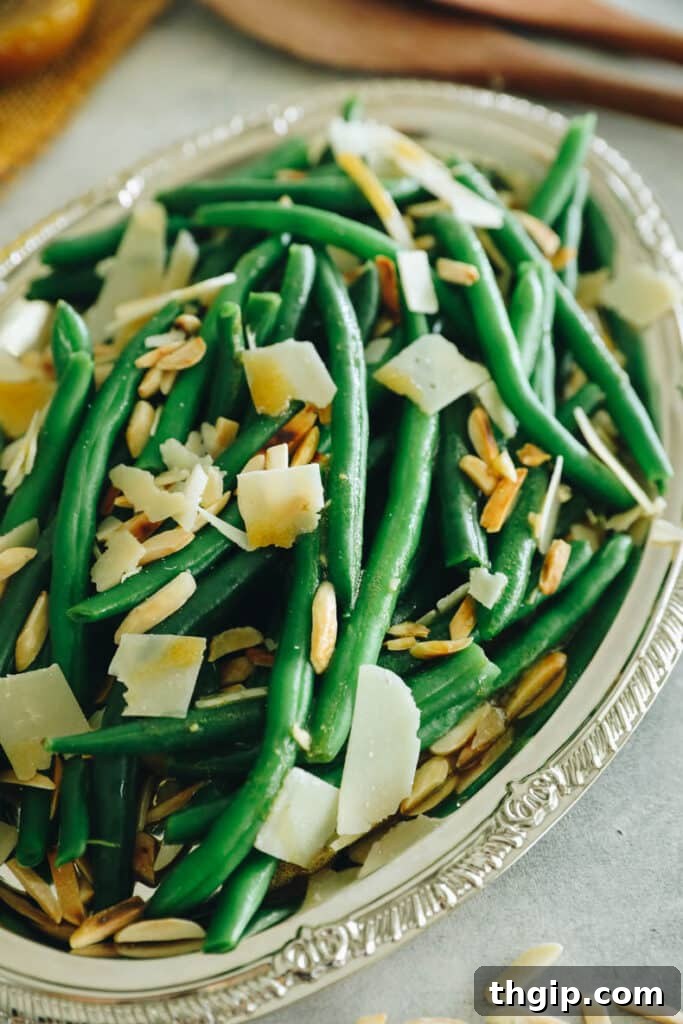
- Sautéed Side Dish: For a simple, quick, and incredibly satisfying side dish, gently sauté frozen green beans in a pan with a little olive oil or butter, minced garlic, and your favorite seasonings until they reach your desired tenderness. They make an excellent, versatile accompaniment to almost any main course, enhancing the meal with minimal effort.
- Salads: For recipes like our refreshing Green Bean Salad or other cold preparations where a crisp texture is key, it’s generally best to lightly steam or briefly boil the frozen beans until they are tender-crisp, then chill them thoroughly in an ice bath before mixing them with other fresh ingredients. This method helps to restore their pleasant, firm texture.
- One-Pot Meals: Effortlessly incorporate them into various one-pot wonders and sheet pan dinners, such as our convenient One Pot Chicken, Rice + Veggies, for added nutrition, vibrant color, and unparalleled convenience.
Whether you’re thoughtfully planning a vibrant side dish, seeking a healthy and colorful addition to a main course, or simply looking for an easy way to boost your daily vegetable intake, your home-frozen green beans are a reliable, delicious, and incredibly convenient solution. They are a true testament to smart kitchen management and a significant step towards a more sustainable, flavorful, and efficient culinary journey throughout the entire year.
Expand Your Freezer Knowledge: More Preservation Guides
Mastering the invaluable art of freezing vegetables is a fantastic culinary skill that not only unlocks a vast world of exciting possibilities but also significantly helps you make the most of seasonal produce and reduce food waste. If you’ve enjoyed learning the comprehensive techniques on how to freeze green beans, you’ll undoubtedly find these additional, carefully curated guides equally helpful and inspiring for expanding your freezer pantry and embracing smarter food storage. Explore even more ingenious ways to efficiently preserve your favorite ingredients and confidently keep your kitchen consistently stocked with nutritious, high-quality, and ready-to-use foods, making healthy eating easier than ever.
- How to Freeze Zucchini: A Detailed Guide
- How to Freeze Bananas: For Smoothies & Baking
- How to Freeze Avocados: The Ultimate Guide to Preventing Waste
- Healthy Freezer Meals: Prep Ahead for Busy Weeks & Stress-Free Eating
We sincerely hope this extensive guide has empowered you to confidently freeze green beans and truly enjoy their garden-fresh goodness throughout the entire year. Happy freezing and, most importantly, happy cooking!