
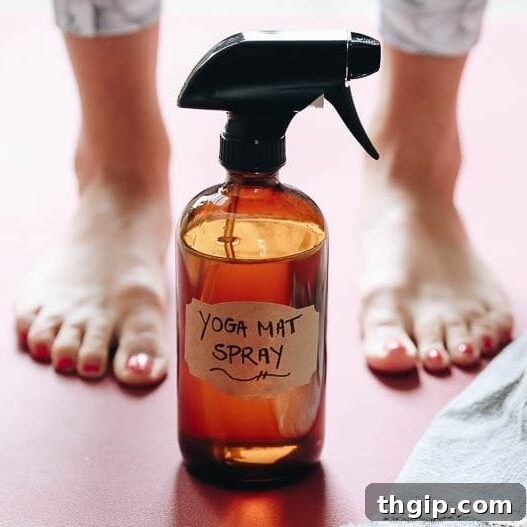
Your yoga mat is more than just a surface for your practice; it’s a personal sanctuary. However, it can also become a breeding ground for bacteria, sweat, and grime. Keeping your mat pristine is essential for both hygiene and peace of mind. Discover how to create an incredibly effective and refreshing DIY Yoga Mat Cleaner using simple, natural ingredients. This homemade solution, featuring witch hazel, essential oils, and water, is a must-have for any yogi committed to a clean, healthy, and aromatic practice.
Table of Contents
- The Importance of a Clean Yoga Mat
- Crafting Your Homemade Yoga Mat Cleaner
- How to Effectively Clean Your Yoga Mat
- Longevity and Storage of Your DIY Cleaner
- Yoga Mat Cleaner FAQs
- DIY Yoga Mat Cleaner Recipe
Just the other day, as I prepared for an at-home yoga session, a family member pointed out the visible grime on my yoga mat. It was an undeniable truth: despite my regular studio practice where cleaners are readily available, my mat at home wasn’t receiving the same diligent care. While I often feel a subtle nudge to clean my mat in a studio, surrounded by fellow proactive yogis, that motivation tends to wane within the comfort of my own space.
I believe this discrepancy largely stems from convenience. In studios and gyms, specialized yoga mat sprays are almost always within reach. At home, however, I found myself resorting to a general plant-based all-purpose cleaner. While effective, it lacked the invigorating aroma and specific antibacterial properties I desired for my intimate yoga surface. It just didn’t spark joy in the cleaning process!
Motivated by this, I embarked on a mission to formulate the ultimate yoga mat cleaner. My goal was to create a solution that was not only incredibly effective but also entirely natural, safe for frequent use, and delightfully scented. The result is this homemade yoga mat cleaner – a blend that’s gentle on your mat, tough on germs, and even approved by experienced yoga teachers!
The Importance of a Clean Yoga Mat
Consider your yoga mat in the same light as your exercise bike, running shoes, or workout clothes. With every practice, especially those involving sweat, your mat accumulates a cocktail of dirt, skin cells, oils, and perspiration. This creates an ideal environment for bacteria, fungi, and other microorganisms to thrive. What you can’t see can definitely harm you.
Regular cleaning is paramount to prevent the buildup of these unseen invaders. Neglecting your mat can lead to unpleasant odors, visible grime, and even contribute to skin conditions like athlete’s foot, ringworm, or acne breakouts. These conditions can easily transfer from your mat back to your skin, making your tranquil practice anything but. Don’t wait for a noticeable stench or visible dirt to appear; proactive cleaning ensures a truly hygienic and healthful practice environment.
My favorite yoga studio in San Francisco, The Pad Studios, always had an exquisitely scented yoga mat spray, which I suspected they crafted themselves. Driven by curiosity (and a good sniff test!), I did a little investigative work to decipher the aromatic blend. My homemade version aims to capture that same invigorating and purifying essence, with my own unique “Maven” twist.
Crafting Your Homemade Yoga Mat Cleaner
When it comes to products that come into direct contact with my skin – especially my hands, feet, and sometimes even my face during inversions – natural, plant-based ingredients are non-negotiable. My yoga mat is an extension of my self-care routine, and just like my skincare, I prefer it to be free from harsh chemicals and artificial additives. Making your own DIY yoga mat spray is surprisingly simple, requiring just a few key components:
- Witch Hazel: The Natural Disinfectant
This distilled herb is a star ingredient, renowned for its exceptional antibacterial, antimicrobial, and anti-inflammatory properties. It acts as a gentle astringent, effectively cleansing the mat without harshness. I highly recommend using an alcohol-free version, as alcohol can potentially dry out or degrade certain mat materials over time. However, if an alcohol-free option isn’t available, standard witch hazel can still be used sparingly. - Essential Oils: For Purity & Aroma
Essential oils not only provide a delightful scent but also contribute potent disinfecting and purifying qualities. My go-to blend includes:- Peppermint: Uplifting and invigorating, with strong antimicrobial properties that help eliminate germs and refresh the senses.
- Lemon: A powerful degreaser and natural disinfectant, known for its antiviral and antibacterial effects. Its bright, clean scent is incredibly uplifting.
- Tea Tree Oil: A powerhouse of antiseptic, antifungal, and antiviral properties. This is a crucial oil for keeping your mat truly clean and free from common yoga mat culprits like fungi and bacteria.
- Lavender: Calming and soothing, lavender also possesses excellent antibacterial qualities, complementing the more potent cleansing oils while adding a beautiful, relaxing fragrance.
Feel free to experiment with other essential oils you love, such as refreshing eucalyptus, uplifting orange, or bright lemongrass. Always ensure you’re using high-quality, pure essential oils for the best results and safety.
- Water: The Perfect Diluent
Water is essential for diluting the witch hazel and essential oils, making the spray safe for your mat and more economical. Using distilled or filtered water is recommended to prevent mineral buildup on your mat and to extend the shelf life of your homemade cleaner. - Spray Bottle: The Vessel
A high-quality spray bottle is key. I prefer amber glass bottles for essential oil mixtures, as they protect the oils from light degradation and prevent the oils from potentially leaching plasticizers from plastic bottles. Simply combine all your ingredients in the bottle, give it a good shake, and it’s ready for use!
How to Effectively Clean Your Yoga Mat
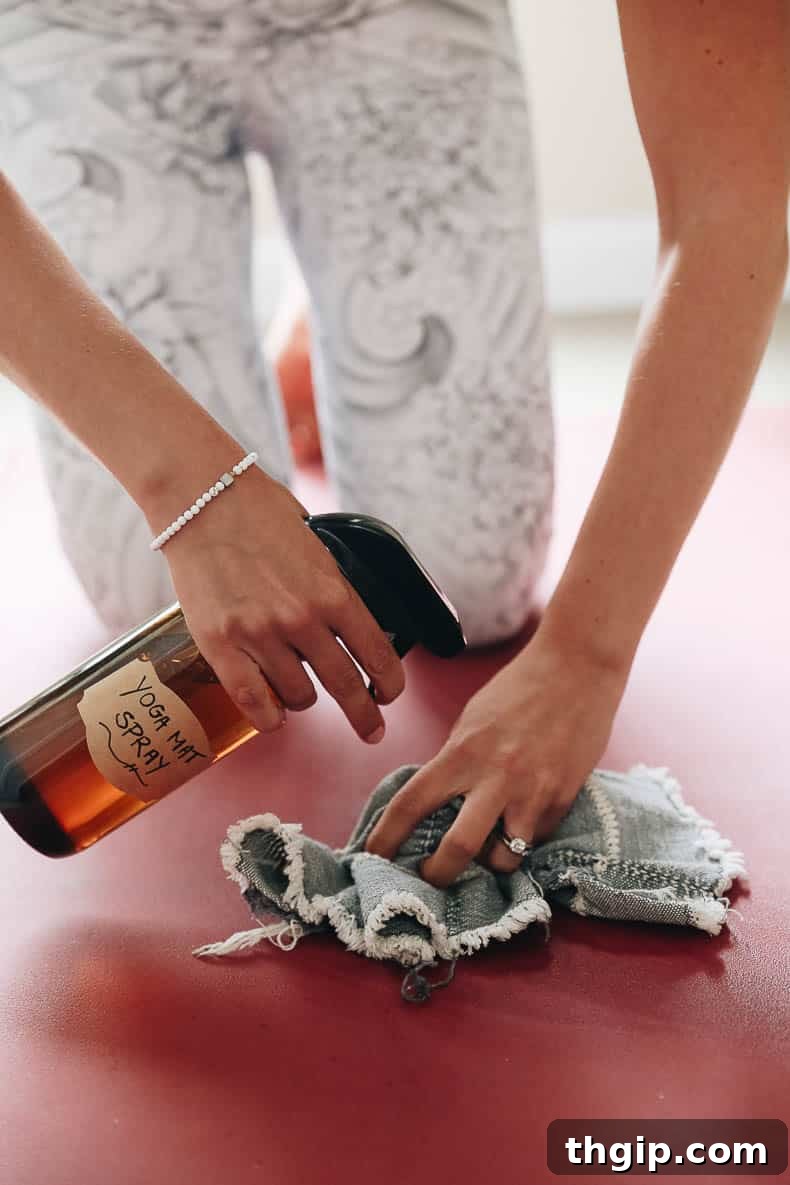
Incorporating this DIY yoga mat cleaner into your routine is incredibly straightforward. Here’s a step-by-step guide to ensure your mat is thoroughly cleaned and refreshed:
- Prepare Your Mat: If your mat is visibly dirty with dust or loose debris, give it a quick wipe down with a dry cloth first.
- Spray Evenly: Hold your spray bottle about 6-8 inches from the mat and apply a light, even mist across the entire surface. You don’t need to saturate the mat or create puddles of cleaner; a gentle coating is sufficient.
- Wipe Clean: Using a clean, soft towel (a microfiber towel works wonderfully), gently rub the spray into your yoga mat. Work in sections, wiping away any dirt, sweat, and excess moisture. Flip your towel as needed to use a clean section.
- Air Dry Completely: This is a crucial step! Allow your mat to air dry completely before rolling it up or storing it. You can hang it over a shower rod, lay it flat, or drape it over a chair. Ensuring it’s fully dry prevents moisture from being trapped, which could lead to mildew growth and unpleasant odors.
- Frequency: For optimal hygiene, use this cleaner after every practice, especially if you had a particularly sweaty session. For lighter use, a weekly cleaning should suffice. Consider a deeper clean once a month by hand-washing with a mild soap and water solution, then thoroughly rinsing and drying.
Longevity and Storage of Your DIY Cleaner
Since this homemade yoga mat spray is crafted from stable natural ingredients like witch hazel, essential oils, and water, your batch will have a surprisingly long shelf life. When stored properly in a cool, dark place (like a cupboard, away from direct sunlight), the mixture can last for several months, if not over a year, without losing its efficacy or freshness.
However, if a single batch of this cleaner lasts you for years, it’s a clear sign you’re not utilizing it often enough! Regular use is key to maintaining a truly clean and hygienic yoga mat. The beauty of this DIY recipe is its simplicity and affordability, making it easy to whip up a fresh batch whenever you need it, encouraging consistent use.
Yoga Mat Cleaner FAQs
While you could technically substitute witch hazel with distilled white vinegar, I generally don’t recommend it for a daily mat cleaner. Vinegar is an excellent natural disinfectant and is very effective, but it tends to leave a distinct, lingering scent that many people find unappealing, especially on something they breathe so closely to during yoga. Witch hazel offers similar antibacterial benefits without the strong smell, and its astringent properties are also beneficial for cleansing. For a deep clean, vinegar diluted with water can be effective, but for daily refreshing, witch hazel is the preferred choice for its milder aroma and skin-friendly properties.
Absolutely! The essential oil blend is highly customizable to your preferences and what you have on hand. Feel free to replace the suggested oils with your favorites. Some other great options with cleansing or refreshing properties include eucalyptus (excellent for purifying and invigorating), orange (uplifting and degreasing), grapefruit (energizing and cleansing), or even a pure cedarwood for an earthy, grounding aroma. Always consider the properties of the oils; for instance, citrus oils can be photosensitive, but this is less of a concern when diluted and used on a mat rather than directly on skin before sun exposure. If you have pets, particularly cats, research essential oil safety as some oils can be toxic to them. Ensure the mat is completely dry before pets interact with it.
Yes, this gentle, natural formulation is generally safe for use on most yoga mat materials, including PVC, natural rubber (like those from Manduka eKO or Jade Yoga), and TPE mats. The key is to use an alcohol-free witch hazel to prevent any potential drying or degradation of more sensitive mat materials, such as natural rubber. Always ensure you are only applying a light mist, not dousing the mat, and wiping it thoroughly. If you are particularly concerned, especially with a new or expensive mat, always perform a small patch test on an inconspicuous area first to ensure there is no discoloration or adverse reaction.
No, absolutely not. The amount of essential oils used in this recipe is very minute and is heavily diluted by both the witch hazel and water. Once sprayed and wiped, there will be no oily residue left on your mat. The primary purpose of the essential oils here is to provide aromatic benefits and contribute to the antimicrobial action, not to moisturize. Your mat will be left clean, fresh, and non-slippery, ensuring a safe and comfortable practice.
The frequency of cleaning depends on how often and how intensely you practice. For hot yoga or very sweaty sessions, it’s best to wipe down your mat immediately after each use. If you practice moderately a few times a week, a thorough cleaning with this spray after every 1-3 sessions is recommended. For light, infrequent use, a weekly clean should suffice. Regular cleaning prevents bacteria from building up and extends the life of your mat.
Yes, this versatile DIY cleaner can safely be used on other exercise accessories! It’s excellent for cleaning yoga blocks, straps, resistance bands, and even light dumbbells. Just as with your yoga mat, spray lightly, wipe clean with a cloth, and allow to air dry. The natural antibacterial properties of the ingredients make it a great all-around disinfectant for your home gym equipment.
For best results, use distilled or filtered water. Tap water, especially if it’s hard, can contain minerals that may leave residue on your mat over time. Distilled water is free of impurities, which helps maintain the purity and effectiveness of your cleaner and prolongs its shelf life, as it reduces the chance of microbial growth within the mixture itself.
More DIY Recipes for a Natural Lifestyle:
- DIY Salt Scrub
- Homemade Lip Scrub
- DIY Rose Water
- Homemade Deodorant
- DIY Bath Salts
Print Recipe
DIY Yoga Mat Cleaner
5 from 2 reviews
Yoga mats can be a breeding ground for bacteria so keep yours clean with this DIY Yoga Mat Cleaner. Made from simple and natural ingredients like witch hazel, essential oils and water, this yoga mat cleaner is a no-brainer for any yogis looking to clean their mats regularly.
- Author: Davida Lederle
- Prep Time: 5 minutes
- Cook Time: 0 minutes
- Total Time: 5 minutes
Ingredients
Scale
- 1 16 oz spray bottle
- 1/4 cup witch hazel (preferably alcohol-free)
- 10 drops of lavender essential oil
- 10 drops of lemon essential oil
- 5 drops peppermint essential oil
- 3 drops tea tree essential oil
- Filtered or distilled water
Instructions
- Add witch hazel to your spray bottle.
- Carefully add the essential oils. You can adjust the number of drops based on your preferred fragrance intensity.
- Fill the remainder of the bottle with filtered or distilled water, leaving a small space at the top.
- Secure the spray cap, then shake vigorously to thoroughly combine all ingredients.
- To use, spray a light, even mist directly onto your yoga mat after each use or as desired.
- Wipe the mat clean with a soft, dry towel, removing any dirt and excess moisture.
- Allow your mat to air dry completely before rolling it up or storing it to prevent mildew.
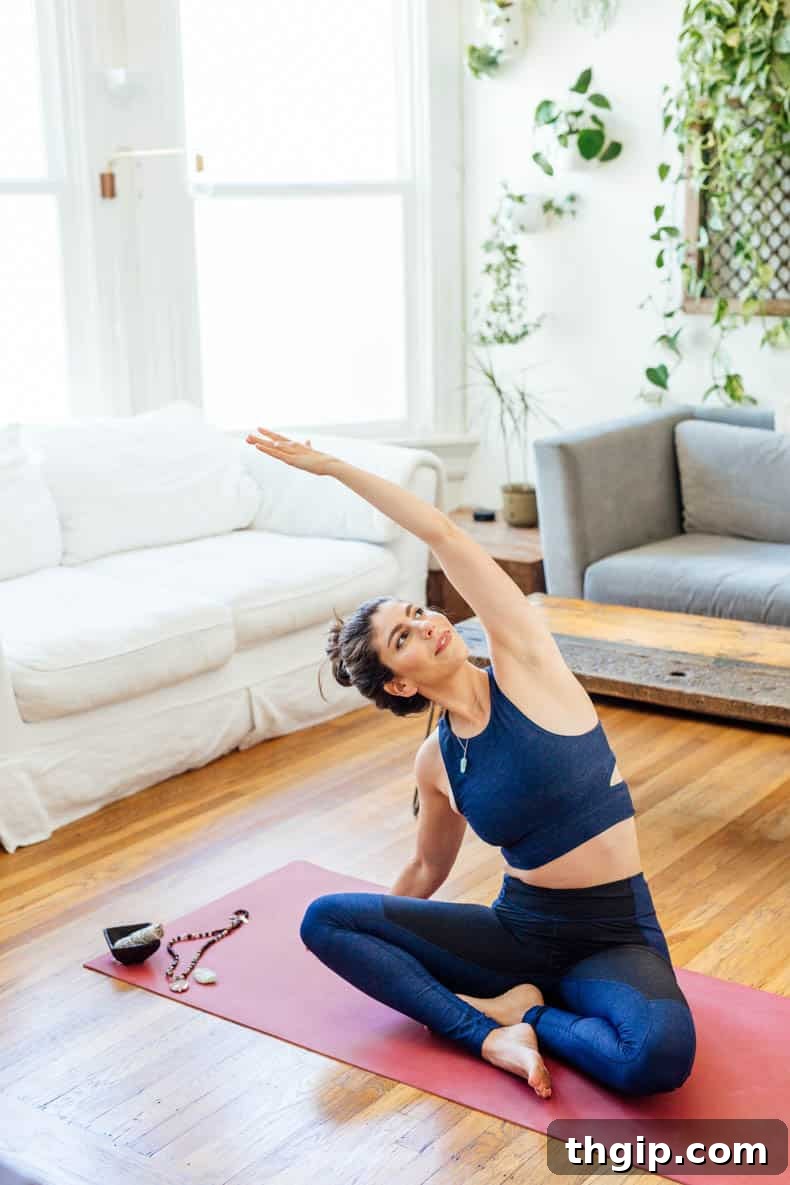
Interested in practicing more yoga? Check out these posts:
- What To Know Before Your First Yoga Class
- Yoga For Digestion
- Yoga for Sleep
- Yoga for Stress Relief
- My Yoga Story