
Say goodbye to food waste and hello to convenience! Discover the ultimate guide on how to freeze bananas correctly, ensuring you always have perfectly ripe fruit ready for your favorite smoothies, delicious nice creams, moist baked goods, and so much more. Extend the life of your bananas and save money with these simple, effective freezing techniques!
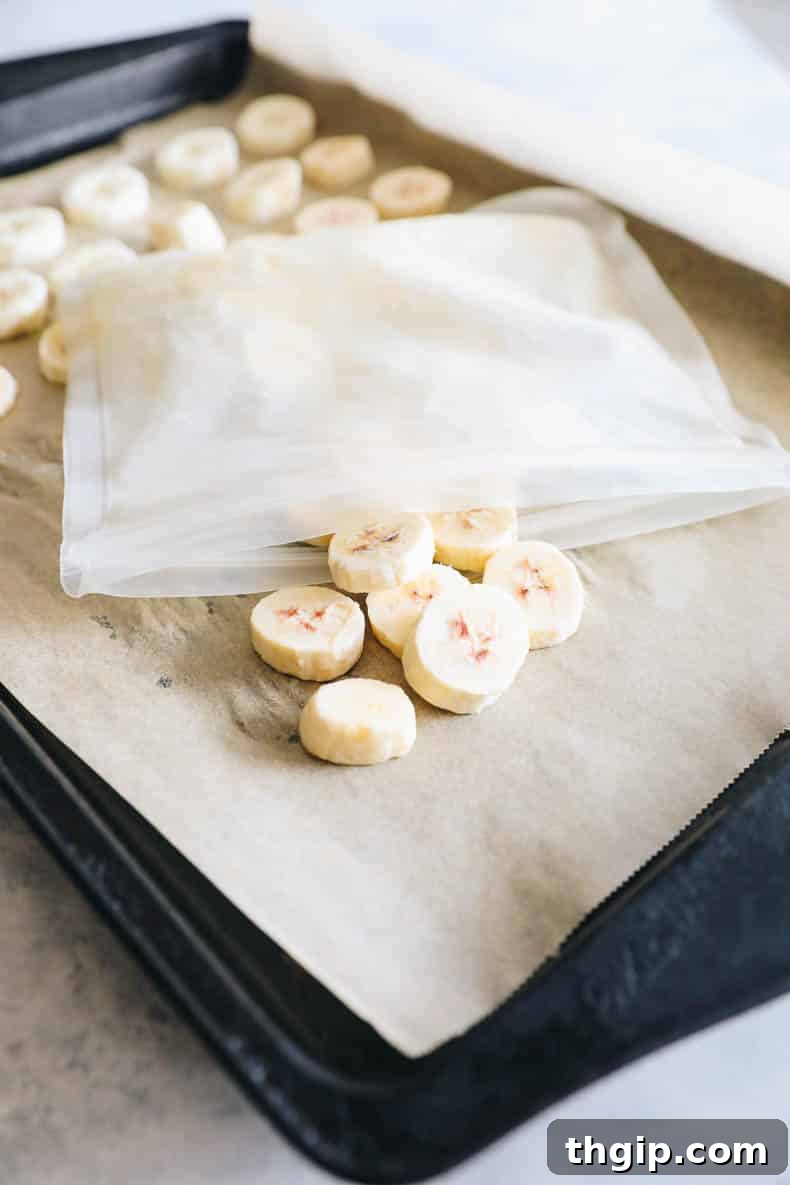
Table of Contents
- The Golden Rule for Overripe Bananas
- Why You Should Freeze Bananas: Benefits and Beyond
- Freezing Bananas: A Step-by-Step Guide
- Method 1: Freezing Whole Bananas
- Method 2: Freezing Sliced Bananas (Best for Versatility)
- Method 3: Freezing Mashed Bananas (Perfect for Baking & Babies)
- Thawing Frozen Bananas: Tips for Every Use
- How Long Do Frozen Bananas Last? Maximize Shelf Life
- Creative Ways to Use Your Frozen Bananas
- Final Thoughts: Embrace the Freeze!
Do you often find yourself with a bunch of ripe (or even better, *overripe*) bananas sitting on your counter, wondering what to do with them before they go bad? You’re not alone! This common kitchen dilemma often leads to wasted food and missed opportunities for delicious treats.
While a classic banana bread or a batch of moist muffins is always a good idea, as a food enthusiast and home cook, I’ve discovered an even better solution: the freezer! Freezing bananas is an incredibly simple yet highly effective way to extend their usability, save money, and ensure you always have a secret ingredient on hand for a multitude of recipes. From adding natural sweetness to your morning smoothie to creating creamy, guilt-free desserts, frozen bananas are a game-changer. Let’s dive into the best practices for freezing bananas, ensuring you make the most of every single one!
The Golden Rule for Overripe Bananas
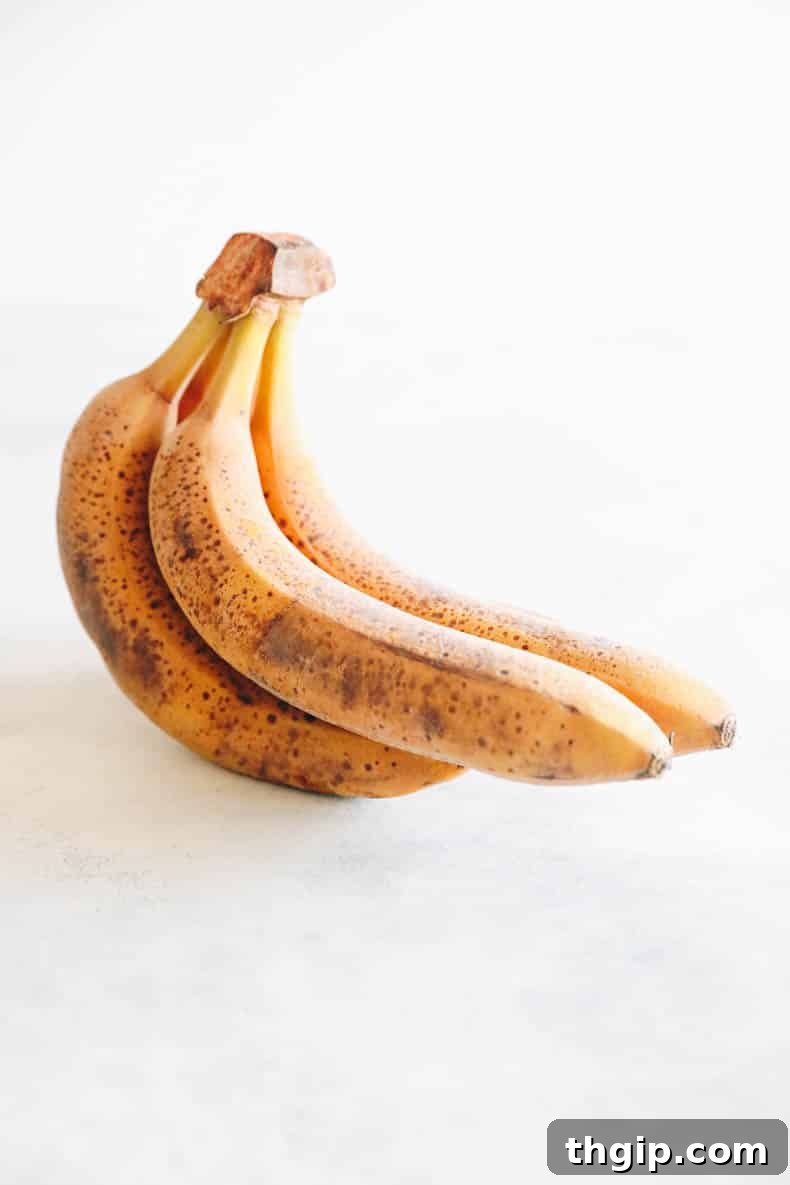
The “golden rule” of bananas is simple: once they reach that perfect stage of ripeness – or even beyond, when their skins are flecked with brown spots – it’s time to either use them immediately or freeze them. Those brown spots aren’t a sign of spoilage; they’re an indicator of increased natural sweetness and a softer texture, making them ideal for freezing and subsequent use in recipes. Don’t throw them away; embrace their potential!
Why You Should Freeze Bananas: Benefits and Beyond
Freezing bananas isn’t just about preventing waste; it unlocks a world of culinary benefits. All the wonderful attributes of fresh bananas are preserved, and often enhanced, through freezing.
Nutritional Powerhouse
Bananas remain an excellent source of essential nutrients even after being frozen. They are packed with potassium, vital for heart health and muscle function, magnesium, which supports energy production and nerve function, and a good amount of fiber, aiding digestion and promoting satiety (as highlighted by sources like Cleveland Clinic). Keeping them frozen ensures these nutrients are readily available for your meals.
Natural Sweetness & Moisture
As bananas ripen, their starch converts into sugar, intensifying their natural sweetness. Freezing them at this stage locks in that flavor, making them a fantastic natural sweetener for countless recipes, often allowing you to reduce or eliminate added sugars. Furthermore, when thawed, bananas release moisture, which can be incredibly beneficial in baked goods, contributing to a rich, soft texture without the need for extra fats or oils.
Convenience & Waste Reduction
Imagine having perfectly ripe bananas on demand, anytime you need them. Freezing offers unparalleled convenience, making meal prep a breeze. No more rushing to the store for ripe bananas or letting good fruit go to waste. It’s an eco-friendly practice that saves you money and reduces your household’s food footprint, aligning perfectly with a sustainable lifestyle.
Freezing Bananas: A Step-by-Step Guide
There are several ways to freeze bananas, each suited for different applications. Choosing the right method depends on how you plan to use them later.
Method 1: Freezing Whole Bananas
This method offers two distinct approaches, depending on your preference and ultimate use.
In Their Peel: The Easiest Start
Freezing bananas in their peels is undeniably the simplest upfront method. You literally just toss them into the freezer! The peel acts as a natural protective barrier, helping to prevent freezer burn to some extent. This method is particularly useful if you’re freezing a large batch quickly and aren’t immediately concerned with peeling them.
How to do it: Simply place the ripe, unpeeled bananas directly into your freezer. For best results and to maximize protection against freezer burn, you can place them inside a large freezer-safe bag, ensuring all air is squeezed out before sealing.
Pros: Minimal effort, the peel provides some protection.
Cons: Once frozen, the peel turns black and becomes very difficult to remove. You’ll need to thaw them partially or fully before peeling, which can be messy and sticky. This method is best for bananas destined for baked goods like banana bread or muffins, where a thawed, soft banana is desired. Not recommended for smoothies unless you enjoy the challenge of peeling a rock-hard, frozen banana!
Storage: Use within 2-3 months to maintain optimal quality and prevent significant freezer burn, even in an airtight bag.
Peeled Whole: Smoothie Ready
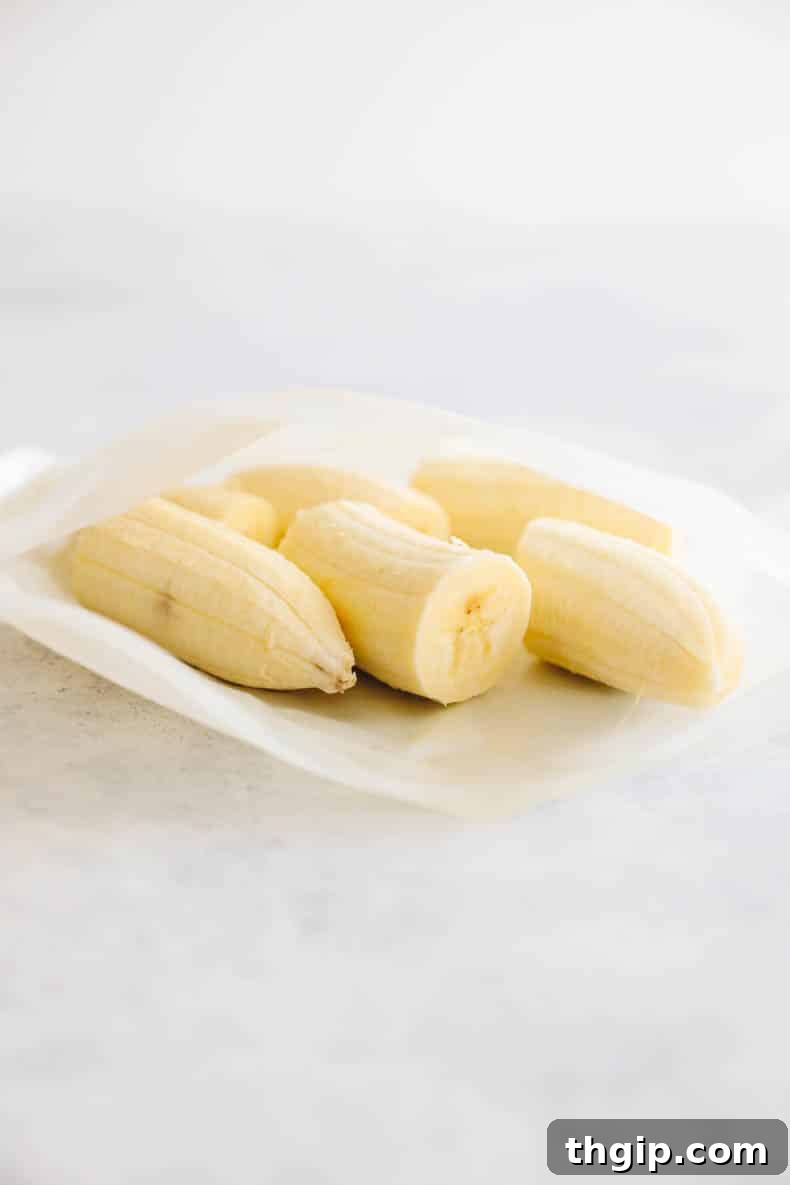
If you anticipate using your frozen bananas primarily for smoothies, milkshakes, or “nice cream,” freezing them peeled and whole (or in large chunks) is incredibly convenient.
How to do it:
- Peel your ripe bananas.
- (Optional) If you have very large bananas or want quicker blending, you can chop them into 2-3 larger pieces.
- Place the peeled bananas directly into a freezer-safe bag (like a Ziploc or reusable silicone bag such as a Stasher bag).
- Remove as much air as possible from the bag before sealing to prevent freezer burn.
- Lay the bag flat in your freezer.
Pros: Ready to use straight from the freezer for blending. No messy thawing and peeling required.
Cons: Without the peel, they are slightly more susceptible to freezer burn if not stored perfectly airtight. Can clump together if not flash-frozen first (though this is less of an issue for whole bananas than sliced).
Storage: Stored properly in an airtight bag, peeled whole bananas will last for 3-6 months. For baked goods, simply remove and thaw at room temperature for an hour or two until soft.
Method 2: Freezing Sliced Bananas (Best for Versatility)
This is arguably the most versatile and recommended method for freezing bananas, especially if you plan on using them in smoothies, “nice cream,” or even as a snack. Slicing them before freezing ensures easy portion control and quick blending.
How to do it:
- Prepare: Start with ripe or overripe bananas. Peel them completely.
- Slice: Using a knife, slice the bananas into uniform coins or small chunks, about ½ to ¾ inch thick. Smaller pieces freeze faster and are easier to blend.
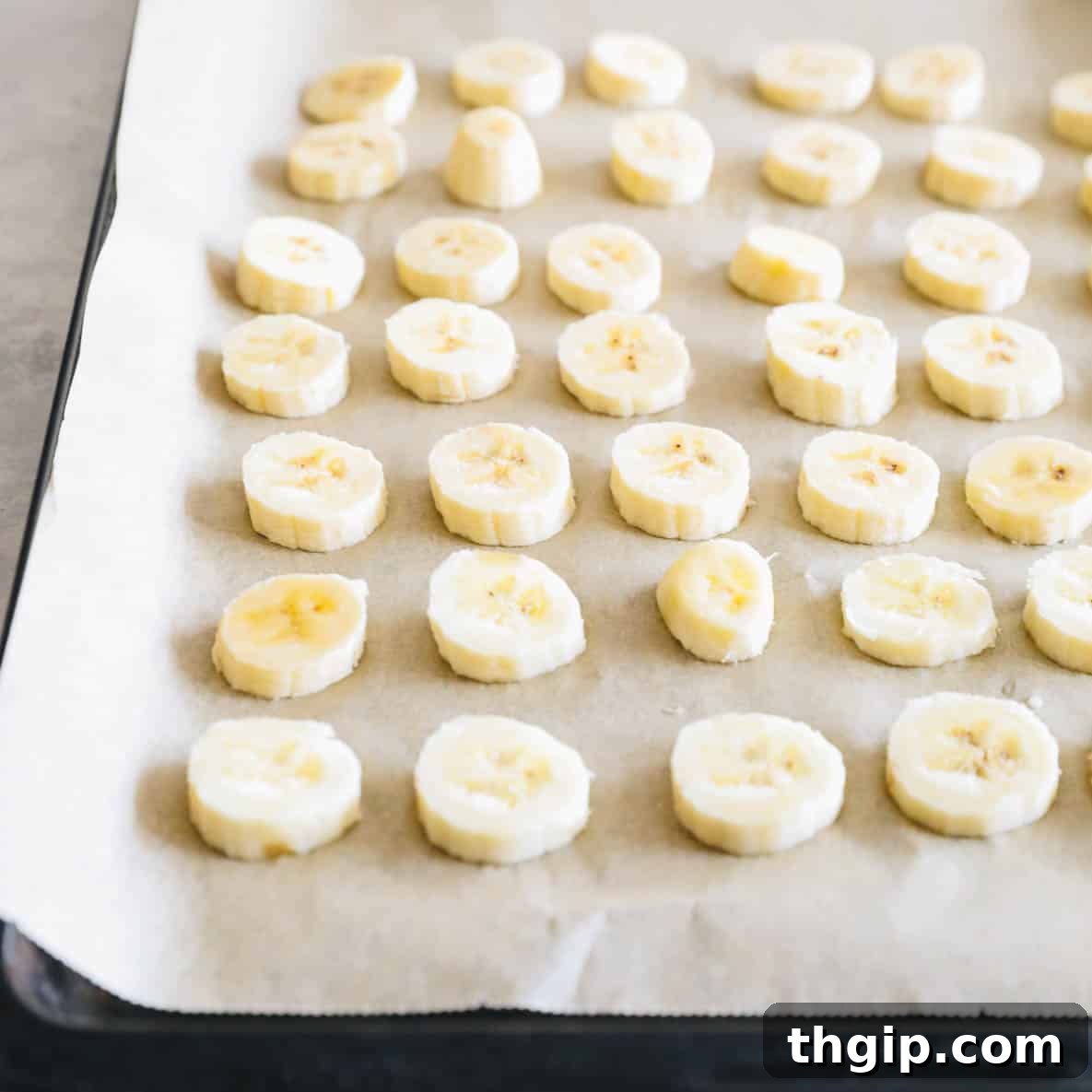
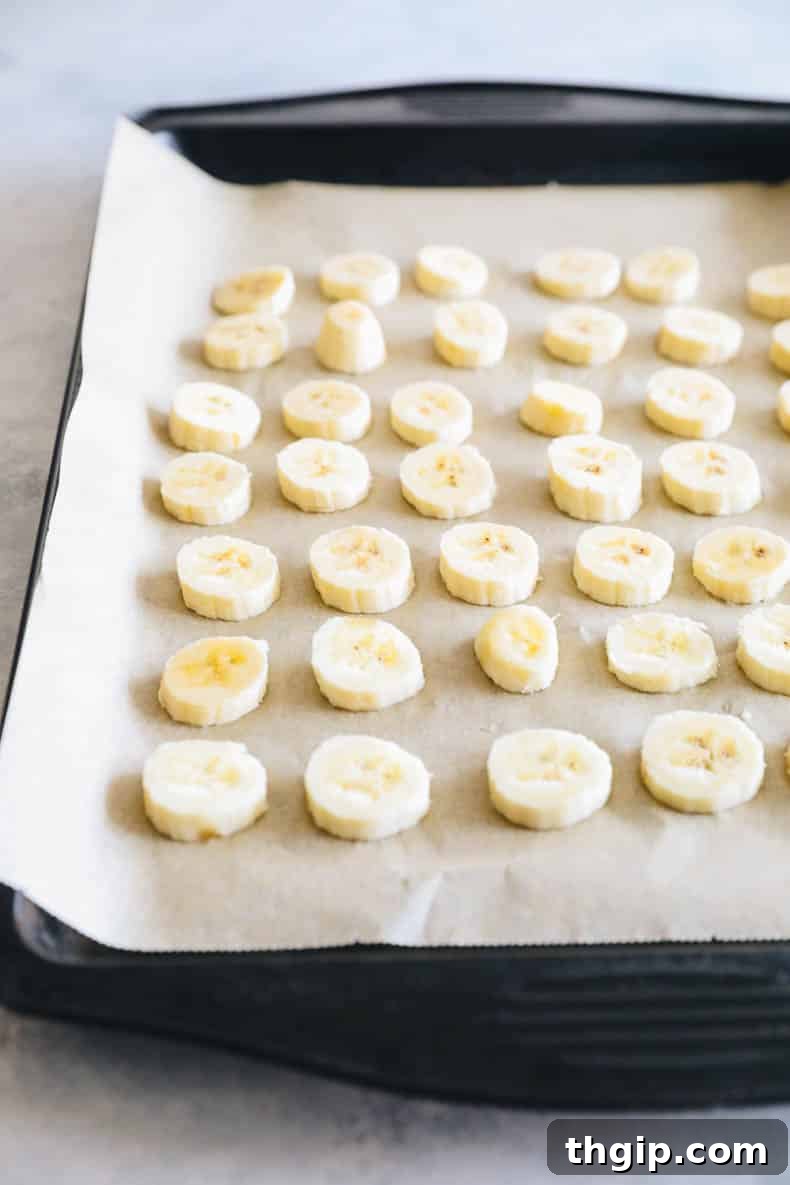
- Flash Freeze (Crucial Step!): This prevents the banana slices from sticking together in one giant clump. Line a baking sheet with parchment paper or a silicone mat. Arrange the banana slices in a single layer on the prepared sheet, ensuring they do not touch each other.
- Initial Freeze: Place the baking sheet in the freezer for 3-4 hours, or until the banana slices are completely solid.
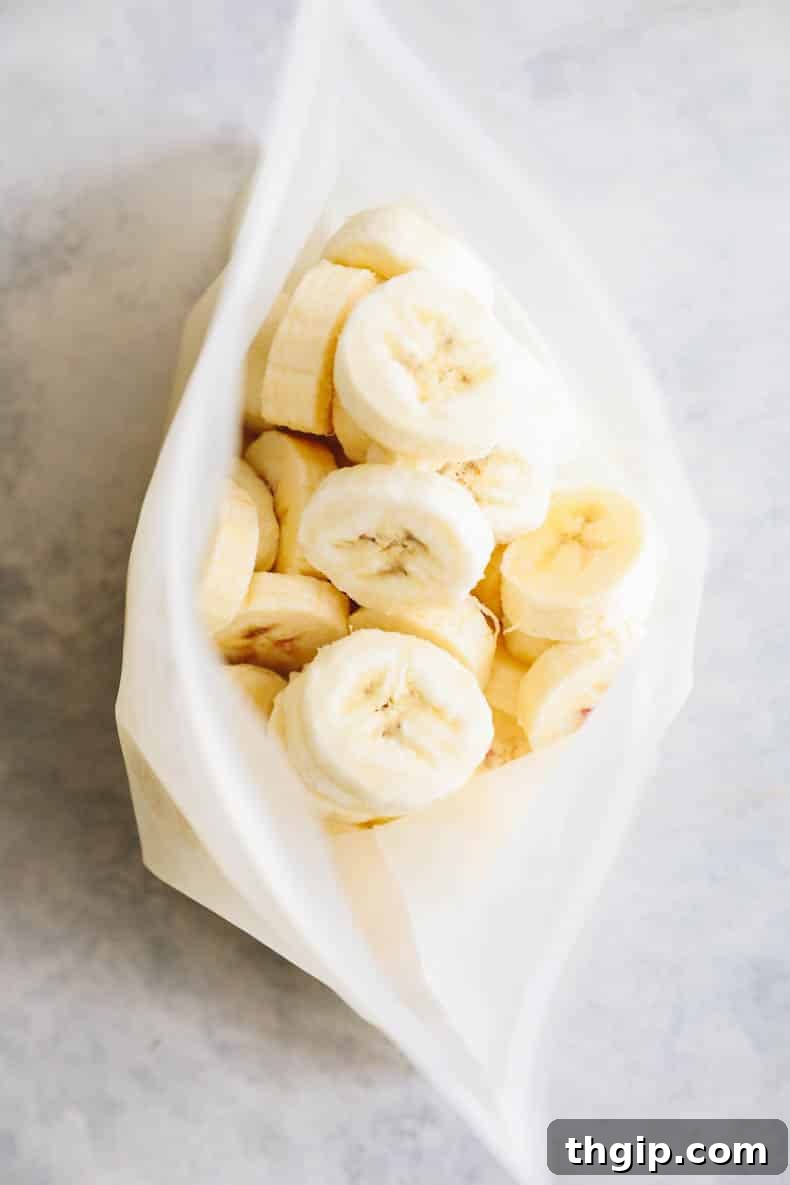
- Transfer & Store: Once thoroughly frozen, remove the baking sheet from the freezer. Quickly transfer the solid, individual banana slices into a heavy-duty freezer-safe bag or an airtight container. Press out as much air as possible from the bag before sealing.
- Label: Don’t forget to label your bag or container with the date.
Pros: Easy portioning, perfect for immediate use in smoothies and “nice cream,” prevents clumping.
Cons: Requires an extra “flash-freezing” step and takes up more initial freezer space on a baking sheet.
Storage: Properly stored sliced bananas will last exceptionally well for 3-6 months. Beyond that, they’re still safe to eat, but their quality, flavor, and texture may start to degrade slightly.
Method 3: Freezing Mashed Bananas (Perfect for Baking & Babies)
While not the most common method, freezing bananas after mashing them is a brilliant strategy for specific uses, particularly if you have an abundance of very soft, overripe bananas and know you’ll be baking or preparing baby food.
How to do it:
- Mash: In a large bowl, thoroughly mash your ripe bananas with a fork or potato masher until smooth, or leave slightly lumpy if preferred.
- Portion: Spoon the mashed banana into an ice cube tray, silicone muffin tray, or even measured portions in small freezer-safe containers. For baking, you might want to measure out ½ cup or 1 cup portions before freezing.
- Freeze Solid: Place the trays or containers in the freezer for 3-4 hours, or until the mashed banana portions are completely solid.
- Transfer & Store: Once frozen, pop the mashed banana cubes/portions out of their molds. Transfer them to a freezer-safe bag or airtight container, removing as much air as possible.
- Label: Clearly label with the date and amount (e.g., “Mashed Banana, 1 cup portions”).
Pros: Pre-portioned and ready for baking recipes (like banana bread or muffins), excellent for baby food, no waste from overly soft bananas.
Cons: Bananas tend to release more liquid when thawed from a mashed state compared to whole or sliced, requiring a bit of draining.
Storage: Mashed banana portions will last for up to 3 months in a well-sealed freezer bag or container.
Thawing Frozen Bananas: Tips for Every Use
The thawing process is crucial for certain recipes. Here’s how to do it effectively:
- For Baked Goods (Whole or Mashed): Place the frozen bananas (peeled or unpeeled whole, or mashed portions) in a bowl and let them thaw at room temperature for a few hours, or overnight in the refrigerator. Unpeeled bananas will turn dark, but the flesh inside will be perfect. You’ll notice some liquid released; this is normal. For baked goods, you can usually incorporate this liquid for moisture, or drain a little if you prefer a thicker consistency.
- For Smoothies & “Nice Cream”: No thawing needed! Simply toss the frozen slices or peeled whole bananas directly into your blender. The frozen state is what gives these recipes their signature thick, creamy texture.
- For Baby Food/Oatmeal (Mashed): Thaw mashed banana cubes in a small bowl in the refrigerator or at room temperature. Drain any excess liquid if desired before mixing into oatmeal or serving.
How Long Do Frozen Bananas Last? Maximize Shelf Life
With proper storage, frozen bananas can last for quite a long time, helping you make the most of your investment and effort. Generally, frozen bananas will maintain their best quality for 3 to 6 months when stored correctly. While they are technically safe to eat beyond this period, their flavor and texture might begin to degrade, and freezer burn can become more prominent.
Key factors for maximizing shelf life:
- Airtight Storage: This is the most critical factor. Air exposure leads to freezer burn, which causes the bananas to dry out, change color, and develop an off-flavor and texture. Always use heavy-duty freezer bags, vacuum-seal bags, or rigid, airtight freezer-safe containers.
- Remove All Air: When using freezer bags, press out as much air as possible before sealing. If using a vacuum sealer, this step is automatically taken care of.
- Proper Freezer Temperature: Ensure your freezer is set to 0°F (-18°C) or colder for optimal food preservation.
- Labeling: Always label your bags or containers with the freezing date. This simple step helps you keep track of how long items have been stored and ensures you use them within their prime.
Even if bananas develop a bit of freezer burn, they are still safe to consume. However, they might be best used in baked goods where the texture changes are less noticeable.
Creative Ways to Use Your Frozen Bananas
Once you start freezing bananas, you’ll find endless ways to incorporate them into your cooking. They are incredibly versatile and can be used in place of fresh bananas in many recipes, often adding a superior texture or sweetness.
Smoothies & Smoothie Bowls
This is perhaps the most popular use for frozen bananas. Their icy, creamy texture thickens smoothies naturally, eliminating the need for ice and adding a lovely sweetness. Simply blend with your favorite fruits, greens, protein powder, and liquid for a quick and nutritious meal or snack.
Homemade “Nice Cream”
One of the easiest and healthiest dessert hacks! Blend frozen banana slices with a splash of plant-based milk (or regular milk) until smooth and creamy. The result is a dairy-free “ice cream” with the perfect soft-serve consistency. You can add cocoa powder for chocolate, berries for a fruity twist, or peanut butter for extra richness.
Baking & Desserts
Thawed frozen bananas are perfect for any recipe that calls for ripe bananas, such as:
- Banana Bread & Muffins: Their increased sweetness and moisture content are ideal for these classic treats.
- Pancakes & Waffles: Mash them into the batter for added flavor and moisture.
- Cookies & Bars: A natural binder and sweetener in many dessert recipes.
Other Delicious Applications
- Oatmeal: Stir thawed mashed banana into hot oatmeal for instant sweetness and creaminess.
- Yogurt Topping: Thaw and chop for a healthy topping.
- Fruit Purees: Combine with other frozen fruits for simple, nutritious purees.
For more inspiration, check out these delicious recipes that perfectly utilize ripe and frozen bananas:
Final Thoughts: Embrace the Freeze!
Freezing bananas is a simple yet powerful habit that brings immense benefits to your kitchen. It reduces food waste, saves you money, and ensures you always have a naturally sweet, nutrient-rich ingredient on hand for a multitude of delicious recipes. Whether you prefer them whole, sliced, or mashed, taking a few minutes to freeze your overripe bananas will pay dividends in convenience and culinary creativity. So next time you see those brown spots appearing, don’t despair – embrace the freeze and unlock the full potential of your bananas!