
In the vast landscape of health and wellness, few topics have surged into the spotlight with as much fervor and scientific backing as gut health. While it might seem like a recent phenomenon, the understanding of our digestive system’s profound impact on overall well-being has been steadily gaining traction for decades. I recall a time when information about the importance of a healthy gut began to permeate mainstream discussions, sparking an immediate, widespread interest. Although the initial “craze” might have softened, the fundamental importance of nurturing our gut remains as critical as ever.
Many of us acknowledge the benefits of incorporating probiotics into our daily regimen, yet the ritual of remembering a daily supplement can often get lost amidst our busy lives. If you, like me, find yourself occasionally forgetting that little pill, I’m excited to share a practical and delicious alternative: a simple guide to gut-friendly foods you can effortlessly keep in your refrigerator and integrate into your meals. But before we dive into the delicious details, let’s explore why our gut deserves such prime attention.
Why Gut Health is Your Foundation for Overall Well-being
Often referred to as our “second brain,” the gut is far more than just a digestive organ. It’s a complex ecosystem, home to trillions of microorganisms collectively known as the gut microbiome. Over the past two decades, an explosion of scientific research has unveiled intricate links between the health of this microbiome and virtually every system in the body. “Numerous studies in the past two decades have demonstrated links between gut health and the immune system, mood, mental health, autoimmune diseases, endocrine disorders, skin conditions, and cancer.” (Source).
This powerful connection is largely due to the gut-brain axis, a bidirectional communication highway between your digestive tract and your central nervous system. A significant portion of your body’s serotonin, a key neurotransmitter influencing mood, sleep, and appetite, is produced in the gut. Furthermore, a staggering 70-80% of your immune cells reside in your gut. This means that a healthy, balanced gut microbiome is fundamental to a robust immune system, protecting you from pathogens and regulating inflammatory responses throughout the body. When your gut flora is out of balance (a state known as dysbiosis), it can contribute to a cascade of health issues, from digestive discomfort and reduced nutrient absorption to more systemic problems affecting mood, skin, and even chronic diseases.
While probiotic supplements have their place and can be beneficial in certain situations, I’m a firm believer that integrating gut-healthy foods into your daily diet is a more sustainable and enjoyable approach. There’s a unique satisfaction in nourishing your body with delicious, whole foods that naturally support your microbiome, rather than relying solely on a pill. This food-first strategy often provides a wider array of beneficial bacteria strains, prebiotics (which feed these bacteria), and essential nutrients that work synergistically for optimal health. If you’re curious about the world of probiotics, I’ve previously shared insights in this post here, but for now, let’s focus on the culinary path to a happier gut.
Understanding Gut-Friendly Foods: Probiotics vs. Prebiotics
When we talk about “gut-friendly” foods, we’re primarily referring to two categories that play distinct yet equally crucial roles in fostering a healthy gut microbiome: probiotics and prebiotics. Understanding the difference is key to building a truly supportive diet.
Probiotics are live microorganisms, typically bacteria and yeasts, that provide health benefits when consumed in adequate amounts. These are the “good bacteria” that help colonize your gut, assisting with digestion, nutrient absorption, and immune function. They contribute to a diverse and balanced gut flora, making it more resilient against harmful invaders.
Prebiotics, on the other hand, are non-digestible fiber compounds that act as food for these beneficial gut bacteria. While our bodies can’t digest prebiotics, our gut microbes can ferment them, producing short-chain fatty acids (SCFAs) like butyrate, which are vital for gut wall integrity, reducing inflammation, and even influencing brain function. Both probiotics and prebiotics are essential for a thriving gut, working in tandem to maintain a balanced and robust internal ecosystem.
So, if remembering a daily probiotic pill isn’t your strong suit, fear not! Your fridge can be a powerhouse of gut-supporting ingredients. Here’s a list of 10 delicious and diverse foods you can easily keep on hand to boost your gut health naturally.
Top 10 Essential Foods for a Thriving Gut
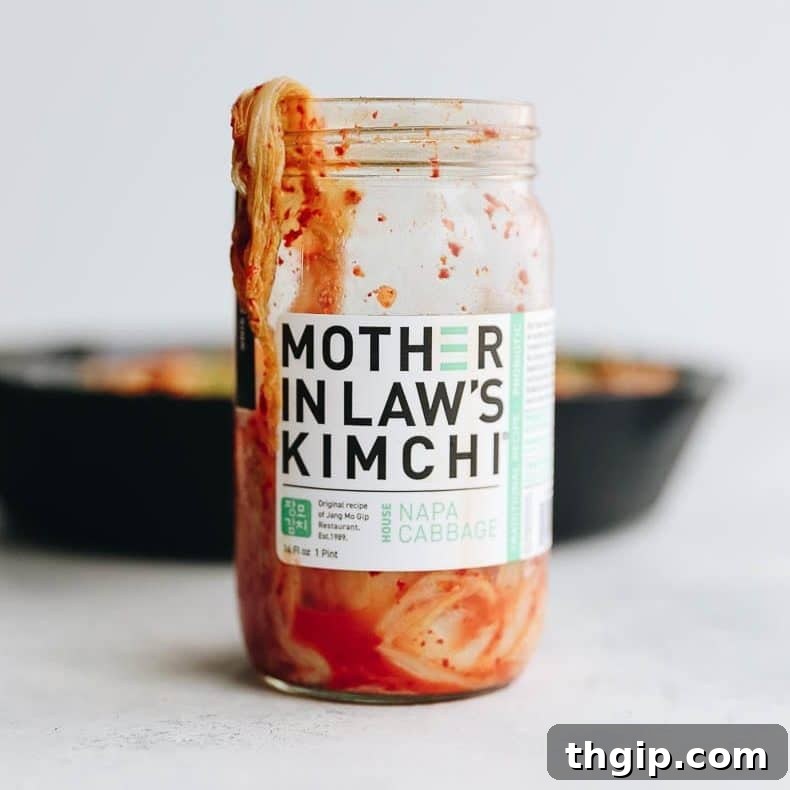
1. Kimchi – My first encounter with kimchi was nothing short of love at first bite! This vibrant Korean staple is made from fermented vegetables, most commonly napa cabbage and Korean radish, seasoned with a spicy and savory blend of gochugaru (chili powder), garlic, ginger, and other spices. The fermentation process not only enriches its flavor but also produces a wealth of beneficial lactic acid bacteria, including various strains of Lactobacillus. Kimchi is incredibly versatile; I love adding it to so many dishes, from topping scrambled eggs to enhancing stir-fries. Two of my favorite recipes that truly highlight its deliciousness are Korean Veggie Burgers and Healthy Kimchi Fried Rice.
2. Miso – This traditional Japanese seasoning paste, made from fermented soybeans (and sometimes rice or barley), is a fantastic addition to any gut-healthy kitchen. Miso is a powerhouse of umami flavor and brings a unique depth to dressings, marinades, and soups. It’s rich in beneficial bacteria, enzymes, and essential minerals. I always have a container of miso in my fridge because it’s a quick way to add a savory, probiotic boost to almost any meal. It’s a key ingredient in two of my most frequently made recipes: my comforting Go-To Healing Bowl and light, flavorful Quinoa Veggie Bowls with Miso Sesame Dressing.
3. Sauerkraut – A classic example of fermented cabbage, sauerkraut is a simple yet incredibly potent gut-friendly food. To ensure you’re getting the maximum probiotic benefits, look for raw, unpasteurized sauerkraut in the refrigerated section of your grocery store. The pasteurization process, while extending shelf life, can destroy the beneficial bacteria. Sauerkraut’s tangy, crunchy texture makes it an excellent accompaniment to a variety of meals. I find that some people have strong opinions about sauerkraut, but don’t knock it until you try it – and make sure it’s the good, living stuff! It’s fantastic on burgers, hot dogs, sandwiches, or even as a side to roasted vegetables.
4. Kefir – Often described as a drinkable yogurt, kefir is a fermented milk product with an even more diverse range of beneficial bacteria and yeasts than traditional yogurt. The fermentation process, initiated by kefir “grains” (symbiotic colonies of bacteria and yeast), breaks down lactose, making it potentially easier to digest for those with lactose sensitivity. While some enjoy kefir on its own, its tangy, slightly effervescent nature makes it an ideal liquid base for smoothies, providing a creamy texture and a significant probiotic boost without overwhelming other flavors. You can also find non-dairy kefir options made with coconut milk or water.
5. Yogurt – A perennial refrigerator staple, yogurt has long been recognized for its gut-friendly properties. The key is to choose yogurts that explicitly state they contain “live and active cultures,” ensuring you’re getting those beneficial bacteria. Yogurt is not only an excellent source of probiotics but also provides protein and calcium. I often have multiple quarts in my fridge, ready to be enjoyed in various ways. Beyond simply eating it with fruit and granola, I love getting creative with yogurt in recipes like this refreshing Greek Yogurt Tzatziki Dip or a fun, homemade DIY Frozen Yogurt.
6. Kombucha – Oh, kombucha, how I love you! This effervescent, tangy fermented tea has become a popular gut-health beverage for good reason. Made by fermenting sweetened tea with a SCOBY (Symbiotic Culture Of Bacteria and Yeast), kombucha is rich in probiotics, antioxidants, and organic acids. Sipping on a delicious glass of ‘buch feels like a special treat, knowing that it’s also actively benefiting my digestive system. You can easily pick up your favorite flavor at your local grocery store, or for the adventurous, making your own at home is a rewarding experience with this simple recipe!
7. Fruits – While not fermented, fruits are absolute champions for gut health due to their high fiber content and array of prebiotics. They nourish the beneficial bacteria already present in your gut, helping them to thrive and multiply. Fruits like apples, bananas, berries, and pears are particularly rich in pectin and resistant starch, fibers that are fermented by gut microbes into beneficial short-chain fatty acids. Aim for a diverse range of colorful fruits to supply your gut with a wide spectrum of nutrients and fiber types. They are easy to grab for a snack, add to smoothies, or incorporate into desserts.
8. Vegetables – A cornerstone of any healthy diet, vegetables are paramount for a flourishing gut. They are packed with various types of fiber, including insoluble and soluble fibers, as well as a wealth of vitamins, minerals, and phytonutrients. These fibers act as prebiotics, providing essential fuel for your gut’s good bacteria, promoting regularity, and supporting a diverse microbiome. Incorporate a wide variety of vegetables into your meals – think leafy greens like spinach and kale, cruciferous vegetables such as broccoli and cauliflower, and root vegetables like carrots and sweet potatoes. The more diverse your vegetable intake, the more diverse and resilient your gut microbiome will be.
9. Whole Grains – Moving beyond refined grains to their whole counterparts is a game-changer for gut health. Foods like oats, brown rice, quinoa, barley, and whole wheat bread are rich in dietary fiber, including beta-glucans and resistant starch, which are excellent prebiotics. These complex carbohydrates pass undigested into the large intestine, where they are fermented by beneficial bacteria. This fermentation process produces SCFAs that are crucial for gut barrier function and overall digestive wellness. Swapping out white bread for whole wheat, or adding a serving of quinoa to your salad, can significantly boost your fiber intake and support your microbiome.
10. Legumes and Beans – Another powerhouse category of prebiotic-rich foods, legumes, and beans are fantastic for gut health. Lentils, chickpeas, black beans, kidney beans – all are excellent sources of soluble fiber and resistant starch. These compounds slowly ferment in the colon, providing a steady supply of fuel for your beneficial gut bacteria and promoting the production of short-chain fatty acids. This can lead to improved gut motility, reduced inflammation, and better nutrient absorption. They are incredibly versatile and can be added to soups, stews, salads, or made into dips. Two of my favorite recipes that feature these gut-loving ingredients are Tuscan White Bean Soup and Warm Lentil and Sweet Potato Salad.
* * * * *
Important Considerations & A Word of Caution
While the journey to a healthier gut through diet is incredibly rewarding, it’s crucial to approach it with mindfulness and awareness of your body’s unique needs. One important thing to note is that probiotic-rich foods aren’t necessarily beneficial for everyone, or at all times. I speak from personal experience: years ago, I struggled significantly with SIBO (Small Intestinal Bacterial Overgrowth). During that period, many “gut-healthy” and fermented foods, which are typically celebrated, actually exacerbated my symptoms, causing bloating and discomfort.
I eventually chose to undergo antibiotic treatment, which, while effective against the bacterial overgrowth, essentially reset my entire gut flora. Only after this reset did I slowly and cautiously reintroduce gut-healthy foods, starting with very small quantities and gradually increasing as my body adapted. Now, I enjoy them all in moderation. This experience taught me a vital lesson: it is entirely possible to overdo it, and “more” isn’t always “better.” Consider this my public service announcement: listen closely to your body. When introducing new fermented or high-fiber foods, start with small servings (e.g., a tablespoon of sauerkraut) and gradually increase as tolerated. My personal aim is typically one serving of a diverse gut-friendly food per day.
Ultimately, your gut health journey is unique. Before making any significant dietary changes, especially if you have underlying health conditions or experience persistent digestive issues, it is always best to check in with your doctor or a qualified healthcare professional. They can provide personalized advice tailored to your specific health profile.
Like this post? Here are others you might enjoy:
- Natural Ingredients for Your Skin (That You Can Find in Your Kitchen)
- Why I’m Obsessed with Imperfect Produce
- Yoga for Digestion
- Let’s Talk about Probiotics