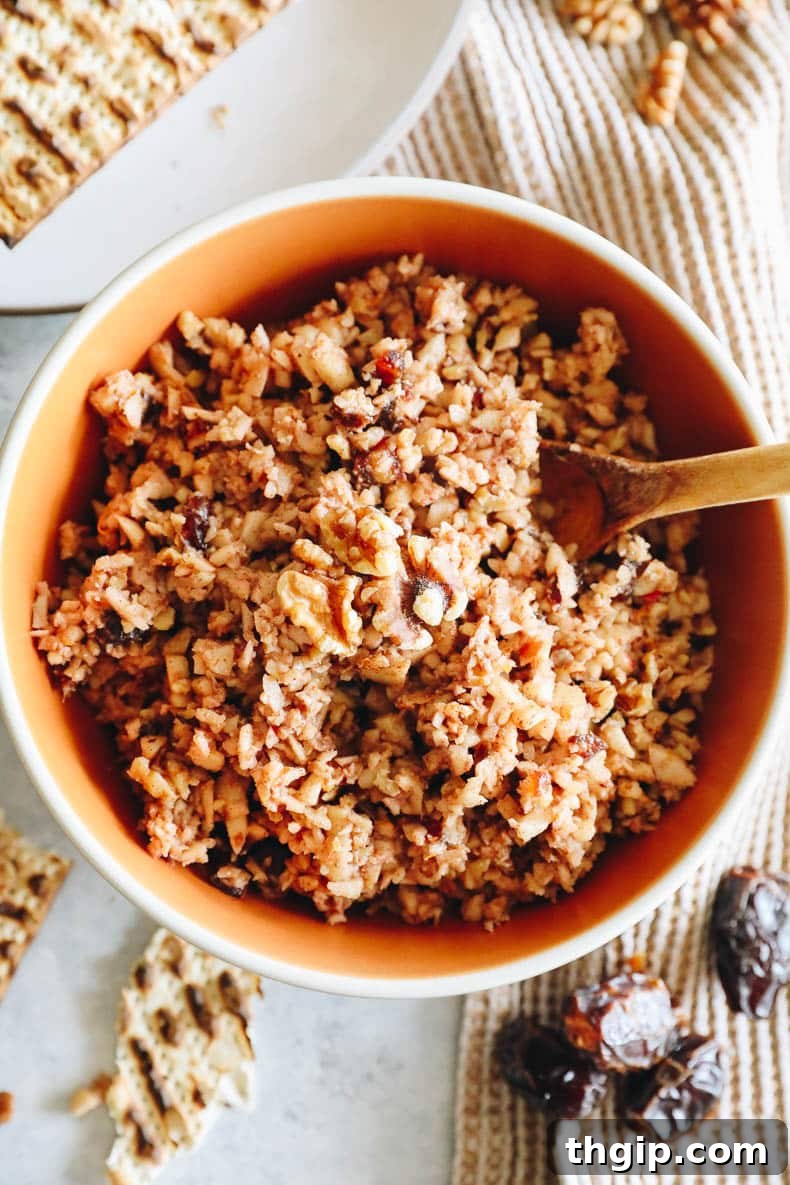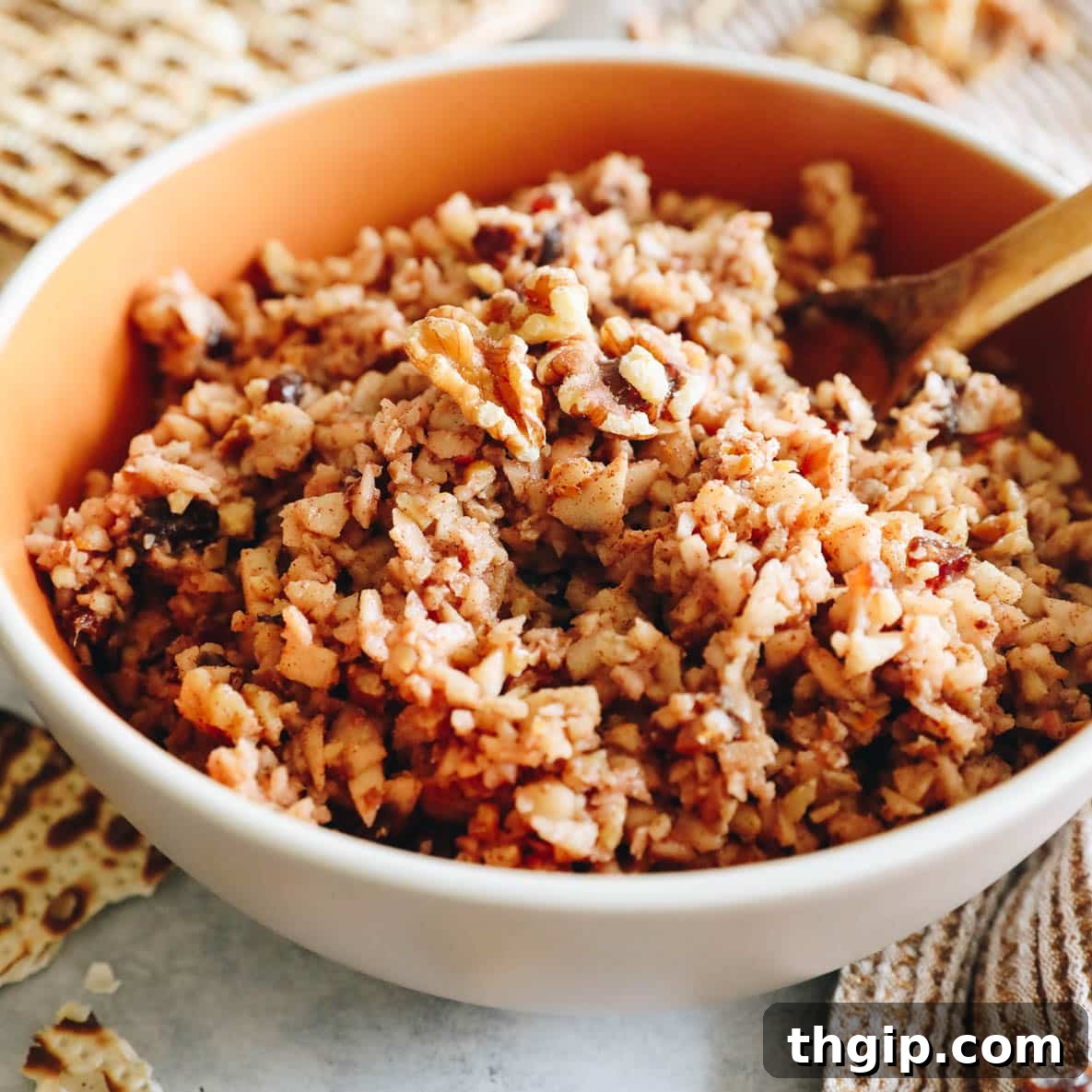
The Ultimate Traditional Charoset Recipe: A Sweet & Symbolic Seder Essential
Charoset, often spelled Haroset, is much more than just a delightful mixture of fruits and nuts; it is a profoundly symbolic dish central to the Passover Seder. This cherished condiment represents the mortar used by the Israelite slaves during their arduous labors building bricks for the pharaoh in ancient Egypt. Its sweet and rich flavor, despite its somber symbolism, serves as a powerful reminder of hope and the sweetness of eventual freedom, even amidst hardship.
Whether you are a seasoned Seder host or exploring Jewish traditions for the first time, this guide is your definitive resource for crafting a truly exceptional Charoset. We will provide detailed, step-by-step instructions for an authentic recipe, offer adaptable variations to cater to different tastes and dietary requirements, and share invaluable tips for seamless preparation, elegant serving, and optimal storage. Prepare to immerse yourself in the rich history and irresistible flavors of this timeless dish, designed for everyone to enjoy, Jewish or not!
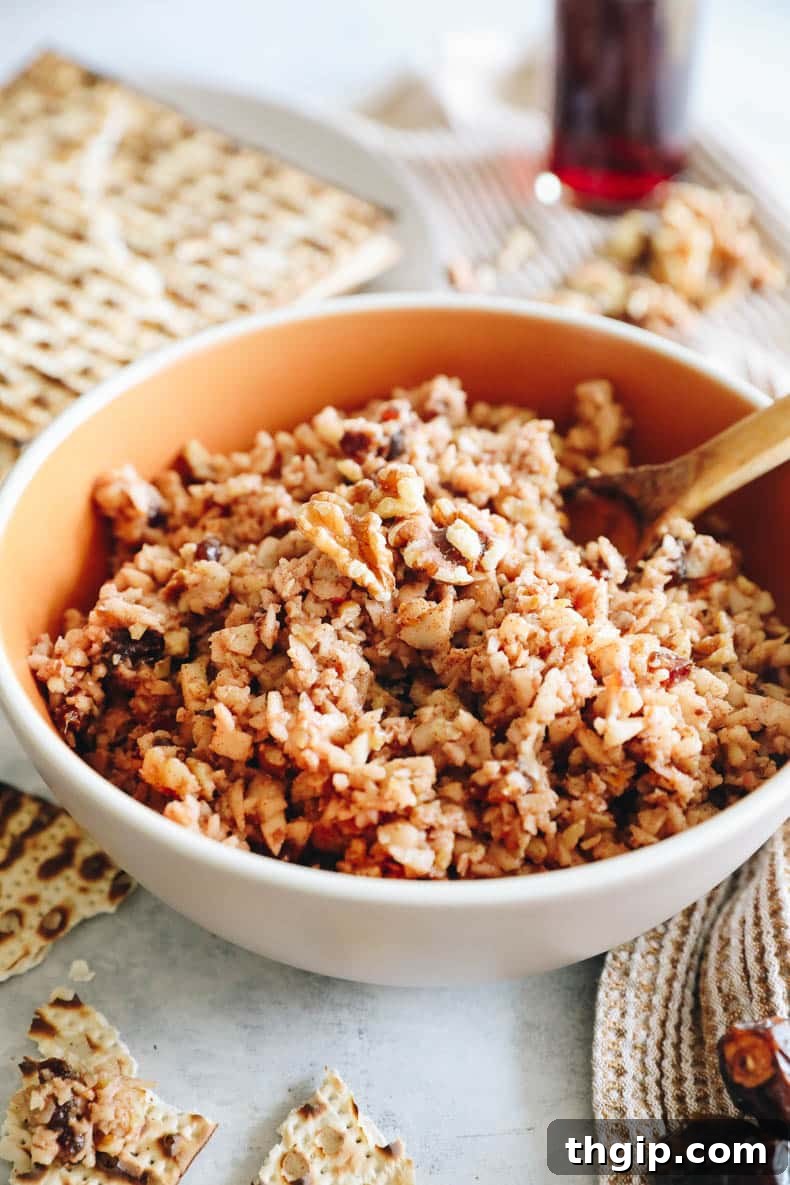
Table of Contents
- The Enduring Symbolism of Charoset on the Seder Plate
- Why This Charoset Recipe is a Must-Try
- Crafting the Perfect Blend: Key Ingredients for Traditional Charoset
- Step-by-Step Guide: How to Prepare Your Charoset
- Customizing Your Charoset: Variations and FAQs
- Serving Charoset: Beyond the Seder Table
- Storing Your Charoset for Optimal Freshness
- More Passover-Friendly Recipes
- Traditional Charoset Recipe Card
The Enduring Symbolism of Charoset on the Passover Seder Plate
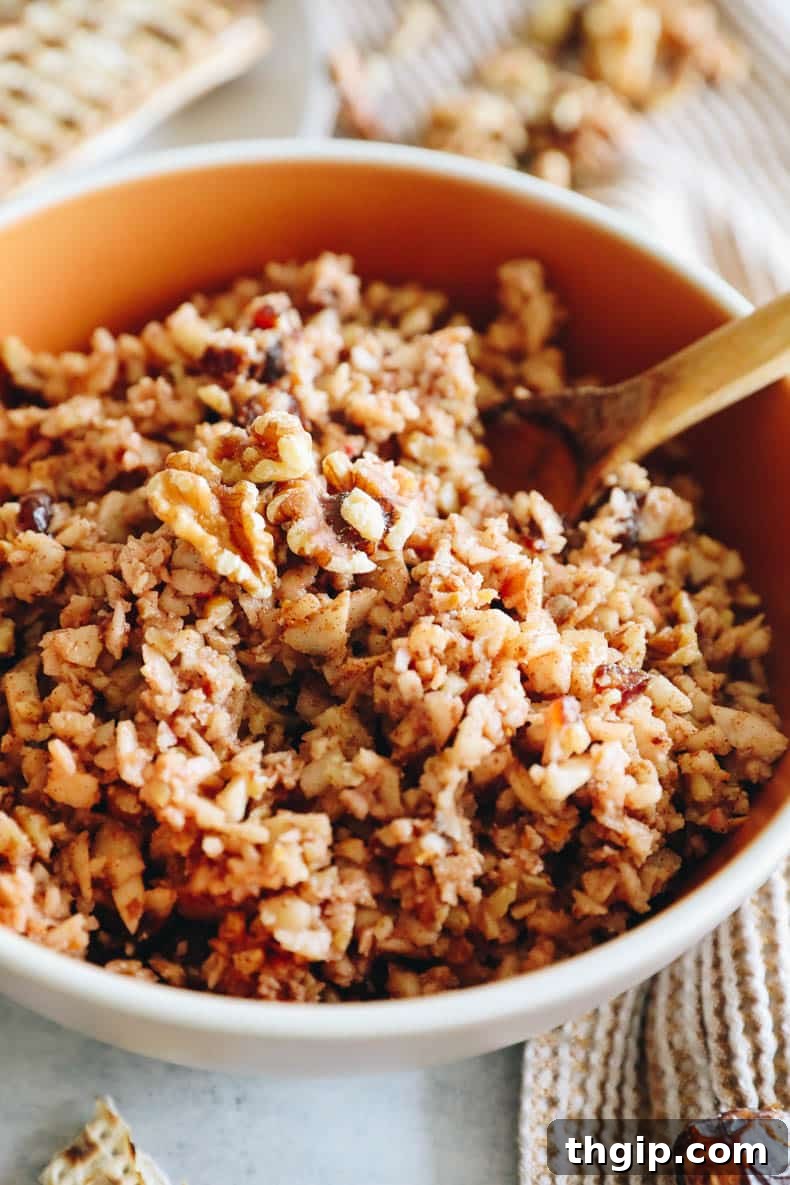
Charoset occupies a profoundly significant and moving position on the Seder plate. Its distinct appearance, often a brownish, textured paste, is intentionally crafted to recall the mortar and clay that the Israelite slaves were forced to handle during their oppressive servitude under Pharaoh in ancient Egypt. Despite this sorrowful historical link, Charoset is typically sweet and flavorful. This deliberate contrast symbolizes the resilience of the Jewish people and the enduring hope that blossomed even during their darkest hours, leading to eventual freedom. This compelling duality of bitterness and sweetness is fundamental to the entire Passover narrative and is beautifully encapsulated within this single dish.
Beyond its visual and symbolic resonance, Charoset provides a tangible and delicious reminder throughout the Seder. When eaten with matzah (the unleavened bread) and often alongside maror (bitter herbs), it creates a multi-sensory experience that vividly recounts the journey from enslavement to liberation. Jewish communities across the globe have developed diverse interpretations of Charoset, each reflecting the local ingredients and culinary heritage of their region. For instance, Ashkenazi (Eastern European) Charoset traditionally features apples, walnuts, and sweet red wine, while Sephardic (Mediterranean and Middle Eastern) variations might incorporate dates, figs, pistachios, almonds, or even bananas, showcasing the rich tapestry of Jewish cuisine. Regardless of these regional nuances, the central symbolism of Charoset remains constant: a sweet and hopeful memory of a challenging past, celebrated with deep gratitude for freedom.
Why This Charoset Recipe is a Must-Try
In countless Jewish households, every family proudly shares their own cherished Charoset recipe, often meticulously passed down through generations. While honoring these deep-rooted traditions, this particular recipe harmonizes classic ingredients with ingenious modern twists and efficient time-saving techniques—innovations that even our ancestors would likely appreciate today!
- A Symphony of Rich, Balanced Flavors: This Charoset recipe delivers an exquisite balance of sweet, spicy, and tangy notes, creating a truly memorable culinary experience. The crisp sweetness of fresh apples, the earthy depth of walnuts, the natural richness of dates, and the warm, aromatic embrace of cinnamon converge in perfect harmony. It transcends its role as a mere condiment; it’s a delightful burst of flavor that not only perfectly complements the simple elegance of matzah but also stands beautifully on its own as a compelling treat.
- Modern Convenience Blended with Timeless Tradition: While the historically authentic method of preparing Charoset involves the labor-intensive use of a mortar and pestle—a practice I deeply respect for its historical accuracy and meditative quality—this recipe offers a pragmatic yet equally satisfying alternative. We strategically employ a food processor to efficiently chop and blend the ingredients, significantly reducing preparation time without ever compromising the desired texture or taste. For those who do not possess a food processor, a sharp chef’s knife and a spacious mixing bowl will still yield equally fantastic and beautifully textured results. This adaptable approach ensures that even individuals with the busiest schedules can seamlessly incorporate this profoundly meaningful dish into their Passover Seder preparations.
- Effortlessly Adaptable for Diverse Dietary Needs: Understanding and accommodating various dietary requirements is paramount, and this recipe is specifically designed with maximum flexibility in mind. Do you need to entirely omit nuts due to severe allergies? Or perhaps you prefer to prepare an alcohol-free version for family and guests of all ages? We provide clear, straightforward substitutions and thoughtful adjustments, guaranteeing that every single person gathered at your Seder table can savor and enjoy this deliciously symbolic dish without any compromise on flavor or safety.
For over a decade as a passionate food blogger, I must confess that my Charoset preparations often relied on instinct and a basic selection of ingredients. And, to be completely honest, it always turned out wonderfully! However, this year, a deep-seated desire compelled me to formalize my absolute favorite rendition. I meticulously measured each component, refining and preserving what I consider to be my definitive Charoset recipe. This endeavor was not merely about precision; it was about creating a lasting legacy.
Becoming a parent has profoundly deepened my appreciation for documenting cherished family recipes. The thought of my children, years from now, effortlessly accessing a digital cookbook brimming with their mom’s beloved dishes, especially this very Charoset, fills me with immense warmth and joy. Even if they eventually choose not to pursue cooking, these carefully documented recipes will serve as a powerful, tangible link to their rich heritage and the comforting flavors of their childhood. This Charoset recipe, a personal highlight and arguably my favorite part of the Passover Seder, is no exception to this sentiment.
Beyond its traditional role at Passover, Charoset reveals itself to be incredibly versatile and endlessly enjoyable. My husband, for instance, is famously guilty of savoring it straight from the bowl with a spoon! It transforms into a fantastic dip for various crackers, a delightfully sweet spread for morning toast, or a wholesome and flavorful topping for Greek yogurt. I genuinely encourage everyone, regardless of whether you are observing Passover this year, to experience the delicious and meaningful flavors of this unique recipe. It’s a culinary delight waiting to be discovered!
Crafting the Perfect Blend: Key Ingredients for Traditional Charoset
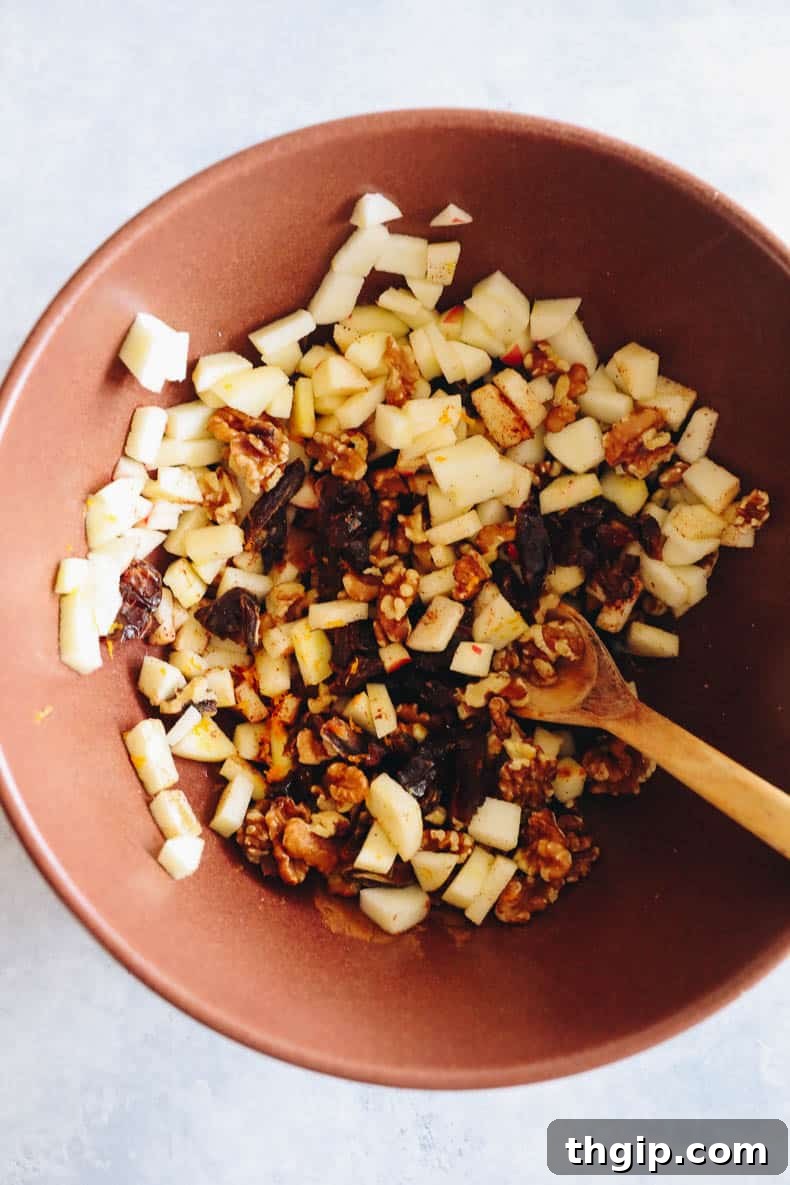
The inherent beauty of Charoset lies in its elegant simplicity and the harmonious synergy of its core ingredients. Each component plays a crucial and distinct role in contributing to the characteristic texture, depth of flavor, and symbolic richness that makes this dish so universally cherished. Here’s an in-depth exploration of the essential elements that comprise a truly traditional Charoset:
- Apples: The Sweet and Crisp Foundation: Apples form the foundational base for the vast majority of Ashkenazi Charoset recipes. For optimal flavor, texture, and visual appeal, I highly recommend selecting crisp, sweet-tart varieties such as Fuji or Gala apples. Their inherent natural sweetness, coupled with their firm flesh, ensures they hold up beautifully within the mixture, providing a delightful and refreshing crunch. The apples are typically prepared by being finely chopped or expertly grated.
- Lemon Juice: A Brightening, Antioxidant Touch: A modest addition of fresh lemon juice serves a dual purpose. Firstly, it introduces a bright, zesty, and tangy counterpoint that exquisitely balances the overall sweetness of the Charoset. Secondly, and equally important, its natural acidity acts as a mild antioxidant, helping to mitigate excessive browning (oxidation) of the chopped apples. While some natural browning is an expected part of the process, lemon juice helps maintain a fresher, more appealing appearance.
- Dried Fruits: Natural Sweetness and Mortar-Like Body: Essential for both natural sweetness and to impart that characteristic sticky, jam-like consistency reminiscent of mortar, dried fruits like raisins or finely chopped dates are indispensable. You have the flexibility to choose between standard dark raisins for classic richness, golden raisins for a slightly lighter color and tang, or succulent Medjool dates for a richer, more profound caramel-like flavor and denser texture. Always ensure dates are pitted and meticulously chopped into fine pieces.
- Walnuts: Adding Essential Texture and Earthy Depth: Walnuts are unequivocally the most commonly utilized nut in traditional Charoset, playing a pivotal role in contributing a crucial textural element and a rich, earthy flavor profile. Their subtle bitterness gracefully balances the inherent sweetness of the fruits, creating a more complex taste experience. For those with nut allergies or individuals seeking an alternative flavor, pecans present an excellent substitute, offering a buttery, slightly milder taste and a softer crunch.
- Cinnamon: The Warm and Aromatic Heart: Ground cinnamon is an absolutely non-negotiable ingredient in virtually all authentic Ashkenazi Charoset recipes. Its warm, sweet, and deeply comforting aroma is instantly evocative of cherished holiday spices and adds an indispensable layer of complex flavor that seamlessly binds all the individual ingredients together, creating a unified and aromatic whole.
- Sweet Red Wine: The Unifying Binding Element: A measured splash of sweet red wine, traditionally a kosher variety such as Manischewitz, serves as the essential liquid binder for the Charoset. It delicately infuses the entire mixture with a subtle fruitiness, a hint of sophisticated acidity, and vital moisture. This ingredient adds both depth and a gentle tang. If kosher wine proves challenging to locate, or if you simply prefer an alcohol-free alternative, sweet grape juice is an ideal, widely accepted, and equally delicious substitute, maintaining the necessary liquid component and fruit essence.
A Zesty Twist: Optional Enhancements for Your Charoset
While the combination of traditional ingredients alone creates a perfectly delicious Charoset, incorporating a subtle pinch of ground nutmeg and a teaspoon of fresh orange zest can introduce an exquisite extra layer of flavor. These additions impart an enhanced warmth from the nutmeg and bright, aromatic citrus notes from the orange zest, elevating the overall complexity. These enhancements are entirely optional; feel free to omit them if you prefer to adhere strictly to the classic, unadorned recipe.
Step-by-Step Guide: How to Prepare Your Charoset
Preparing Charoset is surprisingly straightforward, especially when utilizing modern kitchen appliances. While the historically traditional method involves extensive hand-chopping with a knife or the use of a mortar and pestle, a food processor significantly streamlines the process, making this meaningful dish accessible to home cooks of all skill levels. Here’s how to expertly achieve that perfect, characteristic chunky paste:
The Modern Approach: Utilizing a Food Processor (My Preferred Method)
This efficient method is ideal for swiftly achieving a consistently coarse and appealing texture with minimal effort, all while faithfully preserving the desired “mortar-like” consistency that Charoset is known for.
- Prepare and Gather Ingredients: Begin by ensuring all your apples are properly peeled (or left unpeeled, which is a matter of personal preference and can add extra fiber and color), cored, and roughly chopped into manageable pieces. Have your walnuts, pitted dates (or raisins), ground cinnamon, optional lemon juice, orange zest (if you choose to include it), and sweet red wine or grape juice measured and ready.
- Load the Food Processor: Carefully place all the prepared ingredients into the spacious bowl of your food processor. Exercise caution not to overload the processor; if you are preparing a particularly large quantity, it is advisable to work in smaller, manageable batches to ensure even processing.
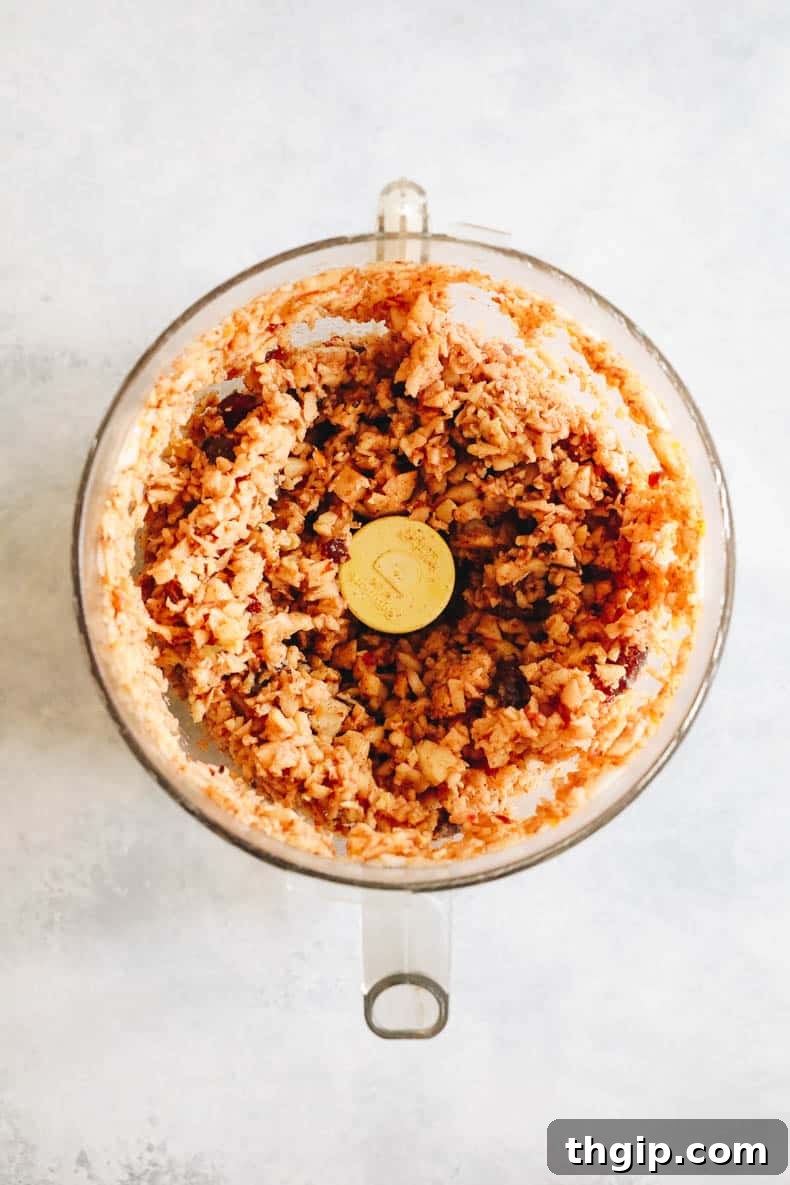
- Pulse to Achieve Perfect Texture: Secure the lid firmly and engage the pulse function on your food processor several times. The crucial technique here is *pulsing* in short bursts, rather than continuous blending. Your objective is to achieve a thick, delightfully chunky paste that still contains discernible pieces of fruit and nuts, closely resembling coarse mortar – avoid over-processing into a smooth, unappealing puree. Periodically stop the processor and use a spatula to scrape down the sides of the bowl to ensure all ingredients are evenly incorporated. Continue pulsing until the mixture truly comes together and attains your desired consistency.
- Taste and Fine-Tune: Once the Charoset has reached its ideal texture, take a moment to taste it. If you feel it requires additional sweetness, you may consider adding a tiny drizzle of honey (though the natural sugars from the fruit and wine are typically sufficient). If the mixture appears too dry, incorporate another splash of sweet red wine or grape juice until the desired moisture level is achieved.
The Traditional Method: Hand Chopping in a Bowl
For those who do not own a food processor, or if you simply prefer a more rustic texture and enjoy the tactile, meditative process of hand preparation, this traditional method is absolutely viable and yields equally delicious results. This approach grants you superior control over the precise size and uniformity of your fruit and nut pieces.
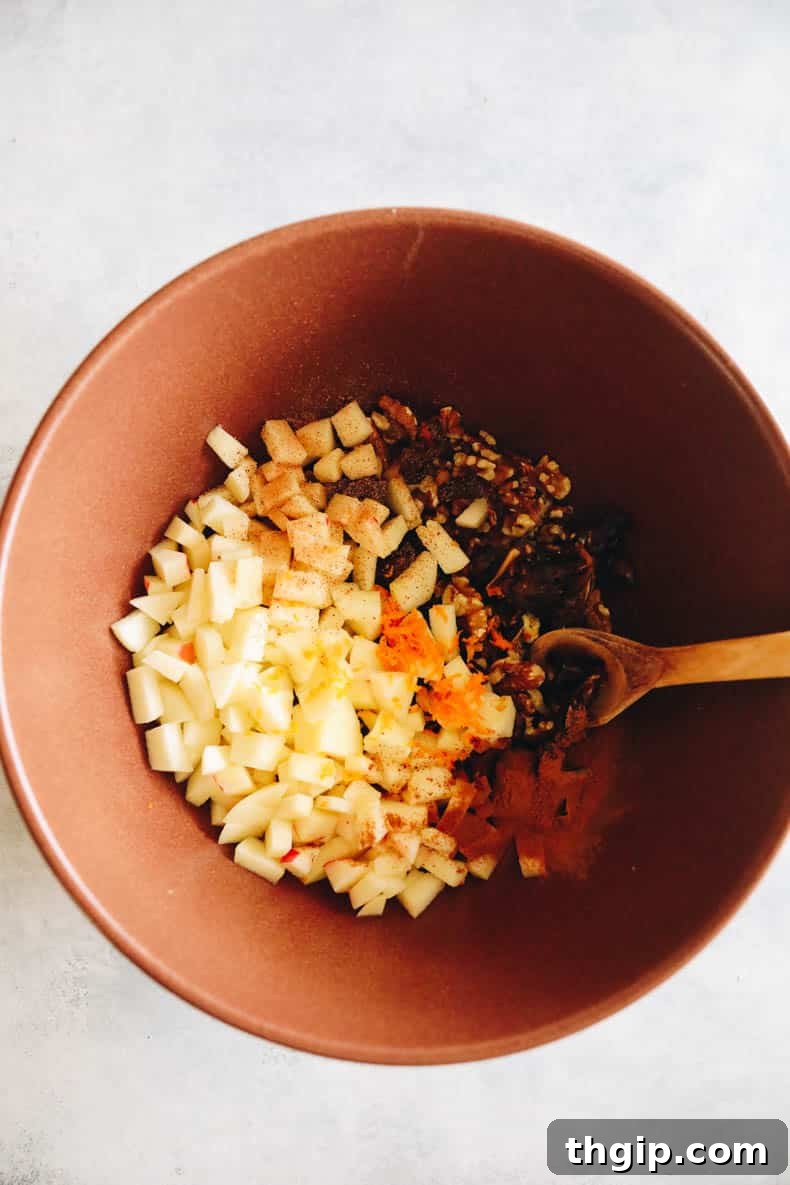
- Meticulous Fine Chopping: Begin by carefully peeling (if desired) and then finely chopping your apples, walnuts, and pitted dates (or raisins) using a sharp, well-honed chef’s knife. Aim for small, uniformly consistent pieces. This method will undeniably require a bit more time and “elbow grease,” as the original article charmingly noted, but the effort is well worth it for a beautifully textured Charoset.
- Combine All Ingredients: Once all your ingredients are meticulously chopped, transfer them into a large, spacious mixing bowl. Add the ground cinnamon, your optional pinch of nutmeg, the refreshing lemon juice, the aromatic orange zest, and finally, the sweet red wine (or grape juice).
- Thoroughly Mix and Integrate: Using a sturdy mixing spoon or a resilient spatula, thoroughly combine all the ingredients. Stir vigorously and consistently until they are perfectly integrated and the mixture forms a cohesive, chunky paste. Ensure that the liquid components are evenly distributed and completely coat all the pieces of fruit and nuts.
- Final Adjustments: Taste the Charoset and make any desired adjustments to the seasoning or moisture level. Your deliciously prepared Charoset is now ready to be savored!
Customizing Your Charoset: Common Variations and FAQs
Charoset is a wonderfully adaptable dish, allowing for effortless adjustments to accommodate diverse dietary preferences or to explore unique flavor profiles. Here are comprehensive answers to frequently asked questions about customizing your recipe, ensuring everyone at your table can enjoy this special dish:
Nut-Free Charoset: An Allergy-Friendly Option
Absolutely! If you or any of your guests have nut allergies, you can confidently omit the walnuts (or any other nuts) from this recipe without compromising the dish’s integrity. The resulting Charoset will naturally possess a slightly different texture, tending to be more of a sticky, fruit-based paste rather than a chunky, nut-laden one. To compensate for the absence of nuts and maintain volume and a desirable texture, you might consider marginally increasing the quantity of apples or dried fruits. When using a food processor, pulsing the mixture a little less will also help retain some of the appealing chunkiness. For those still seeking a textural crunch, roasted and unsalted seeds, such as sunflower or pumpkin seeds, can be an excellent and allergy-friendly alternative, adding a pleasant bite.
Alcohol-Free Charoset: Sweetness for Everyone
Yes, definitely! While sweet red wine, like Manischewitz, is a traditional component, it may not always be easily accessible, particularly in regions without large Jewish populations. Furthermore, many individuals prefer or require an alcohol-free option. In such cases, sweet grape juice is the perfect substitute. It provides all the necessary liquid to bind the ingredients together and contributes a comparable fruity sweetness without any alcohol content. Simply use the exact same quantity of grape juice as you would wine. The resulting flavor will be slightly milder and purely fruit-driven, but equally delicious and entirely suitable for enjoyment by guests of all ages.
Make-Ahead Magic: Preparing Charoset in Advance
Without a doubt! The preparations for a Passover Seder can often be quite demanding and time-consuming, making any dish that can be prepared in advance an invaluable asset. Charoset is an ideal make-ahead recipe. You can confidently prepare it up to 3 days in advance of your Seder. In fact, allowing the Charoset to rest for a day or two in the refrigerator often significantly enhances its flavors, as the ingredients have more time to meld and deepen, creating a richer, more harmonious taste. To ensure maximum freshness and prevent any strong refrigerator odors from permeating, store your Charoset in an airtight container. A well-sealed container also helps to minimize the natural browning of the apples, though a slight change in color is entirely normal and expected.
Serving Charoset: Beyond the Seder Plate
At the heart of the Passover Seder, Charoset holds a place of profound honor, meticulously arranged on the central Seder plate and often presented in additional smaller bowls to be shared among guests. Traditionally, it is consumed on a piece of matzah after specific prayers and blessings have been recited, providing a sweet, grounding counterpoint to the bitter herbs (maror), thereby emphasizing the journey from bitterness to hope.
However, Charoset’s inherently delightful flavor and remarkable versatility extend far beyond the confines of the Passover table. If you find yourself with a surplus of this delicious mixture (a rare occurrence, given its popularity!) or simply wish to enjoy it outside of the holiday, here are some wonderfully creative and enticing ways to savor your homemade Charoset:
- Elevated Snack Time: Spread Charoset generously on regular crackers, wholesome rice cakes, or thinly sliced, lightly toasted bread for a quick, satisfying, and flavorful snack that feels remarkably gourmet.
- Wholesome Breakfast Topping: Utilize it as a vibrant, natural, and nutrient-rich topping for your morning yogurt, creamy oatmeal, or cottage cheese. Its inherent sweetness and delightful texture impart a wonderful boost to your breakfast or mid-day snack.
- Decadent Dessert Enhancement: Dollop Charoset onto warm pancakes, fluffy waffles, or even a scoop of rich vanilla ice cream for a unique, unexpected, and truly memorable dessert experience that will tantalize your taste buds.
- Sophisticated Savory Pairings: Experiment by serving Charoset alongside an elegant cheese board. It pairs exquisitely with sharp cheddar, creamy brie, or tangy goat cheese, creating a delightful sweet and savory contrast that elevates any tasting.
- Kid-Friendly Treat: For a fun and engaging snack, spread Charoset onto celery sticks. For an extra touch of deliciousness, you could add a dab of cream cheese beforehand, creating a charming and nutritious “ants on a log” style treat that kids will adore.
Storing Your Charoset for Optimal Freshness
Proper storage is absolutely paramount to ensure that your homemade Charoset retains its exquisite taste and perfect texture. As previously highlighted, it is an ideal candidate for advance preparation, a strategy that can significantly alleviate stress and pressure during the often-hectic holiday season.
To guarantee maximum freshness and vibrant flavor, always store your prepared Charoset in an impeccably airtight container within the refrigerator. When expertly prepped in advance, it will graciously maintain its delicious taste and satisfying texture for up to 3 days. This makes it a perfect component to tackle early in your Seder meal planning. Beyond this initial advance preparation period, leftover Charoset typically remains perfectly good to enjoy for up to 5 days, though, given its irresistible nature, it is highly likely to be entirely devoured long before reaching that limit! While it might technically last up to a full week, the apples within the mixture can begin to soften and darken more noticeably after 5 days, which could slightly compromise its ideal texture and vibrant appearance. Always trust your best judgment; if the Charoset exhibits any off-odors or unusual visual changes, it is always safest to discard it.
For an extra layer of protection and to ensure the freshest possible outcome, consider pressing a piece of plastic wrap directly onto the surface of the Charoset before securely sealing the container lid. This simple, yet effective, additional step helps to significantly minimize air exposure and further reduce oxidation, thereby keeping your Charoset looking and tasting its absolute freshest for as long as possible.
More Passover-Friendly Recipes to Explore
If you are diligently looking to expand your Passover menu with even more delectable and compliant dishes, we invite you to explore these other fantastic and thoughtfully curated recipes, perfect for your holiday celebration:
- Honey Mustard Chicken
- Almond Flour Brownies
- Almond Flour Cookies
- Healthy Baked Latkes
- Grain-Free Chicken Tenders
Traditional Charoset Recipe Card
No reviews yet. Be the first to rate this recipe!
Charoset (also known as Haroset) is a traditional mixture of fruits and nuts eaten on matzo at the Passover Seder. It symbolically represents the mortar used for bricks when the Israelites were enslaved in Egypt. This recipe offers a perfectly balanced, incredibly flavorful, and remarkably easy-to-make version of this highly symbolic and beloved Seder dish, enjoyable for all.
- Author: Davida Lederle
- Prep Time: 10 minutes
- Cook Time: 0 minutes
- Total Time: 10 minutes
- Yield: 8 servings
- Category: Appetizer
- Method: Mix
- Cuisine: Jewish
- Diet: Gluten Free
Ingredients
- 5 large red apples, peeled + chopped*
- 1 cup walnuts, roughly chopped
- 3/4 cup dates, pitted + chopped (or raisins)
- 1 tbsp ground cinnamon
- Optional: pinch of ground nutmeg
- 1 tbsp lemon juice
- 1 tsp orange zest
- 1/4 cup sweet red wine (or grape juice)
Instructions
In a food processor (my preference):
- Add all prepared ingredients to the bowl of a food processor. Pulse several times until the mixture beautifully comes together into a thick, chunky paste. Exercise caution not to over-process; the desired texture should be reminiscent of coarse mortar, not a smooth puree.
- Transfer the finished Charoset to an airtight container and store it securely in the refrigerator for up to 5 days. You’ll find that the flavors often deepen and meld even more beautifully after a day or two.
In a bowl (hand chopping method):
- Using a sharp knife, finely chop the apples, walnuts, and dates (or raisins). Aim for small, consistent pieces to achieve the authentic Charoset texture.
- Combine all the finely chopped ingredients in a large mixing bowl. Add the ground cinnamon, optional nutmeg, fresh lemon juice, aromatic orange zest, and the sweet red wine (or grape juice).
- Stir all the ingredients thoroughly with a sturdy spoon or spatula until they are perfectly combined and the mixture forms a cohesive, chunky paste.
- Store the Charoset in an airtight container in the refrigerator for up to 5 days, allowing the flavors ample time to meld and develop.
Notes
* Peeling apples is entirely a personal preference. Feel free to leave them unpeeled if desired; the peel adds extra fiber and can contribute to a more rustic appearance. Always ensure all ingredients are fresh for the best possible taste and quality.