
My Beginner’s Gardening Journey: Cultivating Wisdom, Not Just Vegetables
Begin Your Gardening Adventure Here:
PART 1: Growing Seedlings
PART 2: Building Raised Beds
It’s been an incredible, albeit sometimes challenging, journey since my last garden update, and oh, do I have a wealth of lessons to share! As a complete novice in the world of horticulture, very little has actually reached the harvest stage – no bountiful veggie or fruit production just yet! However, the sheer volume of knowledge I’ve gained has more than made up for any lack of yield. This space serves as an authentic chronicle from a beginner gardener’s perspective, a reminder that it’s perfectly normal to often feel like you have very little idea what you’re doing. And that, my friends, is where the real learning begins.
As I touched upon in my inaugural Garden Diary post, my initial desire to cultivate a garden quickly spiraled into a rabbit hole of expert advice that felt overwhelmingly complex and far beyond my grasp. It was this realization that spurred me to create this ongoing series – a candid, no-frills documentation of my learnings and experiments in gardening as someone who had never before kept a garden. Consequently, it should come as no surprise that these past few months have been packed with profound insights and, admittedly, a couple of pretty epic failures. The silver lining? These setbacks haven’t dampened my enthusiasm; if anything, they’ve fueled an even stronger desire to plant more, experiment further, and truly embrace the process. So, without further ado, let’s delve into some of these pivotal updates from my beginner’s gardening journey.
When we last connected, my partner, C, had just completed the construction of our raised garden bed in the backyard, and we had meticulously filled it with nutrient-rich soil. Following my initial update, a bustling collection of seedlings was thriving indoors, eagerly awaiting their outdoor transition. Now, as the time for transplanting draws near, I want to share a few crucial updates that have shaped my understanding of growing a successful garden from scratch.
Key Learnings from My First Garden Season
1. Growing from Seed: An Ambitious But Rewarding Endeavor
There was a part of me that felt like it was “cheating” to simply buy established seedlings from a nursery. Driven by a purist’s ambition, I resolved to grow all my produce this year entirely from seed. I’m now realizing just how significant an undertaking this truly is. Firstly, growing a diverse range of seedlings indoors demands a surprising amount of space. Our home has officially designated a corner for our burgeoning plant collection, an arrangement both C and I are fine with, though we certainly didn’t fully anticipate the spatial commitment. More critically, I’ve come to appreciate *why* experienced gardeners stress the importance of starting seedlings early – typically late January or February, especially in regions like Northern California where frost is less of a concern. Had I begun sooner, we might already be enjoying the fruits of our labor. This is invaluable knowledge for next year’s seed-starting efforts.
Despite our best efforts, we’ve had a few casualties along the way, making it quite probable that we’ll still visit the nursery to supplement our homegrown seedlings. The good news is that our region boasts a long growing season, so even if we plant now, we’re likely to enjoy some produce well into November. The journey of growing from seed is a testament to patience and planning.
2. The Critical Importance of Sunlight Assessment
Remember how I mentioned our backyard doesn’t get optimal sunlight due to extensive tree cover? I deeply regret not having precisely timed and mapped the amount of direct sunlight our raised garden bed receives. This oversight has had a noticeable impact on plant performance. While some plants are flourishing, others are visibly struggling. Interestingly, a back patio accessible from one of our bedrooms basks in abundant sunlight, but I initially resisted using it for gardening, fearing it would be inconvenient. In a pivotal decision, our struggling tomatoes and snap peas were transplanted into pots on that sunny patio – and they are now absolutely thriving! This stark contrast has led me to seriously reconsider the primary location of our backyard garden. Sun mapping isn’t just a recommendation; it’s a fundamental step for successful gardening.
3. Heirloom Seeds: A Challenge Worth Understanding
As noted in my initial update, many of my seeds were acquired at an heirloom seed festival. Unfortunately, some of these heirloom varieties, particularly certain tomatoes and lettuces, have faced significant challenges with germination and survival. I’ve since learned that heirloom seeds are inherently more temperamental than their hybrid counterparts (which is part of what makes them special and worth preserving) and often demand a more specific and attentive growing environment. My current indoor seed setup, designed for general propagation, doesn’t allow for the individualized care many heirlooms require. While my success rate with them has been low, I’m determined to give them another dedicated shot, perhaps with a more tailored approach, in the near future. Understanding the specific needs of these unique varieties is key to unlocking their potential.
4. Battling the Unpredictable: Accepting Heat Waves
Here’s a news flash for all aspiring gardeners: you simply cannot control the weather! This past month, we experienced two significant heat waves that absolutely decimated my lettuce seedlings and several herb varieties. The intense heat necessitated far more frequent watering than typical, and frankly, these particular plants just weren’t equipped to handle such extreme temperatures. I’m actively coming to terms with this being an inevitable part of the growing process and view it as an opportunity to experiment with heat-tolerant varieties or planting schedules. Resiliency in gardening means adapting to nature’s whims and learning to replant with renewed optimism.
5. The Unnerving Appearance of “Holy Mushroom!”
Imagine my surprise – and momentary panic – when I woke up one morning to discover a gigantic mushroom sprouting directly from our raised garden bed! I immediately texted a gardening-savvy friend, Meg, who reassured me that it’s an entirely normal occurrence and, in fact, a positive indicator of healthy, biologically active soil. It’s truly astonishing how quickly and unexpectedly they appear, often reaching impressive sizes! Since then, we’ve had a few more pop up. For the safety of our canine companions, I’ve been diligently pulling them out and discarding them. This unexpected fungal visitor was a fascinating lesson in soil biology and the hidden life beneath our plants.
6. Celebrating Our Early Successes: Small Victories, Big Motivation!
It hasn’t been all trials and tribulations in our garden; we’ve actually celebrated some pretty fantastic successes! Our most notable triumphs include the thriving cherry tomato plants, sugar snap peas, robust kale, flourishing pepper plants, crisp carrots, vibrant bok choy, and even delicate chamomile. These successes, even in their early stages, are incredibly motivating and demonstrate that with consistent effort and observation, even a beginner can cultivate a fruitful garden. Each of these plants has taught me something unique about their preferred growing conditions and care, fueling my desire to learn more.
The Art of Transplanting: Giving Seedlings a New Home
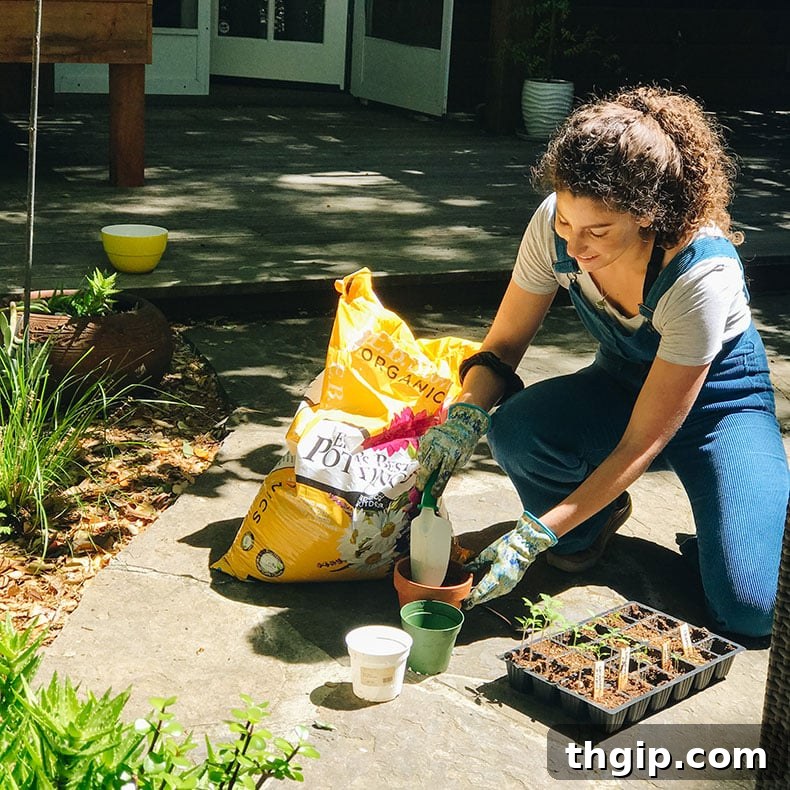
I’ll be completely honest: I knew absolutely nothing about the intricate process of transplanting plants until I was faced with the task myself. Apparently, if you’re nurturing plants from seed, there’s a significant multi-stage process involved in transitioning a tiny, delicate seedling into a robust plant capable of thriving outdoors. Naturally, this crucial step is bypassed if you opt for the convenience of purchasing established seedlings from your local nursery. That being said, the reward of seeing something you started as a minuscule seed mature into a vibrant, full-fledged plant has been immeasurably gratifying. This journey, however, undeniably demands a great deal of love, attention, and careful execution.
It’s important to note that not all plants require an indoor start followed by transplanting. Many varieties can be direct-sown, meaning their seeds are planted directly into the outdoor garden soil. For instance, my bok choy, most of my carrots (though I did experiment with some indoors), and all of my snap peas were direct-sown, eliminating the need for transplanting. My tomato and pepper plants, on the other hand, began their lives germinating indoors and subsequently underwent the transplanting process to their outdoor homes.
Two-Part Transplanting for Robust Growth
Based on my intensive research and practical experience, both tomato and pepper plants benefit immensely from a two-part transplant process. This technique is particularly effective because these specific plants possess the remarkable ability to grow additional roots directly from their stems. Therefore, to cultivate a super strong, healthy, and high-yielding plant, a double transplant is highly recommended. The process typically involves:
- **First Transplant (Potting Up):** Moving the seedling from its initial small seed-starting cell into a larger pot while still indoors. This gives the roots more space to expand.
- **Second Transplant (Outdoor Placement):** Transferring the plant from this larger indoor pot to an even bigger container or directly into the outdoor garden bed.
With each transplant, the key is to bury the stem as deeply as possible, ensuring that only the first set of true leaves remains visible just above the soil line. This encourages the buried stem to develop an extensive and robust root system, providing a stronger foundation for the plant’s overall health and productivity.
Our Current Transplanting Status:
- **Tomato Plants:** All of my tomato plants have successfully undergone both stages of transplanting and are now thriving in large pots outside, soaking up the sun.
- **Pepper Plants:** My pepper plants are currently undergoing their first transplant indoors, continuing to grow and strengthen. Once they become a bit sturdier and develop a few more sets of leaves, they will be ready for their second transplant into pots on our sunny back patio.
- **Kale:** My kale, being a remarkably hardy plant, was transplanted directly into the raised garden bed, bypassing the need for a double transplant process.
*Note: We are well aware of the necessity of purchasing sturdy tomato cages for our rapidly growing tomato plants! A trip to the garden store is definitely on the immediate horizon.
Hardening Off: Preparing Plants for the Great Outdoors
Here’s another critical gardening concept I knew absolutely nothing about before embarking on my adventures: “hardening off” seedlings. Much like the transplanting process, if you’re procuring your seedlings from a nursery, you can typically skip this step, as they’ve likely been pre-acclimated. However, if you’ve dedicated weeks to nurturing your own seedlings indoors, these “plant babies” have been enjoying a coddled, consistent environment and are not yet prepared for the harsh, unpredictable realities of the outdoors. This gradual acclimatization process is known as “hardening off,” and it’s essential for their survival and success.
The hardening off process typically spans about a week and requires a touch of organization and consistency. The core idea is to progressively expose your delicate indoor seedlings to increasing amounts of outdoor conditions, including direct sunlight, wind, varying temperatures, and fluctuating humidity. This phased introduction strengthens their cell walls, thickens their cuticles, and prepares them for the rigors of garden life. Here’s a general schedule:
- **Day 1:** Place your plants in a completely shaded, sheltered spot outdoors for just one hour.
- **Day 2:** Increase their outdoor exposure to two hours, still in a shady location.
- **Day 3:** Extend the time to three or four hours, perhaps moving them to a spot that receives indirect morning sun.
- **Day 4 & 5:** Gradually introduce them to a bit more direct sunlight and longer periods outdoors, perhaps five to six hours.
- **Day 6 & 7:** By now, your plants should be able to handle seven or more consecutive hours outdoors, including some direct sun, though always monitoring for signs of stress.
Once your plants have successfully navigated this week-long hardening off period, they will be significantly more resilient and ready for their final transplant into the outdoor garden. Skipping this crucial step can lead to transplant shock, stunted growth, or even the death of your young plants, making hardening off an indispensable part of successful seedling cultivation.
What’s Next for Our Budding Garden?
Our immediate next steps largely involve a period of patient observation and nurturing, allowing our transplanted plants to truly thrive! Some plants, primarily the pepper varieties, will require their second and final transplants. Beyond that, the routine will settle into consistent watering, watchful monitoring for pests and diseases, judicious fertilizing (only if necessary, based on soil health), and, of course, a good measure of optimistic hope. My greatest wish for the next garden update is to proudly share some actual produce yields – the true reward of this labor of love!
Looking ahead, as the intense summer heat begins to subside and temperatures cool off a bit, we are also planning to acquire some small over-the-railing planters for additional lettuce crops. This will allow us to extend our growing season and maximize our available space.
My sincere hope is that these candid posts, sharing both my successes and failures as a beginner, can offer some valuable insights and encouragement as you navigate your own unique gardening journey. This entire experience has been incredibly enriching, and I am genuinely excited to witness where this green adventure leads us next. Stay tuned for more updates, and happy gardening!
Valuable Resources for Beginner Gardeners
Throughout my initial foray into gardening, I’ve consulted countless resources, both online and offline. While the learning curve has been steep, these particular guides and communities have proven to be the most practical and profoundly helpful for a complete beginner:
- The Well Essentials Beginner Gardener Course: This course offered structured guidance that demystified many complex gardening concepts, providing a solid foundation for understanding basic principles.
- Garden Betty: A fantastic blog and resource for practical, down-to-earth gardening advice, particularly helpful for understanding specific plant needs and sustainable practices.
- Gardeners Supply Company – Garden Planner: An excellent tool for visualizing and planning garden layouts, helping to maximize space and ensure compatibility among different plant varieties.