
Unlocking Radiant Skin: The Definitive Guide to Oil Cleansing
Are you navigating the often-confusing world of skincare, wondering whether to embrace or avoid oils? This comprehensive guide dives deep into the transformative power of oil cleansing, demystifying the process and revealing why this ancient method is a game-changer for achieving balanced, healthy, and glowing skin.
In the vast and ever-evolving landscape of skincare, trends come and go, often leaving us bewildered by conflicting advice. One moment, we’re told to strictly avoid oil-based products on our faces, fearing breakouts and greasiness. The next, the beauty world champions the very oils we once shunned. It’s a journey that can leave even the most dedicated skincare enthusiasts feeling utterly confused.
Today, we’re cutting through the noise to shine a light on a method that has stood the test of time: oil cleansing. Despite persistent myths suggesting that applying oil to your face is counterproductive, especially for oily or acne-prone skin, the truth is that cleansing with oil can be one of the most beneficial steps you introduce into your routine. I personally switched to the oil cleansing method years ago, particularly for effortlessly removing makeup and daily grime, and it’s a decision I’ve never regretted. Join me as we take a deep dive into the science behind oil cleansing, how it works, which oils are best suited for different skin types, and how often you should incorporate this luxurious ritual into your daily regimen.
What is Oil Cleansing and How Does It Work?
At its core, oil cleansing operates on the principle of “like dissolves like.” This fundamental concept of chemistry explains why oil is uniquely effective at dissolving other oils. Our skin naturally produces sebum, an oily substance that, while crucial for skin health, can also mix with makeup, sunscreen, environmental pollutants, and dead skin cells, leading to clogged pores and an overall dull complexion. Traditional cleansers often contain harsh detergents that strip the skin’s natural oils, leading to dryness, irritation, and a compromised skin barrier.
Oil cleansing gently yet thoroughly lifts away these impurities. When you massage a cleansing oil onto dry skin, the oil in the cleanser binds to the existing oils on your face – including excess sebum, makeup, and dirt. This process allows the cleanser to effectively dissolve and emulsify these oil-based impurities. When you rinse with water (or wipe with a warm cloth), these dissolved impurities are easily carried away, leaving your skin clean, soft, and balanced, without the tight, stripped feeling often associated with conventional foaming cleansers.
Why Embrace the Oil Cleansing Method?
The benefits of incorporating oil cleansing into your skincare routine are numerous and cater to a wide range of skin concerns:
- Preserves Skin’s Natural Barrier: Unlike harsh foaming cleansers that can strip the skin of its natural oils, oil cleansing works in harmony with your skin’s protective barrier. This helps maintain hydration, reduces inflammation, and prevents the “tight” feeling often experienced after washing.
- Balances Sebum Production: Paradoxically, for those with oily or acne-prone skin, stripping away all natural oils can trick the skin into producing even more sebum to compensate, leading to a vicious cycle of oiliness and breakouts. Oil cleansing gently removes excess oil without over-drying, encouraging the skin to regulate its natural oil production more effectively.
- Superior Makeup and SPF Removal: Oils are incredibly effective at breaking down stubborn, long-wear makeup, waterproof mascara, and tenacious mineral sunscreens that water-based cleansers often leave behind. This ensures a truly clean canvas, reducing the likelihood of clogged pores and skin irritation.
- Deeply Cleanses Pores: By dissolving the hardened sebum and impurities within pores, oil cleansing can help to clear out blackheads and reduce the appearance of enlarged pores over time, promoting a clearer complexion.
- Nourishes and Hydrates: Many cleansing oils are rich in beneficial fatty acids, antioxidants, and vitamins. As you massage the oil into your skin, these nourishing ingredients can deliver vital nutrients, leaving your skin feeling softer, more supple, and genuinely hydrated.
- Gentle for All Skin Types: From dry and sensitive to oily and acne-prone, there’s an oil cleansing solution for everyone. The key is choosing the right oil or blend, which we’ll discuss in detail below. Its gentle nature makes it ideal even for reactive or easily irritated skin.
- A Relaxing Ritual: The act of massaging oil into your face can be incredibly therapeutic. It transforms a mundane cleansing step into a mindful moment of self-care, promoting relaxation and encouraging circulation.
Debunking Common Myths About Oil Cleansing
Before fully embracing this method, it’s essential to address some pervasive misconceptions that often deter people from trying oil cleansing:
Myth 1: “Oils clog pores and cause breakouts.” This is perhaps the most common fear, especially for those prone to acne. The truth is, not all oils are created equal. When you use the correct type of non-comedogenic oil (meaning it won’t clog pores) for your specific skin type, oil cleansing will actually help to clear out congested pores, rather than exacerbating them. Some individuals might experience an initial “purging” period as the skin detoxifies, but persistent breakouts are often a sign of using the wrong oil for your skin. Patch testing is always recommended!
Myth 2: “Oily skin should avoid all oils.” This couldn’t be further from the truth. As mentioned, stripping oily skin can trigger increased oil production. Oil cleansing with lightweight, balancing oils can actually help regulate sebum, leading to less oiliness over time. Many oils, like jojoba, mimic the skin’s natural sebum, signaling to your glands that enough oil is present, thereby reducing overproduction.
Myth 3: “It’s messy and complicated.” While it might seem unconventional at first, oil cleansing is a straightforward and often less messy process than managing sudsy cleansers. With practice, it becomes a quick and enjoyable part of your routine. The perceived messiness is often due to using too much oil or not properly emulsifying it.
Choosing the Right Oil for Your Skin Type
The success of oil cleansing heavily relies on selecting the appropriate oil for your individual skin needs. Prioritize high-quality, organic, and cold-pressed oils whenever possible to ensure purity and potency. Here’s a breakdown of some of the best oils and who they are best suited for:
- Oily & Acne-Prone Skin:
- Jojoba Oil: Often called a “wax ester” rather than a true oil, jojoba closely mimics the skin’s natural sebum. It’s non-comedogenic, anti-inflammatory, and helps to balance oil production, making it excellent for all skin types, especially acne-prone.
- Grapeseed Oil: A lightweight oil rich in linoleic acid, which is beneficial for acne-prone skin that often has lower levels of this fatty acid. It’s also anti-inflammatory and works well for sensitive skin.
- Safflower Seed Oil: Another lightweight oil high in linoleic acid, safflower helps prevent dry, flaking skin and is also excellent for addressing eczema and balancing oily complexions.
- Hemp Seed Oil: Non-comedogenic, anti-inflammatory, and rich in omega fatty acids, it’s fantastic for calming redness and breakouts without clogging pores.
- Castor Oil: Known for its antibacterial properties, castor oil can be effective, but it’s quite viscous and can be drying. It’s often best used in a blend (e.g., 10-20% castor oil mixed with a lighter carrier oil like jojoba or sunflower) for oily or congested skin types.
- Dry & Mature Skin:
- Avocado Oil: Exceptionally rich in vitamins A, D, E, and omega-3 fatty acids, avocado oil is super hydrating and nourishing, making it perfect for dry, dehydrated, or mature skin.
- Apricot Kernel Oil: A gentle, emollient oil that’s easily absorbed, making it wonderful for dry, sensitive, or aging skin. It helps to soften and nourish the skin without feeling heavy.
- Olive Oil: Rich in vitamins and antioxidants, olive oil provides deep hydration. While it can be slightly heavier, extra virgin olive oil can be a good choice for very dry or mature skin, though some may find it too rich.
- Argan Oil: A lightweight yet deeply nourishing oil, argan is rich in vitamin E and fatty acids, excellent for improving skin elasticity and combating dryness.
- Sensitive Skin:
- Sunflower Oil: A gentle, non-comedogenic oil that is rich in linoleic acid and vitamin E. It’s anti-inflammatory and supports the skin barrier, making it ideal for sensitive or irritated skin.
- Safflower Seed Oil: As mentioned above, its high linoleic acid content and gentle nature make it a good choice for sensitive skin prone to dryness or eczema.
*A Note About Coconut Oil: While coconut oil is a popular natural ingredient, it is highly comedogenic for many people, meaning it has a high likelihood of clogging pores. I generally recommend against using it as your primary oil cleansing method, especially if you are prone to acne or congestion. If you do use it, perhaps purely for removing stubborn eye makeup, always follow up with a second, non-oil cleanser to ensure no residue is left behind.
DIY vs. Store-Bought Oil Cleansers
The world of oil cleansing offers flexibility – you can opt for a simple DIY blend or choose from expertly formulated store-bought options. Both have their merits:
DIY Oil Cleansers: Creating your own blend allows for complete control over ingredients, which can be cost-effective and ideal for those with specific sensitivities. However, it can require some experimentation to find the perfect mix for your skin. For example, a common DIY blend might be 70-80% of a nourishing oil (like sunflower, jojoba, or grapeseed) mixed with 10-20% of a more active oil (like castor oil for deeper cleansing or tamanu oil for healing properties). Always patch test any new blend.
Store-Bought Oil Cleansers: These offer convenience, stability, and often include emulsifiers that make rinsing easier and more complete. They are typically formulated by skincare chemists to provide a balanced and effective cleansing experience. After years of testing various DIY concoctions and battling skin issues, I personally lean towards well-formulated store-bought options, especially for those whose skin tends to react to new products or who prefer a hassle-free experience.
Here are some of my favorite store-bought oil cleansers that have earned a permanent spot in my skincare routine:
- Marie Veronique Replenishing Oil Cleanser: This is my absolute top recommendation, particularly for those skeptical about oil cleansing. It’s a beautifully crafted blend featuring powerhouse ingredients like safflower seed oil, sunflower seed oil, apricot kernel oil, vitamin E, and a touch of lavender essential oil. It’s incredibly effective at cleansing without stripping, leaving the skin feeling nourished and truly clean. Its luxurious texture and gentle efficacy make it, in my opinion, one of the best on the market.
- True Botanicals Calm Ginger Turmeric Cleansing Balm: This cleansing balm is nothing short of incredible. It effortlessly melts away all traces of makeup, even stubborn eye makeup, and leaves my skin feeling incredibly soft and calm. The natural scent of ginger and turmeric is invigorating yet soothing, making the cleansing process a truly sensorial experience. I use this every single night and have repurchased it multiple times due to its unparalleled performance.
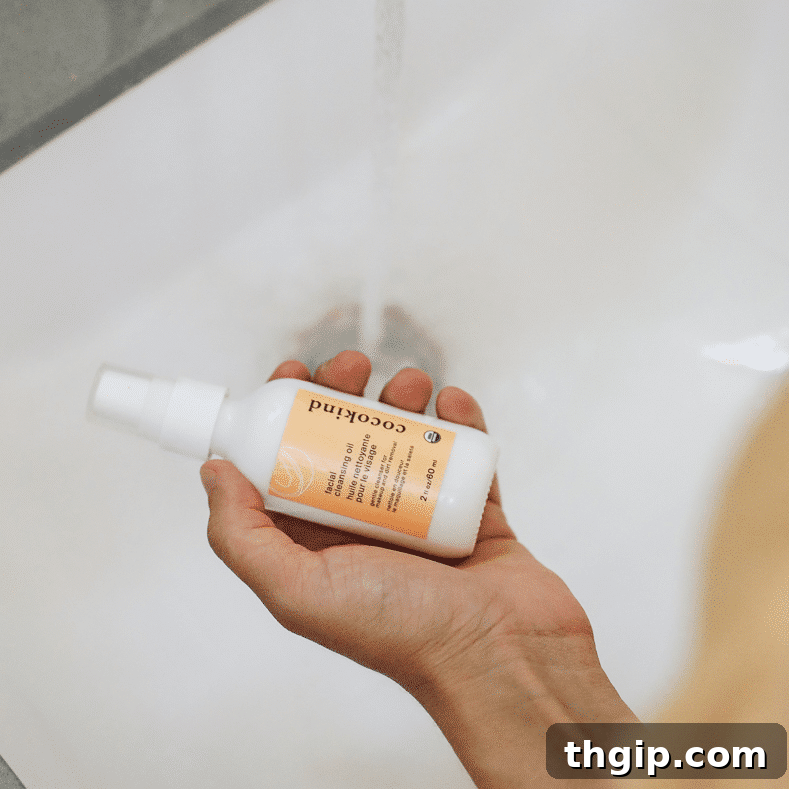
- Cocokind Facial Oil Cleanser: For those seeking a more budget-friendly yet effective option, the Cocokind Facial Oil Cleanser is a solid choice. While it might require a light second cleanse for heavy makeup days, it’s a great everyday option for removing light makeup and daily grime. It’s widely accessible, even found at retailers like Walmart, making it an excellent entry point into oil cleansing without breaking the bank.
- Lovinah Power Vitamin C Cleansing Balm: This product is an absolute revelation! What sets it apart is its unique formula that effortlessly melts away everything without the need for a separate washcloth or even a double cleanse for most days. Infused with Vitamin C, it offers not just purification but also a brightening boost. I’m completely obsessed with how clean, soft, and radiant my skin feels after using it – a truly luxurious and effective experience.
The Art of Oil Cleansing: A Step-by-Step Guide
This is where the magic happens, transforming a simple cleansing step into the most luxurious and mindful part of your skincare routine. Follow these steps for an optimal oil cleansing experience:
- Start with Dry Skin: Dispense 1-2 teaspoons of your chosen cleansing oil (or one full pump if using a product like the Marie Veronique cleanser) into the palm of your dry hand. It’s crucial to apply the oil to dry skin first, as water can emulsify some oils prematurely, reducing their efficacy in dissolving impurities.
- Warm the Oil: Gently rub your palms together to lightly warm the oil. This enhances its spreadability and helps it better penetrate and dissolve the impurities on your skin.
- Massage Gently and Thoroughly: Apply the warmed oil to your dry face. Begin to gently massage it into your skin using upward, circular motions. This is not a rushed process; take your time. Dedicate at least 60 seconds, or even several minutes, to this step. Focus on areas where makeup or congestion tends to accumulate, like around the nose, chin, and hairline. This gentle massage not only helps to warm the oil further and break down impurities, dirt, makeup, and sunscreen but also promotes lymphatic drainage, boosting circulation and giving your skin a healthy glow. Allow yourself to unwind, breathe deeply, and enjoy this moment of self-care.
- Introduce Warmth with a Washcloth: Once you feel that you’ve thoroughly massaged the oil into your skin and dissolved all impurities, take a clean, soft washcloth and immerse it in warm (not hot!) water. Wring out the excess water until the cloth is warm and damp.
- Create a Gentle Steam Compress: Place the warm, damp washcloth over your entire face. The gentle steam helps to open your pores and further loosen any remaining impurities. Breathe in the warmth and relax for a few seconds.
- Gently Wipe Away: With the warm washcloth, gently wipe away the oil, impurities, and dissolved makeup from your face. Be gentle – there’s no need to scrub or pull at your skin. The goal is to lift the excess oil and residue, not to irritate your skin. Your skin should feel clean, soft, and rejuvenated, not greasy or stripped. If your skin still feels a little oily, you can repeat the warm washcloth step once more.
- Follow Up (Optional Double Cleanse): For heavier makeup days or if you prefer an extra-thorough cleanse, you can follow up with a gentle water-based cleanser (this is known as double cleansing). However, for many, especially those who don’t wear heavy makeup, oil cleansing alone is sufficient.
- Proceed with Your Skincare Routine: After oil cleansing, pat your skin dry and continue with the rest of your skincare regimen – toner, serums, and moisturizer. If you feel your skin could use more moisture, it’s absolutely fine and even encouraged to moisturize after oil cleansing.
How Often Should You Oil Cleanse?
The frequency of oil cleansing can be tailored to your individual skin needs and lifestyle. You can choose to oil cleanse nightly, especially if you wear makeup, SPF, or live in an urban environment with significant pollution. It is exceptionally effective at removing everything without the added step of a separate makeup remover, simplifying your evening routine.
Alternatively, you might reserve it for more of a deep, weekly clean or for days when your skin feels particularly congested. Most people find that nightly oil cleansing works best, particularly in the evening, as it effectively removes the accumulated grime of the day. In the morning, when your face only needs a light refresh, a splash of water or a quick wipe with a simple toner is usually sufficient, as there isn’t much to remove overnight.
Potential Challenges and Tips for Success
While oil cleansing is beneficial for many, a smooth transition often requires a few considerations:
- Initial Purging: Some individuals might experience a brief “purging” period when first introducing oil cleansing. This is typically characterized by small bumps or minor breakouts as your skin detoxifies and brings impurities to the surface. It usually subsides within a few weeks. Differentiate this from a persistent breakout, which might indicate the oil you’re using isn’t right for you.
- Patch Testing is Key: Before applying any new oil or blend to your entire face, always perform a patch test on a small, inconspicuous area (like behind your ear or on your jawline) for a few days to check for irritation or allergic reactions.
- Consistency Pays Off: Like any skincare method, consistency is vital. Give your skin at least 2-4 weeks to adjust to the new routine before evaluating its effectiveness.
- Adjusting Oil Blends: Don’t be afraid to experiment! If your current oil blend isn’t delivering the desired results, try a different single oil or adjust your blend ratio. Your skin’s needs can also change with seasons or age, so periodic re-evaluation is good.
- Water Temperature: Ensure your washcloth is warm, not scalding hot. Excessive heat can irritate the skin and disrupt its barrier.
Embracing the oil cleansing method can truly transform your skin, revealing a healthier, more balanced, and radiant complexion. It’s a gentle yet powerful approach that respects your skin’s natural biology, moving away from harsh stripping and towards nourishing care. By understanding its principles, choosing the right oils, and incorporating it mindfully, you’ll soon discover why this ancient practice is celebrated by so many.
So tell me – do you oil cleanse? What’s your favorite oil or product that has revolutionized your skincare routine? Share your experiences in the comments below!
Like this post? Here are a few others you might enjoy for a holistic approach to natural beauty:
- How to Simplify Your Skincare Routine
- Switching to Clean Makeup? Here’s Where to Start
- The Best Natural Body Oils
- Natural Ingredients for Your Skin