
Welcome to the ultimate guide on how to cook lentils, a staple for any home cook looking to add nutritious, versatile, and delicious ingredients to their meals! This step-by-step tutorial will empower you to become a lentil expert, covering everything from selecting the right variety to achieving perfectly tender results, whether on your stove top or in an Instant Pot.
Discover my expert tips for cooking tender, flavorful lentils every single time. Elevate your culinary skills and confidently incorporate these powerful pulses into your diet. Ready to become a lentil master? Read on!
Essential Quick Tips for Cooking Lentils
Achieving perfectly cooked lentils is simpler than you might think, but a few key considerations can make all the difference. Here are my essential tips to ensure success:
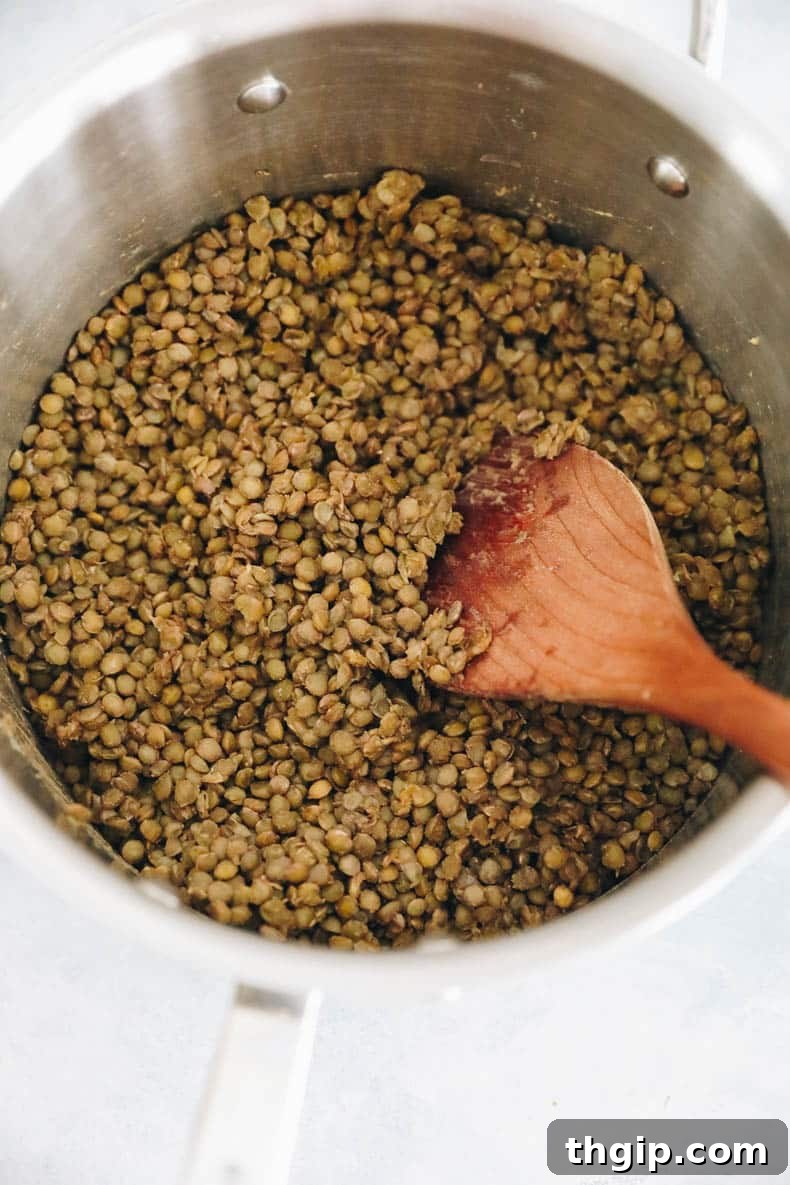
1. Pick the Right Lentil for Your Dish. Not all lentils are created equal when it comes to culinary applications. Understanding their unique textures and how they break down during cooking is crucial. For comforting soups, thick stews, or creamy purees, varieties like red, brown, or green lentils are ideal as they tend to soften and blend well. If you’re preparing a vibrant salad, a hearty side dish, or simply prefer your lentils to retain their shape and a slight bite, opt for firmer varieties such as French (Puy) lentils or elegant black beluga lentils. Their robust skins allow them to hold up beautifully under various preparations.
2. Choose Your Preferred Cooking Method. While lentils are highly adaptable, the stove top remains my preferred method for precise control over their texture. However, the Instant Pot offers a convenient, hands-off approach that many busy cooks appreciate. I’ll share detailed instructions for both methods in this guide. While the Instant Pot can be fast, I often find the stovetop doesn’t take much longer and provides more opportunities to monitor and adjust for that perfect al dente or creamy finish.
3. Use Fresh Lentils for Best Results. Lentils boast an impressive shelf life, often lasting for years in a pantry. However, the older they get, the longer they will take to cook, and the less predictable their cooking time can become. For optimal results and consistent cook times, try to use relatively fresh lentils. If you’re unsure about the age of your lentils, plan for a slightly longer cooking duration and check for tenderness more frequently.
4. Infuse Flavor from the Start. While plain water will cook your lentils, incorporating flavor boosters can transform them from a simple ingredient into a star component of your meal. Consider cooking them in vegetable or chicken stock, or adding aromatics like fresh herbs (thyme, rosemary), dried bay leaves, garlic cloves, or half an onion to the cooking liquid. These additions will impart depth and richness, making your cooked lentils far more delicious. A crucial note: always hold off on adding salt until *after* the lentils have finished cooking. Salting too early can toughen the lentil skins, preventing them from softening properly.
Table of Contents
- Essential Quick Tips for Cooking Lentils
- What Exactly Are Lentils?
- Exploring the Main Types of Lentils
- Do I Need to Rinse Lentils Before Cooking?
- Is Soaking Lentils Necessary?
- The Amazing Health Benefits of Lentils
- General Lentil Cooking Times
- Stove Top Cooking Times for Lentils
- Instant Pot Cooking Times for Lentils
- Boosting Lentil Flavor While Cooking!
- Storing Cooked Lentils for Later
- My Go-To Lentil Recipes
- How to Cook Lentils: The Recipe Card
I’m thrilled to share this comprehensive guide, dedicated to one of my all-time favorite ingredients: lentils! These incredible pulses are truly the unsung heroes of the legume family. They are tiny yet mighty, packed with nutrients, and most importantly, they cook remarkably fast. Unlike many other beans that often require lengthy soaking times and extended cooking, you can have a batch of perfectly cooked lentils ready on your table in as little as 10-20 minutes, depending on the variety and cooking method. This makes them an invaluable ingredient for quick, healthy, and satisfying meals.
If you’re ready to embrace the convenience and nutritional power of lentils, this step-by-step guide is designed to give you all the confidence and knowledge you need to cook them flawlessly every time.
What Exactly Are Lentils?
Lentils are small, lens-shaped legumes, belonging to the same plant family as peas, chickpeas, and beans. They are one of the oldest cultivated crops, with evidence of their consumption dating back thousands of years. What sets lentils apart from many of their legume cousins is their impressive speed and ease of preparation. Their rapid cooking time, coupled with their incredible versatility and nutritional density, makes them a fantastic choice for a wide array of dishes.
The texture of cooked lentils can vary significantly based on their type, ranging from firm and distinct to soft, creamy, and even mushy. This diversity allows them to be used in everything from crisp, vibrant salads to thick, comforting stews and smooth, rich purees. Learning to identify and select the appropriate lentil type for your recipe is the foundational step to creating truly delicious lentil-based meals.
Exploring the Main Types of Lentils
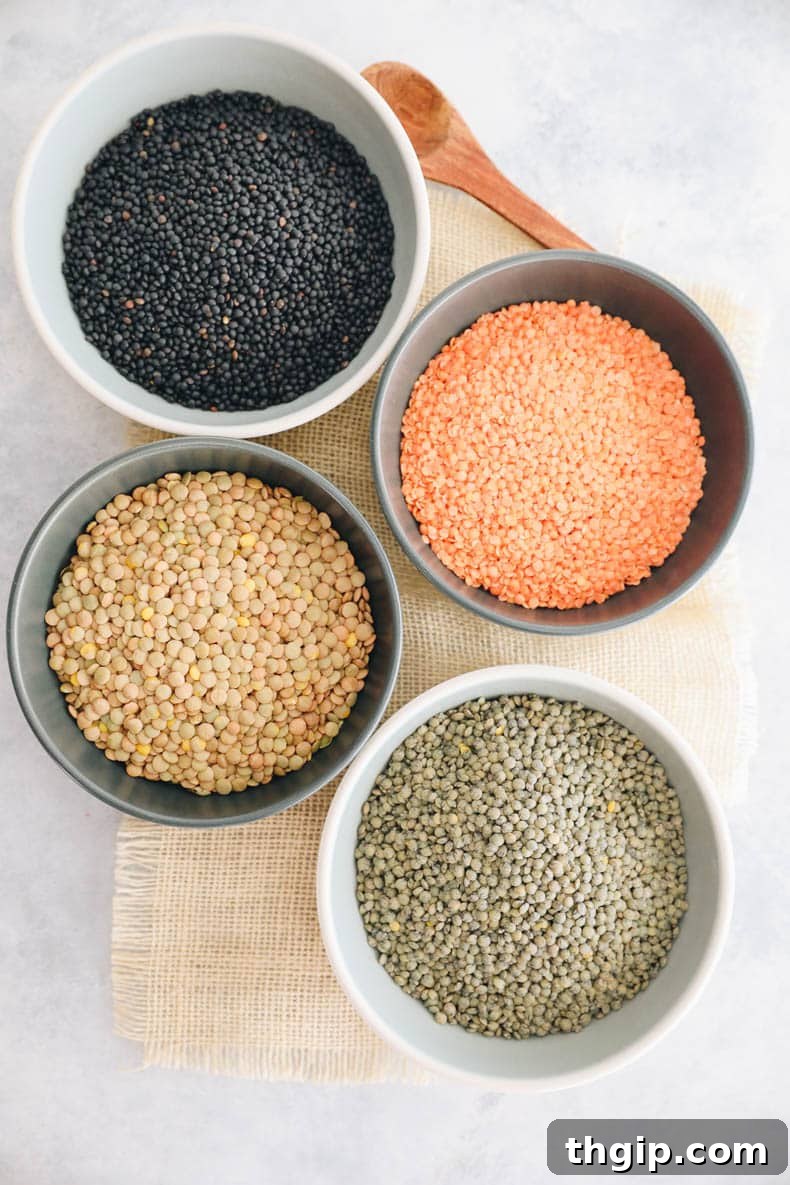
While there are many varieties of lentils grown worldwide, a few common types dominate the market and are most frequently used in home cooking. Understanding their characteristics will help you choose the best lentil for your culinary creation:
- Brown and Green Lentils: These are arguably the most common and widely available types of lentils, often considered the “workhorses” of the lentil family. Brown lentils tend to have a mild, earthy flavor, while green lentils possess a slightly more peppery taste. Both varieties have relatively thin skins and cook down quickly, becoming soft and creamy. They are excellent choices for bulking up soups, enriching stews, or blending into flavorful dips and spreads due to their tendency to lose shape and thicken liquids.
- Red Lentils: You might also find these labeled as yellow or orange lentils, depending on their exact variety and the stage of processing. These vibrant lentils are a staple in Indian and Middle Eastern cuisines, famously used in dishes like Indian daal. Red lentils have a very thin skin and cook extremely fast, quickly breaking down into a soft, mushy texture. Their rapid disintegration makes them perfect for creamy curries, thick purees, and gravies where you want the lentils to practically melt into the sauce. They offer a sweet, slightly nutty flavor profile.
- French Lentils / Puy Lentils: Often referred to as “lentilles du Puy” after the region in France where they are traditionally grown, these are considered the gourmet choice among lentils. They are characterized by their small size, dark greenish-blue speckled appearance, and relatively thick skins. This robust skin allows French lentils to hold their shape beautifully even after cooking, making them ideal for salads, elegant side dishes, or as a base grain in place of rice. They have a rich, peppery, and earthy flavor. Be aware that their thicker skin means a slightly longer cooking time, typically closer to 25-30 minutes on the stove top.
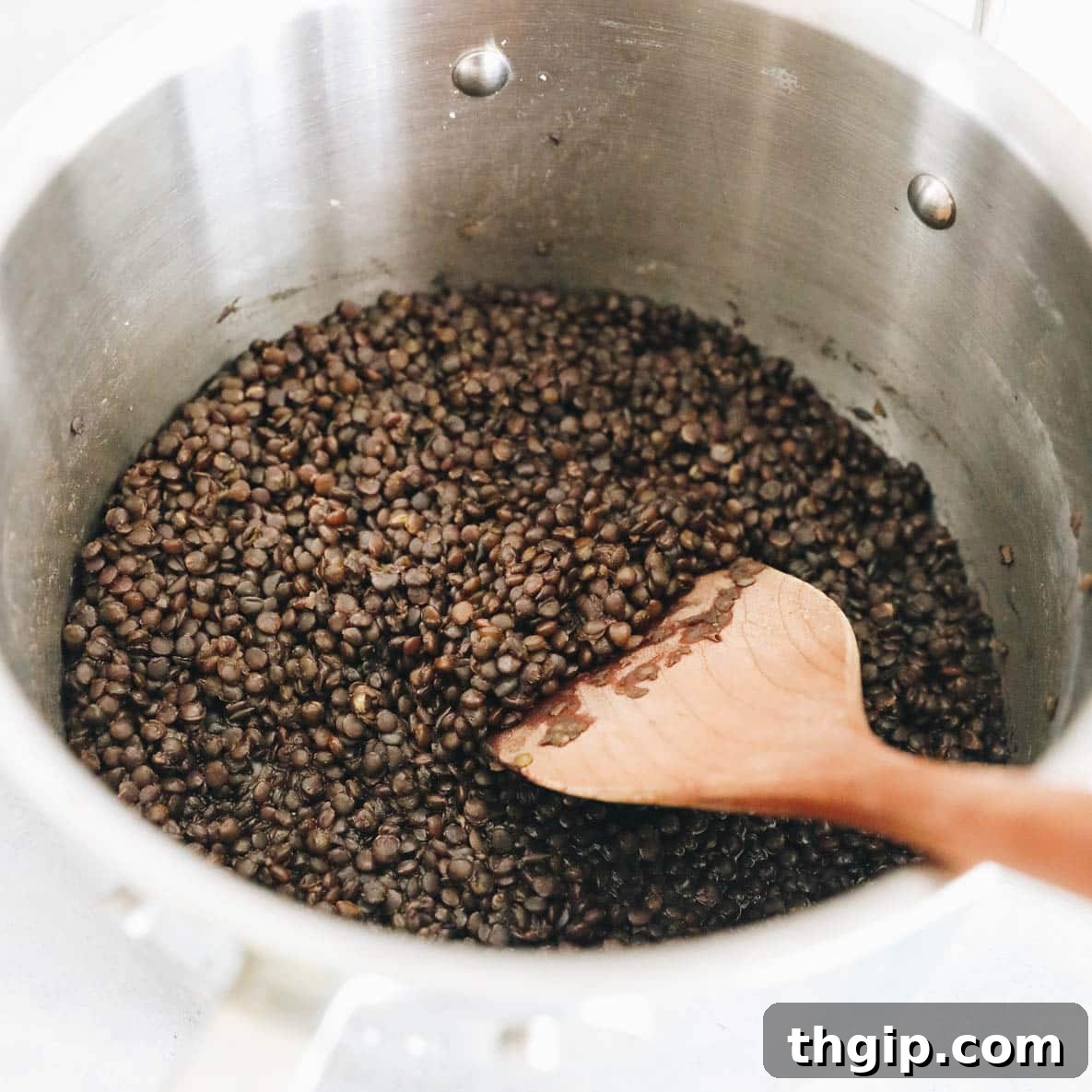
- Black Beluga Lentils: Named for their striking resemblance to beluga caviar, these small, shiny black lentils are perhaps the most visually appealing and versatile. They possess a delicate, rich, and deeply nutty flavor. Beluga lentils fall somewhere between brown/green and French lentils in terms of texture. They can retain their shape well if cooked just until tender, making them fantastic for salads, grain bowls, or as a standalone side dish. Cook them a bit longer, and they soften beautifully, suitable for soups and stews where you desire a creamy, yet still somewhat distinct, lentil presence. While they might be slightly harder to find than other varieties, their unique taste and presentation are well worth the search.
Do I Need to Rinse Lentils Before Cooking?
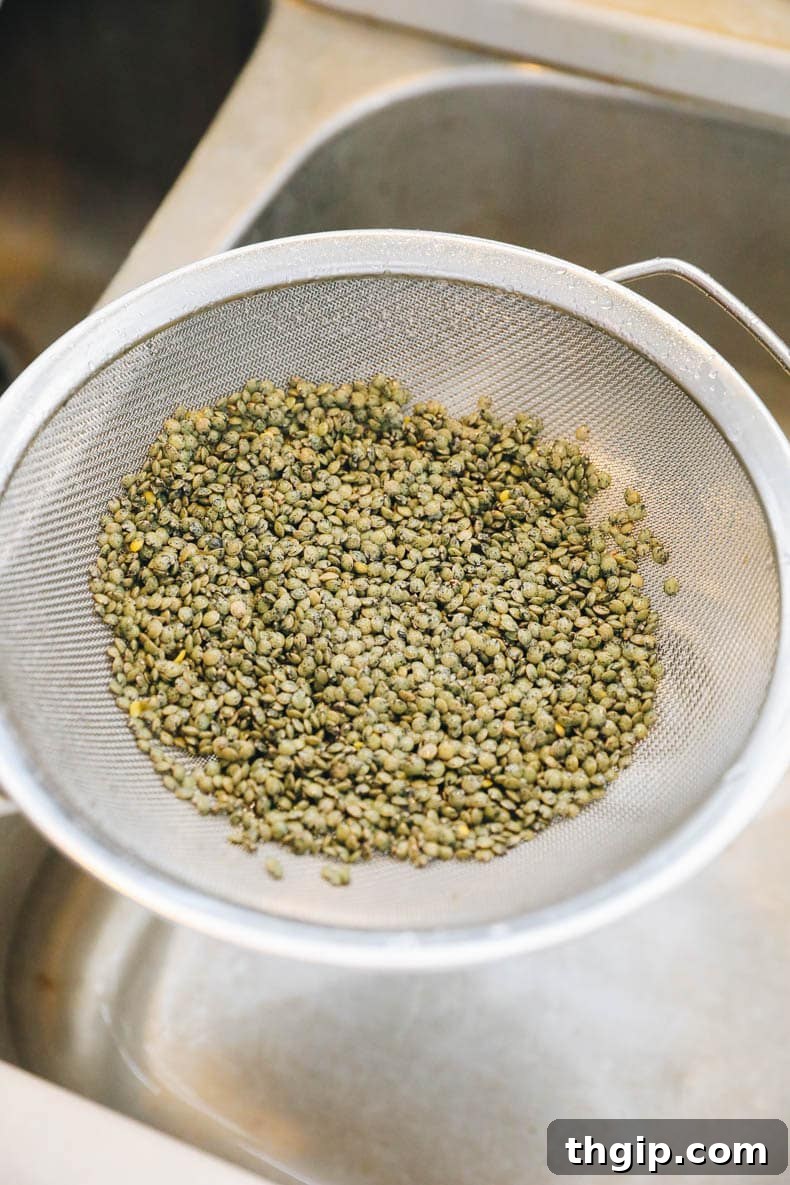
Yes, absolutely! Rinsing your lentils before cooking is a crucial and non-negotiable step. Even commercially packaged lentils can sometimes contain dust, small debris, tiny stones, or irregularly shaped grains from the harvesting and packaging process. To ensure your lentils are clean and free from any unwanted surprises, always follow these steps:
- Inspect: First, spread your dry lentils out on a light-colored surface or baking sheet. Carefully look for any small stones, twigs, or discolored or broken lentils. Remove any impurities you find.
- Rinse: Transfer the inspected lentils to a fine-mesh colander. Rinse them thoroughly under cold running water for about 30 seconds to a minute, using your hands to agitate them. Continue rinsing until the water runs clear.
- Drain: Allow the lentils to drain well in the colander before cooking. This ensures accurate liquid ratios if your recipe specifies a certain amount of water or stock.
This simple inspection and rinsing process guarantees a cleaner, more enjoyable eating experience.
Is Soaking Lentils Necessary?
One of the greatest conveniences of cooking with lentils is that, unlike many other legumes, they do not require pre-soaking! Their relatively small size and thin skins allow them to cook quickly and evenly without any advance preparation. This means you can decide to cook lentils on a whim and have them ready in under an hour, making them an ideal ingredient for weeknight meals. Just a quick rinse, and they’re ready for the pot!
The Amazing Health Benefits of Lentils
Lentils are often hailed as a superfood, and for good reason! As both a legume and a vegetable, they pack an incredible nutritional punch, making them an outstanding addition to almost any diet. Here’s why lentils are so good for you:
- Excellent Source of Plant-Based Protein: Lentils are a fantastic option for vegetarians, vegans, and anyone looking to reduce their meat consumption. A single cup of cooked lentils provides approximately 18 grams of protein, essential for muscle repair, growth, and overall body function.
- Rich in Dietary Fiber: With about 15 grams of fiber per cup, lentils contribute significantly to your daily fiber intake. This high fiber content promotes digestive health, helps regulate blood sugar levels, and contributes to a feeling of fullness, aiding in weight management.
- Low in Fat: Lentils are naturally low in fat, making them a heart-healthy choice that can help maintain healthy cholesterol levels.
- Abundant in Micronutrients: These tiny powerhouses are loaded with essential vitamins and minerals, including:
- Iron: Crucial for oxygen transport in the blood, lentils are a good source of non-heme iron, important for preventing anemia.
- Folate (Vitamin B9): Essential for DNA synthesis and cell growth, particularly important during pregnancy.
- Manganese: Plays a role in bone health, metabolism, and antioxidant defense.
- Potassium: Important for maintaining fluid balance and blood pressure.
- B Vitamins: Contribute to energy metabolism and overall nervous system health.
- Versatile Flavor Profile: Lentils have a mild, slightly nutty, and earthy flavor that readily absorbs the tastes of other ingredients they are cooked with. This chameleon-like quality makes them incredibly versatile, perfect for integrating into a vast array of global cuisines and dishes, from hearty soups and vibrant salads to robust veggie burgers and creamy dips.
Incorporating lentils into your regular diet is an easy and delicious way to boost your nutrient intake and support overall well-being.
General Lentil Cooking Times
The cooking time for lentils is primarily influenced by two factors: the specific type of lentil and your chosen cooking method. Generally, stove top cooking ranges from 15-40 minutes, while the Instant Pot can be quicker for active cooking, but includes pressure build-up and release times. Below, you’ll find a detailed breakdown of cooking durations for different lentil varieties and methods, helping you plan your meals effectively.
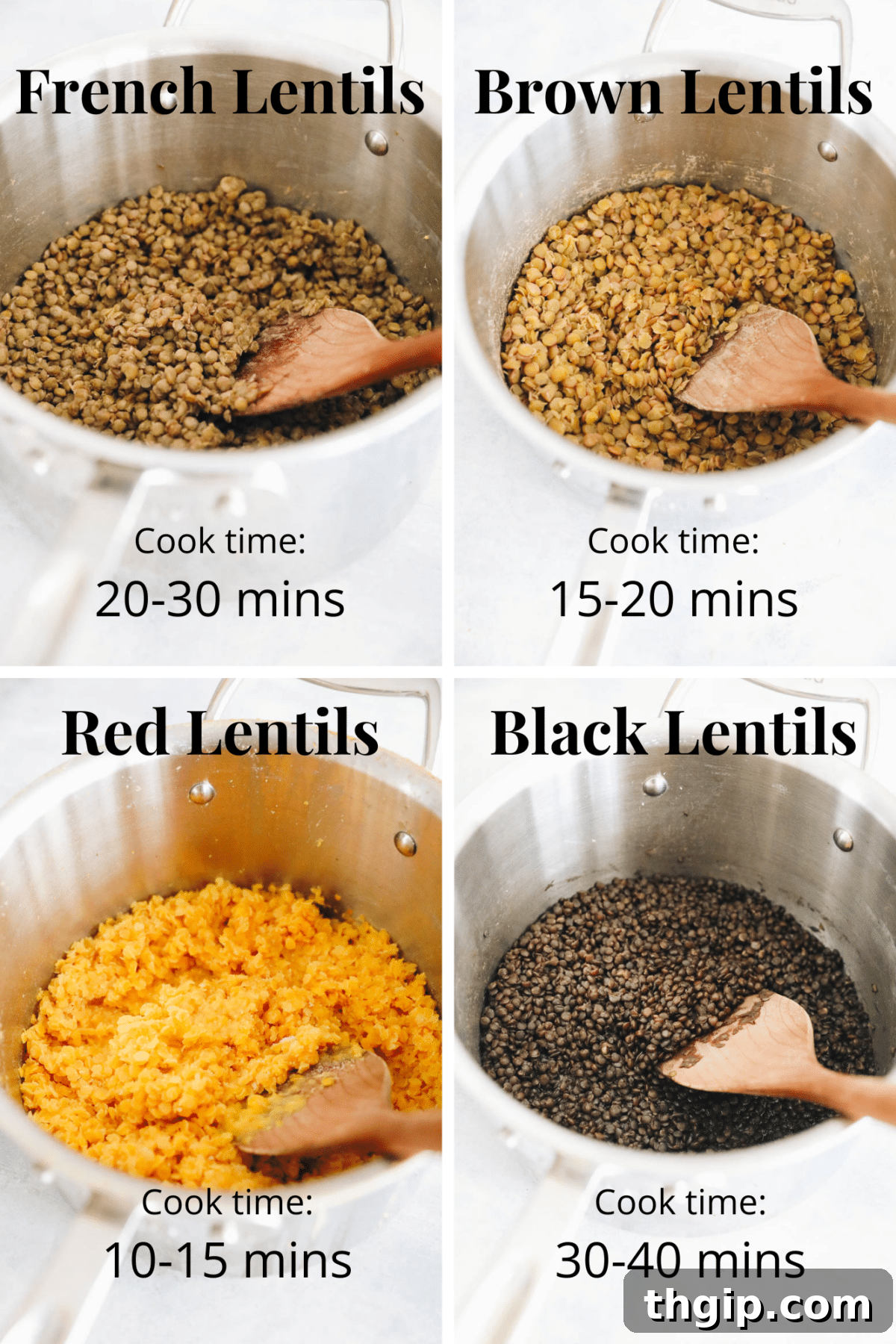
Stove Top Cooking Times for Lentils
Cooking lentils on the stove top offers excellent control over the final texture, allowing you to achieve anything from firm to very soft. Remember to adjust your cooking time based on the desired consistency and the freshness of your lentils. Always start with 1 cup of rinsed, drained lentils to 2-3 cups of water or stock. Bring to a boil, then reduce to a simmer and cover.
- Green/Brown Lentils: Cook for 15-20 minutes. These lentils will soften and may begin to lose their shape, becoming creamy, which is perfect for thickening soups and stews. They absorb most of the liquid as they cook.
- Red/Orange/Yellow Lentils: Cook for 10-15 minutes. These varieties cook the fastest and will almost entirely break down, forming a soft, mushy consistency. They are ideal for purees, dals, and dishes where you want the lentils to melt into the sauce. They absorb all the liquid.
- French Lentils (Puy Lentils): Cook for 20-30 minutes. Due to their thicker skins, French lentils take a bit longer. They are prized for holding their shape and retaining a pleasant firmness, making them excellent for salads and side dishes. You may need to strain any residual liquid if they are tender but haven’t absorbed everything.
- Black Beluga Lentils: Cook for 30-40 minutes. These unique lentils also have a firmer texture and a slightly longer cook time. They maintain their beautiful shape and nutty flavor. If you prefer them softer for a soup, you can add more water or stock and cook for an additional 5-10 minutes. Otherwise, strain any excess liquid once tender.
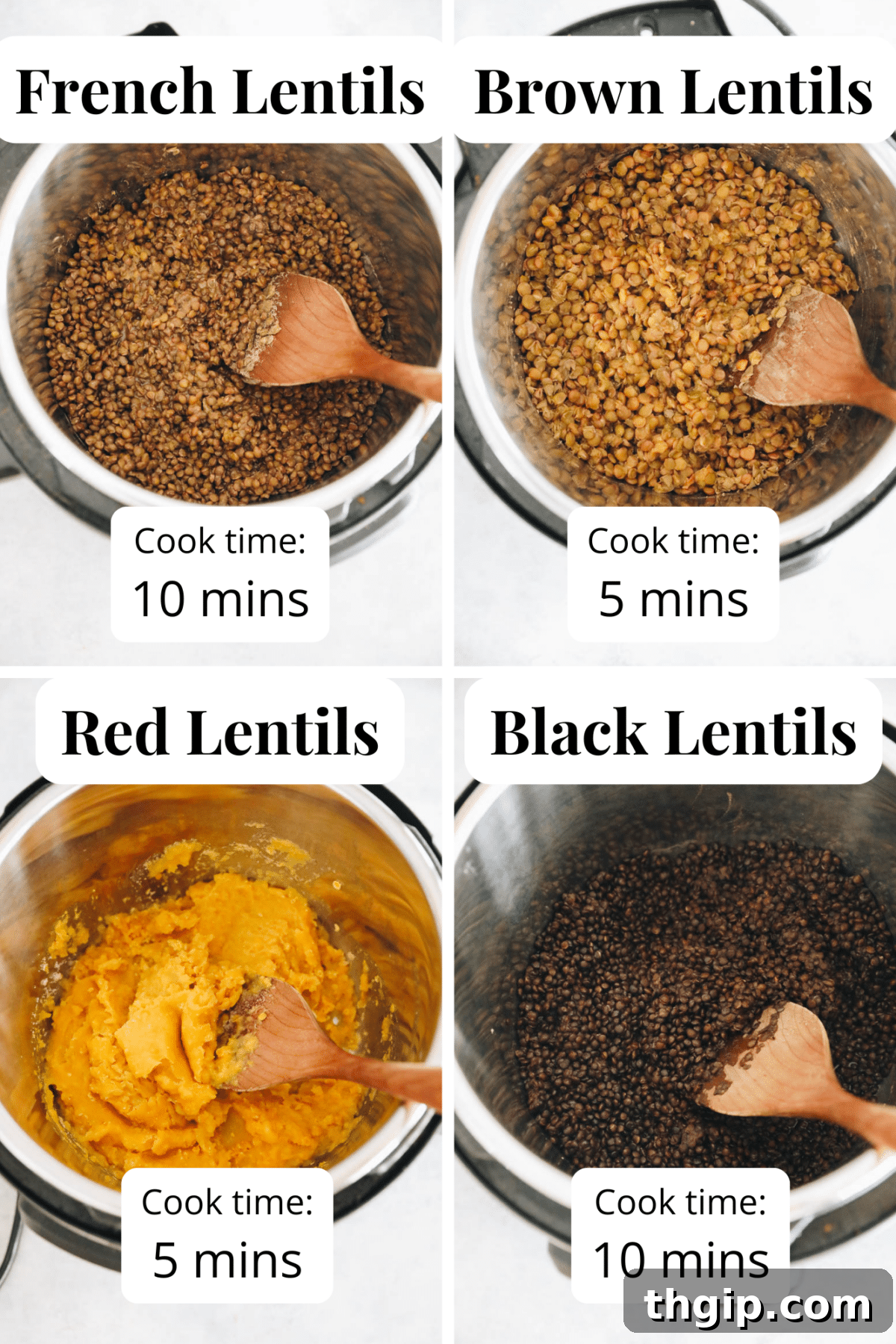
Instant Pot Cooking Times for Lentils
The Instant Pot is a fantastic tool for busy home cooks, offering a speedy and convenient way to prepare lentils with minimal hands-on effort. While I personally prefer the precision of stovetop cooking for lentils due to their already quick cook time, the Instant Pot certainly has its advantages, especially for larger batches or when you need a truly hands-off approach. It’s important to note that Instant Pot cooking times can vary slightly based on the freshness of your lentils, so consider these as reliable estimates.
For all Instant Pot methods, use a ratio of 1 cup rinsed lentils to 1.5 cups of water or stock, plus any desired flavor boosters. Cook on HIGH pressure, then allow for natural steam release (NPR) as indicated before manually releasing any remaining pressure.
- Green/Brown Lentils: Combine lentils and liquid in the Instant Pot. Pressure cook on HIGH for 5 minutes. Allow a natural steam release for 5 minutes, then carefully quick release any remaining pressure. These will be tender and slightly creamy.
- Red/Orange/Yellow Lentils: Add lentils and liquid to the Instant Pot. Pressure cook on HIGH for 5 minutes. Allow a natural steam release for 5 minutes, then quick release. These lentils will be very soft and broken down, perfect for creamy soups or purees, but not suitable for salads where shape retention is desired.
- French Lentils (Puy Lentils): Combine lentils and liquid. Pressure cook on HIGH for 10 minutes. Allow a natural steam release for 10 minutes, then quick release. French lentils will be tender but hold their shape well. If there’s any excess liquid, simply strain it out.
- Black Beluga Lentils: Place lentils and liquid in the Instant Pot. Pressure cook on HIGH for 10 minutes. Allow a natural steam release for 15 minutes, then quick release. Beluga lentils will be tender with a firm texture, retaining their elegant shape. Strain any remaining liquid if necessary.
Always perform a taste test after pressure release to ensure your lentils have reached your desired tenderness. If they are still too firm, you can pressure cook for an additional 1-2 minutes.
Boosting Lentil Flavor While Cooking!
Transform your plain cooked lentils into a flavorful base for any meal by adding simple ingredients to your cooking liquid. These boosters infuse the lentils with savory notes right from the start:
- Use Stock Instead of Water: This is arguably the easiest way to add significant flavor and extra nutrition. Swap plain water for vegetable broth, chicken broth, or even beef broth to deepen the savory profile of your lentils.
- Add Fresh Herbs: Toss in a few sprigs of robust fresh herbs like thyme, rosemary, or a bay leaf. Their aromas will gently permeate the lentils as they cook, providing an earthy, aromatic undertone. Remove the sprigs before serving.
- Incorporate Dried Herbs: If fresh herbs aren’t available, dried sage or additional bay leaves can also work wonders. Just a leaf or two is enough to impart a lovely depth. Remember to remove bay leaves before serving.
- Aromatics for Depth: Cut an onion in half, peel a shallot, or add a couple of whole garlic cloves directly to the cooking pot. These aromatics will release their sweet and savory essences into the liquid, greatly enhancing the lentils’ flavor. They can be removed after cooking or, in the case of very soft cooked onions/garlic, mashed in for extra creaminess.
A Friendly Reminder: Always wait until your lentils are fully cooked and tender before adding any salt. Salting too early can toughen the outer skin of the lentils, preventing them from softening properly and leading to an inconsistent texture.
How to Store Cooked Lentils
Lentils are excellent for meal prepping, as they store very well and can be easily reheated. Proper storage ensures they remain fresh and delicious for future meals:
- Fridge: Once cooled to room temperature, transfer your cooked lentils to an airtight container. They will keep beautifully in the refrigerator for up to 5-7 days. This makes them perfect for adding to salads, soups, or quick side dishes throughout the week.
- Freezer: Yes, cooked lentils freeze exceptionally well! To freeze, ensure they are completely cooled. Place them in a freezer-safe bag or an airtight container, leaving a little headspace if using a container (liquids expand when frozen). Cooked lentils can be stored in the freezer for up to 6 months. When ready to use, thaw them overnight in the refrigerator or for several hours on the countertop. You can then gently reheat them on the stove top with a splash of water or broth, or simply warm them in the microwave until heated through.
My Go-To Lentil Recipes
Now that you’re a lentil cooking pro, it’s time to put your skills to delicious use! Lentils are incredibly versatile and can be the star of countless dishes. Here are some of my favorite lentil recipes to inspire your culinary adventures:
- Warm Lentil and Sweet Potato Salad
- Hearty Chicken Lentil Soup
- Comforting Root Vegetable Dal
- Flavorful Lentil + Mushroom Veggie Burgers
- Quick Instant Pot Lentil Soup
- Rustic Tuscan Lentil Kale Soup
Print Recipe
How to Cook Lentils
No reviews yet
Learn how to cook lentils in this easy step-by-step guide! From stove top to Instant Pot, you’ll master picking the best lentils and cooking them perfectly.
- Author: Davida Lederle
- Prep Time: 5 minutes
- Cook Time: 20 minutes
- Total Time: 25 minutes
- Yield: 2 servings
- Category: Side
- Method: Cook
- Diet: Gluten Free
Ingredients
Scale
- 1 cup dry green, brown, red, black or French lentils, rinsed + drained
- 2 cups water or stock
- 1/2 tsp salt (add after cooking)
- Optional Flavor Boosters: Fresh herbs (thyme, rosemary), dried bay leaf or sage, 1/2 yellow onion, 1 whole shallot, or 2 whole garlic cloves.
Instructions
On the Stove Top:
- Combine rinsed and drained lentils, 2 cups of water or stock, and any optional flavor boosters in a large pot. Bring the mixture to a boil over medium-high heat.
- Once boiling, reduce the heat to low, cover the pot tightly, and allow the lentils to simmer gently.
- For Green, Brown, or Red Lentils: Cook for 10-20 minutes, or until all liquid has been absorbed and the lentils are tender. Red lentils will break down more.
- For French (Puy) Lentils: Cook for 20-30 minutes, or until they have softened slightly but still retain their shape and a pleasant bite. All liquid should be absorbed, but if not, simply strain any remaining water.
- For Black Beluga Lentils: Cook for 30-40 minutes, or until they are tender yet still hold their shape. Like French lentils, if there’s any residual liquid, strain it out. For a softer texture, you can add a bit more water/stock and cook longer.
- Once cooked, remove any large flavor boosters (like herb sprigs, onion halves, or garlic cloves if you don’t wish to consume them). Stir in the salt to taste.
In the Instant Pot:
- Combine rinsed and drained lentils, 1.5 cups of water or stock, and any optional flavor boosters into a large Instant Pot. Secure the lid and set the valve to the “Sealing” position.
- For Green, Brown, or Red Lentils: Pressure cook on HIGH for 5 minutes. Allow for a natural steam release (NPR) for 5 minutes, then carefully quick release any remaining steam.
- For French (Puy) Lentils: Pressure cook on HIGH for 10 minutes. Allow for a natural steam release (NPR) for 10 minutes, then carefully quick release any remaining steam. If there’s any remaining liquid, simply strain it out.
- For Black Beluga Lentils: Pressure cook on HIGH for 10 minutes. Allow for a natural steam release (NPR) for 15 minutes, then carefully quick release any remaining steam. If there’s any remaining liquid, simply strain it out.
- Once cooked, remove any large flavor boosters. Stir in the salt to taste.
Notes
– This recipe yields approximately 2 1/2 cups of cooked lentils.
– Cooked lentils can be stored in an airtight container in the fridge for up to 1 week, or frozen for up to 6 months.
– Remember to add salt only after cooking to ensure the best texture for your lentils.