
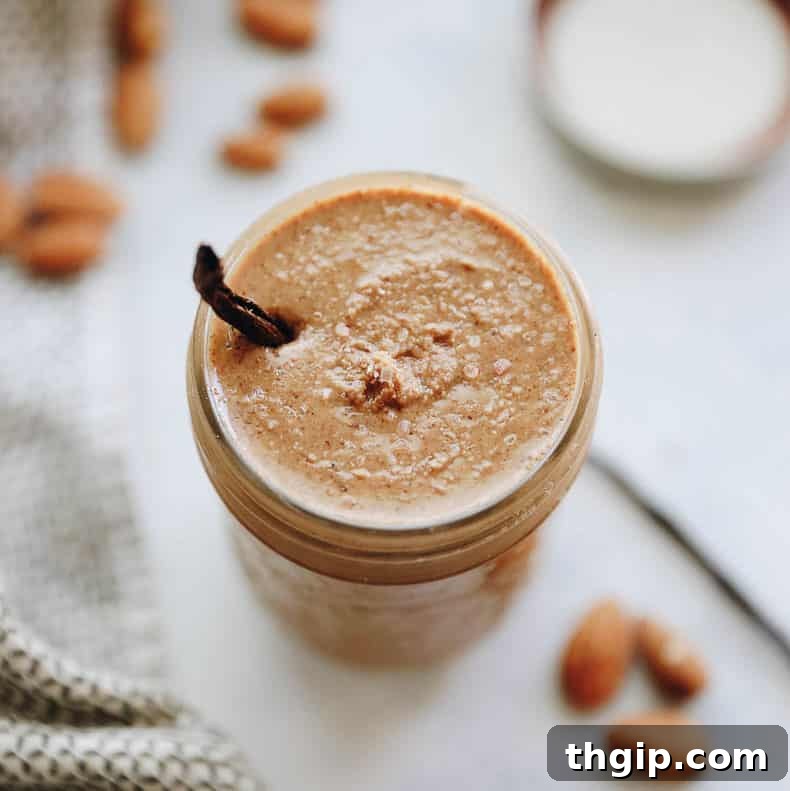
Welcome to the ultimate guide for crafting your own exquisite vanilla sea salt almond butter. Forget the notion that homemade nut butter is a daunting task; this recipe proves just how simple it is to achieve a spread that far surpasses anything you’ll find on store shelves. With just a few high-quality ingredients and a little patience, you’ll create a rich, creamy, and irresistibly flavorful almond butter that’s perfect for elevating your breakfast, snacks, or even as a delightful gift.
Many of us have a go-to jar of peanut butter or almond butter in our pantry, but once you experience the unparalleled taste and texture of homemade, there’s simply no going back. As a dedicated food enthusiast and recipe developer, I can attest that while store-bought options are convenient, they often lack the freshness, vibrant flavor, and pure ingredient quality that a homemade batch offers. This vanilla sea salt almond butter isn’t just a recipe; it’s an invitation to rediscover a pantry staple in its most delicious form.
This particular recipe has become my secret weapon for hostess gifts and holiday treats. Its simplicity belies its incredible flavor profile, making it a thoughtful and impressive present. The combination of freshly roasted almonds, fragrant vanilla, and a hint of sea salt creates a harmonious blend that’s both indulgent and wholesome. So, if you’re ready to embark on a journey to create your own gourmet almond butter, prepare to be amazed by how easy and rewarding it can be.
The Unmatched Appeal of Homemade Almond Butter
What makes homemade almond butter truly special? It boils down to control, freshness, and superior taste. When you make almond butter from scratch, you dictate every ingredient, ensuring you’re using the highest quality nuts and avoiding any unwanted additives like excessive sugars, hydrogenated oils, or preservatives often found in commercial brands. This allows for a purer, healthier, and more intensely flavored spread.
The process itself, from roasting the almonds to witnessing their transformation into a luscious butter in your food processor, is incredibly satisfying. You’ll smell the rich aroma of toasted nuts filling your kitchen, a sensory experience that store-bought varieties simply can’t replicate. Plus, customizing the flavor profile to your exact liking – adjusting the salt, vanilla, or even adding a touch of spice – is a luxury only homemade offers. It’s an investment of a little time that pays off immensely in flavor, health benefits, and culinary satisfaction.
Essential Ingredients for Your Vanilla Sea Salt Almond Butter
Creating the perfect almond butter starts with selecting the right ingredients. Each component plays a vital role in achieving that rich flavor and creamy texture.
- Good Quality Almonds: This is arguably the most crucial ingredient. Opt for raw, unroasted almonds. Organic almonds are often preferred for their purity and flavor. Brands like Trader Joe’s and various options on Amazon offer excellent choices. The natural oils in high-quality almonds are what create the creamy texture, so don’t skimp here.
- Unsweetened Shredded Coconut: This magical addition brings a subtle, natural sweetness and an extra layer of creaminess without the need for added sugar. It also contributes a delightful depth of flavor that complements the vanilla beautifully. If you’re not a fan of coconut, it can be omitted, but it truly enhances the overall profile.
- Vanilla Bean or Vanilla Extract: For an unparalleled burst of aromatic flavor, a fresh vanilla bean (scraped) is highly recommended. The tiny black flecks of vanilla caviar add a gourmet touch. However, if a vanilla bean isn’t readily available, good quality vanilla extract works perfectly well, contributing that classic warm vanilla note.
- Chunky Sea Salt: Don’t just grab any salt! Coarse, flaky sea salt is preferred over fine table salt. The larger crystals provide intermittent bursts of salty flavor, creating a delightful contrast that elevates the sweetness of the almonds and vanilla. It’s this specific texture that truly makes the “sea salt” part of the recipe shine.
- Cinnamon: A pinch of cinnamon adds warmth and another layer of natural sweetness without introducing any actual sugar. It’s a fantastic complementary spice that enhances the overall richness and complexity of the almond butter. Feel free to adjust the amount to your preference or even omit if you prefer a pure vanilla flavor.
The Right Tools for the Job: Your Powerful Food Processor
While this recipe boasts simplicity, the right equipment is essential. A powerful food processor is your best friend here. It’s designed to handle the rigorous task of breaking down nuts, transforming them from solid to a smooth, creamy butter. While a high-speed blender *can* technically work, it often requires more frequent stopping to scrape down the sides and can take longer to achieve the desired consistency. My personal recommendation is a robust food processor, which makes the process much faster and more efficient, yielding a consistently smooth result.
Crafting Your Own Vanilla Sea Salt Almond Butter: A Step-by-Step Guide
Making almond butter is less about complex techniques and more about patience and understanding the transformation of ingredients. Follow these simple steps for a truly incredible result.
STEP 1: Roast the Almonds to Perfection
Preheat your oven to 350°F (175°C). Spread your raw almonds in a single layer on a baking sheet. Roast them for approximately 10 minutes, or until they are lightly golden and fragrant. Roasting is a critical step because it deepens the almonds’ flavor, making them nuttier and richer. More importantly, it helps release their natural oils, which is key to achieving a smooth, creamy butter. Watch them carefully to prevent burning, as burnt almonds will result in a bitter almond butter.
STEP 2: Process the Unsweetened Coconut
Once the almonds are roasted, allow them to cool slightly. While they’re cooling, add the unsweetened shredded coconut to your food processor. Begin processing the coconut for 2-3 minutes. You’ll notice it gradually breaking down, first becoming finely shredded, then clumping together, and eventually forming a paste-like consistency as its natural oils are released. This initial processing ensures a smoother integration with the almonds.
STEP 3: The Magical Transformation to Almond Butter
Now, add the lightly toasted almonds to the food processor with the processed coconut. Continue to process the mixture. This is where patience is key, as the transformation will occur in several stages over 5-10 minutes (or sometimes longer, depending on your food processor and almonds). You’ll observe the following progression:
- Coarse Meal: The almonds will initially chop into a coarse meal.
- Fine Meal: They will then break down into a finer, flour-like consistency.
- Clumpy Stage: The oils will start to release, causing the mixture to clump together.
- Pasty Stage: It will begin to form a thick, pasty ball.
- Smooth and Creamy: Finally, after continuous processing, the oils will fully emulsify, transforming the mixture into a luscious, pourable, and creamy almond butter.
During this process, be sure to stop the food processor occasionally and scrape down the sides of the bowl with a spatula. This ensures that all the almond pieces are incorporated evenly and helps prevent the motor from overheating. Once you reach your desired smooth and creamy consistency, add the vanilla bean (scraped) or vanilla extract, sea salt, and cinnamon. Process for another 30-60 seconds to fully incorporate these flavorings. Taste and adjust seasonings as needed – perhaps a little more salt for that perfect balance, or an extra dash of vanilla.
STEP 4: Store Your Delicious Creation
Allow the freshly made almond butter to cool completely before transferring it to an airtight container. A mason jar works wonderfully for storage and also makes for an attractive presentation if you’re gifting it. Ensure the container is clean and dry to maintain freshness. Once cooled, it’s ready to enjoy!
Creative Ways to Savor Your Homemade Nut Butter
The beauty of this vanilla sea salt almond butter lies in its incredible versatility. While it’s perfectly acceptable to enjoy it straight from the jar with a spoon (and I highly recommend it!), here are numerous ways to incorporate this delightful spread into your meals and snacks:
- Breakfast Power-Up: Swirl it into your morning oatmeal, spread it generously on whole-grain toast, or blend it into your favorite smoothie for added creaminess and protein. It pairs exceptionally well with a banana and honey toast, creating a sweet and savory delight.
- Energy Boosting Snacks: Mix it into homemade energy balls or bars for a healthy, satisfying treat that keeps you fueled throughout the day.
- Dessert Enhancer: Drizzle it over French toast, pancakes, or waffles for an elevated breakfast experience. Its rich flavor also makes it a fantastic topping for yogurt parfaits with granola and fresh fruit.
- Baking Ingredient: Incorporate it into cookie, brownie, or muffin recipes for a unique twist and added moisture.
- Healthy Dip: Serve it alongside apple slices, celery sticks, or banana coins for a quick and nutritious snack.
- Thoughtful Gift: Package it in a beautiful mason jar with a ribbon and a handmade label. It makes a truly personal and appreciated homemade gift for friends, family, or hosts.
Frequently Asked Questions About Homemade Almond Butter
Don’t be surprised if you have a few questions during your first attempt at making almond butter. Here are answers to some common queries:
Why won’t my almonds break down? Patience is key! Almonds are tough nuts, and it takes a significant amount of “elbow grease” (or rather, consistent processing) for them to release their oils and transform into butter. It can take anywhere from 5 to 10 minutes, and sometimes even longer, in a food processor. Don’t give up prematurely; keep processing, scraping down the sides as needed. The machine is doing the work, just give it time.
Do I have to use coconut and cinnamon? Absolutely not! While they add wonderful depth and a natural sweetness, both are entirely optional. If you prefer a simpler, pure vanilla sea salt almond butter, or if you don’t have these ingredients on hand, feel free to omit them. The recipe will still be delicious.
Can I use a blender instead of a food processor? Yes, but with a caveat. You’ll need a high-speed blender (like a Vitamix) that can handle the thick consistency without burning out its motor. Even with a powerful blender, you might find yourself stopping more frequently to push the mixture down towards the blades and achieve an even consistency. A food processor is generally more efficient for nut butters.
Can I use a different nut? Certainly! The world of homemade nut butters is vast and exciting. However, keep in mind that different nuts have varying oil contents and densities, which means their processing times will differ. For instance, softer nuts like walnuts and pecans will break down much faster than harder nuts such as almonds, cashews, or hazelnuts. Experimentation is encouraged!
Why is my almond butter so oily? This is completely normal and a sign of success! Almonds are packed with healthy fats, and as they break down during processing, these natural oils are released. Sometimes, the oil may separate and rise to the top upon storage. Simply give it a good stir before each use to reincorporate the oils and restore its creamy consistency.
What if my almond butter tastes bitter? A bitter taste usually indicates that the almonds were either over-roasted or were old to begin with. Ensure you’re using fresh, good-quality almonds and keep a close eye on them during the roasting process to achieve that perfect light golden hue.
My almond butter is too thick/thin. How can I fix it? If your almond butter is too thick, you can add a tiny amount of neutral oil (like almond oil or a very light olive oil) and process it for a bit longer until it reaches your desired consistency. If it’s too thin, it’s likely over-processed or you added too much liquid flavoring. While harder to fix, chilling it in the fridge can help it firm up.
Optimal Storage for Your Homemade Almond Butter
Proper storage is essential to maintain the freshness and flavor of your homemade almond butter. Transfer your cooled almond butter to a clean, airtight container, such as a glass mason jar.
At room temperature, in a cool, dark pantry, your almond butter will stay fresh for up to two weeks. For extended freshness, store it in the refrigerator, where it will last for up to three months. Be aware that refrigeration can cause the almond butter to harden slightly due to the cooling of the natural oils. Simply let it sit out at room temperature for 15-30 minutes before serving, or give it a vigorous stir, and it will soften up beautifully while still being incredibly delicious.
Explore More Homemade Nut Butter Adventures
Once you’ve mastered this vanilla sea salt almond butter, you might find yourself eager to explore the world of other homemade nut butters. Each nut offers a unique flavor and texture, leading to endless possibilities. Here are some other delectable nut butter recipes to inspire your culinary journey:
- Spiced Walnut Butter
- Maple Syrup Pecan Butter
- Homemade Cashew Butter
- Mocha Hazelnut Butter
- Dark Chocolate Sea Salt Almond Butter
Making your own nut butter is a rewarding experience that puts you in control of what goes into your food. This vanilla sea salt almond butter recipe is not just a spread; it’s a testament to the joy of simple, wholesome ingredients transformed into something truly extraordinary. Enjoy the process, savor the flavor, and share the deliciousness!