
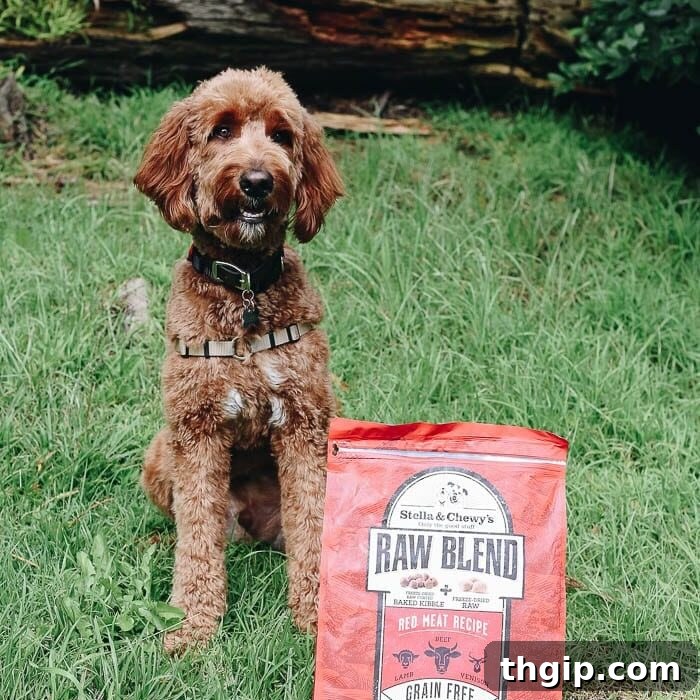
It feels like just yesterday we welcomed Bodhi into our lives, yet it’s incredible to think that almost a full year has passed since that joyous day. This past year has truly flown by, but simultaneously, it feels as though Bodhi has been an irreplaceable part of our family forever. Bringing Bodhi home was not only the best decision my partner C and I made together, but for me personally, it stands as one of the most significant choices I’ve made for my own health and well-being. The unconditional love and companionship he provides have profoundly enriched our lives in countless ways.
While the rewards of puppy ownership are immense, the journey hasn’t been without its hurdles. Both C and I grew up with dogs, and we even had the valuable experience of dog-sitting my best friend’s dog, Rhett, for a year prior to getting Bodhi. Despite this, certain aspects of responsible dog parenting caught us off guard. Neither of us had personally undertaken the task of training a puppy from scratch, nor did we possess extensive knowledge regarding canine health and nutrition. The sheer volume of conflicting information available made it incredibly difficult to navigate essential decisions, such as which vaccinations were necessary, the optimal frequency for dental care, or, most critically, exactly what our furry friend should be eating to thrive.
These initial challenges were further complicated when we quickly discovered that Bodhi had contracted giardia. What followed was a stressful period involving multiple rounds of deworming medication, which, while necessary, severely disrupted his nascent gut flora at just nine weeks old. It took several arduous months of careful management and veterinary guidance before our poor boy finally achieved consistent, normal bowel movements. This experience, though difficult, proved to be a pivotal learning moment.
As someone deeply committed to my own health and mindful eating, it was only natural that I approached Bodhi’s well-being with the same level of dedication. While I wouldn’t wish a parasitic infection on any pet or pet owner, Bodhi’s giardia diagnosis compelled me to dive headfirst into the complex world of dog food. This intensive research became a quest to understand what truly constitutes healthy canine nutrition, moving beyond superficial marketing claims and uncovering the real science behind optimal pet diets. Through this journey, I’ve amassed a wealth of knowledge, and I’m eager to share these insights with you, hoping to empower other pet parents to make informed decisions for their beloved companions.
Disclaimer: This post is proudly sponsored by Stella and Chewy’s. We genuinely feed Bodhi their products, making this partnership a natural and exciting collaboration. I was compensated for my time in creating this content; however, all opinions expressed here are entirely my own and reflect our authentic experience.
Navigating Canine Nutrition: What Should You Be Feeding Your Dog for Optimal Health?
Understanding optimal dog nutrition begins with a fundamental truth: every dog is a unique individual. Just as with humans, a one-size-fits-all approach to diet simply doesn’t apply. Different breeds possess distinct genetic predispositions, activity levels, and metabolic rates that influence their dietary needs. Beyond breed, individual factors such as age, size, existing health conditions, and even personal taste preferences play a crucial role. Some dogs exhibit robust digestive systems capable of processing a wide array of foods, while others may suffer from a long list of sensitivities or allergies. Therefore, the first and most critical step in nourishing your dog effectively is to observe their unique characteristics, educate yourself on their specific requirements, and consult with your veterinarian to tailor a diet that best suits their individual physiology.
Despite these individual variations, much like human nutrition, there are foundational principles and general guidelines that can help pet parents make informed decisions when selecting their dog’s food. My personal approach to Bodhi’s diet mirrors the philosophy I apply to my own eating habits:
Prioritize nourishing the body with high-quality, wholesome food, but avoid the pursuit of rigid perfection. Strive to find foods that integrate seamlessly into a healthy lifestyle for both you and your pet, rather than allowing dietary restrictions to dictate your entire life.
With this balanced perspective in mind, here are some invaluable rules of thumb to guide you in choosing the best possible food for your canine companion:
1. Steer Clear of Overly Processed Dog Food
The parallels between human and canine diets extend to the detrimental effects of highly processed foods. Such products often undergo extreme heat and pressure during manufacturing, which can strip essential vitamins, minerals, enzymes, and beneficial fatty acids from the ingredients. They frequently contain artificial preservatives, colors, and flavors, along with inexpensive fillers like corn, wheat, or soy, which offer minimal nutritional benefit and can contribute to digestive issues or allergies. While this doesn’t automatically mean every dog requires a 100% raw food diet (we’ll delve deeper into raw feeding below), it’s imperative to scrutinize how your dog’s food is prepared. Brands that utilize gentler cooking methods, such as cold-pressing or slow oven-baking, or those that offer freeze-dried raw options, better preserve the integrity and nutritional value of their ingredients. This commitment to preserving nutrient quality is precisely why we appreciate Stella & Chewy’s, as their diverse offerings prioritize minimally processed preparation methods.
2. Prioritize Quality Over Mere Quantity of Ingredients
If there’s one singular message to take away from this entire discussion, it’s this: the quality of your dog’s food ingredients is paramount. It’s astonishing how many pet owners are either unaware of what goes into their dog’s bowl or where those ingredients originate. Just as I emphasize filling our home with organic and sustainably sourced food for ourselves, Bodhi’s diet receives the same meticulous attention. As a large, highly energetic Goldendoodle, Bodhi requires a substantial amount of food to fuel his active lifestyle. A significant portion of his diet comes from animal sources, and ensuring that these animal products are derived from high-quality, humanely raised meat and seafood is of utmost importance to us. In the same way I consciously avoid consuming conventionally raised, questionable meat or seafood, the same principle applies to Bodhi’s meals.
This commitment to excellence is reflected in our choice of Stella & Chewy’s, as their food is crafted from premium sources such as grass-fed, cage-free, or wild-caught meat and seafood, guaranteed free from added hormones or antibiotics. Furthermore, their vegetables are 100% organic, and they maintain complete transparency regarding their sourcing practices. This unwavering dedication to quality and ethical sourcing provides us with unparalleled peace of mind concerning what we feed Bodhi, knowing he’s receiving optimal nutrition.
3. Implement Dietary Changes Gradually and Slowly
Dogs possess remarkably sensitive digestive systems, making abrupt or drastic changes to their diet a recipe for discomfort and digestive upset. Introducing new foods too quickly can lead to diarrhea, vomiting, or a general reluctance to eat. To avoid such issues and allow your dog’s gut microbiome to adapt, always transition between foods gradually. A general rule of thumb is to take 10 days to 2 weeks for a full transition. Start by mixing a small amount (around 25%) of the new food with 75% of the old food for a few days. Then, gradually increase the proportion of the new food while decreasing the old, moving to a 50/50 mix, then 75/25, until your dog is fully on the new diet. Observing your dog for any changes in stool consistency, energy levels, or appetite during this period is crucial. Patience during this transition phase will significantly benefit your dog’s digestive health and overall well-being.
4. Consider Supplements When Necessary and Advised
Just like humans, some dogs can benefit from dietary supplementation, especially if their foundational food isn’t entirely comprehensive or if they have specific health needs. Before adding any supplements, carefully review the ingredient list of your chosen dog food to see what nutrients and supplements are already included. Many high-quality dog foods, like Stella & Chewy’s, incorporate a comprehensive range of vitamins, minerals, and probiotics, potentially negating the need for additional supplements. In Bodhi’s case, with his balanced diet, we typically don’t give him additional supplements, with the occasional exception of a probiotic if his stools seem a bit off – it happens, even with the best diets! If your dog’s food lacks certain key nutrients, or if you notice specific health concerns, consult your veterinarian. They can provide tailored advice on appropriate supplements, such as omega-3 fatty acids for a healthy coat and joint support, prebiotics for gut health, or a general multivitamin if deemed necessary for your dog’s unique profile.
5. Embrace a Balanced Approach: Don’t Be Overly Militant!
While establishing a high-quality, consistent diet is crucial, it’s equally important to maintain a sense of balance and realism. Dogs are naturally curious, and they will, inevitably, be sneaky. You’ll likely catch them eating things they shouldn’t, whether it’s a dropped crumb, a discarded morsel from the yard, or, in Bodhi’s memorable case, a fish carcass he proudly presented! As long as the item isn’t overtly harmful or toxic (like chocolate, grapes, or xylitol, which should always be strictly avoided), you’ll have to accept that dogs will be dogs. While we refrain from feeding Bodhi directly from the table to prevent begging and maintain good habits, we certainly believe in showering him with love and occasional, appropriate treats. A peanut butter-filled Kong provides enrichment and enjoyment, and on his birthday, he might even get a special plate of dog-safe bacon! The bond with our dog is precious, and we don’t hold back from letting him know how much he is cherished, including through mindful, loving treats.
Beyond these foundational principles, several specific dietary topics frequently arise among pet parents. Let’s explore some common questions to help you make even more informed choices for your dog’s diet:
Should Your Dog Adopt a Raw Food Diet?
A raw food diet can be an excellent option for many dogs, provided it’s approached with careful consideration and proper preparation. The primary advantage of raw feeding lies in the preservation of vital nutrients: amino acids, essential fatty acids, proteins, vitamins, and minerals that can be degraded or destroyed during the high-heat, high-pressure cooking methods commonly used by conventional dog food manufacturers. Raw food proponents argue that it mirrors a dog’s ancestral diet, potentially leading to improved digestion, shinier coats, increased energy, and better dental health. That being said, a raw diet isn’t suitable for every dog, nor is it without its considerations. Risks include potential bacterial contamination if not handled correctly, and ensuring a nutritionally complete and balanced raw diet can be challenging if you’re preparing it yourself. For convenience and safety, many opt for commercially prepared raw or freeze-dried raw foods. We chose to put Bodhi on Stella & Chewy’s Raw Blend Kibble, which combines freeze-dried raw pieces with gently-baked kibble. This blend offers the benefits of raw nutrition in an easy, convenient format that Bodhi absolutely loves. His diet is predominantly raw, and he seems to be thriving on it, displaying excellent health and vitality. Always consult your veterinarian before making significant changes to your dog’s diet, especially when considering a raw food regimen, to ensure it’s appropriate for their health needs.
Is a Vegan Diet Appropriate for Dogs?
From a personal standpoint and based on extensive research, I do not believe dogs should be on a vegan diet. While dogs are often classified as omnivores, their evolutionary history and physiological makeup indicate a strong requirement for animal protein to meet their nutritional needs. They require specific essential amino acids, fatty acids like arachidonic acid (found in animal fats), and vitamins such as taurine and B12, which are typically abundant in animal products and often difficult to obtain in sufficient, bioavailable quantities from plant-based diets alone. Active dogs, like Bodhi, especially thrive on a high animal protein-based diet, which provides the necessary building blocks for muscle maintenance, energy, and overall health. Of course, the decision ultimately rests with you as the pet owner. If you hold strong moral objections to feeding meat or if your dog exhibits documented allergies to certain types of animal protein, this is a discussion you absolutely must have with your veterinarian. Any attempt at a plant-based diet for a dog would require extremely careful formulation by a veterinary nutritionist to avoid severe deficiencies that could compromise your dog’s health.
Should Your Dog Be on a Grain-Free Diet?
The topic of grain-free diets has generated considerable debate within the pet food industry, with strong opinions on both sides. Ultimately, determining whether a grain-free diet is right for your dog often comes down to individual tolerance and preference. Many common grains, particularly wheat and corn, are frequent culprits for digestive issues and allergies in dogs. Bodhi, for instance, does not tolerate wheat or corn well, and I find it’s a good general rule of thumb to avoid these specific grains, along with any highly processed grains, for most dogs. However, it’s important to distinguish between problematic grains and whole, unprocessed grains like oats, barley, or brown rice. Some dogs can tolerate and even benefit from these whole grains, which provide fiber and complex carbohydrates. If your dog is getting sufficient carbohydrates from starchy vegetables like pumpkin, sweet potatoes, carrots, or from legumes like lentils and beans, then grains are not an essential component of their diet. Furthermore, recent discussions in the veterinary community have explored a potential link between certain grain-free, legume-rich diets and canine dilated cardiomyopathy (DCM) in some breeds. While the science is still evolving and complex, it underscores the importance of a balanced approach and veterinary consultation. All of Stella & Chewy’s products are grain-free and gluten-free, making them an excellent choice if your dog shows sensitivity or intolerance to grains.
Recognizing and Addressing Dog Allergies
Detecting a food allergy in your dog can be challenging, as symptoms can vary and often overlap with other health conditions. However, some common signs that your dog may be experiencing an allergic reaction include persistent gastrointestinal issues, such as chronic soft stools, diarrhea, or difficulty passing stool. Skin-related symptoms are also very common, manifesting as frequent scratching, excessive licking (especially paws), skin redness, rashes, or recurrent ear infections. Other indicators might include frequent sneezing, watery eyes, or chronic paw chewing. If you observe any of these persistent signs, it’s imperative to consult your veterinarian. Your vet can help differentiate between environmental allergies and food allergies, and often recommend an “elimination diet.” This involves feeding your dog a novel protein source (one they haven’t eaten before) and a single carbohydrate source for an extended period (typically 8-12 weeks) to identify the offending ingredient. However, it’s worth noting that we found even some vet-recommended hypoallergenic foods weren’t well-suited for Bodhi (or Rhett, for that matter). Trust your intuition as a pet parent, meticulously read ingredient labels, and work closely with your vet to pinpoint and manage any allergies effectively, ensuring your dog’s comfort and long-term health.
Every single person who meets Bodhi comments on his incredibly soft and shiny coat, and honestly, we firmly believe it’s a direct testament to the high-quality food he consumes! Beyond aesthetics, we absolutely love how much he enjoys his meals – perhaps a little too much, as he tends to inhale it with gusto! Knowing that his food is packed with nutrient-dense ingredients gives us confidence that it adequately supports his exceptionally high activity level. Goldendoodles are notoriously energetic dogs, requiring a diet that can keep pace with their playful and active nature. We’re also thrilled to report that he hasn’t experienced a single illness this entire year. Fingers crossed that trend continues! If you have any further questions about Bodhi’s diet, the specific products we feed him, or any other dog-related inquiries, please don’t hesitate to drop them in the comments section below. I’m always happy to share our experiences and insights to help other pet parents on their journey to optimal canine health!