Are you ready to transform your culinary space into an engine of sustainability? Embracing sustainable kitchen practices isn’t just a trend; it’s a powerful commitment to nourishing both your body and the planet. In an era where conscious living is paramount, a green kitchen stands as a testament to mindful consumption, reduced waste, and a deeper connection to our food sources. This comprehensive guide will walk you through actionable strategies, from smart food storage to eco-friendly cleaning, helping you embark on this rewarding journey today. Prepare to discover how simple shifts can lead to profound positive impacts, making your kitchen a healthier, more efficient, and undeniably greener hub.

1. Master the Art of Food Waste Reduction
Food waste is an alarmingly pervasive issue, with staggering environmental and economic implications that often go unrecognized. Current research suggests that nearly half of all produce in the US is discarded before it even reaches a plate, a problem exacerbated by inefficient distribution chains, consumer preference for “perfect” aesthetics, and, notably, spoilage within our own homes. Addressing this issue in your kitchen is perhaps the single most impactful step you can take toward sustainability, offering benefits that ripple through your household budget and the global ecosystem.
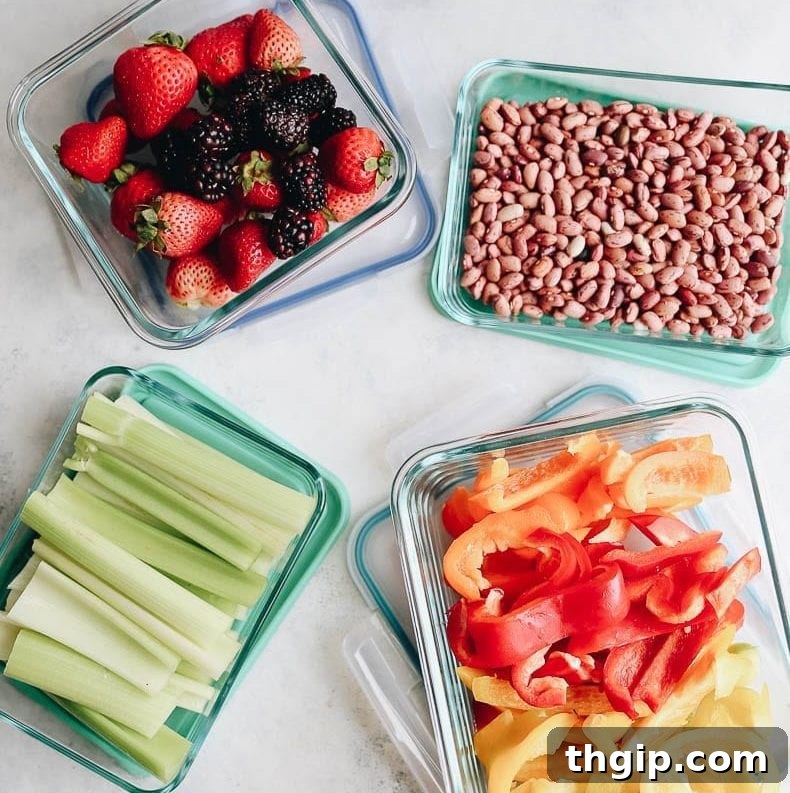
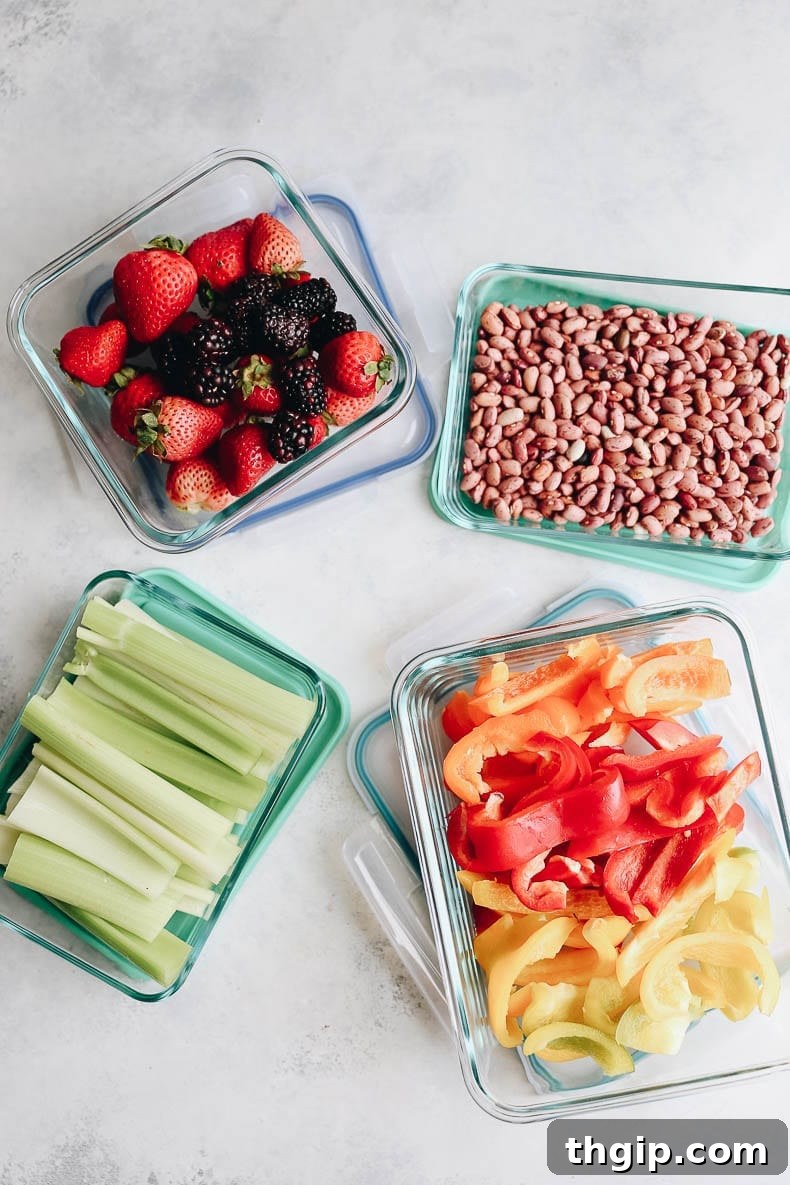
The journey to minimizing food waste begins with thoughtful purchasing. Instead of impulse buys or overstocking, cultivate a habit of meal planning and creating precise shopping lists. This proactive approach ensures you buy only what you truly need, preventing items from languishing in your fridge or pantry. But even with careful shopping, proper storage is paramount. How often have you discovered limp lettuce, moldy berries, or questionable leftovers tucked away in the back of your refrigerator? Investing in high-quality, airtight storage solutions is a game-changer for extending the freshness and nutritional value of your ingredients. Pure glass containers, like those from Pyrex, are particularly effective. Their non-porous nature creates an optimal environment, sealing in freshness and flavor without absorbing odors or stains, making them ideal for everything from delicate greens to hearty grains. This superior preservation means less food heading for the bin and more delicious meals on your table.
Beyond storage, embracing the “first-in, first-out” (FIFO) principle in your pantry and fridge can significantly reduce waste. Organize your groceries so that older items are always at the front, prompting you to use them before they expire. Learn to interpret “best by” and “use by” dates; many foods remain perfectly edible and safe beyond their suggested peak freshness. Finally, get creative with leftovers! Instead of discarding small portions, transform them into new dishes, frittatas, stir-fries, or soups. These simple yet powerful habits not only reduce your environmental footprint but also unlock new culinary possibilities and savings.

2. Embrace the ‘Whole Plant’ Philosophy
In our modern culinary practices, it’s common to discard parts of plants that are not only edible but often highly nutritious. The “whole plant” philosophy challenges this habit, encouraging us to utilize every possible component of our produce, from root to leaf. This approach not only amplifies sustainability by reducing organic waste but also enriches our diets with a wider spectrum of vitamins, minerals, and flavors that might otherwise be overlooked.
Consider the humble celery stalk or the vibrant greens attached to beets and carrots. These often-discarded elements are packed with nutrients and flavor. Celery tops, for instance, can be finely chopped and added to salads, soups, or stir-fries for a concentrated celery essence. Beet and carrot greens, similar to spinach or kale, can be sautéed, blended into pestos, or incorporated into green smoothies. Broccoli stems, frequently trimmed away, are delicious when peeled and thinly sliced for salads or roasted alongside florets. Even radish tops, often spicy and peppery, make an excellent addition to stir-fries or can be blended into a unique pesto.
Beyond direct consumption, many plant scraps can be ingeniously repurposed. One of the most satisfying ways is to collect vegetable trimmings – onion skins, carrot ends, herb stems, mushroom stalks – in a designated container in your freezer. Once you’ve accumulated a sufficient amount, these scraps form the perfect base for a rich, homemade vegetable stock, eliminating the need for store-bought versions and turning potential waste into a culinary staple. For freezing these precious scraps, durable, freezer-safe containers, such as Pyrex glassware, are invaluable. They prevent freezer burn more effectively than plastic bags, ensuring your ingredients retain their quality until you’re ready to simmer them into a flavorful broth.
Other creative reuses abound:
- Coffee Grounds: Don’t toss them after brewing! Spent coffee grounds make an excellent natural body scrub, a powerful garden fertilizer, or even a deodorizer.
- Citrus Peels: Infuse water or spirits, make natural cleaning sprays by soaking in vinegar, or dry them to add zest to baking and teas. They can also be candied for a sweet treat.
- Leafy Greens: Transform beet greens, carrot tops, or even radish greens into vibrant pestos, enriching pasta dishes, sandwiches, or dips.
- Squash Seeds: Instead of discarding them, clean and roast pumpkin, butternut squash, or acorn squash seeds with a dash of oil and spices for a crunchy, nutritious snack.
When using the whole plant isn’t feasible, remember the importance of composting. Composting diverts organic waste from landfills, where it would produce harmful methane gas, and instead transforms it into nutrient-rich soil amendment for your garden. Embracing the whole plant philosophy is a journey of discovery, transforming perceived waste into valuable resources that benefit both your health and the environment.

3. Prioritize Organic and Sustainably Sourced Foods
The choice to purchase organic foods, when accessible and affordable, is a cornerstone of building a truly sustainable kitchen. Beyond a simple label, “organic” signifies a commitment to farming practices that prioritize ecological balance, biodiversity, and soil health. It means food grown without synthetic pesticides, herbicides, GMOs, or artificial fertilizers, and for animal products, often implies higher standards of animal welfare and no routine use of antibiotics or growth hormones.
The benefits of opting for organic produce are multifaceted. Environmentally, organic farming enriches soil vitality, reduces water pollution from chemical runoff, and supports a diverse ecosystem of beneficial insects and wildlife. By avoiding harsh synthetic chemicals, organic methods also create safer working conditions for farmers and reduce their exposure to potentially harmful substances. For consumers, choosing organic can mean significantly reducing your dietary intake of pesticide residues, which have been linked to various health concerns. It’s a direct investment in a healthier planet and a healthier you.
While the aspiration to buy everything organic is commendable, it’s important to acknowledge that organic products can sometimes be more expensive or harder to find. Sustainability is about doing what you can with what you have. A practical approach is to prioritize organic purchases based on the “Dirty Dozen” list – produce items with higher pesticide residues – and feel more comfortable buying conventionally grown items from the “Clean Fifteen” list, which typically have lower residue levels. Shopping at local farmers’ markets can also be an excellent strategy, often providing access to sustainably grown produce that, while not always certified organic, follows similar responsible practices and supports local economies. Engaging with your farmers directly allows you to ask about their growing methods and make informed choices. Every organic choice, no matter how small, contributes to a more sustainable food system and aligns your kitchen with global well-being.
4. Switch to Natural and Non-Toxic Cleaning Products
The transition to natural cleaning products is one of the easiest and most impactful swaps you can make in your quest for a sustainable kitchen. Traditional household cleaners are often brimming with harsh chemicals like ammonia, chlorine bleach, phthalates, and parabens. These substances pose significant risks not only to our personal health, potentially causing respiratory issues, skin irritation, and endocrine disruption, but also to the broader environment. When washed down the drain, these chemicals enter our waterways, disrupting aquatic ecosystems and contributing to pollution that affects wildlife and human health downstream.
Beyond environmental pollution, conventional antibacterial products, in particular, can disrupt the delicate microbiome of your kitchen and home. Just as our gut relies on a balance of beneficial bacteria, our home environment thrives when healthy microbial diversity is maintained. Over-sanitizing with harsh chemicals can eliminate beneficial microbes along with the harmful ones, potentially leading to less resilient indoor ecosystems. Research consistently shows that overly aggressive cleaning doesn’t necessarily decrease health risks in the long term; often, simpler, natural solutions are just as effective for everyday sanitation.
Embracing natural alternatives is surprisingly simple and often more cost-effective. Many powerful cleaning agents can be found right in your pantry:
- White Vinegar: An excellent natural disinfectant, deodorizer, and degreaser. Mix with water for an all-purpose cleaner, use neat to tackle grime, or add to rinse cycles for sparkling dishes.
- Baking Soda: A mild abrasive that neutralizes odors and scours surfaces without scratching. Perfect for scrubbing sinks, countertops, and even ovens.
- Lemon Juice: A natural bleach and powerful degreaser with a refreshing scent.
- Essential Oils: Add a few drops of tea tree oil (antibacterial), lemon oil (degreasing), or lavender oil (calming scent) to your homemade cleaners for enhanced efficacy and a pleasant aroma.
By making the switch to natural cleaning products, you create a safer, healthier kitchen environment for your family and pets, reduce your exposure to harmful toxins, and contribute significantly to cleaner water and air. It’s a win-win for both your home and the planet.

5. Opt for Reusable Dish Towels and Napkins
This tip might seem like a small change, but the collective impact of switching from disposable paper products to reusable cloth alternatives is immense. In a world increasingly burdened by waste, every single-use item we divert from landfills makes a difference. Paper towels and disposable cleaning wipes contribute to deforestation, consume significant energy and water in their production, and ultimately end up in landfills, where they take up space and break down slowly.
For those who spend a lot of time in the kitchen – whether cooking for pleasure or for a profession – the sheer volume of paper towels used for spills, cleaning, and general tidiness can be astronomical. Making the conscious switch to reusable dish towels, cleaning cloths, and fabric napkins drastically reduces your household’s waste footprint. Modern reusable towels are highly absorbent, durable, and effective for almost any kitchen task, from drying dishes and wiping counters to soaking up accidental spills.
While the initial thought of increased laundry might give pause, the benefits far outweigh this minor inconvenience. Consider the economic savings over time; a one-time investment in a set of good quality reusable towels and napkins will save you countless dollars that would otherwise be spent on disposable alternatives. From an environmental perspective, the reduction in landfill waste and the conservation of natural resources (trees, water, energy) are invaluable. To manage the laundry, simply designate a small hamper or basket for used cloths. They can easily be washed with your regular laundry cycle, making the integration into your routine seamless. This commitment to reusables extends beyond the kitchen, teaching a valuable lesson in mindful consumption for the entire household. It’s a tangible way to live out your values and demonstrate care for the planet, one wipe at a time.

6. Adopt Reusable Grocery and Produce Bags
The ubiquity of plastic bags has created an environmental crisis, with billions ending up in landfills, littering our landscapes, and polluting our oceans, where they pose a grave threat to marine life. Many regions have already taken legislative action, imposing fees on plastic bags or outright banning them, signaling a growing global recognition of this critical issue. For a truly sustainable kitchen and lifestyle, adopting reusable grocery bags is no longer an optional choice but a fundamental responsibility.
Making reusable bags a non-negotiable part of your shopping routine is a simple habit with profound benefits. Keep a stash of sturdy, washable bags in your car, by the front door, or folded compactly in your purse or backpack so you’re always prepared, whether for a planned grocery trip or an impromptu stop. Beyond the main grocery bags, extend this principle to your produce shopping. Those flimsy plastic bags used for individual fruits and vegetables are just as problematic. Instead, invest in lightweight, washable mesh or cloth produce bags. Your fruits and vegetables will be washed before consumption anyway, so there’s no need for them to be individually wrapped in plastic from the store. This small but significant change further slashes your plastic footprint.
For those who purchase bulk items like grains, nuts, or dried fruits, bringing your own reusable containers or jars to the store is another excellent way to reduce packaging waste. Many stores are now accommodating this zero-waste approach, allowing you to tare the weight of your container before filling it. The shift to reusable bags is more than just convenience; it’s a powerful statement against single-use plastics and a tangible step towards a cleaner, healthier planet. It demonstrates a conscious effort to break free from the cycle of disposability and embrace a more sustainable way of living and consuming.
* * * * *
The journey to cultivating a sustainable kitchen might initially appear challenging, perhaps requiring a slight adjustment to your budget and time investment. However, these initial efforts yield immense, long-term returns for both your household and the global community. Each small, mindful step you take contributes to a larger movement, fostering healthier habits and a more resilient planet. By embracing these practices, we collectively build a legacy – a world where our children and future generations can thrive and call home, sustained by the responsible choices we make today.
Throughout this transformation, reliable tools make all the difference. For decades, Pyrex has been an indispensable partner in kitchens worldwide, renowned for crafting durable, versatile, and long-lasting kitchenware. From their iconic casserole dishes – often passed down through generations, still performing flawlessly after decades of use – to their innovative storage solutions, Pyrex embodies the very essence of sustainability through longevity and reusability. Making the switch to their pure glass food storage containers, as many have done, is truly a game-changer. These non-porous containers not only keep food fresher for longer, significantly reducing waste, but also offer the peace of mind that comes with storing food in a safe, inert material. Once you experience the unparalleled convenience and freshness that glass storage provides, you’ll wonder how you ever managed without it.
To explore their range of products and find solutions that will enhance your sustainable kitchen journey, visit the Pyrex website. For those ready to dive in, the Pyrex Simply Store 18-piece set with multi-colored lids comes highly recommended as an excellent starting point for building your collection of eco-friendly food storage essentials.