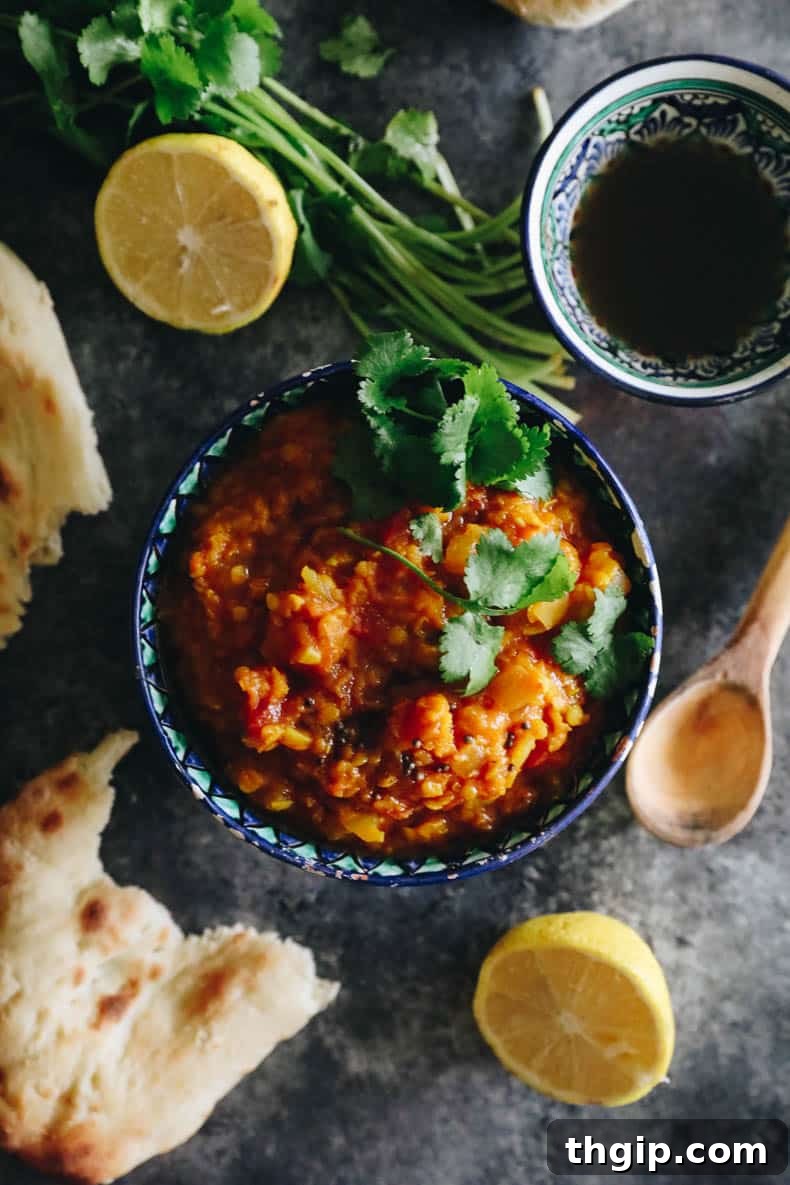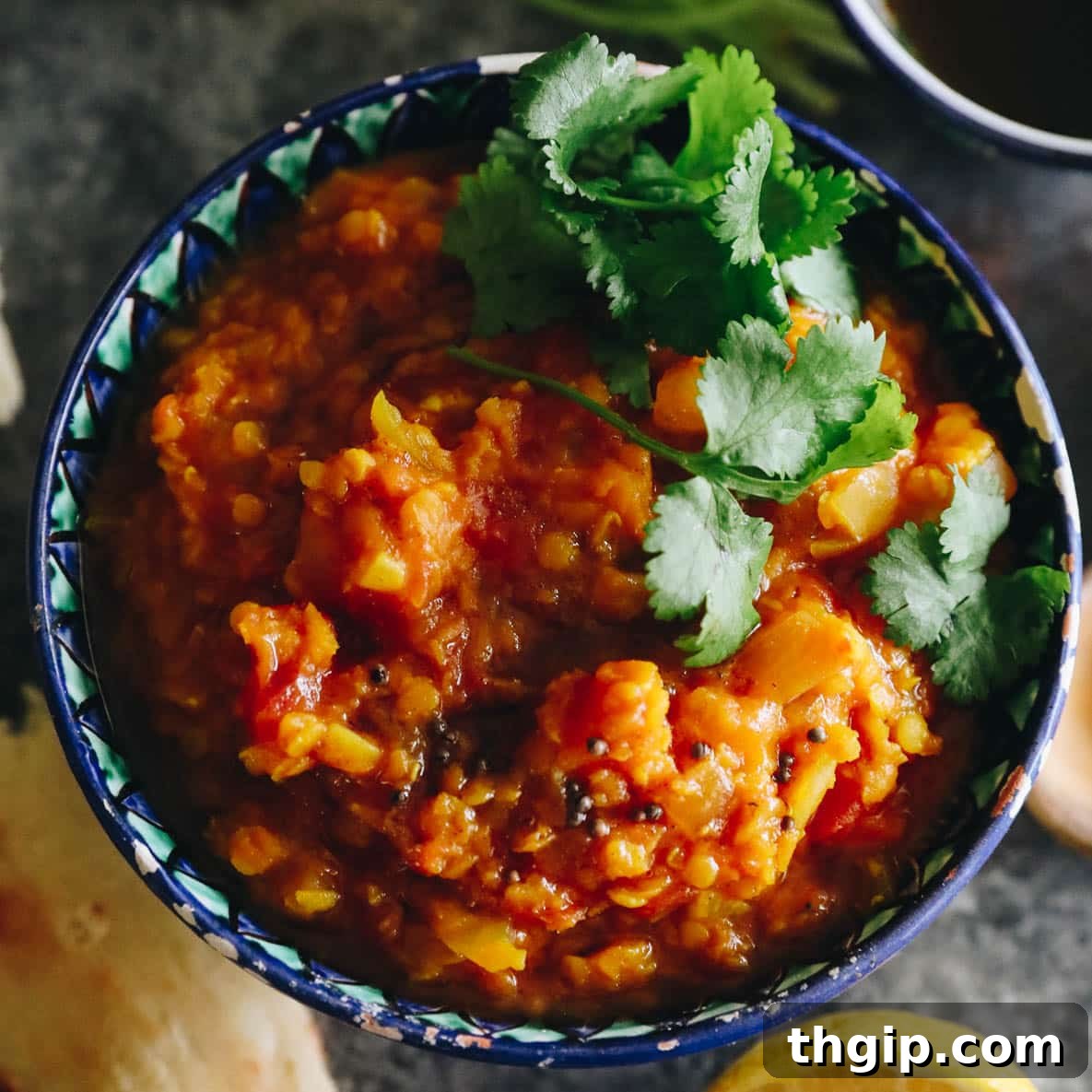
Welcome to your new favorite weeknight meal: a heartwarming, incredibly nourishing Root Vegetable Dal. This recipe isn’t just a meal; it’s a vibrant journey into flavor and comfort, perfectly suited for busy evenings while delivering a boost of wholesome ingredients. What makes it truly special is its incredible versatility – it gracefully adapts to whatever root vegetables you have on hand, transforming simple pantry staples into a hearty, satisfying vegetarian soup that’s packed with flavor and goodness.
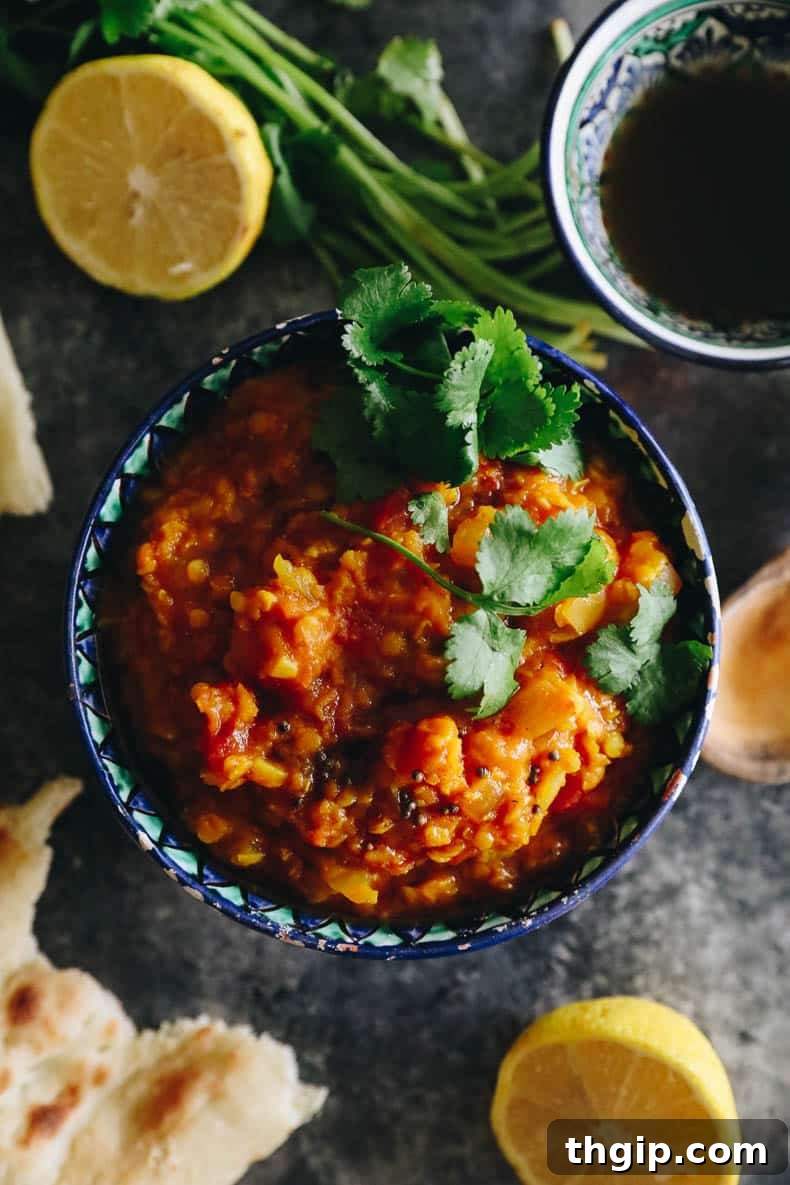
There’s a special kind of joy that comes from flipping through a well-loved cookbook, isn’t there? For years, The First Mess cookbook by Laura Wright has held a cherished spot on my shelf, and its pages are filled with inspiration for wholesome, plant-based cooking. Laura, a fellow Canadian, has an unparalleled knack for transforming fresh produce into culinary masterpieces. Her approach to food is not only inspiring but also deeply practical, making healthy eating accessible and incredibly delicious. If you’re looking to elevate your plant-based cooking and find fresh ways to celebrate seasonal ingredients, I highly recommend exploring her blog and her cookbook. They are a treasure trove of recipes that will awaken your culinary creativity.
I am incredibly excited and grateful that Laura granted permission to share this particular dal recipe from “The First Mess.” It’s a recipe that perfectly embodies everything I love about her cooking: it’s robust in flavor, deeply satisfying, and remarkably straightforward to prepare. This combination makes it an absolute winner for any weeknight dinner when you crave something nutritious and comforting without spending hours in the kitchen.
What Exactly is Dal? Understanding This Essential Indian Dish
Dal, often spelled “daal,” “dahl,” or “dhal,” is a term that refers to both an ingredient and a cornerstone dish in Indian cuisine. As an ingredient, “dal” encompasses various dried, split pulses – primarily lentils, peas, and beans – that have had their outer hulls removed. Common types include red lentils (masoor dal), split chickpeas (chana dal), and split yellow lentils (moong dal), each offering a unique texture and flavor profile.
As a dish, dal is a flavorful and aromatic stew made by simmering these pulses until they break down into a creamy, comforting consistency. It’s typically seasoned with an array of aromatic spices and herbs, varying significantly from region to region and household to household across India. This versatility in preparation and seasoning makes dal an incredibly diverse dish, with endless delicious variations. Some popular preparations include Dal Tadka, which features a tempering of spices in hot oil poured over the cooked lentils, or Masoor Dal, known for its quick cooking time and earthy flavor. Our Root Vegetable Dal recipe draws inspiration from this rich tradition, enhancing the classic lentil stew with the added nutrition and sweetness of various root vegetables, creating a more substantial and even more nourishing meal.
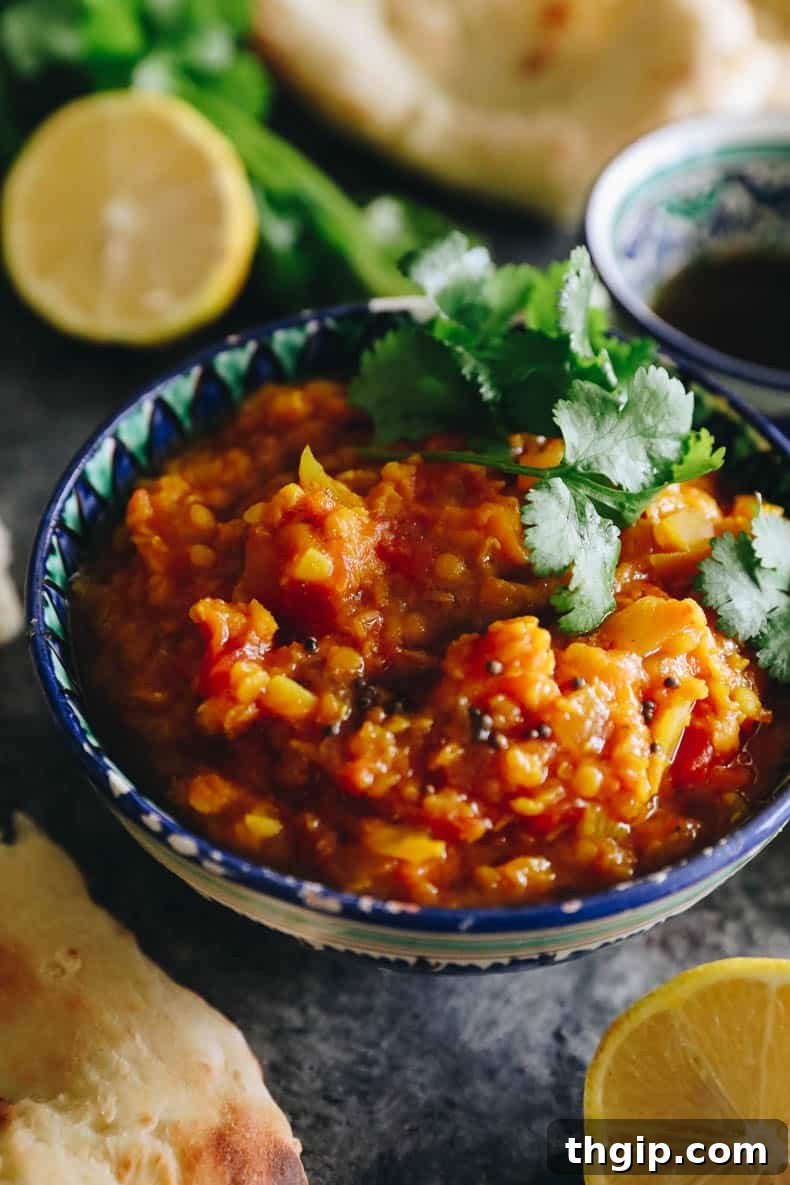
Essential Ingredients for Your Nourishing Root Vegetable Dal
Crafting this flavorful dal requires a selection of fresh and pantry-friendly ingredients. Here’s a closer look at what you’ll need, along with some helpful notes and substitution ideas:
- Red Lentils: These tiny, quick-cooking legumes are the heart of our dal. They break down beautifully to create a creamy texture. Feel free to substitute with other lentil varieties like green or brown lentils, or even split peas. Just be aware that cooking times may vary for different types of legumes.
- Root Vegetables of Choice: This is where the “root vegetable” magic happens! I often use butternut squash for its sweetness and creamy texture, but the beauty of this recipe is its adaptability. A delightful combination of carrots, sweet potatoes, parsnips, celery root, or even turnips would be fantastic. Choose what’s in season or what you love most.
- Yellow Onion: Diced yellow onion forms the aromatic foundation of our dal, providing a crucial layer of flavor.
- Cherry or Grape Tomatoes: These small, sweet tomatoes add a burst of fresh acidity and subtle sweetness. If fresh aren’t available, a 14 oz can of diced tomatoes is an excellent substitute.
- Fresh Garlic Cloves: For the most potent and authentic flavor, fresh minced garlic is essential. Avoid pre-minced garlic if possible, as it lacks the vibrant punch of fresh cloves.
- Fresh Ginger: A piece of fresh ginger root, peeled and minced, infuses the dal with its warm, slightly spicy, and aromatic essence, which is key to Indian cuisine.
- Lemon Wedges for Serving: A squeeze of fresh lemon juice just before serving brightens the entire dish, adding a zesty counterpoint to the rich flavors. Limes can be used interchangeably.
- Fresh Cilantro: Chopped fresh cilantro is a classic garnish for dal, offering a burst of freshness and color. If you’re not a fan of cilantro, other fresh herbs like parsley or mint can offer a different, but equally pleasant, finish.
- Coconut Oil: Used to create the fragrant spice oil (tadka). If you prefer, melted butter or ghee can be used for a richer flavor profile.
- Aromatic Seasonings and Spices: A blend of ground turmeric (for color and earthy notes), dried chili flakes (for a gentle warmth), whole cumin seeds, coriander seeds, and mustard seeds (for the aromatic tempering), along with salt and pepper to taste, are crucial for building the dal’s distinctive flavor. Using whole spices for the tempering adds a depth of flavor that ground spices alone cannot achieve.
Crafting Your Delightful Root Vegetable Dal: A Step-by-Step Guide
Making this dal is simpler than you might think, breaking down into just a few key stages. Get ready to fill your kitchen with incredible aromas!
Begin by combining all the core ingredients in a large stockpot. Add your thoroughly rinsed red lentils, the finely diced root vegetables of your choice, diced yellow onion, canned diced tomatoes (or fresh cherry tomatoes if using), minced fresh garlic, minced fresh ginger, ground turmeric, and a pinch of dried chili flakes. Pour the specified amount of water over these ingredients, then give everything a good stir to ensure it’s well combined.
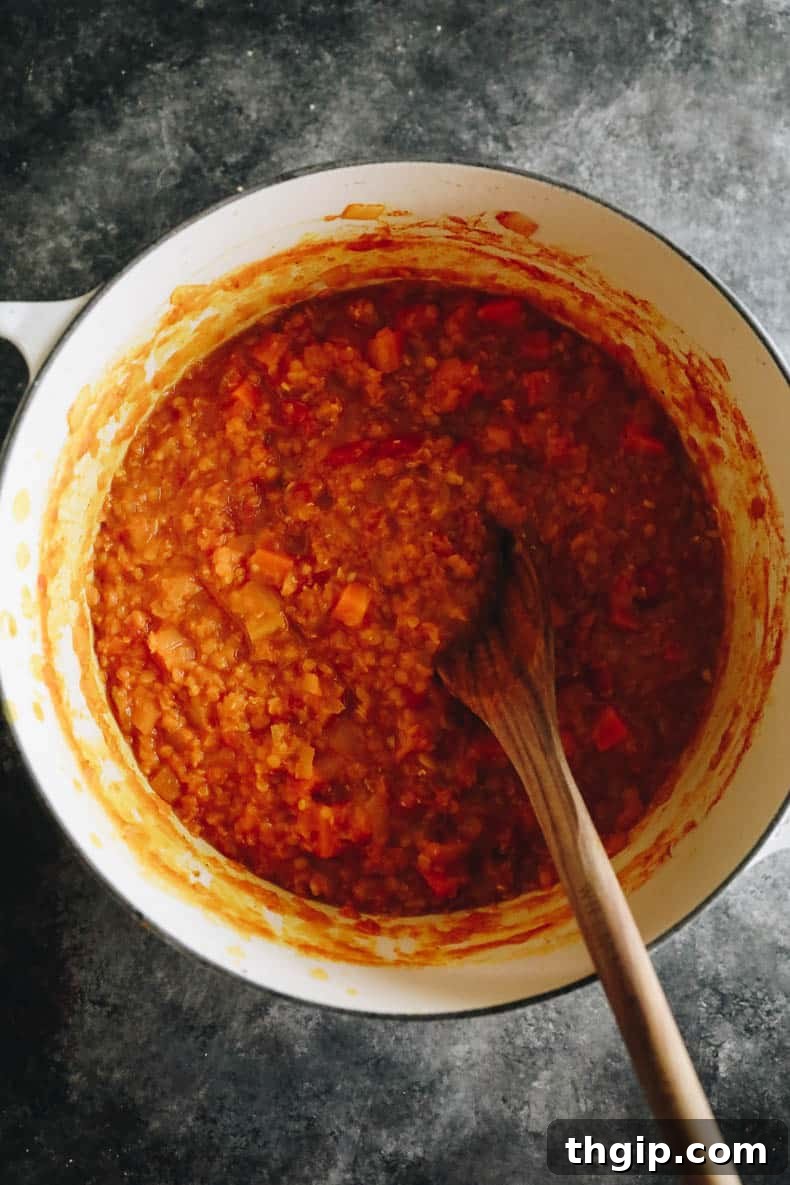
Bring the contents of the pot to a vigorous boil over medium-high heat. Once boiling, reduce the heat to a gentle simmer, cover partially, and let it cook for approximately 40 minutes. Throughout this simmering period, remember to whisk the dal often to prevent sticking and to encourage the lentils and vegetables to break down. In the final 10 minutes of cooking, whisk the dal more vigorously. This action helps to further break down the lentils, creating that wonderfully creamy, thick consistency characteristic of a perfect dal. Taste and adjust the seasoning with salt and freshly ground black pepper as needed before moving to the next step.
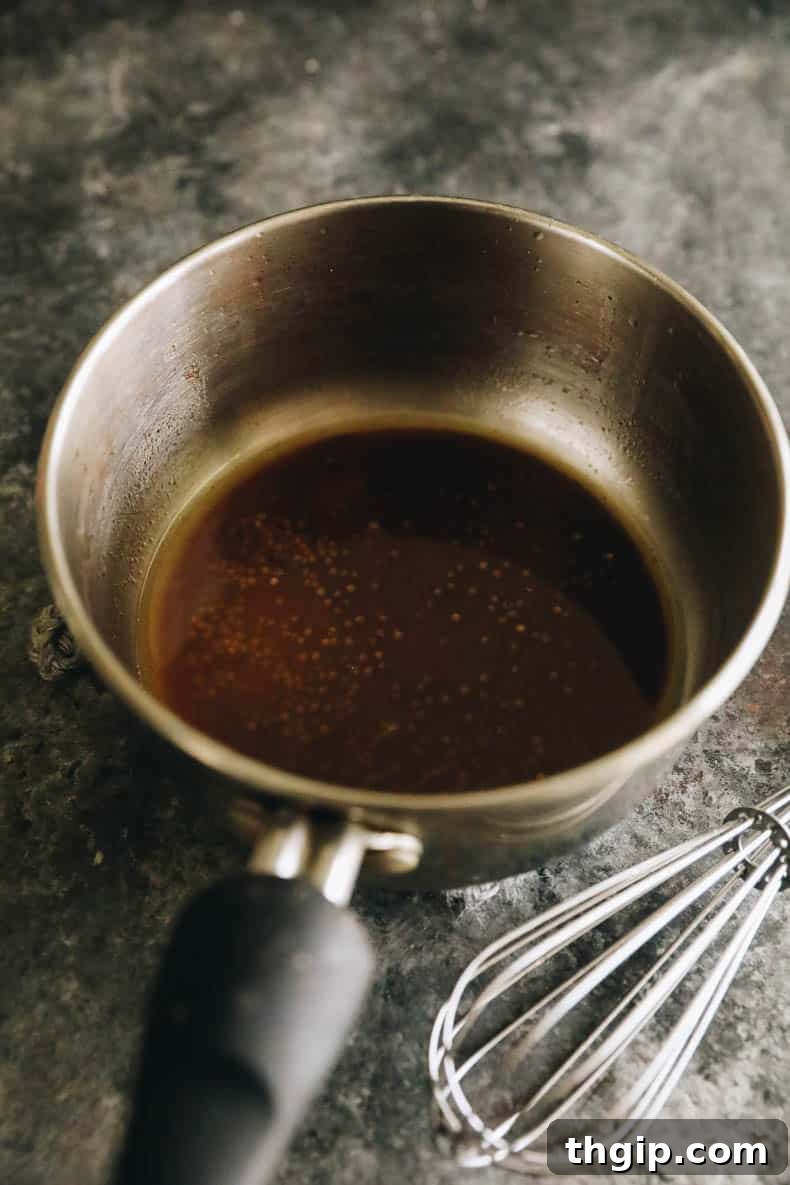
While your dal is simmering, prepare the aromatic spice oil, also known as tadka or tempering, which is essential for layering deep flavors. In a small sauté pan, melt the coconut oil over medium-high heat. Once the oil is shimmering and hot, add the whole cumin seeds, coriander seeds, and mustard seeds. Stir these spices continuously for about 1 to 2 minutes, or until they become incredibly fragrant and the mustard seeds begin to pop. Be careful not to burn them. As soon as they are aromatic, immediately remove the pan from the heat to prevent overcooking the spices.
Once the dal has reached its desired creamy consistency and the spice oil is ready, it’s time to bring everything together. To serve, gently spoon the toasted spice oil over the top of each serving of the root vegetable dal. You can stir it in for an even distribution of flavor, or leave it swirled on top for a beautiful presentation. Finally, garnish generously with freshly chopped cilantro and a vibrant squeeze of fresh lemon juice from your lemon wedges. This dal is delicious on its own as a light yet filling meal, but it truly shines when served alongside fluffy basmati rice or warm, pillowy naan bread.
Perfect Pairings: Enhancing Your Root Vegetable Dal Experience
While this Root Vegetable Dal is a complete meal on its own, certain accompaniments can elevate the dining experience, adding texture, flavor, and cultural authenticity:
- Naan: This traditional Indian flatbread is an ideal companion. Its soft, chewy texture and slightly charred flavor make it perfect for scooping up every last bit of the creamy dal. You can find excellent store-bought options or try making your own for an extra-special touch.
- Rice: A staple pairing, rice provides a neutral base that beautifully absorbs the dal’s rich flavors. Basmati rice is a classic choice for its fragrant aroma and long grains, but jasmine rice or even hearty brown rice work equally well, offering different textures and nutritional profiles.
- Raita: A cooling yogurt-based side dish, often with cucumber and mint, offers a refreshing contrast to the warm, spiced dal.
- Chutney or Pickle: A small dollop of your favorite mango chutney or a spicy Indian pickle can add a delightful sweet, sour, or spicy kick.
Easy Swaps and Substitutions for Your Customizable Dal
One of the best features of this Root Vegetable Dal recipe is its incredible flexibility. Don’t be afraid to experiment and make it your own based on what you have and what you love!
- Boost the Protein: While lentils are already a fantastic source of plant-based protein, you can easily enhance the protein content. Consider adding some cooked, shredded rotisserie chicken, crumbled paneer (Indian cheese), or a plant-based sausage alternative during the last 10 minutes of simmering. For a fully vegan option, stir in some firm, cubed tofu that has been lightly pan-fried.
- Vary the Veggies: This recipe truly celebrates root vegetables, allowing you to use a wide variety. Beyond butternut squash, carrots, and celery root, think about adding parsnips, turnips, or even sweet potatoes. For an extra nutritional punch and vibrant color, stir in tender greens like spinach, kale, or Swiss chard during the last 5 minutes of cooking until they wilt. Broccoli florets or bell peppers can also be added for different textures and flavors.
- Switch Up the Lentils or Beans: Red lentils are fantastic for their quick cooking time and creamy texture, but feel free to use green, brown, or even black lentils for a different flavor and firmer texture. If using dried beans (like chickpeas or cannellini beans), remember that they typically require pre-soaking and a longer cooking time than lentils, so it’s often best to cook them separately first before adding them to the dal.
- Enhance with Broth: For an even deeper flavor and richer nutritional profile, swap the water for vegetable broth or even chicken broth. This small change can add a significant boost to the overall taste of your dal.
- Make it Creamier: For an indulgently creamy dal, stir in about 1/2 cup of full-fat coconut milk during the last few minutes of cooking. This adds a lovely richness and a subtle sweetness that complements the spices beautifully.
Tips for Perfect Dal Every Time
To ensure your Root Vegetable Dal turns out perfectly delicious and satisfying every time, keep these expert tips in mind:
- Rinse Lentils Thoroughly: Always rinse your lentils under cold running water before cooking. This removes any dust or debris and can also help with digestion.
- Don’t Skimp on the Whisking: The frequent whisking, especially towards the end of the simmering process, is crucial for achieving that signature creamy texture of dal. It helps break down the lentils and creates a velvety consistency.
- Fresh is Best for Aromatics: While dried spices are fine, using fresh garlic and ginger makes a noticeable difference in the vibrancy and depth of flavor.
- Toast Spices Carefully: When making the spice oil (tadka), watch your spices carefully. They can go from perfectly fragrant to burnt very quickly. The goal is to awaken their aromas, not char them.
- Adjust Consistency: If your dal is too thick, add a splash more water or broth until it reaches your desired consistency. If it’s too thin, let it simmer uncovered for a few extra minutes to reduce.
- Taste and Adjust: Always taste your dal before serving and adjust salt, pepper, or even chili flakes to your preference. A squeeze of lemon at the end is non-negotiable for brightening the flavors.
Storage Instructions: Enjoying Your Dal Later
This Root Vegetable Dal is excellent for meal prep, as its flavors tend to deepen beautifully over time.
- Fridge: Store any leftover dal in an airtight container in the refrigerator for up to 1 week. To reheat, simply warm it gently in the microwave or on the stovetop over low heat, adding a splash of water or broth if it has thickened too much.
- Freezer: For longer storage, freeze cooled leftovers in freezer-safe containers for up to 3 months. When you’re ready to enjoy, transfer the container from the freezer to the refrigerator to thaw overnight, or thaw on the counter for several hours. Reheat using the same methods as for refrigerated dal.
More Inspiring Lentil Recipes to Try
If you’ve fallen in love with the versatility and health benefits of lentils, here are a few more delicious recipes to add to your rotation:
- Warm Lentil and Sweet Potato Salad
- Thai Curry Carrot Lentil Soup
- Tuscan Kale and Lentil Soup
- Lentil and Mushroom Veggie Burgers
- Instant Pot Lentil Soup
Print Recipe
Root Vegetable Dal

★★★★★ 5 from 1 review
This easy Weeknight Root Vegetable Dal Recipe is the perfect answer to dinner this week. It’s easily customizable based on what you have on hand and makes a hearty, vegetarian soup recipe full of nourishing ingredients!
- Author: Davida Lederle
- Prep Time: 10 minutes
- Cook Time: 40 minutes
- Total Time: 50 minutes
- Yield: 4 servings
- Category: Soup
- Method: Cook
- Cuisine: Indian
- Diet: Vegan
Ingredients
- 1 cup red lentils, rinsed
- 1 cup finely diced root vegetables of choice (carrots, sweet potatoes, celery root, butternut squash)*
- 1 small yellow onion, diced
- 1 x 14 oz can diced tomatoes
- 4 garlic cloves, minced
- 2 inch piece of fresh ginger, peeled and minced
- 1 tsp ground turmeric
- Pinch of dried chili flakes
- 3 1/2 cups water
- Salt and pepper, to taste
For the Spice Oil:
- 2 tbsp coconut oil
- 1/2 tsp cumin (whole or ground)
- 1/2 tsp coriander (whole or ground)
- 1/2 tsp mustard (whole or ground)
- 1/2 cup freshly chopped cilantro, for garnish
- Lemon wedges, for serving
Instructions
- To a stock pot add the rinsed lentils, diced root vegetables, diced onion, tomatoes, garlic, ginger, turmeric and chili flakes.
- Pour water on top and stir.
- Bring pot to a boil over medium heat and then simmer for 40 minutes, whisking often.
- In the last 10 minutes, whisk the dal vigorously to encourage the breaking down of the lentils.
- Season with salt and pepper.
For the Spice Oil
- In a small saute pan, melt the coconut oil over medium-high heat.
- Add the cumin, coriander, and mustard seeds (or ground in my case). Once the seeds are fragrant (about 5 minutes), remove from heat.
- Gently spoon the toasted spice oil on top of the dal or stir in if you would like.
- Garnish with chopped cilantro and a squeeze of lemon juice from lemon wedges.