
The Universal Parenting Challenge: Raising Vegetable-Loving Kids
As I ponder the future, one fear looms disproportionately large in my mind: the prospect of having a child who staunchly refuses to eat vegetables. Yes, I’m being entirely serious. While my love for any future children will, of course, be unconditional, the thought of daily mealtime battles over broccoli or peas genuinely fills me with a unique kind of dread. Among all the potential parenting challenges, cultivating an appreciation for healthy greens ranks surprisingly high on my list of non-negotiables.
I don’t recall being a particularly picky eater during my own childhood. Then again, I also have a selective memory when it comes to teenage rebellion – though I suspect my parents might offer a rather different account of my adolescent years! Perhaps this rosy recollection fuels my optimistic, albeit naive, outlook on children’s eating habits.
Navigating the Culinary Minefield: Strategies for Picky Eaters
The “Sneaky Chef” Dilemma: Hiding Vegetables
I’ll admit, I possess a certain flair for camouflaging vegetables in unexpected dishes. The idea of spinach brownies, for instance, isn’t just a quirky culinary experiment; it’s born from a deep-seated desire to ensure nutritional intake. However, I’m fully aware that these “stealth health” tactics, while sometimes necessary, aren’t necessarily the ultimate solution to preventing dietary deficiencies like scurvy, nor do they foster a genuine appreciation for the vegetables themselves. My greatest fear is that despite all my cleverness, my future children will simply turn and flee at the mere sight of a plate of vibrant broccoli, perhaps even tripping and falling dramatically along the way, inheriting my rather unfortunate propensity for clumsiness.
The “sneaky chef” approach can be a helpful tool in a parent’s arsenal, especially during particularly challenging phases of childhood. Incorporating grated zucchini into pasta sauce, pureed cauliflower into mashed potatoes, or even finely chopped carrots into meatballs can boost nutrient intake without immediate protests. Yet, relying solely on hiding vegetables risks creating a secretive relationship with food, potentially undermining trust and preventing children from ever truly experiencing and enjoying the natural flavors and textures of different greens. The goal, ultimately, is to move beyond mere concealment and guide them toward an open acceptance and even enthusiasm for a diverse plate.
Beyond Stealth: Encouraging Openness and Exploration
Instead of just hiding, a more sustainable approach involves engaging children in the food process. Inviting them into the kitchen to help wash vegetables, stir ingredients, or even pick out produce at the grocery store can transform mealtime from a battle to an adventure. Repeated exposure, without pressure, is key. It might take dozens of introductions before a child even tries a new vegetable, let alone likes it. Making food fun, perhaps by arranging vegetables into playful shapes or giving them silly names, can also reduce anxiety around unfamiliar items. Leading by example, consistently eating a wide variety of vegetables yourself, is arguably one of the most powerful influences a parent can exert.
Striking a Balance: My Parenting Philosophy on Food
Realistic Expectations and Flexible Approaches
Now, please don’t misunderstand my stance. I certainly won’t be the parent who sends their child to school with an organic, gluten-free, vegan, paleo, nut-free bento box on the designated pizza day. Nor will I be confiscating their hard-earned Halloween candy. My philosophy leans more towards balance and common sense. While I believe in providing nourishing meals, I also recognize the importance of allowing for treats and the social aspects of food. Strict deprivation can often backfire, leading to obsession or rebellion. It’s about moderation, education, and fostering a healthy relationship with food that lasts a lifetime.
The aim is to instill a foundational understanding of healthy eating without creating an environment of fear or guilt around food. This means acknowledging that a single meal, or even a single day, of less-than-perfect eating won’t derail a child’s health. It’s the overall pattern, the consistent encouragement of nutritious choices, that truly matters. This flexible approach allows for genuine enjoyment of food, celebrating both its nourishing and its celebratory roles in life.
Setting Boundaries and Learning from the Past
However, while I embrace flexibility, I do expect certain fundamental courtesies at the dinner table. Specifically, I expect them not to furtively shove their peas under the table when they think I’m not looking – a trick I may or may not have perfected during my own upbringing. This isn’t about control, but about respect for the effort put into meals and the opportunity to nourish their bodies. It’s about establishing a framework where healthy food is normalized and valued, not something to be secretly discarded.
I can practically hear the experienced parents reading this, sighing collectively and muttering to themselves that I know absolutely nothing. And yup, you’re entirely right. I am totally naive, blissfully ignorant, and perhaps even a little bit silly in my pre-parenting anxieties. But in the meantime, I’m going to continue to panic gently at the thought of this particular parenting hurdle, all while mindfully eating my broccoli. It’s certainly not the worst way to manage stress, especially when the broccoli is as delicious as this recipe makes it.
A Delicious Solution: Broccoli with Miso-Hemp Dressing
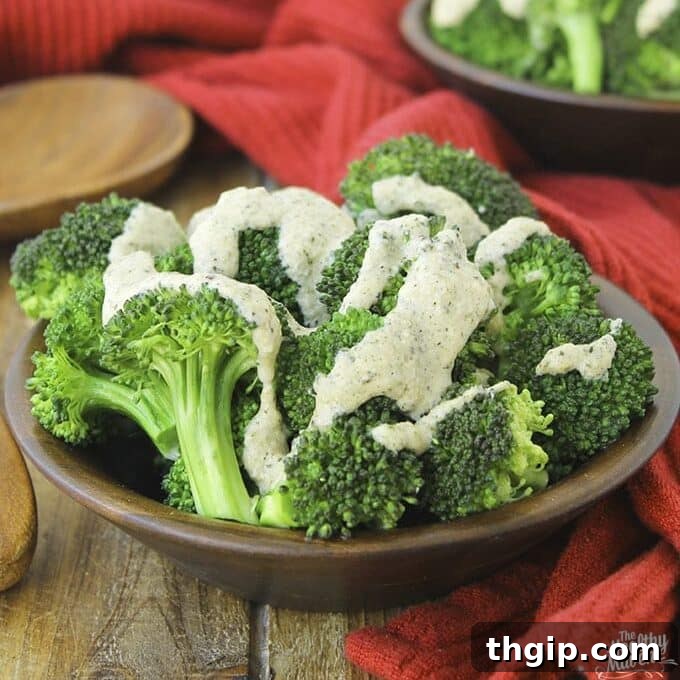
Transitioning from parenting philosophies to practical applications, I’ve found that one of the most effective ways to encourage vegetable consumption, for both children and adults, is to make vegetables incredibly flavorful and appealing. This next recipe, Broccoli with Miso-Hemp Dressing, is a prime example. It’s quick, simple, and transforms ordinary steamed broccoli into a craveable side dish with an irresistible umami kick. The creamy, nutty dressing elevates the humble broccoli, making it a star on any plate – even for those who might typically shy away from greens.
Print
Broccoli with Miso-Hemp Dressing

5 Stars 4 Stars 3 Stars 2 Stars 1 Star
No reviews
- Total Time: 10 minutes
Ingredients
Scale
- 1 medium head of broccoli, chopped into florets
- 2 T hemp seeds
- 1/4 cup water
- 1/2 T miso paste
- 1 tsp honey
Instructions
- Steam broccoli. I use a microwave by placing florets in a microwave safe bowl, topping with 1 tablespoon of water, covering it with plastic wrap and zapping it for 3 minutes. Use whichever method you prefer.
- In a blender combine hemp seeds, water, miso paste and honey.
- Top broccoli with miso-hemp dressing and serve warm.
Nutrition
- Serving Size: 4
Why This Recipe Works for Vegetable Skeptics
The magic of this recipe lies in its simple yet profound flavor profile. Miso paste, a fermented soybean paste, brings a rich umami depth that is incredibly satisfying and can make even the most reluctant eaters curious. Hemp seeds add a lovely nutty texture and a boost of healthy fats and protein, making the dressing creamy and substantial. Honey balances the savory notes with a touch of sweetness. This combination transforms plain steamed broccoli into a gourmet experience that is far removed from the bland, overcooked vegetables that often deter children and adults alike. It’s also incredibly quick to prepare, making it a perfect weeknight side dish for busy families.
Cultivating a Lifetime of Healthy Habits
Ultimately, the journey of raising children to appreciate and enjoy a wide variety of foods, especially vegetables, is an ongoing process of patience, creativity, and setting a positive example. It’s about more than just getting them to eat what’s on their plate; it’s about fostering a healthy relationship with food that will serve them well throughout their lives. This includes understanding the connection between what they eat and how they feel, and developing the culinary adventurousness to try new things.
While the fear of having a picky eater might never entirely vanish, equipping ourselves with delicious recipes, balanced parenting strategies, and a healthy dose of realistic expectations can make the journey much more enjoyable for everyone involved. Every small step towards trying a new vegetable, no matter how tiny, is a victory.
So, tell me: Were you a picky kid growing up, or did you embrace every green leaf on your plate? For the parents out there, what are your most successful strategies for encouraging your children to eat their veggies, and what challenges do you still face? Share your wisdom and experiences in the comments below!