
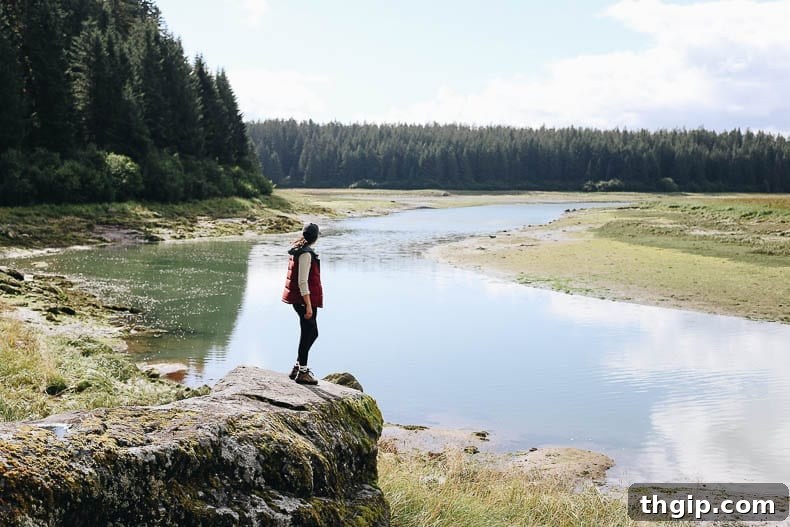
This comprehensive guide to Glacier Bay National Park is crafted to help you plan an unforgettable adventure. It draws inspiration from past travels, including a partnership with Lorissa’s Kitchen as a 2017 Travel Expert, ensuring a blend of personal insights and practical advice. For more travel inspiration, don’t forget to explore our previous guides on destinations like Yosemite National Park and stay tuned for future explorations!
Glacier Bay National Park Travel Guide: Unveiling Alaska’s Pristine Wilderness
Embarking on a journey to Glacier Bay National Park in Southeast Alaska is an experience unlike any other. Often confused with Glacier National Park in Montana, this Alaskan marvel offers a distinctly unique adventure. Here, visitors are immersed in a world of awe-inspiring tidewater glaciers, lush temperate rainforests, and an abundance of captivating wildlife. Our trip to Glacier Bay delivered on all three fronts, promising an unforgettable encounter with nature’s grandeur.
The undisputed highlight of any Glacier Bay expedition is undoubtedly the iconic boat cruise to witness its magnificent glaciers up close. Given the park’s vastness, Bartlett Cove serves as the primary hub for accommodations, offering a beautiful setting though not directly overlooking the glaciers. To truly appreciate these colossal ice formations, a full-day, 65-mile boat journey into the heart of the bay is essential. This guide will delve deeper into this incredible excursion and much more.
Glacier Bay’s remote location means careful planning is key. This guide is designed to provide comprehensive details on how to get there, where to stay, what incredible activities await, and the dining options available. We believe in providing a personal perspective, drawing from firsthand experiences to offer authentic recommendations. In a world saturated with generic travel advice, our aim is to deliver insights that truly matter for your adventure.
As with exploring much of Alaska, preparation for Glacier Bay involves packing smart. Our top recommendation remains consistent: dress in layers and be ready for rain. With these two essentials covered, you’ll be well-equipped to comfortably explore everything this spectacular national park has to offer.
Before we dive in, immerse yourself in the beauty of our Alaska Travel Diary video, featuring highlights from our adventures in Juneau and Glacier Bay!
Why Visit Glacier Bay National Park?
Glacier Bay National Park is not just a destination; it’s a testament to the raw power and beauty of nature. A UNESCO World Heritage site, this park boasts an unparalleled landscape shaped by glaciers that continue to sculpt the earth. Its significance lies in its active tidewater glaciers, which calve dramatic icebergs into the bay, creating a spectacle of sight and sound.
Beyond the ice, the park is a vibrant ecosystem supporting a diverse range of marine and terrestrial wildlife, from humpback whales breaching in the bay to bears foraging along the shorelines. The temperate rainforests, with their towering trees and lush undergrowth, add another layer of ecological richness, offering stark contrast to the glacial fields. Visiting Glacier Bay provides a rare opportunity to disconnect from the modern world and immerse yourself in a truly pristine wilderness, fostering a profound sense of awe and wonder.
Planning Your Trip: Essential Tips for Glacier Bay
Best Time to Visit
The prime season to visit Glacier Bay National Park is typically from late May through early September. During these summer months, the weather is generally milder, daylight hours are extended, and wildlife activity is at its peak. This window also offers the best availability for boat tours and other activities. Be prepared for varied weather conditions, even in summer, as sudden changes are common in Southeast Alaska.
What to Pack
Packing wisely is crucial for a comfortable and enjoyable trip to Glacier Bay:
- **Layers:** Essential for adapting to fluctuating temperatures. Include moisture-wicking base layers, insulating fleece or down, and a waterproof outer shell.
- **Rain Gear:** A high-quality waterproof and windproof jacket and pants are non-negotiable.
- **Sturdy Footwear:** Waterproof hiking boots with good traction are ideal for wet, slippery trails.
- **Binoculars:** Indispensable for wildlife viewing, both on land and sea.
- **Camera Gear:** Bring extra batteries and memory cards. A waterproof bag for your electronics is also recommended.
- **Sun Protection:** Sunscreen, sunglasses, and a hat are important, especially on the water, due to reflective surfaces.
- **Small Backpack:** For day trips, snacks, water, and extra layers.
- **Personal Medications & First Aid:** Basic supplies for minor ailments.
Permits and Reservations
While a general entry permit isn’t typically required for day visitors, advanced reservations are highly recommended for the Glacier Bay Day Boat Tour, especially during peak season, as capacity is limited. If you plan to camp, particularly outside of Bartlett Cove, wilderness permits may be necessary and should be secured in advance through the National Park Service.
How to Get to Glacier Bay National Park: Your Gateway to Wilderness
Glacier Bay’s isolated nature means access requires a bit of planning, with Juneau often serving as the primary starting point. There are two main ways to reach Gustavus, the small town serving as the gateway to Bartlett Cove and Glacier Bay National Park.
Ferry to Gustavus
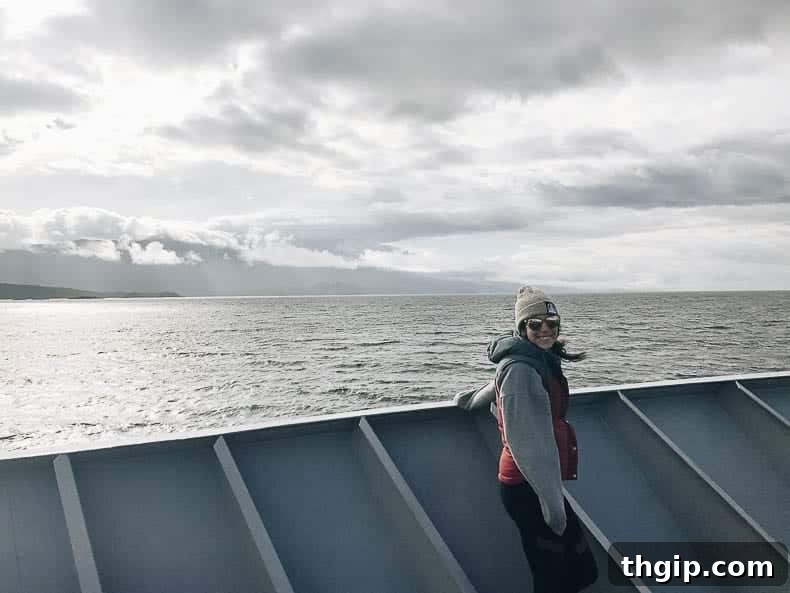
For a more scenic and budget-friendly option, consider the Alaska Marine Highway System ferry. This journey departs from Auke Bay, located about 10 minutes outside Juneau, and takes approximately four hours to reach Gustavus. Ferries typically operate on a limited schedule, often only a couple of days a week (e.g., Mondays and Wednesdays), so flexibility in your travel dates is essential. The ferry ride itself offers picturesque views of the Alaskan coastline, providing a leisurely start to your wilderness adventure. Upon arrival in Gustavus, if you’re staying at Glacier Bay Lodge, a shuttle service will pick you up and transport you directly to the lodge in Bartlett Cove.
Flights to Gustavus
If time is a constraint or budget is less of a concern, flying is the quickest way to reach Glacier Bay. Both Alaska Airlines and Alaska Seaplanes offer flights from Juneau to Gustavus. The flight is a mere 25 minutes and provides breathtaking aerial views of the intricate fjords and landscapes of Southeast Alaska. This option allows for maximum flexibility in travel dates and connects easily with broader travel itineraries, making it a popular choice for many visitors.
Arrival in Gustavus and Bartlett Cove
Once you arrive in Gustavus, whether by ferry or plane, transportation to Bartlett Cove (where the lodge and visitor center are located) is typically straightforward. Most lodges and accommodations offer shuttle services for their guests. Gustavus itself is a charming small community, but the true heart of the park experience begins in Bartlett Cove.
Where to Stay: Glacier Bay Accommodation Options
Accommodation options within Glacier Bay National Park are intentionally limited to preserve its pristine environment, making the experience even more exclusive. The primary choices cater to different levels of adventure and comfort.
Glacier Bay Lodge
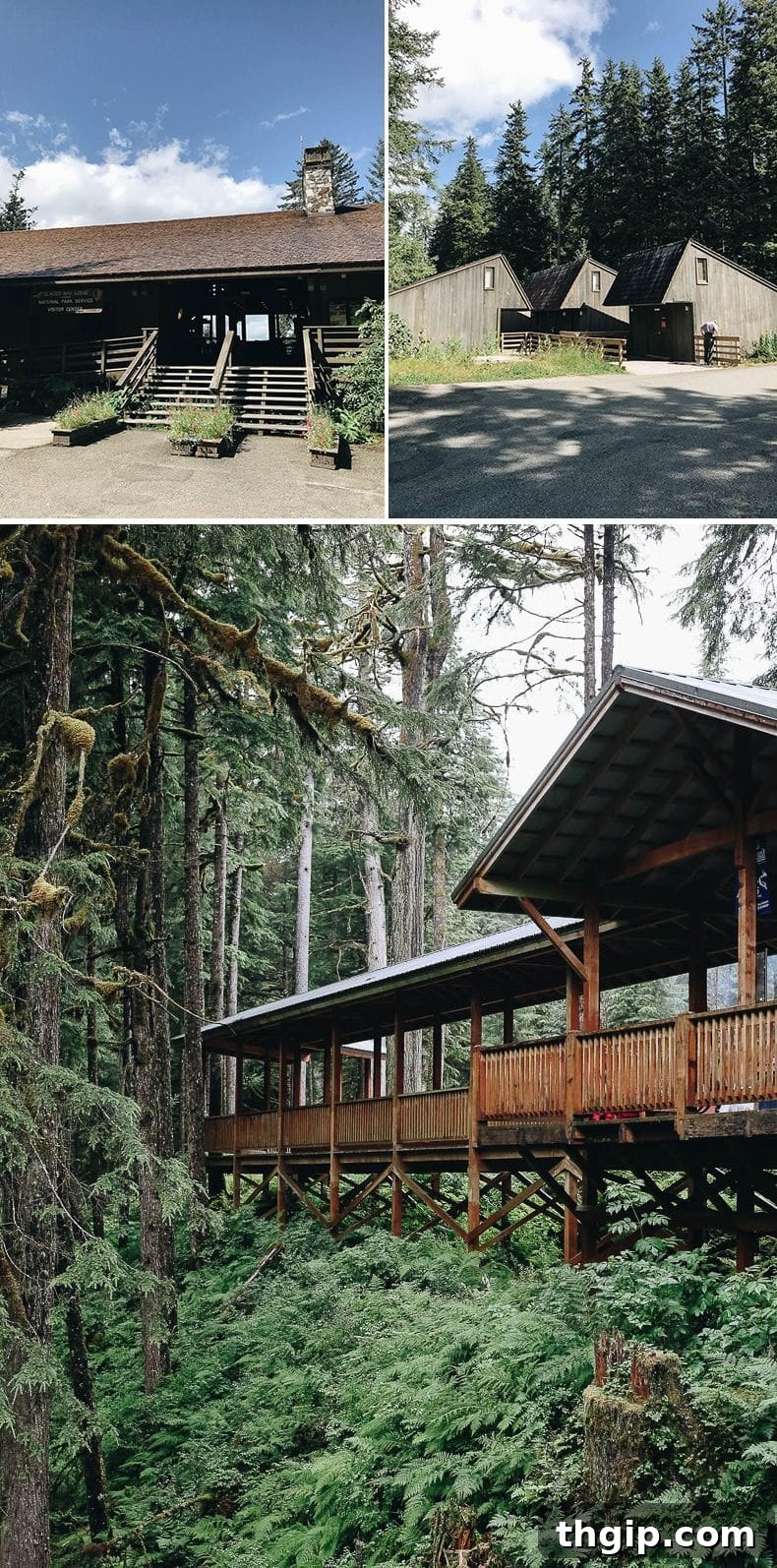
The most popular and convenient choice for most visitors is the Glacier Bay Lodge. Strategically located right next to the boat launch for the glacier tour and beneath the park’s visitor center, it offers unparalleled access to key park activities. The lodge provides comfortable rooms, a full-service restaurant, and breathtaking views of Bartlett Cove. Its proximity to trails and ranger programs makes it an ideal base for exploring the park, allowing guests to fully immerse themselves in the tranquility of the surroundings.
Camping in Bartlett Cove
For the more adventurous and budget-conscious traveler, a free campground is available at Bartlett Cove. This rustic option allows visitors to truly connect with nature, albeit with basic amenities. Campers should be prepared for typical Alaskan weather conditions and wildlife encounters, including bears. Reservations are often not required for the Bartlett Cove campground itself, but wilderness permits are necessary for backcountry camping deeper in the park. This option is perfect for those seeking a more rugged and intimate wilderness experience.
Gustavus Accommodations
While most park visitors stay in Bartlett Cove, Gustavus, the nearby town, offers a few additional lodging options, including charming bed & breakfasts and small inns. These can provide a different local flavor and may appeal to those looking for an alternative to the lodge. However, guests staying in Gustavus will need to arrange transportation to Bartlett Cove for park activities.
Unforgettable Experiences: Top Things to Do in Glacier Bay
The Glacier Bay Day Boat Tour: A Must-Do Adventure
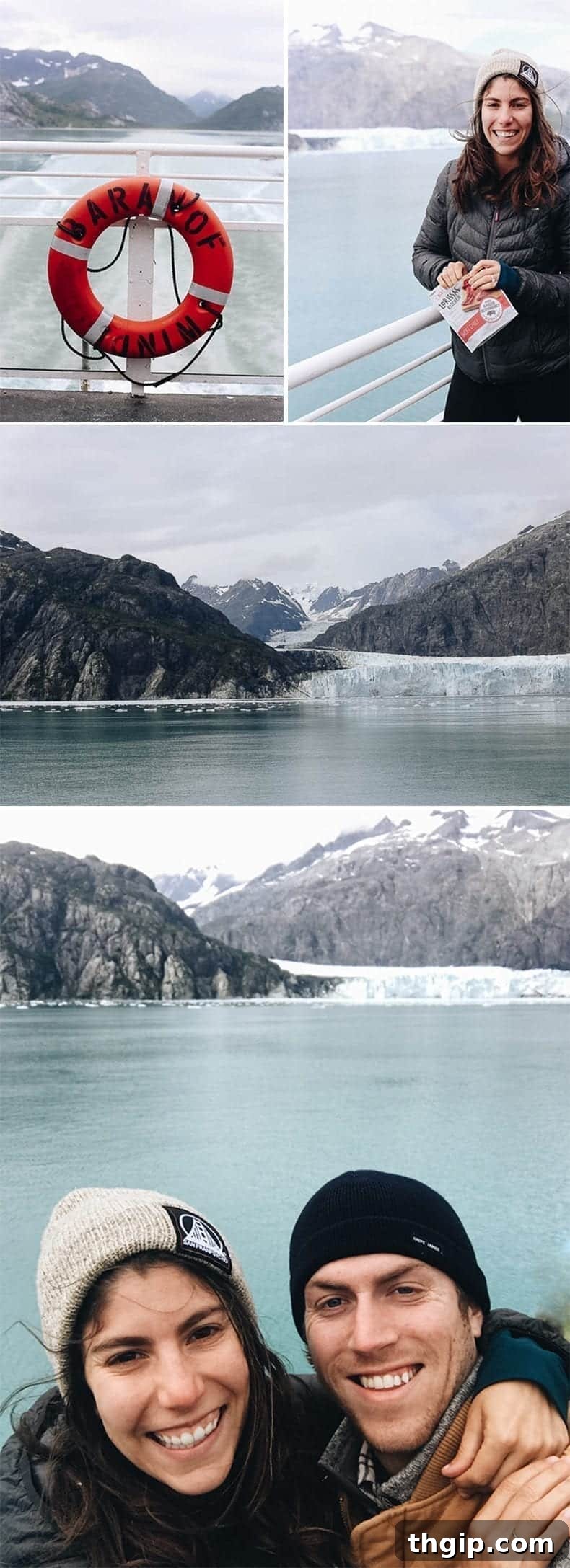
This is undeniably the quintessential Glacier Bay experience. The 7-8 hour day boat tour is much more than a simple cruise; it’s a comprehensive educational journey deep into the bay’s glacial wilderness. A knowledgeable Park Ranger narrates the entire trip, providing invaluable insights into the geology, ecology, history, and cultural significance of the area. As you cruise, prepare to be captivated by an array of wildlife. We were fortunate to spot majestic humpback whales breaching, playful sea otters, harbor seals, and even a grizzly bear along the shore. The highlight, however, is undoubtedly the tidewater glaciers, particularly Margerie and Grand Pacific Glaciers. Witnessing massive chunks of ice “calve” or break off into the water with a thunderous roar is an experience that truly leaves you speechless.
Exploring Bartlett Cove: Hiking and Cultural Immersion
Beyond the boat tour, Bartlett Cove offers several enriching activities that allow for a deeper connection with the park’s unique environment and culture.
Hike to Bartlett River/Lake
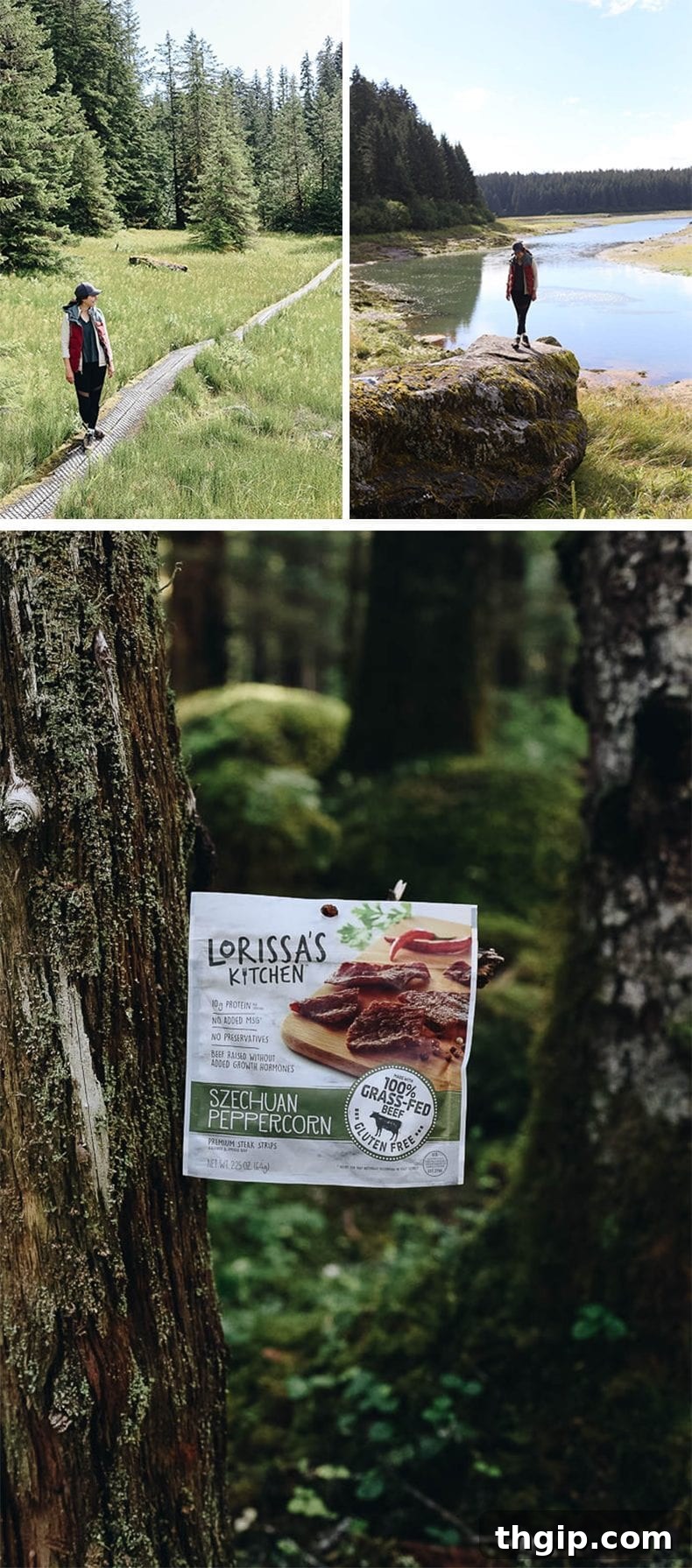
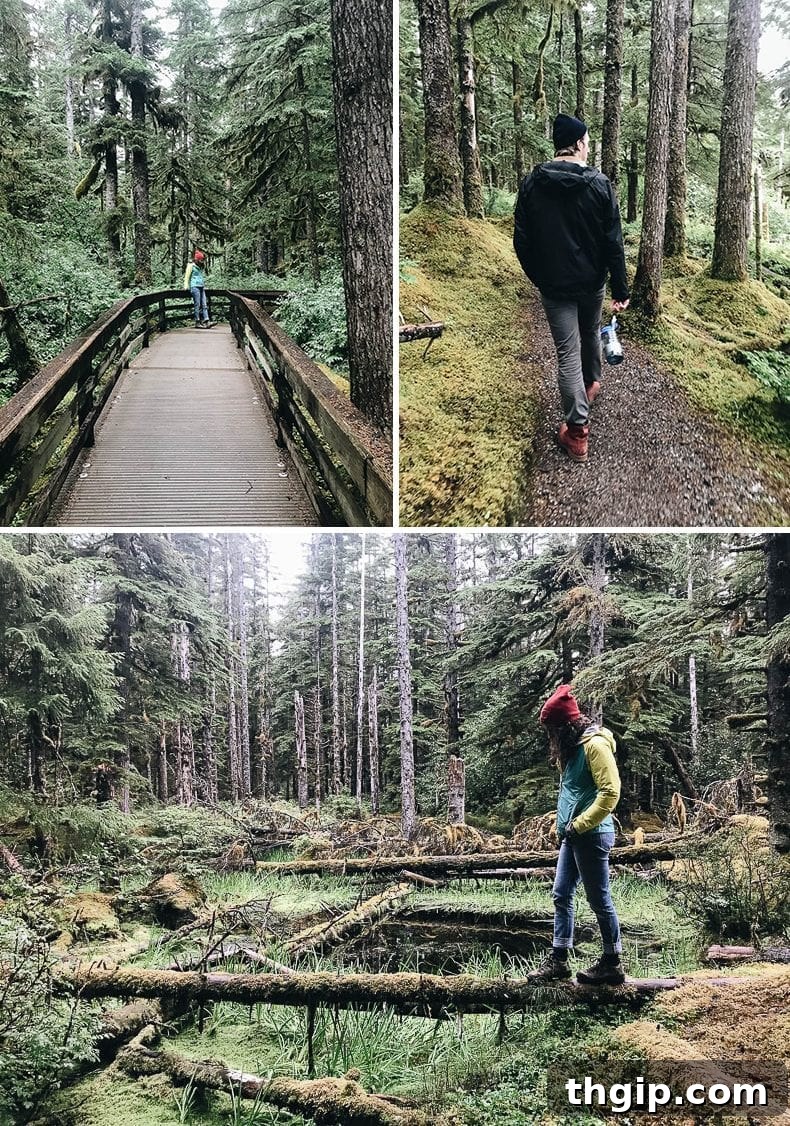
This hike through the temperate rainforest is both beautiful and, at times, mentally challenging. The trail winds through dense foliage, requiring careful footing over wet tree roots and often muddy terrain. While we only made it to the river, the journey itself was incredibly rewarding, offering a profound sense of solitude and immersion in the untouched wilderness. It’s a fantastic way to experience the rainforest ecosystem that thrives alongside the glacial landscape.
Hike the Forest Loop Trail
For a less strenuous but equally charming walk, the Forest Loop Trail is an excellent choice. This short, one-mile loop starts near the lodge and takes you through the rainforest before emerging onto the beach. It’s a perfect leisurely stroll, especially at low tide, where you might spot a variety of shorebirds and, if you’re lucky, the majestic bald eagles perched in the trees or soaring overhead.
Visit the Huna Tribal House
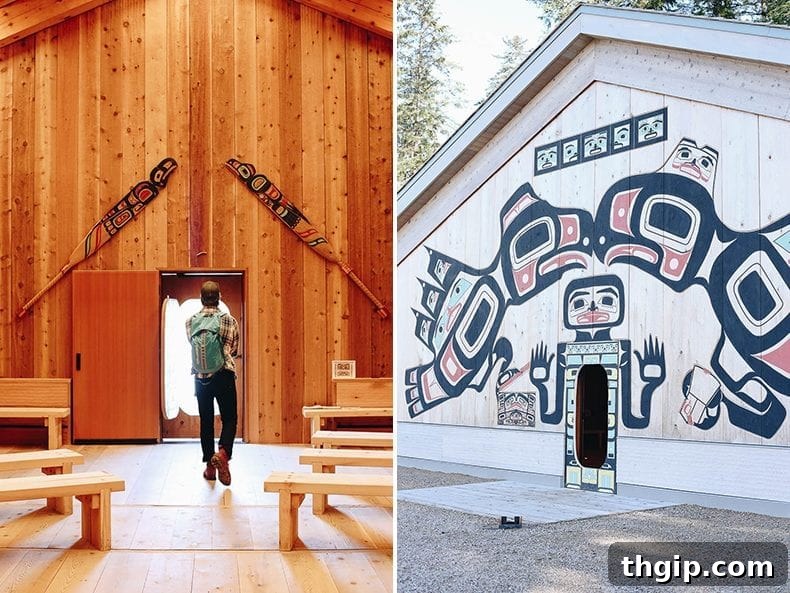
A must-see cultural stop is the Huna Tribal House, conveniently located along the beach trail near the lodge. Completed in 2016, this beautifully crafted structure stands as a powerful symbol of the Tlingit Huna people’s enduring connection to Glacier Bay. Engage with tribal members if possible; their stories and knowledge offer a deeply moving insight into the rich history and vibrant community that predates the park’s establishment.
Paddling Paradise: Kayaking in Bartlett Cove
For those seeking a more active and intimate connection with the bay, kayaking in Bartlett Cove is an exhilarating option. While I personally opted for a more relaxed day due to rain, fellow travelers raved about the experience. Kayaks can be rented through Glacier Bay Lodge, allowing you to explore the tranquil waters at your own pace. Sea kayaking here is more strenuous than lake kayaking, but the rewards are immense. Paddling silently alongside marine wildlife, with binoculars at hand, offers a unique perspective on the park’s natural inhabitants. Guided tours are also available for beginners or those preferring expert lead.
Relaxation and Reflection: The Lodge Experience
Amidst all the exploration, remember to embrace the unique opportunity to simply relax and disconnect. Spending a full day at the Glacier Bay Lodge, perhaps by the cozy fireplace with a good book or enjoying a peaceful nap, can be incredibly rejuvenating. It’s a rare chance to truly unwind and let the serene wilderness wash over you, fostering a sense of peace that is often elusive in our busy lives. The lodge also frequently hosts ranger talks and educational programs in the evenings, offering further insights into the park’s natural and cultural history.

Dining in the Wilderness: Eating Options at Glacier Bay
Dining options in the remote setting of Glacier Bay are limited, primarily centered around Glacier Bay Lodge, with few alternatives in Gustavus itself. Planning your meals and snacks is an important part of your trip preparation.
Glacier Bay Lodge Restaurant
The primary dining venue is the restaurant at Glacier Bay Lodge. It offers a convenient solution for breakfast, lunch, and dinner, serving a range of hearty meals. While the food is generally decent, consistent with many national park lodge offerings, the menu can become repetitive over several days. The restaurant provides a comfortable setting with views of Bartlett Cove, perfect after a day of exploration.
Self-Catering and Snacks: Your Best Strategy
Given the limited options, our strongest advice is to bring a generous supply of your own snacks. This is particularly vital if you have dietary preferences or simply wish for more variety. Having portable, protein-rich snacks, such as those from Lorissa’s Kitchen, proved invaluable during our active days. They offer a convenient and satisfying boost of energy, especially when hiking or kayaking, and are ideal for supplementing meals or when craving something different from the lodge menu. Opting for lighter meals at the lodge, like soups or salads, and then adding your own protein-packed snacks is a smart way to maintain energy levels and satisfaction throughout your stay. Knowing that snacks like these are made from high-quality sources, free from added preservatives or hormones, adds to their appeal for health-conscious travelers.

Gustavus Dining
For those staying in Gustavus, or if you have access to transportation, the town might offer one or two small, local eateries or cafes. These options are usually very casual and have limited hours, so it’s always best to check in advance. However, for most visitors focusing on the park experience, the lodge restaurant and personal provisions will be your mainstays.
Embrace the Unplugged Experience
In a world increasingly connected, Glacier Bay offers a rare and precious opportunity to truly unplug. Cellular service and internet access are minimal to non-existent in much of the park, forcing visitors to put away their devices and engage fully with their surroundings. This digital detox allows for deeper introspection, heightened awareness of the natural world, and more meaningful connections with travel companions. Embrace the quiet, listen to the sounds of nature, and allow yourself to be fully present in this extraordinary place.
Conclusion
Glacier Bay National Park stands as a jewel in Alaska’s crown, offering an unparalleled blend of glacial grandeur, lush rainforests, and abundant wildlife. From the majestic boat tour witnessing calving glaciers to the serene hikes through ancient forests and the rich cultural insights at the Huna Tribal House, every moment spent here is an opportunity for discovery and connection. Prepare adequately with layers and snacks, and you will be rewarded with a profound and unforgettable wilderness adventure. Make Glacier Bay your next travel destination to experience the magic of an untouched world.
Like this post? Here are a few more travel guides you might enjoy:
Juneau, Alaska Travel Guide
Cariboo Chilcotin Trail, British Columbia Travel Guide
Yosemite National Park Travel Guide
Banff National Park Travel Guide