
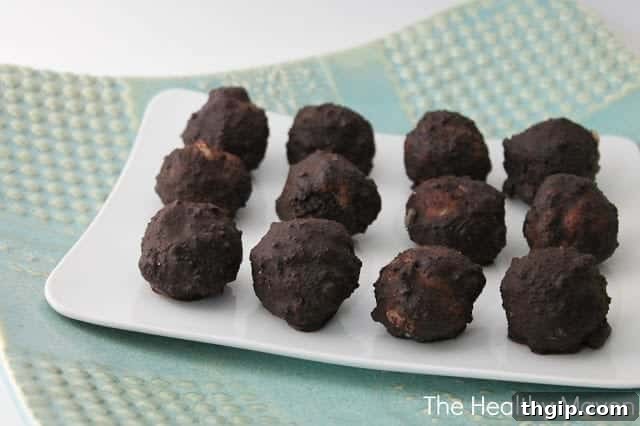
Embracing Delicious Alternatives: Nut-Free & Chocolate-Free Treats for Everyone
As a passionate food enthusiast, my undeniable love for nuts runs deep. From the rich creaminess of almonds to the distinct crunch of pistachios, and the versatile peanut, these wholesome ingredients frequently feature in my culinary adventures and recipes. Their adaptability in both sweet and savory dishes makes them a staple for many home cooks and professional chefs alike. However, I’m keenly aware that not everyone shares this gastronomic freedom. For a significant portion of the population, nut allergies are a serious and often life-threatening concern, making the consumption of nuts, or even their mere presence in food, a genuine risk.
Living with a nut allergy must be incredibly challenging, not only because it restricts dietary choices but also due to the constant vigilance required in everyday life. It can feel isolating when so many popular dishes and snacks rely heavily on nuts. My aim, therefore, is to create inclusive recipes that cater to a wider audience, ensuring that delicious and healthy treats are accessible to everyone, regardless of dietary restrictions. This commitment led me to explore equally flavorful and nutritious alternatives, ensuring that no one misses out on delightful culinary experiences. This article will guide you through crafting a truly special treat that’s both allergy-friendly and incredibly satisfying.

The Versatility of Seeds: A Delicious Nut-Free Solution for Every Palate
For individuals navigating nut allergies or intolerances, seeds have emerged as an invaluable and delicious substitute. Much like nuts, seeds are packed with nutrients and can offer similar textures and flavors in a vast array of recipes. My own journey into the world of seeds has been incredibly rewarding, and I’ve discovered a profound appreciation for their unique characteristics. Pumpkin seed butter, for instance, has firmly cemented its place among my favorite spreads, rivalling even peanut and pistachio butter in its rich, earthy flavor profile and smooth texture. The sheer variety available – from chia and flax to hemp and sesame – means there’s a seed for every culinary need.
Sunflower seeds, in particular, are a powerhouse of nutrition and a fantastic base for seed butter. They are rich in healthy monounsaturated and polyunsaturated fats, plant-based protein, and dietary fiber, all crucial for heart health and sustained energy. Furthermore, they are an excellent source of essential micronutrients, including vitamin E (a powerful antioxidant), magnesium (important for muscle and nerve function), and selenium (vital for thyroid health). These nutritional benefits make them an excellent addition to any diet, especially for those seeking nutrient-dense, plant-based options.
When I first ventured into making homemade sunflower seed butter, my initial attempt was, admittedly, a learning experience. A crucial tip I discovered early on: avoid using salted sunflower seeds for your butter, unless you’re aiming for an overtly savory spread! The result, as expected, was overwhelmingly salty, completely masking the delicate, nutty flavor of the seeds themselves. However, armed with this knowledge, I refined my technique and began experimenting with unsalted seeds. The transformation was remarkable.
By adding a touch of warming cinnamon and a hint of pure vanilla extract, the sunflower butter developed a depth of flavor that was truly delightful. It transformed from an initially underwhelming spread into a creamy, aromatic delight perfect for a variety of uses – spread on toast, stirred into oatmeal, or as a base for energy bites. If you’re keen to try making your own homemade sunflower seed butter, the process is surprisingly simple and yields a fresher, more customizable product:
To create your own delicious, creamy sunflower seed butter, you’ll need:
- 2 cups of high-quality unsalted sunflower seeds
- 1 teaspoon of ground cinnamon (optional, for added warmth)
- 1 teaspoon of pure vanilla extract (optional, for subtle sweetness)
Simply combine these ingredients in a high-speed food processor. Initially, the seeds will turn into a coarse meal, then a crumbly mixture, but with patience (and possibly a few pauses to scrape down the sides of the bowl), they will release their natural oils and transform into a smooth, creamy butter within approximately 5-10 minutes. The warmth generated by the processor aids this process. This homemade version offers a freshness and customizable flavor profile that store-bought varieties often lack. For the recipe that follows, feel free to use either your freshly made batch or a high-quality store-bought unsalted sunflower seed butter. If you opt for homemade and have already added cinnamon and vanilla, you can omit the additional amounts specified in the recipe itself.

Introducing Carob: A Naturally Sweet & Caffeine-Free Alternative to Chocolate
My adventurous spirit in the kitchen often leads me to explore unique ingredient substitutions, and one discovery that truly stands out is carob powder. Moving beyond traditional cocoa, I experimented with unsweetened carob powder, and the results were a revelation. My first encounter with carob chips, remarkably similar in appearance to chocolate chips, was during a trip to Israel a few years ago. I was instantly captivated by their distinct flavor. Carob offers a taste profile reminiscent of chocolate, yet with a unique twist: a delightful earthiness complemented by subtle caramel notes that add a layer of complexity not found in conventional chocolate. This makes it an exciting ingredient for those seeking novel flavors or alternatives to chocolate.
Carob, derived from the pods of the carob tree (Ceratonia siliqua), is botanically classified as a legume, making it a fascinating and versatile ingredient. Historically, carob has been cultivated for thousands of years, primarily in the Mediterranean region. Its pods were traditionally used as a sweetener and even as animal feed due to their natural sweetness and nutritional value. Today, carob powder is made by roasting and grinding these dried pods, resulting in a fine powder that can be used in a myriad of culinary applications, from baking to beverages, and as a flavoring agent. It’s an ideal choice for those looking for a chocolate alternative, whether due to allergies, sensitivities, or a preference for its distinct flavor profile.
Beyond its appealing taste, carob boasts an impressive nutritional profile, making it a truly ‘super’ ingredient that can enhance the health benefits of your recipes:
- Excellent Source of Dietary Fiber: Carob is remarkably rich in dietary fiber, both soluble and insoluble. This is crucial for digestive health, helps regulate blood sugar levels, and contributes to feelings of fullness, which can be beneficial for weight management.
- Rich in Essential Vitamins and Minerals: It contains a significant array of essential nutrients, including several B vitamins (B1, B2, B3, B6), which are vital for energy metabolism. It also provides vitamin A for vision and immune function, and vital minerals such as calcium, magnesium, and potassium, all contributing to bone health, muscle function, and overall well-being.
- Significantly Lower in Calories and Fat than Chocolate: Compared to an equal serving of conventional chocolate or cocoa, carob offers approximately one-third fewer calories and an astonishing 17 times less fat. This makes it a fantastic option for those monitoring their caloric and fat intake without sacrificing rich, satisfying flavor.
- Naturally Caffeine-Free: Unlike chocolate, which contains caffeine and theobromine (stimulants), carob is naturally free of these compounds. This makes it an ideal ingredient for evening treats, for children, or for individuals sensitive to caffeine who wish to avoid jitters or sleep disruption.
- Naturally Sweeter, Reducing Added Sugars: Carob naturally possesses a sweet flavor profile, which means that when used in chip or bar form, significantly less (or sometimes no) added sugar is required compared to similar chocolate products. This inherent sweetness contributes to healthier dessert options and can help reduce overall sugar consumption.
The myriad benefits of carob truly make it an exceptional ingredient for conscious eating and innovative recipe creation. It provides a guilt-free way to enjoy rich, dessert-like flavors while contributing positively to your health. However, if your palate firmly prefers the classic taste of cocoa, feel absolutely free to use unsweetened cocoa powder as a direct substitute in the following recipe. My ultimate goal is to provide a recipe that everyone can enjoy and adapt to their personal preferences and dietary needs, making delicious treats accessible to all.
(Source: Gilead.net Health – Carob)
Sunflower Butter Carob Bites: Your New Favorite Allergy-Friendly Treat
by The Healthy Maven
Prep Time: 15 mins
Keywords: no-bake dessert, snack, sugar-free, nut-free, gluten-free, dairy-free, carob, healthy, vegan, plant-based, allergy-friendly, quick recipe
Ingredients (Yields: Approximately 12 delightful balls)
- For the Sunflower Seed Butter Center:
- 1/2 cup unsalted sunflower seed butter (homemade or store-bought; see notes above for making your own and customization)
- 1/2 tsp ground cinnamon (omit if already added to your homemade sunflower butter)
- 2 tablespoons coconut flour (essential for binding the mixture and absorbing excess moisture, creating a firm dough)
- 2 tablespoons unsweetened apple sauce (adds natural sweetness, moisture, and helps with binding without adding refined sugars)
- 6 drops liquid stevia (or other preferred sugar-free liquid sweetener like monk fruit, adjust to your desired level of sweetness)
- For the Carob Coating:
- 1/2 cup unsweetened carob powder (ensure it’s pure carob powder for best flavor and benefits; or use unsweetened cocoa powder for a chocolate version)
- 4 tablespoons melted coconut oil (ensure it’s completely liquid, as it will harden and set the coating upon cooling)
- 6-10 drops liquid stevia (or preferred sugar-free liquid sweetener, adjust to taste for the coating’s sweetness)
Instructions
- In a medium mixing bowl, combine all ingredients for the sunflower seed butter center: the sunflower seed butter, cinnamon (if using), coconut flour, unsweetened apple sauce, and liquid stevia. Mix thoroughly with a spatula or your hands until a uniform, firm dough-like consistency is achieved. It should be pliable enough to roll without being sticky.
- Using your hands, roll the mixture into approximately 12 small, even-sized balls. Aim for about 1-inch diameter balls for consistent serving sizes. Place these shaped balls onto a plate or small baking sheet lined with parchment paper. If the mixture is too soft, pop them into the fridge for 5-10 minutes to firm up slightly while you prepare the coating.
- For the carob coating, in a separate small bowl, whisk together the unsweetened carob powder, thoroughly melted coconut oil, and liquid stevia until completely smooth and lump-free. The consistency should be a thin, pourable glaze – if it’s too thick, add a tiny bit more melted coconut oil; if too thin, a pinch more carob powder.
- Carefully drop each sunflower seed butter ball into the carob mixture, one at a time. Use a spoon or two forks to gently roll and ensure each ball is thoroughly and evenly coated with the carob mixture.
- Remove the coated balls from the carob mixture, allowing any excess coating to drip off briefly back into the bowl. Place them back onto the parchment-lined plate or sheet, ensuring they are not touching each other so they don’t stick together as they set.
- Once all balls are coated, transfer the plate or sheet to the freezer. Allow the bites to set for at least 20 minutes, or until the carob coating is firm and solid to the touch. This chilling time is crucial for the coating to harden properly.
- Store the finished Sunflower Butter Carob Bites in an airtight container in the fridge for up to a week, or in the freezer for longer enjoyment (up to a month). They are delightfully chewy when chilled and make for a perfect grab-and-go snack or guilt-free dessert.
Why You’ll Fall in Love with These Sunflower Butter Carob Bites
These Sunflower Butter Carob Bites are more than just a delightful treat; they are a testament to how creative ingredient substitutions can lead to incredibly satisfying and inclusive recipes. They offer a perfect solution for those navigating various dietary restrictions without compromising on flavor or texture. Here’s why these bites deserve a prominent spot in your regular snack and dessert rotation:
- Truly Allergy-Friendly: Crafted to be completely nut-free, gluten-free, and dairy-free, these bites are a safe and delicious option for individuals with common allergies and sensitivities. They ensure that everyone at your table, from children to adults, can enjoy a sweet treat without worry or cross-contamination concerns.
- Packed with Healthy Goodness: Far from being empty calories, these bites are loaded with the nutritional benefits of sunflower seeds and carob. They provide essential healthy fats, plant-based protein, and fiber, offering sustained energy release and promoting feelings of fullness. This makes them an ideal pick-me-up snack that nourishes your body.
- Naturally Sweet & Sugar-Free: Utilizing the natural sweetness of carob and applesauce, along with the optional addition of liquid stevia, these bites are genuinely sugar-free. This makes them a fantastic choice for those managing blood sugar levels, following ketogenic or low-sugar diets, or simply aiming to reduce their overall sugar intake for better health.
- Quick, Easy, and No-Bake: The simplicity of a no-bake recipe is unbeatable. With minimal prep time and absolutely no oven required, these bites are perfect for busy schedules, impromptu cravings, or for involving kids in the kitchen without the need for heat.
- Versatile & Easily Customizable: While this recipe champions carob for its unique flavor and health benefits, it’s easily adaptable. If you’re a purist, unsweetened cocoa powder can be used for a classic chocolate flavor. You can also experiment with different spices in the center, like a pinch of cardamom, or a drop of peppermint extract in the coating for a festive twist during holidays.
- Excellent for Meal Prep & On-the-Go: These bites store beautifully in an airtight container in the fridge or freezer, making them an excellent choice for meal prepping healthy snacks for the entire week. Their robust nature means they travel well, offering grab-and-go convenience combined with homemade goodness for work, school, or travel.
Whether you’re packing them in lunchboxes, enjoying them as an afternoon snack with your coffee, or serving them as a guilt-free dessert after dinner, these Sunflower Butter Carob Bites are sure to become a cherished household favorite. They elegantly prove that healthy eating can be incredibly delicious, satisfying, and accessible to everyone, regardless of dietary limitations.
Share Your Experiences & Join the Allergy-Friendly Conversation!
I hope this comprehensive exploration of nut-free and chocolate-free alternatives has inspired you to experiment with new ingredients and cooking methods in your own kitchen. The culinary world is vast and full of exciting possibilities, especially when we open ourselves to ingredients beyond the conventional and embrace innovative substitutions.
I’d genuinely love to hear from you! Do you or someone you know manage a nut allergy or another dietary restriction? What are your go-to strategies for finding or creating allergy-friendly recipes that truly hit the spot? Have you ever tried carob before, and if so, what were your initial impressions and how do you like to use it? Perhaps you have a favorite seed-based recipe to share? Please feel free to share your thoughts, invaluable tips, and personal experiences in the comments section below. Let’s build a vibrant community of creative, inclusive, and health-conscious cooks together!