
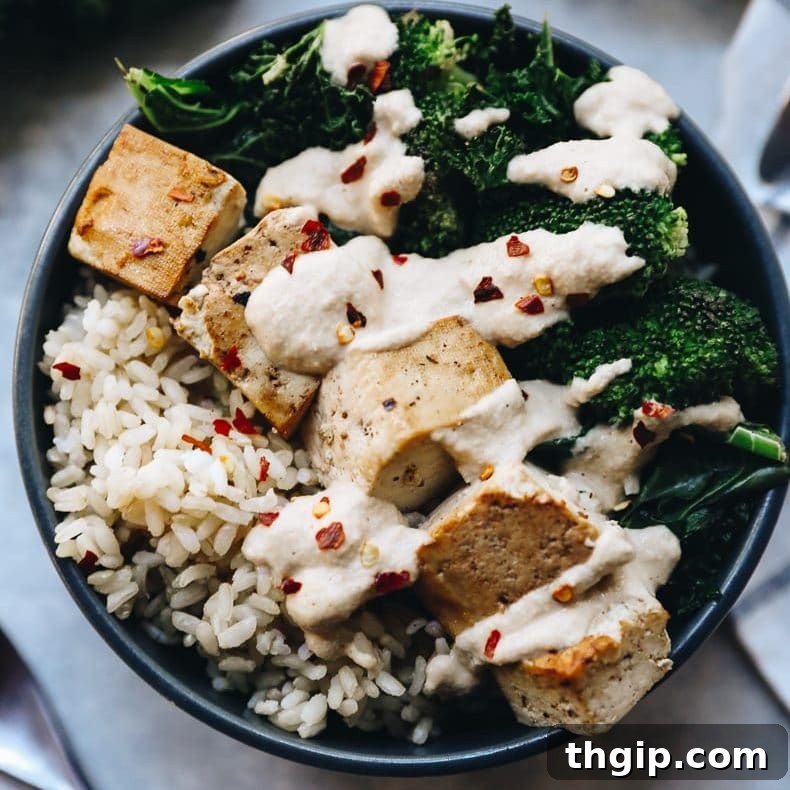
The quest for the ultimate Buddha Bowl often feels like an endless journey through countless recipes. Yet, I can confidently say, your search ends here. This isn’t just another vegetarian dinner; it’s a vibrant, flavor-packed experience featuring wholesome veggies, hearty brown rice, perfectly cooked tofu, and an absolutely irresistible peanut Buddha Bowl sauce that will transform your weeknight meals. Get ready for your new go-to recipe!
If you’re a health-conscious food enthusiast, especially in Toronto, chances are you’ve heard of Fresh Restaurants. This iconic chain of healthy, vegetarian, and vegan eateries has become a beloved institution across the city, a true mecca for those seeking nourishing and delicious plant-based meals. Their food is so incredibly good, it has a reputation for turning even the most devout omnivores into plant-powered devotees. I’m only slightly exaggerating, but the flavors are genuinely transformative!
This particular Buddha Bowl recipe is 100% inspired by the incredible offerings at Fresh, specifically their legendary Buddha sauce. To be completely honest, I’m utterly in love with that sauce. It’s so divine that what you pour it over almost becomes secondary; the magic truly lies in that rich, savory, and perfectly balanced dressing. Today, I’m thrilled to share my homemade version of this cherished recipe, bringing the beloved flavors of Fresh right into your kitchen!
What Exactly is a Buddha Bowl? Unpacking This Wholesome Trend
The term “Buddha Bowl” has gained immense popularity in recent years, becoming synonymous with healthy, customizable, and visually appealing meals. But where does the name come from? To be honest, a definitive answer remains elusive! Some sources suggest the name comes from its generously portioned, rounded appearance, resembling the belly of Buddha. Others credit culinary icon Martha Stewart with coining the phrase. While its precise etymology might be debated, what we do know is that a Buddha Bowl is typically a single-dish meal served in a bowl, characterized by a harmonious balance of several key components: a grain base, an abundance of fresh or cooked vegetables, a plant-based protein source, and a flavorful dressing that ties everything together. Essentially, it’s my dream dinner encapsulated in a single, satisfying bowl.
What makes a Buddha Bowl so appealing is its incredible versatility. It’s a culinary canvas where you can truly express your preferences and creativity. For this recipe, I naturally gravitated towards nutrient-dense powerhouses like vibrant broccoli and robust kale. These green giants not only add fantastic texture and color but also pack a serious nutritional punch.
While the original Buddha Bowl from Fresh often features crisp cucumbers and juicy tomatoes, my personal preference leans heavily towards greens. So, I’ve given you a double dose of verdant goodness! However, the beauty of this dish is that you can truly customize the vegetable components to your heart’s content. Whether you prefer roasted sweet potatoes, bell peppers, carrots, or even a medley of seasonal produce, the choice is yours. Once you’ve mastered this incredible Buddha Bowl sauce, you’ll discover that any combination of ingredients you choose will turn into a golden, delicious meal.
Crafting the Ultimate Buddha Bowl Peanut Sauce: The Heart of the Dish
This rich, creamy, and intensely flavorful peanut sauce is truly what elevates this Buddha Bowl from great to extraordinary. It strikes the perfect balance of savory, tangy, and subtly sweet notes, making every bite an absolute delight. The secret to its incredible depth of flavor lies in a crucial first step: gently sautéing the onions and garlic.
Here’s what you’ll need to create this amazing sauce:
- Coconut oil: Provides a subtle richness and helps caramelize the aromatics.
- Onion: Forms the aromatic base, adding a foundational sweetness and savory note when cooked.
- Garlic: Essential for a pungent, robust flavor that complements the other ingredients.
- Natural peanut butter: The star ingredient, offering creamy texture and nutty flavor. Opt for natural varieties with minimal added sugar.
- Rice wine vinegar: Adds a crucial tanginess that brightens the sauce and balances the richness of the peanut butter.
- Tamari (or soy sauce): Delivers umami and salty depth. Tamari is a gluten-free alternative to traditional soy sauce.
- Sesame oil: A small amount adds a wonderfully nutty, aromatic finish.
- Fresh ginger: Grated ginger provides a refreshing, spicy kick and aromatic complexity.
- Water: Used to achieve the perfect pourable consistency.
While sautéing the onions and garlic might seem like an extra step, I assure you it’s incredibly worthwhile. This process caramelizes the natural sugars in the onions and mellows the sharpness of the garlic, creating a deeply fragrant and flavorful base that would be missing if you simply blended everything raw. This foundational layer of flavor is what truly makes this sauce stand out.
After your aromatics are beautifully softened and fragrant, the rest is incredibly simple. Just combine the sautéed onion and garlic with all the remaining sauce ingredients in a blender or food processor, and blend until it’s perfectly smooth and creamy. If the sauce appears too thick, simply add a tablespoon or two of water at a time until you reach your desired consistency. This versatile sauce can be stored in an airtight container in the refrigerator for up to a week, making it fantastic for meal prep. Don’t hesitate to experiment with it on other grain bowls, salads, or even as a dipping sauce for spring rolls!
Assembling Your Perfect Buddha Bowl: A Step-by-Step Guide
Creating a balanced and delicious Buddha Bowl involves a few simple steps, ensuring each component is cooked to perfection before assembly. This structured approach makes meal prep efficient and enjoyable, allowing you to build your bowls throughout the week or serve them fresh for dinner.
STEP 1: Cook Your Grain Base – Fluffy Brown Rice
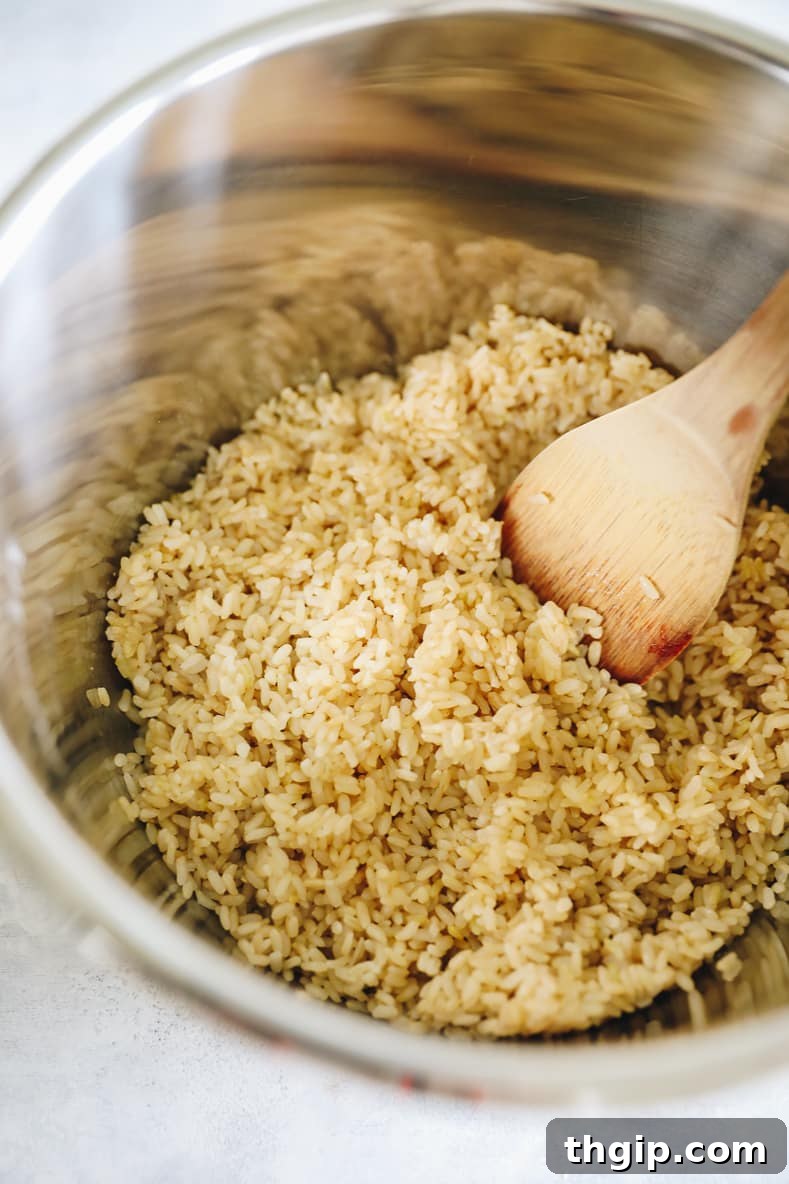
Begin by cooking your brown rice according to the package instructions. Brown rice is an excellent choice for Buddha Bowls, offering a nutty flavor, satisfying chew, and a wealth of fiber and essential nutrients. Ensure you rinse the rice thoroughly before cooking to remove excess starch, which helps achieve a fluffier texture. Once cooked, set it aside to cool slightly, allowing it to firm up just enough for perfect bowl layering.
STEP 2: Prepare Your Protein – Perfectly Roasted Tofu
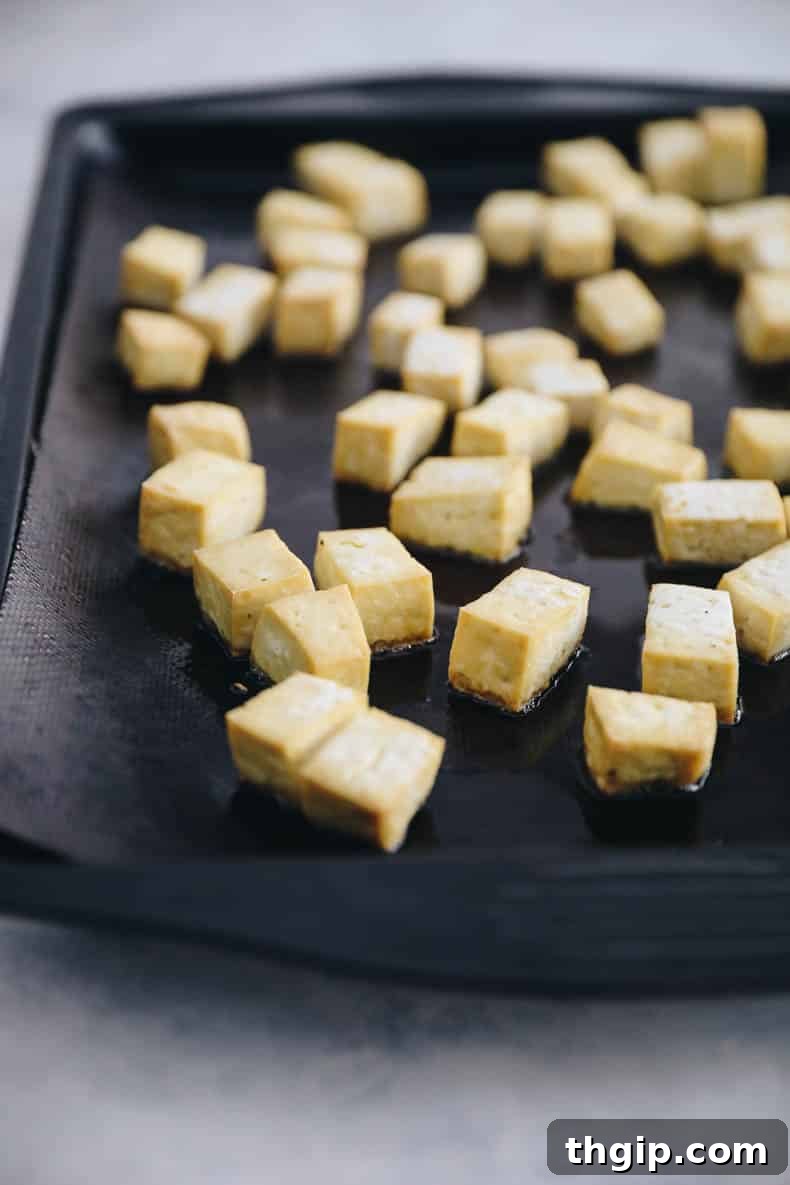
While the rice cooks, preheat your oven to 400 degrees Fahrenheit (200 degrees Celsius). Tofu is a fantastic plant-based protein, and roasting it provides a wonderful texture and flavor. First, ensure your extra-firm tofu block is properly pressed to remove excess water, which is crucial for achieving crispy results. Once pressed, cube the tofu into bite-sized pieces. Place these cubes on a parchment paper or silicone-lined baking sheet to prevent sticking. Drizzle with about 1 tablespoon of melted coconut oil (you might need to warm it slightly if it’s solid) and season generously with salt and pepper. Bake the tofu for 20-25 minutes, or until the edges are beautifully golden brown and slightly crispy. Flip halfway through for even cooking.
STEP 3: Sauté Your Greens – Broccoli and Kale Power
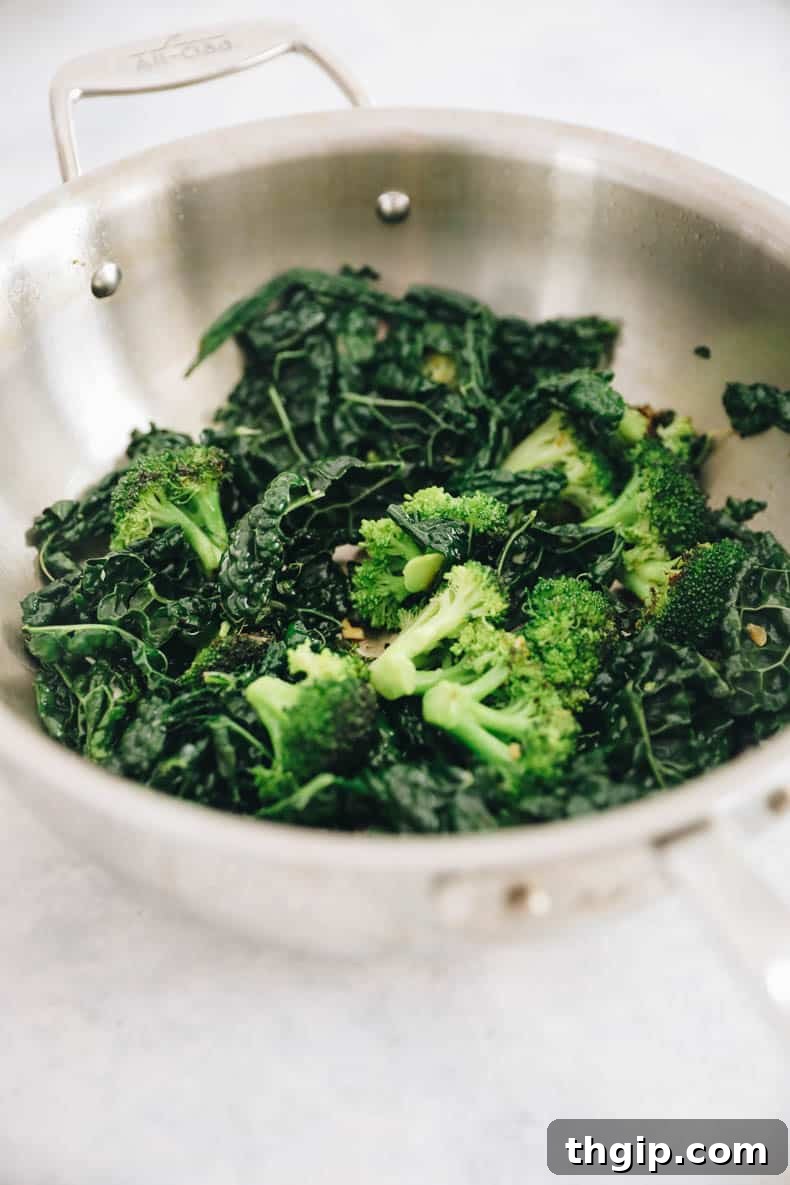
Next, it’s time for your vibrant veggies. Heat the remaining tablespoon of coconut oil in a large skillet over medium heat. Add your broccoli florets to the hot skillet, along with 1 tablespoon of water. Immediately cover the skillet to steam the broccoli for about 3 minutes. This initial steaming step helps to tenderize the broccoli while maintaining its vibrant green color. After 3 minutes, remove the lid, add the chopped kale and minced garlic, and toss everything together to coat. Continue to cook, stirring occasionally, for another 3-5 minutes, or until the kale has wilted to your desired texture and the broccoli is tender-crisp. Avoid overcooking to keep the vegetables bright and nutritious.
Are Buddha Bowls Healthy? Absolutely!
The short answer is: absolutely, yes! Buddha Bowls are a nutritional powerhouse, making them an excellent choice for anyone looking to eat healthier, increase their vegetable intake, or explore plant-based eating. They embody a balanced approach to meals, combining complex carbohydrates, lean protein, healthy fats, and a rich array of vitamins and minerals. With a generous serving of vegetables, a robust source of plant-based protein like tofu, and whole grains providing sustained energy, you truly can’t go wrong.
Beyond being delicious, Buddha Bowls offer numerous health benefits. They are typically high in fiber, which aids digestion, promotes satiety, and helps regulate blood sugar levels. The diverse range of vegetables provides an abundance of antioxidants, phytonutrients, and essential vitamins and minerals crucial for overall health and disease prevention. The plant-based protein sources contribute to muscle maintenance and repair without the saturated fats often found in animal proteins. If you’re looking to cut back on meat consumption, experiment with vegetarianism, or simply incorporate more wholesome, unprocessed foods into your diet, this Buddha Bowl is a flavorful and satisfying meal that will please both your palate and your body. It’s a dinner that genuinely nourishes and pleases the masses, proving that healthy eating can be incredibly delicious and accessible.
Easy Swaps + Substitutions: Customize Your Bowl
One of the greatest strengths of a Buddha Bowl is its inherent flexibility. This recipe serves as an excellent foundation, but don’t hesitate to customize it to suit your dietary needs, preferences, or what you have available in your pantry. Here are some easy swaps and substitutions to make this recipe truly yours:
Allergic to nuts? No problem! You can easily adapt the Buddha Bowl sauce. Instead of peanut butter, swap in an equal amount of sunflower seed butter for a delicious, nut-free alternative that still provides a creamy texture and rich flavor. Other options include tahini (sesame seed paste) or any other seed butter of your choosing. For an incredible tahini-based sauce, I highly recommend this one.
Don’t like tofu? While tofu is fantastic for its texture and protein content, it’s not for everyone. You can easily replace it with other plant-based proteins like tempeh, which offers a firmer texture and nutty flavor, or roasted chickpeas for a crunchy addition. If you’re not strictly vegan or vegetarian, feel free to use another protein source such as grilled chicken, rotisserie chicken, or even a hard-boiled egg.
Don’t like kale or broccoli? The beauty of a Buddha Bowl is its adaptability to your favorite vegetables. Replace kale and broccoli with any veggies you prefer! Fantastic substitutes include roasted sweet potatoes (cubed), cauliflower florets, bell peppers, zucchini, green beans, or even spinach. You’ll need to adjust cooking times depending on the specific vegetables you use—root vegetables will take longer to roast, while leafy greens like spinach will wilt quickly. But remember, almost any vegetable can find a happy home in these versatile bowls.
Looking for a rice substitute? If brown rice isn’t your preference, or if you simply don’t have any on hand, feel free to substitute it with a different grain. Quinoa, farro, couscous, or even millet make excellent bases, each offering a unique texture and nutritional profile. For a lower-carb option, consider cauliflower rice.
No coconut oil on hand? If you have an allergy to coconut, dislike its flavor, or just ran out, you can easily replace coconut oil with olive oil or avocado oil in both the tofu and vegetable cooking steps. These healthy fats will perform similarly and won’t compromise the overall deliciousness of your bowl.
More Delicious Vegetarian Dinners to Explore:
- Creamy Zucchini Mac & Cheese
- Hearty Quinoa Veggie Bowls
- Savory Mushroom Teriyaki Tacos
- Exotic Orange Coconut Baked Tofu
- The Best Vegetarian Quinoa Chili
The Ultimate Buddha Bowl Recipe
Rated 5 out of 5 stars based on 4 reviews.
5 from 4 reviews
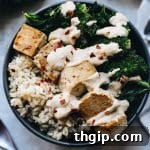
This ultimate Buddha Bowl recipe combines nutritious veggies, fluffy brown rice, and perfectly cooked tofu, all generously coated in a flavor-packed homemade peanut sauce. It’s a versatile and satisfying vegetarian dinner that will quickly become a favorite in your healthy meal rotation!
- Author: Davida Lederle
- Prep Time: 10 minutes
- Cook Time: 30 minutes
- Total Time: 40 minutes
- Yield: 4 servings
Ingredients
- 2 cups dry brown rice
- 2 tbsp coconut oil, divided
- 1 block extra firm tofu (14 oz), pressed + cubed
- 1 head of broccoli (roughly 2 cups), cut into florets
- 1/2 head of kale (roughly 4 cups), destemmed and chopped
- 1 large garlic clove, minced
For the Buddha Sauce:
- 1 small yellow onion, chopped
- 1 garlic clove, minced
- 1 tbsp coconut oil
- 1/4 cup natural peanut butter
- 2 tbsp rice wine vinegar
- 2 tbsp tamari or soy sauce
- 1 inch knob of fresh ginger, grated
- 1/2 tsp sesame oil
- 1/4 cup of water
Instructions
- Cook rice according to package instructions; set aside.
- Preheat oven to 400 degrees F (200 degrees C).
- Place cubed tofu on a parchment or silicone-lined baking sheet and coat with 1 tbsp melted coconut oil. Top with salt and pepper.
- Bake tofu for 20-25 minutes or until golden brown, flipping halfway through.
- Meanwhile, heat a skillet with the other tablespoon of coconut oil over medium heat.
- Add broccoli florets and 1 tbsp of water. Cover skillet to steam broccoli for 3 minutes.
- Add in kale and minced garlic, toss to coat, and cook until desired texture has been reached (3-5 minutes).
To Make Buddha Sauce:
- Remove broccoli and kale from skillet and set aside. Using the same skillet, add 1 tbsp coconut oil and chopped onion. Cook for 5 minutes or until translucent. Add minced garlic and cook for 1 more minute until fragrant.
- Add the cooked onion and garlic to a blender or food processor.
- Add remaining buddha sauce ingredients (peanut butter, rice wine vinegar, tamari, grated ginger, sesame oil, and water) to the blender. Blend until smooth and creamy. Add more water if sauce is too thick to reach desired consistency.
To assemble buddha bowls:
- Divide cooked brown rice evenly among four bowls.
- Top each portion of rice with the roasted tofu, steamed broccoli, and sautéed kale.
- Generously drizzle the prepared Buddha sauce over all ingredients. Sprinkle with red pepper flakes if desired for a touch of heat.
*Buddha Sauce will keep fresh in an airtight container in the refrigerator for up to 1 week.
Craving More Bowls? Discover These Delicious Recipes:
If you’ve fallen in love with the convenience and nutrition of bowl meals, you’re in luck! There’s a whole world of possibilities beyond the Buddha Bowl. These dishes are perfect for healthy meal prep, weeknight dinners, or simply enjoying a satisfying and balanced meal. Each recipe offers a unique flavor profile and combination of ingredients, ensuring there’s a bowl to please every palate. Explore these delightful options to keep your healthy eating journey exciting and flavorful:
- Flavorful Baked Falafel Bowls
- Umami-Rich Miso Veggie Quinoa Bowls
- Spicy Piri Piri Chicken Bowls
- Copycat Chipotle Chicken Burrito Bowls
This ultimate Buddha Bowl recipe is more than just a meal; it’s an invitation to embrace flavorful, plant-based eating that nourishes both body and soul. Its customizable nature ensures it never gets boring, while the irresistible peanut sauce guarantees a culinary delight every time. Whether you’re a seasoned vegetarian or simply exploring healthier dinner options, this bowl promises to be a staple in your kitchen. Enjoy the vibrant flavors and the incredible satisfaction of making something truly delicious and good for you!