
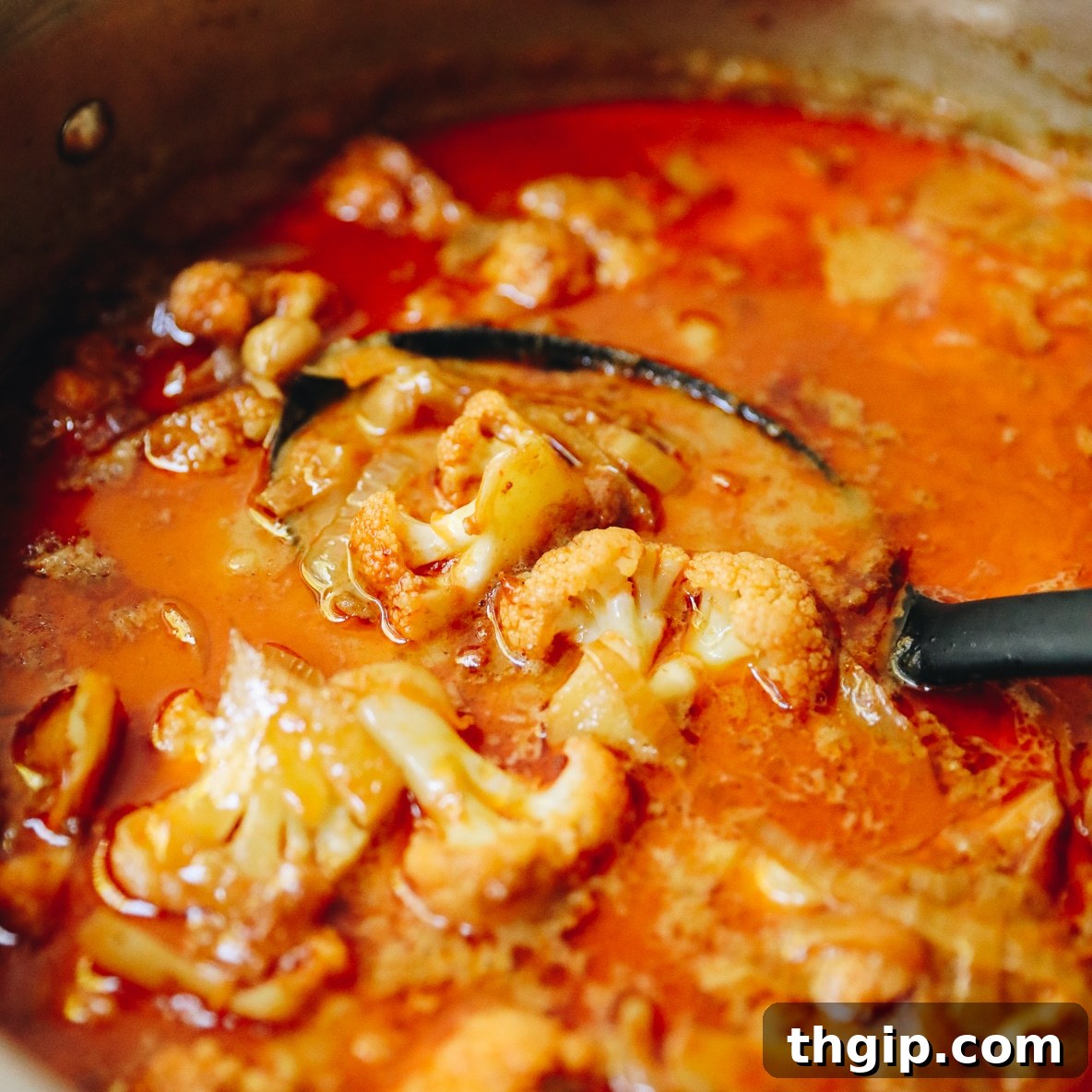
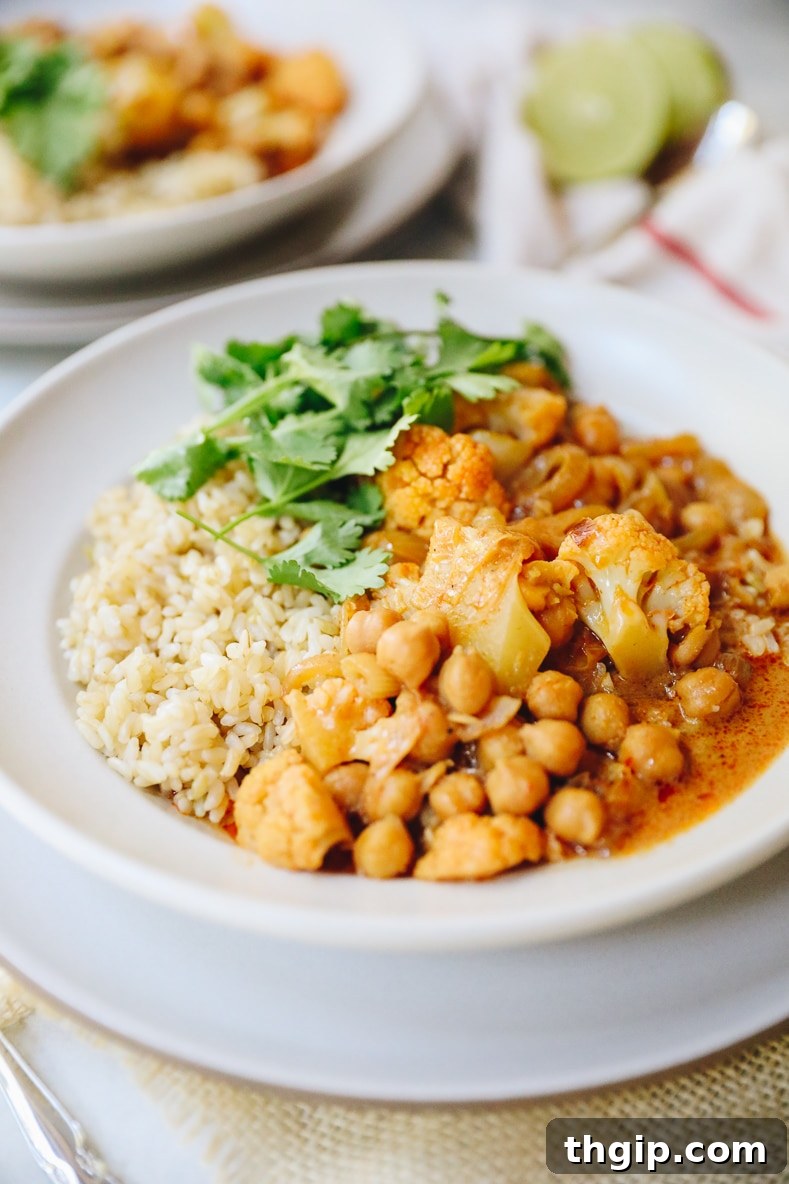
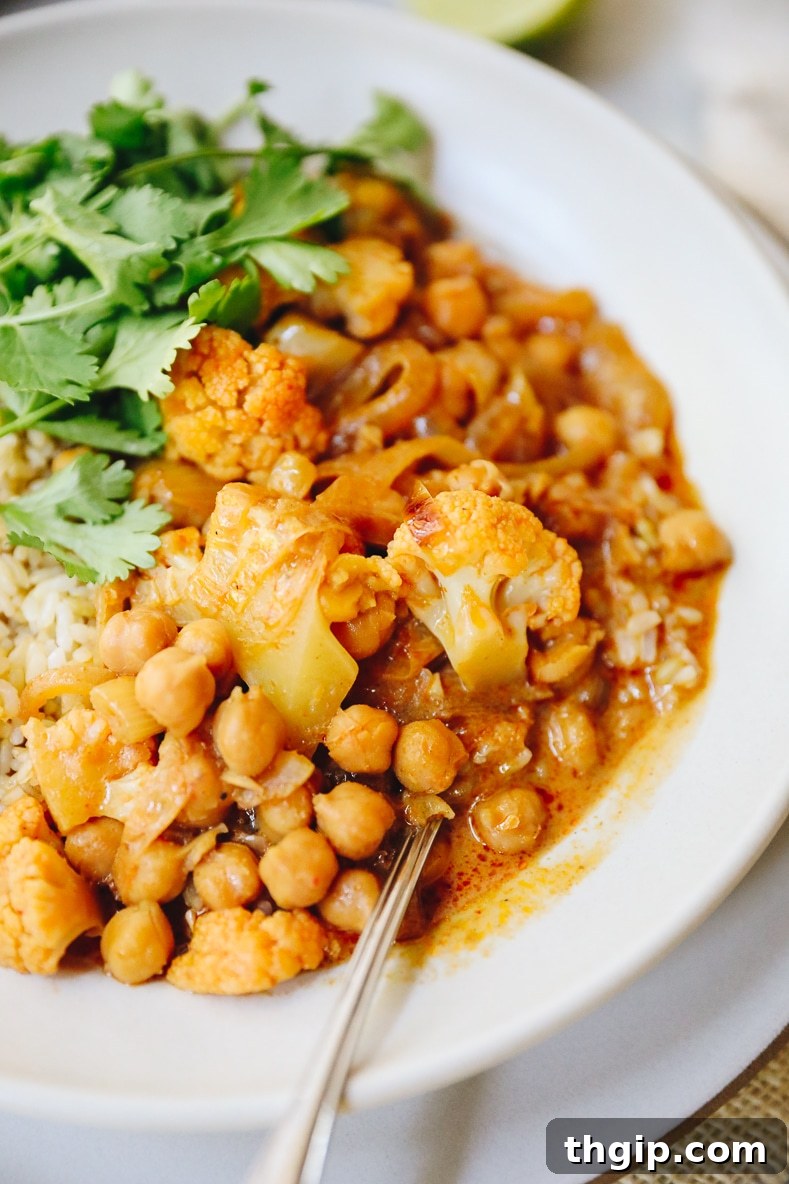
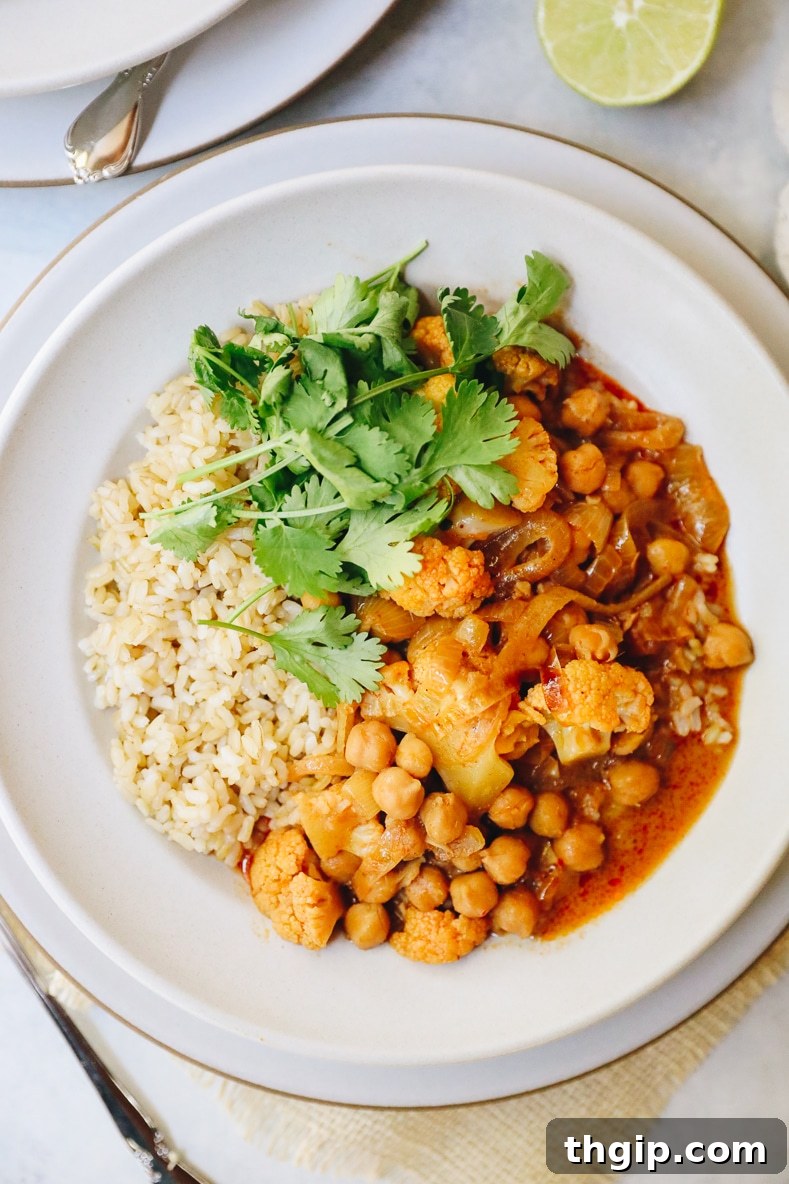
Welcome to your new favorite weeknight dinner solution: an incredibly flavorful, easy-to-make, one-pot veggie Massaman curry. Crafted with tender cauliflower florets and protein-rich chickpeas, this vibrant dish promises a burst of authentic Thai flavors without the complexity. It’s a delicious, comforting meal that effortlessly brings the whole family together, making it perfect for a cozy weeknight or a relaxed weekend feast.
There’s a unique rhythm to the culinary world, especially when the holiday season approaches. While our minds might be dreaming of elaborate Thanksgiving spreads or festive Christmas delights, the reality is that everyday life still demands nutritious and satisfying meals. As a food blogger, this presents a delightful challenge: how do we balance the allure of special occasion recipes with the constant need for practical, delicious dinners? One day, I might be sharing a decadent recipe for maple bacon Brussels sprouts, and the next, I’m diving into the aromatic world of Massaman curry. And honestly? I wouldn’t have it any other way.
While the holidays are a time for indulgence, the idea of eating like it’s a perpetual feast from November through January isn’t sustainable (or enjoyable!). This means my kitchen – and this blog – often navigates between hearty fall vegetables and exotic Thai cuisine. This approach allows for a refreshing variety in our meals, ensuring that even amidst the richer seasonal fare, we can still enjoy light, vibrant, and incredibly satisfying dishes like this Massaman curry. It’s all about balance, and this recipe perfectly embodies that philosophy.
What is Massaman Curry? A Journey of Flavor
Massaman curry stands out among Thai curries for its rich, complex, yet relatively mild flavor profile. Unlike its spicier cousins like red or green curry, Massaman is known for a harmonious blend of sweet, sour, salty, and savory notes, often with a hint of nuttiness. Its origins are steeped in history, believed to have been introduced to Thailand by Persian traders, which explains the unique inclusion of spices not typically found in traditional Thai cooking.
The characteristic Massaman curry paste features an array of fragrant spices, including cumin, coriander, cinnamon, cardamom, cloves, star anise, and sometimes nutmeg or mace, along with the usual Thai staples like lemongrass, galangal, and dried chilies. This intricate blend creates a deeply aromatic and incredibly satisfying base. Historically, Massaman curry is often prepared with beef or chicken, along with potatoes and peanuts, creating a hearty and comforting stew-like dish. Our rendition, however, celebrates the versatility of this curry by focusing on vibrant vegetables and plant-based protein, offering a delightful twist on a classic while retaining all its beloved qualities.
Why You’ll Adore This Veggie Massaman Curry
This recipe isn’t just another curry; it’s a culinary experience designed for modern living. Here’s why it’s bound to become a staple in your kitchen:
- Effortless One-Pot Wonder: Say goodbye to piles of dishes! This curry comes together beautifully in a single pot, making cleanup a breeze and weeknight cooking stress-free.
- Bursting with Flavor: Despite its simplicity, this Massaman curry doesn’t compromise on taste. The aromatic blend of spices, creamy coconut milk, and savory sauces create a depth of flavor that will transport your taste buds straight to Thailand.
- Healthy and Wholesome: Packed with nutrient-dense cauliflower and protein-rich chickpeas, this meal is incredibly satisfying and nourishing. It’s a fantastic way to boost your vegetable intake without sacrificing deliciousness.
- Customizable for All Diets: Whether you’re gluten-free, vegan, or simply looking to incorporate more plant-based meals, this recipe is incredibly adaptable. Easy substitutions mean everyone can enjoy a bowl tailored to their needs.
- Perfect for Meal Prep: This curry tastes even better the next day as the flavors deepen. Prepare a big batch at the start of the week for quick and healthy lunches or dinners.
Essential Ingredients for Your Veggie Massaman Curry
Gathering the right ingredients is key to achieving that authentic Massaman magic. Here’s what you’ll need to create this aromatic dish:
- Veggies: I love using a whole head of cauliflower, chopped into florets. It absorbs the curry sauce beautifully and offers a hearty texture. Feel free to substitute or add other vegetables like carrots, potatoes, broccoli, bell peppers, or even green beans! Don’t forget the aromatic foundation of yellow onion, finely sliced, and fresh garlic cloves, minced for maximum flavor.
- Coconut Oil: A staple for sautéing, it imparts a subtle tropical aroma that complements the curry perfectly. Any neutral cooking oil can be used, but coconut oil adds an extra layer of flavor.
- Red Curry Paste: This is where a lot of the flavor comes from! My go-to is Thai Kitchen red curry paste, which is widely available and reliably delicious. Look for a good quality brand, checking labels for vegan/gluten-free certification if needed.
- Spices: We’re enhancing the curry paste with a warming blend of ground cumin, ground coriander, a touch of cinnamon, and a pinch of ground cardamom. These spices contribute significantly to the unique, sweet-savory profile of Massaman curry.
- Coconut Milk: For a truly rich and creamy curry, full-fat coconut milk is highly recommended. It creates a luscious sauce that coats the vegetables beautifully. If you prefer a lighter option, lite coconut milk can be used, though the texture will be less indulgent. You’ll need two 14-ounce cans.
- Fish Sauce: This ingredient provides a crucial umami depth that is characteristic of authentic Thai cuisine. If you are making this recipe vegan, simply omit the fish sauce – the curry will still be incredibly flavorful!
- Soy Sauce: Adds another layer of savory, salty flavor. For a gluten-free version, easily replace it with tamari.
- Coconut Palm Sugar: A touch of sweetness is essential to balance the spices and savory notes in Massaman curry. Coconut palm sugar offers a subtle caramel-like sweetness, but brown sugar works equally well as a substitute.
- Chickpeas: Drained and rinsed, chickpeas are an excellent plant-based protein source that adds satisfying texture and helps make this a complete meal. You can skip them if you prefer, but I highly recommend them for their delightful taste and nutritional boost.
- Fresh Lime Juice: Squeezed in at the end, fresh lime juice brightens the entire dish, adding a zesty finish that truly elevates the flavors.
- For Serving: Don’t skip the toppings! Crushed peanuts provide a wonderful crunch and nutty flavor, while fresh cilantro adds a burst of herbaceous freshness.
- Optional Bay Leaves: Adding 1-2 bay leaves while the curry simmers can infuse an extra layer of subtle aroma and warmth.
- Rice: The perfect accompaniment to soak up all that delicious curry sauce. Jasmine rice is traditional, but brown rice or even quinoa work well.
Crafting Your One-Pot Veggie Massaman Curry: Step-by-Step
Get ready to create a masterpiece with ease! Here’s how to bring your Massaman curry to life:
- Prepare Your Rice: Begin by cooking your chosen rice (e.g., jasmine or brown rice) according to the package instructions. This ensures it’s ready to serve alongside your freshly made curry.
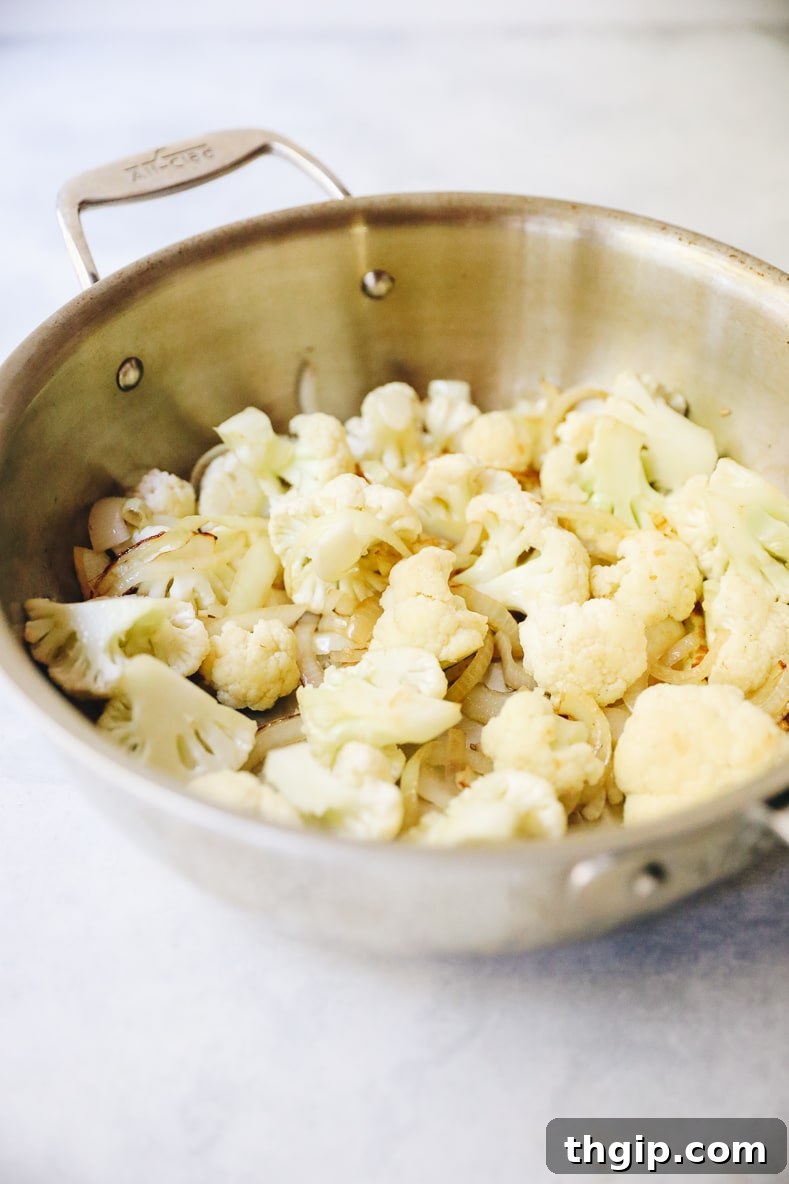
- Sauté the Aromatics: In a large pan, pot, or wok, heat 1 tablespoon of coconut oil over medium heat. Add the sliced yellow onion and cook for about 3 minutes, or until it starts to soften and turn lightly browned. Next, add the minced garlic and cook for another minute until fragrant. Be careful not to burn the garlic.
- Introduce the Veggies: Add your cauliflower florets (or other preferred sturdy vegetables like carrots or potatoes) to the pan. Sauté for about 1 minute, stirring well to ensure they are coated with the coconut oil and thoroughly mixed with the onion and garlic.
- Spice it Up: Generously spoon the red curry paste over the vegetables. Add the ground cumin, ground coriander, cinnamon, and ground cardamom. Stir continuously for 1-2 minutes, ensuring all the veggies are thoroughly coated and the spices become wonderfully fragrant. This step helps to bloom the spices and deepen their flavors.
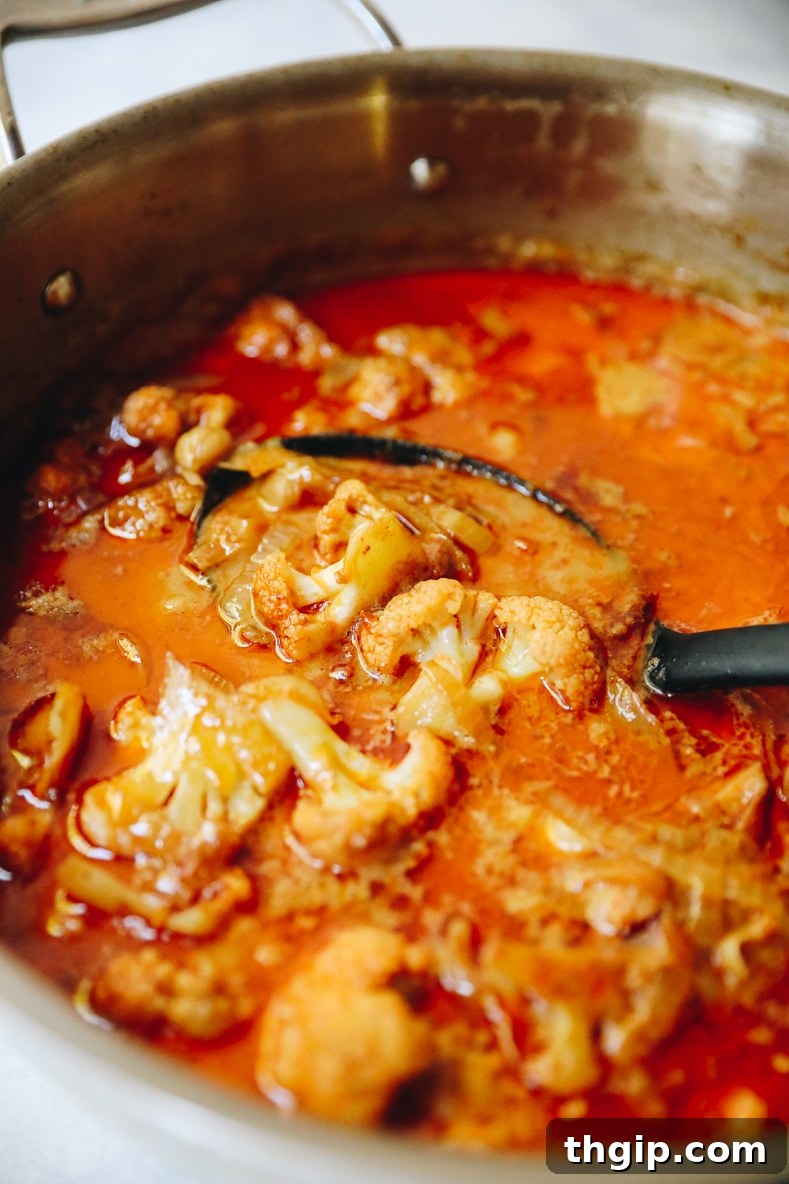
- Simmer to Perfection: Pour in both cans of full-fat coconut milk. Stir in the fish sauce (or omit for vegan), soy sauce (or tamari), coconut palm sugar, drained chickpeas, and the optional bay leaves. Bring the mixture to a gentle boil, then immediately reduce the heat to a steady simmer. Let it cook for 15-20 minutes, or until the cauliflower is tender-crisp and the sauce has thickened to your desired consistency. The longer it simmers, the deeper the flavors will become.
- Finish with Freshness: Once the curry has cooked through, remove it from the heat. Squeeze in the fresh juice from one lime. Stir it in thoroughly to brighten and balance all the rich flavors.
- Serve and Garnish: Divide your cooked rice evenly among serving bowls. Ladle a generous portion of the fragrant Massaman curry over the rice. For the perfect finish, sprinkle with crushed peanuts and a scattering of fresh cilantro, if desired. Enjoy immediately!

Easy Customizations and Dietary Swaps
One of the best aspects of this veggie Massaman curry recipe is its incredible versatility. Here are some simple ways to adapt it to your preferences and dietary needs:
- To Make it Gluten-Free: The only ingredient that typically contains gluten is soy sauce. Simply substitute soy sauce for tamari, which offers the same savory depth without the gluten. All other ingredients in this recipe are naturally gluten-free.
- To Make it Vegan: The traditional fish sauce is the only non-vegan ingredient. For a completely plant-based curry, simply omit the fish sauce. You can add a splash of extra soy sauce/tamari or a pinch of mushroom powder to enhance the umami flavor if you wish.
- Swap Your Veggies: While cauliflower is a fantastic choice for its texture and ability to absorb flavor, feel free to get creative with your vegetables! You can substitute or add other hardy vegetables like potatoes (yellow or sweet), broccoli, bell peppers, green beans, or even spinach (stir in at the very end). Just ensure they are cut into bite-sized pieces and added at the same time as the cauliflower so they cook evenly.
- Boost the Protein: To keep this recipe deliciously veggie-packed, we rely on chickpeas for plant-based protein. However, if you prefer, you can easily add other protein sources. Cooked chicken breast or thighs (shredded or diced), shrimp (added in the last 5 minutes of simmering), or even firm tofu or tempeh (pressed, cubed, and pan-fried before adding to the curry) would be excellent additions.
- Adjust the Spice Level: Massaman curry is known for its mild nature, but you can always adjust the heat. For a spicier kick, add a pinch of red chili flakes along with the curry paste, or serve with fresh sliced chilies on the side. For an even milder version, reduce the amount of red curry paste slightly.
Storage, Reheating, and Meal Prep Tips
This Massaman curry is not only delicious freshly made but also fantastic for meal prepping and enjoying later. Here’s how to store and reheat it:
- Refrigeration: Leftover curry can be stored in an airtight container in the refrigerator for up to 3-4 days. The flavors actually tend to deepen and meld beautifully overnight, often tasting even better the next day!
- Freezing: For longer storage, this curry freezes wonderfully. Allow it to cool completely, then transfer it to freezer-safe containers or bags. It can be frozen for up to 2-3 months. Thaw overnight in the refrigerator before reheating.
- Reheating: Gently reheat the curry on the stovetop over medium-low heat, stirring occasionally, until it is heated through. You may need to add a splash of water or coconut milk to reach your desired consistency, as the sauce can thicken in the fridge. For individual portions, it can also be reheated in the microwave.
- Meal Prep Perfection: Make a large batch at the beginning of the week. Portion it out with cooked rice for quick, healthy, and satisfying lunches or dinners on busy days. Store toppings like peanuts and cilantro separately to maintain their freshness and crunch.
Serving Suggestions to Elevate Your Curry Experience
While jasmine rice is the classic accompaniment, there are many ways to serve your Veggie Massaman Curry to create a truly memorable meal:
- Rice Variations: Beyond classic jasmine rice, try serving it with brown rice for added fiber, fragrant basmati rice, or even a side of quinoa for a protein boost.
- Warm Breads: Scoop up every last drop of that delicious sauce with warm naan bread, flaky paratha, or soft roti.
- Additional Garnishes: Enhance the curry with extra toppings. Consider fried shallots for a crispy, savory element, a drizzle of chili oil for a bit more heat, or a wedge of fresh lime on the side for an extra zing.
- Side Salad: A simple, crisp green salad dressed with a light vinaigrette can provide a refreshing contrast to the rich and creamy curry.
This one-pot veggie Massaman curry is more than just a recipe; it’s an invitation to explore vibrant flavors, embrace healthful eating, and enjoy the simplicity of a truly satisfying homemade meal. Whether you’re a seasoned curry connoisseur or new to Thai cuisine, its mild yet complex profile is sure to delight. Give it a try, and let this aromatic dish become a cherished part of your culinary repertoire.
Like this recipe? Here are some others you might enjoy:
- Chicken Pad See Ew
- Veggie Pad Thai
- Instant Pot Kung Pao Chicken
- Summer Veggie Green Curry