
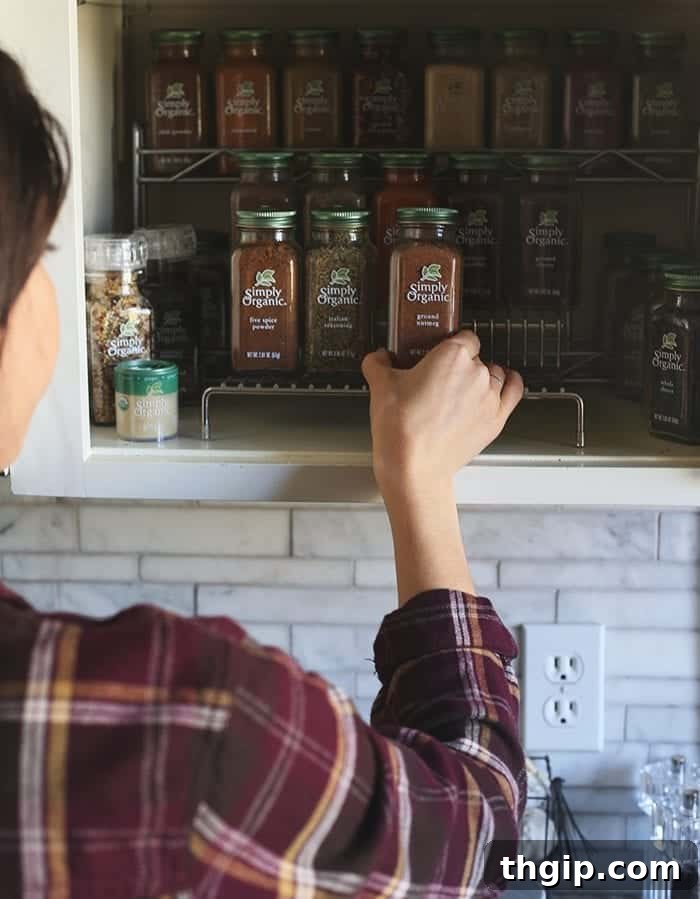
Navigating the vast world of spices can feel overwhelming, making it easy to overlook the true culinary powerhouses your kitchen needs. This comprehensive guide is designed to simplify your spice journey, identifying indispensable seasonings, highlighting exciting additions, and providing practical organization strategies to keep your pantry streamlined and stress-free. Prepare to unlock a universe of flavor that will transform your everyday cooking.
If you’ve ever heard someone say that healthy food lacks flavor, it’s often a clear sign they haven’t yet harnessed the incredible potential of spices. These aromatic treasures are not merely optional additions; they are fundamental to stocking a vibrant, healthy pantry and crafting meals that are both nourishing and irresistibly delicious. Imagine a plate of fresh, crisp vegetables – without the right blend of spices, they might fall flat. But with a thoughtfully curated spice collection, you can transform simple ingredients into culinary masterpieces, ensuring every bite is bursting with natural, wholesome flavor. Spices are the secret weapon for turning mundane meals into memorable dining experiences, making healthy eating not just a choice, but a genuine pleasure.
This post is dedicated to empowering you with the knowledge to expertly stock and meticulously organize your spice rack. We’ll delve into distinguishing the essential spices—those versatile stalwarts every kitchen needs—from the “nice-to-have” varieties that elevate your cooking to new, exciting levels. Furthermore, we’ll equip you with actionable organization tips, helping you avoid that all-too-common frustration of purchasing yet another jar of chili powder, only to discover three identical containers already lurking in the depths of your cupboard. Let’s embark on this flavorful adventure and bring order and deliciousness to your kitchen.
The Essential Spice Rack: Your Culinary Foundation
Every well-equipped kitchen begins with a foundational set of herbs and spices. These aren’t just common ingredients; they are versatile workhorses that form the backbone of countless cuisines, capable of transforming simple dishes into flavorful feasts. With these essentials on hand, you can confidently tackle a wide array of recipes, proving that delicious and diverse cooking doesn’t require an overflowing spice cabinet. They are the flavor anchors that ensure your healthy meals are always exciting and satisfying.
Essential Spices for Everyday Cooking
These ground spices are universally loved for their robust flavors and ability to adapt to almost any dish. They are the core components of savory and sweet recipes alike, offering warmth, depth, and a touch of zest.
- Salt: The ultimate flavor enhancer. Essential for seasoning, balancing, and bringing out the natural tastes of ingredients. Without salt, even the most elaborate dish can taste bland.
- Pepper: Black pepper adds a pungent, woody, and subtly hot kick. Best freshly ground for maximum aroma and flavor, it complements almost any savory dish.
- Chili Powder: A blend of ground chili peppers and other spices like cumin and oregano. It offers a mild to moderate heat and earthy flavor, perfect for Mexican and Tex-Mex dishes, stews, and rubs.
- Cinnamon: A warm, sweet, and woody spice. While often associated with desserts, cinnamon also adds depth to savory dishes like curries, chilis, and spice rubs for meats.
- Crushed Red Pepper: Provides a straightforward, vibrant heat. Ideal for adding a spicy kick to pizzas, pastas, stir-fries, and marinades.
- Cumin: Earthy, warm, and slightly bitter, cumin is indispensable in Middle Eastern, Indian, Mexican, and North African cuisines. It’s fantastic in chilis, tacos, curries, and roasted vegetables.
- Garlic Powder: A concentrated form of garlic flavor that disperses evenly without the moisture of fresh garlic. Perfect for rubs, marinades, sauces, and when fresh garlic isn’t available.
- Ground Ginger: Offers a warm, spicy, and slightly sweet flavor. Commonly used in Asian cooking, baked goods, and to add a bright note to savory dishes like stir-fries and soups.
- Paprika (Smoked or Non-smoked): Provides a sweet, mild pepper flavor and a beautiful red hue. Smoked paprika adds a deep, smoky undertone that enhances stews, roasted chicken, and eggs. Non-smoked offers a vibrant color and mild sweetness.
Essential Herbs for Flavorful Dishes
These dried herbs bring aromatic nuances and freshness to your cooking, acting as versatile companions for vegetables, meats, and sauces.
- Oregano: Pungent, earthy, and slightly bitter, oregano is a staple in Mediterranean and Italian cuisine. It shines in tomato sauces, pizzas, grilled meats, and salads.
- Parsley: Mild and herbaceous, parsley brightens flavors without overpowering them. It’s excellent as a garnish, in soups, stews, dressings, and vegetable dishes.
- Rosemary: Woody, piney, and aromatic, rosemary is perfect with roasted meats (especially lamb and chicken), potatoes, and Mediterranean-inspired dishes.
- Thyme: Earthy, minty, and slightly lemony, thyme pairs wonderfully with poultry, fish, root vegetables, and in hearty stews and soups.
The “Nice to Haves”: Elevating Your Culinary Repertoire
As a passionate advocate for flavor experimentation, my spice cupboard is a testament to the endless possibilities these ingredients offer. While the essentials lay a strong foundation, the “nice-to-haves” are where true culinary creativity flourishes. These herbs and spices invite you to explore more exotic dishes, craft nuanced flavor profiles, and truly personalize your cooking style. They transform meals from merely good to truly extraordinary. I enthusiastically encourage you to venture beyond your comfort zone and introduce a few of these remarkable spices into your kitchen – you might just discover a new favorite!
Flavor-Boosting Spices for Adventurous Cooks
These spices offer a spectrum of unique tastes, from sweet and pungent to smoky and complex, allowing you to venture into diverse global cuisines.
- All-Purpose Seasoning: A convenient blend, often containing salt, pepper, garlic, onion, and herbs. Great for quick seasoning of almost any savory dish.
- Allspice: With notes of clove, nutmeg, and cinnamon, allspice is a key ingredient in Caribbean, Middle Eastern, and Latin American cuisines, wonderful in both sweet and savory applications.
- Cardamom: A highly aromatic spice with a sweet, floral, and slightly citrusy flavor. Essential in Indian and Scandinavian cooking, often found in curries, baked goods, and coffee.
- Cayenne Pepper: Pure, intense heat from ground red chili peppers. Use sparingly to add a fiery kick to dishes, especially in Cajun, Mexican, and Asian cooking.
- Cloves: Sweet, aromatic, and intensely pungent, cloves are used in baking, pickling, and savory dishes like stews and curries, particularly in Indian and Middle Eastern cooking.
- Coriander: Mild, citrusy, and slightly sweet. The ground seeds are a fundamental ingredient in Indian, Middle Eastern, and Latin American cooking, often paired with cumin.
- Curry Powder: A blend of various spices (turmeric, coriander, cumin, fenugreek, etc.) designed to evoke the flavors of Indian cuisine. Provides a warm, complex, and sometimes spicy profile.
- Garam Masala: A fragrant Indian spice blend, typically containing cinnamon, cardamom, cloves, cumin, and black pepper. It’s often added at the end of cooking for a potent aromatic finish.
- Mustard: Pungent and sharp, ground mustard seeds add a tangy kick to dressings, rubs, and sauces.
- Nutmeg: Warm, sweet, and highly aromatic. Excellent in baked goods, creamy sauces (like béchamel), and sprinkled over hot beverages or winter vegetables.
- Onion Powder: Offers a concentrated, sweet onion flavor without the moisture. Essential in spice blends, rubs, and when you want onion flavor without the texture.
- Poultry Seasoning: A blend typically containing sage, thyme, marjoram, rosemary, and nutmeg. Specifically formulated to enhance chicken, turkey, and stuffing.
- Pumpkin Spice: A sweet blend of cinnamon, ginger, nutmeg, allspice, and cloves. Perfect for autumn baking, coffee, and seasonal desserts.
- Sage: Earthy, slightly peppery with a hint of mint. A classic pairing with poultry, pork, and rich, savory dishes.
- Turmeric: Known for its vibrant yellow color and earthy, slightly bitter flavor. A staple in Indian and Middle Eastern cooking, prized for both flavor and health benefits.
Aromatic Herbs for Global Flavors
These herbs introduce distinctive aromas and flavors that define specific culinary traditions, allowing you to effortlessly recreate authentic tastes.
- Basil: Sweet, peppery, and slightly minty. Iconic in Italian and Mediterranean cuisine, especially with tomatoes, pesto, and pasta.
- Bay Leaf: Aromatic and slightly bitter, bay leaves add a subtle depth to slow-cooked dishes, soups, stews, and braises. Remember to remove before serving!
- Cilantro: Fresh, citrusy, and slightly peppery. Essential in Mexican, Asian, and Indian cooking for salsas, curries, and garnishes.
- Dill Weed: Bright, fresh, and slightly tangy, dill is a favorite in Scandinavian, Eastern European, and Mediterranean dishes, particularly with fish, potatoes, and pickles.
- Herbes de Provence: A fragrant French blend, typically including savory, thyme, rosemary, marjoram, and oregano. Wonderful with roasted chicken, vegetables, and stews.
- Italian Seasoning: A convenient mix of popular Italian herbs like oregano, basil, thyme, and rosemary. Perfect for pasta sauces, pizza, and Italian-inspired dishes.
Mastering Your Spice Rack: Organization Strategies for a Functional Kitchen
Possessing a magnificent array of spices is only half the battle; maintaining an organized system is crucial to truly enjoying them. A chaotic spice cupboard can lead to frustration, duplicate purchases, and ultimately, a reluctance to experiment with new flavors. The good news is that organizing your spice rack doesn’t have to be a daunting task. With just an hour or two of dedicated effort to set things up, you can establish a streamlined system that makes cooking more efficient, enjoyable, and inspires culinary creativity for years to come.
1. Strategic Stacking and Arrangement
One of the most effective ways to manage your spice collection is by utilizing vertical space. Stacking your spices allows for easy visibility and access. Consider these arrangement methods:
- Alphabetical Order: This is a universally intuitive method. Simply arrange your spices from A to Z, making it easy to locate any specific seasoning quickly.
- By Frequency of Use: Position your most frequently used spices—like salt, pepper, garlic powder, and cumin—at the front or on the most accessible shelves. Less frequently used or seasonal spices can reside in the back rows.
- By Cuisine Type: If you often cook certain cuisines, group spices together. For example, all your Indian spices in one section, Mexican spices in another, etc.
You can effortlessly find excellent stackable shelves at various online retailers or, if you’re feeling particularly ambitious, embark on a DIY project to construct custom shelving that perfectly fits your space and needs.
2. Leverage a Printable Spice Checklist
A printable checklist is a game-changer for maintaining an organized and well-stocked spice inventory. Print it out, check off the spices you currently have, and then tape it prominently inside your spice cupboard or pantry door. This simple visual aid becomes an invaluable reference point, especially if your spice rack occasionally gets a bit disordered or if you boast an extensive collection. Before heading to the grocery store or making an online purchase, a quick glance at your checklist will instantly confirm whether you already possess that elusive spice, saving you time, money, and preventing unnecessary duplicates.
It’s important to note that this comprehensive list focuses primarily on spices most commonly used in North American cooking. However, it thoughtfully includes empty boxes, allowing you to personalize it by adding traditional spices unique to your personal culinary preferences and cultural cooking styles. This ensures the checklist remains a versatile and relevant tool for every home cook.
3. Beyond the Jar: Smart Buying and Storage Practices
To truly maximize the flavor and longevity of your spices, understanding how to buy and store them correctly is paramount. Opt for whole spices when possible; they retain their potency much longer than ground varieties and can be freshly ground as needed for superior flavor. Always store spices in airtight containers, away from direct sunlight, heat, and moisture. A cool, dark pantry or cupboard is ideal. Avoid storing them directly above the stove, as heat and steam can rapidly diminish their flavor and shorten their shelf life. While spices don’t “go bad” in a way that makes them unsafe, they do lose their vibrancy over time. Ground spices typically last 1-2 years, while whole spices can maintain their quality for 3-4 years.
4. The Health Benefits of a Spice-Rich Diet
Beyond their incredible flavor-enhancing abilities, spices are nutritional powerhouses packed with health benefits. Many spices, like turmeric, ginger, and cinnamon, are renowned for their potent anti-inflammatory and antioxidant properties. Incorporating a variety of spices into your diet can support digestion, boost metabolism, and even contribute to blood sugar regulation. Furthermore, using spices generously is an excellent strategy for reducing reliance on excess salt, sugar, and unhealthy fats, allowing you to create incredibly delicious and healthy meals without compromising on taste.
5. Creative Spice Blends and Gifting Ideas
With Thanksgiving just around the corner and Christmas soon to follow, consider spices as an exceptional and thoughtful gift! A beautifully curated spice kit is a fantastic way to spread culinary love and encourage healthy cooking among your friends and family. Explore options like Simply Organic’s 16-Count Spice Rack for an impressive starter kit that provides a diverse selection of high-quality, essential spices.
Alternatively, if you’re working with a budget this year, offer the invaluable gift of organization! Volunteer to help your loved ones streamline their spice racks. Simply download the printable checklist here and guide them toward a future free from spice-induced meltdowns and duplicate purchases.
Disclaimer: This post is sponsored by Simply Organic. I was compensated for my time, however, all opinions expressed are genuinely my own. Thank you for consistently supporting the esteemed brands that play a vital role in making The Healthy Maven possible!