
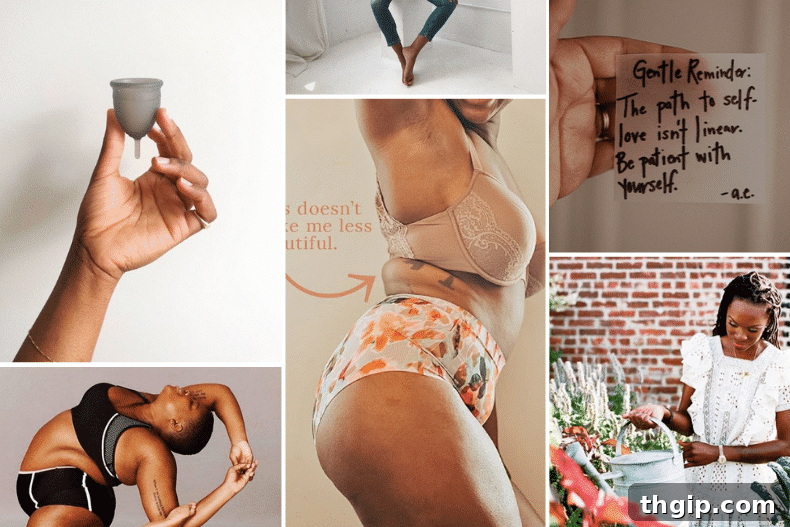
The journey to true self-awareness is often uncomfortable, particularly when confronting deeply ingrained societal issues like racism. We naturally prefer to believe our intentions are pure, and our actions are always just. However, our egos can be formidable barriers, obscuring the ways our words, behaviors, and even our silence or inaction can unintentionally cause harm to others. This isn’t a flaw unique to any individual; it’s a pervasive human tendency. And I am certainly not exempt from this reality. Recent events, especially over the past year and in recent weeks, have profoundly awakened me to my own contributions to, and indeed benefits from, the systemic racism that permeates our society. And tragically, the thriving wellness industry, often perceived as a bastion of health and enlightenment, is no exception.
While the pervasive nature of systemic racism across our entire nation is a critical conversation, I’ve chosen to direct my focus specifically toward the wellness industry. This is my professional home, the field to which I’ve dedicated the last eight years of my career, and the arena where I believe I can instigate the most meaningful change. I sense this resonates with many of you as well. There’s a powerful truth in the adage that lasting change must begin within one’s own sphere, and for me, that sphere is wellness. So, let’s embark on this essential conversation together.
It’s crucial to state upfront: I am not an expert in anti-racism, and I recognize that I am relatively new to actively engaging with this vital work. My intention here is not to present myself as an authority, but rather to delve into the historical context of wellness and explore how its evolution has inadvertently, and sometimes overtly, contributed to a system of racial inequity. More importantly, I want to empower you with knowledge and resources. Throughout this discussion, I will provide links to invaluable resources and direct you to the true experts – Black and Indigenous people of color (BIPOC) leaders and educators – who can guide you on your journey to becoming actively anti-racist within the wellness space. With that clarity, let’s explore the often-overlooked history of wellness and its complex relationship with race.
The Evolving Tapestry: A Journey Through the History of Wellness
The term “wellness” might feel like a modern buzzword, but its roots stretch back centuries. The Oxford English Dictionary first recorded “wellness” in 1654, defining it simply as “a state of being well or in good health.” For centuries, it remained a largely dormant term in popular discourse and literature, a quiet descriptor rather than a vibrant concept. Its resurgence into modern consciousness began in earnest in the 1970s, propelled by figures like Dr. John T. Travis and the establishment of The Wellness Resource Center in Mill Valley, California, in 1975.
Dr. Travis introduced the groundbreaking concept of the Illness-Wellness Continuum, a model that revolutionized how health was perceived. Unlike the traditional medical paradigm that focused solely on treating disease, Travis’s continuum suggested a much broader spectrum of health. He articulated this vision by stating: “Moving from the center to the left shows a deteriorating state of health. Moving to the right of center indicates increasing levels of health and well-being. The Treatment Paradigm can only take you to the neutral point, where the symptoms of disease have been alleviated. That is all it is designed to do. The Wellness Paradigm, on the other hand, which can be utilized at any point on the continuum, helps you move toward higher levels of wellness.” (source) This framework shifted the focus from merely the absence of illness to the active pursuit of optimal well-being, encompassing physical, mental, and emotional dimensions.
Ironically, despite its progressive vision, The Wellness Resource Center and its followers initially faced skepticism and even ridicule. A 60 Minutes segment by Dan Rather famously profiled the group, portraying them more as a cult than pioneers of holistic health (source). At this juncture, wellness was very much a fringe concept, far removed from mainstream acceptance. The irony is not lost on me that this nascent movement unfolded in my own backyard, shaping a legacy that would later become globally significant. These early “wellness hippies” championed the idea of “self-care” – a deliberate commitment to nurturing one’s own mind, body, and connection with nature as the pathway to sustained health and happiness. A defining characteristic of these pioneers was their distinct wariness of conventional doctors and pharmaceutical medicine, a philosophical stance that, to this day, remains a central tenet and point of tension within the broader wellness industry.
The precise moment “wellness” made its grand comeback into the global lexicon is a subject of ongoing debate, but its undeniable leap from the fringes to the mainstream is clear. What was once a niche, counter-cultural concept has burgeoned into a colossal global industry. According to the Global Wellness Institute, the wellness industry now commands an astonishing $4.2 Trillion globally, experiencing a robust 12.8% growth between 2015 and 2017 alone (source). This figure, recorded just a few years ago, underscores its explosive expansion, growing at more than three times the rate of the global pharmaceutical industry. Far from a contentious battle between conventional medicine and wellness culture, we are witnessing an increasing integration and cooperation between the two. These developments, in many respects, are positive steps towards more holistic healthcare. However, this progress does not automatically translate into universal inclusion or equitable access for everyone.
Unveiling the Truth: Is The Wellness Industry Racist?
Before diving deep into this critical question, it’s perhaps fair, and sadly accurate, to assert that yes, the wellness industry, in its current manifestation, exhibits significant racial biases and inequities. A quick glance at the ubiquitous hashtag #wellness on Instagram reveals a stark visual reality: an overwhelming majority of the images feature thin, often affluent, white women. While there are encouraging signs of change and increased representation, it remains overtly clear who is often spotlighted as participating in and embodying “wellness,” and who is conspicuously absent from this curated narrative. The visual evidence speaks volumes, yet let’s reinforce this observation with sobering statistical facts that underscore the systemic nature of these disparities:
- Maternal Health Crisis: Black women in the United States are tragically 3.4 times more likely than white women to die in childbirth (source). This stark disparity highlights systemic failures within healthcare that disproportionately affect Black mothers.
- Mental Health Access Gap: Despite experiencing mental health conditions at comparable rates to their white counterparts, only 1 in 3 Black Americans who require mental health care actually receive it (source). This significant access gap points to barriers such as stigma, lack of culturally competent providers, and financial constraints.
- Underrepresentation in Medical Research: Less than 10% of participants in vital medical studies come from minority groups, even though these groups constitute almost 40% of the U.S. population (source). This lack of diversity means research findings may not be fully applicable or effective for diverse populations, perpetuating health inequities.
- Health Insurance Disparities: Approximately 11% of African Americans in the U.S. remain uncovered by health insurance (source), creating immense financial barriers to essential healthcare services and preventative care.
Furthermore, the death rate for African Americans consistently remains higher than for white individuals across a spectrum of critical health conditions, including heart disease, stroke, cancer, asthma, influenza and pneumonia, diabetes, and HIV/AIDS (source). These statistics paint a grim picture: health outcomes for Black and minority populations in the U.S. are undeniably poor, and this is merely examining direct health access and clinical outcomes. It’s undeniably clear that BIPOC individuals do not receive the same level of access to or quality of healthcare as white Americans. However, these statistics only scratch the surface of the problem, particularly when we consider the wellness industry, which often serves as a precursor to or an alternative pathway from conventional healthcare.
Individuals typically engage in wellness practices either as a form of proactive preventative medicine or as an alternative approach when conventional medicine has seemingly failed them. These practices encompass a vast array of modalities, ranging from nutritional supplements and rigorous workout regimens to diverse dietary approaches and specialized body care products. While not always rooted in empirical medical science, proponents of the wellness industry often rely on anecdotal evidence, personal testimonials, or spiritual affirmations to support their claims and encourage adoption. I am not suggesting that conventional and alternative (specifically wellness) practices are mutually exclusive; indeed, I believe there is ample room for both to coexist and complement each other. However, a significant shared challenge is that both, in their current structures, often embody elements of exclusion.
One of the foundational tenets of modern wellness culture is the powerful emphasis on “self-care” as the paramount key to unlocking health and happiness. However, for many BIPOC individuals, the luxury of consistently engaging in self-care practices on the same level as their white counterparts is simply not a reality. When individuals are burdened by working twice as hard to secure positions that still offer less pay, limited access to resources, and reduced overall support, the very concept of prioritizing elaborate self-care becomes an unaffordable luxury – both in terms of time and finances. The substantial cost of premium supplements, exclusive workout classes, specialized organic foods, and high-end body care products creates a formidable barrier to entry for countless individuals, especially considering that the wage gap between Black and white Americans still stands at over 26% (source). This economic disparity directly translates into an unequal capacity to access and sustain many mainstream wellness offerings.
Adding to this inequity is the glaring fact that minority groups are grossly underrepresented as wellness practitioners themselves. While precise comprehensive statistics can be elusive, simply observe the demographics in most nutritionists’ offices or yoga studios; it’s almost a certainty that the practitioner or teacher will be white. The cost associated with most professional training programs in wellness fields – including nutrition certification, health coaching, and yoga teacher training – typically ranges from $3,000 to $7,000. This substantial financial investment requires significant expendable income, a resource many minority groups simply do not possess and are not adequately supported to obtain through reparations or equitable economic opportunities. Consequently, when individuals cannot see themselves reflected in their teachers, coaches, or practitioners, it becomes inherently difficult to believe that these wellness practices are truly for them or applicable to their lived experiences, fostering a sense of alienation rather than belonging.
Perhaps the most profound irony woven into the fabric of the modern wellness movement is that many of the very practices now commercialized and popularized – from yoga and meditation to herbalism and traditional healing arts – have deep historical and spiritual roots in communities of color. These practices, originating from indigenous cultures and ancient traditions, have often been appropriated by the dominant white wellness culture, stripped of their original context, and then repackaged, monetized, and subsequently made inaccessible or financially prohibitive to the very communities from which they sprang. This phenomenon is, quite frankly, a form of wellness colonization, where cultural heritage is commodified and then denied to its rightful stewards.
Cultivating Change: How to Be Anti-Racist in Wellness
The crucial question before us now is: What collective and individual actions are we going to take to address these deep-seated inequities? As previously stated, I am neither an anti-racism educator nor an academic in this field. Therefore, I will defer to and amplify the invaluable insights and guidance from Black and minority voices and teachers. Their expertise is paramount in charting a course for how we, as individuals and as a community, can actively embody anti-racism within the wellness space.
The essential first step on this journey is to diligently uncover and confront your own unconscious biases and ingrained assumptions regarding race. This is not a superficial exercise but a profound commitment to self-reflection and learning.
I strongly encourage you to begin this introspective work by engaging with these fundamental resources, created by leading voices in anti-racism:
- Diversity Workbook by Dive in Well: A foundational tool for understanding and addressing diversity, equity, and inclusion.
- Expressive Writing Prompts for White Fragility and Spiritual Bypassing by Leesa Renee Hall: Powerful prompts designed to help unpack complex issues of privilege and unconscious bias.
- Anti-Racism for Wellness and Fitness Professionals Course by Chrissy King: A targeted course offering actionable strategies for professionals in our industry.
- The Anti-Racism Daily Newsletter from Nicole Cardoza: A consistent source of education and actionable steps for daily anti-racist practice.
Commit to reading these materials, truly learning from their wisdom, and actively listening to the perspectives they offer. Engage with the writing prompts, allowing their insights to deeply resonate and transform your understanding. This initial phase of self-education is non-negotiable.
The subsequent, equally critical step, is to translate this newfound understanding into tangible, sustained action and implement meaningful change.
I will not simply reiterate the specific actions detailed within the Diversity Workbook, as I believe it is imperative to financially support their vital work to gain full access to their comprehensive suggestions. Instead, I will transparently share the concrete steps we are actively taking within our platform to embed anti-racist principles and foster genuine inclusivity in wellness:
- Cultivating Inclusive Spaces: We are rigorously committed to ensuring that every facet of this space is genuinely inclusive of individuals from all backgrounds. This commitment extends to all our messaging, visual imagery, and every product or service we promote. If it does not actively support people of color and/or is not genuinely accessible to them, we will consciously choose not to promote it, thereby aligning our actions with our values.
- Ethical Brand Partnerships: We have instituted a firm policy of not collaborating with any brands that do not unequivocally demonstrate their support for BIPOC communities and actively include BIPOC individuals in their messaging, influencer campaigns, and promotional strategies. Our partnerships must reflect our dedication to equity.
- Amplifying BIPOC Narratives: We are intentionally utilizing our blog and social media platforms to prominently feature and promote the invaluable stories, work, and wisdom emanating from BIPOC individuals. The wellness landscape already has an abundance of white voices; our mission is to create a much-needed platform for diverse perspectives to flourish. We don’t need another white girl teaching you how to make matcha 😉.
- Reparations, Not Charity: We have always offered a sliding scale for BIPOC individuals interested in participating in Camp Wellness. Moving forward, we are officially offering Camp Wellness completely free of charge to communities of color until further notice. This is not framed as a charitable donation or a gift, but rather as a tangible step towards reparations, acknowledging and addressing generations of systemic abuse and economic disenfranchisement.
- Honoring Origins and Acknowledging Credit: We are committed to diligently researching and considering the cultural origins of every wellness practice we discuss or promote. This involves ensuring that appropriate credit is consistently applied to the communities and traditions from which these practices originate. Furthermore, we will actively seek out and elevate the authentic voices who are best positioned to share and teach these practices, rather than perpetuating cultural appropriation.
- Staying in Our Lane, Amplifying Others: While our dedication to fostering an inclusive platform is unwavering, we recognize that we cannot fully comprehend or speak to the profound pain, unique hardships, and rich experiences of people of color. Therefore, we will not presume to create or offer “tips” or “resources” specifically for these communities from our perspective. Instead, our vital role is to consistently promote, amplify, and uplift the voices, wisdom, and resources of those who genuinely do embody these experiences and are the true leaders in this space.
- Comprehensive Platform Overhaul: We are embarking on a significant and comprehensive overhaul of THM (The Healthy Maven) to ensure it becomes genuinely more inclusive of voices and perspectives from diverse backgrounds. This is an ongoing process, and we encourage you to stay tuned for these transformative changes as they unfold.
Essential Voices: Black Women in Wellness to Follow and Support
To further inspire and inform your journey, I wanted to shine a much-deserved spotlight on a curated list of Black women in wellness whose work is deeply impactful and profoundly necessary. I’ve had the distinct privilege of engaging in conversations with many of these incredible women on the podcast, and others I’ve followed and admired for years. Please understand, this list is far from exhaustive; the wellness space is rich with countless other brilliant voices of color. I wholeheartedly encourage you to share any additional individuals you admire in the comments below, and most importantly, please explore this list for invaluable inspiration and guidance.
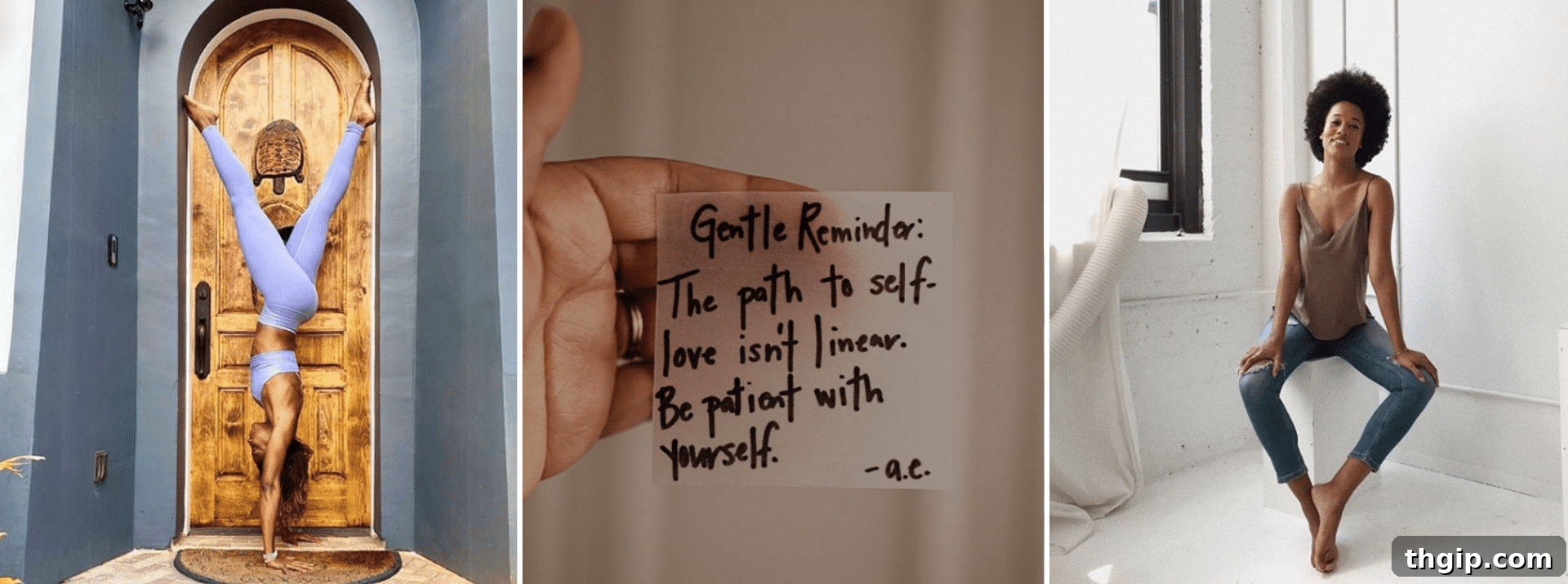
Koya Webb – Koya is an extraordinarily inspiring voice within the global wellness community! As a renowned yoga teacher, holistic health coach, accomplished author, and captivating speaker, she passionately advocates for several crucial elements of well-being: authentic self-care, sustainable eco-friendly living, robust mental health, and the urgent need for social justice. Her powerful message resonates deeply. Discover more about her insights in their episode on the podcast.
Alex Elle – Alex is unequivocally one of my absolute favorite follows on Instagram. She radiates such profound light and wisdom within that digital space, and her written words are consistently potent and deeply moving! Alex is a celebrated author and a compassionate wellness consultant who adeptly teaches workshops and facilitates transformative retreats. Her core mission is dedicated to fostering genuine community and empowering individuals through accessible self-care practices. She is also the prolific author of multiple highly acclaimed books – I cannot recommend her work enough!
Lauren Ash – Lauren stands as a true trailblazer within the wellness landscape, particularly for the Black community. She is the visionary founder of Black Girl in Om, a transformative platform where she thoughtfully curates content and designs experiences that speak directly to the hearts and minds of Black women and women of color. Lauren is an exceptional meditation guide, an inspiring yoga instructor, a sought-after speaker, and the engaging host of the insightful Black Girl Om podcast.
Latham Thomas – Latham is powerfully reshaping the critical conversation surrounding women’s health, particularly concerning childbirth and reproductive justice. She is the visionary founder of Mama Glow, a pioneering company dedicated to providing comprehensive support to women throughout their journeys of fertility, pregnancy, birth, and into the transformative phase of new motherhood. Beyond her foundational work, she also powerfully leverages her voice to educate on the systemic injustices faced by Black women in fertility and childbirth. Delve deeper into her insights by listening to their episode on the podcast.
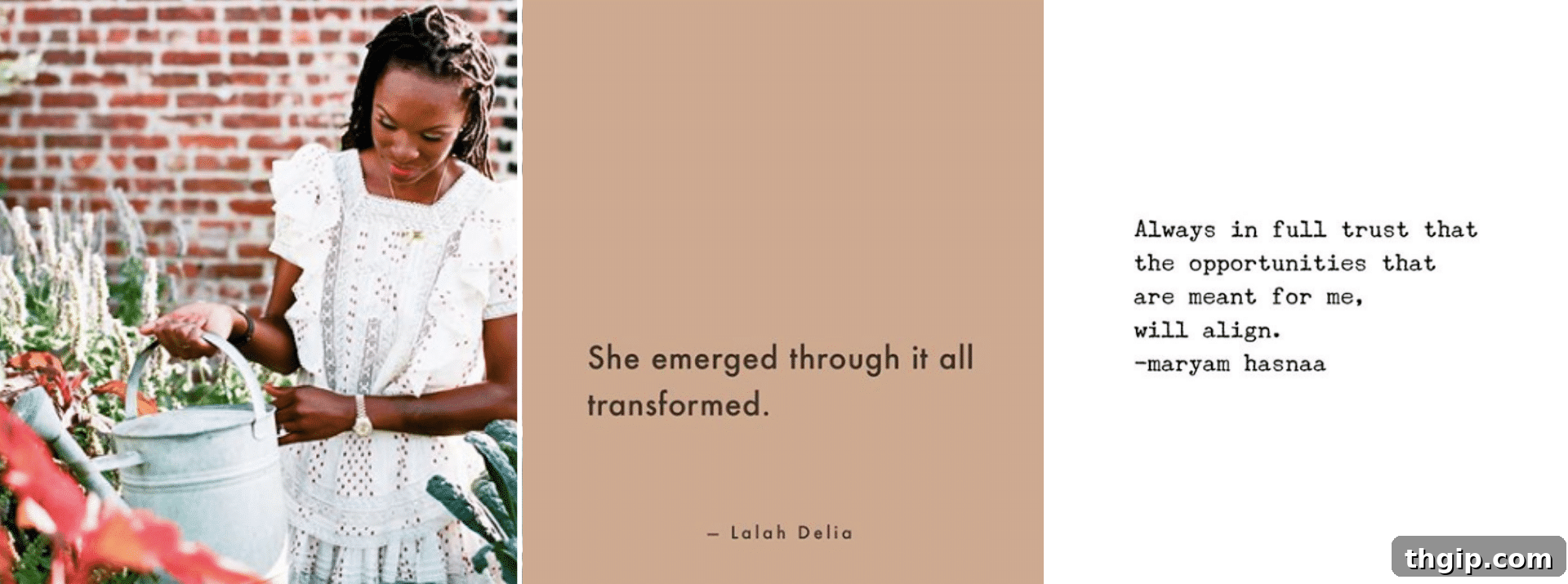
Lalah Delia – Lalah is the inspirational founder of Vibrate Higher Daily, a transformative wellness company committed to guiding individuals toward embracing a life of higher vibration and greater fulfillment. Through her profound teachings, she empowers people to reconnect with their inherent power and return to their most authentic, whole selves.
Maryam Hasnaa – Maryam’s profound focus centers on empowering others to authentically live their soul’s unique purpose – a truly inspiring philosophy! She masterfully integrates ancient wisdom with contemporary insights to facilitate deep, transformative healing experiences for her students.
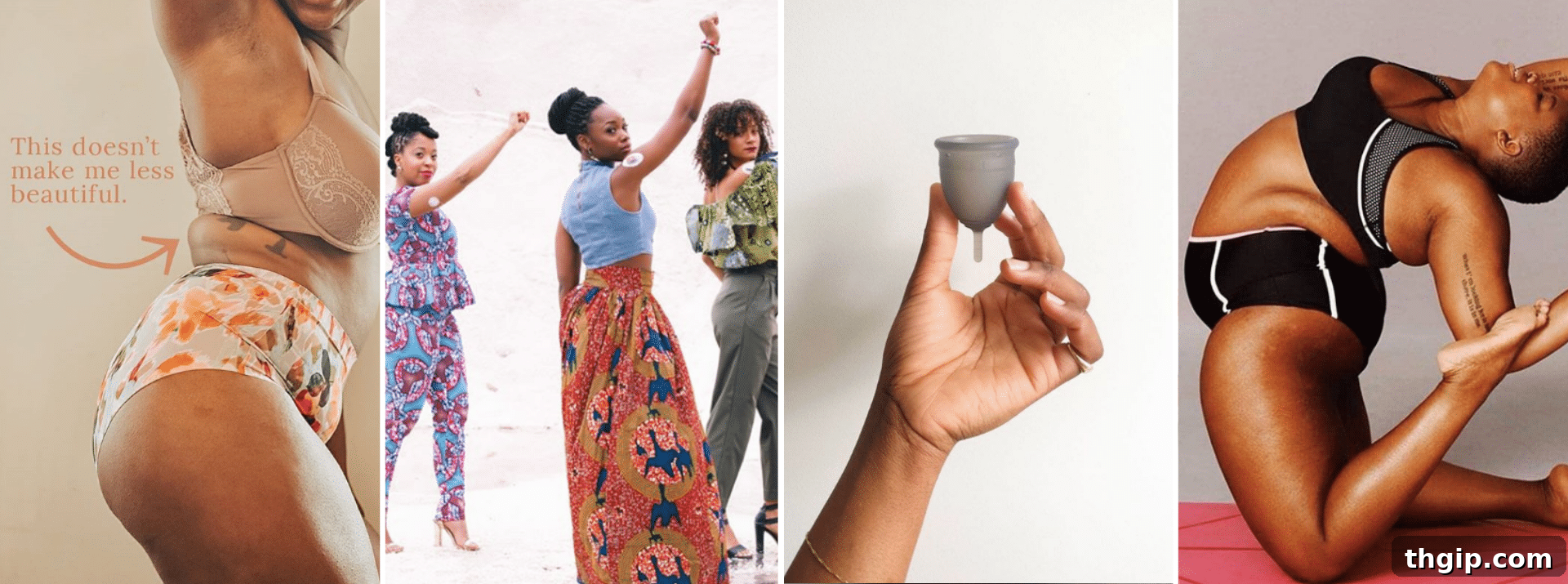
Tiffany Ima – I am profoundly moved and wholeheartedly support Tiffany’s message! She consistently shows up with her real, authentic voice and image, courageously helping others to embrace and celebrate their bodies without reservation. She generously shares simple, yet powerful, tips designed to cultivate genuine body confidence and empower women to blossom into the vibrant individuals they’ve always envisioned becoming. Listen to their episode on the podcast for more of her wisdom.
Arielle Lawrence – Our conversation with Arielle remains incredibly impactful and I still reflect on it regularly! Having lived with diabetes for over 12 years, Arielle has courageously made it her life’s mission to utilize her powerful platform, Just a Little Suga’, to provide vital support and crucial education to people of color concerning diabetes. Her work is profoundly important and desperately needed! Hear more of her story and insights in their episode on the podcast.
Erica Chidi – Erica’s dedication to reproductive health began powerfully as a doula working within the San Francisco prison system, supporting pregnant inmates. She has since co-founded LOOM, an innovative platform designed to “empower people as they navigate their sexual and reproductive experience.” Erica is deeply passionate about helping individuals cultivate profound body literacy and embrace sex positivity. For those navigating pregnancy, her acclaimed book, “Nurture: A Modern Guide to Pregnancy, Birth and Early Motherhood,” is an indispensable resource.
Jessamyn Stanley – I deeply admire Jessamyn and her transformative message of radical body positivity. As an influential yoga teacher, she intentionally structures her classes around principles of body acceptance and self-love, consistently encouraging students to prioritize the question, “How do I feel?” over the often-limiting inquiry, “How do I look?” Dive into her inspiring philosophy by listening to their episode on the podcast.
* * * * *
The path toward creating a wellness space that is truly equitable, just, and universally accessible is undeniably long and demanding. I personally recognize and embrace the immense work that lies ahead for me to unravel my own unconscious biases and dismantle the ways in which I have unwittingly benefited from white privilege. However, I am a steadfast believer in a fundamental truth: none of us can genuinely achieve “wellness” if only some of us have the privilege of being well. Our collective well-being is intrinsically linked.
We are presented with an unparalleled opportunity to fundamentally redefine what wellness truly signifies. We have the chance to expand its scope far beyond the often-individualistic notion of “self-care” to encompass a radical commitment to “all care” – care for ourselves, for our communities, and for the systemic changes necessary to ensure equity for every human being. This is not a fleeting trend but a profound, enduring process to which we are fully committed. We sincerely hope that you, too, will join us in this essential and transformative journey.