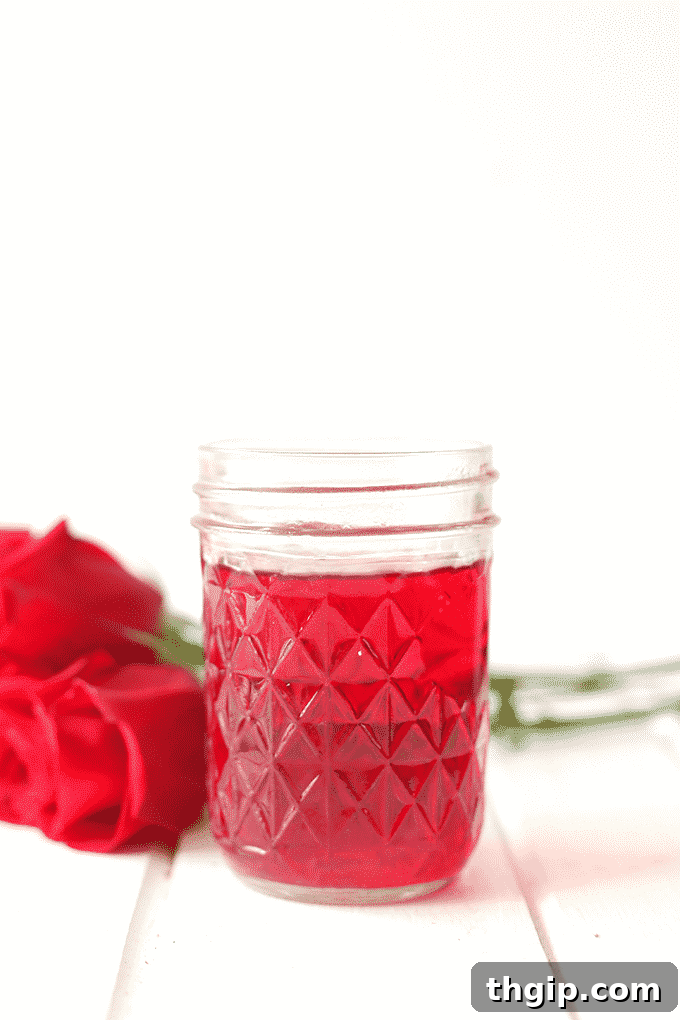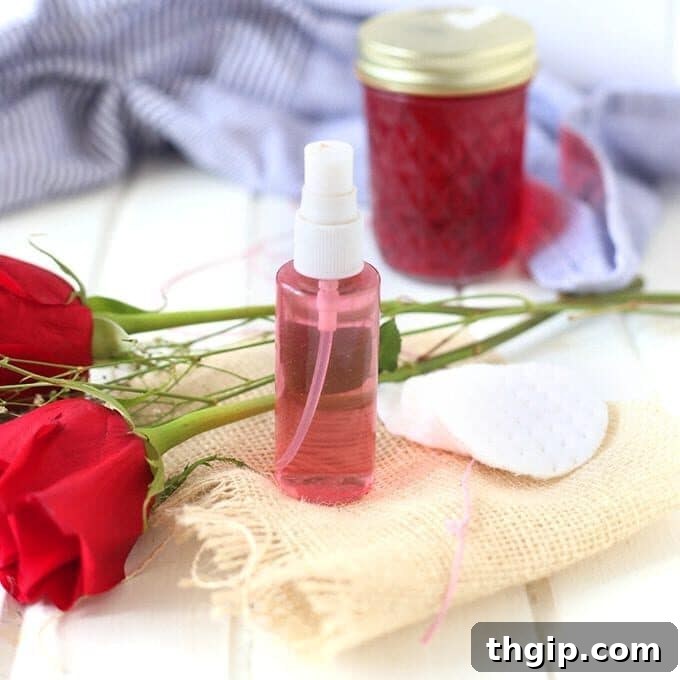
Discover the timeless beauty secrets and therapeutic wonders of Rose Water. This comprehensive guide will not only empower you with a step-by-step tutorial on how to make your own nourishing homemade rose water but also unveil its myriad benefits for skin and wellness, along with a simple DIY Rosewater Face Toner recipe. Embrace the elegance and efficacy of natural skincare by creating this essential elixir at home.
Unlock the soothing, hydrating, and rejuvenating power of roses. Read on to master the art of making this luxurious rose water right in your kitchen!
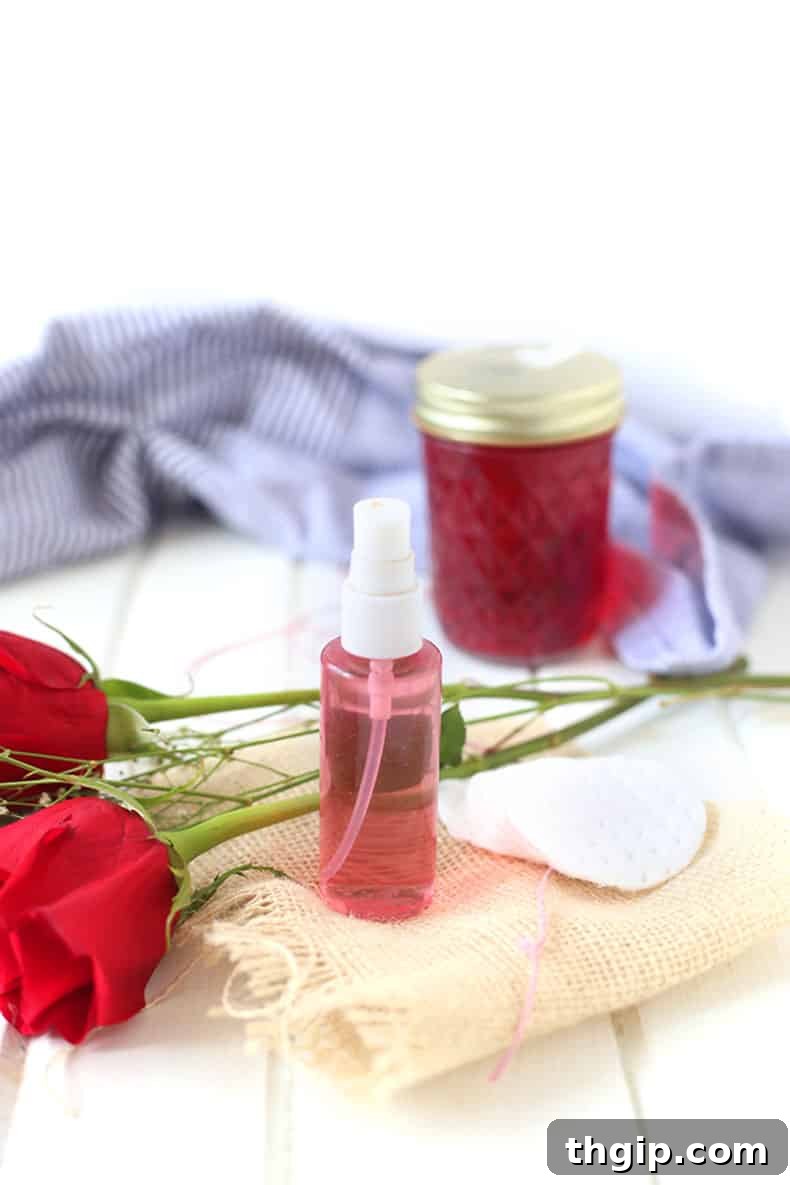
Table of Contents
- Introduction to Rose Water: The Age-Old Elixir
- Watch the Video: How to Make Rose Water
- What Exactly is Rose Water?
- Unveiling the Remarkable Benefits of Rose Water
- Essential Ingredients for Homemade Rose Water
- How to Incorporate Rose Water into Your Daily Routine
- Storing Your Homemade Rosewater
- How Long Does Homemade Rosewater Last?
- Explore More Natural Skincare Recipes
- Homemade Rose Water Recipe
- DIY Rosewater Face Toner Recipe
For those who appreciate the beauty of crafting things from scratch, the world of DIY offers endless satisfaction. Whether it’s brewing homemade kombucha or creating soothing bath salts, the process of making something with your own hands is truly rewarding. This homemade rose water is no exception, bringing both simplicity and luxury into your self-care regimen.
In this guide, we’ll delve into everything you need to know about rose water. You’ll not only receive a clear, step-by-step tutorial on how to make your own potent rose water but also uncover its incredible benefits and diverse uses, including a special recipe for a refreshing DIY rose water face toner. Get ready to transform your skincare routine with this natural marvel.
Introduction to Rose Water: The Age-Old Elixir
Rose water, an ancient beauty secret, has been cherished across cultures for centuries for its aromatic scent and therapeutic properties. From Cleopatra’s beauty rituals to traditional Persian and Indian medicine, this gentle botanical extract has earned its place as a cornerstone of natural wellness. Today, its popularity continues to soar, especially among those seeking natural, effective solutions for skincare.
Making rose water at home is surprisingly simple and incredibly cost-effective. Why spend a premium on commercial products when you can create a pure, fresh, and potent version yourself? This article will guide you through the process, ensuring you can harness the full power of roses for your skin and senses.
A Highly-Rated Recipe You’ll Love!
This rose water recipe has garnered 5 stars from over 30 reviews! Here’s what one happy user, Ryan, had to say:
“This turned out fantastic! Thank you very much!!”
Watch the Video: How to Make Rose Water
For a visual guide, follow along with my step-by-step video demonstration on how to craft your very own rose water. It’s easier than you think!
What Exactly is Rose Water?
At its core, rose water is precisely what its name implies: the fragrant hydrosol derived from distilling fresh rose petals with pure water. It’s not merely water infused with rose scent; rather, it’s a delicate liquid that carries the essence, beneficial compounds, and subtle fragrance of roses. The traditional method involves steam distillation, where steam passes through rose petals, collecting the volatile essential oils and water-soluble compounds, which then condense into rose water and rose essential oil.
While often utilized in various cuisines for its unique floral flavor, particularly in Middle Eastern and Indian dishes, its most celebrated applications lie within the realm of skincare and aromatherapy. People swear by its efficacy for a range of skin concerns, yet many commercial versions can be quite expensive. Fortunately, creating your own homemade rose water is an accessible and economical alternative, allowing you to enjoy its pure benefits without the hefty price tag. For the cost of a single small store-bought bottle, you can make several batches at home, ensuring freshness and quality.
Unveiling the Remarkable Benefits of Rose Water
Rose water is truly a powerhouse ingredient in natural skincare, boasting an impressive array of therapeutic properties that cater to various skin types and concerns. Its gentle yet effective nature makes it a versatile addition to any beauty regimen.
- Balances Skin’s pH: Our skin has a natural pH of around 4.5-5.5. Many conventional cleansers can disrupt this delicate balance, leading to dryness, irritation, or excessive oil production. Rose water helps to restore the skin’s optimal pH level, promoting a healthier skin barrier.
- Soothes Skin Irritation: Renowned for its calming properties, rose water is excellent for soothing inflamed and irritated skin. It can alleviate discomfort from sunburn, mild rashes, and general sensitivity.
- Reduces Redness and Inflammation: Thanks to its potent anti-inflammatory and antibacterial compounds, rose water is incredibly effective at reducing redness associated with various skin conditions, including acne, rosacea, and eczema. It calms the skin and minimizes visible signs of inflammation.
- Possesses Antioxidant Properties: Rose petals are rich in antioxidants, which help protect skin cells from damage caused by free radicals and environmental aggressors like pollution and UV radiation. This protective action contributes to healthier, more resilient skin.
- Offers Hydration and Toning: As a natural humectant, rose water helps to attract and lock moisture into the skin, leaving it feeling soft and supple. It also acts as a mild astringent, helping to tighten pores and give the skin a smoother, more refined appearance.
- May Reduce Fine Lines and Wrinkles: The antioxidant content and hydrating abilities of rose water contribute to its potential anti-aging effects. By protecting skin from damage and keeping it well-hydrated, it can help diminish the appearance of fine lines and promote a more youthful complexion.
- Has Antiseptic and Antibacterial Qualities: Rose water can help cleanse the skin and prevent infections, making it beneficial for mild acne and promoting a clear complexion. Its antiseptic nature aids in maintaining skin hygiene.
- Enhances Mood and Reduces Anxiety: Beyond its topical benefits, the exquisite scent of rose is a well-known aromatherapy agent. Inhaling its delicate fragrance has been shown to have calming effects, helping to reduce stress and anxiety, promoting a sense of well-being and relaxation.
[Source: Healthline]
Essential Ingredients for Homemade Rose Water
Crafting your own pure rose water is incredibly straightforward, requiring just two primary ingredients. The key to a high-quality product lies in selecting the best possible components.
- Fresh Rose Petals: This is arguably the most crucial ingredient.
- Type of Roses: While any fragrant rose can be used, varieties like Damask roses (Rosa damascena) and Centifolia roses (Rosa centifolia) are traditionally favored for their intense fragrance and therapeutic properties.
- Organic is Key: Always prioritize organic, pesticide-free roses. Since the rose water will be applied to your skin, it’s vital to avoid any chemical residues. If you’re unsure, ask your florist or source from a trusted garden.
- Harvesting: The best time to harvest rose petals is in the early morning, just after the dew has evaporated, when their fragrance is at its peak.
- Preparation: Gently remove the petals from the stems, discarding any green parts or stamens, as these can impart a bitter scent. Rinse the petals thoroughly under lukewarm water to remove any dirt, grime, or small insects. Ensure they are free from mold or any signs of decay.
- Distilled Water: The choice of water significantly impacts the purity and shelf life of your rose water.
- Purity Matters: Distilled water is highly recommended because it’s free from minerals, impurities, and chlorine found in tap water. These contaminants can alter the quality, scent, and stability of your rose water, potentially reducing its shelf life or causing skin irritation.
- Alternative (Distillation Method): If distilled water isn’t available, you can use filtered tap water, but you’ll need to employ a specific distillation method (where you invert the pot lid and place a bowl in the center to collect condensed pure rose water). However, for the simple simmering method described in this recipe, distilled water is essential for the best results.
How to Incorporate Rose Water into Your Daily Routine:
Once you’ve made your batch of fresh, homemade rose water, you’ll find countless ways to integrate this versatile elixir into your daily self-care rituals. Here are some of my favorite methods:
1. As a Natural Skin Toner: This is, by far, the most popular and effective use for rose water. After cleansing your face, apply rose water with a cotton pad or spritz directly onto your skin. It helps to remove residual impurities, minimize the appearance of pores, and prepare your skin to better absorb serums and moisturizers. While apple cider vinegar can also serve as a toner, rose water offers the delightful bonus of a beautiful fragrance, making your routine a truly sensory experience.
2. A Luxurious Bath Additive: Elevate your bath time into a spa-like retreat. Add about a cup of rose water to your bathwater for an extra boost of hydration and a truly relaxing aromatherapy experience. The subtle scent calms the mind, while the rose compounds work to soothe and soften your skin.
3. A Gentle Natural Perfume: Move away from harsh, synthetic fragrances. Rose water makes for an exquisite, all-natural perfume. Its delicate and enchanting scent is subtle yet captivating, offering a refreshing and clean fragrance that is much gentler on the skin and senses than conventional perfumes. Simply spritz onto pulse points or all over your body for a fresh, floral aroma.
4. Face Refresher and Makeup Setter: Keep a spray bottle of rose water handy throughout the day. A quick mist can instantly refresh your complexion, especially during that common 3:00 PM slump, or whenever you need a mood lift. It’s also excellent as a makeup setting spray, helping to give your skin a dewy finish and extending the wear of your makeup. Its cooling sensation is particularly invigorating on warm days.
5. Ingredient in DIY Face Masks and Hair Rinses: Incorporate rose water into your homemade face masks for added benefits. Its anti-inflammatory properties can enhance clay masks or oatmeal masks. For hair, use it as a final rinse after shampooing to add shine, soothe an irritated scalp, and leave your hair with a beautiful, natural scent.
These are just a handful of the many applications for rose water. Now that you know how to create this incredibly easy and affordable version, I encourage you to experiment and discover your own favorite ways to use it! For a tried-and-true starter, definitely give my DIY Rose Water Face Toner a try. You’re bound to fall in love with its simplicity and effectiveness (roses included, of course).
How to Store Rosewater:
To maximize the freshness and efficacy of your homemade rose water, proper storage is crucial. Since this recipe yields a generous batch, storing it correctly ensures it remains potent for as long as possible. Always pour your finished rose water into clean, sterilized glass jars or spray bottles. Dark amber or cobalt blue glass containers are ideal as they help protect the rose water from light exposure, which can degrade its beneficial compounds.
Store your rose water in the refrigerator. The cool temperature helps to inhibit bacterial growth and maintain its freshness, preventing spoilage and preserving its delicate aroma and therapeutic properties. Before each use, give the bottle a gentle shake.
How Long Does Homemade Rosewater Last?
When stored correctly in a clean, sterilized, and airtight glass jar or bottle in the refrigerator, your homemade rose water can last for an impressive period of up to 6 months. This extended shelf life makes preparing larger batches worthwhile. However, it’s always a good practice to use your senses to determine if it’s still good. If you notice any changes in scent (it smells off or sour), color (discoloration), or if any sediment appears, it’s best to discard the batch and prepare a fresh one. Sterilizing your containers thoroughly before filling them is key to achieving this maximum shelf life.
Explore More Natural Skincare Recipes
If you’re passionate about creating your own natural beauty products, explore these other fantastic DIY skincare recipes:
- Homemade Natural Deodorant
- How to Make a Sugar Scrub
- DIY Lip Scrub
- How to Make Bath Salts
- DIY Salt Scrub
Print Recipe
Homemade Rose Water Recipe
5 Stars 4 Stars 3 Stars 2 Stars 1 Star
4.7 from 29 reviews
Learn all the incredible benefits of natural Rose Water and how effortlessly you can make it at home! This guide includes a detailed, step-by-step tutorial for crafting your own pure rose water, along with a refreshing DIY Rosewater Face Toner recipe. Embrace the power of nature for radiant skin!
- Author: Davida Lederle
- Prep Time: 5 minutes
- Cook Time: 25 minutes
- Total Time: 30 minutes
- Yield: 1.5 litres 1x
- Category: Skincare
- Method: Boil
Ingredients
Scale
For the Homemade Rose Water:
- Organic Rose Petals (use as many as you like; approximately 7 stems of fragrant roses yields a good batch)
- Distilled Water (enough to just cover the rose petals, typically about 1.5 liters for 7 stems)
For the Homemade Rosewater Face Toner:
- 1 tbsp pure homemade rose water (prepared using the recipe above)
- About 4 tbsp of distilled water (or enough to fill your spray bottle, adjusting to desired potency)
- 1 2.5 ounce (approx. 75ml) spray bottle
Instructions
For the Homemade Rose Water:
- Prepare the Petals: Gently remove the petals from the rose stems. Rinse them thoroughly under lukewarm water to remove any dirt, dust, or potential residues. Ensure they are clean and free from any unwanted debris.
- Combine in Pot: Place the cleaned rose petals into a large, clean pot. Pour just enough distilled water over the petals to fully cover them. Avoid adding too much water, as this can dilute the potency of your final rose water.
- Simmer: Place the pot on your stovetop and bring the water to a gentle simmer over medium-low heat. Once simmering, cover the pot with a lid to trap the steam and beneficial compounds.
- Infuse: Allow the mixture to simmer for approximately 20-30 minutes. You’ll know it’s ready when the rose petals have visibly lost their vibrant color, turning a pale pink or almost white, indicating that their essence has been transferred to the water.
- Strain: Carefully remove the pot from the heat. Strain the rose water mixture through a fine-mesh sieve or cheesecloth into a large, clean bowl. This will separate the spent petals from the liquid.
- Store: Discard the used rose petals. Pour the cooled rose water into a clean, sterilized glass jar or bottle. Seal it tightly and store it in the refrigerator.
For the Homemade Rose Water Face Toner:
- Mix Ingredients: In your chosen 2.5-ounce spray bottle, combine 1 tablespoon of your freshly made pure rose water with approximately 4 tablespoons of distilled water. You can adjust the ratio to achieve your preferred strength.
- Shake and Apply: Secure the lid on the spray bottle and shake gently to mix the ingredients. To apply, mist the toner directly onto your clean face, or spray it onto a cotton pad and gently wipe your face to remove any lingering impurities and refresh your skin.
*Note: Using about 7 rose stems typically yields around 1.5 litres of rose water. This may seem like a large quantity, but it stores well in the refrigerator for an extended period. Always ensure it’s kept in a sealed, sterilized glass container until you’re ready to use it, maintaining its purity and freshness.