
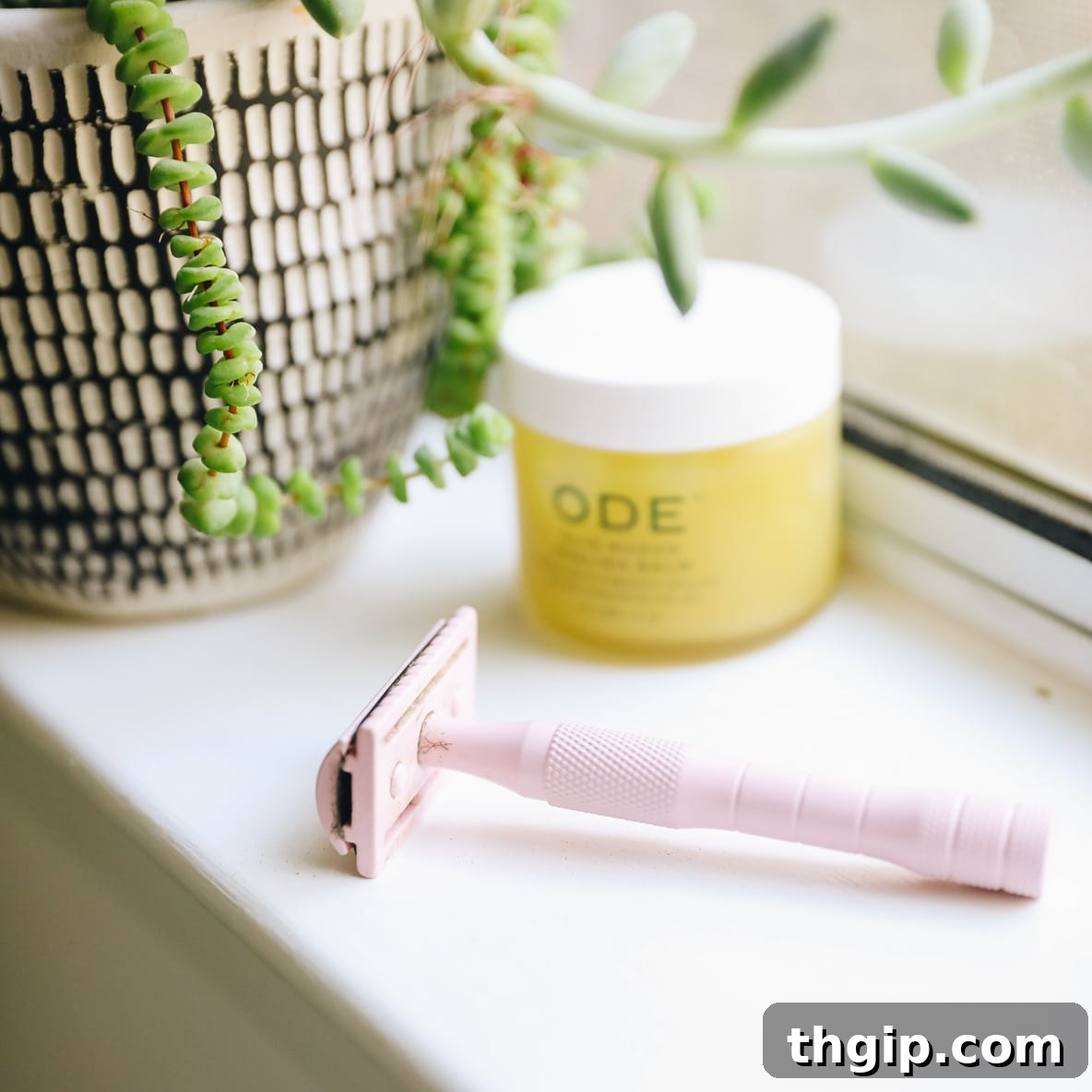
Mastering the Safety Razor: Your Ultimate Guide to Sustainable & Smooth Shaving
Are you tired of constantly buying expensive, plastic-laden disposable razors that clog landfills and leave your skin irritated? The modern shaving experience, with its multi-blade cartridges and endless waste, often falls short of delivering a truly comfortable and eco-conscious shave. If you’re seeking a more sustainable, economical, and skin-friendly alternative, it’s time to discover the timeless elegance and superior performance of the safety razor.
For many, the thought of switching to a single-blade razor can be intimidating. I admit, it took me a while to overcome my own hesitations. Seeing the thin, sharp blades and the assembly process initially felt daunting, evoking fears of nicks and cuts. There’s also a common misconception that safety razors are exclusively for men – a notion that couldn’t be further from the truth! In reality, safety razors offer an unparalleled shaving experience for everyone, regardless of gender, promising a closer shave with less irritation.
Before we dive in, a quick note on body hair: shaving is, of course, a completely personal choice. Whether you choose to shave some, all, or none of your body hair, and how frequently you do so, is entirely up to you. This guide is here to empower those who choose to shave with a superior tool and technique, ensuring comfort, efficacy, and environmental responsibility. Ready to make the switch and transform your shaving routine into a luxurious ritual?
What Exactly is a Safety Razor?
The safety razor isn’t a new invention; it’s a classic tool that predates modern cartridge razors, making its debut in the late 19th century. Its name originated from the fact that it offered a significantly “safer” shaving experience at home compared to the straight razors typically wielded by barbers. At its core, a safety razor consists of a durable handle and a head that securely holds a single, very sharp, double-edged blade.
Unlike contemporary multi-blade razors that tug at your hair and skin, a safety razor uses a single, exposed blade to slice through hair cleanly and efficiently. The blade itself is typically made of stainless steel, offering durability and sharpness. The design of the razor head, specifically the “comb” or guard bar, is what dictates the level of blade exposure and, consequently, the razor’s aggressiveness. This ingenious design prevents the blade from making deep cuts while still providing an incredibly close shave.
Understanding Different Safety Razor Head Types
Safety razors come in several common designs, each offering a slightly different shaving experience:
- Closed Comb (or Straight Bar): This is the most common and generally recommended type for beginners, especially for women. The guard bar features a straight, solid edge (sometimes with small ridges or scallops), which gently stretches the skin and creates a protective barrier between the blade and your skin. This design minimizes blade exposure, making it less aggressive and more forgiving, ideal for daily shaving and finer hair.
- Open Comb: Featuring a toothed or “comb-like” guard bar, open comb razors expose more of the blade to the skin. This makes them more aggressive and highly effective at tackling thicker, coarser hair or for those who shave less frequently. They provide a very close shave but require a more experienced hand and a lighter touch.
- Adjustable: These innovative razors allow you to change the blade gap and exposure, effectively letting you customize the aggressiveness of your shave. This means you can dial it up for thicker hair or a super-close shave, and dial it down for sensitive areas or daily maintenance. They offer versatility but often come at a higher price point.
- Butterfly (or TTO – Twist-to-Open): This refers to the loading mechanism, not necessarily the head type. Butterfly razors feature doors that open at the top of the head with a twist of the handle, allowing for easy and quick blade changes without disassembling the entire razor. While convenient, some argue they may have less precise blade alignment than multi-piece designs.
The best safety razor blade for women typically features a closed comb design for its gentleness and often comes with a slightly longer handle for easier reach and grip when shaving larger body areas like legs.
Why Make the Switch to a Safety Razor?
The benefits of adopting a safety razor extend far beyond just achieving a smooth shave. It’s a holistic upgrade that impacts your wallet, your skin, and the planet.
Sustainability: A Greener Shave for a Cleaner Planet
One of the most compelling reasons to switch to a safety razor is its undeniable environmental advantage. Conventional disposable razors and cartridge heads are primarily made of plastic, a material that takes hundreds of years to decompose. Billions of these plastic razors end up in landfills every year, contributing to plastic pollution in our oceans and ecosystems. They are rarely recyclable through standard curbside programs due to the mix of materials and sharp blades.
In contrast, safety razors are a beacon of sustainability. The razor handle itself is built to last a lifetime, often crafted from durable metals like stainless steel, brass, or chrome. The only component you replace is the thin, double-edged blade, which is made entirely of metal. These blades are 100% recyclable. Once dull, they can be collected in a blade bank (a small, sealed container) and then recycled as scrap metal. This drastically reduces your waste footprint, moving you towards a truly zero-waste personal care routine.
Cost Savings: Smart Shaving for Your Wallet
While the initial investment in a quality safety razor handle might be slightly higher than a pack of disposables, the long-term savings are substantial. Multi-blade cartridge refills are notoriously expensive, often costing several dollars per cartridge. This pricing model means you’re continuously paying a premium for proprietary technology.
Safety razor blades, however, are incredibly affordable. They typically cost around 10 to 20 cents each when purchased in bulk packs. Considering you might use one blade for 5-10 shaves, your annual cost for blades could be as low as $10-20. Compare that to the hundreds of dollars many spend annually on cartridge refills, and the financial benefits become crystal clear. Over time, a safety razor pays for itself many times over.
Superior Shave Quality & Skin Benefits
Beyond the environmental and economic perks, the most tangible benefit is the quality of the shave itself. Multi-blade cartridge razors are designed to pull the hair up and cut it below the skin’s surface. While this might feel smooth initially, it often leads to common shaving woes:
- Reduced Irritation and Razor Burn: A single, sharp blade glides smoothly over the skin, cutting the hair at the surface without tugging or causing friction. This minimizes irritation, redness, and the dreaded razor burn, especially for those with sensitive skin.
- Fewer Ingrown Hairs: Cartridge razors, by cutting hair beneath the skin, can cause the hair to curl back into the follicle as it grows, leading to painful ingrown hairs. A single-blade safety razor cuts the hair cleanly at the surface, significantly reducing the likelihood of ingrown hairs.
- Closer, Smoother Shave: With proper technique, a safety razor provides an incredibly close and long-lasting shave. The precise cutting action leaves your skin feeling exceptionally smooth without the need for multiple passes that irritate the skin.
- Improved Skin Health: By reducing irritation and ingrown hairs, and often encouraging the use of higher-quality shave preparations, safety razors can contribute to overall healthier skin.
Essential Tips for Using a Safety Razor: A Beginner’s Guide
Switching to a safety razor requires a slight adjustment in technique, but it’s a skill easily mastered. Forget everything you learned from cartridge razor commercials; safety razor shaving is a gentle art. Here’s how to get started:
1. Preparation is Key
A good shave starts long before the blade touches your skin. Always shave on clean, hydrated skin. The best time to shave is after a warm shower or bath, as the steam helps to soften your hair and open up your pores. You can also apply a warm, damp cloth to the area for a few minutes. Consider a gentle exfoliation beforehand to remove dead skin cells and lift hairs, ensuring a smoother glide.
2. Loading the Blade Safely
This is often the most intimidating part for newcomers, but rest assured, with caution, it’s perfectly safe. Safety razor blades are incredibly thin and sharp, so handle them only by their dull edges. If your razor is a three-piece design, unscrew the handle, lift the top plate, place the blade on the posts, then reassemble. For butterfly razors, twist the bottom of the handle to open the head, insert the blade, and twist to close. Always go slowly and deliberately. Remember, you won’t cut yourself if you’re careful and keep your fingers away from the sharp edges.
3. Master the Angle (The 30-Degree Sweet Spot)
This is perhaps the most crucial technique. Unlike cartridge razors which are designed to be used flat against the skin, a safety razor requires a specific angle. Aim for approximately a 30-degree angle between the blade and your skin. To find this, place the razor head flat against your skin (90 degrees), then slowly tilt the handle down until the blade just begins to make contact and cut the hair. You should hear a gentle “slicing” sound. Practice on a less sensitive area first, like your forearm or shin.
4. Short, Light, and Controlled Strokes
Forget the long, sweeping strokes you used with disposable razors. With a safety razor, use short, controlled movements, typically no more than a few inches at a time. The weight of the razor itself is enough to provide pressure; you do not need to press hard. Let the razor glide effortlessly. Aggressively pressing down is the quickest way to cause irritation or nicks. Think of it as gently “wiping” the hair away.
5. Shave With the Grain First
For your first pass, always shave with the grain (in the direction your hair grows). This provides the most comfortable shave and significantly reduces the risk of irritation and ingrown hairs. If you desire an even closer shave, re-lather and then proceed with a second pass across the grain or even against the grain, but only if your skin can tolerate it without irritation. Listen to your skin!
6. Use a Quality Shave Lubricant
This is non-negotiable. A good shave lubricant creates a protective layer, allowing the blade to glide smoothly without dragging or catching. While traditional shaving creams work, I personally prefer shave oils or gels, especially for sensitive skin. They tend to be free of unnecessary additives and provide excellent glide and moisture. My favorite is the Oui The People Shave Gel, which transforms into a milk, leaving skin incredibly soft and hydrated. Look for products that nourish your skin while preventing irritation, ingrown hairs, and razor bumps.
7. Rinse and Post-Shave Care
Rinse your razor head frequently under running water to clear away hair and lather, ensuring optimal blade performance. After shaving, rinse your skin with cool water to close pores. Gently pat your skin dry (don’t rub!) and apply a soothing, alcohol-free aftershave balm or moisturizer. This step is crucial for replenishing moisture and calming the skin, preventing dryness and irritation.
How Often to Switch Your Blades
The lifespan of a safety razor blade varies depending on several factors, including your hair thickness, shaving frequency, and personal preference for sharpness. Generally, it’s recommended to switch out your blade after roughly 5-10 shaves. For women who shave larger surface areas like legs, you might find you need to change your blade more frequently, perhaps every 3-5 shaves, or less often if you shave infrequently and have finer hair.
A dull blade is your enemy; it will tug and pull, leading to irritation and a less effective shave. Pay attention to how the blade feels. If it starts to drag or doesn’t glide smoothly, it’s time for a fresh one. Always dispose of used blades safely in a dedicated blade bank or a sturdy container before recycling.
Choosing the Best Safety Razor for You
Selecting the right safety razor involves considering your personal needs, shaving habits, and aesthetic preferences. Here are key factors to consider, along with some highly recommended brands to get you started on your sustainable shaving journey:
Factors to Consider When Buying a Safety Razor:
- Handle Length and Weight: Longer handles can be easier to maneuver for body shaving, while heavier razors often provide better balance and require less pressure.
- Head Type (Aggressiveness): As discussed, closed comb is great for beginners and sensitive skin, while open comb offers a more aggressive shave for thicker hair. Adjustable razors provide the most versatility.
- Material and Finish: Razors come in various materials like stainless steel, brass, chrome, and aluminum. Stainless steel is durable and corrosion-resistant. The finish can affect grip and aesthetics.
- Loading Mechanism: Three-piece razors (handle, base plate, top cap) are common and provide precise blade alignment. Butterfly (TTO) razors are convenient for quick blade changes.
- Price Point: There are excellent entry-level razors, and more premium options made from high-grade materials. Consider your budget and how much you’re willing to invest in a lifelong tool.
Top Safety Razor Recommendations:
- Well Kept: What I currently use and absolutely love. This women-owned Canadian brand offers beautifully designed, high-quality razors that feel wonderful in hand. While a little pricier, their commitment to aesthetics and performance makes them a fantastic investment for those looking for a luxurious and sustainable shaving experience.
- OUI the People: Another outstanding women-owned brand that focuses on inclusive beauty and superior skincare. Their “Rose Gold Sensitive Skin Razor” is specifically designed to minimize ingrown hairs and irritation, making it an excellent choice for those with sensitive skin. They also offer a fantastic range of complementary shave accessories and body care products.
- West Coast Shaving: This is my husband’s go-to brand, and they offer an extensive selection of safety razors, including models with longer handles specifically designed for women. Their range caters to all experience levels and budgets, from beginner-friendly options to more advanced razors. It’s a great place to explore various styles and find what fits you best.
- Merkur: With a legacy dating back to the 1800s, Merkur is one of the most well-known and respected names in traditional shaving. Renowned for their German engineering and precision, Merkur offers a wide variety of styles, including closed comb, open comb, and adjustable models. Many of their razors feature longer handles, making them suitable and comfortable for women’s body shaving. They are a reliable choice for quality and performance.
Making the switch to a safety razor is more than just changing a tool; it’s adopting a mindful approach to personal care that benefits your skin, your wallet, and the planet. With a little practice and patience, you’ll discover a shaving experience that is not only superior in results but also deeply satisfying and sustainable. Say goodbye to plastic waste, razor burn, and expensive cartridges, and embrace the smooth, eco-friendly future of shaving.
Like this post? Here are some others you might enjoy:
- What is gua sha and how does it work?
- What is oil cleansing?
- Avoid these ingredients in your makeup products