
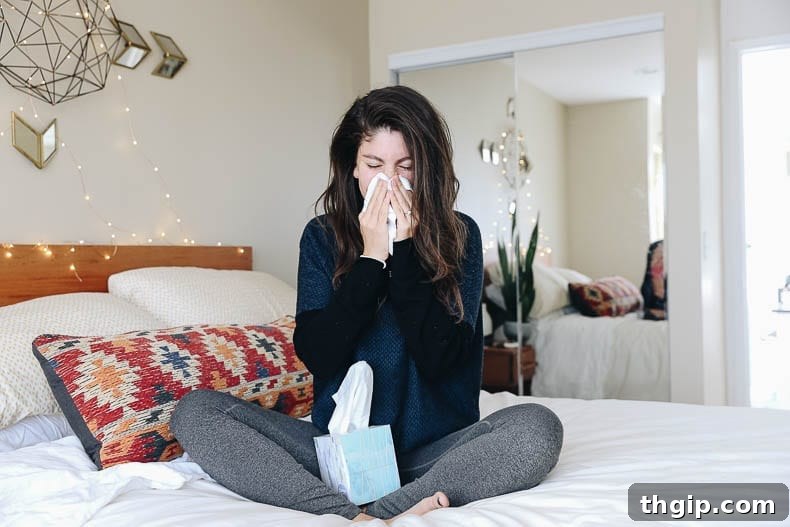
The journey to San Francisco was nothing short of a dream come true – a truly transformative experience that exceeded every expectation. While the actual process of moving had its undeniable challenges (it was tough, to say the least), settling into life in this vibrant city has affirmed that we made the right decision. However, this idyllic new chapter came with an unexpected twist: a relentless battle with what I initially thought were seasonal allergies, but which quickly proved to be a year-round struggle.
Almost immediately after our arrival, my allergies declared war. Back in Toronto, my encounters with allergies were confined to a few weeks in spring (April/May) and another brief period in fall (September). They were generally manageable, requiring medication only on particularly severe days. California, however, presented a completely different scenario. I’ve often quipped that I’ve developed an allergy to California itself!
Fortunately, things have significantly improved since those initial challenging months. While I still experience occasional rough days, the need for conventional allergy medication has diminished drastically, usually reserved only for periods of exceptionally high pollen counts. Interestingly, a curious pattern emerged: my symptoms often intensify when I return to San Francisco after a trip, almost as if my body needs to re-acclimate to the local air. My allergy symptoms are quite typical: persistent itchy, watery eyes, throbbing sinus headaches, and bothersome post-nasal drip.
My desire to avoid the grogginess and dry mouth associated with many over-the-counter antihistamines fueled my quest for natural solutions. I strongly believe in the importance of outdoor activity and refuse to let allergies dictate my lifestyle. Consequently, I’ve delved deep into managing my year-round allergies through a combination of dietary adjustments, targeted supplementation, and specific lifestyle modifications. While I resort to conventional allergy medication perhaps 3-4 times a year when symptoms are truly overwhelming, my preferred approach prioritizes these natural methods. I want to emphasize that there’s absolutely nothing wrong with using medication; for me, the side effects simply outweigh the benefits for daily use. My personal journey has involved extensive experimentation with various holistic treatments for hay fever symptoms, allowing me to compile a list of 7 natural allergy relief remedies that have genuinely made a difference for me.
Effective Natural Seasonal Allergy Relief Strategies
Finding effective ways to manage seasonal and year-round allergies naturally can be a game-changer for those seeking relief without the common side effects of conventional medicines. Here are my top natural remedies that have consistently helped me keep my allergy symptoms at bay.
1. Propolis & Raw Local Honey: Boosting Your Natural Defenses
If you haven’t yet heard me champion the incredible benefits of propolis, allow me to introduce you to this remarkable natural substance. Often dubbed “bee glue,” propolis is a resinous material collected by bees from tree buds, sap flows, and other botanical sources. They use it to seal gaps in their hives, fortify the structure, and protect it from intruders, bacteria, and viruses. This fascinating origin story hints at its potent properties: propolis is celebrated for its powerful antibacterial, antiviral, anti-fungal, and anti-inflammatory qualities. It’s essentially a superfood from the hive, packed with bioflavonoids and other beneficial compounds that support overall immune health.
Pairing propolis with raw, local honey amplifies its potential benefits for allergy sufferers. The theory behind consuming raw local honey for allergies is that it contains minute amounts of local pollen. By regularly ingesting this local pollen in small, controlled doses, your body may gradually build up an immunity or tolerance to it, reducing the severity of your allergic reactions over time. Raw honey itself is also a natural anti-inflammatory and can soothe irritated throats and airways. When sourcing, always opt for raw, unpasteurized honey from local beekeepers to ensure it retains its beneficial enzymes, pollen, and propolis content. Incorporating both propolis, perhaps as a spray or supplement, and a spoonful of local raw honey into your daily routine can be a delicious and effective step towards allergy relief.
2. Essential Oils: Harnessing Aromatherapy for Symptom Relief
The power of aromatherapy can be surprisingly effective for managing allergy symptoms. Certain essential oils possess natural properties that can help reduce inflammation, open airways, and soothe irritation. My go-to essential oils for seasonal allergies include chamomile, renowned for its calming and anti-inflammatory effects; lavender, which can alleviate headaches and promote relaxation; peppermint, excellent for clearing congested sinuses and easing breathing; tea tree oil, with its powerful antimicrobial properties; and lemon oil, which acts as a natural antihistamine and can help clear sinuses. These oils can be used in several ways to provide relief.
One popular method is diffusion. Placing a few drops of your chosen essential oil or blend into an essential oil diffuser can cleanse the air and allow you to inhale the therapeutic vapors, providing systemic relief. Topical application is another effective technique: dilute essential oils with a carrier oil (like jojoba or coconut oil) and gently massage them onto your temples, chest, or behind your ears. Always perform a patch test first to check for sensitivity. For on-the-go relief, roll-on blends are invaluable. I personally find the “inhale blend” (known as “allergy release” in Canada) from Saje Wellness particularly effective, using both their diffuser blend at home and their convenient roll-on when I’m out and about. If you’re feeling adventurous, you can also create your own custom blends by combining these beneficial oils to suit your specific needs.
3. Nettle Tea: An Ancient Remedy for Modern Allergies
Nettle leaf tea has been a traditional herbal remedy for centuries, revered for its natural antihistamine and anti-inflammatory properties, making it an excellent choice for combating seasonal allergies. Stinging nettle (Urtica dioica) contains compounds that can help inhibit the body’s production of histamine, the chemical responsible for many allergy symptoms like itching, sneezing, and watery eyes. By working to reduce inflammation at its root, nettle tea can significantly alleviate the discomfort associated with hay fever. I’ve noticed a slight tingling or numbing sensation in my mouth after drinking it, which, while initially surprising, is apparently a normal reaction for some people. It’s always wise to exercise caution and consult with a healthcare professional, especially if you have existing health conditions or are taking other medications, as some individuals may react negatively to nettle.
To prepare nettle tea, simply steep a teabag or a teaspoon of dried nettle leaves in hot water for 5-10 minutes. For optimal benefits, aim to drink 1-3 cups daily, especially during allergy season or when symptoms flare up. Nettle tea can be found in most health food stores or online, and incorporating this simple, natural brew into your daily routine can offer a gentle yet powerful way to manage your allergy symptoms.
4. Bone Broth: The Gut-Healing, Anti-Inflammatory Elixir
The benefits of bone broth extend far beyond a comforting culinary experience; it’s a nutritional powerhouse with profound implications for overall health, including allergy management. The fundamental root of seasonal allergies often lies in systemic inflammation and an imbalanced immune system. Bone broth is exceptionally rich in collagen, gelatin, amino acids (like glycine, proline, and glutamine), and essential minerals. These components work synergistically to support gut health, which is intimately linked to immune function. A healthy gut barrier is crucial for preventing allergens and toxins from entering the bloodstream and triggering an immune response. By nurturing the gut lining, bone broth can help modulate the immune system, making it less reactive to allergens.
Furthermore, the anti-inflammatory properties of bone broth are immense. The amino acids help to reduce inflammation throughout the body, providing direct relief from allergy symptoms like sinus pressure and irritation. Regular consumption can also boost your immune system, making your body more resilient. Beyond allergies, it offers a healthy dose of collagen, which is fantastic for the health of your skin, hair, and nails. I make it a point to enjoy a cup of bone broth daily. While homemade is excellent, high-quality, pre-made options like Kettle and Fire Bone Broth are incredibly convenient. For those looking to try it, using a discount code like THEHEALTHYMAVEN at checkout, or simply clicking this link, can often provide savings and free shipping.
5. CBD Balm: Targeted Relief for Sinus Headaches
When allergy symptoms inevitably lead to that familiar, dull throbbing of a sinus headache, CBD balm has emerged as an incredibly effective natural remedy for me. Cannabidiol (CBD) is a non-psychoactive compound derived from the cannabis plant, known for its powerful anti-inflammatory and pain-relieving properties. When applied topically, CBD balm can help to reduce localized inflammation and ease discomfort, providing targeted relief where it’s needed most.
My method involves gently rubbing a small amount of CBD balm onto my sinuses (around the bridge of my nose and cheekbones), my temples, and the back of my neck. These are common areas where tension and inflammation accumulate during an allergic reaction. The soothing sensation, combined with CBD’s natural analgesic qualities, helps to alleviate the pressure and pain of sinus headaches. For an extra boost, I often combine it with Saje’s Peppermint Halo roll-on; the invigorating sensation of peppermint further enhances the relief, creating a potent double whammy against headache pain. Always choose a high-quality CBD balm from a reputable source, ensuring it’s third-party tested for purity and potency.
6. Neti Pot: Clearing Congestion and Flushing Allergens
Admittedly, using a neti pot isn’t my favorite activity, which is probably why it’s the remedy I use least frequently. However, when my sinuses are severely congested or I’m experiencing an unpleasant post-nasal drip, the Neti Pot transforms from a chore into an absolute lifesaver. Nasal irrigation, using a neti pot or similar device, is a simple yet incredibly effective way to cleanse the nasal passages.
The process involves pouring a saline solution (a mixture of distilled or sterilized water and pure non-iodized salt) through one nostril and allowing it to drain out the other, flushing out allergens, mucus, irritants, and bacteria. In theory, using it daily can help keep your nasal passages clear and reduce allergen exposure, preventing symptoms before they even start. I tend to use it more as an SOS management tool when symptoms are particularly bad. Regardless of frequency, it provides immediate and significant relief from stuffiness and post-nasal drip, making breathing easier and reducing overall discomfort. Proper hygiene is crucial: always use distilled or sterilized water and clean your neti pot thoroughly after each use to prevent infection.
7. Shower and Change Your Pillowcase: Simple Steps, Big Impact
This might seem like the most obvious tip on the list, but its impact on allergy relief is often underestimated. After spending time outdoors, especially during periods of high pollen, your hair, skin, clothing, and even pets can become tiny magnets for allergens. Pollen, dust mites, pet dander, and other irritants can cling to you and then transfer to your bedding, turning your sanctuary into an allergen hotspot. This continuous exposure, particularly overnight, can exacerbate symptoms and lead to miserable mornings.
A simple shower immediately after coming inside, focusing on washing your hair, can dramatically reduce the amount of allergens you bring into your home and, crucially, onto your pillow. Even though I personally dislike washing my hair frequently, I know it’s a non-negotiable step if I’ve been outdoors for a significant period. Regularly changing your pillowcase, ideally every day or every other day during peak allergy season, and washing your bedding in hot water (at least 130°F or 54°C) can further minimize your exposure to accumulated allergens. These seemingly small actions collectively create a much cleaner, allergen-reduced sleeping environment, allowing your body a chance to recover and reducing overnight symptom flare-ups.
* * * * *
That concludes my comprehensive guide to natural seasonal allergy relief! If you find yourself grappling with the relentless discomfort of allergies, please know that I deeply empathize with your struggle. There have certainly been moments when the thought of venturing outside felt daunting, knowing the inevitable battle with symptoms that awaited me. My sincere hope is that these tips and tricks, born from personal experience and extensive research into surviving seasonal allergies naturally, will offer you some much-needed assistance and encouragement.
It’s crucial to remember that what works for one person might not work for another. Our bodies are incredibly unique, each with its own sensitivities and responses. Therefore, experimentation is absolutely key! View these suggestions as a starting point, a menu of options to explore. Try out the remedies that resonate with you, and stick with those that genuinely bring relief. If something isn’t serving you, or if it causes any discomfort, don’t hesitate to let it go. There’s no pressure to rush out and purchase every item on this list at once. Start slowly, introduce one or two new practices, and observe how your body responds. Listen to your body, be patient, and celebrate every small victory in your journey toward natural allergy relief.
Have I missed any of your go-to natural allergy tips? Please share your best seasonal allergy tricks and insights in the comments below – let’s build a supportive community for fellow allergy sufferers!