
Are you searching for a gentler, more natural alternative to traditional waxing? Discover the ancient art of sugaring hair removal, a technique rapidly gaining popularity for its skin-friendly approach and effective results. This comprehensive guide will walk you through everything you need to know about sugaring, from its natural ingredients and application method to its numerous benefits for both your skin and the environment. Prepare to unveil the secret to smoother, softer skin with less irritation and lasting results that might just convince you to ditch the razor and conventional wax for good.
For nearly a decade, I’ve been an ardent advocate for sugaring. My journey with this remarkable hair removal method began serendipitously in NYC back in 2011. What started as an impulsive decision to try a special offer at my usual waxing studio quickly transformed into a lifelong preference. From that moment on, the idea of reverting to conventional waxing or shaving seemed unthinkable. The experience was transformative, leading me to sing the praises of sugaring to anyone willing to listen.
But what exactly is sugaring hair removal? How does it differ from waxing, and why should you consider making the switch? Does it truly hurt less? Is it a more sustainable choice for conscious consumers? It’s time to delve deep into the world of sugaring, separating fact from fiction and answering all your burning questions.
A quick, important note: Body hair removal is a deeply personal choice. There’s no inherent obligation to remove body hair, and your preference is entirely valid. This article is for those who choose hair removal and are seeking a gentle, effective method.
What is Sugaring Hair Removal?
Sugaring is an ancient, non-permanent form of hair removal that has been practiced for centuries, predating modern waxing methods by thousands of years. Originating from regions like ancient Egypt and the Middle East, sugaring utilizes a simple, all-natural paste to gently remove unwanted body hair.
The Magic of Sugar Paste: Ingredients and Their Benefits
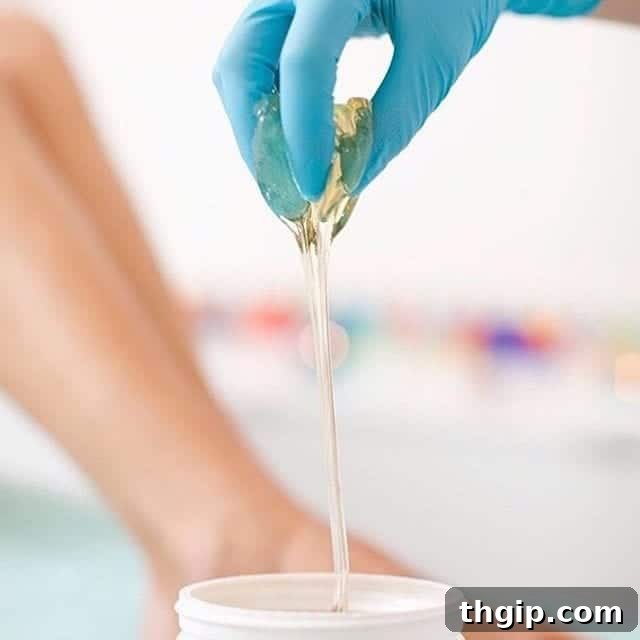
Unlike conventional waxes, which often contain synthetic resins, chemicals, and preservatives, sugaring paste is crafted from a handful of edible, natural ingredients: sugar, water, and lemon juice (or sometimes apple cider vinegar). This minimalist composition makes it inherently hypoallergenic and safe for even the most sensitive skin types. The sugar acts as the primary adhesive, the water creates the pliable consistency, and the lemon juice (or vinegar) helps to break down the sugar molecules, creating a smoother, more effective paste while also acting as a mild antiseptic. This natural formula is not only better for your skin but also completely biodegradable, leaving no harmful environmental footprint.
How Sugaring Works: The Gentle Approach
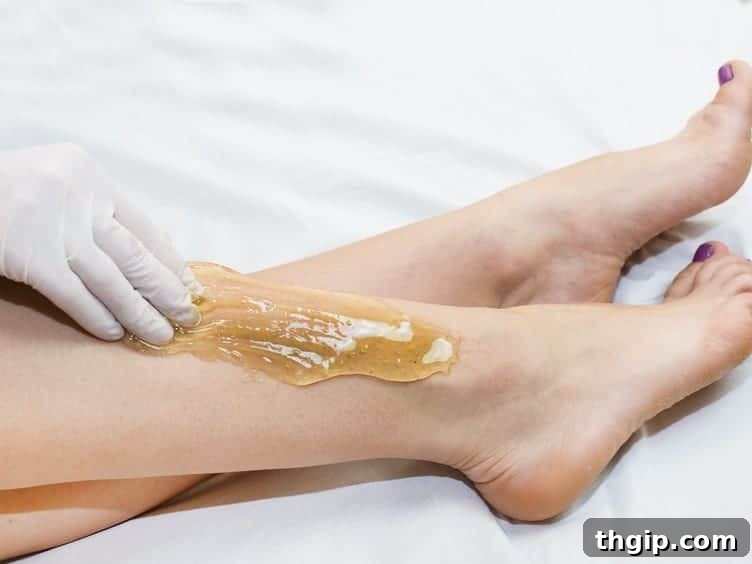
The application method of sugaring is a key differentiator from waxing. The sugar paste is typically warmed to a lukewarm temperature – never hot enough to burn the skin – and then applied by hand against the direction of hair growth. This allows the paste to seep into the hair follicles and encapsulate the hair strands, rather than just clinging to the skin’s surface. Once applied, the paste is flicked off quickly in the natural direction of hair growth. This technique is crucial: it minimizes breakage of the hair shaft, reduces stress on the follicle, and significantly decreases the likelihood of ingrown hairs and skin irritation commonly associated with waxing, where hair is pulled against its growth direction.
Because the sugar paste adheres primarily to the hair and dead skin cells, not the live skin, the removal process is far less abrasive and painful than traditional waxing. Any residual paste can be effortlessly rinsed away with water, leaving your skin clean, soft, and free from sticky residue.
Sugaring vs. Waxing: A Detailed Comparison
While both sugaring and waxing aim to remove hair from the root, their methodologies and overall impact on your skin and the environment differ significantly. Understanding these distinctions is key to choosing the best option for your personal care routine.
Ingredients and Composition
- Sugaring: As mentioned, sugaring paste is made from sugar, water, and lemon juice. These natural, food-grade ingredients are hypoallergenic, non-comedogenic, and water-soluble. This means they are less likely to cause allergic reactions, won’t clog pores, and are easy to clean up.
- Waxing: Traditional waxes are often petroleum-based or synthetic resin formulations, sometimes containing artificial fragrances, dyes, and chemical preservatives. While natural waxes exist (e.g., beeswax, pine resin), many commercial waxes can be irritating to sensitive skin and may contain ingredients that are difficult to remove completely without harsh solvents.
Application and Hair Removal Direction
- Sugaring: Applied against the hair growth, removed in the direction of hair growth. This gentle technique significantly reduces hair breakage at the follicle, leading to fewer ingrown hairs and a smoother regrowth. The paste is typically applied at body temperature.
- Waxing: Applied in the direction of hair growth, removed against the direction of hair growth. This method can put more stress on the hair follicle, increasing the chance of hair breaking above or below the skin’s surface, which is a primary cause of ingrown hairs. Waxes are often applied hot, posing a slight risk of burns if not handled by an experienced professional.
Pain and Skin Irritation
- Sugaring: Generally considered less painful than waxing. Because the sugar paste adheres only to the hair and dead skin cells, it causes less trauma to the live skin. Post-sugaring redness and irritation are typically minimal and subside quickly.
- Waxing: Can be more painful as wax often adheres to both hair and live skin cells, resulting in a more intense pull and potential for skin lifting or bruising, especially on delicate areas. Redness and irritation can be more pronounced and last longer.
Environmental Impact and Sustainability
- Sugaring: Highly sustainable. The paste is biodegradable, and the process often uses minimal waste. Many practitioners use reusable tools or their hands directly, reducing the need for disposable strips and spatulas.
- Waxing: Can be less sustainable. Many waxes come in plastic containers, and the process frequently involves disposable strips and spatulas, contributing to landfill waste.
Ingrown Hairs and Folliculitis
- Sugaring: Significantly reduces the occurrence of ingrown hairs and folliculitis (inflammation of hair follicles) due to the hair being pulled in its natural direction of growth, minimizing breakage and irritation.
- Waxing: Has a higher propensity for causing ingrown hairs because hair is often broken off at or below the skin’s surface when pulled against its natural growth pattern, leading to it growing inwards.
The Myriad Benefits of Sugaring Hair Removal
Beyond its ancient origins and natural composition, sugaring offers a compelling array of advantages that make it a superior choice for many seeking effective hair removal.
Less Painful and Gentler on Skin
While no hair removal method that extracts hair from the root is entirely painless, sugaring is widely reported to be considerably less painful than waxing. This is primarily due to the paste’s ability to cling solely to the hair and dead skin cells, leaving the live skin largely undisturbed. The lukewarm temperature of the sugar paste also eliminates the risk of burns associated with hot wax. This gentle approach makes it ideal for individuals with sensitive skin or those prone to reactions from traditional waxing.
Reduces Hair Growth Over Time
Consistent sugaring treatments can lead to a noticeable reduction in hair growth. By removing the hair cleanly from the follicle in its natural growth direction, sugaring helps to weaken the follicle over time. With regular sessions, many clients observe that their hair grows back finer, sparer, and softer, extending the time between appointments. My own experience confirms this: my hair growth has significantly slowed and the texture has become much softer.
Prevents Ingrown Hairs and Breakage
The unique “flicking” technique of sugaring, which removes hair in the direction of its growth, is instrumental in preventing ingrown hairs. This method ensures that the hair is pulled cleanly from the root without breaking, which is often the cause of ingrown hairs when hair gets trapped under the skin. Less hair breakage also means less folliculitis, leading to clearer, smoother skin.
Suitable for Sensitive Skin
Given its all-natural, edible ingredients, sugaring paste is inherently hypoallergenic and non-irritating. It contains no harsh chemicals, synthetic fragrances, or dyes, making it an excellent option for individuals with highly sensitive skin, eczema, or psoriasis. The water-soluble nature of the paste means any residue washes off easily, further reducing the chance of irritation.
Eco-Friendly and Natural
For environmentally conscious individuals, sugaring is a clear winner. The paste is completely biodegradable, and many sugaring practitioners utilize their hands directly for application, minimizing the need for disposable strips and spatulas. This significantly reduces waste, contributing to a more sustainable beauty routine.
Faster and More Efficient Sessions
Sugaring can often be a faster process than waxing, especially for larger areas. A skilled practitioner can cover more ground quickly because the paste can be reapplied to the same area multiple times without irritating the skin, unlike wax. This efficiency means less time in the salon and more time enjoying your smooth results.
Furthermore, sugaring can effectively remove shorter hairs, needing only about 1/8th of an inch of growth for optimal results. This is a distinct advantage over waxing, which typically requires hair to be at least 1/4 inch long for the smoothest finish, meaning you can sugar more frequently and avoid the awkward grow-out phase for longer.
Potential Downsides and Considerations
While the benefits of sugaring are numerous, it’s also important to acknowledge a few potential drawbacks. The primary caveat is that sugaring services can sometimes be slightly more expensive than traditional waxing. This is often due to the specialized training required for practitioners and the premium quality of the natural ingredients. Additionally, sugaring may not be as widely available as waxing studios, especially in smaller towns, meaning you might need to search a bit more to find a qualified technician. However, for many, the enhanced experience, superior results, and long-term benefits far outweigh these minor inconveniences.
Preparing for Your Sugaring Session
To ensure the best possible results and a comfortable experience, a little preparation goes a long way. Before your sugaring appointment, aim to have your hair grown out to at least 1/8th of an inch – roughly the length of a grain of rice. This allows the sugar paste to properly adhere to the hair. Avoid exfoliating the day before your appointment, as this can make your skin too sensitive. On the day of your session, ensure your skin is clean and free of any lotions, oils, or deodorants, as these can create a barrier and prevent the sugar paste from effectively grasping the hair. Hydrating well and avoiding caffeine or alcohol can also help to minimize discomfort during the process.
Post-Sugaring Care for Silky Smooth Skin
Maintaining the health of your skin and preventing any potential irritation after sugaring is crucial for prolonging your smooth results. While sugaring is gentler, proper aftercare is still essential.
Immediate Aftercare: The First 48 Hours
Immediately following your sugaring session and for the subsequent 48 hours, treat your skin with utmost care. Avoid touching, rubbing, or applying any kind of friction to the sugared areas. This includes refraining from hot showers, saunas, swimming, intense workouts, or tight clothing that could chafe the skin. Allowing your pores to close and your skin to calm down without external stressors will significantly reduce the risk of irritation or breakouts.
Long-Term Maintenance: Exfoliation and Moisture
After the initial 48-hour period, incorporating a gentle exfoliation routine every few days is highly recommended. This helps to remove dead skin cells that could trap new hair growth and lead to ingrown hairs. You can use a physical exfoliant, such as a natural loofah or a gentle scrub, or a chemical exfoliant with ingredients like salicylic or glycolic acid, which are excellent for preventing ingrowns. Following exfoliation, always moisturize thoroughly. Apply a high-quality body oil or lotion after bathing to keep your skin hydrated, supple, and healthy. Ingredients like shea butter, jojoba oil, or hyaluronic acid can provide excellent moisture and skin barrier support.
The Golden Rule: No Shaving
To truly reap the long-term benefits of sugaring, particularly the reduced hair growth, it’s vital to avoid shaving between sessions. Shaving cuts the hair at the surface, disrupting the natural growth cycle and making it appear thicker and coarser. It also negates the weakening effect sugaring has on the hair follicles and significantly increases the likelihood of ingrown hairs. Allow your hair to grow to the recommended 1/8th of an inch before your next sugaring appointment to ensure optimal results and maintain the integrity of your hair removal journey.
DIY Sugaring at Home: Can You Do It?
The allure of making your own sugar paste and sugaring at home is strong, especially with countless recipes and tutorials available online. Indeed, you can purchase pre-made sugar paste or even attempt to concoct your own using sugar, water, and lemon juice. However, I must offer a word of caution: while it’s certainly possible, executing sugaring effectively and comfortably on yourself is an entirely different matter.
The technique requires precision, dexterity, and a certain level of pain tolerance that varies greatly from person to person. Personally, despite my deep appreciation for sugaring, I’ve found that attempting to pull my own body hair is not my forte. The awkward angles, the need for perfect consistency in the paste, and the sheer discomfort of self-inflicted hair removal make it a challenging endeavor for many. While DIY sugaring can undoubtedly save money, the quality of the results and the overall experience often pale in comparison to a professional treatment. For me, the investment in a skilled professional is well worth the peace of mind, superior outcome, and minimized discomfort.
Finding the Perfect Sugaring Professional and Studio
If you’re convinced that sugaring is the right choice for you, the next crucial step is finding a reputable studio and a skilled professional. A great sugaring experience hinges significantly on the expertise of your practitioner. While I can only speak to places I’ve personally visited, here are some comprehensive tips for what to look for when searching for a sugaring studio in your area:
What to Look for in a Sugaring Studio
- Impeccable Cleanliness and Hygiene: This is non-negotiable. The studio should appear spotless, and all tools and surfaces should be visibly sanitized. Don’t hesitate to ask about their hygiene protocols; a professional studio will be transparent and proud of their standards.
- Experienced and Knowledgeable Staff: Your practitioner should be able to confidently answer all your questions about sugaring technique, their training, and the specific sugar mix they use. An experienced aesthetician understands different skin types and hair growth patterns.
- Gloves are a Must: The practitioner should always wear fresh, disposable gloves throughout the hair removal process to ensure a hygienic and safe experience for both parties.
- No Double-Dipping: While less common with traditional hand-applied sugaring (as the ball of sugar paste is continually manipulated), if a spatula or strip method is used, ensure there is absolutely no double-dipping into the main container of sugar paste. A fresh spatula or a separate portion of paste should be used for each application to prevent cross-contamination.
- Positive Reviews and Referrals: Check online reviews on platforms like Google, Yelp, or dedicated beauty service sites. Word-of-mouth recommendations from friends or local community groups can also be invaluable indicators of a reputable studio.
- Consultation Availability: A good studio will offer a consultation before your first session to assess your skin and hair type, discuss your goals, and explain the process thoroughly.
Recommended Sugaring Studios
For those located in these specific areas, here are a few personal recommendations:
- Toronto: Sweet Mango Beauty (Amanda is truly a sugaring genius who delivers exceptional results!)
- San Francisco: Trinity Roots Wellness (Dani provides a fantastic and comfortable experience!)
- Burlington Vermont: Ritual Skincare (Katie’s expertise and care are outstanding!)
*Regrettably, the wonderful studio I frequented in NYC has since closed its doors.
Sugaring offers a holistic approach to hair removal, combining ancient wisdom with modern demand for natural, effective, and sustainable beauty solutions. It’s more than just a hair removal method; it’s a commitment to healthier skin and a more mindful beauty routine. Have you tried sugaring yourself, or do you have further questions? Share your thoughts and experiences in the comments below – I’d love to hear from you!
Explore More Natural Beauty and Wellness Insights
If you found this article helpful, you might also enjoy these related posts:
- Unlocking Radiance: What is Gua Sha? (and Jade Rolling Explained!)
- My Journey to a Menstrual Cup: Why I’ll Never Go Back to Tampons
- Embrace Your Natural Texture: How to Style Curly Hair Using Natural Products