
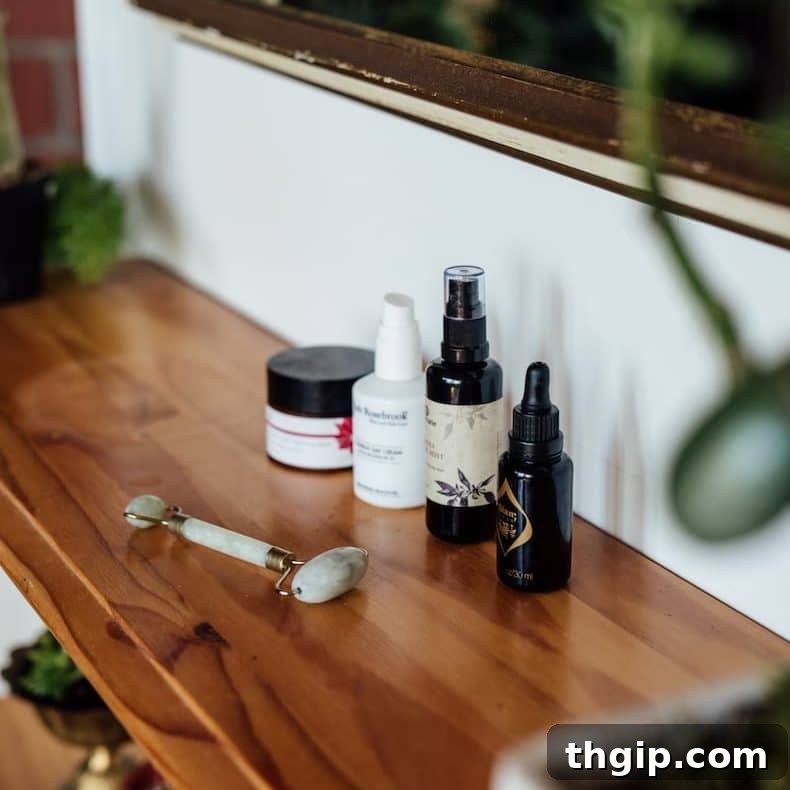
Welcome, fellow skincare enthusiast! Over the years, I’ve cultivated a deep passion for skincare, meticulously refining my routine to discover the products that truly nourish my skin. While product preferences are wonderfully personal and unique to each individual, the art of applying skincare correctly is a universal skill that often goes overlooked. Surprisingly, many people don’t fully realize the profound impact proper application techniques can have on their skin’s health and appearance.
You might have heard of elaborate 10-step or even 20-step skincare regimens. However, the truth is, a highly effective basic routine can be simplified into just 4-5 essential steps, taking less than five minutes of your day. This foundational approach provides an excellent starting point, allowing you to gradually introduce more specialized products as your skin’s needs evolve. Let’s embark on a journey to understand and master the fundamental steps of skincare application, paving the way for a healthier, more radiant complexion.
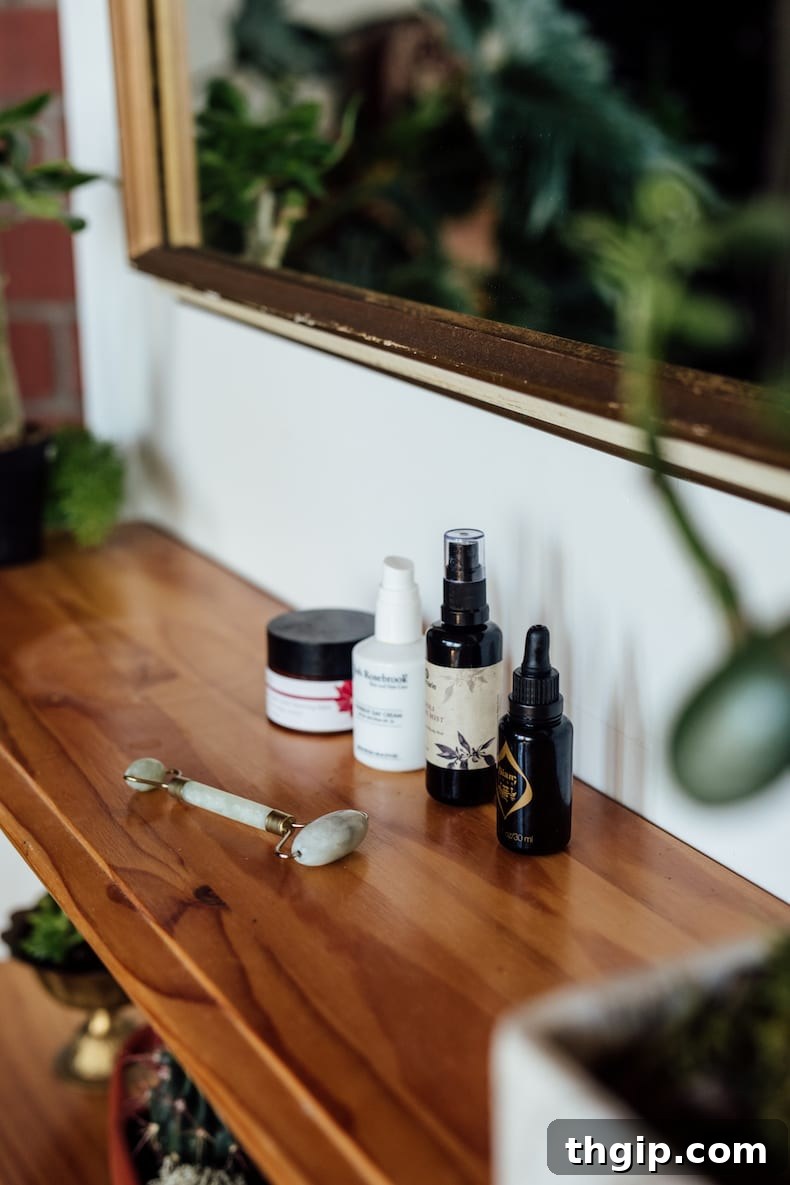
The Essential 5-Step Skincare Routine for Radiant Skin
A well-executed skincare routine is more than just applying products; it’s a ritual that respects your skin’s biology and maximizes the efficacy of each ingredient. By understanding the purpose of each step and applying products in the correct order, you can unlock your skin’s true potential, achieving lasting health and a vibrant glow. Let’s delve into the core steps:
Step One: Cleanse – The Foundation of Healthy Skin
Every effective skincare routine begins with a clean canvas. Cleansing is the critical first step, removing impurities, makeup, excess oil, and pollutants that accumulate on your skin throughout the day and night. Without proper cleansing, subsequent products can’t penetrate effectively, diminishing their benefits.
The type of cleanser you choose should align with your skin type and concerns. An oil-based cleanser is excellent for dissolving makeup and sunscreen, often followed by a gentle foaming or cream cleanser in a process known as double cleansing – particularly beneficial for oily or acne-prone skin, or for those who wear heavy makeup. For dry or sensitive skin, a hydrating cream or milky cleanser might be more suitable, while combination skin may benefit from a gel or foaming cleanser. The key is to select a product that cleanses thoroughly without stripping your skin of its natural moisture, leaving it feeling tight or irritated.
When cleansing, remember that gentleness is paramount. Apply a small amount of cleanser to damp skin and massage it in circular motions for at least 30-60 seconds. This allows the active ingredients to work and helps stimulate circulation. Pay special attention to areas like the nose, chin, and forehead. Rinse thoroughly with lukewarm water, as hot water can strip natural oils. Finally, pat your face lightly with a clean, soft towel. Avoid harsh rubbing or pulling, as this can cause irritation and contribute to premature aging.
Benefits of Proper Cleansing:
- Removes dirt, oil, and makeup, preventing clogged pores and breakouts.
- Allows subsequent skincare products to absorb more effectively.
- Prepares the skin for optimal nutrient absorption.
- Maintains a healthy skin barrier.
My Favorite Cleansers:
- Mother Dirt Facial Cleanser: A unique microbiome-friendly option for balanced skin.
- Marie Veronique Replenishing Oil Cleanser: Ideal for dissolving impurities and makeup while nourishing the skin.
- Ann Marie Aloe Herb Cleanser: A soothing, gentle choice perfect for sensitive or dry skin types.
Step Two: Tone – Rebalance and Prepare
Following cleansing, toning is an often-underestimated yet vital step that primes your skin for the treatments to follow. Toners serve several crucial functions: they help restore your skin’s natural pH balance after cleansing (which can sometimes be disrupted by water or certain cleansers), provide an initial layer of hydration, and remove any lingering traces of dirt or impurities. Think of toner as an essential prep step, creating an optimal environment for serums and moisturizers to perform their best.
When selecting a toner, look for formulations that are free from harsh alcohols, as these can be overly drying and irritating, especially for those with dry or sensitive skin. Instead, opt for toners rich in hydrating ingredients like hyaluronic acid, rose water, glycerin, or soothing botanical extracts such as chamomile or green tea. These ingredients help calm the skin, reduce redness, and impart a refreshing feel.
Applying toner is simple. After patting your face dry, you can either spritz a hydrating mist directly onto your face or dispense a small amount onto a cotton pad and gently swipe it across your skin, avoiding the immediate eye area. Allow the toner to absorb completely for a few moments before moving on to the next step. This brief pause ensures your skin is adequately prebalanced and ready to receive the active ingredients from your serums.
Benefits of Toning:
- Restores skin’s natural pH balance.
- Adds a layer of hydration.
- Helps remove residual impurities.
- Prepares skin for better absorption of subsequent products.
My Favorite Toners:
- Herbivore Botanicals Jasmine Green Tea Balancing Toner: Excellent for balancing and refreshing skin with antioxidant properties.
- Ann Marie Gianni Neroli Toning Mist: A luxurious and hydrating mist, perfect for a soothing experience.
- For budget-friendly options, consider pure Rosewater or Witch Hazel (ensure it’s alcohol-free). Both are readily available at health food stores like Whole Foods and offer natural toning benefits.
Step Three: Apply Serums – Your Targeted Treatment
If skincare has a “magic” step, it’s undoubtedly the application of serums. These potent elixirs are concentrated formulas designed to deliver powerful active ingredients deep into your skin, targeting specific concerns with precision. Unlike moisturizers, which primarily hydrate and protect the skin’s surface, serums are packed with a higher concentration of vitamins, minerals, antioxidants, and other beneficial compounds that address issues like fine lines, hyperpigmentation, dehydration, or acne.
Choosing the right serum is highly personal and depends entirely on your skin goals. Are you looking to boost collagen production, brighten dark spots, calm redness, or infuse intense hydration? Common serum ingredients include Vitamin C for brightening and antioxidant protection, hyaluronic acid for plumping hydration, niacinamide for pore refinement and barrier support, and retinoids for anti-aging benefits. It’s crucial to apply serums directly after toning, when your skin is still slightly damp, as this helps lock in moisture and enhances absorption.
A few drops of serum are usually sufficient for your entire face and neck. Gently pat or press the serum into your skin using your fingertips. Avoid rubbing vigorously, which can reduce efficacy. Allow the serum to fully absorb for a minute or two before proceeding to the next step. Serums are often the most expensive component of a skincare routine, and for good reason—they deliver the most concentrated benefits. Consider this an investment in your skin’s long-term health and vitality.
Benefits of Serums:
- Delivers high concentrations of active ingredients for specific skin concerns.
- Targets issues like aging, dullness, acne, and dehydration effectively.
- Improves skin texture, tone, and overall radiance.
- Acts as a powerful boost to your daily routine.
My Favorite Serums:
- Ann Marie Gianni Citrus Stem Cell Serum: Excellent for brightening and promoting youthful-looking skin.
- Marie Veronique Intensive Repair Serum: A powerful option for addressing signs of aging and improving skin resilience.
Step Four: Apply Moisturizer – Seal and Nourish
The penultimate step in your basic skincare routine is applying moisturizer, and it’s a non-negotiable one. Moisturizer acts as the crucial sealant, locking in all the beneficial ingredients from your toners and serums, while also providing essential hydration to the outermost layer of your skin. It strengthens your skin’s natural barrier, protecting it from environmental aggressors and preventing moisture loss, which is vital for maintaining a supple, healthy complexion.
The choice between a cream-based moisturizer and a facial oil often depends on your skin type, climate, and personal preference. Cream moisturizers typically contain a blend of humectants (like hyaluronic acid), emollients (like ceramides), and occlusives (like shea butter), offering comprehensive hydration and barrier support. Facial oils, on the other hand, are rich in fatty acids and antioxidants, providing deep nourishment and creating a protective lipid barrier, often preferred by those with dry or mature skin, or as a richer option for nighttime.
Many find that a lighter cream moisturizer works best for morning use, especially if followed by SPF, while a richer cream or facial oil is ideal for the evening routine to support skin repair and regeneration overnight. Apply your moisturizer gently, using upward and outward strokes across your face and neck. This technique helps to lift the skin and prevent unnecessary pulling. Allow it to fully absorb before proceeding to the final step, especially if you’re layering makeup on top.
Benefits of Moisturizing:
- Provides essential hydration, keeping skin soft and plump.
- Strengthens the skin’s protective barrier.
- Seals in previous layers of serums and treatments.
- Prevents moisture loss and protects against environmental damage.
- Improves skin elasticity and overall texture.
My Favorite Oil Moisturizers (Great for Nighttime or Drier Skin):
- Ann Marie Gianni Herbal Facial Oil: A nourishing blend perfect for soothing and revitalizing the skin.
- Ode Antioxidant Oil: Rich in antioxidants, it helps protect and repair the skin.
- For more budget-friendly and versatile options, consider pure Grapeseed Oil (light and suitable for most skin types) or Rosehip Seed Oil (known for its regenerative properties and ability to improve skin tone).
Step Five (for the Morning): Apply SPF – Your Daily Shield
While the first four steps are foundational for both morning and evening routines, an additional and absolutely critical step for your morning regimen is the application of sunscreen, or SPF (Sun Protection Factor). This is arguably the most vital product you can apply to your skin, offering unparalleled protection against the sun’s harmful ultraviolet (UV) rays.
UV radiation is the leading cause of premature skin aging, including fine lines, wrinkles, sun spots, and loss of elasticity. More importantly, consistent and unprotected sun exposure significantly increases the risk of skin cancer. SPF works by creating a protective barrier on your skin, either by absorbing (chemical sunscreens) or reflecting (mineral sunscreens) UV radiation before it can damage skin cells.
Even on cloudy days, indoors near windows, or during winter, UV rays are present and can penetrate your skin. Therefore, daily SPF application is non-negotiable. Aim for a broad-spectrum sunscreen with an SPF of 30 or higher to protect against both UVA (aging) and UVB (burning) rays. Apply it as the very last step in your morning routine, after your moisturizer, to ensure maximum protection. If you use a makeup primer, apply SPF before the primer.
For convenience, many modern moisturizers now include SPF, offering a two-in-one solution that streamlines your morning routine without compromising on protection. Just ensure the SPF level is adequate. Apply a generous amount – about a nickel-sized dollop for your face – and don’t forget your neck and ears! Reapplication is key if you’re spending extended time outdoors, swimming, or sweating.
Benefits of Daily SPF:
- Protects against harmful UVA and UVB radiation.
- Prevents premature skin aging (wrinkles, fine lines, sun spots).
- Reduces the risk of skin cancer.
- Helps maintain an even skin tone and prevents hyperpigmentation.
- Supports overall skin health and resilience.
My favorite daily moisturizer actually includes SPF, simplifying my morning routine: My favorite daily moisturizer with SPF.
Key Principles for Skincare Success
Beyond the steps themselves, several principles will amplify the effectiveness of your routine:
- Consistency is Key: The most luxurious products won’t work if used inconsistently. Commit to your routine morning and night.
- Patience is a Virtue: Skincare results don’t happen overnight. Give new products at least 4-6 weeks to show noticeable improvements.
- Listen to Your Skin: Pay attention to how your skin reacts. Adjust products or techniques if you notice irritation, dryness, or breakouts.
- Patch Test New Products: Before applying a new product all over your face, test a small amount on an inconspicuous area (like behind your ear or on your inner forearm) for a few days to check for adverse reactions.
- Seek Professional Advice: If you have persistent skin concerns, consider consulting a dermatologist or a qualified skincare professional. They can provide personalized recommendations and treatments.
Mastering the proper application of your skincare products is a game-changer for achieving and maintaining healthy, glowing skin. By embracing this fundamental 5-step routine – cleansing, toning, applying serums, moisturizing, and protecting with SPF – you’re not just applying products; you’re investing in your skin’s long-term health and vitality. Start with these basics, commit to consistency, and watch your complexion transform.
Enjoyed this comprehensive guide on how to apply skincare? Here are other articles you might find beneficial:
- The 6 Best Skincare Brands from Whole Foods
- 5 Natural Skincare Alternatives to BeautyCounter
- The Best Natural Body Oils
- Natural Ingredients for Your Skin (That You Can Find in Your Kitchen!)