
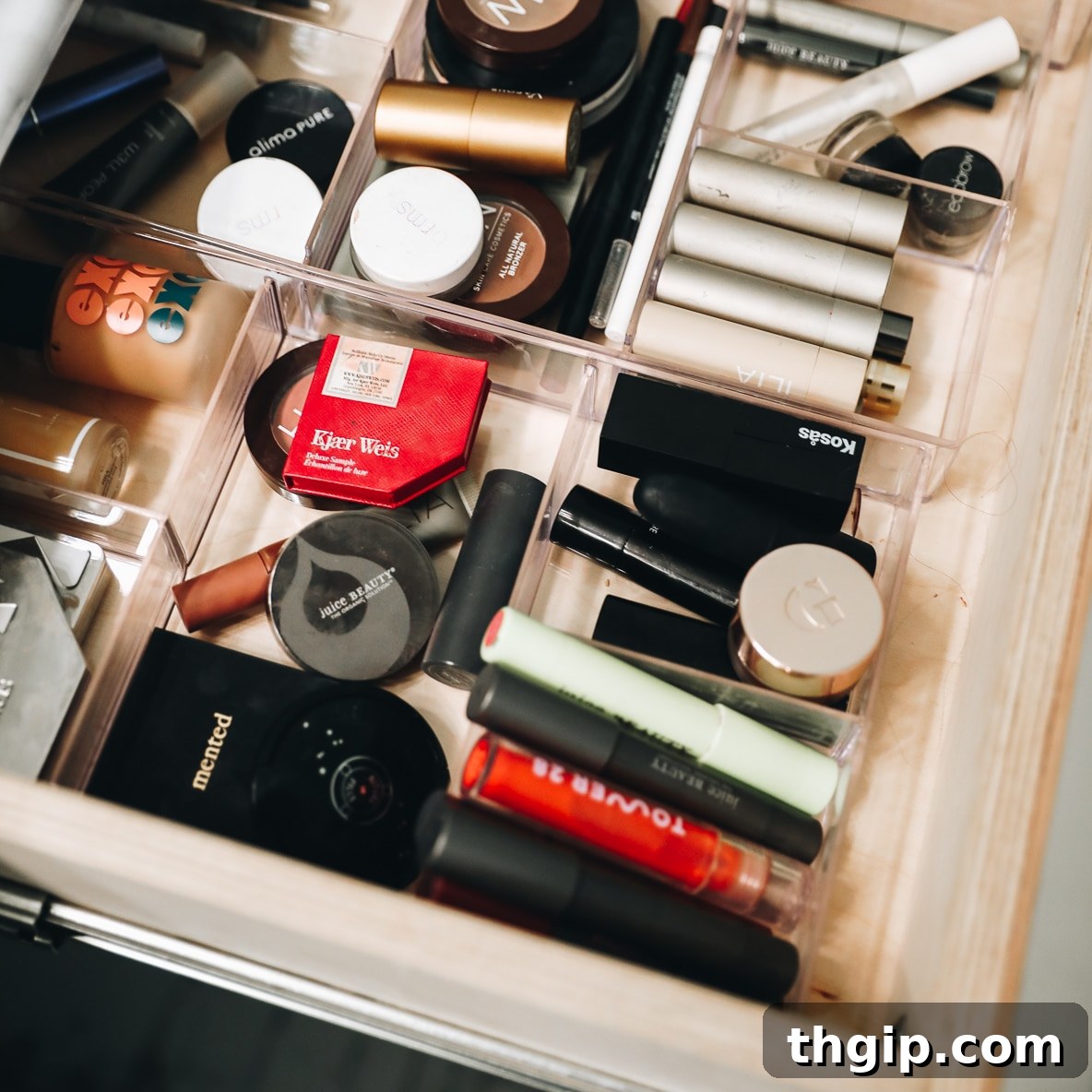
Have you ever paused to consider the journey your empty beauty product containers take after you toss them? Navigating the world of beauty product recycling can be surprisingly complex, yet it’s a crucial step towards fostering a more sustainable lifestyle. We’ve delved deep into this topic, consulting with a leading sustainability expert to demystify what can and cannot be recycled, and to shine a light on the gold standard for sustainability within the beauty industry.
The quest for effective beauty product recycling is a journey many environmentally conscious consumers embark on, often encountering more confusion than clarity. While the desire to recycle is strong, the intricacies of waste management systems mean that good intentions don’t always translate into positive environmental outcomes. The common “when in doubt, recycle” approach, while seemingly helpful, can unfortunately do more harm than good, leading to contamination and inefficiency within recycling facilities.
One of the most perplexing aspects of this challenge lies in beauty product packaging. From multi-component designs to varying materials, shapes, and sizes, distinguishing between what’s truly recyclable and what isn’t can be a significant hurdle. This often leaves consumers feeling uncertain and, at times, frustrated about how to responsibly dispose of their empties.
To cut through this complexity and provide truly actionable advice, we sought guidance from an authority in the field. We connected with Mia Davis, Director of Environmental & Social Responsibility at Credo Beauty. Mia’s extensive expertise and invaluable insights have been instrumental in shaping this comprehensive guide. We extend our sincere gratitude to Mia for her contributions, which empower us all to make more informed and sustainable choices. With her expert knowledge, let’s explore the essential steps to responsibly recycle your beauty products.
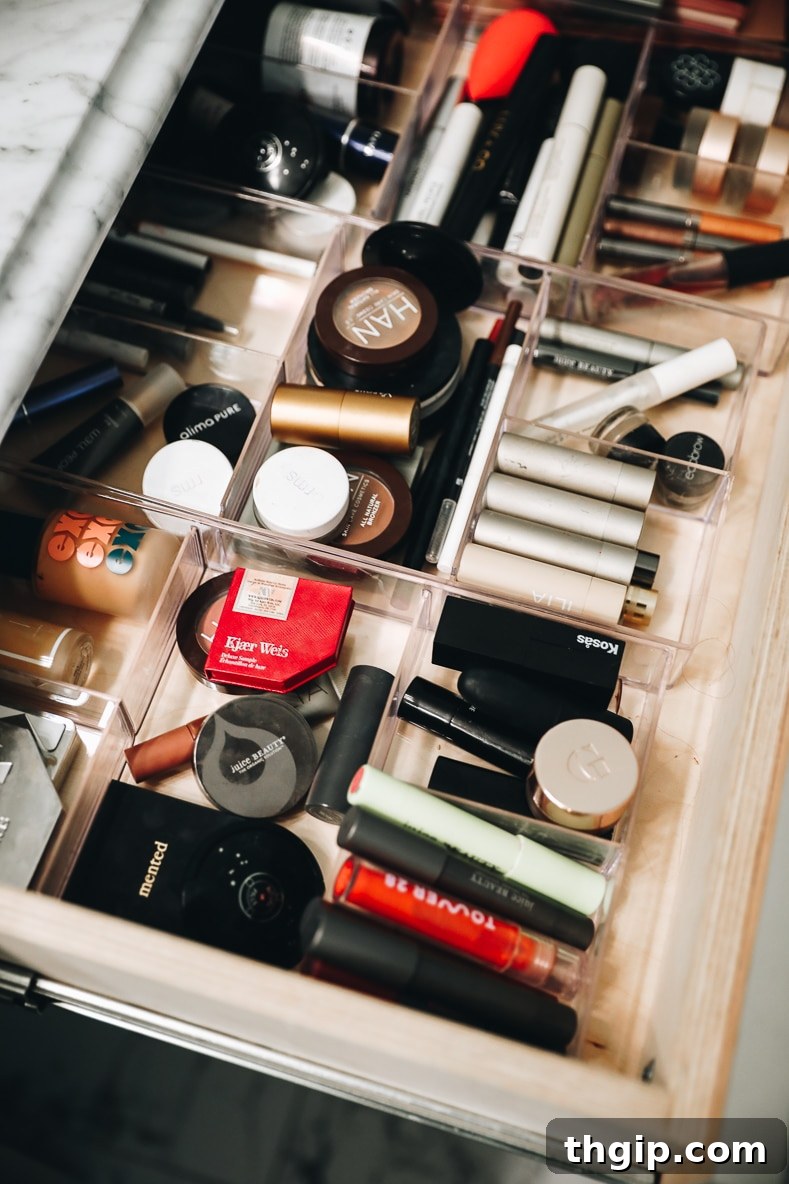
Essential Guidelines for Recycling Beauty Products
To navigate the often-confusing landscape of beauty product recycling, a few fundamental principles apply across the board. Understanding these general rules of thumb is the first step towards becoming a more effective and responsible recycler.
1. Avoid Flexible Containers: Flexible packaging, such as squeeze tubes, sachets, pouches, and plastic bags, are typically not recyclable through standard curbside programs. Their pliable nature makes them difficult to sort by automated machinery and can often clog the recycling equipment, disrupting the entire process.
2. Beware of Mixed Materials: Products made from a combination of different materials, like plastic bottles with metal springs in pumps, pose a significant recycling challenge. These mixed materials are extremely difficult and costly to separate into their individual components, making them largely unrecyclable in most facilities. This includes many common dispenser mechanisms.
3. Discard Pumps and Droppers: As an extension of the mixed materials rule, most pumps, droppers, and spray nozzles are composed of multiple types of plastic and metal. Consequently, they are almost universally unrecyclable and should be removed from containers and disposed of in general waste.
4. Steer Clear of Built-in Mirrors: Cosmetic compacts and palettes often feature small mirrors. Mirrors, being a type of glass that is treated differently from standard glass bottles, cannot be recycled with regular glass. To avoid unnecessary waste, try to choose makeup products without integrated mirrors.
5. Consult Local Guidelines on Colors: The recyclability of colored plastics and glass can vary significantly by municipality. Some recycling centers have specific restrictions on certain colors of glass (e.g., blue or amber) or plastic, as they can interfere with the sorting and processing of more common clear materials. Always verify with your local waste management provider.
6. Size Matters: As Mia Davis, our sustainability expert, highlights, “In general, packaging smaller than a child’s fist or a yogurt cup won’t be recycled.” This is because small items can easily fall through the sorting grates at recycling facilities, never making it to the correct processing stream. However, if caps are made of the same material as the main package and are securely attached, they can often be recycled together as one piece, increasing their chances of being processed.
7. Aerosol Recycling Specifics: Dry shampoo and hairspray cans, being aerosol containers, are often made from aluminum or steel, which are highly recyclable metals. However, due to the pressurized nature and potential residual contents, it’s crucial to check your local recycling guidelines for specific instructions on how to prepare and recycle aerosol cans safely. They usually need to be empty before recycling.
A Step-by-Step Guide to Recycling Your Beauty Product Empties
Responsible recycling requires more than just good intentions; it demands informed action. Follow these detailed steps to ensure your beauty product empties contribute positively to the circular economy.
Step One: Thoroughly Check Local Recycling Guidelines
This is arguably the most critical step in your recycling journey. While general rules provide a foundation, recycling programs are hyperlocal. What’s accepted in one city might be rejected in a neighboring county. A quick online search for “[Your City/Region] recycling guidelines” or visiting your local municipal waste management website should provide comprehensive, up-to-date information. These resources typically detail:
- Accepted Materials: Which types of plastics (identified by numbers 1-7), glass, metals, and paper products are processed.
- Preparation Requirements: Whether items need to be rinsed, lids removed or kept on, and if labels should be peeled off.
- Collection Methods: Information on curbside pickup schedules, local drop-off centers, and any specialized collection events for hard-to-recycle items.
Beyond standard curbside collection, many communities offer additional recycling programs. Grocery stores often have bins for plastic film and bags, while some package stores or specialized retailers might accept specific items like batteries or electronics. Additionally, innovative private companies like Save that Stuff or TerraCycle specialize in collecting and recycling typically non-recyclable items, including complex beauty packaging. Exploring these options can significantly expand your recycling capabilities.
Step Two: Identify Recycling Codes on Packaging
Once you’ve familiarized yourself with your local restrictions and what materials are definitively off-limits (as per the general rules above), it’s time to examine the packaging itself for recycling symbols and codes. These symbols provide crucial information about the material composition of the item.
- Paper and Cardboard: Look for the universal recycling symbol—a triangle formed by three chasing arrows. This indicates that the paper or cardboard material is recyclable. Most paper-based beauty packaging (e.g., product boxes) falls into this category, provided it’s clean and dry.
- Metal and Glass: The majority of metal (aluminum, steel) and glass containers are widely recyclable. However, it’s imperative to re-check your local guidelines, especially regarding glass. Some municipalities may have restrictions on specific colors of glass (e.g., blue or amber) or may not accept certain types, like ceramics or mirrors, due to differences in melting points and chemical composition.
- Plastic: Plastic items feature the chasing arrows symbol with a number (1-7) inside. This number identifies the type of plastic resin used:
- #1 (PET or PETE): Polyethylene Terephthalate – commonly found in water bottles, soft drink bottles. Often accepted.
- #2 (HDPE): High-Density Polyethylene – used for milk jugs, shampoo bottles, detergent containers. Widely accepted.
- #3 (PVC or V): Polyvinyl Chloride – less common in beauty, but found in some pipes or films. Rarely accepted due to potential toxins.
- #4 (LDPE): Low-Density Polyethylene – plastic bags, squeezable bottles. Often accepted through store drop-offs, not curbside.
- #5 (PP): Polypropylene – yogurt cups, butter tubs, some bottle caps. Increasingly accepted.
- #6 (PS): Polystyrene – disposable coffee cups, foam packaging. Rarely accepted due to light weight and contamination issues.
- #7 (Other): A catch-all for plastics not in categories 1-6 or for multi-layered plastics. Generally not accepted curbside.
Knowing these codes is essential, as your local facility will specify which numbers they accept.
Step Three: Thoroughly Clean Containers
The final, yet often overlooked, step before placing your beauty empties into the recycling bin is to ensure they are clean and free of product residue. This is not merely a suggestion; it’s a critical requirement for successful recycling.
Why Cleaning is Crucial:
- Prevents Contamination: Leftover product (lotions, creams, oils) can contaminate entire batches of recyclable materials, rendering them unusable and destined for landfill.
- Attracts Pests: Residual product can attract insects and rodents to recycling facilities, creating unsanitary conditions.
- Ensures Processing Efficiency: Clean materials are easier and more cost-effective for recycling plants to process, preventing machinery jams and ensuring high-quality recycled output.
How to Clean Effectively:
- Rinse Thoroughly: For liquid or cream products, rinse the container with warm water until all visible residue is gone. For thicker formulas, a small brush or sponge might be helpful.
- Wipe Out: For thicker substances like balms or heavy creams, use a cloth or paper towel to wipe out as much product as possible before rinsing.
- Remove Non-Recyclable Parts: Detach and discard any pumps, droppers, caps, or spray nozzles that are not made from the same material as the primary package, or if your local guidelines specify their removal.
- Remove Labels (if required): While not always necessary, some recycling centers prefer labels to be removed, especially from plastic containers, as certain adhesives can interfere with the recycling process. Check your local guidelines.
When you have cosmetics that are no longer in use, if they cannot be responsibly emptied and cleaned for recycling, it’s best to dispose of the remaining product in the trash, then clean the container as instructed if it’s recyclable.
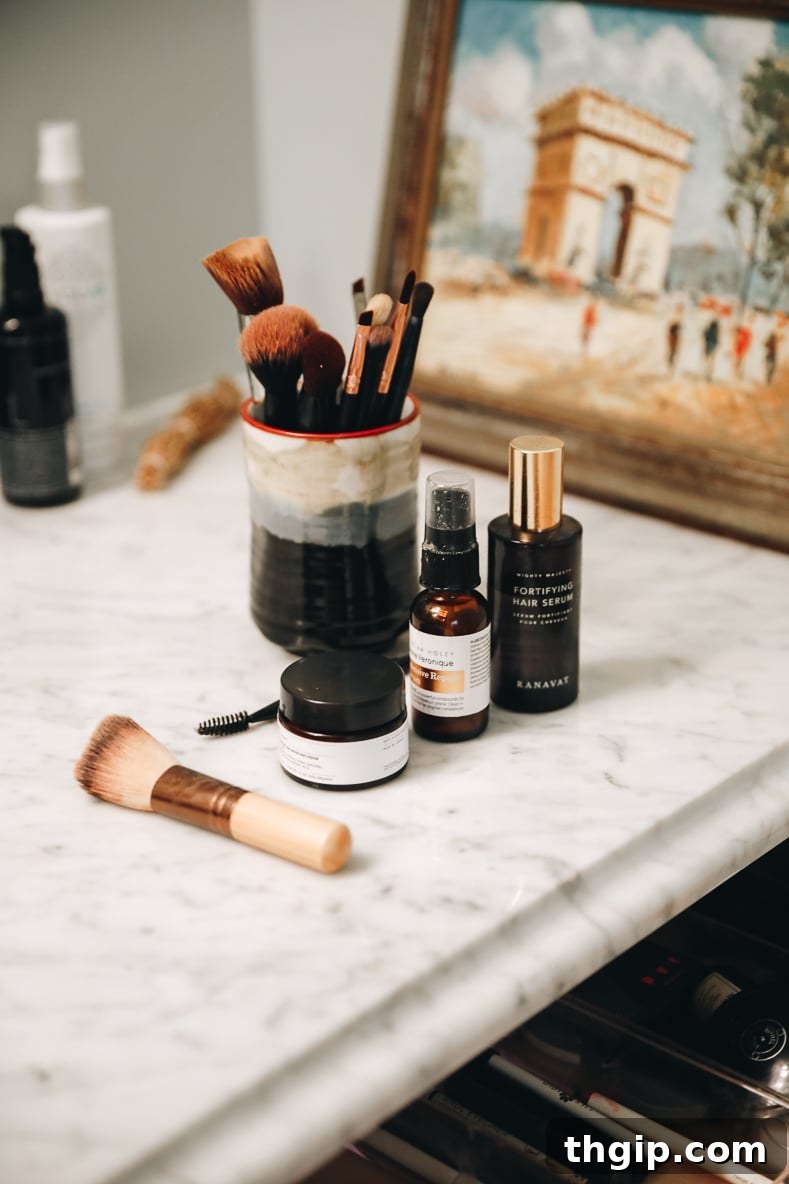
When in Doubt: The “Throw it Away” Imperative
It’s a common misconception that throwing everything into the recycling bin, hoping for the best, is a harmless act. In reality, this practice, often termed “wishcycling,” has profound negative impacts on the entire recycling system. When items that cannot be recycled are introduced into the stream, they become contaminants.
These contaminants can:
- Damage Machinery: Non-recyclable items, particularly flexible plastics or small components, can jam and damage expensive sorting equipment, leading to costly repairs and operational downtime.
- Compromise Recyclable Batches: A single contaminated item can spoil an entire bale of otherwise recyclable materials, diverting tons of plastic, glass, or paper to landfills instead of being repurposed.
- Increase Costs: Recycling facilities must expend significant resources to sort out and dispose of non-recyclable materials, a cost that is often passed on to taxpayers or affects the economic viability of the operation.
- Reduce Efficiency: The presence of non-recyclables slows down the sorting process, making the entire system less efficient and sustainable.
Therefore, if you’ve followed all the steps—checked local guidelines, identified material codes, and cleaned the item—and still aren’t certain if a beauty product container is recyclable, the most responsible action is to dispose of it in the general waste. This proactive step prevents contamination, protects recycling infrastructure, and ultimately ensures that what can be recycled, actually is.
Making this conscious decision requires a shift in mindset, prioritizing system integrity over personal desire to recycle everything. By understanding and adhering to your local rules, you play a vital role in fostering a more efficient and truly sustainable waste management system. Let’s embrace this “recycling challenge” with commitment and mindfulness!
Smart Shopping: What to Look for in Sustainable Beauty Products
Beyond correctly recycling your empties, the most impactful way to promote sustainability in your beauty routine is to become a more conscious consumer. This means making informed choices even before a purchase. Here are key considerations for shopping sustainably:
- Prioritize Glass or Metal Containers: These materials are generally highly recyclable, can be recycled indefinitely without degradation, and have less environmental impact in production compared to new plastics. However, always double-check if your local municipality accepts glass (and note any restrictions on specific colors!).
- Embrace Reusable & Refillable Products: This is truly the “gold standard” of sustainable beauty. Products designed for refill significantly reduce virgin material consumption and waste generation. By choosing brands that offer high-quality refillable packaging and minimal refill options, you reward companies committed to circular economy principles and help close the loop on waste. Look for elegant, durable primary packaging combined with simple, often compostable or minimalist, refill packaging.
- Swap Single-Use for Reusable Alternatives: Transition from disposable items to durable, reusable options. For example, replace single-use cotton rounds with washable, reusable facial rounds, or disposable wipes with reusable cleansing cloths. This drastically cuts down on everyday waste.
- Consider Product Formulations: Rethink the format of your products. Could you switch from liquid soap in a plastic bottle to a solid bar of soap or shampoo? Solid formulations often eliminate the need for plastic packaging entirely and can also be more concentrated, reducing water content and carbon footprint during transport.
- Avoid Complex Packaging: Steer clear of products with multi-material, overly intricate, or layered packaging (e.g., plastic with foil overlays, multiple types of plastic fused together). These designs are notoriously difficult and expensive to separate and recycle, making them highly unlikely to be processed effectively. As Mia astutely advises, “Take it one step further and tell the company why you didn’t buy their product!” – this feedback is crucial for driving industry change.
- Practice Mindful Consumption: The most sustainable product is the one you don’t buy. Before purchasing, evaluate if you truly need the item. Avoid impulse buys and resist the urge to accumulate excessive products. “Buy less” is a powerful mantra for reducing your overall environmental footprint, regardless of packaging type.
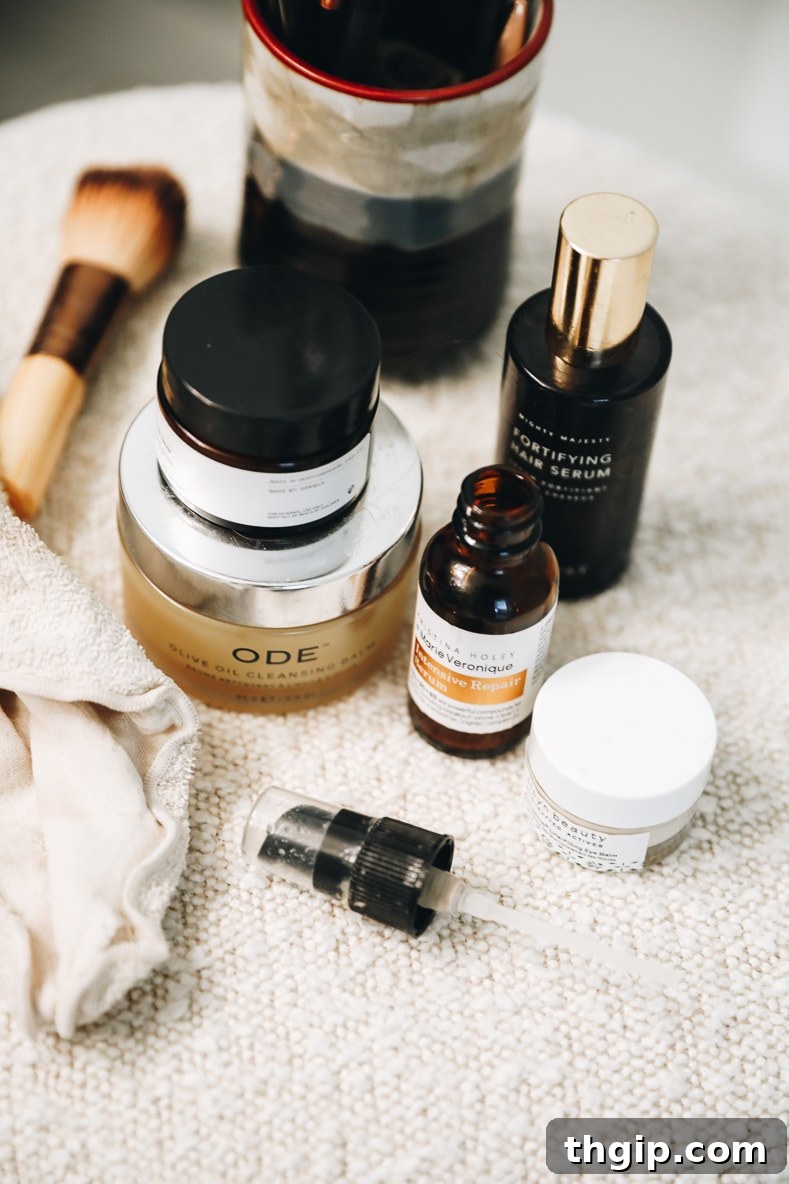
Spotlight on Sustainable Beauty Brands
To further guide your conscious shopping choices, we asked Mia Davis to share some of her favorite sustainable brands, particularly those recognized at Credo Beauty for their commitment to eco-friendly packaging and practices. Here are her top recommendations:
- Innersense Organic Beauty – This haircare brand is not only beloved for its performance but is also making significant strides in sustainability. They are actively transitioning their entire product line to packaging made with the highest possible percentage of recycled content, aiming for up to 90% in their bottles, showcasing a strong commitment to circularity.
- Alima Pure and Kjaer Weis – These two pioneering makeup brands are celebrated for their leadership in refillable beauty. They offer elegant, durable compacts and cases designed to be kept and continuously refilled with product inserts, drastically cutting down on waste from single-use packaging.
- Tata Harper – Known for luxurious natural skincare, Tata Harper has introduced innovative refillable options, such as their popular Water-Lock Moisturizer, which comes in a beautiful, reusable glass jar that can be replenished with compostable refill pods.
- OWA Haircare – This brand stands out with its waterless shampoo powder. By eliminating water, OWA reduces packaging weight and size, lowers shipping emissions, and offers a highly concentrated, more sustainable alternative to traditional liquid shampoos in plastic bottles.
A couple of other brands we wholeheartedly recommend for their sustainable efforts:
- HAN Skincare and Cosmetics – This brand is actively transitioning to fully recyclable packaging across its range. Furthermore, they demonstrate their commitment to closing the loop by offering a dedicated recycling program for their plastic products, ensuring responsible end-of-life disposal for items that might be difficult to recycle locally.
- Aether Beauty – Specializing in clean and sustainable makeup, Aether Beauty designs all its products with recyclability in mind. As an added layer of support for consumers, they partner with TerraCycle, providing an accessible solution for recycling their packaging even in areas where local facilities might not accept specific components.
- Cocofloss – While the floss itself isn’t recyclable, Cocofloss champions sustainability by eliminating wasteful plastic floss picks. Their commitment is evident in their refill model: customers can order new floss in paper boxes that are easily recyclable, significantly reducing the plastic waste associated with traditional dental hygiene.
By understanding what to look for and supporting brands that prioritize sustainable practices, you can make a tangible difference in reducing your environmental impact. Every conscious choice, from how you recycle to what you buy, contributes to a healthier planet.
Like this post? Here are others you might enjoy:
- Clean Beauty Daily Essentials
- 52 Swaps to Live More Sustainably
- Defining Natural Beauty Terms
- Avoid These Ingredients in Your Makeup
- 10 Ways to Live More Sustainably for Under $10