
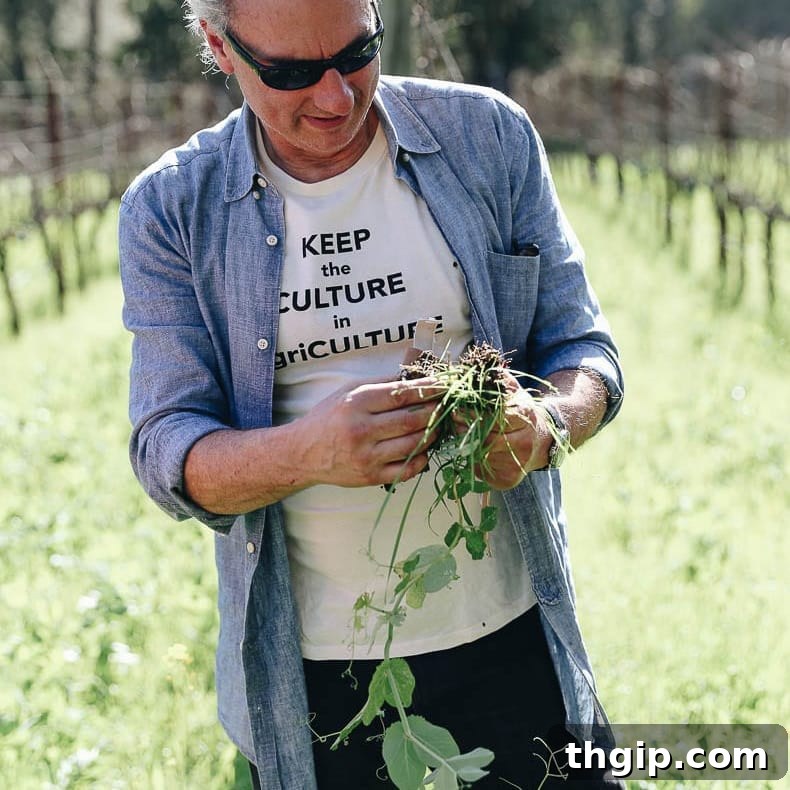
Just a few weeks ago, I had the incredible opportunity to join Stonyfield Organic on an immersive journey through Northern California’s organic farms. This experience was designed to unravel the complexities and profound significance of organic food and sustainable living. Frankly, I wasn’t entirely sure what to expect. My past adventures had taken me to the lush avocado farms of Mexico, the vibrant orange groves of Florida, and even to the coffee plantations of Guatemala. I’ve savored more hummus than I ever thought possible in Israel. While those experiences were undeniably cool, this particular tour transcended mere coolness; it was profoundly enlightening. I concluded the two-day trip feeling exponentially more knowledgeable, optimistic, and inspired to become an agent of change. My immediate challenge was figuring out precisely how to channel this newfound empowerment.
And that leads us directly to the heart of today’s discussion: Does organic really matter? This isn’t a simple question with a straightforward answer; it’s a loaded inquiry that I am eager to tackle. It encompasses a complex web of interconnected issues, stretching from the fertile fields where our food originates to the intricate policies crafted by government bodies. Ultimately, however, I firmly believe the power to drive meaningful change lies in our hands – through our choices and our collective voice. My sincerest hope is that this article will ignite within you the same passion and sense of advocacy that Stonyfield so generously instilled in me.
During one of our longer bus journeys between farms, I found myself asking Stonyfield CEO Gary Hirshberg a candid question: “What’s in it for you?” It struck me as unusual that the CEO of a major organic food company would dedicate two full days to educating a group of influencers, especially when our visits extended far beyond dairy farms and yogurt production. His response was truly astonishing (and it’s worth noting that a CEO participating in the entire trip with us is an exceptionally rare occurrence!). He looked at us, a group of women and influential voices, and reminded us of the immense power we possess to leverage our platforms for the greater good. He expressed a similar sentiment regarding Stonyfield itself. Of course, he wants more people to choose organic yogurt, which is a fantastic outcome. Yet, Stonyfield’s overarching mission extends far beyond just yogurt sales. If we are to ensure the survival and thriving of our planet, it is imperative that we enact monumental changes within our current food system. Without these shifts away from prevalent conventional farming practices, heavy reliance on herbicides, and indiscriminate pesticide use, there may be no Stonyfield, no The Healthy Maven, and ultimately, no organic food at all.
This profound understanding is precisely why we were invited on this transformative journey, and it forms the bedrock of everything I aim to discuss with you today.
Does Organic Really Matter? Unpacking the Truth for Your Health and Our Planet
The concise answer to this pivotal question is an unequivocal yes. Choosing organic is not merely a trend; it is a critical decision that significantly impacts both your individual well-being and the overarching health of our planet. While discussions surrounding the nutritional superiority of organic foods sometimes spark debate, there is undeniable scientific consensus that organic produce consistently exhibits substantially lower levels of heavy metals and synthetic chemicals, a direct consequence of the prohibition of synthetic pesticide use in organic farming.
The health implications of pesticide exposure are deeply concerning. Numerous studies have established troubling links between pesticides and severe chronic illnesses, including Leukemia (source) and Parkinson’s disease (source). While regulatory bodies often approve these substances for use in “small quantities,” the reality of our modern food system often translates to far greater exposure. We are not consuming these chemicals in isolated, small doses; rather, they accumulate over time through our diet and environment. Furthermore, the very act of applying pesticides paradoxically weakens plants’ natural defenses. Plants possess phytochemicals that naturally help them resist pests and weeds. When external pesticides are introduced, these intrinsic protective mechanisms are compromised, leading to a cascade of negative effects on plant vitality, nutrient density, and ultimately, our health and the broader ecosystem.
Beyond human health, the long-term ramifications of conventional pesticide use on our environment are staggering. It leads to severe soil depletion, rendering agricultural lands less fertile and productive over time. The devastating decline in bee populations, crucial pollinators essential for global food security, is directly correlated with widespread pesticide application. Moreover, these chemicals contribute to harmful air and water pollution, contaminating ecosystems far beyond the immediate farm boundaries. These environmental concerns are compounded by the heavy reliance on antibiotics and hormones in conventional livestock farming, raising further questions about animal welfare and the potential for antibiotic resistance. In stark contrast, organic farming practices prioritize soil health, biodiversity, and animal well-being. Compelling evidence supports this, with studies showing that dairy from organic cows contains up to 25% higher levels of beneficial Omega-3 fatty acids compared to milk from conventionally raised cows (source). These Omega-3s are vital for heart health, brain function, and reducing inflammation.
The frustrating truth is that comprehensive research into all aspects of organic benefits is still evolving, and some claims require further scientific validation. However, the undeniable trajectory is clear: conventional practices are diminishing the nutritional quality of our food supply, while rates of chronic disease continue to climb. Therefore, to truly answer the question, while the immediate, short-term impact of choosing organic might not always be overtly apparent, its long-term benefits for both personal health and planetary sustainability are profound and increasingly urgent. The long-term, it turns out, is not some distant future; it is unfolding right here, right now, demanding our attention and action.
Your Top Organic Questions Answered: A Comprehensive Guide to Making Informed Choices
I put out a call for your most pressing questions about organics and making organic purchases, and I was genuinely surprised by the sheer volume and insightful nature of your responses. Your questions truly illuminated where people stand on this crucial topic. While this discussion can only scratch the surface, I sincerely hope these detailed answers provide clarity and empower you on your journey toward more conscious consumption.
What’s the fundamental difference between organic and conventional farming?
Organic farming operates under a stringent set of regulations focused on ecological balance and sustainability. For plants (fruits, vegetables, grains, and even textiles), this means cultivation without the use of synthetic pesticides, herbicides, genetically modified organisms (GMOs), or artificial fertilizers. Instead, organic farmers rely on natural methods like composting, crop rotation, and beneficial insects for pest control. When it comes to meat and dairy, organic standards dictate that animals must be fed a 100% organic diet, free from antibiotics, growth hormones, and animal by-products. They must also have access to the outdoors and live in conditions that promote their natural behavior. Conventional farming, in contrast, permits the use of a wide array of synthetic herbicides, pesticides, and fertilizers to maximize yield. While the USDA does approve a very minimal number of synthetic substances for specific, limited uses in organic farming, the overarching principle is to avoid them. The core distinction also lies in soil health: organic farming actively nurtures the soil through sustainable practices like crop rotation and cover cropping, leading to healthier soil ecosystems and, consequently, more nutrient-dense food. This holistic approach ensures long-term environmental viability, contrasting sharply with conventional methods that can deplete soil quality over time. For a detailed list of approved substances for organic certification, you can consult the USDA National Organic Program regulations.
What’s the critical distinction between organic and non-GMO?
A simple yet crucial rule to remember is this: anything certified organic is inherently non-GMO. However, a product labeled “non-GMO” does not automatically mean it is organic. USDA Certified Organic products strictly prohibit the use of genetically modified seeds and any associated synthetic pesticides or fertilizers. The “Non-GMO Project Verified” label, while valuable, only certifies that a product is free from genetically engineered ingredients. It does not regulate the use of synthetic pesticides, herbicides, or fertilizers in the growing process. Therefore, a non-GMO crop could still be grown with conventional chemical inputs. While choosing non-GMO is a positive step, opting for certified organic provides a more comprehensive assurance of avoiding both GMOs and harmful synthetic chemicals.
*A personal perspective on GMOs: While I don’t believe GMOs are inherently evil and acknowledge their role in addressing food scarcity in certain regions, the primary concern for me lies in their inextricable link to heavy herbicide use, particularly glyphosate (the active ingredient in Roundup). Research into glyphosate’s long-term health effects is ongoing and contentious, but the main issue is that it’s approved in “small quantities,” which doesn’t reflect the widespread, systemic exposure in our diets. This chemical has been flagged as a probable human carcinogen by the World Health Organization, and its impact on the gut microbiome and environmental health is increasingly scrutinized. This widespread application, often facilitated by GMO crops engineered to withstand these herbicides, is why I advocate for organic choices, which strictly prohibit glyphosate and other harmful chemicals.
What’s the difference between organic and grass-fed when it comes to meat and dairy?
This is a frequently asked question, and for good reason! Both “grass-fed” and “organic” represent significant improvements over conventionally raised beef, offering better health outcomes for both animals and consumers. Grass-fed beef means that the cattle have exclusively consumed forage (grass, hay, silage) throughout their lives, without being fed grains. This diet closely aligns with their natural digestive systems. These animals are typically free to graze on pastures, resulting in meat that is often richer in beneficial compounds like Omega-3 fatty acids, conjugated linoleic acid (CLA), and Vitamin E. However, “grass-fed” alone doesn’t necessarily mean the pastures were free of pesticides or that the animals weren’t given antibiotics or hormones if they fall ill (though these practices are less common in grass-fed operations). Organic beef, on the other hand, means the cattle have been raised according to USDA organic standards, which include an all-organic diet, no antibiotics or hormones, and access to pasture. While organic standards require access to grazing, they don’t mandate a 100% grass-fed diet year-round; organic cattle can be supplemented with organic grains, especially in colder months. The ideal choice is often “organic and 100% grass-fed,” as this combines the best of both worlds: a natural diet free from synthetic chemicals and antibiotics. Both systems, however, generally lead to healthier animals and more wholesome products for consumption, significantly reducing the environmental footprint and ethical concerns associated with factory farming.
What’s the real difference between organic and “all-natural”?
This is where marketing can be particularly misleading. To put it plainly: “all-natural” is largely a marketing term that carries very little regulatory weight or concrete meaning. The definition of “all-natural” is incredibly broad and varies wildly from one manufacturer to another. Some companies might interpret it as meaning “free of artificial ingredients,” while others might still include synthetic additives, preservatives, or even ingredients processed with harsh chemicals. Unlike “organic,” which is backed by rigorous certification standards and third-party verification, “all-natural” lacks a consistent legal definition in most contexts, particularly for food products. If your priority is to consume products free from synthetic pesticides, hormones, antibiotics, or GMOs, do not be swayed by “all-natural” claims alone. Always look for the certified organic label or, when possible, directly engage with producers to understand their practices.
How can I be certain if something is truly organic?
The most definitive sign that a product adheres to organic standards is the presence of the USDA Certified Organic seal on its packaging. This seal signifies that the product has met stringent federal organic regulations, which include annual inspections and adherence to specific farming and processing methods. However, it’s important to recognize that not all organic products will carry this label. The certification process can be prohibitively expensive and time-consuming for smaller farmers, making it a significant barrier. As we learned on the Stonyfield trip, many dedicated small-scale farmers practice organic methods but simply cannot afford the paperwork and fees associated with formal certification. If you’re purchasing directly from a local farmer at a farmers’ market or through a community-supported agriculture (CSA) program, don’t hesitate to ask questions. Inquire about their growing practices: Do they use pesticides? How do they fertilize their crops? Do they use antibiotics or hormones for their animals? Often, you’ll discover they employ organic principles even without the official label.
Why are organic products typically more expensive than conventional ones?
The cost disparity between organic and conventional food is a multi-faceted issue, rooted deeply in government policy and agricultural economics. A primary reason is the minimal government subsidization of organic food production. While there is some support for farmers seeking organic certification and limited research funding, this pales in comparison to the massive subsidies allocated to conventional agriculture. For instance, the US Farm Bill typically allocates billions of dollars (e.g., $15 billion) to support conventional farmers, whereas organic farmers and research might receive less than $100 million. With only about 1% of US farms being certified organic, there simply isn’t enough financial incentive for more farmers to transition to sustainable, organic practices. Without substantial government backing, organic farmers bear the full cost of labor-intensive methods, smaller yields (initially), and pest management without synthetic chemicals, all of which contribute to higher retail prices.
However, it’s crucial to consider this cost difference through a long-term lens: we are either paying now or paying later. Choosing cheaper conventional food might seem economical in the short run, but it can lead to higher healthcare costs down the line due to potential health issues linked to pesticide exposure and depleted nutrient content. For me, the moderate price difference between an organic and conventional apple over a lifetime is a proactive investment in my health, potentially mitigating future medical expenses for chronic conditions that could arise from a lifetime of consuming conventionally grown food. There is mounting evidence that organic food is better for you (source), making it a form of preventative medicine. This perspective offers a powerful way to weigh the “cost” of organic products for yourself.
Do I need to eat exclusively organic to reap the benefits?
In an ideal world, supporting 100% sustainable farming methods would be fantastic for both our health and the planet’s longevity. However, I understand that an all-organic diet is not financially feasible or accessible for everyone. My best advice is to approach this with progress, not perfection, in mind. A superb starting point is familiarizing yourself with the Environmental Working Group’s (EWG) Dirty Dozen and Clean Fifteen lists. The Dirty Dozen highlights fruits and vegetables with the highest pesticide residues, making these prime candidates for organic purchase whenever possible. Conversely, the Clean Fifteen lists produce with the lowest pesticide contamination, making them safer choices if you opt for conventional. This strategic approach allows you to prioritize your organic spending where it matters most, reducing your overall exposure to harmful chemicals. I personally started with this method and have gradually transitioned to an almost entirely organic diet over time, demonstrating that small, consistent steps can lead to significant changes.
Is it necessary to buy organic skincare and body care products?
The principle here mirrors that of food: while ideal, it’s not always an absolute necessity for every single product. Your skin is your body’s largest organ, and it readily absorbs what is applied to it. Therefore, if we are mindful about what we consume internally, it logically follows that we should also be discerning about what we put on our skin. I have made a conscious shift towards synthetic-free skincare and body care products. Not all of them are certified organic, often because many small producers, dedicated to clean ingredients, simply cannot absorb the high costs of organic certification. However, the focus remains on avoiding harmful synthetic chemicals, which is a significant step forward. Prioritizing products with transparent ingredient lists and avoiding known irritants and endocrine disruptors is a pragmatic approach. Starting somewhere, even if not fully organic, is always better than doing nothing.
Should I invest in organic house cleaning products?
My answer here likely won’t come as a surprise: yes, if your budget and access allow. Just like food and skincare, your home environment is something you interact with daily. While a single touch of a counter cleaned with conventional products might not cause immediate harm, repeated, lifelong exposure to synthetic chemicals found in many household cleaners can have cumulative adverse effects on your respiratory system, skin, and overall health. I personally prioritize chemical-free cleaning products, even if they aren’t all explicitly certified organic. Many fantastic, effective, and often more affordable DIY alternatives exist. For instance, a simple solution of apple cider vinegar mixed with essential oils like tea tree or lemon makes an excellent, natural, and potent cleaner. Keep an eye out for a future tutorial on how to make your own!
Where’s the best place to start my organic journey?
Do I believe choosing 100% organic is the optimal path for everyone? Absolutely. However, I also understand that this goal is not realistic or accessible for the majority of people due to various constraints. My most practical advice is to follow my own philosophy: do the absolute best you can with the resources and options you have available. Make a conscious effort to purchase organic whenever your budget allows, prioritizing items on the Dirty Dozen list. Beyond your personal choices, expand your impact by encouraging your friends and family to consider organic options. More importantly, become an active advocate. Reach out to your policy makers and elected officials to express the importance of these issues and demand greater support for organic farming. Support your local organic farmers directly, whether at farmers’ markets or through CSAs. There are numerous avenues to get involved and contribute to this vital movement. More details on impactful actions follow below!
* * * * *
In all honesty, the vastness and complexity of the organic movement make it a topic that feels impossible to fully capture in a single blog post. However, the question of organics is certainly not one I have ever shied away from here on The Healthy Maven. I’ve consistently made it clear that I predominantly choose organic products. Given my personal history of sometimes veering towards extremes, approaching this topic from a more moderate, balanced standpoint has made it both more accessible and sustainable for my lifestyle. This isn’t about perfection; it’s about thoughtful progress.
I am not someone whose entire wardrobe consists solely of hemp, who washes their face exclusively with coconut oil, or who meticulously reaps everything they sow from their own garden. If that describes you, more power to you! That level of asceticism simply isn’t sustainable or conducive to genuine joy and happiness in my own life. In my personal philosophy, “healthy” must always harmoniously meet “living.” It’s about finding a balance that integrates well-being into a full, vibrant life without feeling restrictive or overwhelming.
Over the past several years, I’ve steadily deepened my engagement with the world of organics. For our home, I now almost exclusively purchase organic food (with the notable exception of those irresistible Dark Chocolate Peanut Butter Cups from Trader Joe’s, because some indulgences are sacred!). My household cleaning products are mostly organic or chemical-free, and I’ve transitioned a significant portion of my skincare regimen to organic options. While I haven’t yet delved into the realm of organic textiles, it’s certainly an area I’m open to exploring. I believe in conscious choices, but also in flexibility. If I’m out and about and forget to bring an organic snack, I would absolutely choose to eat something non-organic rather than go hungry. My stance isn’t one of fear toward non-organics, but rather a deliberate choice to “vote with my dollar” in the most impactful way I can. Now, with a much deeper understanding of the problem’s far-reaching implications, I am also more aware of the various points where I can intervene. I now think twice before purchasing a fast-fashion garment, and I consistently prioritize organic options through services like my Imperfect Produce box and source my grass-fed meat and organic chicken from reputable providers like Butcher Box.
I also want to emphasize that even if financial constraints or accessibility issues prevent you from embracing a fully organic lifestyle, please remember the immense power of your voice. Advocate for change where you shop: ask your local grocery stores to expand their organic offerings. Utilize your social media platforms to raise awareness about the critical importance of preserving our soil health and supporting sustainable agriculture. Better yet, engage directly with your representatives and write to them. Educate yourself on the stances of your regional politicians regarding agricultural policy and environmental protection. If you cannot always vote with your dollar, ensure you vote with your ballot, selecting leaders who champion sustainable practices and truly value our collective health and the future of our planet.
Finally, a heartfelt thank you to Stonyfield Organic for providing me with this truly incredible opportunity to learn from some of the most knowledgeable and passionate individuals in the organic world. I am profoundly grateful for the experience and sincerely hope that I can live up to the inspiration and knowledge you’ve imparted.
Disclaimer: This post is sponsored by Stonyfield Organic. I was compensated for my time and effort in creating this content; however, all opinions expressed herein are 100% my own and reflect my genuine experience and beliefs. Your support for brands like Stonyfield helps make thoughtful, impactful content like this possible, allowing us to explore and address even more critical questions about our food system and well-being.
Interested in deepening your understanding of organics and sustainable living? Here are a few invaluable resources to guide you:
- Megan Faletra (The Well Essentials) – A registered dietitian with an MPH and a true sustainability expert. Megan is my trusted resource for practical, realistic, and attainable strategies to embrace a more sustainable lifestyle without feeling overwhelmed.
- Melody Meyer (Organic Matters Blog) – As the Vice President of Policy at UNFI, Melody brings over 40 years of experience in the organic food sector. She is an unparalleled authority and an incredible resource on food policy within the United States, offering deep insights into the legislative landscape of organic agriculture.
- Rodale Institute – A leading non-profit organization dedicated to pioneering organic farming research. Rooted in rigorous science, the research conducted by the Rodale Institute has been instrumental in providing evidence-based answers to many of the complex questions surrounding organic agriculture and its benefits.