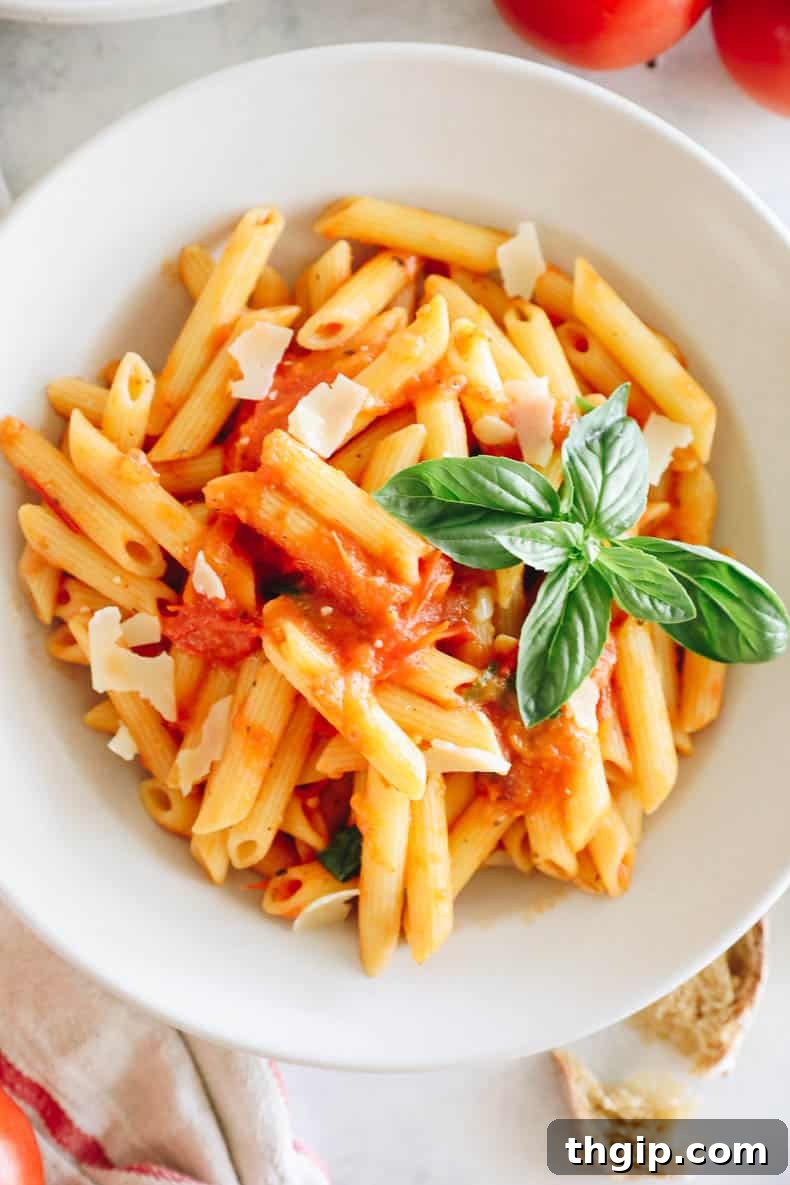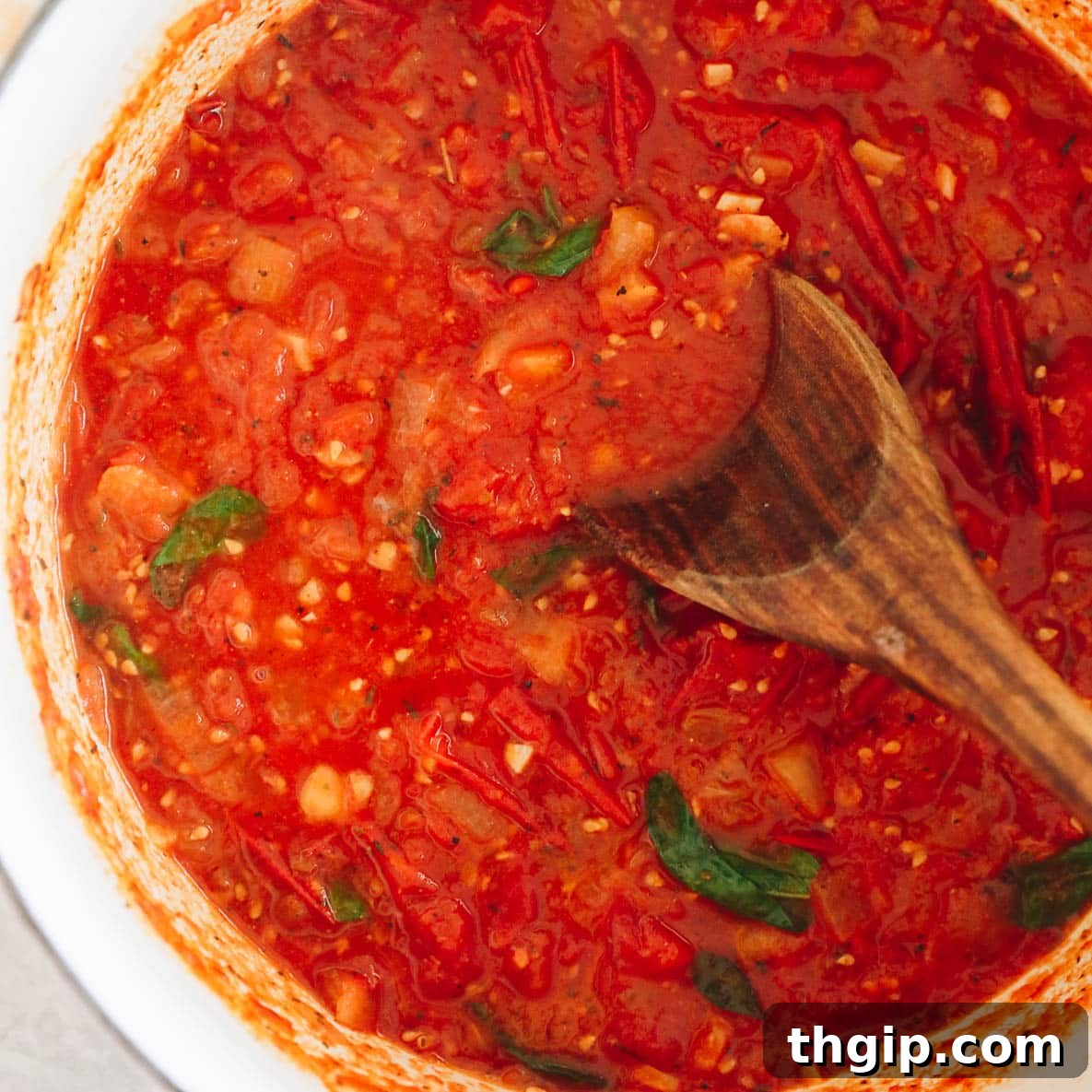
Unlock the secret to the absolute best homemade tomato sauce recipe that will transform your kitchen into an Italian trattoria. Crafted with the freshest vine-ripened tomatoes, slowly caramelized onions, fragrant garlic, and simmered to perfection, this robust and flavorful sauce is a game-changer. Once you experience the unparalleled taste and aroma of this authentic creation, you’ll never reach for a store-bought jar again. Prepare to impress your family and friends with a sauce that’s rich in flavor, incredibly versatile, and surprisingly easy to make.
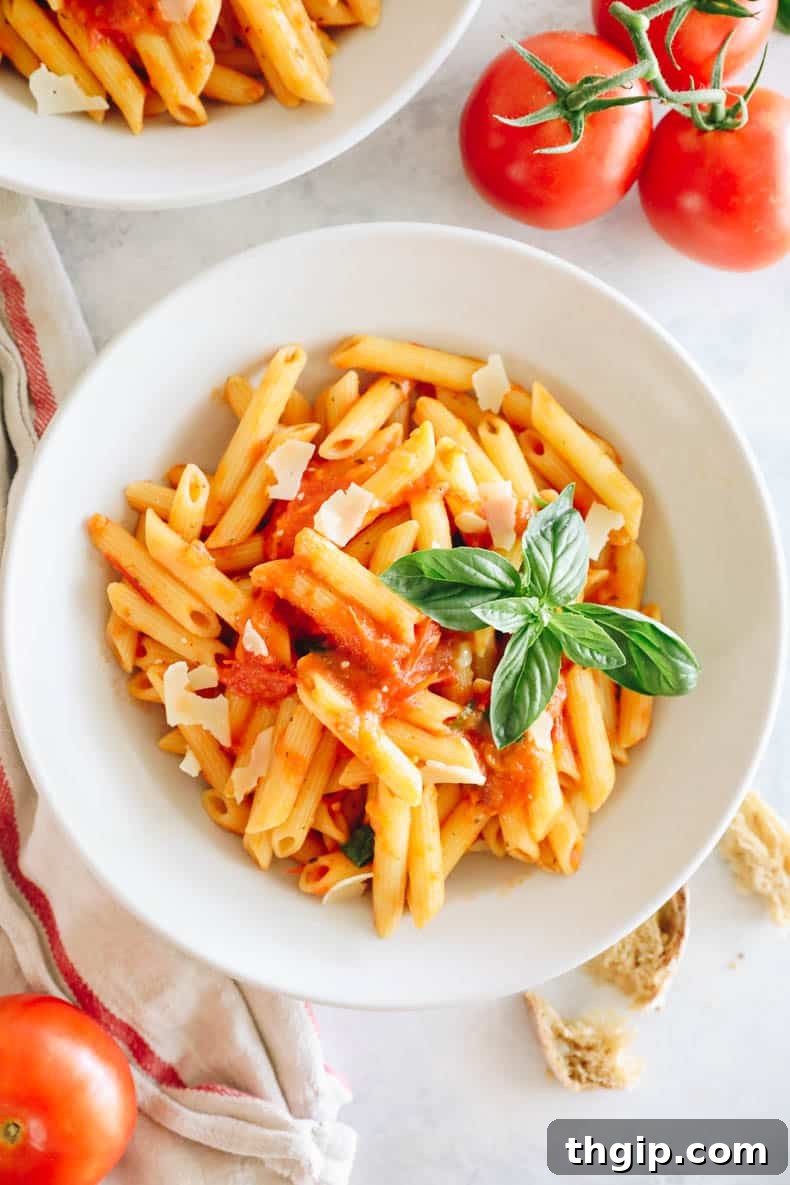
Table of Contents
- Why Homemade Tomato Sauce is the Best
- Choosing the Perfect Tomatoes for Your Sauce
- Essential Ingredients for a Flavorful Tomato Sauce
- Step-by-Step Guide: Crafting the Perfect Homemade Tomato Sauce
- Versatile Uses for Your Delicious Homemade Tomato Sauce
- Customizing Your Sauce: Add-Ons and Variations
- Storing Your Homemade Tomato Sauce: Freshness and Longevity
- More Irresistible Pasta Recipes
- Homemade Tomato Sauce Recipe Card
There’s a special kind of pride that comes with creating something truly exceptional from scratch, and for me, that’s this homemade tomato sauce. After years of nurturing our backyard tomato garden and countless culinary experiments, I’ve finally perfected a recipe that embodies the very essence of Italian home cooking. This isn’t just any tomato sauce; it’s a labor of love, a symphony of simple, high-quality ingredients, and the invaluable secret ingredient: time.
What truly sets this recipe apart is its elegant simplicity. You won’t find any exotic spices or overly complicated techniques here. Instead, it relies on the natural sweetness of ripe tomatoes, the aromatic depth of slow-cooked onions and garlic, and a patient simmer to meld all the flavors into a rich, harmonious blend. As the vibrant hues of August and September herald the peak of tomato season, I’m thrilled to share this cherished recipe with you. Get ready to make batch after batch, because once you taste it, you’ll understand why it’s become a staple in our home.
Why Homemade Tomato Sauce is the Best
Opting for homemade tomato sauce over store-bought alternatives offers a myriad of benefits that elevate your cooking and your health. Here’s why making your own sauce is always the superior choice:
- Uncompromised Quality and Control: Store-bought sauces often contain unnecessary additives like high-fructose corn syrup, excessive sodium, artificial flavors, and preservatives. When you make your sauce at home, you have complete control over every single ingredient. This allows you to choose organic produce, minimize salt and sugar, and ensure that only the freshest, purest flavors make it into your meal. It’s a transparent process that results in a cleaner, healthier, and undeniably tastier product.
- Unmatched Flavor and Freshness: Nothing compares to the vibrant, sun-kissed flavor of fresh, ripe tomatoes. This recipe capitalizes on peak-season produce, resulting in a sauce with a depth and brightness that jarred versions simply cannot replicate. The slow caramelization of onions and garlic further develops complex sweet and savory notes, creating a multi-layered flavor profile that tastes truly authentic and homemade.
- Incredible Versatility for Any Dish: This isn’t just a spaghetti sauce; it’s a culinary foundation. Its balanced flavor makes it incredibly adaptable for a wide array of Italian-inspired dishes. Drizzle it over perfectly cooked pasta, spread it generously as a vibrant pizza base, use it as a rich component in chicken or eggplant parmesan, or let it simmer with meatballs. It effortlessly elevates any recipe that calls for a tomato-based sauce, becoming an indispensable tool in your cooking arsenal.
- Economical and Perfect for Meal Prep: Making tomato sauce from scratch, especially during peak season when tomatoes are abundant and affordable, can be surprisingly cost-effective. Furthermore, this recipe is ideal for batch cooking. You can easily double or triple the ingredients and preserve large quantities. This means you can enjoy the taste of summer throughout the colder months, making meal prep a breeze and ensuring you always have a delicious, healthy option on hand.
Choosing the Perfect Tomatoes for Your Sauce
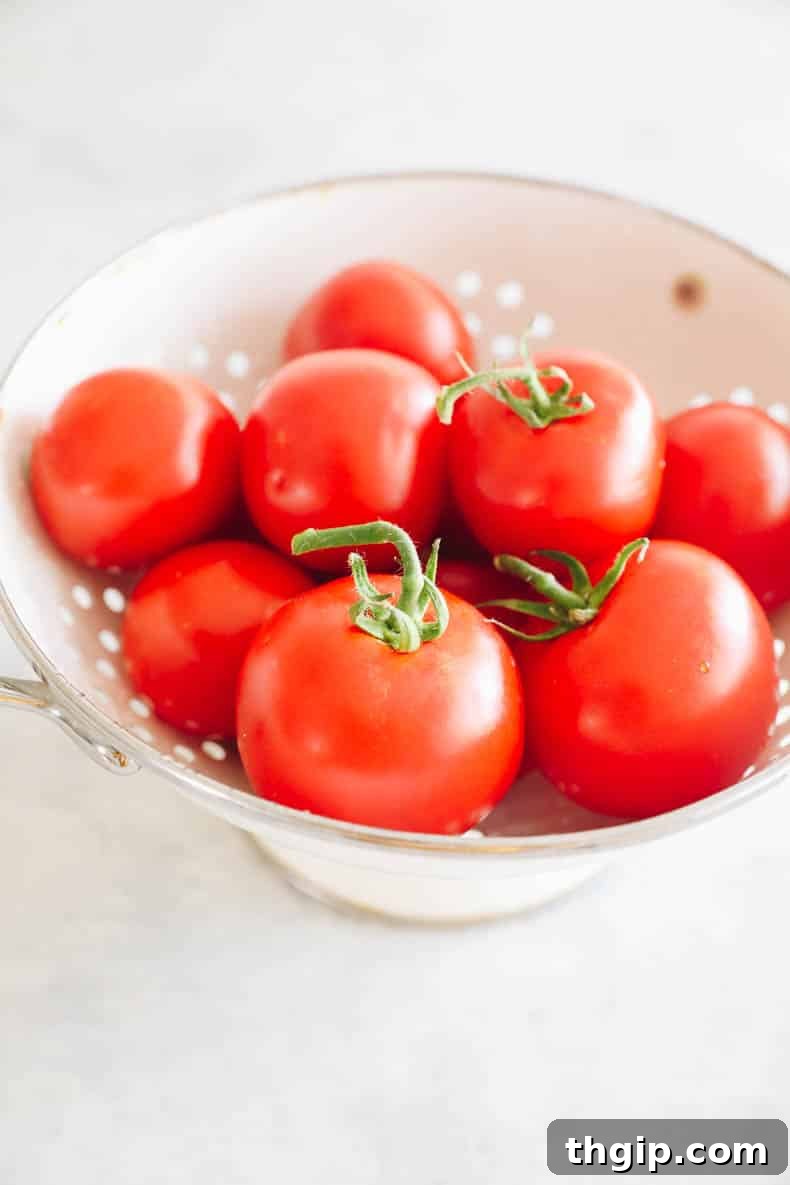
The foundation of any great tomato sauce lies in the quality and type of tomatoes you use. While you can certainly make a delicious sauce with almost any variety, certain tomatoes lend themselves better to the rich, concentrated flavor we’re aiming for.
The Ideal Choice: Plum Tomatoes
Plum tomatoes, often referred to as paste tomatoes, are generally considered the gold standard for sauce making. Varieties like San Marzano and Roma tomatoes are celebrated for several reasons:
- Fleshy Texture: Plum tomatoes have a higher flesh-to-seed ratio and less watery pulp compared to rounder slicing tomatoes. This means they cook down beautifully into a thick, rich sauce without needing excessive reduction.
- Balanced Acidity: These varieties typically offer a balanced sweetness and acidity, providing a well-rounded flavor that is classic for Italian sauces.
- Easy to Peel: Their thick skins are relatively easy to remove after a quick blanching, which contributes to a smoother sauce texture.
Other Excellent Options:
- Beefsteak Tomatoes: While typically juicier, beefsteak varieties like Better Boy or Celebrity can work well, especially if you enjoy a chunkier, more robust sauce. You might need to simmer a bit longer to achieve the desired consistency.
- Cherry or Grape Tomatoes: These small, sweet tomatoes are packed with flavor. While labor-intensive to prepare in large quantities, they can add a wonderful burst of sweetness if used in combination with other varieties or for a quick, fresh sauce.
- Heirloom Tomatoes: If you’re looking for complex, nuanced flavors, heirloom varieties offer a stunning array of tastes and colors. Be mindful that their water content and acidity can vary greatly, so adjust seasoning accordingly.
Tips for Selecting the Best Tomatoes:
- Peak Season is Key: Aim for tomatoes harvested in late summer (August and September) when they are at their absolute ripest and most flavorful.
- Look for Vibrant Color: Choose tomatoes with a deep, uniform color, indicating ripeness. Avoid any with green patches (unless it’s an heirloom variety where green is natural).
- Feel for Firmness: They should feel firm but yield slightly to gentle pressure. Avoid overly soft or mushy tomatoes.
- Smell Their Aroma: A truly ripe tomato will have a sweet, earthy aroma at its stem end.
- Organic if Possible: Opt for organic tomatoes to minimize pesticide exposure and often for better flavor.
Regardless of your chosen variety, remember that the quality of your fresh tomatoes will directly impact the final flavor of your homemade sauce. Choose wisely for a truly exceptional result!
Essential Ingredients for a Flavorful Tomato Sauce
Crafting the perfect homemade tomato sauce requires a careful selection of fresh, high-quality ingredients. Each component plays a vital role in building the rich, balanced flavor profile that makes this recipe so special:
- Extra Virgin Olive Oil: This forms the aromatic base of our sauce. Using good quality extra virgin olive oil provides a fruity, peppery note that enhances the overall richness. It’s crucial for sautéing the aromatics and creating a foundational layer of flavor.
- Yellow Onion: The unsung hero of many savory dishes, a large yellow or sweet onion (like Vidalia) caramelizes beautifully, releasing natural sugars that add a subtle sweetness and incredible depth to the sauce. Slow cooking the onion is key to unlocking its full potential.
- Fresh Garlic Cloves: There’s no substitute for freshly minced garlic. Avoid jarred minced garlic, which often has a muted or slightly metallic flavor. Fresh garlic provides a pungent, aromatic kick that is quintessential to Italian cooking. The quantity specified ensures a noticeable but not overpowering garlic presence.
- Fresh Vine-Ripened Tomatoes: As discussed, the fresher and riper your tomatoes, the better your sauce will be. Roughly chopping them allows for some texture while still breaking down into a luscious sauce. Their natural sweetness and acidity are the heart of this recipe.
- Dried Oregano: A classic Italian herb, dried oregano offers an earthy, slightly peppery, and robust flavor that pairs perfectly with tomatoes. If opting for fresh oregano, remember to double the amount as fresh herbs are generally less potent than their dried counterparts.
- Fresh Basil: Often called the “king of herbs” in Italian cuisine, fresh basil is added at the end of the cooking process to preserve its delicate, sweet, and peppery notes. It brightens the sauce and adds a lovely aromatic finish, balancing the richness of the tomatoes and garlic.
- Salt and Freshly Ground Black Pepper: These fundamental seasonings are critical for enhancing and balancing all the other flavors. Seasoning to taste is important; you can adjust the amounts based on your preference and dietary needs. Fine sea salt or Kosher salt are recommended.
- Brown Sugar (Secret Ingredient!): A small amount of brown sugar is my secret weapon for creating a perfectly balanced sauce. Tomatoes inherently contain acidity, and the molasses notes and subtle sweetness of brown sugar effectively neutralize and complement this acidity, resulting in a smoother, more rounded flavor without making the sauce overtly sweet.
- Optional Additions (consider for deeper flavor): A bay leaf can be added during simmering for an extra layer of herbal notes, and a splash of good quality red wine can deepen the savory character, as detailed in our add-ons section.
Step-by-Step Guide: Crafting the Perfect Homemade Tomato Sauce
Making this incredible homemade tomato sauce is a straightforward process, but paying attention to each step ensures the best possible flavor development. Follow these instructions carefully to create a sauce that will become a staple in your kitchen:
STEP 1: SAUTÉ ONIONS AND GARLIC TO PERFECTION
Begin by adding 1/4 cup of extra virgin olive oil to a large, heavy-bottomed sauce pan or a Dutch oven. A Dutch oven is highly recommended for its even heat distribution and ability to maintain a steady simmer. Place the pan over medium heat. Once the oil is shimmering, add 1 large diced yellow onion. Cook the onions for about 5 to 7 minutes, stirring occasionally, until they become translucent and soft, without browning. This slow sautéing process is crucial as it caramelizes the natural sugars in the onion, developing a deep, sweet foundation for your sauce. Next, add 5 minced garlic cloves to the pan. Cook for an additional 1-2 minutes, stirring continuously, until the garlic becomes fragrant. Be extremely careful not to burn the garlic, as burnt garlic can impart a bitter taste to your sauce.
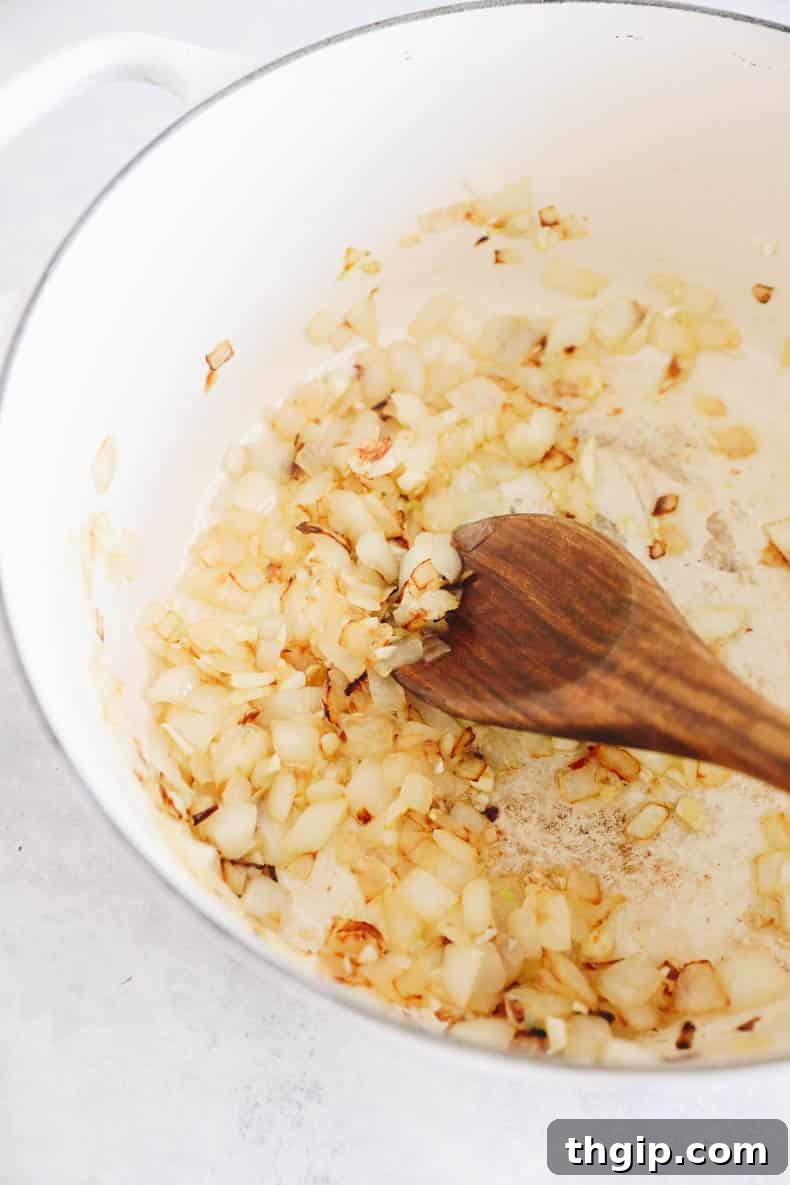
STEP 2: ADD TOMATOES, SEASON, AND SIMMER
Once your aromatics are beautifully fragrant, add 2 lbs of roughly chopped fresh vine-ripened tomatoes to the pot, including any juices that have collected. Increase the temperature to medium-high and bring the mixture to a gentle boil. As it heats up, stir in 2 teaspoons of dried oregano, 3/4 teaspoon of salt (or more to taste), 1/4 teaspoon of black pepper, and 1 tablespoon of brown sugar. The brown sugar helps to balance the natural acidity of the tomatoes and deepen the overall flavor. Once the sauce begins to boil, immediately reduce the heat to medium-low. Let the sauce simmer, uncovered, for at least 30 minutes, or longer if you desire a thicker consistency. Stir occasionally to prevent sticking and ensure even cooking. Simmering uncovered allows the excess moisture to evaporate, concentrating the flavors. In the last 5 minutes of simmering, stir in 1 cup of fresh basil leaves; their delicate flavor is best preserved with minimal cooking.
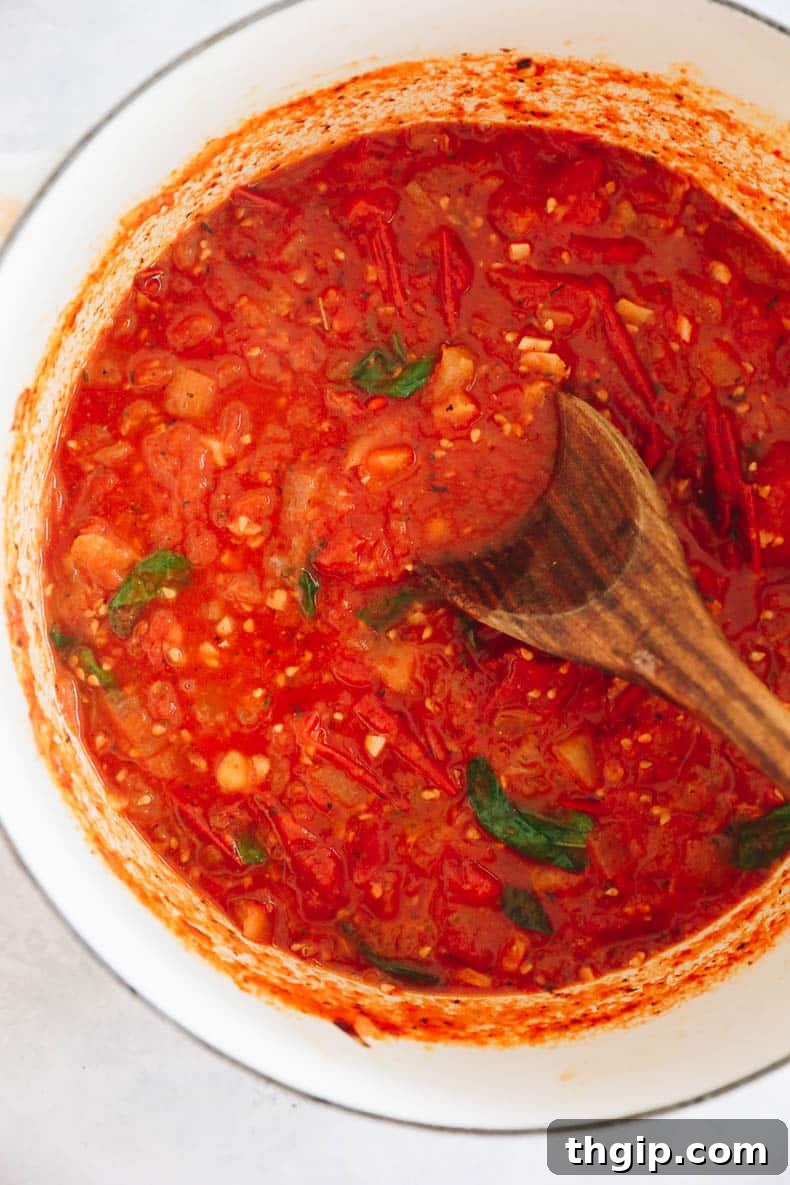
STEP 3: ACHIEVE YOUR DESIRED SAUCE CONSISTENCY
After simmering, your sauce will have naturally thickened, retaining some delightful chunks of tender tomato. If you prefer a rustic, chunkier texture, you can stop here and serve. However, if you desire a silkier, smoother consistency, this is the time to blend. Using an immersion blender directly in the pot is the easiest and safest method. Blend until you reach your preferred smoothness, taking care to leave a few small pieces of tomato if you like a little texture. If you don’t have an immersion blender, you can carefully transfer batches of the sauce to a standard blender, ensuring the lid is vented and covered with a kitchen towel to release steam, preventing pressure buildup. Blend until smooth, then return the sauce to the pot. Taste and adjust seasonings one last time – you might want a pinch more salt, pepper, or a tiny dash of sugar to perfectly balance the flavors.
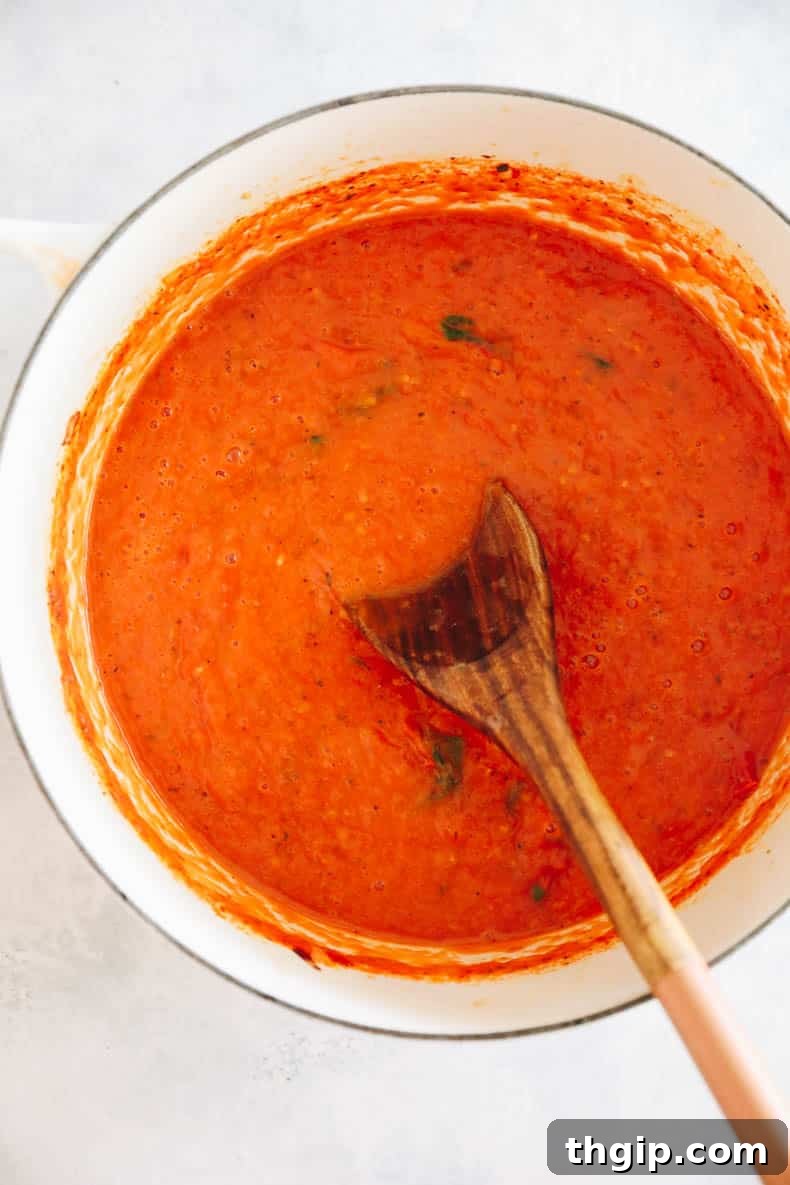
Versatile Uses for Your Delicious Homemade Tomato Sauce
Once you’ve crafted a batch of this exquisite homemade tomato sauce, the culinary possibilities are virtually endless. Its rich, balanced flavor makes it a perfect foundation for a variety of dishes, far beyond just pasta. Here are some inspiring ways to incorporate your delicious creation:
- Classic Pasta Perfection: This is, of course, its most iconic pairing. Use it as a luxurious spaghetti sauce, marinara sauce, or to coat any of your favorite pasta shapes – penne, fettuccine, rigatoni, or orecchiette. Top with fresh parmesan and a sprig of basil for an unforgettable meal. It elevates simple weeknight dinners and special occasions alike.
- Gourmet Pizza Base: Ditch the bland, overly sweet store-bought pizza sauces. This homemade tomato sauce makes an incredible base for your homemade pizzas. Its fresh, vibrant flavor will shine through, complementing your chosen toppings beautifully. Spread it generously on your pizza dough before adding cheese and other ingredients.
- Hearty Casseroles and Baked Dishes: Infuse your casseroles with authentic Italian flavor. This sauce is a perfect replacement for any recipe that calls for a canned or jarred tomato-based sauce. Imagine it enriching your lasagna, baked ziti, or my personal favorite, a comforting eggplant parmesan casserole. It also works wonders in chicken cacciatore or baked meatballs.
- Savory Sauce or Dip Extravaganza: Beyond main courses, this sauce can shine as a flavorful dipping companion or a drizzle for enhancing other dishes.
- For Roasted Vegetables: Drizzle over roasted zucchini, bell peppers, or eggplant before baking for an extra layer of flavor.
- As a Dipping Sauce: Serve it warm with crusty bread, mozzarella sticks, or even fresh vegetables for a delightful appetizer.
- In Grain Bowls: Add a dollop to a hearty grain bowl with roasted chickpeas and greens for a Mediterranean twist.
- With Meatballs or Sausages: Simmer homemade meatballs or Italian sausages directly in the sauce for a truly robust and satisfying meal.
Customizing Your Sauce: Add-Ons and Variations
One of the joys of making homemade tomato sauce is the freedom to customize it to your liking. Here are some fantastic add-ons and substitutions to explore, allowing you to create unique flavor profiles:
- Adding Meat for a Robust Ragu: For a heartier sauce, easily transform this recipe into a delicious meat sauce. Before sautéing your onions, add a tablespoon of olive oil to the pan and brown your choice of ground meat (ground beef, Italian sausage, or ground turkey work wonderfully) for about 5-7 minutes until fully cooked. Drain any excess fat, remove the meat from the pan, and set aside. Proceed with the recipe as instructed, then once your sauce has reached its desired consistency (and blended, if you prefer), return the browned meat to the pot. Simmer for an additional 20-30 minutes to allow the flavors to meld.
- Enhance with Parmesan Cheese: While this recipe is intentionally vegan, adding cheese can elevate its flavor profile significantly. Stir in a quarter cup of freshly grated Parmesan cheese into the sauce during the last few minutes of simmering for a creamy, salty kick. For an even deeper umami flavor, consider adding a Parmesan rind directly to the pot during the main simmering phase and remove it before serving. The rind slowly releases its rich flavors into the sauce.
- Spice It Up with Red Pepper Flakes: If you enjoy a touch of heat, a pinch of red pepper flakes is your answer. Add one to two teaspoons (or more, to taste) of red pepper flakes along with the oregano, salt, and pepper. This will infuse your homemade tomato sauce with a pleasant, warming kick that complements the sweet and savory notes beautifully.
- A Splash of Red Wine for Depth: For a more sophisticated and deeply flavored sauce, add a splash (about 1/4 to 1/2 cup) of dry red wine (like Chianti or Merlot) after the onions and garlic have softened, but before adding the tomatoes. Allow the wine to simmer and reduce for a few minutes until most of the alcohol has cooked off, leaving behind a concentrated, rich flavor. This deglazing technique adds incredible complexity.
- Fresh Herbs Beyond Basil: While basil is traditional, don’t hesitate to experiment with other fresh herbs. A sprig of fresh thyme or rosemary added during simmering can introduce earthy, piney notes. Just remember to remove woody stems before serving.
- Adding Vegetables for Extra Nutrition: Boost the nutritional value and complexity by adding finely diced carrots or bell peppers along with the onions. Carrots will add natural sweetness, while bell peppers contribute a slightly smoky, vibrant flavor. Sauté them until softened before adding the garlic.
- A Touch of Balsamic Glaze: A teaspoon of good quality balsamic glaze stirred in at the very end can add a tangy, sweet, and complex finish, especially if your tomatoes were on the sweeter side.
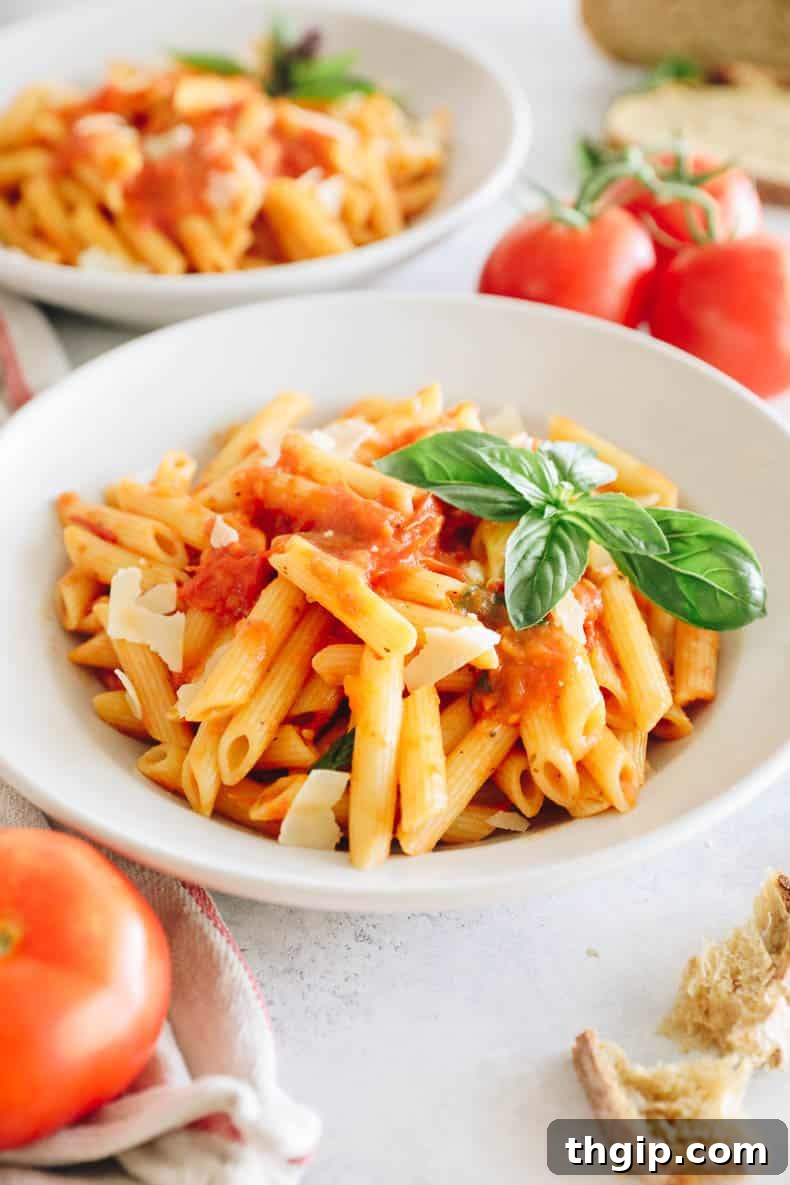
Storing Your Homemade Tomato Sauce: Freshness and Longevity
One of the greatest advantages of making a large batch of this incredible homemade tomato sauce is the ability to store it for future use. Proper storage ensures you can enjoy the taste of fresh summer tomatoes long after the season ends. Here’s how to keep your sauce fresh and delicious:
- Refrigerator Storage (Short-Term):
- Preparation: Allow your homemade tomato sauce to cool completely to room temperature before transferring it to storage containers. Storing warm sauce can create condensation, which promotes bacterial growth.
- Containers: Use clean, airtight containers (glass jars with tight-fitting lids or BPA-free plastic containers are ideal).
- Duration: Stored correctly, your sauce will remain fresh and flavorful in the refrigerator for up to 1 week. Always use your best judgment; if it smells off or shows any signs of mold, discard it.
- Freezer Storage (Long-Term):
- Preparation: Again, ensure the sauce is completely cooled. Freezing in small, manageable portions is highly recommended, as it allows for quicker thawing and prevents waste.
- Containers: Freezer-safe containers or heavy-duty freezer bags are excellent choices. For freezer bags, fill them, lay them flat on a baking sheet to freeze, then stack them vertically to save space. For containers, leave about an inch of headspace to allow for expansion during freezing.
- Duration: Properly frozen, your homemade tomato sauce can maintain its quality for up to 6 months. While still safe to eat beyond this, the flavor and texture might start to degrade.
- Thawing Instructions: To use frozen sauce, transfer it to the refrigerator overnight to thaw gradually. For quicker thawing, place the sealed container or bag in a bowl of cold water, changing the water every 30 minutes. You can also gently reheat directly from frozen in a saucepan over low heat, stirring frequently.
- Canning (Extended Long-Term, Advanced): For those looking to preserve their sauce for more than 6 months, water bath canning is an option, although it requires specific equipment and adherence to tested canning guidelines to ensure safety. This method can extend shelf life significantly, often for a year or more, making it perfect for truly maximizing your tomato harvest.
By following these simple storage instructions, you can effortlessly extend the enjoyment of your delicious homemade tomato sauce, ensuring you always have a taste of summer on hand for quick and easy meals.
More Irresistible Pasta Recipes
If you love this homemade tomato sauce, you’ll surely enjoy exploring other delicious pasta creations. Here are some more recipes to inspire your next meal:
- Kale Pesto Pasta
- Tofu Bolognese Sauce
- Spicy Arrabbiata Sauce
- Sun Dried Tomato Pesto Sauce
- Roasted Red Pepper Sauce
- Hidden Veggie Pasta Sauce
Print Recipe
Homemade Tomato Sauce

5 from 1 review
The absolute best homemade tomato sauce recipe. Using fresh vine ripened tomatoes, caramelized onion and garlic and the ideal temperatures for roasting and simmering, you’ll never go back to store-bought tomato sauce after you try this recipe!
- Author: Davida Lederle
- Prep Time: 10 minutes
- Cook Time: 50 minutes
- Total Time: 1 hour
- Yield: 6 servings
- Category: Dinner
- Method: Cook
- Cuisine: Italian
- Diet: Vegan
Ingredients
- 1/4 cup extra virgin olive oil
- 1 large yellow onion, diced
- 5 garlic cloves, minced
- 2 lbs fresh vine tomatoes, roughly chopped
- 2 tsp dried oregano
- 3/4 tsp salt, or more to taste
- 1/4 tsp black pepper
- 1 tbsp brown sugar
- 1 cup fresh basil leaves
Instructions
- Add olive oil and onions to a large sauce pan or dutch oven and cook on medium heat for 5 minutes or until onions are translucent.
- Add in garlic and cook for 1-2 more minutes.
- Add tomatoes (including all juices) and increase temperature to medium-high until mixture starts to boil.
- Add in oregano, salt and pepper and brown sugar.
- Once boiling reduce heat to medium-low and let simmer, uncovered for 30 mins, stirring occasionally.
- Stir in basil.
- Continue simmering until preferred consistency is reached. Or if you prefer a smoother consistency use an immersion blender to blend to smooth.
- Top on your favorite pasta or pizza.
- See notes above for storage instructions.