
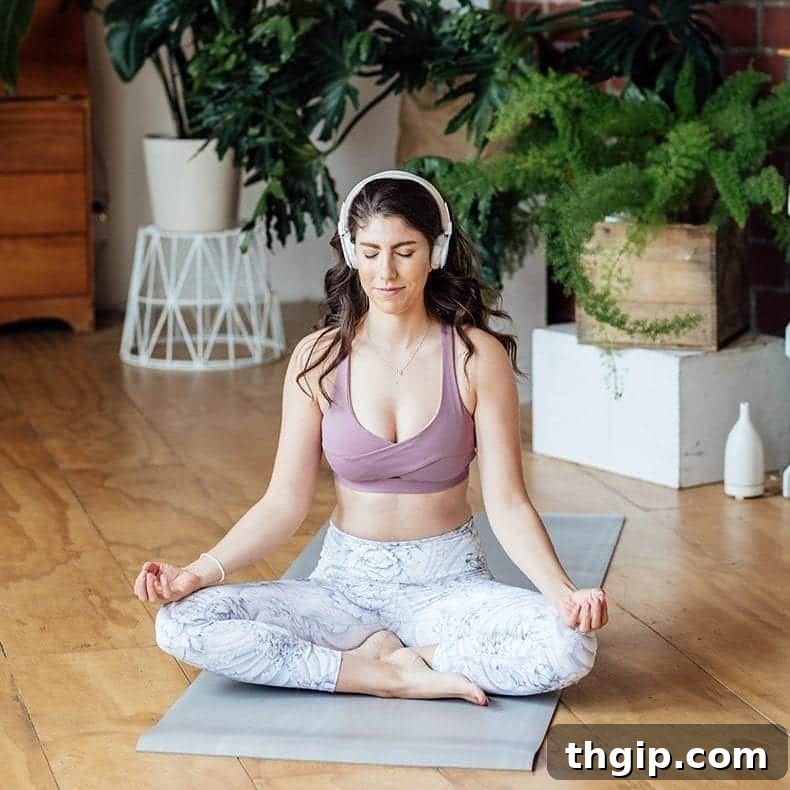
Are you feeling overwhelmed by the fast-paced modern world, constantly seeking a moment of peace and clarity? You’re not alone. Many people are discovering the transformative power of meditation to navigate daily challenges, reduce stress, and cultivate a deeper sense of well-being. If you’re new to this ancient practice, it’s natural to feel a bit daunted. But fret not! This comprehensive introductory guide is designed to demystify meditation, offering you clear, actionable steps to begin your journey towards inner calm. We believe meditation is truly about the enriching journey, not just a distant destination. Let’s explore how you can enjoy every step of this path and unlock its profound benefits for a happier, more balanced life.
The vast world of wellness can often feel daunting, even for those deeply immersed in it. We understand this sentiment perfectly. To help you navigate the ever-expanding and sometimes confusing landscape of holistic health, we’ve created a series of insightful resources. For an all-encompassing guide to wellness, be sure to claim your FREE Wellness Handbook by clicking here. It’s packed with practical tips and strategies to support your journey to optimal health.
Mastering Inner Calm: An Essential Guide to Meditation for Beginners
Meditation, once perceived as an esoteric practice, has surged in popularity, largely thanks to accessible and user-friendly apps that bring guided sessions directly into your home. This modern accessibility has removed much of the intimidation factor, allowing millions to discover its benefits. For many, including myself, the initial hurdle was focusing too much on achieving a “zen state” rather than embracing the process itself. It’s vital to understand that the experience of meditation is just as significant as any perceived outcome. While I wouldn’t call myself a zen master, I can attest to the profound positive impact that simply dedicating time to calm my mind through meditation has had on my overall well-being, fostering greater peace and resilience.
At its heart, meditation is a straightforward practice, accessible to anyone, anywhere. It requires no special equipment or mystical knowledge, yet it offers a wealth of mental, spiritual, and physical benefits. Extensive research consistently highlights meditation’s ability to significantly reduce stress levels, cultivate a sense of inner calmness, enhance mental clarity, and promote lasting happiness. In a world craving tranquility and focus, these benefits are truly invaluable and universally desired.
Unlocking the Power of Your Mind: The Core Philosophy of Meditation
One of the most profound lessons meditation teaches us is that its essence isn’t about forcefully emptying your mind of thoughts. Instead, it’s about developing a heightened awareness of those thoughts. Our minds often operate as a continuous loop, driven by what many refer to as the “ego.” This isn’t necessarily ego in the sense of arrogance, but rather our inherent mechanism for self-protection and preservation. It constantly feeds us thoughts, striving to understand and control our environment, believing this control will bring safety. However, in reality, many of these incessant thoughts do not serve our highest good and can often contribute to anxiety and mental clutter.
By cultivating an objective awareness around these mental chatter patterns, we gain the ability to discern which thoughts genuinely serve our well-being and which we can gracefully acknowledge and release. This practice of observation, rather than engagement, is a continuous journey. While you will undoubtedly improve and extend your meditation sessions over time, the concept of “mastering” meditation is an elusive one, which is why true meditation experts are so rare. As we emphasized earlier, the true richness of meditation lies within the journey itself, in the consistent practice and the subtle shifts in perspective it brings, rather than a final, fixed destination. Embrace the process, and the benefits will naturally unfold.
Discover the Profound Benefits of Regular Meditation Practice
Integrating meditation into your daily routine can unlock a cascade of positive changes, profoundly impacting various aspects of your life. The scientific community continues to uncover the myriad ways this ancient practice enhances human well-being. Here’s a deeper look at some of the most compelling benefits:
- Stress Reduction and Emotional Regulation: Perhaps the most widely recognized benefit, meditation is exceptionally effective at lowering stress hormones like cortisol. Regular practice helps train your mind to respond more calmly to stressful situations, rather than reacting impulsively. This leads to improved emotional regulation, allowing you to navigate life’s ups and downs with greater equanimity.
- Enhanced Mental Clarity and Focus: In an age of constant distractions, meditation acts as a mental gym, strengthening your ability to focus. By gently redirecting your attention back to your breath or a chosen anchor, you improve your concentration, reduce mind-wandering, and enhance cognitive function, leading to greater productivity and sharper decision-making.
- Improved Sleep Quality: Many meditation techniques promote relaxation and reduce the overthinking that often prevents restful sleep. By calming the nervous system and quietening the mind before bedtime, meditation can significantly improve both the ease of falling asleep and the overall quality of your rest, helping you wake feeling more refreshed.
- Greater Self-Awareness and Personal Growth: Meditation provides a unique opportunity to observe your thoughts, emotions, and physical sensations without judgment. This increased self-awareness allows you to better understand your own patterns, triggers, and values, fostering personal growth and a deeper connection to your authentic self.
- Cultivating Empathy and Compassion: Practices like loving-kindness meditation specifically focus on developing feelings of warmth and compassion towards oneself and others. This not only enhances your relationships but also contributes to a more empathetic and connected society.
- Physical Health Advantages: Beyond mental benefits, meditation has been linked to several physical health improvements, including lowering blood pressure, boosting the immune system, and even reducing chronic pain. The mind-body connection is powerful, and a calmer mind often translates to a healthier body.
Embracing a meditation practice is an investment in your holistic health, promising a richer, more grounded, and fulfilling existence.
Finding Your Path: Diverse Approaches to Meditation
One of the most liberating aspects of meditation is the understanding that there isn’t a single “right” way to practice. The beauty of it lies in its adaptability and personal nature. While some individuals might envision a meditator cross-legged on a cushion with incense burning, others find their peace through entirely different avenues. For instance, walking meditation, performed outdoors in nature, allows practitioners to connect with their surroundings while fostering mindfulness. This diversity is a powerful reminder that wellness is a deeply personal journey, manifesting uniquely for everyone.
If you’re just embarking on your meditation journey, I’ve found that having a structured guide can be incredibly helpful. Fortunately, the digital age has provided us with a plethora of excellent meditation apps. These platforms offer guided meditations that are not only highly doable but also incredibly accessible, allowing you to practice virtually anywhere. A crucial spoiler alert for beginners: don’t expect to sit down for a 30-minute silent meditation on your very first attempt. You’ll typically begin with short, manageable sessions of five or ten minutes, gradually building your capacity from there. Trust me, even five minutes can feel surprisingly challenging at the outset!
My favorite guided meditation apps for beginners and experienced practitioners alike:
- Insight Timer (my personal favorite for its vast free library)
- Headspace (excellent for structured learning paths)
- Calm (renowned for its soothing interface and sleep stories)
How to Start Your Meditation Journey: A Simple Step-by-Step Guide
Embarking on your meditation journey doesn’t have to be complicated. Here’s a straightforward guide to help you take those crucial first steps, designed to make the process as accessible and stress-free as possible:
- Choose Your Guide: For newcomers, a guided meditation is often the most effective starting point. These sessions provide verbal instructions that keep you focused and help you understand the process. Download one of the recommended apps mentioned above. While music and a timer can be useful later, a guided session will actively teach you what to do.
- Create Your Sanctuary: Find a quiet, comfortable spot where you won’t be disturbed for the duration of your meditation. This could be a specific chair in your home, a secluded corner of a park, or even your bed. The key is to choose a place where you feel a sense of grounding and ease, allowing you to relax without external distractions.
- Follow the Guidance: Once you’re settled, simply start the meditation on your chosen app. The guide will lead you through the entire process, from prompting you to gently close your eyes, instructing you on how to breathe deeply, suggesting points of focus (like your breath or bodily sensations), and most importantly, advising you on how to acknowledge and handle your thoughts without judgment.
- Alternative: Simple Timer Method: If using an app isn’t an option or preference, you can still begin with a simple, unguided practice. Set a timer for just 5 minutes. Find a comfortable seated position, gently close your eyes, and bring your attention to your breath. Focus on the sensation of inhaling and exhaling. When thoughts inevitably arise (and they will!), simply acknowledge them without engaging, and then gently bring your attention back to your breath. This simple act of returning to your breath is the core of the practice.
Cultivating Consistency: Tips for a Sustainable Meditation Practice
During your meditation, aim to stay as present as you can. It’s crucial to acknowledge that, especially at first, this will be challenging. Your mind will wander, you’ll get distracted, and some sessions will feel more natural and peaceful than others. The more you practice consistently, the easier it generally becomes, but there will always be days where it feels like a struggle. This is entirely normal and part of the human experience.
I’ve personally found that the most significant impact of meditation isn’t just felt during the practice itself, but profoundly noticed on the days I *don’t* meditate. On those non-meditation days, I often feel less grounded, more susceptible to reactivity, and generally more scatterbrained. These observations motivate me to prioritize my practice. However, it’s equally important to approach this with self-compassion. If a day passes and you don’t get to meditate, don’t beat yourself up. The goal is to cultivate peace and kindness, and self-criticism defeats that very purpose. Simply acknowledge it, and aim to return to your cushion the next day.
Beyond the Cushion: Integrating Mindfulness into Daily Life
While formal meditation sessions are incredibly beneficial, the true power of the practice lies in its ability to permeate your entire day. Mindfulness, the art of being fully present, can be cultivated in countless everyday moments. Whether you’re sipping your morning coffee, washing dishes, walking in nature, or listening to a loved one, bringing intentional awareness to these activities transforms them into opportunities for micro-meditations. This integration helps you sustain a sense of calm and presence even when you’re not formally meditating, enhancing your overall quality of life.
Your journey into meditation is a personal adventure towards greater peace, clarity, and self-understanding. It’s a continuous process of learning and growing, unfolding one mindful breath at a time. Embrace the beginner’s mind, be patient with yourself, and celebrate every small step forward. The rewards of this practice are immeasurable, leading to a more centered and joyful existence.