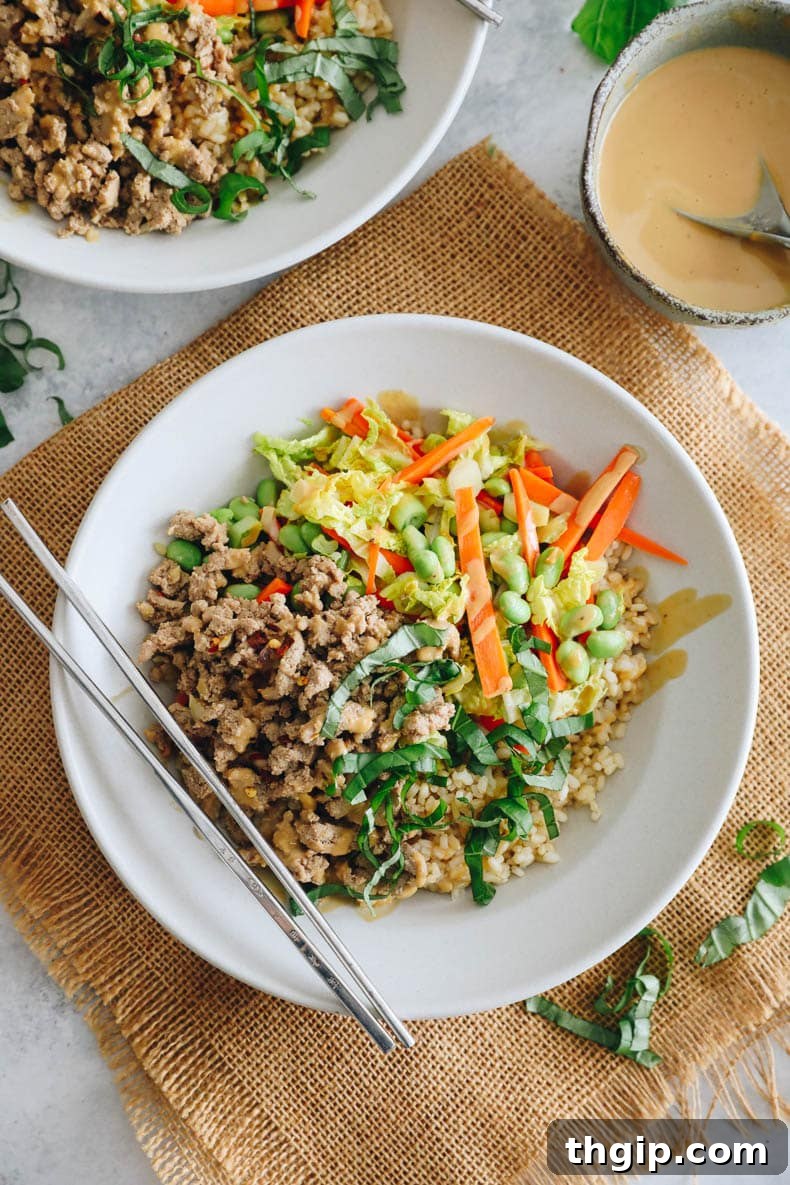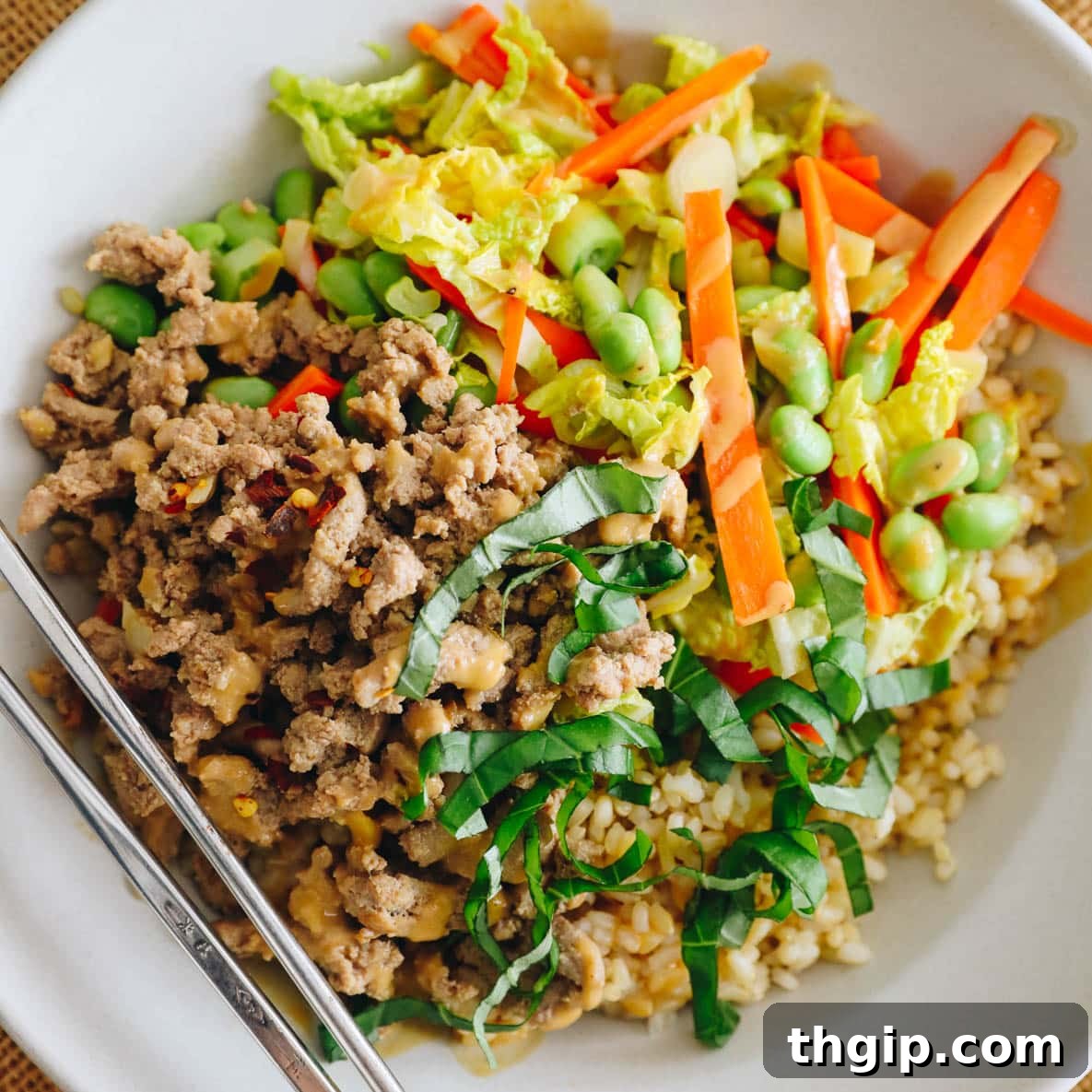
Looking for a quick, healthy, and incredibly flavorful meal to simplify your busy weeknights? These Thai Bowls are the perfect answer! Featuring lean ground turkey infused with an aromatic, savory sauce, served over a bed of fluffy rice, and crowned with vibrant fresh vegetables and a delectable creamy peanut sauce, this dish is designed for both speed and satisfaction. Ready in just 30 minutes, it’s a family-friendly favorite that brings the exotic tastes of Thailand right to your kitchen table.
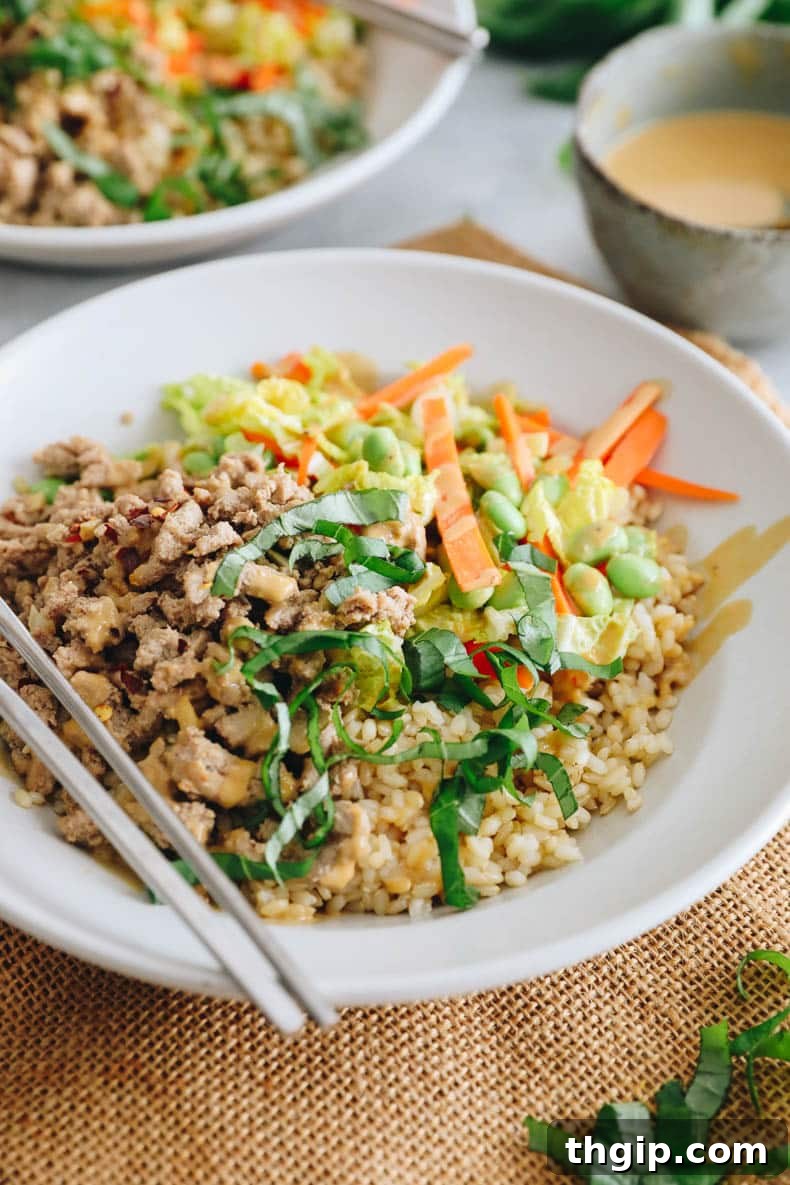
Why These Thai Basil Turkey Bowls Will Become Your Go-To Recipe
It’s no secret why this Thai-inspired turkey bowl recipe consistently earns rave reviews from everyone who tries it. The intricate layers of sweet, salty, tangy, and subtly spicy flavors might suggest a complicated cooking process, but in reality, preparing these bowls is incredibly straightforward. Here are just a few reasons why you’ll fall in love with this dish:
1) Effortlessly Meal-Prepped for Ultimate Convenience
One of the standout features of these Thai Bowls is how perfectly they lend themselves to meal preparation. In today’s fast-paced world, having healthy, delicious meals ready to go is a game-changer. You can easily cook a larger batch of the ground turkey and vegetables, store them in airtight containers, and have lunches or dinners sorted for several days. This makes weeknight meal planning a breeze and ensures you always have a nutritious option at your fingertips, whether you’re at home or on the go.
2) A Deliciously Gluten-Free Option for All
For those managing gluten sensitivities or celiac disease, finding truly satisfying and flavorful gluten-free recipes can sometimes be a challenge. These turkey bowls are naturally gluten-free when made with tamari (a gluten-free soy sauce alternative) and other gluten-free ingredients, making them a fantastic choice for anyone adhering to a gluten-free diet. It’s a dish that everyone at the table can enjoy without compromise, ensuring that flavor and dietary needs go hand-in-hand.
3) Packed with Protein for Sustained Energy
Fueling your body with adequate protein is essential for muscle health, satiety, and overall well-being. With a full pound of lean ground turkey in the main recipe, these Thai Bowls deliver a substantial protein punch. This helps keep you feeling full and energized, preventing those mid-afternoon slumps and supporting a healthy, active lifestyle. It’s a wholesome meal that doesn’t skimp on nutrition.
4) Bursting with Fresh, Vibrant Flavors
Beyond convenience and health benefits, the true appeal of these bowls lies in their incredible flavor profile. The combination of savory turkey, crisp vegetables, and a rich, creamy peanut sauce creates a harmonious symphony of tastes and textures. Fresh ginger, garlic, and Thai basil elevate the dish, offering an authentic and refreshing twist that will tantalize your taste buds.
5) Highly Customizable to Suit Your Taste
Whether you’re a picky eater or an adventurous chef, this recipe offers endless possibilities for customization. Don’t like a particular vegetable? Swap it out! Prefer more heat? Add extra sriracha! Allergic to peanuts? Almond or sunflower butter work just as well in the sauce. This flexibility ensures that every bowl can be tailored to individual preferences, making it a versatile recipe for any household.
Essential Ingredients for Your Thai Basil Turkey Bowls
Crafting these delicious Thai bowls requires a selection of fresh and flavorful ingredients, many of which you likely already have in your pantry. Each component plays a vital role in building the vibrant and complex taste of this dish.
- Rice: The foundation of our satisfying bowls. While jasmine rice is a classic choice for its fragrant aroma and fluffy texture, you could also opt for brown rice for added fiber, or even cauliflower rice for a low-carb alternative. Ensure it’s cooked perfectly according to package instructions.
- Sesame Oil: Used for cooking both the ground turkey and vegetables. Its distinct nutty flavor adds an authentic Asian touch to the dish. A little goes a long way!
- Ground Turkey: We recommend using lean ground turkey (around 94% lean) for a healthier profile. However, you can easily substitute with ground chicken, ground beef, or even ground pork if you prefer. For a plant-based option, crumbled tofu or tempeh works wonderfully.
- Garlic: Freshly minced garlic is non-negotiable for its pungent, aromatic base. It truly elevates the flavor of the turkey mixture.
- Ginger: Grated or finely minced fresh ginger provides a warm, spicy, and fragrant note that is quintessential to Thai cuisine. Avoid powdered ginger if possible for the best flavor.
- Tamari: A gluten-free soy sauce alternative that provides the essential savory, umami flavor. If gluten is not an issue, regular low-sodium soy sauce can be used. Coconut aminos are another excellent gluten-free, soy-free option, offering a slightly sweeter profile.
- Rice Vinegar: Adds a crucial element of acidity to the sauce, balancing out the richness and sweetness and brightening all the flavors.
- Vegetables: A medley of fresh, crunchy vegetables not only adds color and texture but also a boost of nutrients. Our recipe calls for crisp carrots (julienned or shredded), thinly sliced cabbage, chopped green onions (whites and light greens), and shelled edamame. Feel free to explore other options like bell peppers, broccoli florets, snap peas, or bok choy.
- Peanut Butter: The star ingredient for our luscious peanut sauce. Opt for smooth, natural peanut butter with minimal added sugar for the best results. For allergy considerations, almond butter or sunflower butter are excellent alternatives.
- Fish Sauce: A small amount of fish sauce in the peanut sauce adds an incredible depth of umami and authentic Thai flavor. Don’t skip it if you can!
- Thai Basil: This herb offers a unique, slightly peppery, and anise-like flavor that is distinct from common sweet basil. It’s often found in Asian grocery stores. If unavailable, fresh cilantro makes a good substitute.
- Salt + Black Pepper: Basic seasonings used to enhance and round out the flavors of the dish. Adjust to your personal preference and consider reducing salt if monitoring sodium intake.
- Optional Toppings: Elevate your bowls with a drizzle of sriracha for heat, a sprinkle of toasted sesame seeds for crunch and visual appeal, or a handful of chopped cashews or peanuts for extra texture and healthy fats.
Crafting Your Thai Basil Turkey Bowls: A Step-by-Step Guide
Creating these vibrant Thai bowls is surprisingly simple, designed for efficiency without compromising on flavor. Follow these easy steps to bring this delicious meal to life:
STEP 1: Perfectly Cook the Rice
Begin by cooking your chosen rice (such as jasmine or brown rice) according to the package instructions. Aim for light, fluffy grains that serve as the ideal base for your bowls. While the rice cooks, you can move on to preparing the other components.
STEP 2: Prepare the Flavorful Ground Turkey
In a large skillet or wok, heat 1 tablespoon of sesame oil over medium-high heat until shimmering. Add the lean ground turkey, minced garlic, grated fresh ginger, tamari, and rice vinegar. Use a spoon to break up the turkey meat as it cooks. Continue stirring until the turkey is evenly browned and fully cooked through, ensuring no pink remains. Once cooked, remove the turkey mixture from the pan and set it aside in a bowl.
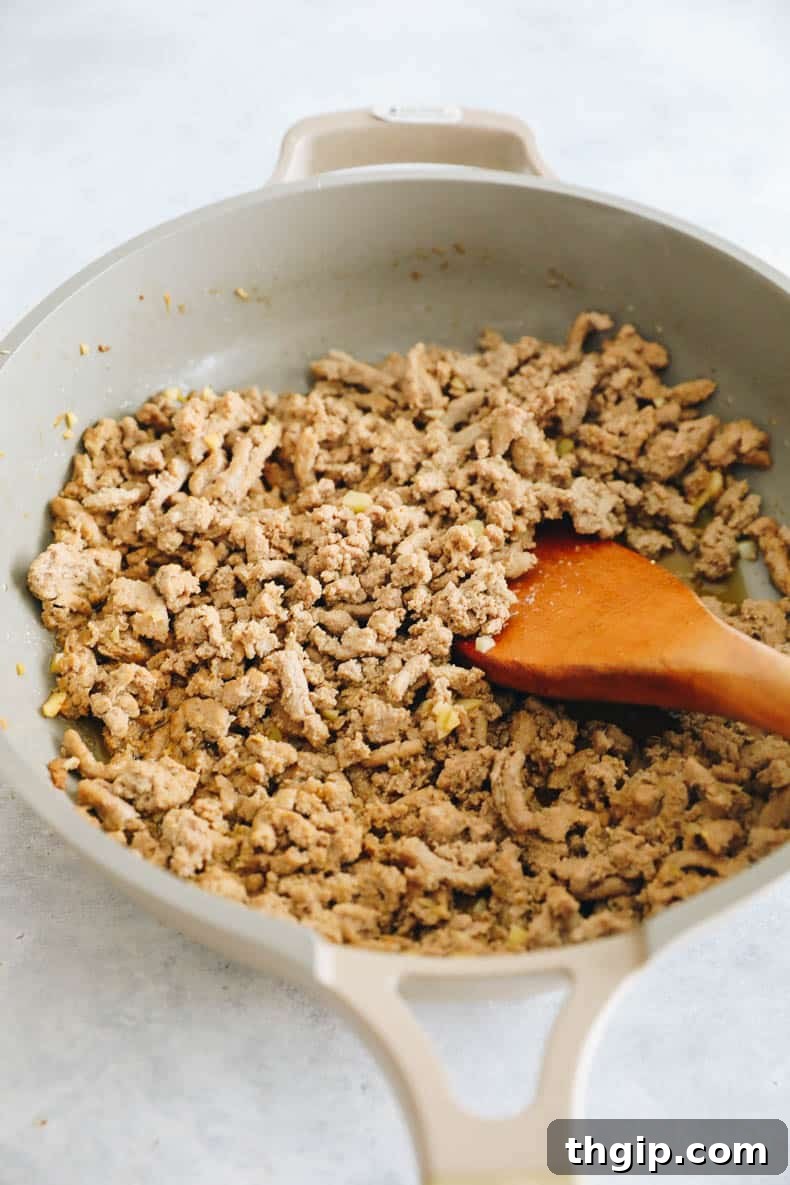
STEP 3: Sauté the Crisp Vegetables
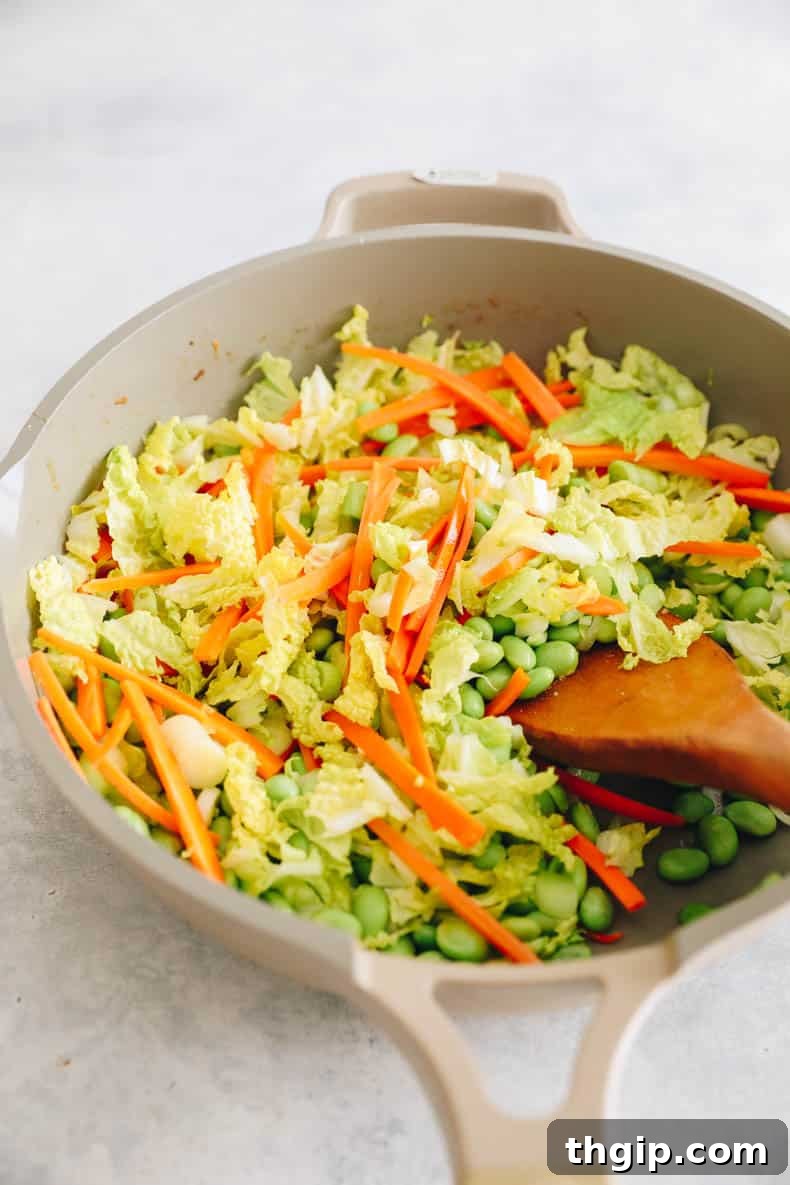
Add the remaining 1 tablespoon of sesame oil to the same skillet or wok, lowering the heat to medium. Stir in the julienned carrots, shredded cabbage, chopped green onions (whites and light greens), and shelled edamame. Sauté for just 3-5 minutes, stirring occasionally, until the vegetables are lightly cooked through but still retain a pleasant crisp-tender texture. Avoid overcooking to maintain their vibrant color and crunch.
STEP 4: Whisk Up the Creamy Peanut Sauce
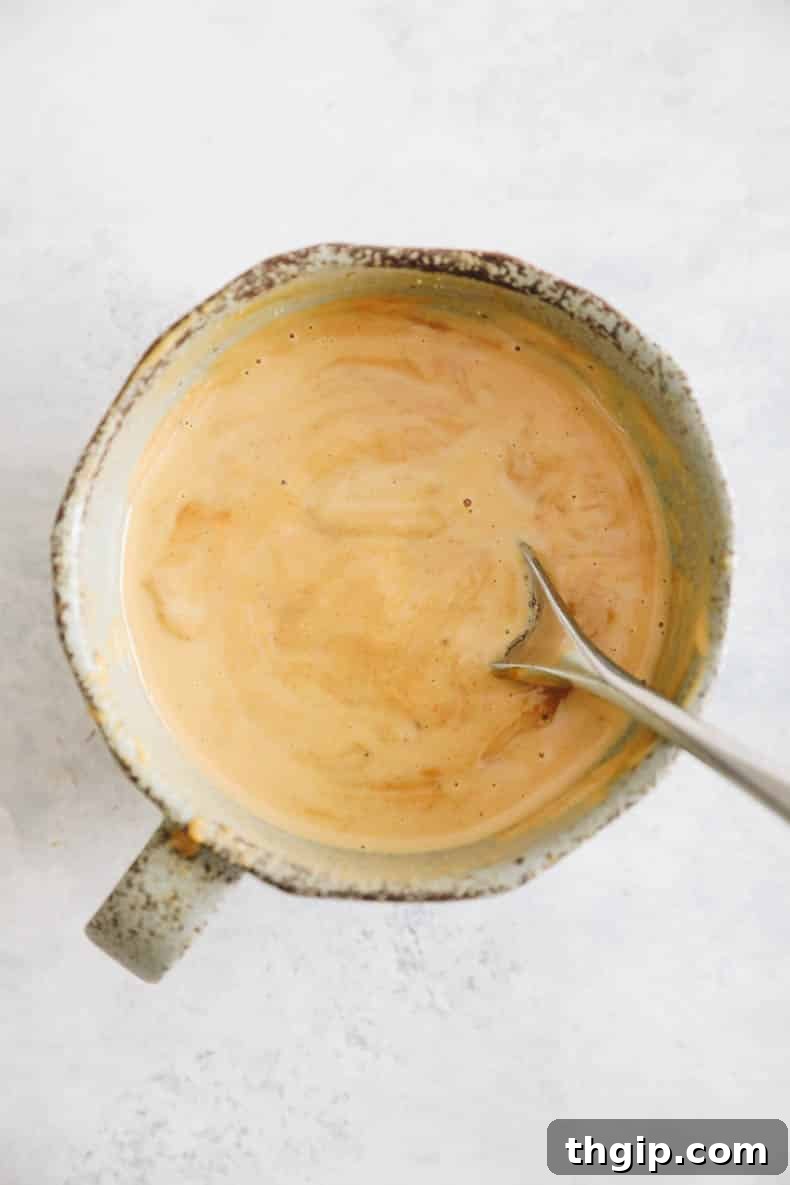
While the vegetables are cooking, prepare the irresistible peanut sauce. In a small bowl or a mason jar, combine all the peanut sauce ingredients: smooth peanut butter, tamari, rice vinegar, and fish sauce. Whisk vigorously until the sauce is completely smooth and well combined. If the sauce is too thick, add a small amount of water (1 teaspoon at a time) until it reaches your desired drizzling consistency. Taste and adjust seasoning with a pinch of salt and black pepper as needed.
STEP 5: Assemble Your Delicious Thai Bowls
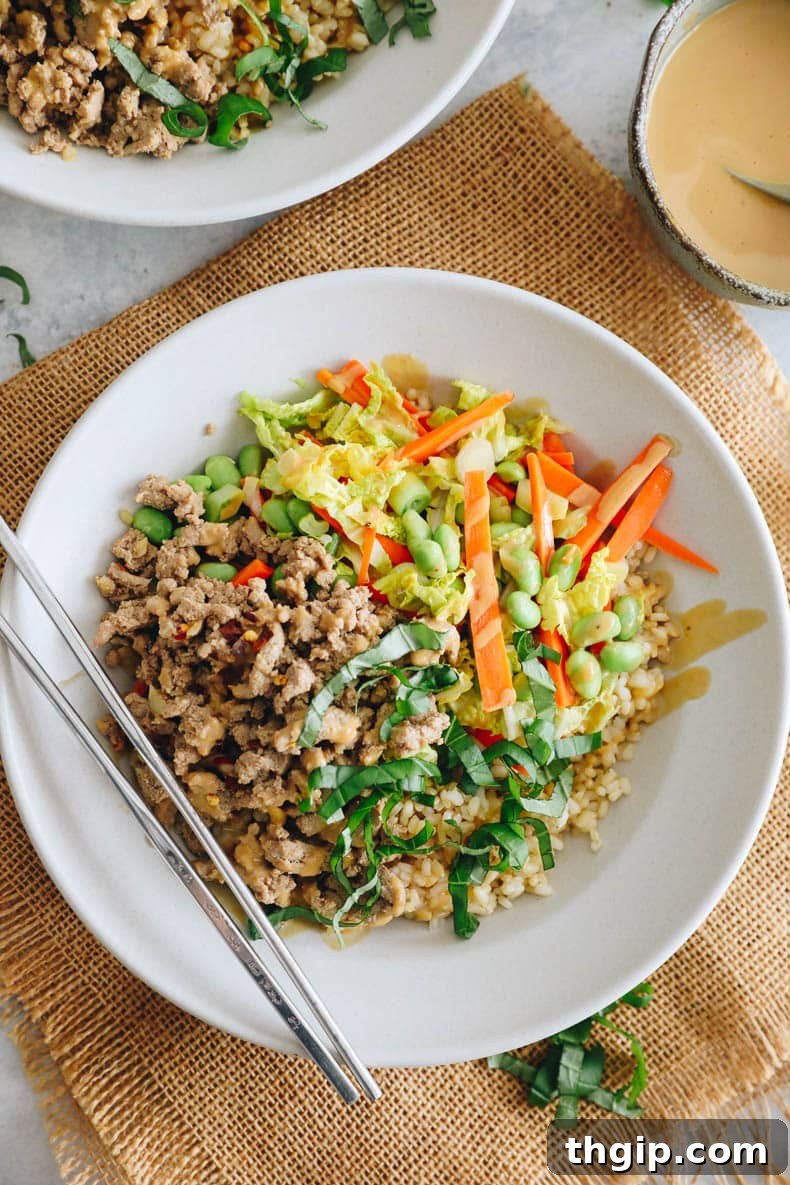
Once all components are ready, it’s time to assemble your beautiful Thai bowls. Divide the cooked rice evenly among four serving bowls. Top each portion of rice with the savory cooked ground turkey mixture and a generous serving of the sautéed vegetables. Drizzle liberally with the homemade creamy peanut sauce and finish with a sprinkle of fresh, julienned Thai basil. For extra flavor and texture, add any desired optional toppings like sriracha, sesame seeds, or chopped cashews. Serve immediately and enjoy!
Easy Swaps & Creative Substitutions to Customize Your Bowl
One of the best aspects of these Thai Basil Turkey Bowls is their incredible versatility. Feel free to get creative and adapt the recipe to suit your preferences, dietary needs, or whatever ingredients you have on hand.
- Peanut Butter Alternatives: While the peanut sauce is a highlight, if you have a peanut allergy or simply prefer another flavor, almond butter or sunflower seed butter are fantastic options. They provide a similar creamy texture and nutty base. For a different twist, try tahini for a more distinct sesame flavor.
- Tamari Replacements: If tamari isn’t available, or you’re not concerned about gluten, regular low-sodium soy sauce can be used in equal amounts. For a soy-free and gluten-free alternative, coconut aminos work perfectly and add a slightly sweeter, milder umami flavor.
- Vary Your Veggies: The beauty of a bowl meal is the ability to pack it with your favorite vegetables. Beyond carrots, cabbage, green onions, and edamame, consider adding or swapping in:
- Broccoli florets: Steamed or lightly stir-fried.
- Bell peppers: Sliced red, yellow, or orange peppers add sweetness and crunch.
- Snap peas or snow peas: For a delightful crisp texture.
- Mushrooms: Sliced shiitake or cremini mushrooms add an earthy depth.
- Bok choy: Lightly sautéed for a tender, leafy green.
- Zucchini or yellow squash: Cut into matchsticks or thin half-moons.
- Spinach or kale: Wilted into the turkey mixture at the end.
You can use fresh or frozen vegetables; just adjust cooking times accordingly.
- Change Up the Protein: While lean ground turkey is excellent, this recipe is adaptable to almost any ground meat or plant-based protein:
- Ground Chicken or Pork: Offer a similar texture and absorb flavors beautifully.
- Ground Beef: Choose a lean variety for a richer flavor.
- Crumbled Tofu or Tempeh: For a delicious vegan and vegetarian option, crumble and sauté until browned before adding the sauce ingredients.
- Lentils: Cooked brown or green lentils can also be used for a hearty plant-based protein.
- Alternative Bases: If rice isn’t what you’re craving, there are plenty of other options for your bowl’s base:
- Rice Noodles: For a stir-fry feel, serve the mixture over soft rice noodles.
- Quinoa: A protein-packed grain that makes a fantastic base.
- Cauliflower Rice: An excellent low-carb, grain-free option.
- Couscous or Farro: Other grains that can add variety.
- Spiralized Zucchini or Sweet Potato: For a fresh, raw, or lightly cooked vegetable noodle base.
- Dial Up the Heat: If you’re a fan of spicy food, it’s easy to add an extra kick. Stir in a pinch of red chili flakes with the turkey, drizzle extra sriracha over your finished bowl, or even add a finely minced fresh bird’s eye chili to the sauce.
Storage, Meal Prep & Reheating Instructions
These Thai Basil Turkey Bowls are not only delicious fresh but also fantastic for meal prepping, making your busy week much easier. Proper storage ensures your leftovers remain tasty and safe to eat.
Storage: Store any leftover Thai bowls in an airtight container in the refrigerator for up to 3 days. For best preservation, especially for meal prepping, it’s ideal to store the rice, turkey mixture, and vegetables separately from the peanut sauce and fresh basil. This helps prevent the rice from becoming soggy and keeps the vegetables crisp.
Meal Prepping Tips:
- Cook a larger batch of ground turkey and vegetables at the beginning of the week.
- Prepare the peanut sauce and store it in a separate container or small jar.
- Cook your rice fresh each day, or store it separately in individual portions.
- When ready to eat, simply combine the heated components and drizzle with sauce and fresh basil.
Freezing Cooked Turkey: The cooked ground turkey mixture can be stored in the freezer for up to 3 months. Allow it to cool completely, then transfer to a freezer-safe bag or airtight container. Thaw overnight in the refrigerator before reheating and assembling your bowls.
Reheating: For best results, reheat the turkey and vegetable mixture in a skillet over medium heat until warmed through. Alternatively, microwave individual portions until hot. Add fresh rice, peanut sauce, and basil just before serving.
Why You Should Make These Thai Basil Turkey Bowls Tonight
If you’re looking for a meal that ticks all the boxes – fast, flavorful, healthy, and satisfying – look no further. These Thai Basil Turkey Bowls offer an incredible fusion of fresh ingredients and aromatic spices that will transport your taste buds. They’re perfect for busy weeknights when you crave something wholesome and exciting but don’t have hours to spend in the kitchen. Plus, the easy customization means everyone in the family can enjoy a bowl tailored to their liking. Give this recipe a try tonight; it’s guaranteed to become a new favorite in your culinary rotation!
Frequently Asked Questions (FAQs) About Thai Basil Turkey Bowls
Here are some common questions you might have about making these delicious bowls:
- What kind of rice is best for Thai Bowls?
Jasmine rice is traditionally preferred for its fragrant aroma and soft texture, which complements the Thai flavors beautifully. However, brown rice offers more fiber and a nuttier taste, while white rice is a classic simple option. For a low-carb alternative, cauliflower rice works wonderfully.
- Can I make this recipe vegetarian or vegan?
Absolutely! To make it vegetarian or vegan, simply replace the ground turkey with crumbled extra-firm tofu or tempeh. Sauté the plant-based protein until it’s browned and slightly crispy, then proceed with the recipe. Ensure your peanut butter and other sauces are vegan-friendly.
- How can I adjust the consistency of the peanut sauce?
If your peanut sauce is too thick, gradually add water (or a bit of lime juice or vegetable broth) a teaspoon at a time, whisking continuously, until it reaches your desired drizzling consistency. If it’s too thin, you can add a tiny bit more peanut butter or let it sit for a few minutes; it often thickens slightly upon standing.
- Is Thai basil essential, or can I use regular basil?
Thai basil has a distinct, slightly peppery, and anise-like flavor that is characteristic of many Thai dishes. While regular sweet basil can be used in a pinch, it won’t provide the exact same authentic flavor. Fresh cilantro is a closer substitute if you can’t find Thai basil, offering a fresh, herbaceous note.
- How spicy are these bowls? How can I make them spicier or milder?
As written, this recipe has a mild to moderate spice level, mainly from the ginger and any optional sriracha. To make it spicier, you can add red chili flakes to the turkey mixture, use a spicier peanut butter, or drizzle more sriracha/chili garlic sauce over your finished bowl. For a milder version, simply reduce the amount of ginger or omit the optional spicy toppings.
- Can I use frozen vegetables instead of fresh?
Yes, frozen vegetables work perfectly! You can add them directly to the pan with the sesame oil and cook until heated through and tender-crisp. No need to thaw beforehand for most frozen mixed vegetables.
More Delicious & Healthy Bowl Recipes You’ll Love
If you’ve enjoyed the convenience and flavor of these Thai Basil Turkey Bowls, you’re in for a treat! We love creating well-balanced and satisfying bowl meals that are packed with nutrients and vibrant flavors. Explore more of our favorite bowl recipes to inspire your next healthy meal:
- The Ultimate Buddha Bowl
- Macro Veggie Bowls
- Quinoa and Roasted Veggie Bowls
- Baked Falafel Buddha Bowl
- Mediterranean Bowls
- Salmon and Rice Bowls
Thai Basil Turkey Bowls Recipe
5 Stars
4 Stars
3 Stars
2 Stars
1 Star
No reviews yet. Be the first to rate this recipe!
Looking for a quick 30 minute meal for busy weeknight dinners? These Thai Bowls are made with ground turkey in a flavorful sauce topped over a bed of rice with fresh veggies and a delicious peanut sauce.
- Author: Davida Lederle
- Prep Time: 10 minutes
- Cook Time: 20 minutes
- Total Time: 30 minutes
- Yield: 4 servings
- Category: Dinner
- Method: Cook
- Cuisine: Thai
- Diet: Gluten Free
Ingredients
- 1 1/2 cups uncooked rice (jasmine or preferred)
- 2 tbsp sesame oil
- 1 lb lean ground turkey (Ideally 94% lean)
- 3 garlic cloves, minced
- 2 tsp freshly grated ginger
- 2 tbsp tamari (or low-sodium soy sauce/coconut aminos)
- 1 tbsp rice vinegar
- 1 large carrot, julienned or shredded
- 2 cups shredded cabbage
- 3 green onions, whites + light green chopped
- 1 cup cooked and shelled edamame
- 2 cups Thai Basil, julienned, for garnish
- Optional toppings: sriracha, sesame seeds, cashews
For the Creamy Peanut Sauce:
- 1/4 cup smooth peanut butter (natural preferred)
- 2 tbsp tamari (or low-sodium soy sauce/coconut aminos)
- 1 tbsp rice vinegar
- 1/2 tsp fish sauce (optional, but recommended for umami)
- Pinch of salt, to taste
- Pinch of black pepper, to taste
- 1-2 tbsp water, to thin (if needed)
Instructions
- Cook rice according to package instructions. Set aside.
- Heat 1 tbsp of sesame oil in a large pan or wok over medium-high heat.
- Add ground turkey, minced garlic, grated ginger, tamari, and rice vinegar to the pan.
- Stir and break up the turkey meat, cooking until browned and fully cooked through.
- Remove the cooked turkey mixture from the pan and set aside.
- Add the remaining 1 tbsp of sesame oil to the pan and reduce heat to medium. Stir in julienned carrot, shredded cabbage, chopped green onions, and shelled edamame. Cook for 3-5 minutes until vegetables are lightly cooked and still crisp-tender.
- For the Peanut Sauce:
- In a small bowl or mason jar, combine all peanut sauce ingredients (peanut butter, tamari, rice vinegar, fish sauce, salt, pepper). Whisk until smooth. Add water (1 tsp at a time) if needed to achieve desired drizzling consistency.
- For Assembly:
- Divide the cooked rice evenly into 4 serving bowls.
- Top each bowl with the cooked turkey meat and the sautéed vegetables.
- Generously drizzle with the prepared peanut sauce and sprinkle with fresh, julienned Thai basil.
- Add any additional toppings, such as sriracha, sesame seeds, or chopped cashews, if desired. Serve immediately.