
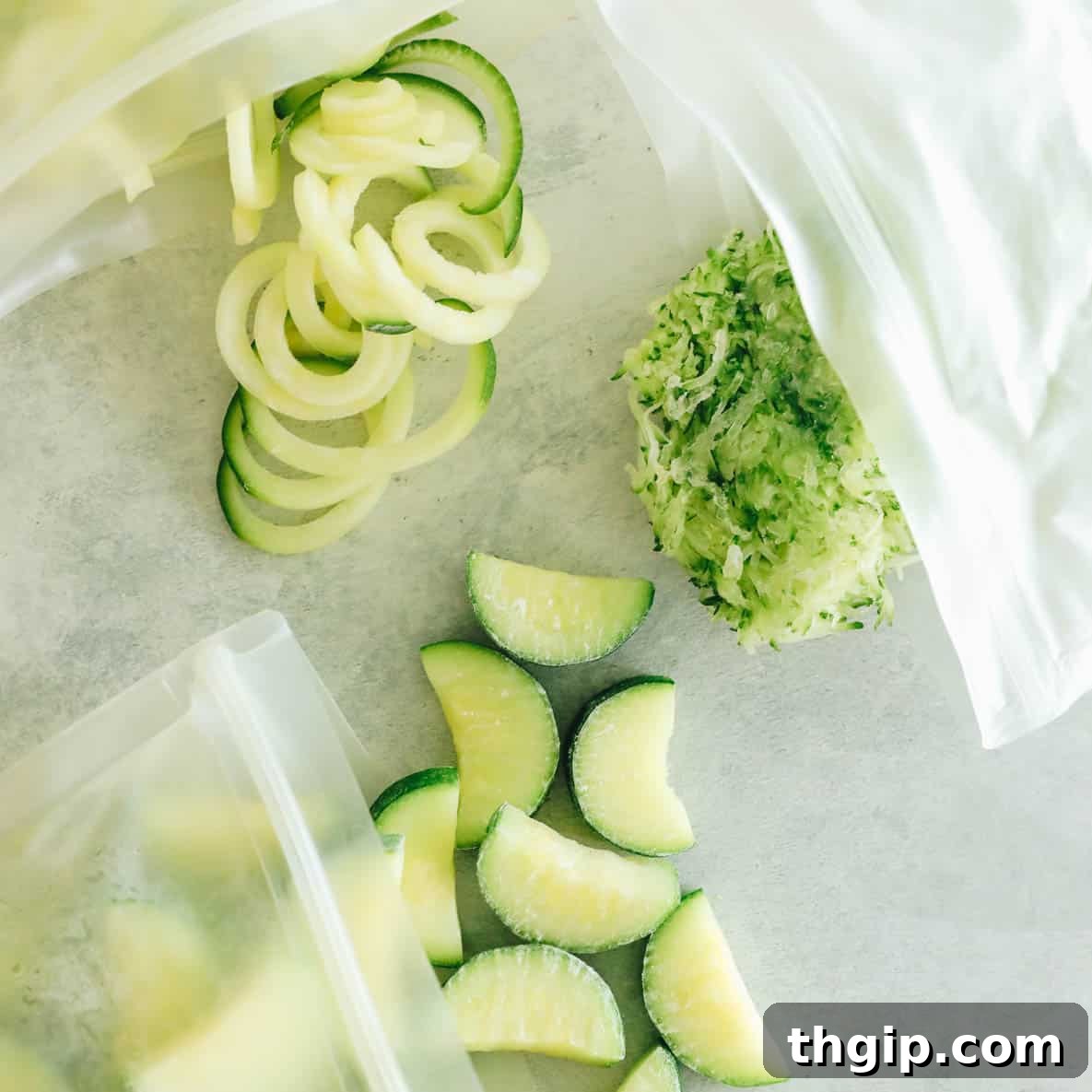
Summer brings an abundance of fresh produce, and for many home gardeners, zucchini often takes center stage. But what do you do when your garden yields more zucchini than you can possibly consume? The answer is simple and incredibly satisfying: freeze it! Yes, you can freeze zucchini, and it freezes beautifully whether it’s chopped, grated, or even spiralized. This comprehensive guide will show you exactly how to preserve your zucchini harvest, ensuring you have a steady supply for your favorite recipes all year long.
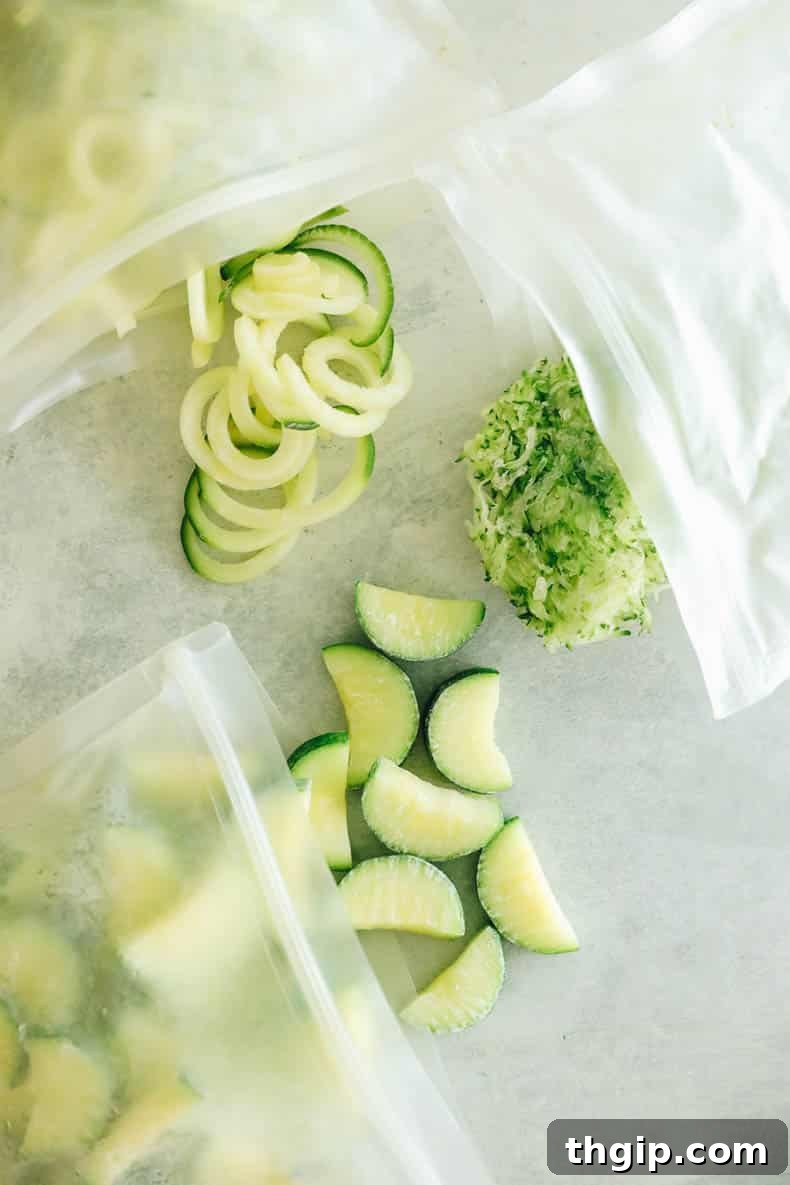
Table of Contents
- Why Freeze Zucchini: Benefits and Advantages
- Essential Tips Before You Freeze Zucchini
- How to Freeze Sliced or Chopped Zucchini
- How to Freeze Grated or Shredded Zucchini
- Can You Freeze Zucchini Noodles (Zoodles)?
- How Long Does Frozen Zucchini Last?
- Delicious Ways to Use Frozen Zucchini
- Conclusion: Enjoying Your Zucchini All Year
For those of us with green thumbs, late summer often brings a familiar predicament: a garden overflowing with zucchini. As Garrison Keillor famously quipped, “July is the only time of year when country people lock our cars in the church parking lot, so people won’t put squash on the front seat.” This humorous observation perfectly captures the generous nature of zucchini plants, which can quickly turn a small harvest into an overwhelming bounty. Before discovering the wonders of freezing, I too found myself almost begging neighbors to take some off my hands. Now, thanks to effective freezing techniques, I can easily preserve enough zucchini to last through the entire winter, extending the taste of summer into the colder months. So, if you’re wondering how to manage your prolific zucchini patch or simply want to stock up, read on. I’m here to guide you through the simple steps to successfully freeze zucchini in various forms.
Why Freeze Zucchini: Benefits and Advantages
Freezing zucchini isn’t just a solution for an overflowing garden; it’s a smart way to enjoy the nutritional and culinary benefits of this humble squash throughout the year. Zucchini is a remarkably healthy vegetable, known for being low in carbohydrates and rich in vital nutrients. It’s an excellent source of dietary fiber, which supports digestive health, and Vitamin A, crucial for vision and immune function. Furthermore, zucchini is packed with powerful antioxidants, including carotenoids like lutein, zeaxanthin, and beta-carotene, which help protect your cells from damage. These beneficial compounds remain largely intact even after freezing, ensuring you continue to reap the health rewards.
Beyond its nutritional profile, zucchini boasts a very mild, almost neutral flavor, making it incredibly versatile in the kitchen. This characteristic is a huge advantage when adding it to both sweet and savory dishes. It can effortlessly boost the nutritional content of baked goods like muffins and breads without altering their taste, or blend seamlessly into sauces, soups, and stews, thickening them subtly while adding a healthy vegetable component. By freezing zucchini, you’re not just preserving food; you’re creating a convenient, healthy ingredient that’s always on hand, reducing food waste and making meal prep easier in the long run.
Essential Tips Before You Freeze Zucchini
Before diving into the freezing process, a little preparation goes a long way in ensuring your frozen zucchini maintains its quality. Proper technique will prevent a mushy texture and freezer burn, allowing you to enjoy your harvest at its best. Always start with fresh, firm zucchini that is free from blemishes. Younger, smaller zucchinis tend to have better texture and fewer seeds, making them ideal for freezing. Regardless of how you plan to freeze it, always wash your zucchini thoroughly under cool running water and then pat it completely dry. Excess moisture can lead to unwanted ice crystals and a loss of quality.
One of the most crucial steps for preserving sliced or chopped zucchini is blanching. While grated zucchini often skips this step, blanching is vital for larger pieces. This quick dip in boiling water followed by an ice bath stops enzyme actions that can cause zucchini to lose color, flavor, and texture over time in the freezer. Think of it as a brief pre-cook that locks in freshness. Skipping this step for sliced or chopped zucchini will result in a significantly less appealing product once thawed. We will cover this process in detail for each method, ensuring your frozen zucchini is perfect for any recipe.
How to Freeze Sliced or Chopped Zucchini
Freezing zucchini in slices or chunks is ideal for recipes where you want distinct pieces of vegetable, such as in soups, stews, casseroles, or stir-fries. While the process is straightforward, the blanching step is non-negotiable for maintaining optimal flavor and texture. Do not attempt to freeze whole, unblanched zucchini, or chopped unblanched zucchini, as the results will be disappointing. Follow these steps for perfectly frozen zucchini pieces:
Step 1: Prepare and Chop Zucchini
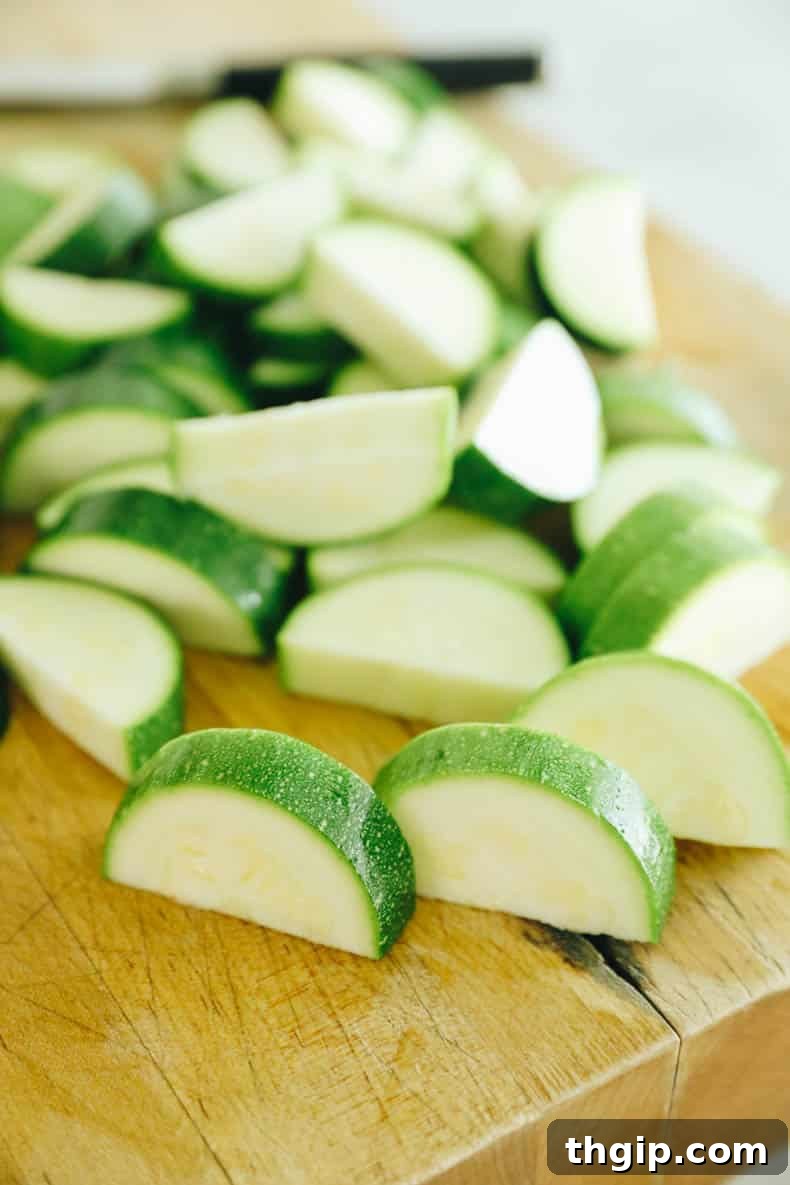
Begin by washing your zucchini thoroughly and trimming off both ends. Decide on your desired shape and size for the frozen pieces. Popular choices include half-moons (cutting the zucchini in half lengthwise, then slicing into crescents), quarters (cutting lengthwise into four strips, then chopping), or simple round discs. Aim for uniform pieces to ensure even blanching. Small to medium-sized zucchini are generally best for slicing, as larger ones can be watery and seedy.
Step 2: Blanch the Zucchini
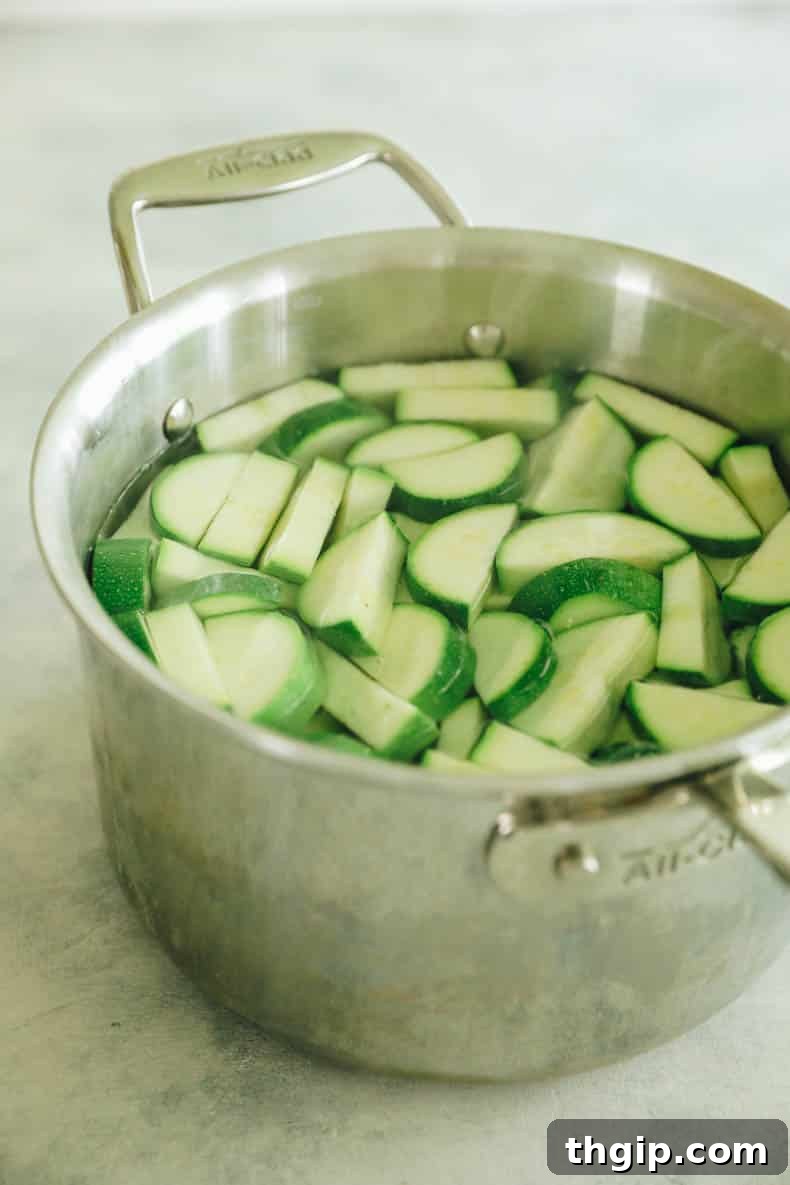
Fill a large pot with water and add about a tablespoon of salt per gallon of water – this helps maintain the zucchini’s color and flavor. Bring the water to a rolling boil. Carefully add the chopped zucchini to the boiling water. Blanch for exactly 1 minute. This short boiling period is just enough to deactivate enzymes without cooking the zucchini thoroughly.
Step 3: Create an Ice Bath and Cool
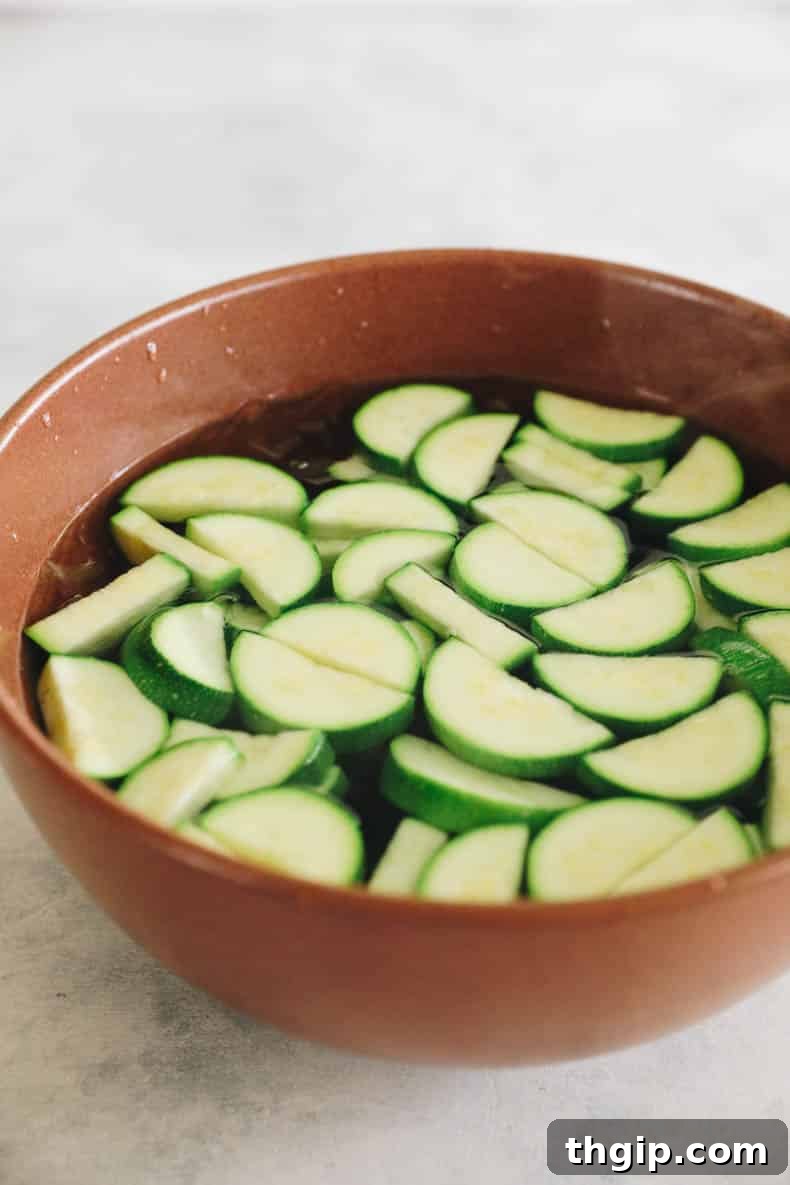
Immediately after blanching, drain the zucchini using a colander. Transfer the hot zucchini directly into a large bowl filled with ice water (an “ice bath”). Add plenty of ice cubes to ensure the water stays very cold. This rapid cooling process, known as shocking, stops the cooking process immediately and helps to retain the zucchini’s crisp texture and vibrant color. Let the zucchini cool in the ice bath for the same amount of time it was blanched – about 1 minute.
Step 4: Drain and Flash Freeze
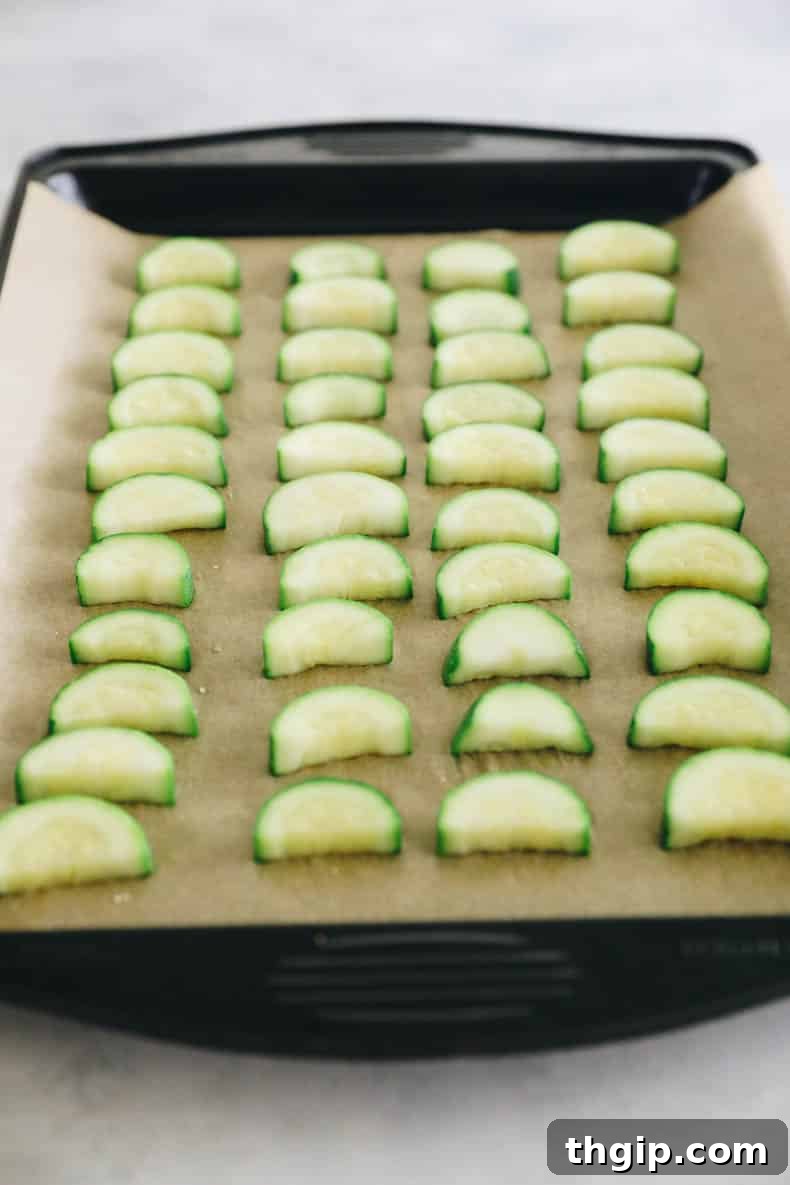
Once cooled, drain the zucchini thoroughly again. Spread the blanched zucchini in a single layer on a baking sheet lined with parchment paper. This parchment layer prevents sticking. Using paper towels or a clean kitchen towel, gently pat the zucchini pieces dry. Removing as much surface moisture as possible is key to preventing ice crystals and freezer burn. Place the baking sheet in the freezer for 3-4 hours, or until the zucchini pieces are completely frozen solid. This “flash freezing” step ensures the pieces won’t clump together in the storage bag, making it easy to grab just the amount you need later.
Step 5: Package for Long-Term Storage
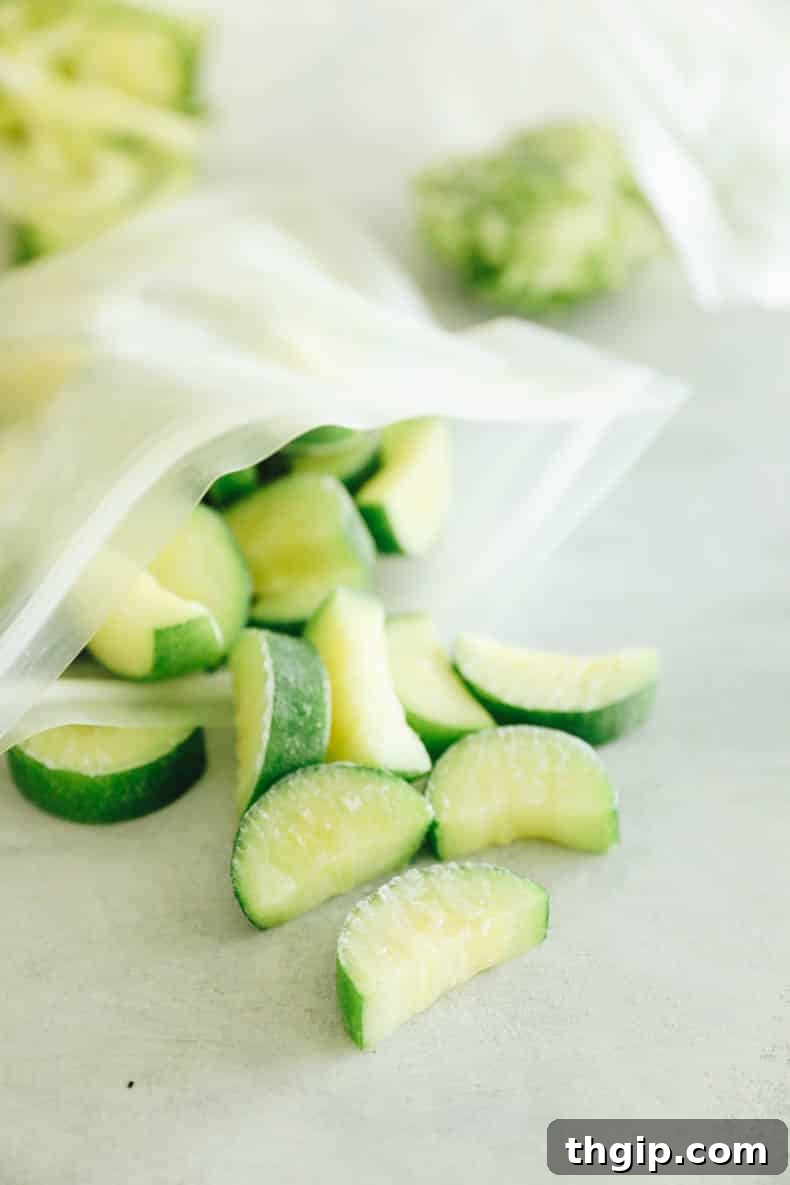
Once the zucchini pieces are individually frozen, transfer them into freezer-safe bags or airtight containers. For freezer bags, press out as much air as possible before sealing – a vacuum sealer works wonders here for maximum freshness. Label each bag or container with the date and contents. This method allows you to easily scoop out portions as needed without having a giant block of frozen zucchini.
How to Freeze Grated or Shredded Zucchini
Freezing grated zucchini is a fantastic method for preparing it for baked goods, smoothies, sauces, and fritters. This form of frozen zucchini is incredibly versatile and often doesn’t require blanching, making it a quicker option. The key to success here lies in removing as much moisture as possible to prevent a watery, mushy end product.
Step 1: Grate Your Zucchini
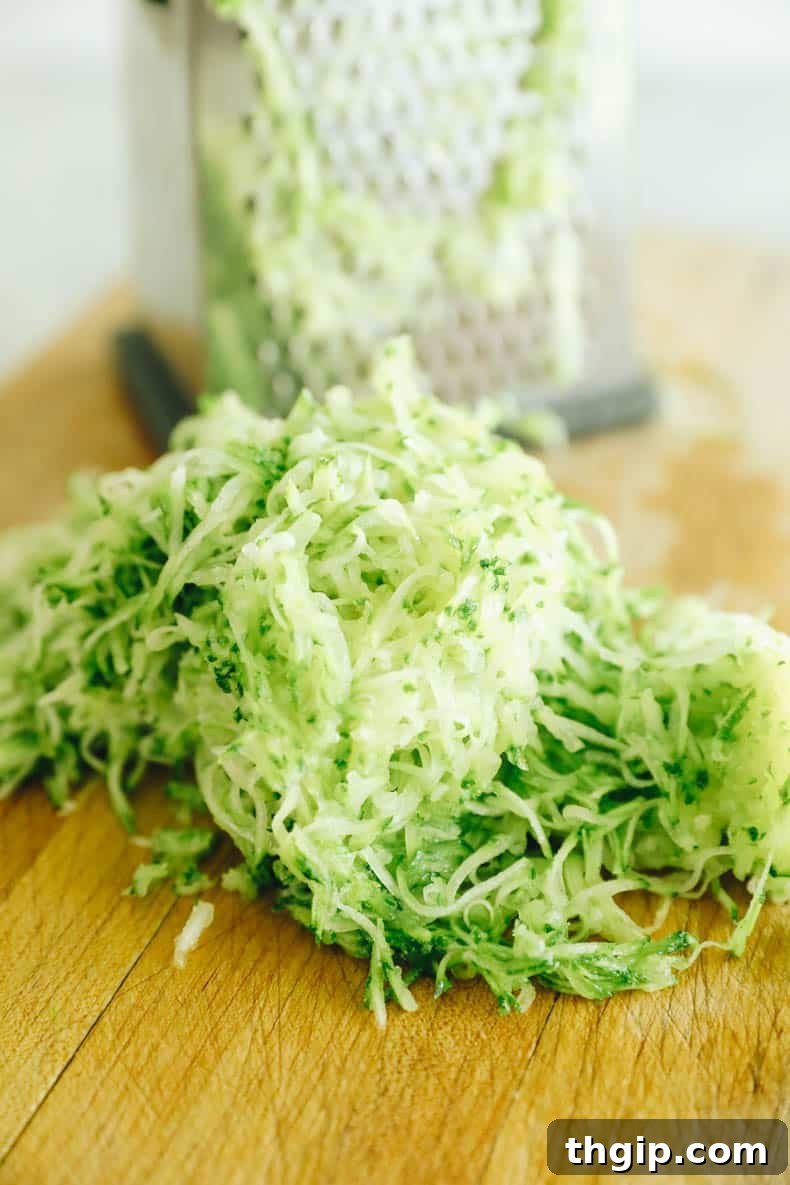
Wash the zucchini and trim the ends. Using a box grater, food processor with a shredding attachment, or even a spiralizer on a fine setting, grate your zucchini. You can grate it finely or more coarsely, depending on your intended use. For baked goods, a finer grate often blends in more seamlessly.
Step 2: Remove Excess Moisture – This is CRUCIAL!
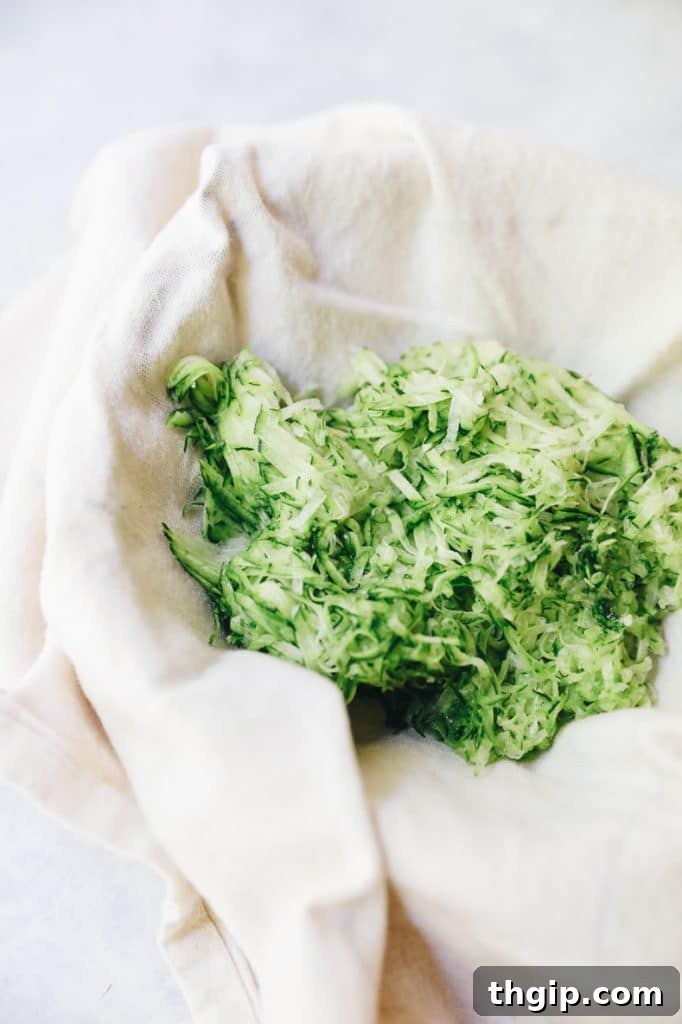
This step is the most important for freezing grated zucchini. Place the shredded zucchini into a clean dish towel, several layers of paper towel, or a cheesecloth. Gather the edges and squeeze firmly to remove as much liquid as possible. You’ll be surprised how much water comes out! The drier your zucchini, the better its texture will be when thawed and the less it will water down your recipes.
Step 3: Portion and Store
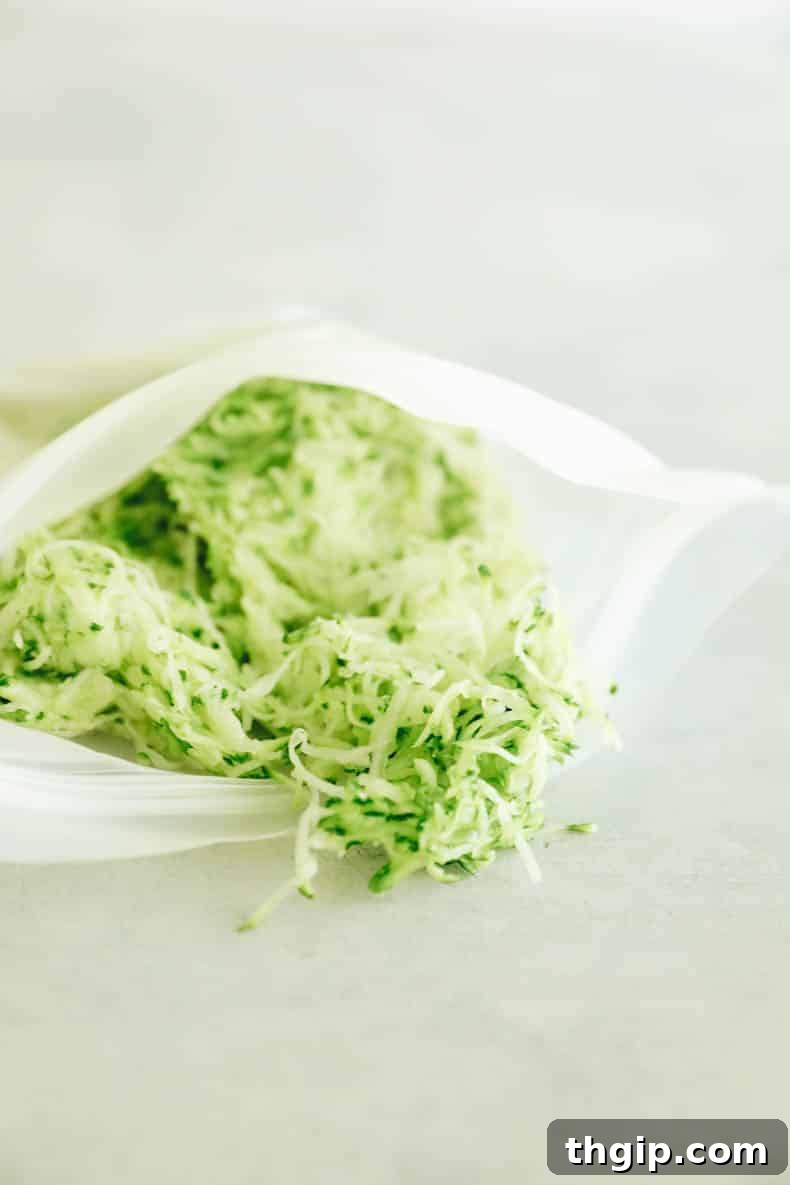
Once thoroughly squeezed, portion the grated zucchini into desired amounts before placing it into freezer-safe bags or airtight containers. For convenience, measure out common recipe amounts (e.g., 1 cup or 2 cups) and flatten the bags to save freezer space. Again, remove as much air as possible from the bags and label with the date. When you’re ready to use it, you can thaw grated zucchini on the counter, in a bowl of warm water for a faster process, or even add it directly to some recipes like soups where it will thaw and cook down.
Can You Freeze Zucchini Noodles (Zoodles)?
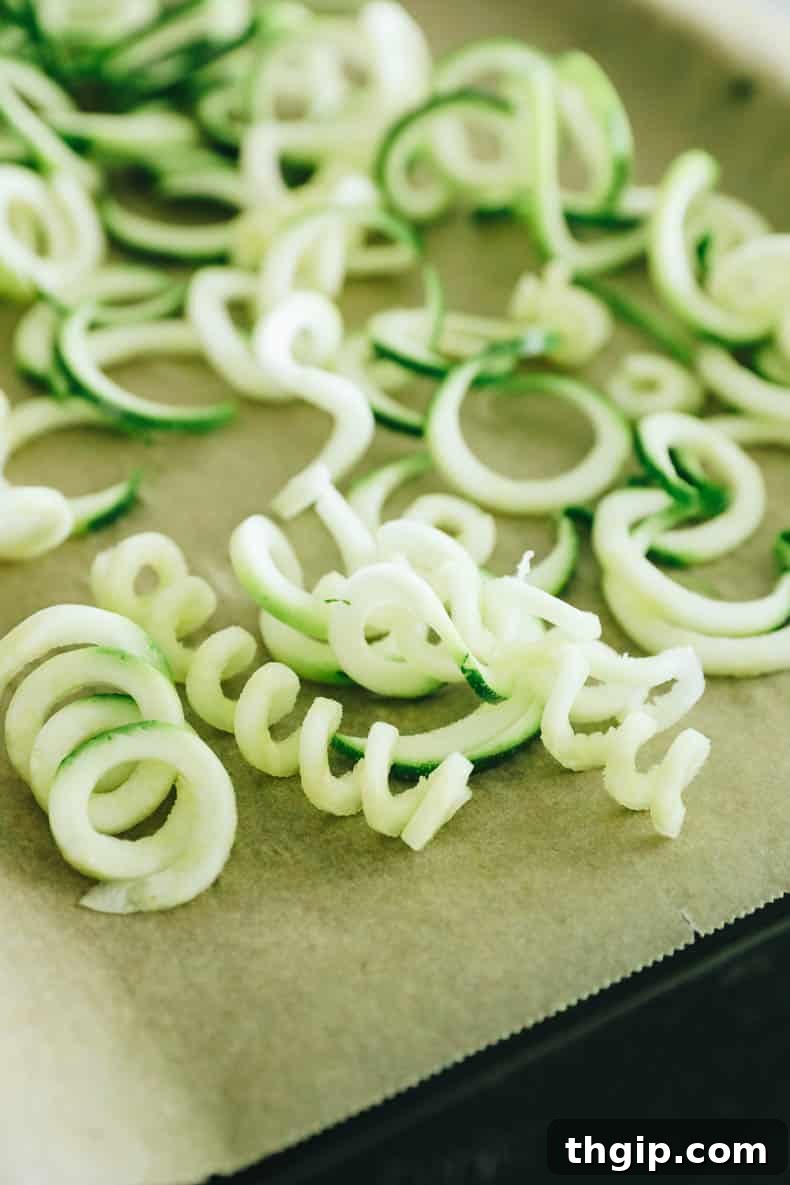
Yes, you can absolutely freeze zucchini noodles, often called “zoodles”! The process is similar to freezing sliced zucchini, though with a slightly shorter blanching time to account for their delicate nature. You’ll want to spiralize your zucchini into noodles, then blanch them for about 30 seconds to 1 minute in boiling water, immediately followed by an ice bath. Pat them thoroughly dry with paper towels to remove all excess moisture. Flash freeze them on a sheet pan in a single layer before transferring them to a large freezer-safe bag. It’s important to note that frozen and thawed zucchini noodles tend to get a bit soggier than fresh ones, losing some of their firm, pasta-like texture. For this reason, I personally find them best used in dishes where their texture isn’t the primary focus, such as quick stir-fries, casseroles, or added to soups, rather than as a direct substitute for raw pasta.
How Long Does Frozen Zucchini Last?
Properly frozen zucchini, whether blanched and chopped or thoroughly squeezed and grated, can be stored in an airtight freezer-safe bag or container for up to 3 months. With excellent packaging, such as using a vacuum sealer that removes nearly all air, you might even extend its quality for up to 6 to 8 months. Beyond this timeframe, while it’s still safe to eat, the quality and texture may begin to degrade. The key to longevity and preventing freezer burn is to remove as much air as possible from your storage bags or containers before sealing them. Freezer burn, characterized by dry, discolored spots, occurs when food is exposed to air in the freezer and loses moisture. To ensure you use your zucchini within its optimal freshness window, always label your packages with the date you froze them. This simple habit will help you rotate your stock and enjoy the best possible taste and texture.
Delicious Ways to Use Frozen Zucchini
Frozen zucchini is a versatile ingredient that can be incorporated into a wide variety of dishes, adding nutrients and volume without significantly altering flavor. The way you prepared your zucchini for freezing will largely dictate its best uses after thawing.
For Frozen, Chopped Zucchini:
Blanched and chopped zucchini is excellent for dishes where you want the zucchini to hold some of its shape. You can add it directly to simmering recipes without thawing first. It’s perfect for enriching:
- Hearty soups and stews, like minestrone or vegetable beef stew.
- Pasta sauces and casseroles, adding a healthy vegetable component.
- Stir-fries (add closer to the end of cooking to prevent over-mushing).
- Roasts or sheet pan dinners with other vegetables.
For Frozen, Grated Zucchini:
The moisture-squeezed grated zucchini is ideal for recipes where the zucchini blends into the background, providing moisture and nutrients without distinct pieces. It’s fantastic for:
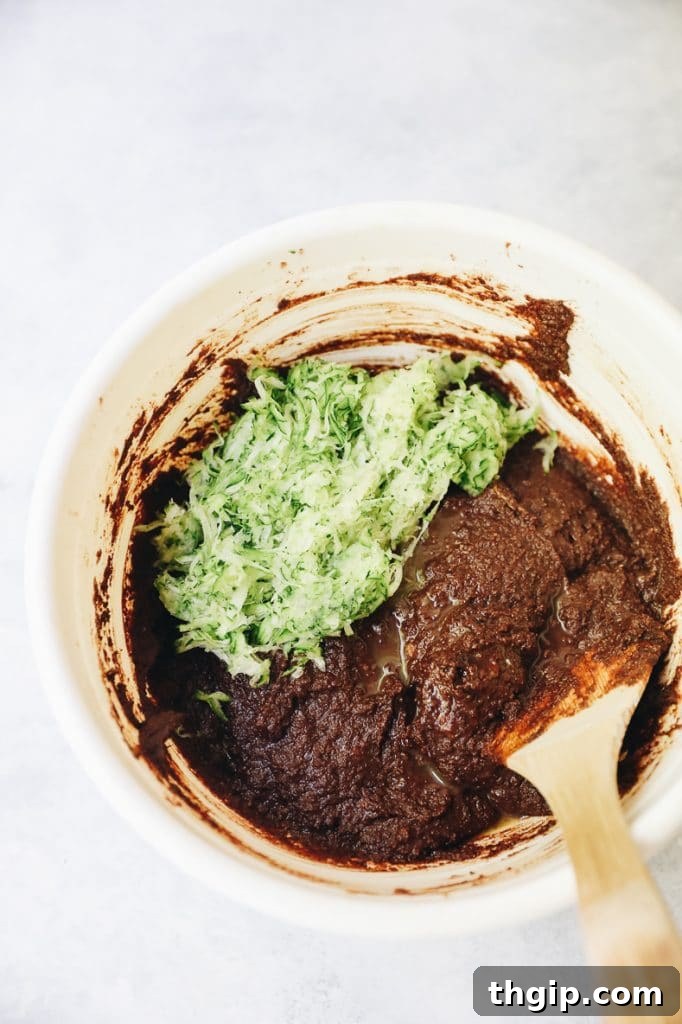
- Baked goods: zucchini bread, muffins, brownies, and cakes.
- Smoothies: adds a creamy texture and nutrient boost without a strong flavor.
- Sauces: use it to thicken pasta sauces or add hidden vegetables to chili.
- Fritters or pancakes: provides moisture and body.
- Adding “hidden veggies” to dishes for picky eaters.
A Note on Thawing:
Generally, for chopped zucchini going into soups or stews, you don’t need to thaw it – just add it directly from the freezer. For grated zucchini in baked goods, it’s best to thaw it first and gently squeeze out any additional moisture released during thawing. For dishes where texture is paramount, like fresh salads or grilling, frozen zucchini may not be the best choice due to its softer consistency after thawing. However, for most cooked applications, it performs wonderfully!
Here are some of my favorite recipes that are perfect for using your frozen zucchini:
- Delicious Banana Zucchini Bread
- Irresistible Chocolate Zucchini Muffins
- Fluffy Zucchini Pancakes
- Spicy Black Bean Zucchini Burgers
- Decadent Zucchini Brownies
- Nourishing Detox Vegetable Soup
- Clever Hidden Veggie Pasta Sauce
Conclusion: Enjoying Your Zucchini All Year
Freezing zucchini is an incredibly simple and rewarding way to manage a bountiful harvest and enjoy this nutritious vegetable throughout the year. By following these clear steps for freezing sliced, grated, or spiralized zucchini, you can confidently preserve its flavor, nutrients, and texture. No longer will you dread the peak of zucchini season; instead, you’ll be prepared to transform your garden’s generosity into a convenient, healthy ingredient that’s always at your fingertips. So go ahead, embrace the freezer, and savor the taste of summer sunshine in every bite, no matter the season!