
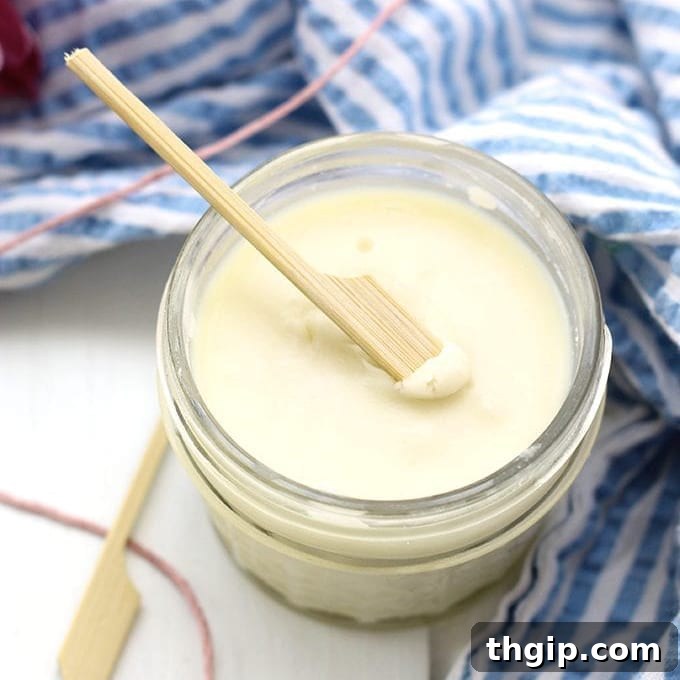
Experience the refreshing power of nature with this simple, yet incredibly effective DIY Natural Deodorant recipe! Crafted with pure, all-natural ingredients, this homemade deodorant is not only a breeze to make in under 10 minutes but also delivers amazing results. Say goodbye to harsh chemicals and embrace a cleaner, healthier body routine that leaves you smelling fresh and confident all day long.
Having garnered over 60 five-star reviews, this natural deodorant formula stands as one of our most celebrated creations. We’ve refined and updated this guide in March 2024 with even more comprehensive details and descriptions to ensure your DIY journey is as smooth and successful as possible!
Table of Contents
- The Journey to Natural Deodorant
- Why Switch to Natural Deodorant?
- Understanding Conventional Deodorant Ingredients
- Key Ingredients in Homemade Deodorant
- *For Sensitive Skin: Important Considerations
- How to Make DIY Deodorant
- How to Use DIY Deodorant
- FAQs: Your Natural Deodorant Questions Answered
- Storage Instructions for Your Homemade Deodorant
- More Homemade Body Care Recipes
- DIY Deodorant Recipe Card
The Journey to Natural Deodorant
For years, I’ve been committed to a holistic approach to wellness, where what goes on my body is just as important as what goes into it. From crafting my own natural beauty routines to incorporating ingredients like apple cider vinegar into various aspects of my life, the path to natural skincare felt inevitable. It was only a matter of time before I fully embraced the world of natural deodorant, and I haven’t looked back since. This particular homemade deodorant recipe has been my trusted companion for nearly a decade, and I wholeheartedly stand by its effectiveness – even when things get sweaty!
My belief is simple: our skin, being the largest organ, readily absorbs what we apply to it. Therefore, choosing clean, non-toxic products, especially for sensitive areas like our underarms, is paramount for overall health. Before we dive into crafting your own effective natural deodorant, let’s explore the compelling reasons to make the switch.
Why Switch to Natural Deodorant?
Have you ever paused to decipher the ingredient list on your conventional deodorant? For many, it reads like a chemical lexicon. However, a closer look reveals that many of these commonly used ingredients are far from benign and can potentially impact your health. Conventional deodorants often contain substances designed not just to mask odor but to actively prevent sweating, a natural bodily process. This interruption, coupled with the absorption of potentially harmful compounds, raises significant health concerns. Opting for a natural alternative allows your body to function as intended while still providing effective odor control.
Understanding Conventional Deodorant Ingredients
Let’s shed some light on a few of the ingredients commonly found in traditional deodorants and antiperspirants, and why many choose to avoid them:
- Aluminum Compounds: Often listed as aluminum zirconium, aluminum chlorohydrate, or aluminum chloride, these are the primary active ingredients in antiperspirants. Their function is to physically block sweat ducts, preventing perspiration. Concerns have been raised regarding aluminum exposure, with some studies suggesting potential links to neurodegenerative diseases like Alzheimer’s and even breast cancer. The theory suggests aluminum may mimic estrogen, leading to cellular changes and hormone disruption, though scientific consensus is still evolving.
- Parabens: These are synthetic preservatives widely used in cosmetics, including deodorants, to inhibit microbial growth. The worry surrounding parabens stems from their ability to mimic estrogen in the body, potentially disrupting hormonal balance. This endocrine disruption has been linked to various health issues, including an increased risk of breast and prostate cancers. Look for terms like methylparaben, propylparaben, butylparaben, and ethylparaben.
- Phthalates: Often hidden under the generic term “fragrance,” phthalates are a group of chemicals used to make plastics more flexible and to help fragrances last longer. Like parabens, phthalates are endocrine disruptors, meaning they can interfere with the body’s hormone system. Exposure has been associated with developmental and reproductive problems, and there are concerns about their link to early onset puberty and breast cancer later in life.
- Triclosan: This powerful antibacterial chemical is added to deodorants to kill odor-causing bacteria. However, triclosan is another known endocrine disruptor. It can affect thyroid hormones and has been linked to antibiotic resistance and an increased chance of breast cancer. Ironically, the FDA banned triclosan from antiseptic soaps due to concerns about its safety and effectiveness, yet it remains permitted in many deodorants.
This is just a glimpse into the chemical cocktail often found in conventional deodorants. By choosing a natural alternative, you significantly reduce your exposure to these potentially harmful substances, supporting your body’s natural processes and overall well-being.
Key Ingredients in Homemade Deodorant
Crafting your own deodorant means you have complete control over what goes onto your skin. Here are the superstar ingredients in this effective homemade recipe, each chosen for its natural benefits:
- Unrefined Coconut Oil: More than just a moisturizer, coconut oil is a potent natural antibacterial agent, thanks to its high concentration of lauric acid. This fatty acid effectively targets and reduces the odor-causing bacteria in your armpits, leaving you feeling naturally fresh and clean. Opt for unrefined to retain its beneficial nutrients and natural scent.
- Unrefined Shea Butter: An incredible emollient, shea butter provides deep moisture and nourishment to your skin. Like coconut oil, it boasts natural antibacterial properties and is non-comedogenic, meaning it won’t clog your pores. It gives the deodorant a smooth, creamy texture that glides on effortlessly.
- Arrowroot Powder/Flour: This finely milled powder is an exceptional moisture absorber. It helps wick away excess sweat, creating a drier environment that deters bacterial growth. Think of it as your natural antiperspirant component, without the pore-blocking chemicals. Tapioca starch is a suitable alternative if arrowroot is unavailable.
- Baking Soda (Bicarbonate of Soda): A true odor-fighting champion, baking soda works by neutralizing the acidic compounds produced by bacteria, which are the primary cause of body odor. It also aids in moisture absorption. However, some individuals can be sensitive to baking soda, so we recommend starting with a smaller amount and gradually increasing if your skin tolerates it well.
- Lavender Essential Oil: Beyond its delightful, calming aroma, lavender essential oil offers gentle antibacterial properties and can soothe the skin. It’s primarily used for scent in this recipe, but you can customize it with other skin-safe essential oils or omit it entirely for an unscented version.
- Grapefruit Essential Oil: This uplifting citrus oil adds a bright, fresh note to the deodorant and also possesses mild antimicrobial qualities. Like lavender, it’s used for fragrance. Feel free to experiment with other preferred essential oils, keeping skin sensitivity in mind, or create a fragrance-free blend.
- Tea Tree Essential Oil (optional): A powerhouse of antibacterial and antifungal properties, tea tree oil is an excellent odor-buster. Its inclusion significantly boosts the deodorant’s efficacy. However, a patch test is recommended as some individuals may experience sensitivity.
You will also need suitable containers for your finished product: either a small glass jar with a lid for a cream-style deodorant or empty deodorant sticks for a more conventional application.
*For Sensitive Skin: Important Considerations
While natural ingredients are generally well-tolerated, some individuals may experience sensitivity, particularly to baking soda and tea tree oil. It’s crucial to perform a patch test with tea tree oil before incorporating it into the full mixture. Apply a single diluted drop to a small area of your skin and wait 24 hours to check for any adverse reactions. Tea tree oil is not essential for the deodorant’s effectiveness but offers significant antibacterial benefits, which directly combat odor. If you have very sensitive skin, you can reduce the amount of baking soda or even explore a baking-soda-free variation by increasing the arrowroot powder to maintain absorbency, though its odor-neutralizing power might be slightly reduced.
How to Make DIY Deodorant
Crafting your own natural deodorant is incredibly straightforward and quick. Follow these simple steps to create your personalized, toxin-free odor solution in just minutes.
-
STEP 1: Melt the Base Oils
Begin by placing your unrefined coconut oil and shea butter into a heat-safe glass bowl or jar. Set this bowl/jar inside a larger saucepan, creating a makeshift double boiler. Add a few inches of water to the saucepan, ensuring it surrounds the base of the glass container but doesn’t risk overflowing into your ingredients. Gently bring the water in the saucepan to a low boil. As the water heats, continuously stir the coconut oil and shea butter until they completely melt into a smooth, clear liquid.
-
STEP 2: Incorporate Dry & Scent Ingredients
Once the coconut oil and shea butter are fully melted and combined, remove the glass bowl from the saucepan. Carefully add the arrowroot powder, baking soda, and your chosen essential oils (lavender, grapefruit, and optional tea tree oil) to the melted mixture. Stir thoroughly until all ingredients are well combined and there are no clumps, ensuring a uniform consistency.
-
STEP 3: Set and Store
Pour the freshly mixed deodorant into your chosen containers – either a small 3-ounce glass jar for a cream-style application or empty deodorant sticks for a solid stick form. Allow the mixture to cool and solidify. This can be done at room temperature, which may take a few hours, or more quickly in the refrigerator. Once it has reached a firm, solid consistency, cover the container with a lid. Your homemade natural deodorant is now ready for use!
How to Use DIY Deodorant
Applying your homemade natural deodorant is a simple and effective process. Here’s how to get the best results:
- Prepare Your Underarms: For optimal and even application, lightly wet your underarms. This helps the deodorant spread smoothly and adhere better to the skin.
- Apply a Pea-Sized Amount: If using a jar, scoop out a small, pea-sized amount with a wooden scoop or your fingertip. Rub the deodorant gently between your fingers for a moment to warm it slightly, then apply it directly to your underarms, ensuring full coverage. If using a stick, apply directly with a couple of swipes. Remember, a little goes a long way with this potent formula!
- Reapply as Needed: For most regular days, a single morning application should provide sufficient odor protection. However, on particularly hot days, during intense workouts, or if you naturally experience more perspiration, feel free to reapply throughout the day to maintain freshness. This natural deodorant focuses on neutralizing odor, not blocking sweat, so occasional reapplication is normal.
Allow the deodorant to absorb for a minute or two before dressing to prevent any potential transfer to clothing.
FAQs: Your Natural Deodorant Questions Answered
When stored in a cool, dry place away from direct sunlight and heat, this homemade natural deodorant typically remains effective for 6 to 12 months. The longevity depends on storage conditions and the freshness of your ingredients. Proper storage ensures its texture and efficacy.
Only a pea-sized amount is needed for each underarm. This potent formula is concentrated, so a small quantity goes a long way in providing effective odor protection. Over-application can sometimes lead to staining or irritation, so start small.
Depending on your body chemistry, activity level, and environmental conditions, you may need to reapply. It’s important to remember that this natural deodorant is not an antiperspirant; it’s designed to neutralize odor, not to completely block sweating. While ingredients like arrowroot powder can help absorb some moisture, they won’t prevent perspiration entirely, unlike aluminum-based antiperspirants. For active days or warmer climates, reapplication can ensure continuous freshness. However, the antibacterial properties of coconut oil, baking soda, and essential oils offer robust odor protection for several hours or even all day under normal circumstances.
Yes, your armpits may require an adjustment or “detox” period when transitioning from conventional antiperspirants. For years, aluminum compounds have blocked your sweat glands. Once you stop using them, your body may temporarily increase sweat and odor as it flushes out accumulated toxins and re-establishes its natural balance. This period typically lasts 2-4 weeks. To ease the transition, start by using this DIY Natural Deodorant 1-2 days a week and gradually increase frequency as your body adjusts. You can also try an armpit detox mask with bentonite clay during this time.
Some individuals can develop skin irritation to certain ingredients like baking soda or tea tree oil. If you have sensitive skin, start with a reduced amount of baking soda (e.g., 1 tablespoon instead of 1.5) or omit the tea tree oil. Additionally, I highly recommend waiting at least 6 hours after shaving before applying this natural deodorant. Shaving can create microscopic cuts that make your skin more susceptible to irritation from any product. My personal routine is to shave the night before and apply the deodorant the following morning, which helps prevent any reactivity. Always perform a patch test if you’re unsure about an ingredient.
The primary reason for a soft or liquid deodorant is temperature, as coconut oil and shea butter have relatively low melting points. First, try placing your deodorant in the refrigerator for a few hours. If it hardens there, it indicates that your home environment is likely on the warmer side, and you’ll need to store it in the fridge to maintain its solid consistency. While it will still work if not entirely solid, it might separate a bit. Another common culprit is using fractionated coconut oil, which remains liquid at room temperature. Always ensure you use unrefined, non-fractionated coconut oil for this recipe to achieve the desired solid state.
Absolutely! The essential oils are primarily for scent and can also add therapeutic benefits. Feel free to customize the fragrance to your preference. Some excellent alternatives include invigorating eucalyptus, calming chamomile, uplifting bergamot, or earthy frankincense. Always ensure the essential oils you choose are skin-safe and properly diluted. You can also create an unscented version by omitting them entirely.
If DIY isn’t your preference, there are many fantastic store-bought natural deodorants available. I’ve thoroughly researched and reviewed some of my top picks, including baking soda-free options, in this comprehensive guide. You’ll find popular brands like Each & Every, Native Deodorant, Schmidt’s, and even effective spray deodorants that are all aluminum-free and gentle on the skin.
While I personally have not experienced staining with this particular recipe, some users occasionally report oil-based stains on their clothing, especially if they over-apply or don’t allow it to absorb fully. To minimize any risk, apply a minimal amount and let it dry for a minute or two before dressing. If you do notice a stain, a common trick for oil-based marks is to pre-treat the area with a dish soap that cuts grease, then wash in scalding hot water. However, with proper application, staining is generally not a problem for most.
Storage Instructions for Your Homemade Deodorant
To ensure your DIY deodorant maintains its optimal consistency and effectiveness, store it in a cool, dry place, away from direct sunlight and heat. Under ideal conditions, it will last for up to 6 months. If you reside in a warm or hot climate, or during summer months, consider storing your deodorant in the refrigerator. This will prevent it from softening or melting due to higher ambient temperatures, ensuring it stays solid and easy to apply.
More Homemade Body Care Recipes:
- Homemade Sugar Scrub
- How to Make Bath Salts
- How to Make Homemade Bar Soap (for sensitive skin)
- DIY Salt Scrub
- Homemade Lip Scrub Recipe
Print Recipe
DIY Deodorant Recipe Card
5 Stars
4 Stars
3 Stars
2 Stars
1 Star
4.8 from 60 reviews
A simple DIY Deodorant recipe that smells amazing and works too! Made with clean, all-natural ingredients and ready in under 10 minutes, this natural deodorant recipe will quickly become a staple in your body routine.
- Author: Davida Lederle
- Total Time: 10 minutes
- Yield: 1 small glass jar 1x
Ingredients
Scale
- 2 ½ tbsp unrefined coconut oil
- 2 ½ tbsp unrefined shea butter
- ¼ cup arrowroot starch/flour
- 1 ½ tbsp baking soda
- 6 drops lavender essential oil
- 6 drops grapefruit essential oil
- 1 drop tea tree essential oil (optional)*
Instructions
- Place coconut oil and shea butter in a glass bowl or jar and place the bowl/jar inside a medium sauce pan.
- Add water to the saucepan (enough to surround bowl/jar but not to overflow it) and bring to a boil.
- As water is heating up, ensure to stir coconut oil and shea butter and continue to do so until it melts.
- Once melted, add in arrowroot starch, baking soda and essential oils.
- Place in a small glass jar(or pour into empty deodorant stick(s)) and allow to cool at room temp or in fridge (will harden faster in fridge) until it’s reached a solid state.
- Cover with lid until use.
Directions for use:
- Wet underarms slightly (this helps with even application)
- Spoon out a pea-sized amount with a wooden scoop or with fingers and rub between fingers before applying directly to underarms.
- For a regular day, one application in the morning should be fine. For hotter days, workouts or if you’re particularly sweaty, feel free to reapply as needed.
*Certain people are sensitive to tea tree oil so be sure to test your skin with a drop before adding to mixture. It is not necessary to include but tea tree is antibacterial and it is the bacteria in your underarms that leads to smell so it is a nice addition if you are not sensitive.