

Are you spending more time in the kitchen these days, perhaps feeling a little overwhelmed or unsure when a recipe calls for an ingredient you don’t have? You’re not alone! Many home cooks face this dilemma, but what if we told you that cooking can be an exciting journey of improvisation and creativity? We’ve compiled a comprehensive list of helpful ingredient swaps and essential kitchen hacks designed to empower you to cook confidently, even when you’re in a pinch and missing an ingredient.

For me, getting creative in the kitchen has always come naturally, a skill honed over years of helping out and experimenting. I truly believe that cooking is more of an art than a rigid science. While this might ruffle the feathers of some meticulous chefs, I find it incredibly liberating. It grants us grace in the kitchen, encouraging experimentation and fostering a playful approach to meal preparation. It’s important to note, however, that baking is indeed a precise science, where ingredient quantities and types are critical, and substitutions should be approached with extreme caution.
With so many of us spending more time at home and relying on the ingredients we have on hand or can easily find at the grocery store, mastering the art of ingredient substitution has become an invaluable skill. This guide aims to make you more comfortable and confident in your culinary endeavors. Have a specific ingredient or recipe question not covered here? Don’t hesitate to drop a comment below – I’m always happy to help you navigate your kitchen challenges!
Why Master Ingredient Swaps? The Benefits of Culinary Flexibility
Embracing ingredient substitutions isn’t just about saving a trip to the store; it’s about transforming your approach to cooking. Here are some compelling reasons to become a pro at ingredient swaps:
- Reduces Food Waste: Use up what you have before it spoils, making your kitchen more sustainable.
- Saves Money: Avoid impulse buys or special trips for one ingredient by utilizing existing pantry staples.
- Boosts Creativity: Experimentation leads to new flavor combinations and a deeper understanding of ingredients.
- Adapts to Dietary Needs: Easily modify recipes for allergies, intolerances, or personal preferences (e.g., vegan, gluten-free).
- Prevents Recipe Abandonment: Don’t let a missing ingredient deter you from making a delicious meal.
- Develops Intuition: Learn how ingredients function in a dish, building your culinary instincts.
Understanding the Role of an Ingredient
Before making any swap, consider the ingredient’s primary role in the dish. Is it for flavor, texture, structure, moisture, or color? Understanding this will guide you toward the most appropriate substitute. For instance, a hearty root vegetable substitute for another in a stew might work well, but swapping a delicate herb for a strong spice could dramatically alter the flavor profile.
General Ingredient Categories: Strategies for Swapping
Substituting Grains: Versatility in Your Pantry
Many grains are wonderfully versatile and can be used interchangeably in a variety of dishes, especially as a base or side. While their cooking times and water ratios may differ, the general rule is that if a recipe calls for a specific grain, you can often swap in another that offers a similar texture and absorbency. Just be mindful to adjust the cooking time and liquid amount accordingly to ensure perfect results. This flexibility opens up a world of possibilities for side dishes, salads, and bowl meals. Here are some excellent grains I frequently use interchangeably:
- Rice: From fluffy basmati to chewy brown rice, many varieties work.
- Quinoa: A protein-packed, quick-cooking seed often used like a grain.
- Farro: Offers a delightful, nutty flavor and a satisfying chewiness.
- Barley: Known for its hearty texture and earthy taste, great in soups and stews.
- Couscous: A quick and easy option, though technically a pasta.
- Bulgur Wheat: A fantastic choice for adding texture to salads or as a base.
When swapping grains, consider the dish’s overall profile. For a light salad, quinoa or couscous might be preferable, while a hearty stew could benefit from barley or brown rice.
Pasta Perfection: Embrace All Shapes and Sizes
When it comes to pasta, nine times out of ten, you can confidently use whatever type of noodle you have on hand for your recipe. Whether it’s bowties, fusilli, spaghetti, penne, or macaroni, they all serve the same fundamental purpose: delivering delicious sauce to your palate. While different shapes are designed to hold various sauces differently (e.g., ridged pasta for thick sauces, long strands for smooth sauces), for the average home cook, the difference is often negligible in terms of overall enjoyment. The most crucial factor, again, is simply adjusting the cooking time to achieve that perfect al dente texture. Don’t let a specific pasta shape be a barrier to a satisfying meal!
Vegetable Variety: Understanding Purpose and Profile
This is where ingredient swapping gets slightly more nuanced, requiring a bit more thought and culinary intuition. When considering a vegetable swap, always ask yourself: What purpose is this vegetable serving in the dish? Is it primarily adding texture (crunchy, soft, hearty)? Is it contributing a specific flavor profile (sweet, bitter, earthy, pungent)? Is it there for color, moisture, or bulk? Does its specific nature matter for the dish’s identity?
For some recipes, it 100% matters that you use a very similar vegetable. For instance, a butternut squash soup inherently relies on the distinct flavor and creamy texture of butternut squash. Similarly, a dish featuring shiitake mushrooms is built around their unique umami depth. In these cases, look for very close relatives in terms of flavor and texture. However, for many other recipes, particularly those like stir-fries, Buddha bowls, or mixed vegetable roasts, you can largely use whatever vegetables you have on hand and enjoy most. Think about categories: leafy greens, root vegetables, cruciferous vegetables, or nightshades. Often, you can swap within these groups with great success.
- Leafy Greens: Spinach for kale, Swiss chard for collard greens.
- Root Vegetables: Carrots for parsnips, sweet potatoes for regular potatoes (adjust cooking time).
- Bell Peppers: Any color can usually be swapped for another.
- Onions & Aromatics: Yellow onion for white onion, leeks for green onions (use the white parts), shallots for mild onion.
- Mushrooms: Cremini for button, portobello for larger slices (consider texture).
- Zucchini/Summer Squash: Can often be swapped for each other in casseroles or stir-fries.
Protein Power: Keeping Consistency in Mind
Yes, you can absolutely swap protein in a recipe! In most cases, you can use whatever protein you prefer or have available. The golden rule of thumb here is to try and maintain a similar consistency or cooking method. If a recipe calls for ground meat, but you’re a vegetarian or simply out of beef, consider crumbled tofu, tempeh, lentils, or a plant-based ground substitute. If it’s a whole cut of chicken breast, you might opt for chicken thighs for more flavor, or even firm white fish like cod or tilapia if the cooking method aligns.
- Ground Meats: Ground beef, turkey, chicken, or pork are largely interchangeable, though fat content varies. For plant-based, try crumbled tofu, tempeh, or cooked lentils.
- Chicken/Poultry: Chicken breasts, thighs, or tenders can often be swapped, though cooking times will differ. Duck breast can be a richer alternative if the recipe suits.
- Fish/Seafood: Firm white fish (cod, halibut, tilapia) can often substitute for each other. Oily fish (salmon, tuna) are more distinct but can be swapped if the flavor profile works.
- Legumes: Canned beans (black, cannellini, kidney, chickpeas) can often be used interchangeably in stews, chili, or salads for plant-based protein.
Spices and Herbs: The Flavor Architects
I consider myself the queen of swapping or even omitting spices when I don’t have something specific or simply don’t love a particular flavor. Don’t be afraid to use what you have when it comes to spices and herbs – they are meant to enhance, not constrain. I always keep my most used spices on hand (garlic powder, onion powder, paprika, chili powder, cumin, oregano, dried basil, salt, and pepper). Other, less frequently used spices are purchased occasionally as needed or when I’m feeling adventurous. When swapping:
- Consider Flavor Profile: Is it earthy, pungent, sweet, spicy, aromatic?
- Earthy: Cumin, coriander, paprika.
- Pungent/Peppery: Black pepper, mustard powder.
- Aromatic: Oregano, thyme, marjoram, rosemary.
- Sweet: Cinnamon, nutmeg, allspice, cloves.
- Dried vs. Fresh: Generally, use 1 teaspoon of dried herbs for every 1 tablespoon of fresh herbs (a 1:3 ratio).
- Spice Blends: If a recipe calls for a specific blend (e.g., Italian seasoning), you can often create your own with individual components or use a similar blend.
- Examples:
- Oregano for Marjoram: Very similar flavor profiles.
- Cumin for Coriander: Both earthy, but distinct. Use less cumin if swapping.
- Smoked Paprika for Regular Paprika: Adds a smoky depth.
- Garlic Powder for Fresh Garlic: Use about 1/4 teaspoon powder for 1 clove fresh.
Always start with a small amount when substituting spices and taste as you go, especially with potent ones.
Fats and Oils: The Foundation of Flavor and Texture
Many common cooking fats and oils can indeed be used interchangeably, especially when you’re in a pinch. Coconut oil, ghee, extra-virgin olive oil, avocado oil, butter, and other animal fats all serve to lubricate, conduct heat, and add flavor to your dishes. While each offers unique benefits in terms of flavor profile, smoke point, and nutritional composition, for general cooking, the flexibility is high. However, keep in mind their distinct characteristics:
- Neutral Oils (Avocado, Canola, Grapeseed, Vegetable): High smoke point, ideal for frying and high-heat cooking where you don’t want the oil to impart much flavor.
- Olive Oil (Extra-Virgin): Medium smoke point, distinct fruity flavor, great for sautéing, dressings, and finishing dishes.
- Coconut Oil: Distinct tropical flavor (can be neutral if refined), solid at room temperature, good for baking and certain Asian/tropical cuisines.
- Butter/Ghee: Rich, nutty flavor. Butter has a lower smoke point due to milk solids; ghee (clarified butter) has a much higher smoke point and is dairy-free. Excellent for sautéing, baking, and adding richness.
- Animal Fats (Lard, Bacon Fat): Impart strong savory flavors, often used for specific traditional dishes or for exceptionally crispy results.
When baking, butter and some oils are not always direct 1:1 swaps due to differences in water content and fat composition, which can affect texture. For general stovetop cooking, however, most are fairly flexible.
Specific Ingredient Swaps: Your Go-To Cheat Sheet
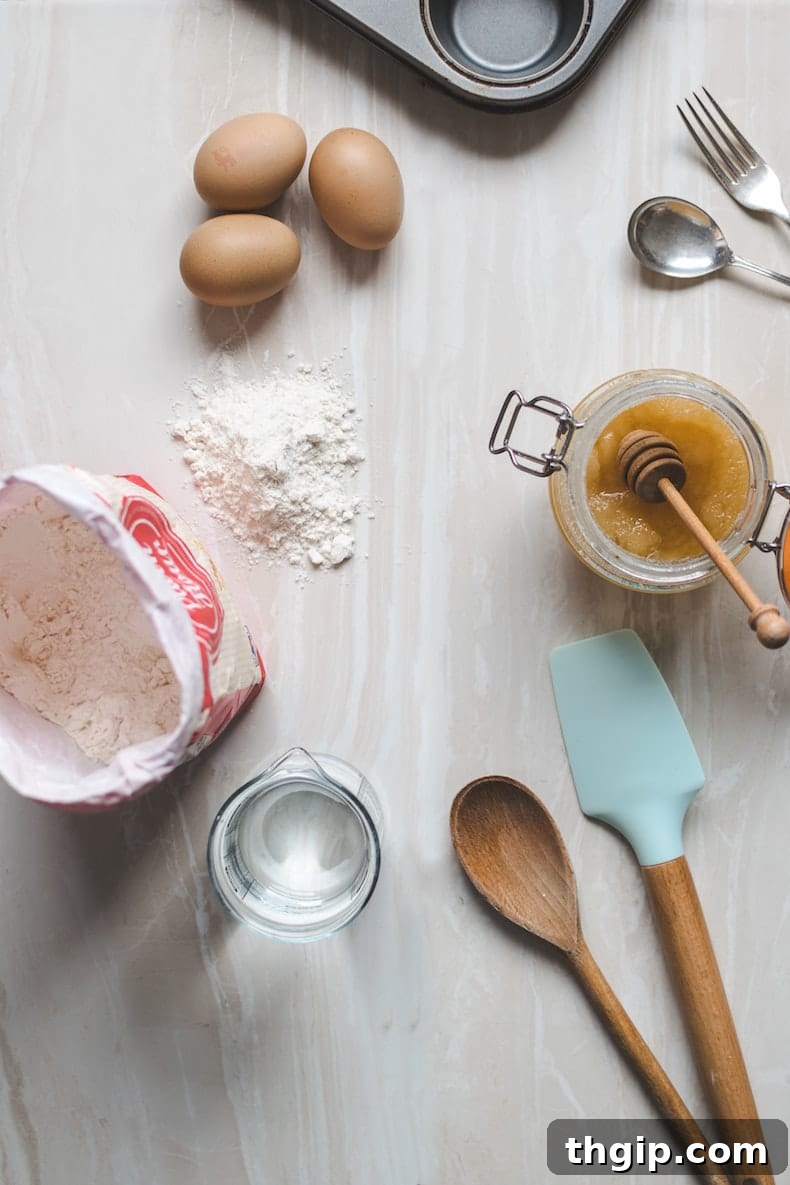
Beyond the general categories, here are some incredibly helpful specific substitutions that can save your meal:
- Substitute equal parts coconut sugar for brown sugar. Coconut sugar offers a similar caramel note and texture, making it an excellent alternative, often with a slightly lower glycemic index.
- Substitute equal parts tamari for coconut aminos or soy sauce. Tamari is a gluten-free soy sauce, providing a rich umami flavor. Coconut aminos are a soy-free, gluten-free alternative with a slightly sweeter, milder taste.
- Substitute equal parts dairy-free milk (almond, oat, soy, cashew) for traditional cow’s milk. This is an easy swap for most cooking and baking, especially in savory dishes or smoothies. If making “buttermilk” for baking, add a squeeze of lemon juice or apple cider vinegar (about 1 tablespoon per cup of milk) to your non-dairy milk and let it sit for 5-10 minutes to curdle.
- Substitute tomato sauce for tomato paste + water. Tomato paste is concentrated tomato flavor. To create a sauce, use 1 part tomato paste to 1 part water (or broth) and simmer, adding seasoning as desired, until it reaches the desired consistency.
- Substitute 1 egg for a flaxseed egg (primarily in baking as a binder): Combine 1 tablespoon ground flaxseed meal with 3 tablespoons warm water. Let it sit for 5-10 minutes until it forms a gelatinous, egg-like consistency. This works best as a binder, not for recipes where eggs are a leavening agent.
- Substitute equal parts maple syrup for honey. Both are liquid sweeteners with distinct but often interchangeable flavors. Maple syrup tends to be slightly thinner and less viscous than honey, and provides a delightful, earthy sweetness.
- Substitute equal parts for most vinegars (rice, balsamic, apple cider, red wine, white wine, etc.). Vinegars provide acidity and can often be swapped depending on the flavor profile you desire. A neutral vinegar like white wine vinegar or apple cider vinegar is usually the safest bet. Furthermore, if you don’t have any vinegar, a dry wine (red or white, depending on the dish) can often be used to replace it, adding both acidity and depth of flavor to sauces and marinades.
- Substitute plain yogurt or sour cream for buttermilk (in baking). These provide a similar tang and acidity that reacts with baking soda. Thin them slightly with milk or water if too thick.
- Substitute lemon juice for lime juice. They offer similar acidity, though lemon is slightly brighter and lime has a distinct floral note.
Tips for Successful Culinary Swapping
To truly become a master of ingredient swaps, consider these additional tips:
- Start Small: Don’t try to overhaul an entire recipe with multiple swaps at once. Make one or two changes and see how they work.
- Taste as You Go: For savory dishes, this is crucial. Add substitutes gradually and taste frequently, especially with strong flavors.
- Research When Unsure: A quick online search can often confirm if a particular swap is viable for your specific recipe.
- Keep a Well-Stocked Pantry: A foundation of diverse pantry staples makes improvisation much easier.
- Embrace “Good Enough”: Not every swap will be perfect, but often “good enough” leads to a delicious and satisfying meal.
My ultimate goal here is to help you become more confident and joyful cooks. The helpful ingredient swaps above are meant to be a guiding light, but I genuinely encourage you to experiment. See what happens when you make a small change in a recipe. Unlike baking, which demands precision, cooking is an art form. Generally, a thoughtful small change won’t ruin a recipe, and sometimes, it may even make it better, leading to a new family favorite! So, play around a little, trust your instincts, and see what magic you can create in your kitchen. I think you’ll be wonderfully surprised by the delicious results!
Like this post? Here are a few others you might enjoy:
- Cookbooks for Weeknight Dinner Inspiration
- How I Meal Prep Intuitively
- Zero Waste Hacks for Your Entire Home
- What to Keep in Your Fridge for Gut Health