
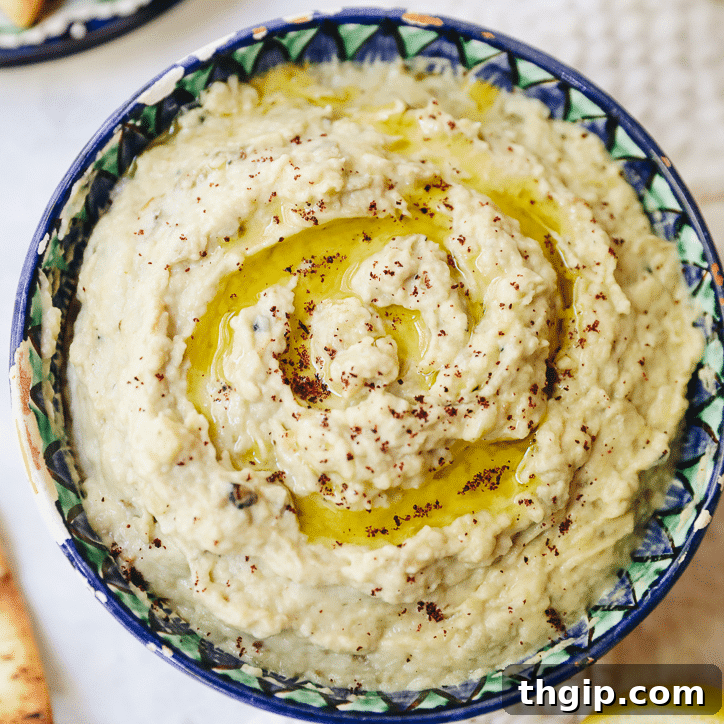
Welcome to the ultimate guide for crafting the most authentic Baba Ganoush you’ll ever taste. This isn’t just any dip; it’s a sublime, flavor-packed smoked eggplant creation that promises to transport your palate straight to the heart of the Mediterranean. Whether you serve it as a vibrant dip with warm pita bread and fresh vegetables, or as a rich topping for Mediterranean-inspired bowls, this homemade baba ganoush recipe is guaranteed to become a cherished staple in your kitchen. Forget everything you thought you knew about eggplant; this recipe unlocks its full potential, transforming it into an irresistible, creamy delight.
My culinary journey with baba ganoush began in my childhood home, where alongside generous bowls of hummus, it was a constant and beloved presence on our family table. This deep-rooted nostalgia fueled my quest to perfect the recipe, leading to countless experiments over the years. It was a mission to capture that exact, unforgettable smoky flavor and luxuriously creamy texture I remembered so fondly. Finally, I’m thrilled to share the culmination of that search – the authentic baba ganoush recipe I’ve perfected over time.
Just the other day, a picturesque drive down a country road led me to a charming farm stand overflowing with fresh, plump eggplants. The sight immediately sparked inspiration. I knew this was the perfect opportunity to recreate my beloved homemade baba ganoush, convinced that this iteration truly is the BEST. The freshness of the produce, combined with the traditional preparation methods, makes all the difference in creating a dip that’s both vibrant and deeply satisfying.
If you’ve ever wondered about the immense popularity surrounding this exquisite Middle Eastern spread, now is your chance to discover it. I wholeheartedly encourage you to try this flavorful eggplant mixture. I can confidently say that once you experience the depth of its smoky, savory notes and its luxuriously smooth texture, you might find yourself reaching for it more often than your usual hummus. It’s a culinary revelation waiting to happen, offering a unique and unforgettable taste experience.
What is Baba Ganoush? Unveiling a Middle Eastern Culinary Gem
Baba Ganoush, often spelled Baba Ganouj or baba ghanoush, is a celebrated thick dip or spread integral to traditional Middle Eastern and Mediterranean cuisine. At its heart, it’s crafted from roasted or, ideally, smoked eggplant, which imparts a distinctive depth of flavor and a captivating aroma. This smoky base is then meticulously blended with tahini (a rich, earthy sesame paste), fresh lemon juice, high-quality extra virgin olive oil, and aromatic garlic. The result is a vibrant, creamy dip that is remarkably simple in its core ingredients yet profoundly complex and utterly irresistible in its taste profile.
While baba ganoush shares a similar creamy texture and savory appeal with hummus, it distinctly stands apart due to its star ingredient: eggplant. Unlike hummus, which relies on the humble chickpea for its base, baba ganoush celebrates the unique earthy, slightly bitter notes of eggplant, especially when enhanced by the crucial smoking process. This smoking, traditionally performed over an open flame or charcoal, is what truly defines its authentic character. It infuses the dip with an irresistible char, a profound smoky aroma, and a depth of umami that cannot be replicated by simple oven roasting alone. However, for those without a grill, I will also provide detailed instructions for achieving a delicious, albeit less intensely smoky, version using your oven, ensuring everyone can enjoy this classic.
The name “Baba Ganoush” itself is thought to translate to “pampered papa” or “spoiled daddy,” possibly referring to its luxurious texture and rich flavor, making it a dish fit for a patriarch or any honored guest. Its popularity extends across the Levant region, from Lebanon and Syria to Palestine and Jordan, with subtle variations in preparation and spice profiles from one household to another. This particular recipe aims to capture the classic, widely beloved essence of this ancient and cherished dish, ensuring an authentic taste that has delighted generations.
Mastering the Ingredients: Key Components for Perfect Baba Ganoush
Creating an exceptional Baba Ganoush begins with selecting the finest and freshest ingredients. Each component plays a vital and distinct role in achieving the desired balance of flavor, aroma, and creamy texture that defines this iconic dip.
- Eggplant: The undisputed star of the dish, the eggplant’s quality is paramount. Opt for fresh, firm, medium-to-large eggplants (approximately 2 lbs, which typically translates to 3-4 medium-sized globe eggplants). Look for smooth, shiny skins that are free from blemishes, and choose eggplants that feel weighty for their size. Avoid any eggplants that appear dull, soft, or pre-chopped, as their flesh can be watery and lack the robust flavor and structural integrity needed for this dip. The size and freshness ensure even cooking and optimal charring, contributing significantly to the smoky depth.
- Garlic: Fresh garlic is absolutely indispensable for its pungent, aromatic qualities. For this recipe, we’ll char or roast whole garlic cloves alongside the eggplant. This gentle cooking process mellows the raw garlic’s sharp pungency, transforming it into a sweet, caramelized, and nutty flavor profile. This not only enhances the overall complexity of the dip but also makes the garlic easier on the digestive system, preventing any potential indigestion often associated with raw garlic.
- Tahini: This rich, creamy paste made from ground sesame seeds is crucial for the signature smooth texture and distinct nutty flavor of baba ganoush. The quality of your tahini significantly impacts the final taste and consistency. Seek out a smooth, pourable tahini made from hulled, roasted sesame seeds, preferably from a reputable Middle Eastern or specialty food store. A good tahini will have a slightly loose consistency when stirred, not overly thick or gritty. Always remember to stir it thoroughly before using, as natural oil separation is common.
- Extra Virgin Olive Oil: Just like with tahini, investing in a high-quality extra virgin olive oil is non-negotiable. It contributes significantly to the dip’s luxurious mouthfeel and adds a fragrant, fruity, and subtly peppery note that beautifully complements the other ingredients. You’ll use some for drizzling on the eggplants before cooking, and a generous final drizzle for serving, so choose an extra virgin variety that you genuinely enjoy the taste of on its own.
- Lemon: Freshly squeezed lemon juice is a vital component that brightens the entire dip. Its natural acidity cuts through the richness of the tahini and eggplant with its essential zestiness, providing a refreshing counterpoint. Always use fresh lemons – bottled juice simply won’t yield the same vibrant, authentic flavor. Adjust the amount to your personal preference for tang and brightness.
- Salt: A fundamental flavor enhancer, salt plays a critical role in bringing all the disparate flavors of baba ganoush together into a harmonious blend. Do not underestimate its power to elevate and awaken the dish. Start with a good pinch of kosher or sea salt and adjust incrementally to taste, adding until the desired savory balance is achieved. A properly seasoned baba ganoush will have a balanced, well-rounded flavor profile.
- Optional Garnishes: To truly elevate your baba ganoush both visually and texturally, consider garnishing with a sprinkle of vibrant sumac for a tangy, lemony flourish, a generous scattering of freshly chopped flat-leaf parsley for herbaceous freshness, or even a few ruby-red pomegranate seeds for a delightful burst of color and sweet-tart contrast. A final, artful drizzle of extra virgin olive oil before serving adds both visual appeal and a silky, inviting finish.
How to Make Authentic Baba Ganoush: The Smoky Grill Method
The true secret to an authentic baba ganoush lies in the smoking of the eggplant. This crucial step is simpler than you might imagine, especially if you have access to a charcoal or gas grill. Smoking the garlic alongside the eggplant further deepens the flavor profile and ensures a smoother, more mellow garlic taste that is easier on the digestive system.
- Prepare Your Grill: Begin by preheating your grill to high heat. A strong, even heat is essential for developing that desirable char on the eggplant skin, which is the primary source of the beloved smoky flavor. Clean your grill grates to prevent sticking.
- Prep the Eggplants: Place the whole, unpeeled eggplants directly onto a baking sheet. Drizzle them lightly but thoroughly with extra virgin olive oil. This not only helps prevent sticking to the grill but also promotes even charring and helps the skin to loosen later.
- Prep the Garlic: Peel your large garlic cloves and gather them together in the center of a small, sturdy piece of aluminum foil. Drizzle the cloves with a little olive oil, then fold and crimp the foil tightly to form a secure packet. This protects the garlic from direct flame, allowing it to soften and sweeten rather than burn.
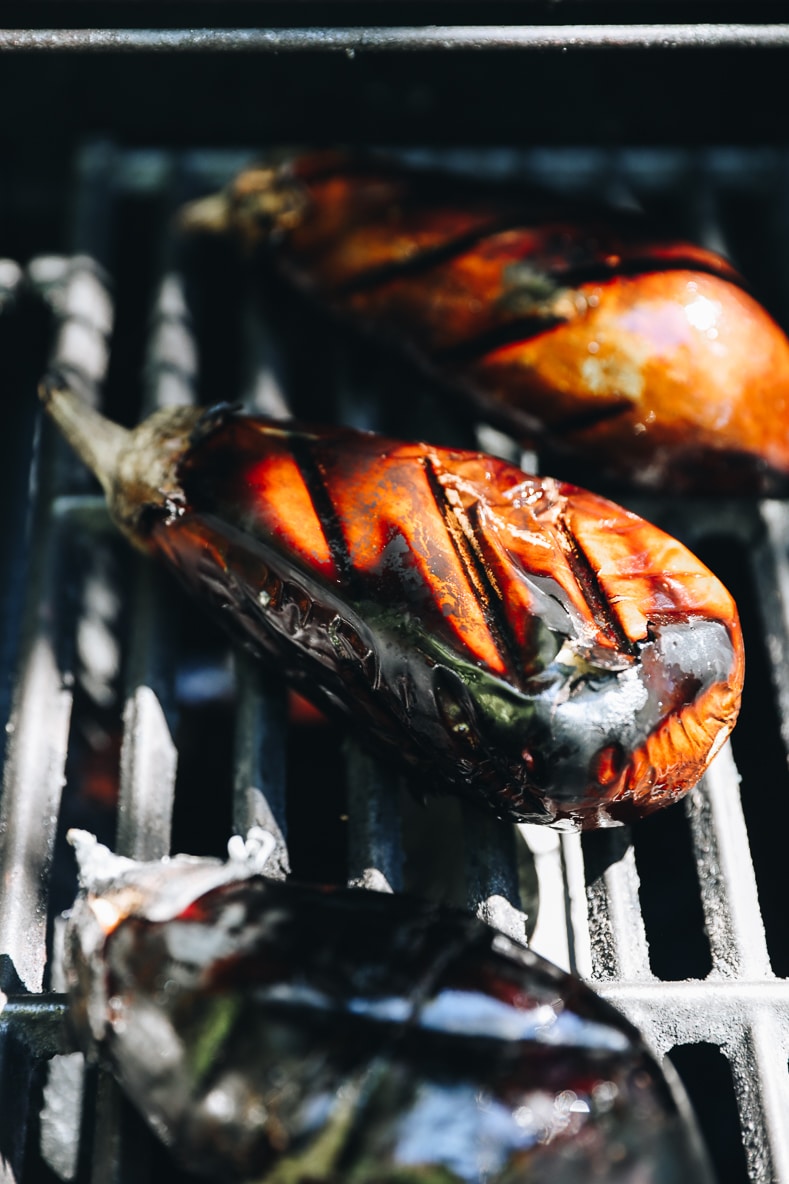
- Grill & Char: Carefully place both the oiled eggplants and the garlic foil packet directly onto the hot grill grates. Close the grill lid to maximize the smoky infusion. Allow the eggplants to char, turning them occasionally with long-handled tongs every few minutes to ensure all sides get a good, even char. The eggplant skin should blister, blacken, and soften considerably. After about 10 minutes, carefully remove the garlic packet from the grill, as garlic cooks faster. Continue grilling the eggplants for a total of 15-20 minutes, or until they are completely soft, collapsed, and tender when pierced with a fork, indicating they are thoroughly cooked through.
- Steam & Cool: Immediately transfer the grilled eggplants back to the baking sheet. Quickly cover them loosely with foil or a clean kitchen towel and let them steam for 5 minutes. This steaming step is vital as it helps the charred skin separate easily from the tender, smoky flesh. After steaming, carefully use a knife to cut the eggplants lengthwise; this allows any trapped steam and excess moisture to release. Open up the garlic foil pack to let the cloves cool slightly.
- Cool Down: Allow the eggplants to sit until they are cool enough to handle comfortably with your bare hands, typically 10-15 minutes. This crucial cooling period makes the process of separating the flesh much easier and safer.
- Extract Eggplant Flesh: Once sufficiently cooled, carefully scoop out the soft, intensely smoky eggplant flesh from inside the charred skin using a spoon. Be sure to scrape every bit of the creamy interior. Discard the tough, inedible skins. Place the extracted eggplant flesh into a fine-mesh strainer (or a colander lined with cheesecloth) set over a clean bowl.
- Drain Excess Liquid: This step is critical for preventing a watery baba ganoush and is key to achieving a thick, creamy consistency. Use the back of a spoon or a fork to firmly press down on the eggplant flesh in the strainer, forcing out any excess liquid. Eggplants contain a surprising amount of water, and removing it concentrates the flavor and ensures your dip isn’t thin or insipid. Mash up any remaining large chunks of eggplant with your spoon or fork. For an ultra-smooth consistency, you can transfer the drained eggplant flesh to a food processor or blender and pulse briefly until creamy, but be careful not to over-blend, which can result in a gluey texture.
- Chop Garlic: Remove the perfectly roasted garlic cloves from their foil pack. They should be incredibly soft and fragrant. Chop them finely, or mash them into a smooth paste using the back of your spoon or a fork.
- Combine & Season: In a large mixing bowl, combine the thoroughly strained and mashed eggplant, the finely chopped or mashed roasted garlic, your high-quality tahini, 2 generous tablespoons of extra virgin olive oil, and the freshly squeezed lemon juice. Stir everything together vigorously until all ingredients are well combined and the mixture is homogenous. Season generously with salt, tasting frequently as you go, and adjust incrementally until the desired flavor balance is reached. Don’t be shy with the salt; it truly awakens and harmonizes all the flavors.
- Garnish & Serve: For an exquisite presentation and an extra layer of flavor, sprinkle the finished baba ganoush with vibrant sumac, freshly chopped flat-leaf parsley, and a final, decadent drizzle of high-quality extra virgin olive oil just before serving.
No Grill? No Problem! The Oven-Roasted Baba Ganoush Method
While the intensely smoky flavor imparted by grilling is truly unparalleled and traditionally preferred, you can still create a wonderfully delicious and authentic-tasting homemade baba ganoush recipe even without a grill. Roasting your eggplant in the oven is a fantastic and accessible alternative that still develops a lovely depth of flavor and tenderizes the eggplant beautifully.
Here’s how to achieve a fantastic baba ganoush using your oven:
- Preheat Oven: Preheat your oven to a high temperature, typically 425 degrees F (220 degrees C). A hotter oven helps to mimic the intense, dry heat of a grill, allowing the eggplant to soften quickly and achieve some desirable caramelization and browning.
- Prepare Eggplant: Place the whole, unpeeled eggplants on a large baking sheet. Pierce them several times all over with a fork or knife to allow steam to escape during cooking, which prevents them from bursting. Drizzle them generously with olive oil, ensuring they are well coated.
- Roast Eggplant: Roast the eggplants in the preheated oven for approximately 40-45 minutes. It’s crucial to turn them occasionally (every 15-20 minutes) to ensure even cooking and browning on all sides. The eggplants are done when they are completely soft, shrunken, and deeply browned, with some areas perhaps even slightly charred on the outside. They should feel very tender when gently squeezed or pierced.
- Roast Garlic (Optional but Recommended): While the eggplants are roasting, you can easily roast your garlic as well. Wrap peeled garlic cloves in a small foil packet with a drizzle of olive oil, and place it on the same baking sheet for the last 20-25 minutes of the eggplant’s roasting time. This will ensure perfectly softened and sweetened garlic.
- Continue with Recipe: Once the eggplants and garlic are perfectly roasted, proceed directly from step 5 of the “Grill Method” instructions provided above. This involves allowing them to steam and cool, scooping out the tender flesh, thoroughly draining any excess liquid, mashing the eggplant, and then combining it with the remaining ingredients to create your luscious baba ganoush.
While oven-roasted baba ganoush might have a slightly milder smoky flavor profile compared to its grilled counterpart, it remains incredibly delicious, creamy, and satisfying. To enhance a smoky essence when oven roasting, some culinary enthusiasts opt to add a tiny pinch of high-quality smoked paprika to the finished dip, or a very small amount of liquid smoke (use sparingly, as a little goes a long way!). These additions can help to bridge the gap in flavor created by not grilling, giving you a wonderfully deep and complex dip.
Tips for the Best Baba Ganoush Ever
Achieving that perfect, restaurant-quality baba ganoush is well within your reach with a few key considerations and pro tips. Follow these guidelines to ensure your homemade dip is always a showstopper:
- Don’t Skimp on the Smoke: The smoky flavor is paramount to authentic baba ganoush. Whether you’re grilling over an open flame, charring on a gas burner, or even oven-roasting at a high temperature, aim for significant charring on the eggplant skin. This char translates directly into the desirable smoky depth of flavor. If oven-roasting, consider a tiny dash of smoked paprika or a drop of liquid smoke to enhance this profile.
- Drain, Drain, Drain: This is arguably the most crucial step for a rich and creamy baba ganoush. Eggplant is naturally full of water. Failing to properly drain the cooked eggplant will result in a watery, bland, and unappealing dip. Pressing it firmly through a fine-mesh strainer for several minutes (or even longer if time allows) makes all the difference for a concentrated flavor and luxuriously thick texture.
- Quality Ingredients Matter Immensely: As previously emphasized, using good quality tahini and extra virgin olive oil elevates the dip from merely good to truly outstanding. Freshly squeezed lemon juice and fresh garlic are also absolutely non-negotiable for their vibrant flavors. The integrity of each ingredient shines through in the final product.
- Taste and Adjust Seasoning: Baba ganoush benefits from assertive seasoning. Begin with a good amount of salt and fresh lemon juice, then taste the mixture and adjust as needed. You might be surprised how much salt and lemon it can take to bring out all the complex flavors and create a perfectly balanced profile.
- Consider Your Texture Preference: For a chunkier, more rustic baba ganoush that retains some textural integrity, mash the eggplant entirely by hand with a fork. For a silkier, utterly smooth dip, use a food processor, but be very careful to pulse sparingly. Over-blending can break down the eggplant’s fibers too much, resulting in a gluey, undesirable texture.
- Allow Flavors to Mingle: While baba ganoush is undeniably delicious when served fresh, it often tastes even better after an hour or two (or even overnight) in the refrigerator. This resting period allows all the complex flavors to meld and deepen. For optimal taste and texture, bring it back to room temperature or slightly chilled before serving.
The Health Benefits of Indulging in Baba Ganoush
Beyond its exquisite taste and satisfying texture, baba ganoush offers a delightful array of health benefits, making it a smart and incredibly nourishing choice for any meal or snack. This traditional dip is not only delicious but also a powerhouse of essential nutrients.
- Nutrient-Rich Eggplant: Eggplant, the primary ingredient, is remarkably low in calories and exceptionally high in dietary fiber. This fiber content aids in healthy digestion, promotes a feeling of fullness and satiety, and helps regulate blood sugar levels. Eggplant is also a good source of essential vitamins such as B1 (thiamine) and B6 (pyridoxine), as well as important minerals like potassium, manganese, and copper. Furthermore, it’s rich in antioxidants, particularly nasunin, found in its skin, which has been linked to potential brain health benefits and protection against cell damage.
- Healthy Fats from Tahini and Olive Oil: Tahini, a paste made from ground sesame seeds, is an excellent source of healthy monounsaturated and polyunsaturated fats, which are crucial for maintaining cardiovascular health and reducing bad cholesterol levels. It’s also a fantastic plant-based source of essential minerals like calcium (important for bone health), magnesium, iron, and protein, making it particularly beneficial for those following vegetarian or vegan diets. Extra virgin olive oil further contributes a wealth of healthy monounsaturated fats and powerful antioxidants, known for their anti-inflammatory properties.
- Garlic’s Goodness: Garlic, a cornerstone of Mediterranean cuisine, is renowned for its potent immune-boosting and anti-inflammatory properties. It contains compounds that have been linked to improved heart health and certain protective effects. Roasting the garlic mellows its intensity and enhances its natural sweetness, while largely retaining many of its beneficial health advantages.
- Naturally Plant-Based and Vegan: Baba ganoush is inherently vegan and naturally gluten-free (when served with appropriate accompaniments like gluten-free crackers or vegetables). This makes it an excellent, inclusive choice for individuals following plant-based diets, those with dietary restrictions, or anyone looking for healthy, wholesome, and flavorful meal options.
How to Serve Baba Ganoush: Versatile & Delicious Pairings
The true beauty of baba ganoush lies in its incredible versatility. Its rich, smoky flavor and creamy texture make it a perfect accompaniment to an extensive variety of dishes, transcending simple dip status. Here are some of my favorite and most creative ways to enjoy this delightful spread:
- Classic Dip Extraordinaire: The most traditional and beloved way to enjoy baba ganoush is as a vibrant dip. Serve it generously with warm, fluffy pita bread, crispy homemade pita chips, or a colorful array of fresh, crisp raw vegetables. Think cucumber sticks, carrot sticks, vibrant bell pepper strips, and celery for a healthy and satisfying snack. Don’t forget hearty crackers or even sturdy tortilla chips for a unique and delicious twist.
- Mezze Platter Staple: Elevate your entertaining by featuring baba ganoush prominently on a lavish Mediterranean mezze platter. Arrange it alongside other delectable bites such as creamy hummus, refreshing Israeli quinoa salad, savory dolmades (stuffed grape leaves), a selection of marinated olives, and crumbled feta cheese. This creates an inviting and visually stunning spread perfect for sharing with friends and family.
- Elevate Your Bowls & Salads: Instantly transform your grain bowls and salads by adding a generous dollop of baba ganoush. Its creamy texture and deep flavor make it an incredible addition to savory bowls like chicken shawarma bowls, hearty baked falafel bowls, or any vegetarian or protein-packed bowl that needs a creamy, flavorful, and healthy boost. It acts as both a dressing and a rich component.
- Sandwiches & Wraps Upgrade: Spread a thin, flavorful layer of baba ganoush inside your favorite sandwiches, wraps, or pita pockets. It makes for an instant flavor upgrade compared to mayonnaise or other standard condiments. It pairs wonderfully with grilled vegetables, crispy falafel, roasted chicken, or even simple fresh greens and tomatoes, adding moisture and a burst of Mediterranean taste.
- Flavorful Side Dish for Grilled Meats: The refreshing tang and smoky notes of baba ganoush make it an excellent counterpoint to rich grilled meats. Serve it alongside succulent lamb kebabs, perfectly grilled chicken, or even pan-seared fish for a balanced and incredibly satisfying meal that brings a taste of the Mediterranean to your plate.
Storage Instructions & Making Ahead
This homemade baba ganoush recipe is undoubtedly at its peak when enjoyed fresh, allowing its vibrant flavors to truly shine. However, it also makes for fantastic and equally delicious leftovers, making it an excellent option for meal prepping. To store any remaining baba ganoush, transfer it to an airtight container and refrigerate it promptly. It will maintain its quality and flavor for up to five days. To prevent it from drying out and oxidizing, you can pour a thin layer of extra virgin olive oil over the surface before sealing the container. While the flavors may deepen slightly in the fridge, for the best textural and aromatic experience, allow the baba ganoush to come to room temperature for about 15-20 minutes before serving. Freezing baba ganoush is generally not recommended, as the delicate texture of the eggplant can become watery and unappetizing upon thawing, compromising the dip’s creamy consistency.
Authentic Smoked Baba Ganoush
This is the BEST Baba Ganoush recipe. It’s a flavor filled smoked eggplant dip that can be served as a dip or topping to a Mediterranean inspired bowls or eaten on its own with homemade pita chips or veggies.
- Author: Davida Lederle
- Prep Time: 5 minutes
- Cook Time: 20 minutes
- Total Time: 30 minutes
- Yield: 6-8 servings
- Category: Appetizer, Dip
- Method: Smoked, Grilled, Roasted
- Cuisine: Middle Eastern, Mediterranean
- Diet: Vegan, Gluten-Free (check accompaniments)
Ingredients
- 2 lbs eggplant (roughly 3-4 medium-large globe eggplants)
- 2 large garlic cloves, peeled & kept whole
- 1/4 cup tahini (high quality, well-stirred before measuring)
- 2 tbsp extra virgin olive oil + more for drizzling (for garnish)
- 1/2 lemon, juiced (approx. 1.5 – 2 tbsp fresh lemon juice)
- Salt, to taste (kosher or sea salt recommended)
- Optional garnishes: sumac + fresh flat-leaf parsley (chopped) for garnish, a few pomegranate seeds
Instructions
Grill Method (Recommended for Optimal Smoky Flavor):
- Preheat your grill to high heat, ensuring it’s clean for optimal charring.
- Place whole, unpeeled eggplants on a baking sheet and drizzle lightly with olive oil, ensuring they are well coated.
- Wrap the peeled garlic cloves together inside a small piece of aluminum foil, drizzle with olive oil, and seal tightly to form a packet.
- Add eggplants and the garlic foil packet directly to the hot grill grates. Close the lid. Allow eggplants to char, turning them every 3-5 minutes with tongs until all sides are blistered and blackened. After 10 minutes, carefully remove the garlic packet. Continue grilling eggplants for a total of 15-20 minutes, or until they are completely soft and collapsed.
- Immediately transfer cooked eggplants back to the baking sheet and cover loosely with foil or a clean kitchen towel to steam for 5 minutes. Carefully use a knife to cut eggplants lengthwise to release steam and moisture. Open the garlic foil pack to cool.
- Let the eggplants sit until they are cool enough to be handled comfortably (10-15 minutes).
- Scoop out the soft, smoky eggplant flesh into a fine-mesh strainer set over a bowl. Discard the charred skins.
- Use a spoon or fork to press firmly on the eggplant flesh in the strainer, draining any excess liquid. Mash up any remaining large chunks of eggplant. For an ultra-smooth consistency, pulse briefly in a food processor or blender (avoid over-processing to prevent a gluey texture).
- Remove garlic from its foil pack and chop finely, or mash into a smooth paste.
- In a large mixing bowl, combine the strained and mashed eggplant, chopped garlic, tahini, 2 tbsp extra virgin olive oil, and fresh lemon juice. Stir everything together until well combined. Season generously with salt, tasting and adjusting until the desired flavor balance is reached.
- For serving, sprinkle with vibrant sumac, freshly chopped parsley, and a final drizzle of high-quality extra virgin olive oil if desired.
- Store any leftovers in an airtight container in the refrigerator for up to 5 days. For best flavor, allow it to come to room temperature before serving.
- Recommended serving suggestion: Serve immediately with Homemade Pita Chips, warm pita bread, or fresh crunchy vegetables.
Oven-Roasted Method (Excellent Alternative):
- Preheat your oven to 425°F (220°C).
- Place whole, unpeeled eggplants on a baking sheet. Pierce them several times with a fork or knife. Drizzle generously with olive oil.
- Roast for 40-45 minutes, turning occasionally (every 15-20 minutes), until the eggplants are very soft, shrunken, and deeply browned. For roasted garlic, wrap peeled cloves in foil with olive oil and add to the baking sheet for the last 20-25 minutes of roasting time.
- Once roasted, proceed directly from step 5 of the Grill Method instructions above (allow to steam and cool, scoop flesh, drain, mash, and combine).
More Delicious Dip Recipes to Explore:
If you’ve fallen in love with the world of homemade dips and spreads, here are a few more irresistible recipes to inspire your culinary adventures and expand your repertoire:
- The Creamiest Homemade Hummus Recipe
- Easy Green Salsa Recipe (Salsa Verde)
- Authentic Guacamole Recipe
- Chipotle Black Bean Hummus
- Homemade Tzatziki Dip (Greek Yogurt Cucumber Dip)
- Fresh Corn Salsa with Baked Chili-Lime Tortilla Chips