

Have you ever truly considered the chemicals lurking in your food supply? If the answer is “not extensively,” you’re certainly not alone. Today, we’re pulling back the curtain on glyphosate, the ubiquitous main ingredient in Roundup – a powerful herbicide that has permeated our agricultural systems and, disturbingly, our bodies. The World Health Organization (WHO) has classified glyphosate as a “probable carcinogen,” a red flag that demands our urgent attention. It’s time to understand why this pervasive chemical poses such a significant threat and, more importantly, why a global ban is not just necessary but imperative for the health of our planet and its inhabitants.
Before we dive deeper into the complexities surrounding glyphosate, if you’re already familiar with its detrimental effects on both human health and the environment, please consider taking a moment to sign this crucial petition. This petition, championed in partnership with MegaFood®️, represents a powerful step towards demanding a glyphosate-free future. For those who are still learning about this critical issue, I urge you to continue reading to uncover the stark realities and the compelling reasons why we must act now.
In recent years, the conversation around sustainable and organic food practices has rightfully gained immense traction. Five years ago, had someone suggested this would be a central theme on my platform, I honestly wouldn’t have believed them. It wasn’t that I doubted the value of sustainability or organic farming; rather, I hadn’t yet grasped the profound depth and urgency of the dialogue. These terms felt like abstract buzzwords, another layer of complexity to navigate in an already overwhelming food landscape. However, a significant shift in perspective has occurred, fueled by increasing awareness and a growing understanding of the interconnectedness of our food choices, our health, and the health of the planet.
Today, my approach to food is no longer one of stress or worry. Instead, I embrace the role of a conscious consumer, recognizing the immense power held within my purchasing decisions. Opting for products from brands that are genuinely certified organic, and demonstrably free from harmful pesticides and herbicides, offers undeniable personal health advantages. Yet, the motivation transcends individual well-being; it extends to the massive implications these choices have for the health of our planet – a realization that has become my primary driving force.
The understanding is now clear: when I consciously choose organic or pesticide- and herbicide-free options – whether it’s food, dietary supplements, body care products, or even clothing – I am actively endorsing and supporting more sustainable farming practices. This commitment translates directly into a healthier planet and, crucially, better health and safety for our diligent farmers. With over a thousand synthetic chemicals, including glyphosate, routinely employed to treat a vast array of crops from wheat to cotton to berries, the continuous exposure endured by many agricultural workers is nothing short of heartbreaking. It is a harsh reality that underscores the urgency of addressing this issue. But before delving further into solutions, let’s first establish a comprehensive understanding of what glyphosate truly is and its pervasive reach.
What Exactly Is Glyphosate? A Deeper Dive
Glyphosate is the active chemical compound at the heart of Roundup, the widely recognized herbicide initially developed in the 1970s by the agricultural behemoth Monsanto. Since its introduction, it has skyrocketed to become the most extensively used herbicide globally, primarily employed for broad-spectrum weed control across vast agricultural landscapes. Beyond its role as a weed killer, glyphosate is also utilized as a desiccant – a drying agent – applied to crops just before harvest to accelerate drying and facilitate easier processing. This pre-harvest application is particularly concerning, as it can lead to higher residues in the final food products we consume.
Despite its pervasive use worldwide, glyphosate has been the subject of intense scrutiny and growing controversy. In a landmark decision, the International Agency for Research on Cancer (IARC), a specialized agency of the World Health Organization (WHO), classified glyphosate as a “probable carcinogen” in 2015. This classification sparked widespread alarm, highlighting the potential cancer risk associated with exposure to this chemical. The implications are far-reaching: glyphosate isn’t confined to vast agricultural fields; it’s sprayed on our food crops, on residential lawns, in public parks, and even on school playing fields where countless children engage in daily activities. The knowledge of its potential harm is now widespread, yet the inertia in taking definitive action remains a frustrating reality for many concerned citizens and health advocates.
The Alarming Health Impacts of Glyphosate Exposure
The human cost of glyphosate exposure is perhaps most starkly illustrated by legal battles that have brought its dangers into the public consciousness. Just recently, school groundskeeper Dewayne Johnson made headlines when he successfully sued Monsanto. Johnson’s case, which involved applying Roundup to school fields more than 30 times a year, tragically culminated in a fatal cancer diagnosis at the tender age of 45. The jury’s verdict, awarding him substantial damages, underscored the link between his professional exposure to Roundup and his illness (source). This case served as a critical turning point, challenging the long-held assurances from manufacturers and regulatory bodies about the product’s safety.
While government agencies like the USDA may maintain that these herbicides are not harmful, the long-term effects and the cumulative impact of varied exposure levels remain largely under-researched or deliberately downplayed. Unfortunately, we are now witnessing the devastating consequences of this lack of comprehensive testing and oversight. Beyond cancer, emerging research points to a range of other potential health concerns associated with glyphosate, including disruptions to the gut microbiome, endocrine system imbalances, and neurological issues. These concerns highlight the multifaceted threat this chemical poses to human health, not just for those with direct occupational exposure but for the general population through diet and environmental contamination.
Glyphosate’s Pervasive Environmental Footprint
The challenge extends far beyond our individual plates. While actively choosing organic products is an excellent strategy to minimize direct pesticide and glyphosate exposure in our food, the problem has transcended agricultural boundaries. Scientific studies have detected traces of glyphosate in rainwater and even in our ambient air (source). This alarming discovery indicates that the impact of glyphosate is not confined to the specific agricultural areas where it is sprayed; rather, its reach is vastly more extensive, permeating our entire ecosystem.
The environmental consequences are dire. Glyphosate contributes to soil degradation, harming beneficial microbes crucial for soil health and nutrient cycling. It poses a significant threat to biodiversity, particularly to vital pollinators like bees and other beneficial insects whose populations are already under severe stress. Furthermore, its presence in water bodies leads to contamination, affecting aquatic life and potentially entering our drinking water supplies. This is no longer a minor agricultural nuisance; it has evolved into a serious, systemic environmental crisis that demands immediate and comprehensive action. The cumulative effect of widespread application means that we are constantly exposed, highlighting the urgency of finding sustainable alternatives.
How Can We Effectively Get Glyphosate Out Of Our Food System?
Over the past few years, I’ve had the immense privilege of deepening my understanding of sustainable practices and the intricate world of organic farming. This journey of education has been transformative. So, when MegaFood – a brand I deeply respect for its commitment to a healthier future – approached me about partnering to amplify their crucial campaign to ban glyphosate, I seized the opportunity without hesitation. I feel incredibly fortunate to have this platform, and from its very inception, I have dedicated THM to being a space that leverages its voice and influence to disseminate vital messages such as this. It is a responsibility I take very seriously, understanding that collective action begins with informed awareness.
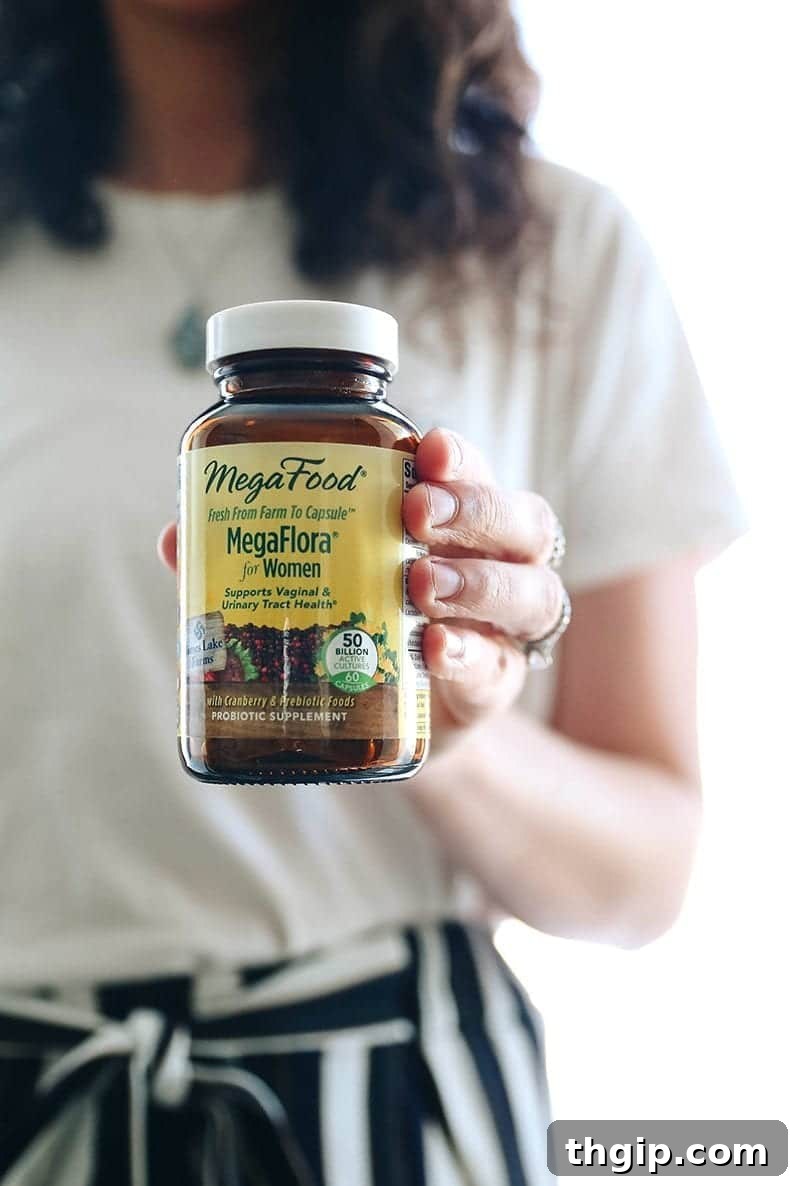
MegaFood, an exemplary supplement brand, is steadfastly dedicated to cultivating a sustainable future. They achieve this by meticulously crafting premium vitamins and supplements derived from real, wholesome foods and fortified with essential nutrients. In a powerful display of corporate responsibility, MegaFood has joined forces with the esteemed Environmental Working Group (EWG), alongside a coalition of other forward-thinking food and nutrition brands. Together, they are petitioning the Environmental Protection Agency (EPA) to implement an immediate ban on the pre-harvest use of glyphosate. As I’ve discussed extensively in previous posts, the reasons to champion organic agriculture are manifold. However, if you’re seeking a singular, impactful starting point to effect change, banning glyphosate – particularly its use as a desiccant – would yield truly massive and transformative impacts across our food supply and environment.
Through this pivotal petition, MegaFood unequivocally reinforces its unwavering commitment to improving lives and fostering a healthier world. They stand as the first supplement brand to proudly have its entire product line certified Glyphosate Residue Free by The Detox Project – a testament to their rigorous standards and dedication. Their overarching goal is to significantly heighten public awareness regarding the potentially unsafe levels of glyphosate residue that are unfortunately pervasive in many of the foods we consume today. This is why I wholeheartedly invite and implore you to sign this critical public petition. By uniting under the common, urgent goal of safeguarding our families, protecting our fragile planet, and ensuring a healthy future for generations to come, we can collectively exert the necessary pressure for meaningful change. Your signature is more than just a name; it’s a powerful statement of intent.
Disclaimer: This post is sponsored by MegaFood. I was asked to share about this petition in partnership with the EWG to help ban glyphosate. I’m honored to be a part of this campaign and help spread awareness to this critical issue. Thank you for supporting the brands who help make THM possible and empower us to share vital information.