
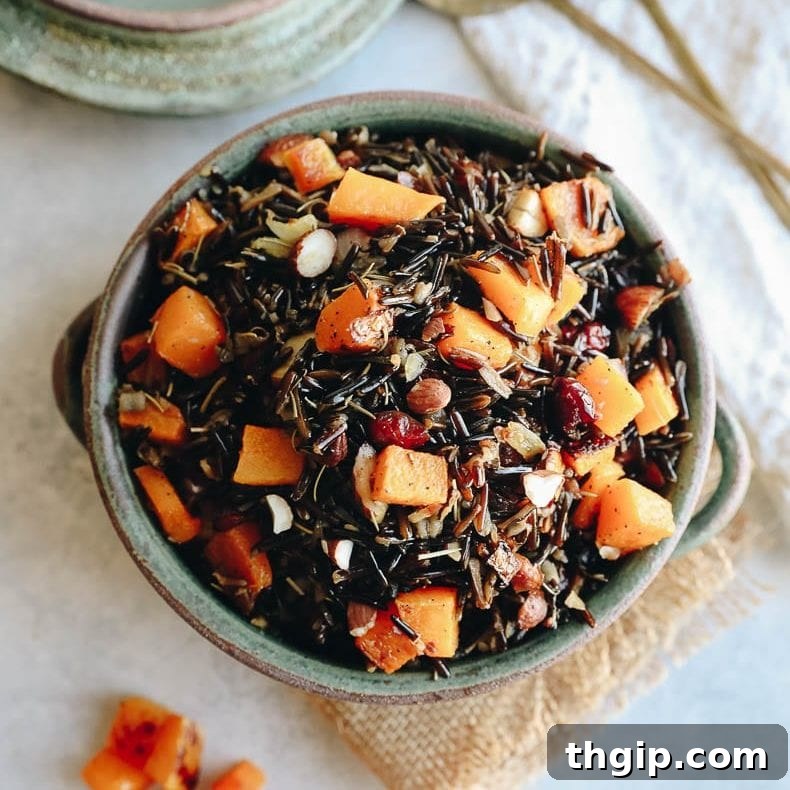
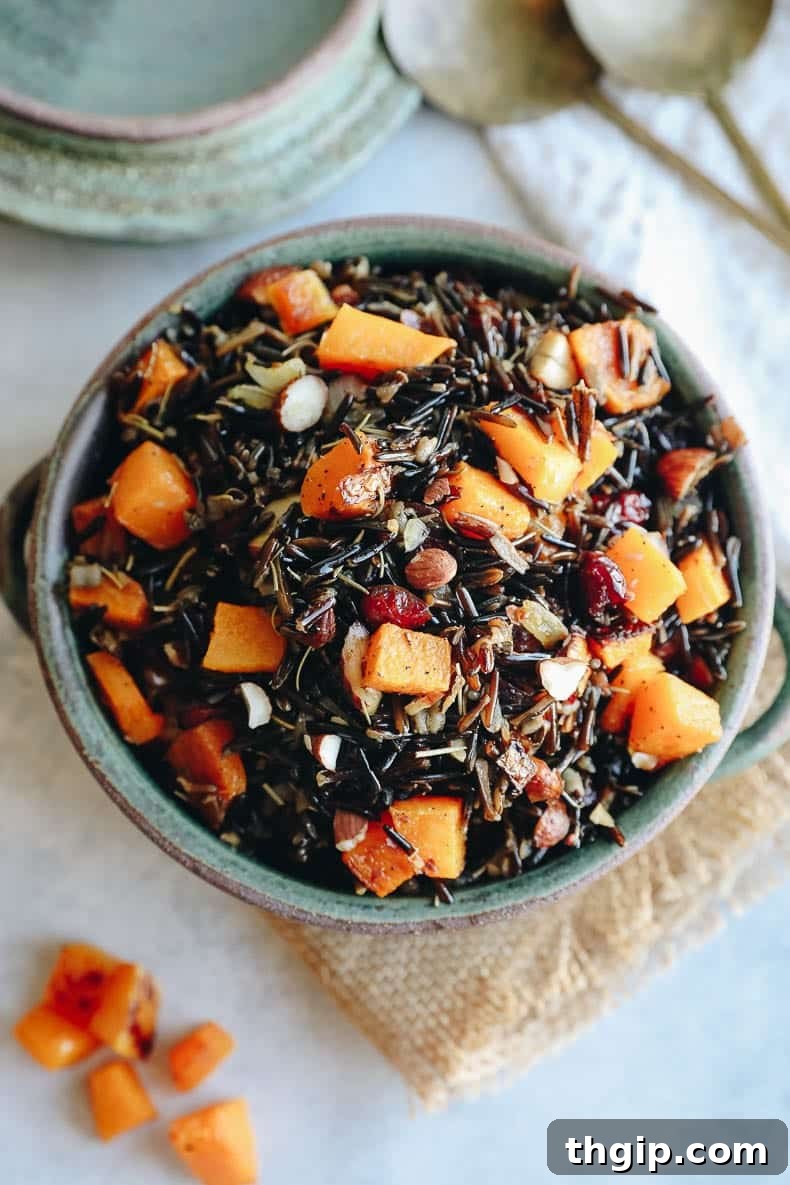
Embrace the vibrant flavors of autumn with this stunning Wild Rice Pilaf recipe featuring tender butternut squash! More than just a side dish, this wholesome, whole-grain salad is a symphony of textures and tastes, combining the earthy chewiness of wild rice with the sweet notes of roasted butternut squash, the satisfying crunch of almonds, and the bright tang of dried cranberries, all dressed in a simple, elegant balsamic vinaigrette. It’s the perfect addition to your fall dinner table, whether for an easy weeknight meal or a festive holiday spread.
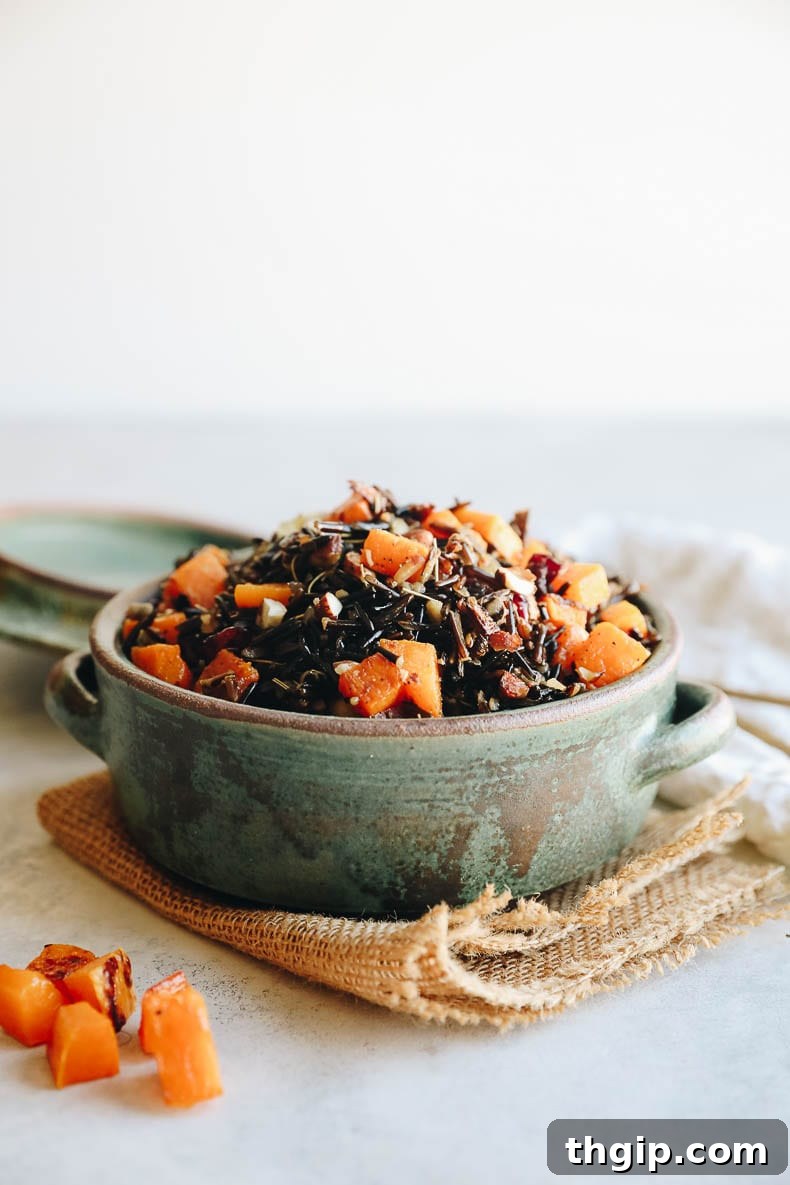
Every year as October rolls around, the crisp air and changing leaves signal a time for family, warmth, and comforting food. For many years, October meant a cherished trip to Minnesota to visit loved ones. While our journey there has transformed into calling Minneapolis home, the seasonal shift still evokes a deep connection to one particular ingredient: wild rice.
Before truly experiencing Minnesota, I hadn’t fully appreciated the unique delight of authentic wild rice. It’s a culinary revelation that quickly becomes an addiction. While it might require a little more time and patience to cook compared to conventional rice, the reward is immeasurable. The distinct nutty flavor and wonderfully chewy, slightly crunchy texture of a perfectly prepared wild rice pilaf recipe truly stand out, making every minute spent in the kitchen utterly worthwhile.
Why You’ll Love This Butternut Squash Wild Rice Pilaf
This recipe isn’t just another dish; it’s a celebration of fall’s bounty and a testament to how simple, wholesome ingredients can create something extraordinary. Here’s why this Wild Rice and Butternut Squash Pilaf is destined to become a staple in your autumn kitchen:
- A Harmony of Fall Flavors: Sweet butternut squash, tart cranberries, savory wild rice, and earthy thyme come together to create a taste profile that is quintessentially autumnal.
- Nutrient-Dense & Wholesome: Packed with whole grains, fiber, and vitamins, this pilaf is a powerhouse of nutrition, offering a satisfying and guilt-free option for any meal.
- Textural Delight: Enjoy the varied textures from the toothsome wild rice, the tender squash, the crunchy almonds, and the chewy cranberries.
- Incredibly Versatile: Serve it as a robust side dish for Thanksgiving, Christmas, or any holiday gathering. It also shines as a light vegetarian main course or an impressive potluck contribution.
- Simple to Prepare: Despite its gourmet appeal, this recipe is surprisingly straightforward, making it accessible for home cooks of all skill levels.
- Diet-Friendly: Naturally vegan and gluten-free, it caters to a wide range of dietary preferences without compromising on flavor.
Essential Ingredients for Your Fall Pilaf
The beauty of this wild rice pilaf lies in its simplicity. Each ingredient is carefully chosen to allow the star components – the wild rice and roasted butternut squash – to truly shine. You won’t need an extensive list of obscure items, just a few fresh and pantry staples to create a dish the whole family will adore. Here’s what you’ll need:
- Wild Rice: The foundation of our pilaf, offering its signature nutty flavor and delightful chewiness. Look for true wild rice, often found in health food stores or the rice aisle.
- Butternut Squash: This vibrant orange squash brings natural sweetness and a creamy texture when roasted. It’s rich in vitamins A and C, making it a healthy and flavorful addition.
- Yellow Onion: Adds a subtle aromatic sweetness and savory depth to the roasted vegetables.
- Almonds: Provide a crucial crunchy element and a delicate nutty flavor that complements the wild rice beautifully. Toasted almonds are highly recommended for enhanced taste.
- Dried Cranberries: Offer bursts of tartness and a chewy texture, balancing the sweetness of the squash and adding a festive touch.
- Balsamic Vinegar: Forms the base of our simple vinaigrette, lending a sweet and tangy acidity that brightens the entire dish.
- Honey (or Maple Syrup): A touch of natural sweetness to enhance the overall flavor profile of the vinaigrette and the pilaf. Maple syrup is an excellent vegan alternative.
- Thyme, Salt, and Pepper: Fresh or dried thyme infuses the dish with an earthy, aromatic herbaceousness, while salt and pepper are essential for seasoning and bringing out the best in every ingredient.
Unveiling the Mystery: What is Wild Rice?
Many assume wild rice is simply another variety of rice, but this intriguing grain holds a unique botanical secret. While it shares the “rice” moniker, it’s actually the seed of an aquatic grass (genus *Zizania*) and is not directly related to traditional rice (*Oryza sativa*). There are four main species, three of which are native to North America, predominantly found in the Great Lakes region – hence its strong association with states like Minnesota. Historically, it was a vital food source for Native American tribes, who traditionally harvested it by hand from canoes.
Beyond its fascinating origins, wild rice stands apart in terms of nutritional value and culinary characteristics. It boasts a significantly higher protein content than white or brown rice, along with more dietary fiber, B vitamins, and essential minerals like magnesium and phosphorus. Its robust, earthy, and distinctly nutty flavor profile is captivating, while its firm, chewy texture adds a satisfying bite to any dish. It truly is a superior whole-grain substitute that can elevate countless recipes, especially hearty pilafs.
Mastering Wild Rice: Stovetop Cooking Method
Cooking wild rice to perfection requires a bit more time than its conventional counterparts, but the process is straightforward. A general guideline is a 3:1 ratio of liquid to wild rice. Here’s how to achieve perfectly cooked wild rice on your stovetop:
- Rinse: Begin by rinsing 1 cup of wild rice thoroughly under cold running water in a fine-mesh sieve. This removes any dust or debris.
- Combine & Boil: Place the rinsed wild rice in a medium saucepan with 3 cups of water or vegetable stock (for enhanced flavor). Add a pinch of salt. Bring the mixture to a rolling boil over medium-high heat.
- Simmer: Once boiling, reduce the heat to low, cover the pot tightly, and let it simmer for approximately 45-60 minutes. The cooking time can vary based on the age and variety of the wild rice.
- Check for Doneness: The rice is done when the grains have split open and are tender, yet still have a pleasant chew. Some grains might retain a slight bite, which is desirable for a pilaf.
- Drain & Fluff: Once cooked, if there’s any excess liquid remaining, drain it off. Fluff the wild rice gently with a fork.
Speedy Wild Rice: Instant Pot Method
For those times when you need wild rice faster, your Instant Pot is a game-changer. It drastically cuts down cooking time while still yielding excellent results:
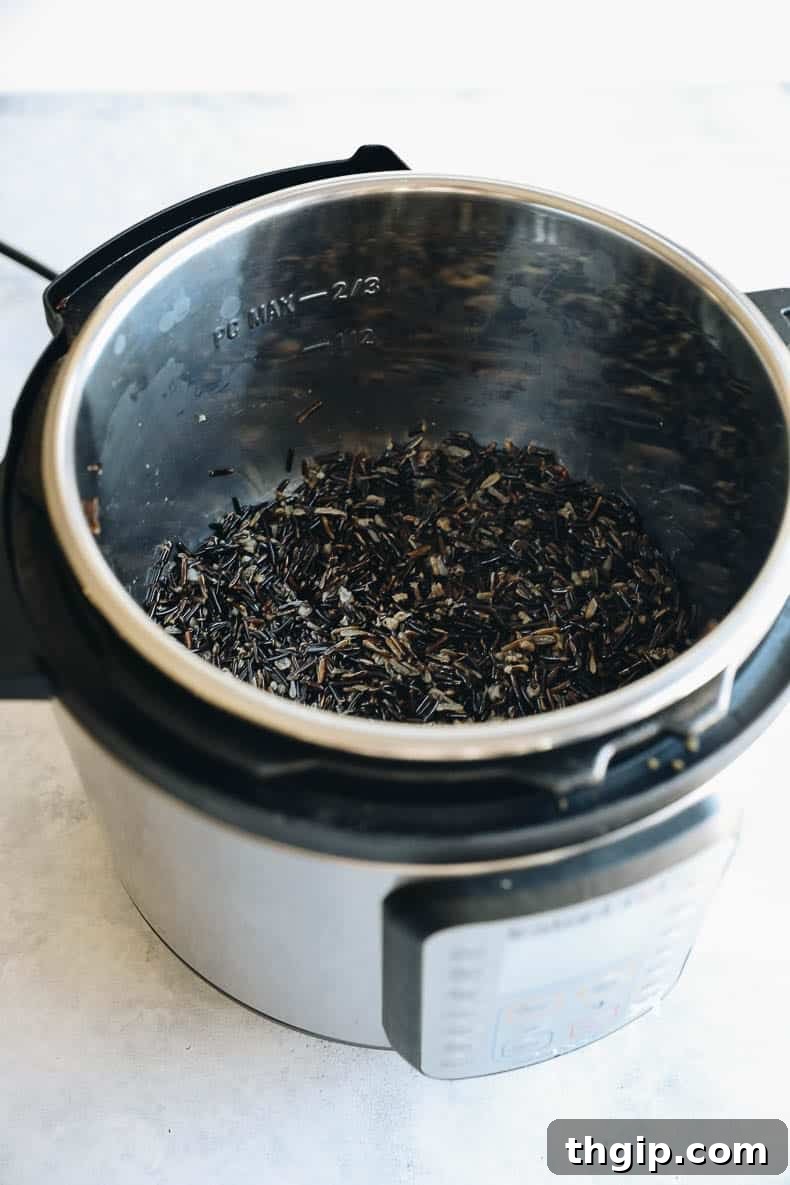
- Ratio Adjustment: For Instant Pot cooking, reduce the liquid ratio to 1.5:1. For 1 cup of wild rice, you’ll need 1 ½ cups of vegetable stock or water.
- Combine: Add 1 cup of rinsed wild rice, 1 ½ cups of stock, and a pinch of salt to your Instant Pot.
- Pressure Cook: Secure the lid and set the Instant Pot to “Manual” or “Pressure Cook” on high pressure for 20 minutes.
- Natural Release: Allow for a natural pressure release for at least 10 minutes once the cooking cycle is complete. This is crucial for proper texture.
- Vent & Drain: After the natural release, carefully quick-release any remaining pressure. Open the lid, and if any liquid remains, strain it off before fluffing the rice.
Defining Delicious: What is a Wild Rice Pilaf?
At its heart, a pilaf is a method of cooking grain, most commonly rice, where it’s typically sautéed in oil or butter before being cooked in a flavorful broth or stock. This process infuses the grains with deep flavor from the very beginning, resulting in a more savory and aromatic dish compared to simply boiling rice in water. In the case of this wild rice pilaf, we’re taking our distinctive wild rice and cooking it in vegetable stock, ensuring every grain is bursting with savory goodness and a fluffy, distinct texture.
What truly sets a pilaf apart, however, is the incorporation of other ingredients. After the grain is cooked, it’s often combined with a vibrant medley of complementary components, transforming it into a complete and satisfying dish. For our fall-inspired wild rice pilaf, this means combining the perfectly cooked wild rice with sweet, caramelized butternut squash and tender onions, then folding in the bright chewiness of dried cranberries and the satisfying crunch of roasted almonds. This combination creates a dish rich in both flavor and varied textures. While butternut squash is a star here, the beauty of a pilaf is its adaptability – feel free to experiment with other additions like sautéed mushrooms for a deeper umami profile, sweet potatoes, or even roasted carrots.
Print Recipe
Butternut Squash and Wild Rice Pilaf

5 Stars
4 Stars
3 Stars
2 Stars
1 Star
5 from 1 review
Spruce up your rice pilaf for fall with this Wild Rice Pilaf recipe with butternut squash! A delicious whole-grain salad made with wild rice, squash, almonds, cranberries and a simple balsamic vinaigrette for an easy dinner side dish or meal.
- Author: Davida Lederle
- Prep Time: 10 minutes
- Cook Time: 30 minutes
- Total Time: 40 minutes
- Yield: 4 side servings
- Category: Side
- Method: Cook
- Diet: Vegan
Ingredients
- 1 cup uncooked wild rice
- 2 1/2 cups butternut squash, peeled and cubed (about 1 1/2 pounds)
- 1 small yellow onion, chopped
- 1/2 cup almonds (roasted)
- 1/2 cup unsweetened dried cranberries
- 1 tbsp balsamic vinegar
- 1 1/2 tsp honey (or maple syrup for vegan)
- 1 1/2 tsp dried thyme (or 1 tbsp fresh)
- salt and pepper, to taste
Instructions
- Preheat oven to 400 degrees F (200 degrees C).
- Cook wild rice according to package instructions or using the stovetop/Instant Pot methods described above. Ensure the rice is tender with a slight chew.
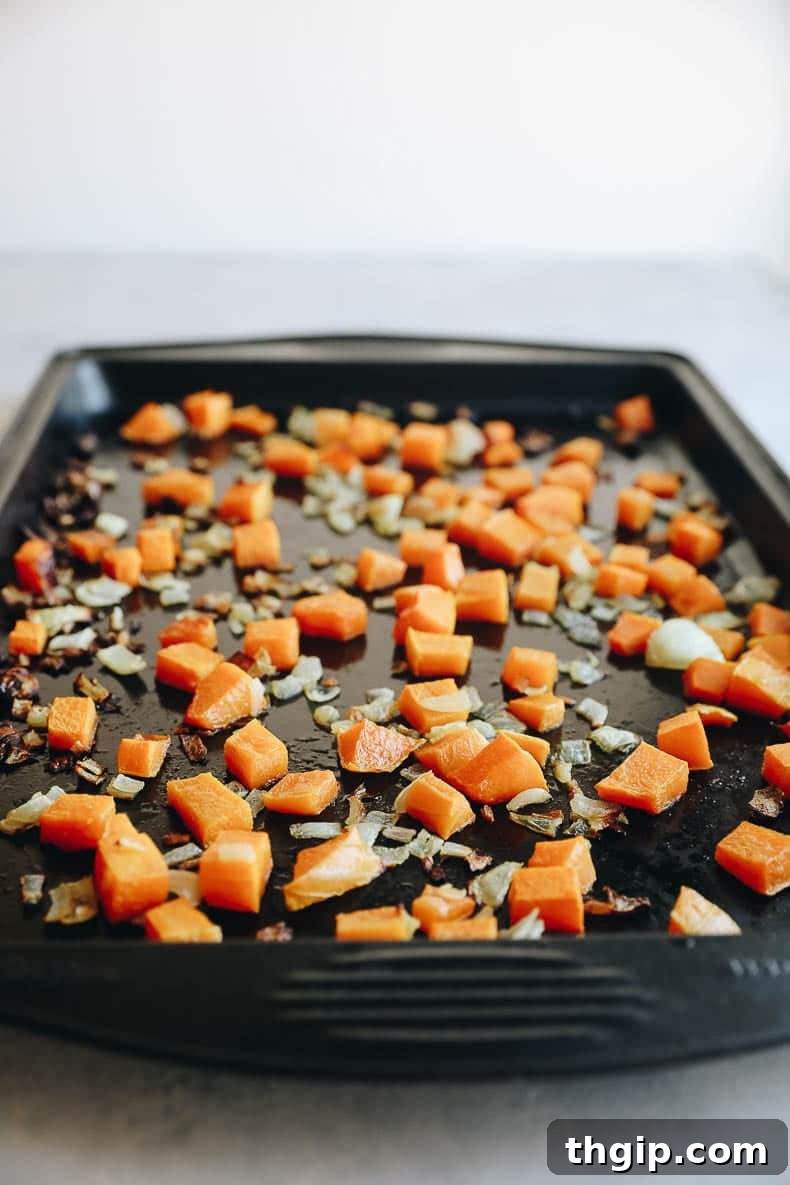
- On a baking sheet, toss the cubed butternut squash and chopped yellow onion with a drizzle of olive oil, salt, and pepper. Roast in the preheated oven for 15 minutes, then flip the vegetables and continue cooking for another 10-15 minutes, or until the squash is tender and lightly caramelized.
- In a large serving bowl, combine the cooked wild rice with the roasted butternut squash and onion mixture.
- Add the roasted almonds, dried cranberries, balsamic vinegar, honey (or maple syrup), dried thyme, and a generous pinch of salt and pepper.
- Stir gently until all the ingredients are well-combined and evenly coated with the dressing. Taste and adjust seasonings as needed.
- Serve warm as a delicious side dish or a light main meal.
Serving Suggestions & Delicious Variations
This Butternut Squash and Wild Rice Pilaf is incredibly versatile and can be enjoyed in various ways. Serve it warm as a delightful side dish to a roasted chicken, turkey, or pork tenderloin. It also pairs beautifully with vegetarian proteins like grilled halloumi, baked tofu, or a hearty lentil loaf, making it a complete and satisfying meal. For a lighter lunch, enjoy it as a standalone whole-grain salad.
Feeling creative? Here are a few ideas to customize your pilaf:
- Nutty Swaps: Replace almonds with toasted pecans, walnuts, or even pistachios for a different flavor profile and crunch.
- Fruity Alternatives: Dried cherries, chopped dried apricots, or golden raisins can be used instead of cranberries for varying levels of sweetness and tang.
- Vegetable Mix-ins: Add other roasted fall vegetables like sweet potato, parsnips, Brussels sprouts, or even sautéed mushrooms for more umami. A handful of fresh spinach or kale can also be stirred in at the end until just wilted.
- Herbaceous Touches: Experiment with other fresh or dried herbs such as sage, rosemary, or parsley to complement the fall flavors.
- Spiced Up: For a warmer, more aromatic pilaf, a pinch of cinnamon or nutmeg can be added to the roasting squash.
- Cheesy Indulgence: A sprinkle of crumbled goat cheese or feta over the warm pilaf adds a lovely creamy, tangy element (omit for vegan).
Storage and Make-Ahead Tips
This pilaf is wonderful for meal prepping and makes excellent leftovers! Store any remaining pilaf in an airtight container in the refrigerator for up to 3-4 days. It can be reheated gently in the microwave or on the stovetop with a splash of vegetable broth to maintain moisture. The flavors tend to meld and deepen overnight, often tasting even better the next day!
To save time, you can roast the butternut squash and onions ahead of time, and cook the wild rice separately. Store these components in the fridge, then simply combine and dress when you’re ready to serve. This makes assembling the fresh pilaf quick and effortless for busy weeknights or last-minute gatherings.
Conclusion: Your Perfect Fall Dish Awaits
With its rich flavors, satisfying textures, and impressive nutritional profile, this Butternut Squash and Wild Rice Pilaf is truly a standout dish for the fall and winter seasons. Whether you’re seeking a wholesome side for a family dinner, a festive addition to your holiday table, or a comforting vegetarian main, this recipe delivers on all fronts. It’s an accessible yet sophisticated dish that highlights the best of autumn’s harvest. Give it a try, and let the earthy goodness of wild rice and sweet butternut squash transform your seasonal cooking!
Like this recipe? Here are a few others you might enjoy:
- Warm Lentil Salad with Sweet Potato
- Maple Roasted Squash with Tahini Yogurt Dressing
- Roasted Brussels Sprouts with Maple Bacon
- Harvest Farro Salad with Roasted Squash