
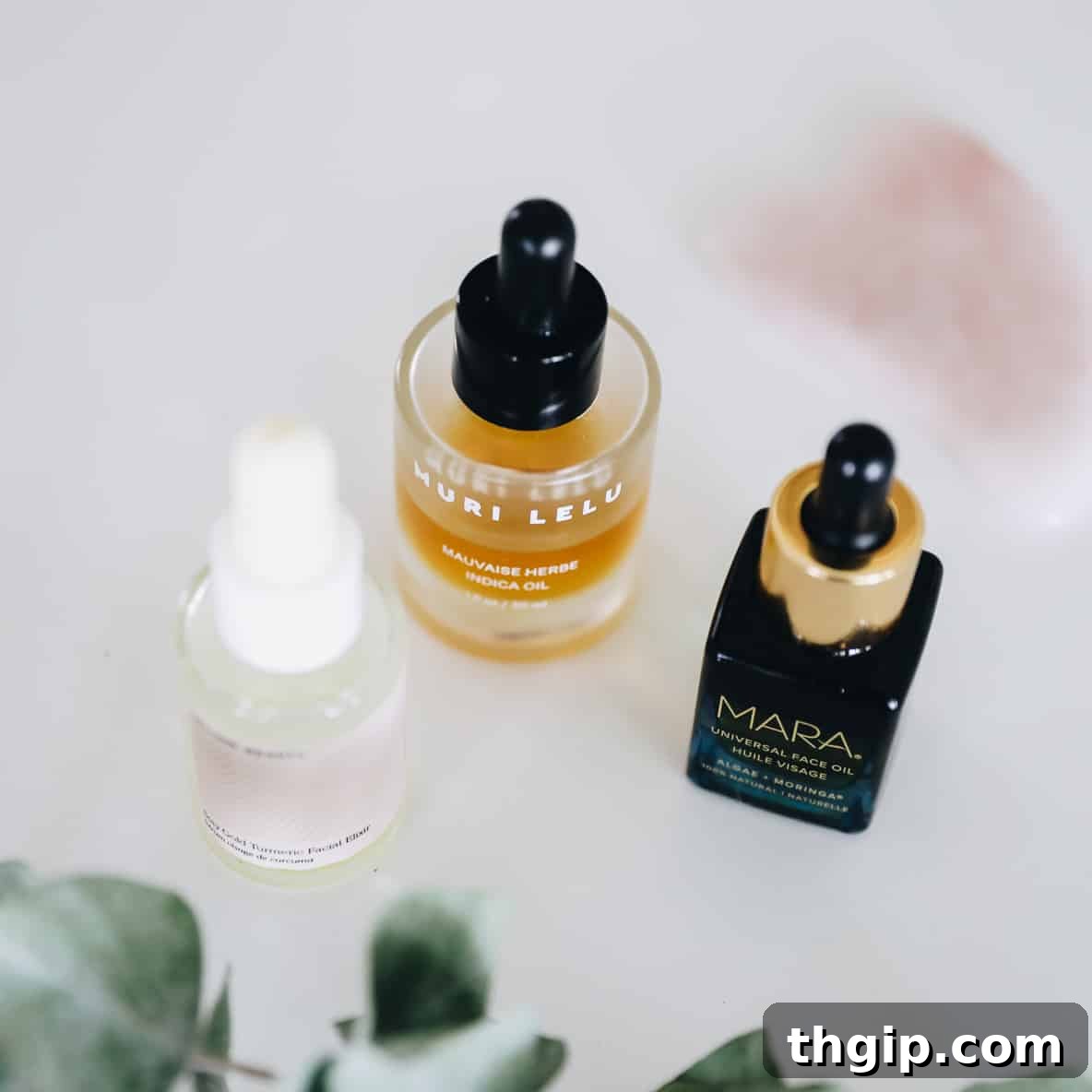
Incorporating a facial oil into your daily skincare routine can be a transformative step, unlocking a myriad of benefits for a radiant and healthy complexion. Far from being a trend, facial oils are a powerhouse ingredient, celebrated for their ability to significantly improve your skin barrier, visibly diminish the appearance of fine lines and wrinkles, and expertly seal in essential moisture. The result? Enhanced skin elasticity and an undeniably luminous complexion that truly looks its best. If you’re seeking to elevate your skin’s health and appearance, exploring the world of facial oils is an excellent place to start.
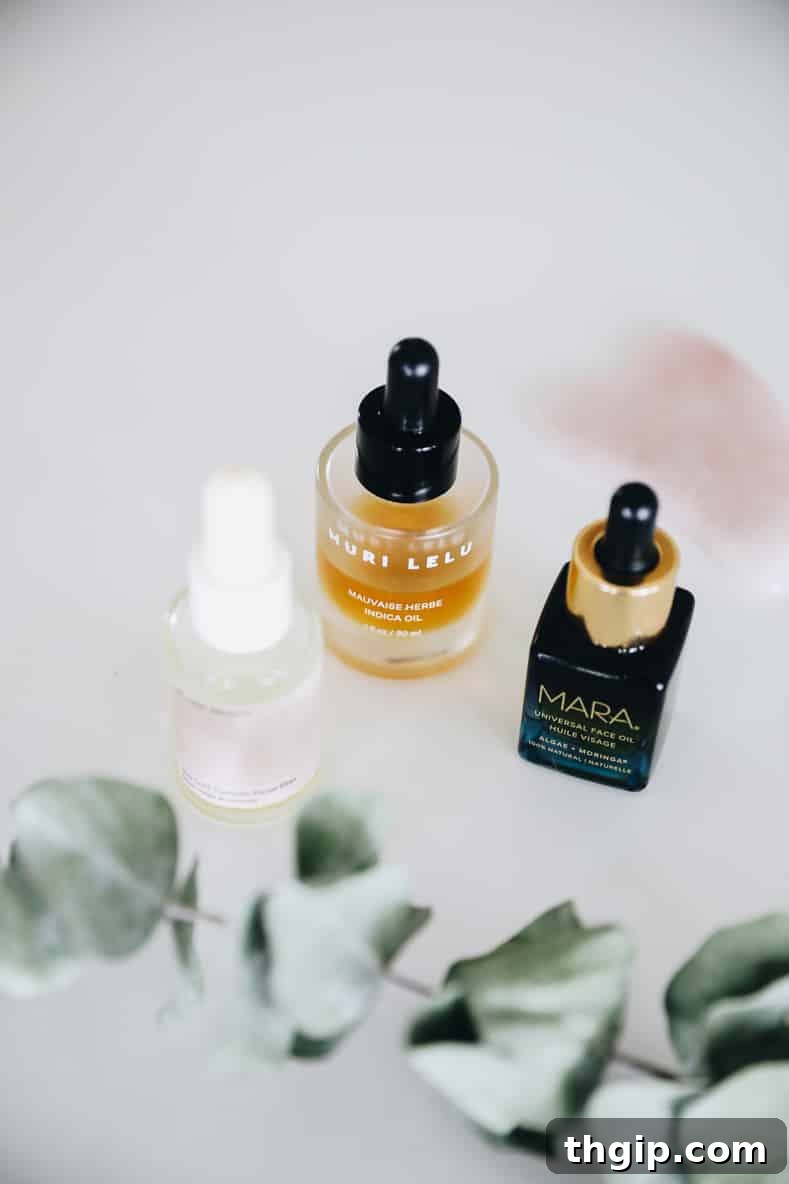
The idea of applying oil to your face might initially sound daunting, perhaps even counterintuitive, especially if you’ve grown up with the pervasive myth that oil equals clogged pores and inevitable acne breakouts. For many years, this notion dominated skincare advice, steering countless individuals away from a truly beneficial category of products. However, personal experience, along with a deeper understanding of dermatology, has proven this widespread belief to be largely unfounded. As someone who incorporates a high-quality face oil into my routine daily, I can personally attest to the fact that my acne-prone, dry skin has never looked healthier. Far from exacerbating skin issues, facial oils may, in fact, be the very antidote your acne-prone or dehydrated skin has been longing for, providing balanced hydration and vital nourishment without causing congestion.
Demystifying Facial Oils: What Exactly Are They?
Facial oil serves as an expansive umbrella term encompassing a diverse range of products specifically designed to moisturize, nourish, and protect your skin. This category can refer to formulations primarily focused on essential oils, synthetic oil compounds, or, most commonly and beneficially, plant-based oils. Within this spectrum, you’ll find single-oil products, which feature one hero ingredient, or carefully crafted oil blends, which combine multiple oils to leverage their synergistic benefits. The beauty of facial oils lies in their versatility; with so many options available, there’s an ideal choice for every skin type and specific skin concern, from addressing dryness and sensitivity to balancing oil production and combating signs of aging.
While their name suggests facial application, these potent elixirs are incredibly versatile and can be used on any part of your skin that requires an extra boost of hydration, nourishment, or glow. They are particularly invaluable if you struggle with dry or dehydrated skin, providing an immediate surge of moisture and helping to restore comfort and suppleness. Beyond addressing dryness, facial oils are excellent for anyone simply seeking to impart a healthy, vibrant glow and a nourishing boost to their skin’s overall appearance and health.
Mastering the Application: How to Use a Facial Oil Effectively
Think of a facial oil as a vital component of your moisturizing regimen. In a well-structured skincare routine, it typically represents the very last step in your evening ritual, effectively sealing in all the goodness from previous layers like serums and essences. However, if your routine includes both a facial oil and a traditional moisturizer, the general rule is to apply the moisturizer last. This is because most traditional moisturizers are water-based and contain humectants, which draw moisture into the skin, while oils primarily act as occlusives, creating a protective barrier to prevent that moisture from escaping. By applying the oil after your water-based products, you ensure optimal absorption and lock in maximum hydration.
To apply, dispense approximately 5-10 drops of your chosen facial oil—or a few pumps if it comes with a pump dispenser—onto your fingertips. Gently warm the oil between your palms; this not only enhances absorption but also creates a more pleasant, spa-like experience. Then, with soft, upward motions, delicately massage the oil onto your clean face and neck. Be sure to extend the application down to your décolletage for comprehensive care. The key is gentle massage, allowing the oil to thoroughly penetrate and envelop your skin, leaving it feeling supple, protected, and deeply nourished. For an added boost, you can also gently press the oil into your skin using the palms of your hands, promoting deeper absorption.
Facial Oil vs. Moisturizer: Understanding the Key Differences
Both facial oils and traditional moisturizers share the fundamental goal of hydrating and nourishing the skin, but they achieve this through distinct formulations and mechanisms. The primary difference, as the name suggests, is composition: facial oils are, at their core, pure oils. They are typically anhydrous, meaning they contain no water, and are often composed of single-source plant oils or a blend of various oils, sometimes with added fat-soluble vitamins or antioxidants.
Moisturizers, on the other hand, are typically water-based emulsions. This means they are a blend of water and oil components, often stabilized with emulsifiers. They contain a broader range of ingredients, including humectants (like hyaluronic acid, glycerin) that attract water to the skin, emollients (like ceramides, fatty acids) that smooth and soften the skin, and occlusives (like petroleum jelly, dimethicone) that form a protective barrier. Because water and oils don’t naturally mix, moisturizers require additional ingredients to create a stable, homogenous product. Facial oils offer a more ‘pure’ form of nourishment, delivering concentrated fatty acids and fat-soluble vitamins directly to the skin without the need for emulsifiers or preservatives often found in water-based products. I firmly believe both products serve unique and valuable purposes in a comprehensive skincare routine, and I often incorporate both for optimal results.
From my personal experience, I find oils to be profoundly more nourishing and deeply moisturizing, making them my go-to choice when my skin feels particularly dry, compromised, or in need of intensive repair. Their occlusive nature helps to fortify the skin barrier, preventing transepidermal water loss. Conversely, I prefer using a lighter moisturizer when my skin doesn’t require such intense moisture, such as during humid summer months or when my skin is naturally balanced. A common strategy I employ is applying my richer facial oil at night, allowing it to work its magic overnight, and opting for a lighter, perhaps gel-based, moisturizer in the morning to provide hydration without feeling heavy under makeup or SPF.
The Power of Plant-Based: Best Single Oils for Your Face
While I often gravitate towards sophisticated oil blends for their comprehensive benefits, understanding the power of individual single-source oils is crucial. These pure oils are not only effective but are also often more budget-friendly and widely accessible, frequently found in health food stores or reputable online retailers. When purchasing single oils, it is paramount to prioritize quality. Always look for labels indicating “cold-pressed” and “organic” where possible, as these designations ensure the oil retains its maximum nutrient content and purity, free from harmful chemical residues.
Pure Rosehip Oil – Also frequently referred to as rosehip seed oil, this botanical treasure is a powerhouse ingredient, exceptionally rich in Vitamin A (retinoic acid derivative) and essential fatty acids. It’s highly celebrated for its remarkable ability to reduce the appearance of redness, hyperpigmentation, and various types of scarring, including acne scars. Rosehip oil promotes cellular regeneration, leading to a more even-toned, smoother, and more radiant complexion.
Grapeseed Oil – A lightweight and non-comedogenic oil, grapeseed oil is particularly excellent for those with oily and acne-prone skin types. It’s rich in linoleic acid, an omega-6 fatty acid that can help to regulate sebum production and strengthen the skin’s barrier. Its antioxidant properties, largely due to Vitamin E and proanthocyanidins, also make it a potent protector against environmental damage. This oil is a personal favorite for its balancing and healing properties.
Squalane Oil – Derived from olives or sugarcane, squalane is a hydrogenated and stable form of squalene, a lipid naturally produced by our skin cells. This super lightweight, non-greasy oil is exceptionally compatible with the skin and non-comedogenic, making it the best face oil for virtually all skin types, including oily and sensitive skin. It provides instant hydration, enhances skin suppleness, and helps to prevent moisture loss without leaving any heavy residue.
Additional Remarkable Single Oils for Diverse Skin Needs:
- Jojoba Oil: Often called a “wax ester” rather than a true oil, jojoba closely mimics the skin’s natural sebum, making it incredibly balancing for both oily and dry skin. It’s excellent for regulating oil production and is non-comedogenic.
- Argan Oil: Hailing from Morocco, argan oil is rich in Vitamin E, ferulic acid, and essential fatty acids. It’s renowned for its anti-aging benefits, intensely nourishing dry and mature skin, improving elasticity, and reducing the appearance of fine lines.
- Marula Oil: A luxurious and lightweight oil, marula is packed with antioxidants, omega fatty acids, and vitamins. It absorbs quickly, provides intense hydration, and offers protection against environmental aggressors, suitable for most skin types, including sensitive.
- Sunflower Seed Oil: A gentle and calming oil, sunflower seed oil is high in linoleic acid and Vitamin E. It’s excellent for sensitive, irritated, or compromised skin barriers, helping to soothe inflammation and provide light, non-comedogenic moisture.
- Hemp Seed Oil: Known for its anti-inflammatory properties, hemp seed oil is non-comedogenic and rich in omega-3 and omega-6 fatty acids. It’s particularly beneficial for acne-prone skin, helping to calm redness and regulate oil production.
*A crucial note: I strongly advise against using coconut oil for your face. While popular for many uses, it is highly comedogenic, meaning it has a high likelihood of clogging pores and triggering acne breakouts in a significant number of individuals. Always be mindful of the comedogenic rating of oils, especially if you have blemish-prone skin.
Choosing the Right Facial Oil for Your Unique Skin Type
Selecting the perfect facial oil isn’t a one-size-fits-all endeavor; it’s about understanding your skin’s specific needs and matching them with the right oil’s properties. Here’s a guide to help you navigate the options:
- For Dry Skin: Look for heavier, richer oils that provide intense nourishment and create a strong occlusive barrier. Argan, Marula, Avocado, and Rosehip oils are excellent choices, rich in fatty acids to replenish moisture and restore suppleness.
- For Oily/Acne-Prone Skin: It might seem counterintuitive, but the right oil can balance sebum production. Opt for lightweight, non-comedogenic oils high in linoleic acid, which is often deficient in acne-prone skin. Grapeseed, Jojoba, Squalane, and Hemp Seed oils are ideal for their ability to regulate oil, reduce inflammation, and absorb quickly without clogging pores.
- For Combination Skin: This skin type often benefits from balancing oils. Jojoba oil is a fantastic choice as it mimics natural sebum, helping to normalize oil production in oily zones while providing hydration to drier areas. Lighter blends can also work well.
- For Sensitive Skin: Gentle, soothing, and anti-inflammatory oils are key. Sunflower Seed oil, Chamomile oil (often in blends), and pure Squalane are excellent choices. Always perform a patch test when introducing new products to sensitive skin.
- For Mature/Aging Skin: Focus on oils rich in antioxidants, vitamins, and essential fatty acids to promote cell regeneration, boost collagen production, and protect against environmental damage. Rosehip, Argan, Marula, and Pomegranate seed oils are highly beneficial for their firming, plumping, and wrinkle-reducing properties.
Beyond Single Oils: The Benefits of Blended Formulas
While occasionally I may reach for a single-source oil to target a specific concern, I typically find myself gravitating towards expertly formulated blended facial oils. The reason is simple: blends tend to offer a more comprehensive and balanced fatty acid profile, and each individual oil within the blend often brings unique therapeutic benefits to the table. A well-crafted blend can synergistically address multiple skin concerns simultaneously, providing a holistic approach to skin health. For instance, a blend might combine a balancing oil like Jojoba, with a regenerating oil like Rosehip, and a soothing oil like Blue Tansy, to create a multi-functional product that calms, hydrates, and renews. When choosing a blended oil, look for those that list botanical extracts, antioxidants, and a variety of carrier oils tailored to your skin type. These formulations often harness the power of diverse ingredients to deliver superior results.
Integrating Facial Oils into Your Skincare Routine: Tips for Success
Successfully integrating facial oils into your existing routine requires a little understanding of layering and consistency. Here are a few tips to ensure you get the most out of your oils:
- The Golden Rule of Layering: Apply products from thinnest to thickest consistency. This means toners, essences, and water-based serums first, followed by lotions or creams, and finally your facial oil to seal everything in.
- Morning or Night? Many prefer to use facial oils at night due to their richer texture, allowing them to deeply nourish the skin while you sleep. However, lighter oils like Squalane or Grapeseed can be excellent in the morning, providing a luminous base under makeup or SPF.
- Mix and Match: Don’t be afraid to mix a drop or two of your facial oil into your daily moisturizer or even your foundation for an added boost of hydration and a dewy finish.
- Patience is Key: Like any new skincare product, give your skin time to adjust. Consistent use over several weeks will allow you to truly see the benefits of your chosen facial oil.
- Listen to Your Skin: Your skin’s needs can change with seasons, hormones, and lifestyle. Adjust the type or amount of facial oil you use accordingly. You might prefer a richer oil in winter and a lighter one in summer.
Beyond the Glow: The Long-Term Benefits of Facial Oils
The immediate glow and hydration you experience from facial oils are just the beginning. Consistent use provides profound long-term benefits that contribute significantly to overall skin health:
- Enhanced Skin Barrier Function: Many plant-based oils are rich in essential fatty acids that mimic the skin’s natural lipid barrier. By replenishing these lipids, oils help to strengthen the skin’s protective shield, making it more resilient against environmental aggressors, pollution, and irritants.
- Anti-Inflammatory Properties: Numerous oils, such as hemp seed, tamanu, and even certain components of rosehip, contain compounds with powerful anti-inflammatory effects. This can significantly reduce redness, calm irritation, and soothe conditions like eczema, rosacea, and acne.
- Antioxidant Protection: Oils like argan, marula, and grapeseed are brimming with antioxidants, including Vitamin E and polyphenols. These compounds combat free radicals generated by UV exposure and pollution, preventing oxidative stress that leads to premature aging.
- Improved Skin Texture and Tone: Regular application of nourishing oils can lead to noticeably smoother skin texture. Oils rich in Vitamin A, like rosehip, can also help to accelerate cell turnover, diminishing hyperpigmentation and promoting a more even skin tone.
- Natural Anti-Aging Support: By keeping the skin deeply hydrated, plump, and protected from environmental damage, facial oils play a crucial role in preventing the formation of new fine lines and wrinkles, while also softening existing ones.
Final Thoughts: Embrace the Power of Facial Oils
Gone are the days when facial oils were feared or relegated to only the driest skin types. Today, with a deeper understanding of their diverse benefits and proper application techniques, facial oils are recognized as an indispensable category in modern skincare. Whether you’re battling dryness, seeking to balance oily skin, soothe sensitivities, or simply achieve that coveted healthy glow, there’s a facial oil out there for you. By choosing high-quality, cold-pressed, and organic options, and understanding how to incorporate them into your routine, you can unlock a new level of skin health and radiance. Don’t be afraid to experiment and discover the transformative power of these botanical treasures – your skin will thank you for it!