
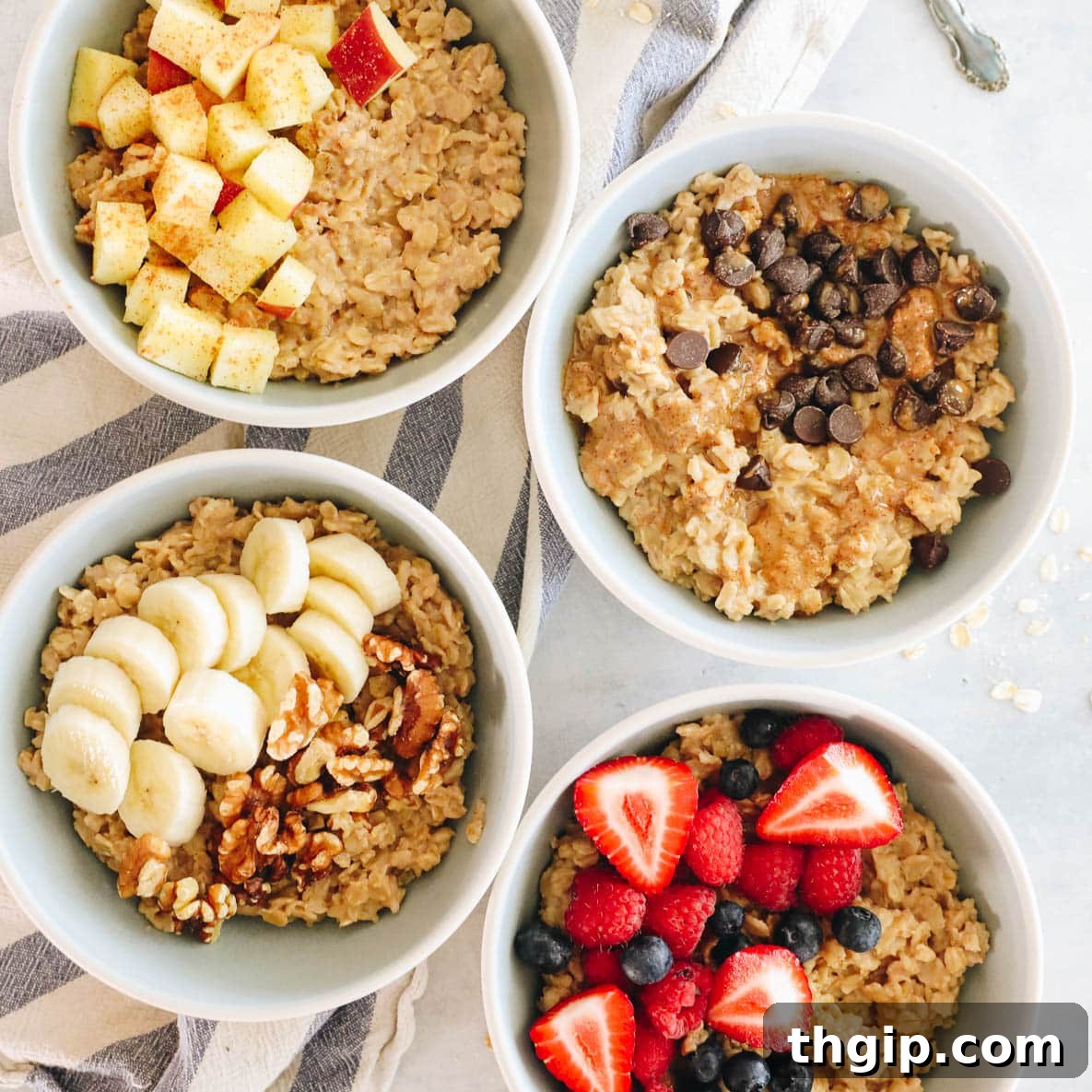
Unlock the secret to perfect, creamy oatmeal every time! With just 6 simple, wholesome ingredients, you can whip up a comforting bowl of stove-top oatmeal in about 10 minutes, or even faster using your microwave. This essential guide also includes 4 delicious flavor variations and countless topping ideas to inspire your breakfast routine.
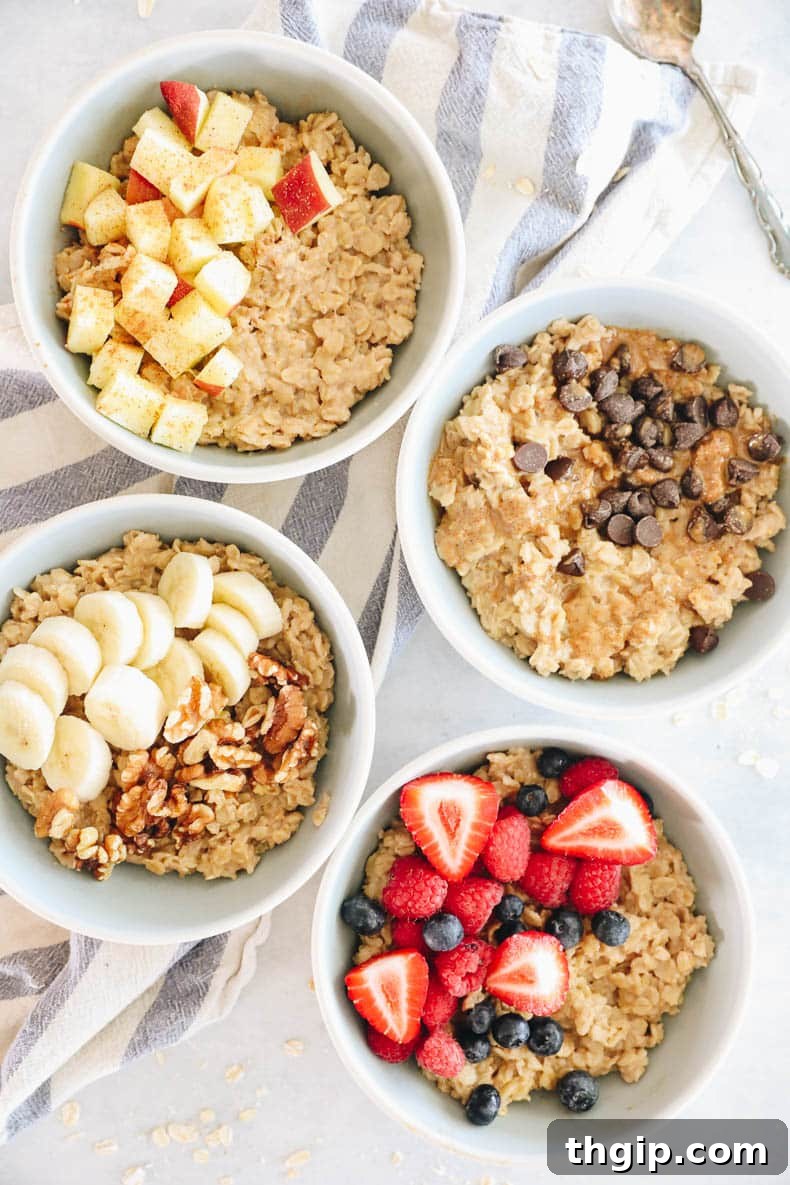
Table of Contents
- Ditch the Packets: Embrace Homemade Oatmeal!
- Understanding Your Oats: A Comprehensive Guide
- Essential Ingredients for the Ultimate Classic Oatmeal
- How to Master Stove-Top Oatmeal for Creamy Perfection
- Quick and Easy Microwave Oatmeal in Minutes
- Pro Tips for Flawless Oatmeal Every Time
- Frequently Asked Questions About Oatmeal
- Meal Prepping Oatmeal: Storage and Reheating Tips
- Unleash Your Creativity: 4 Irresistible Oatmeal Variations
- Endless Possibilities: More Delicious Oatmeal Topping Ideas
- Explore More Oatmeal Recipes You’ll Love
- How to Make Oatmeal Recipe Card
For years, I’ve delighted in sharing countless inventive oatmeal recipes, exploring exciting flavor combinations and unique twists. It’s been a journey of culinary creativity, yet I’ve realized that amidst all these delicious experiments, I’ve overlooked sharing the fundamental building block: my classic, basic oatmeal recipe. This isn’t just any recipe; it’s the foundational guide that every home cook should have in their repertoire, serving as the perfect canvas for endless customization. Before we dive into delightful variations, let’s first master the art of making a consistently delicious bowl of oatmeal.
Ditch the Packets: Embrace Homemade Oatmeal!
The allure of pre-mixed, store-bought oatmeal packets is understandable – they promise speed and convenience. However, I urge you to reconsider. Crafting your own oatmeal at home from scratch is not only incredibly simple but also offers significant advantages. From a cost perspective, buying bulk oats and customizing them yourself is far more economical in the long run. More importantly, those seemingly innocent packets often hide excessive added sugars, artificial flavorings, and unnecessary preservatives that detract from the natural goodness of oats. Learning to prepare oatmeal with simple, wholesome ingredients gives you complete control over what goes into your breakfast, ensuring a healthier and more satisfying start to your day. This guide will empower you to create superior oatmeal using minimal fuss and two straightforward methods.
Understanding Your Oats: A Comprehensive Guide
Before we delve into the cooking process, let’s explore the diverse world of oats. Knowing the differences between varieties will help you choose the best option for your desired texture, cooking time, and nutritional goals.
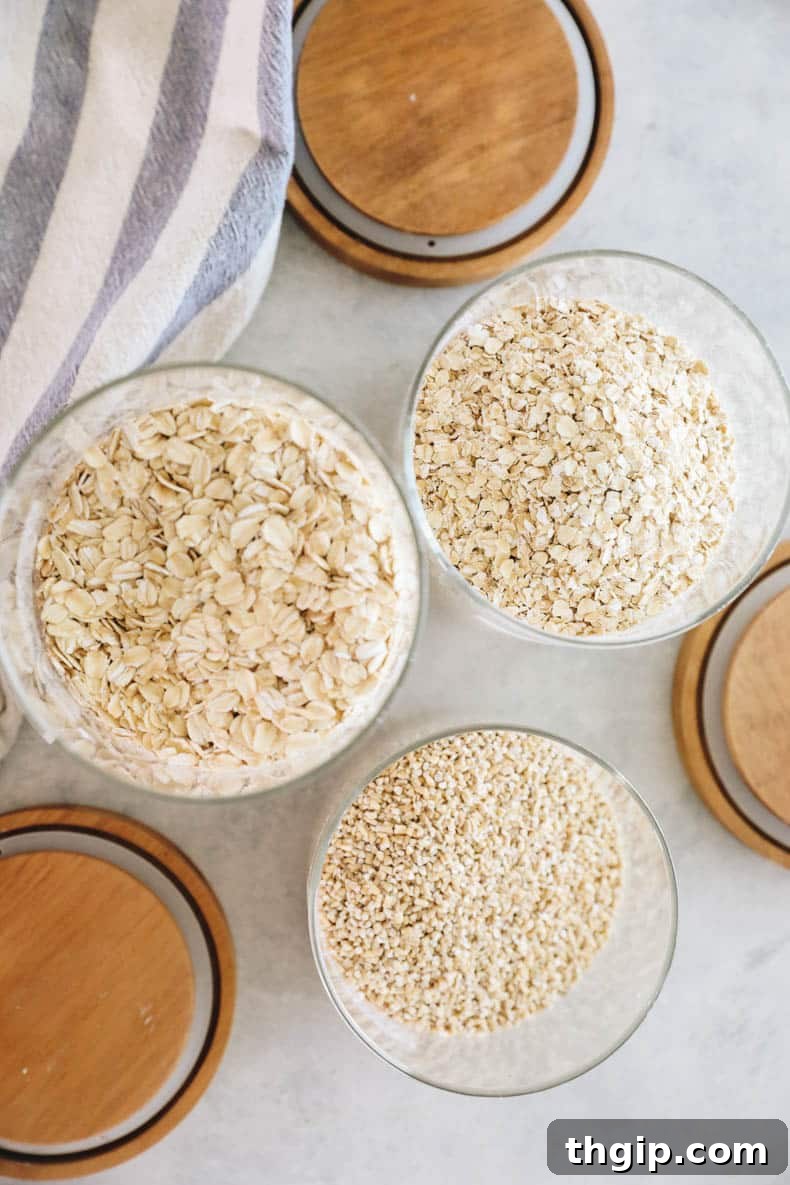
- Old Fashioned Rolled Oats: These are the quintessential oats for creamy, classic oatmeal. To create rolled oats, the whole oat groats are first steamed, then pressed flat between rollers. This processing makes them softer and significantly reduces their cooking time compared to steel-cut oats, while still retaining a substantial amount of their nutritional value and a pleasant chewiness. They are an excellent choice for busy mornings when you want a hearty, wholesome breakfast without a long wait. Their versatility also makes them perfect for baking, overnight oats, and granolas.
- Steel-Cut Oats: Representing the least processed form of oats, steel-cut oats are simply whole oat groats that have been cut into two or three smaller pieces, rather than rolled flat. This minimal processing preserves more of their insoluble fiber and a lower glycemic index, making them the healthiest option, particularly for those monitoring blood sugar levels. However, their robust, chewy texture requires a longer cooking time and a different liquid ratio, typically around 20-30 minutes on the stove, or longer in an Instant Pot. If you appreciate a heartier, nuttier texture and have a bit more time, steel-cut oats are a fantastic choice.
- Quick or Instant Oats: These are the most processed of the oat varieties. Like rolled oats, oat groats are steamed and rolled, but then they are further rolled thinner and often cut into smaller pieces. This extensive processing allows them to cook incredibly fast, often in just 1-2 minutes. While convenient, this comes at the cost of texture; quick oats tend to become quite mushy, lacking the satisfying creaminess and chewiness of old-fashioned rolled oats. They also have a higher glycemic index due to their rapid digestion. While they serve a purpose for ultimate speed, for a truly enjoyable bowl of oatmeal, rolled or steel-cut varieties are generally preferred.
Essential Ingredients for the Ultimate Classic Oatmeal
A truly great bowl of oatmeal doesn’t require a long list of exotic ingredients. In fact, some of the best results come from a few simple, high-quality components. Here’s what you’ll need for our classic recipe:
- Old Fashioned Rolled Oats: Our star ingredient! Their ideal balance of quick cooking and satisfying texture makes them perfect for this recipe. While this recipe can also accommodate quick oats (though the texture will be softer), I do not recommend substituting steel-cut oats directly, as their different liquid ratio and significantly longer cooking time require a separate approach.
- Water or Milk: The liquid base dictates the creaminess and flavor. Water creates a lighter oatmeal, allowing the oat flavor to shine. For a richer, creamier result, opt for milk. Almond milk and oat milk are my personal favorites for their natural sweetness and silky texture, but dairy milk, soy milk, or any other plant-based milk (like cashew or rice milk) will work beautifully. Experiment to find your preferred liquid!
- Cinnamon: This warm spice adds a comforting aroma and depth of flavor that complements oats perfectly. It’s optional but highly recommended. Feel free to explore other spices like a pinch of nutmeg, cardamom, or even a dash of ginger for different flavor profiles, or omit spices entirely if you prefer.
- Salt: A seemingly small addition that makes a huge difference. Just a tiny pinch of salt doesn’t make your oatmeal salty, but rather acts as a flavor amplifier, brightening and balancing the sweetness of other ingredients. Don’t skip it!
- Vanilla Extract: Another optional but highly recommended ingredient. A splash of pure vanilla extract infuses your oatmeal with a subtle, natural sweetness and aromatic warmth, elevating the overall taste without adding extra sugar.
- Maple Syrup: My top choice for a natural sweetener. Its rich, earthy notes pair wonderfully with oats. However, feel free to use your preferred sweetener. Other fantastic options include honey, brown sugar, coconut sugar, agave nectar, or even mashed banana for a fruit-sweetened option. Adjust the amount to your taste.
How to Master Stove-Top Oatmeal for Creamy Perfection
Making oatmeal on the stove-top offers the most control over texture, allowing you to achieve a perfectly creamy and satisfying consistency. Follow these simple steps for a flawless bowl:
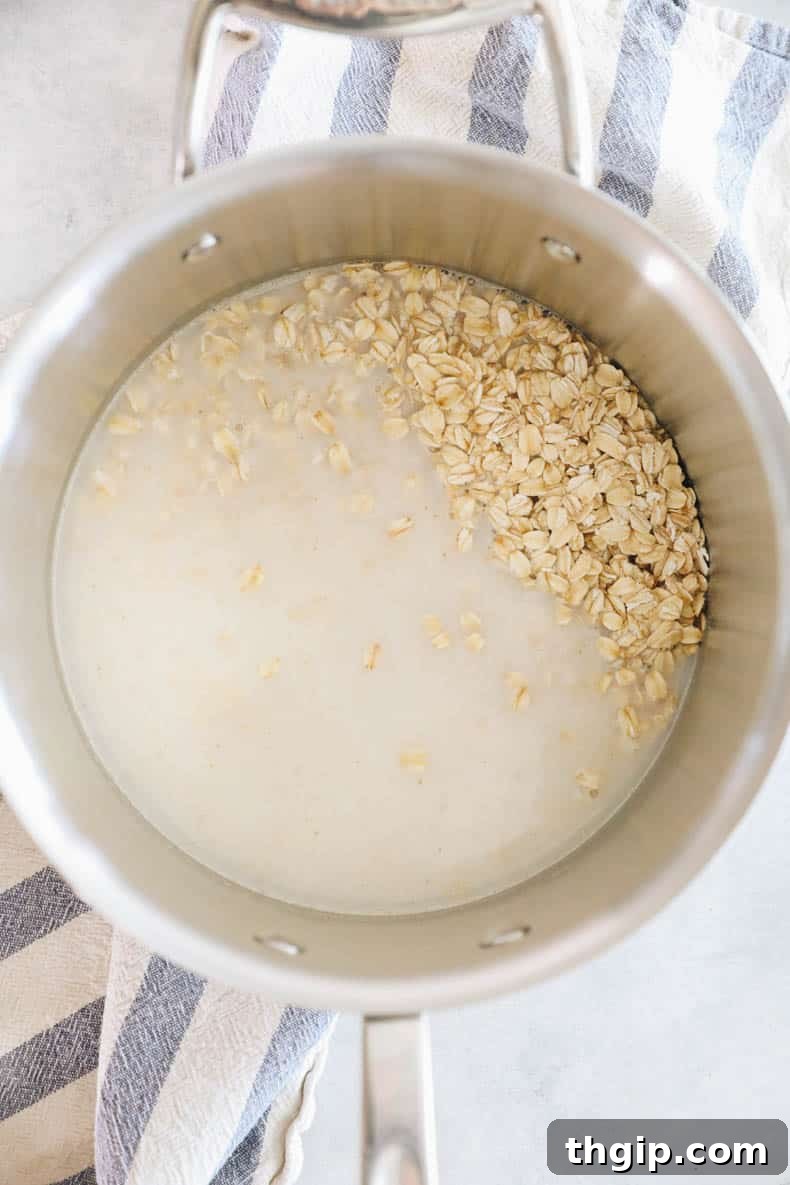
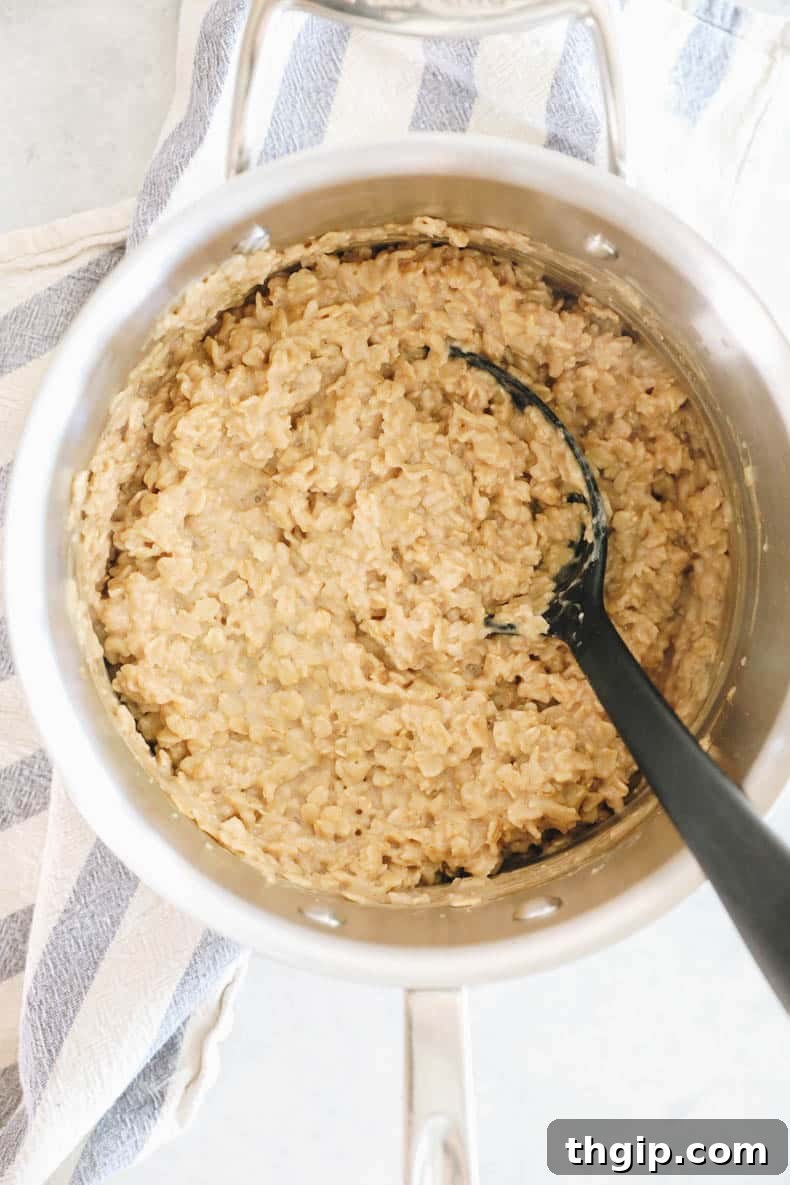
Begin by adding all your ingredients – rolled oats, chosen liquid, cinnamon, salt, vanilla extract, and maple syrup – to a medium-sized pot. Place the pot over medium-high heat. Bring the mixture to a rolling boil, ensuring all ingredients are well combined. Once boiling, immediately reduce the heat to a gentle simmer. Allow the oatmeal to cook for 5 to 10 minutes, or until the oats have fully absorbed the liquid and reached your desired consistency. Stir occasionally throughout the simmering process to prevent the oats from sticking to the bottom of the pot and to ensure even cooking. The longer you cook it, the creamier and thicker it will become. Once cooked, remove from heat and transfer to a bowl. Now comes the fun part: customize with your favorite toppings before serving!
Quick and Easy Microwave Oatmeal in Minutes
For those mornings when every second counts, the microwave is your best friend for preparing a speedy bowl of oatmeal. While it sacrifices a bit of the stovetop’s textural control, it’s incredibly efficient. Here’s how to do it without a mess:
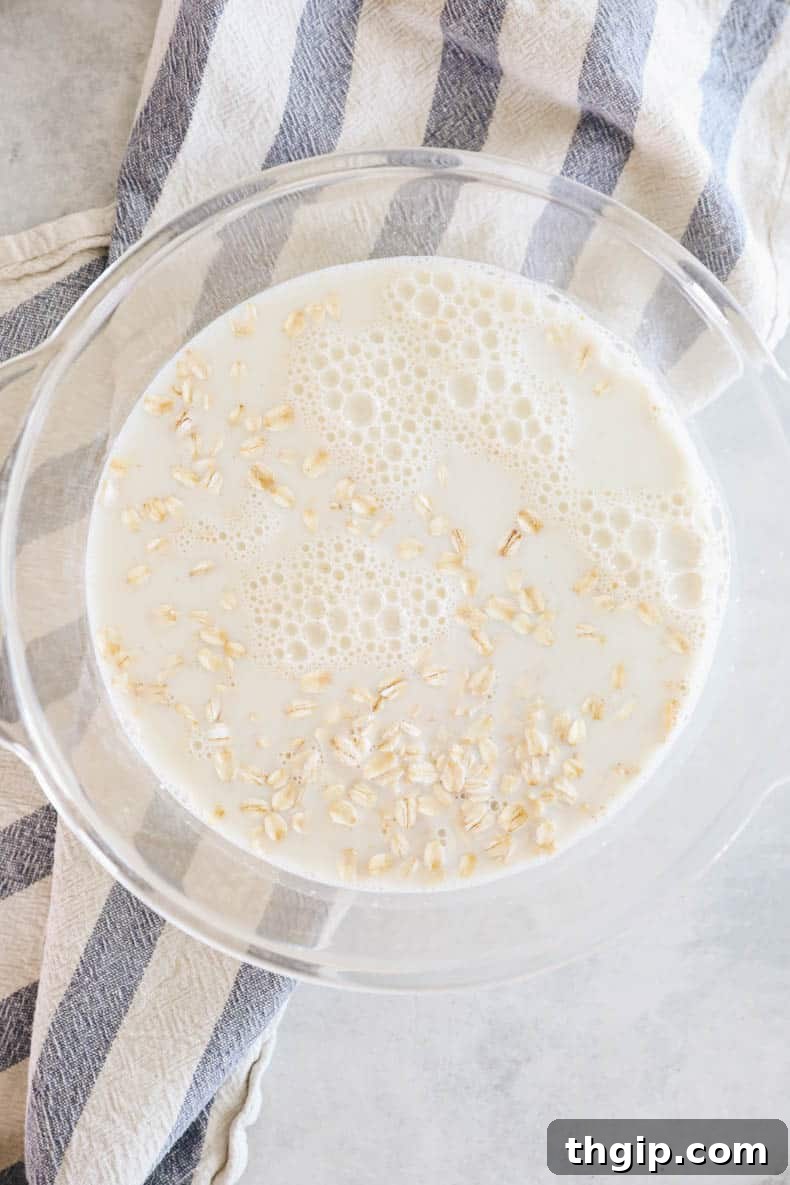
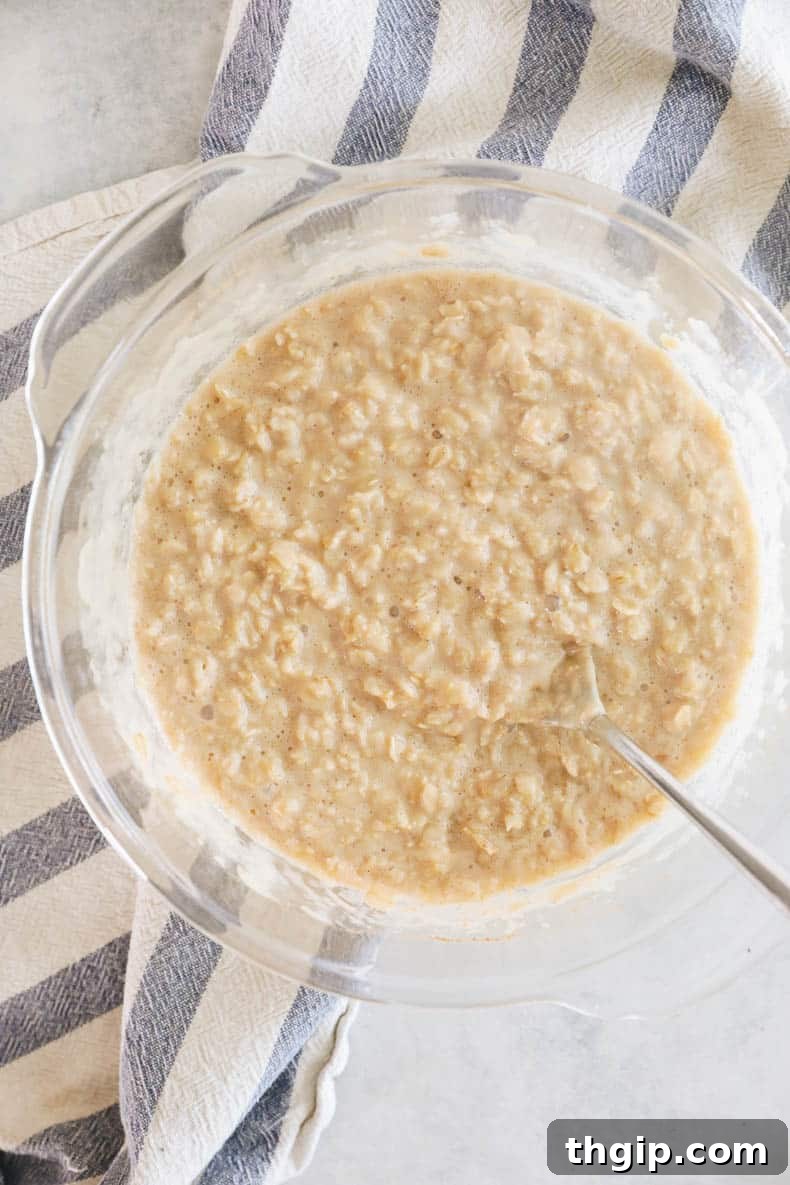
Combine all your oatmeal ingredients – old-fashioned rolled oats, chosen liquid, cinnamon, salt, vanilla extract, and maple syrup – in a large, microwave-safe bowl. It’s crucial to use a bowl that is at least twice the volume of your ingredients to prevent any overflow during cooking. Cook on high for 3 minutes initially. Carefully remove the bowl from the microwave (it will be hot!) and give the oatmeal a good stir to redistribute the heat and prevent sticking. Return it to the microwave and continue cooking in 40-second increments, stirring after each interval, until all the liquid has been absorbed and the oats are tender and cooked through to your preferred consistency. Be mindful not to overcook, as this can lead to a gummy texture. Once ready, top with your desired additions and enjoy your fast, flavorful breakfast.
Pro Tips for Flawless Oatmeal Every Time
- Master the Oat to Liquid Ratio: For old-fashioned rolled oats, a consistent 1:2 oat to liquid ratio is key. This means for every half cup of oats, you’ll use one full cup of liquid. This ratio ensures a creamy, well-cooked consistency. While you have the freedom to choose your liquid—whether it’s water, a plant-based milk (like almond, oat, or soy), or traditional dairy milk—sticking to this ratio is vital for perfect oatmeal. Adjust slightly for thicker or thinner preferences, but always start here.
- Personalize Your Sweetener: The choice of sweetener can dramatically alter the flavor profile of your oatmeal. I personally adore maple syrup for its unique depth and natural caramel notes. However, the best sweetener is truly a matter of personal preference and dietary needs. Consider natural options like honey for a floral sweetness, brown sugar for a classic cozy taste, date syrup for a richer, more mineral-rich alternative, or even mashed banana for added fruit sweetness and vitamins. Always add sweeteners after cooking to taste, allowing you to control the exact level of sweetness.
- Opt for Certified Gluten-Free Oats if Necessary: While oats are naturally gluten-free, they are often processed in facilities that also handle wheat, barley, and rye. This can lead to cross-contamination, which is a significant concern for individuals with celiac disease or severe gluten sensitivities. If you follow a strict gluten-free diet, make sure to purchase oats that are specifically labeled and certified gluten-free to ensure they meet stringent purity standards.
- Achieve Your Ideal Consistency: Some prefer thick, hearty oatmeal, while others like it looser and more fluid. To achieve a thicker consistency, simply cook your oatmeal for a minute or two longer, allowing more liquid to evaporate. For a thinner bowl, stir in an extra splash of hot water or milk after cooking until it reaches your desired texture. Don’t be afraid to experiment!
- Don’t Overcook: Overcooked oatmeal can become gummy or paste-like. Once the liquid is mostly absorbed and the oats are tender, remove them from the heat. They will continue to thicken slightly as they cool.
Frequently Asked Questions About Oatmeal
Absolutely! Oatmeal is widely celebrated as a nutritional powerhouse and an excellent choice for breakfast, a satisfying snack, or even a light meal. It’s renowned for being incredibly high in soluble fiber, particularly beta-glucan, which is responsible for its filling nature and numerous health benefits. This fiber helps regulate digestion, promotes bowel regularity, and contributes to a healthy gut microbiome. Furthermore, oats are a good source of plant-based iron, magnesium, zinc, and B vitamins. Regular consumption of oatmeal can contribute to improved heart health by lowering cholesterol levels, stabilizing blood sugar, and providing sustained energy. For a deeper dive into the health advantages, explore comprehensive resources on oatmeal benefits.
While oats offer a respectable amount of fiber and complex carbohydrates, they are not inherently considered a high-protein food on their own. However, this is precisely what makes them an excellent base for boosting your protein intake! You can easily transform your oatmeal into a protein-packed meal. I love stirring in a dollop of Greek yogurt or a spoonful of my favorite nut butter (almond butter or peanut butter work wonderfully) right after cooking. Other fantastic protein boosters include adding a scoop of protein powder, a handful of chopped nuts or seeds (like chia or flax seeds), or even some cottage cheese for an extra creamy texture and savory twist.
No, it is not absolutely essential to add salt to your oatmeal, especially if you are watching your sodium intake. However, I highly recommend including a small pinch of salt. Similar to how it works in baking, salt doesn’t make your oatmeal taste “salty” but rather acts as a crucial flavor enhancer. It cleverly balances and amplifies the natural sweetness of the oats and any added sweeteners, creating a more well-rounded and delicious flavor profile. You’ll be surprised at the subtle but significant difference it makes!
Yes, you certainly can prepare oatmeal in an Instant Pot, but my personal experience is that it often doesn’t offer a significant speed advantage over the stovetop or microwave methods, especially for rolled oats. Furthermore, Instant Pot oatmeal can sometimes result in a slightly mushier texture than some prefer. If you’re keen on using your Instant Pot, I strongly recommend opting for steel-cut oats, as their firmer structure holds up better under pressure cooking and benefits more from the hands-off approach. Here’s a dedicated recipe for Instant Pot steel-cut oats that yields excellent results.
Oatmeal can definitely be a valuable component of a weight-loss diet. Its high fiber content, particularly soluble fiber, helps you feel full and satisfied for longer, reducing the likelihood of overeating and snacking between meals. This sustained satiety is crucial for calorie control. Additionally, oats are a whole grain and provide complex carbohydrates that offer steady energy, preventing energy crashes that can lead to cravings. When consumed with moderate portions and healthy toppings (avoiding excessive sugars and high-calorie add-ins), oatmeal makes for an excellent, nutrient-dense breakfast option to support your weight management goals.
The “best” liquid really depends on your taste preferences and dietary needs! Water will give you a lighter, more classic oat flavor, and is excellent if you want the toppings to truly shine. For a creamier, richer bowl, milk is the way to go. Dairy milk provides a traditional creamy texture. For plant-based alternatives, unsweetened almond milk is popular for its subtle taste, while oat milk adds an extra layer of oat-y creaminess. Soy milk offers a good protein boost, and cashew milk provides a luxurious, mild creaminess. Experiment with different options to discover which liquid base you enjoy the most!
Meal Prepping Oatmeal: Storage and Reheating Tips
Oatmeal is fantastic for meal prepping, allowing you to enjoy a quick, healthy breakfast throughout the week. Properly storing and reheating ensures your oatmeal stays delicious and fresh.
Refrigerator Storage: Cooked oatmeal can be stored in an airtight container in the fridge for up to 5 days. This makes it perfect for preparing a larger batch on Sunday and enjoying it all week long. When you’re ready to reheat, transfer your desired portion to a pot or microwave-safe bowl. I highly recommend adding a splash of milk (dairy or non-dairy) and mixing it in thoroughly before heating. This helps to restore its creamy texture, as oatmeal tends to thicken considerably in the fridge.
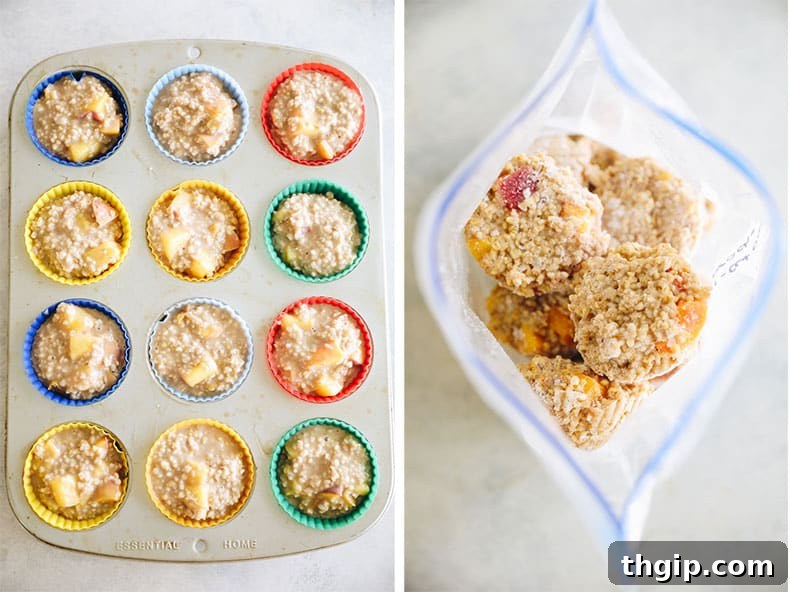
Freezer Storage: Yes, you can absolutely freeze oatmeal! It’s an excellent way to extend its shelf life even further. Store individual portions in an airtight container or freezer-safe bags, and it will keep well for up to 3 months. To thaw, simply transfer it to the fridge overnight. Once thawed, reheat it on the stovetop with a splash of milk, stirring until warmed through. Alternatively, for super convenient individual servings, you can freeze cooled oatmeal in silicone muffin cups or a muffin tin. Once frozen solid, pop them out and transfer the oatmeal discs to a freezer bag. When hunger strikes, just grab a couple, reheat in the microwave or on the stove with a little added liquid, and enjoy!
Unleash Your Creativity: 4 Irresistible Oatmeal Variations
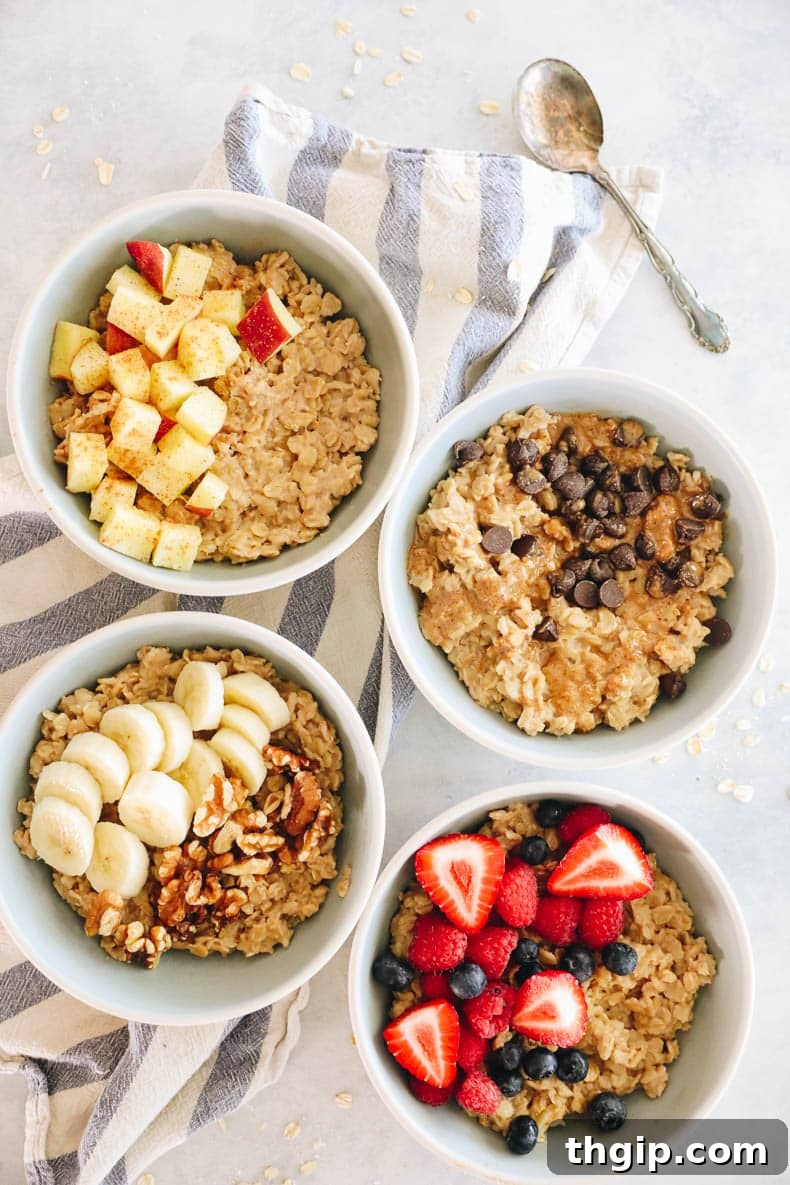
While classic oatmeal is delightful on its own, it truly shines when customized with creative toppings and flavor combinations. Here are four of my favorite variations to get you started, transforming your basic bowl into a gourmet experience:
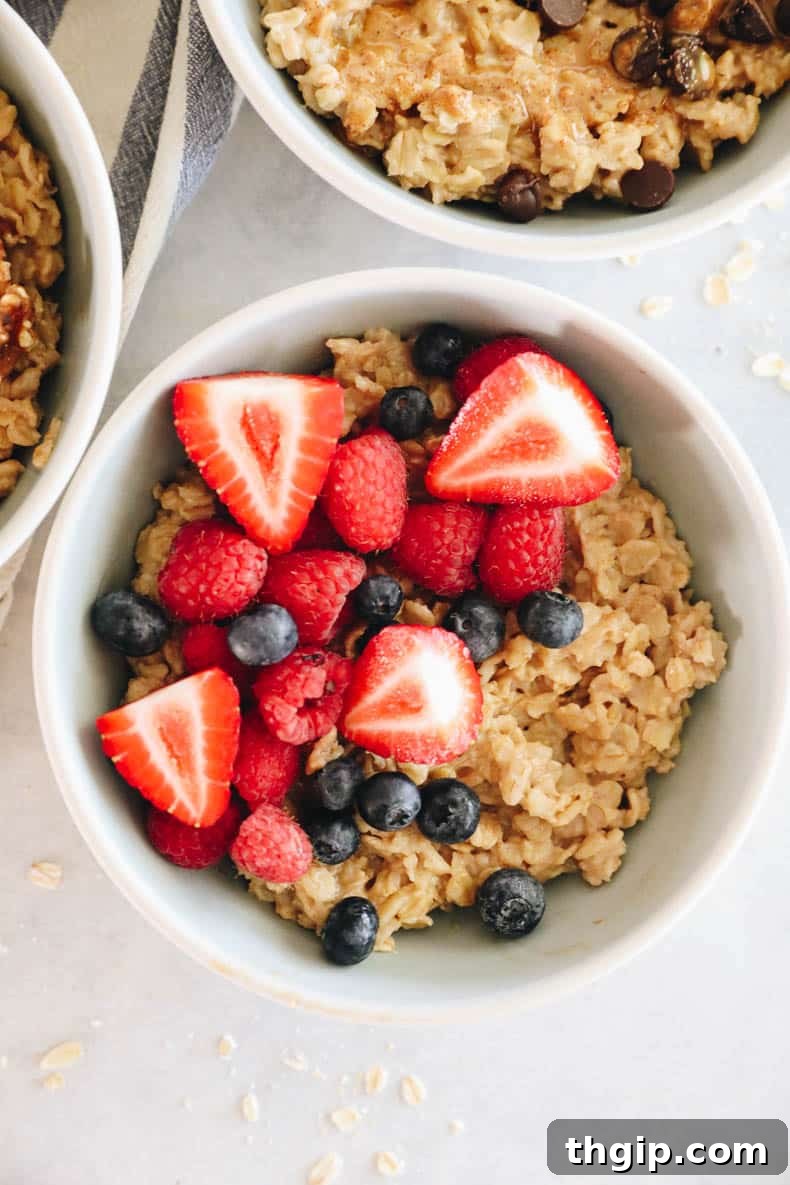
1. Very Berry Oatmeal: Brighten your morning with a burst of antioxidant-rich berries! Simply mix in about 1/3 to 1/2 cup of your favorite mixed berries, such as sweet strawberries, tangy raspberries, plump blueberries, and dark blackberries, into your hot oatmeal. The warmth of the oats will gently soften the fruit, releasing their vibrant juices and natural sweetness. You can use fresh berries in season or frozen berries for year-round enjoyment. For an extra touch, a drizzle of honey or a sprinkle of shredded coconut would be delightful.
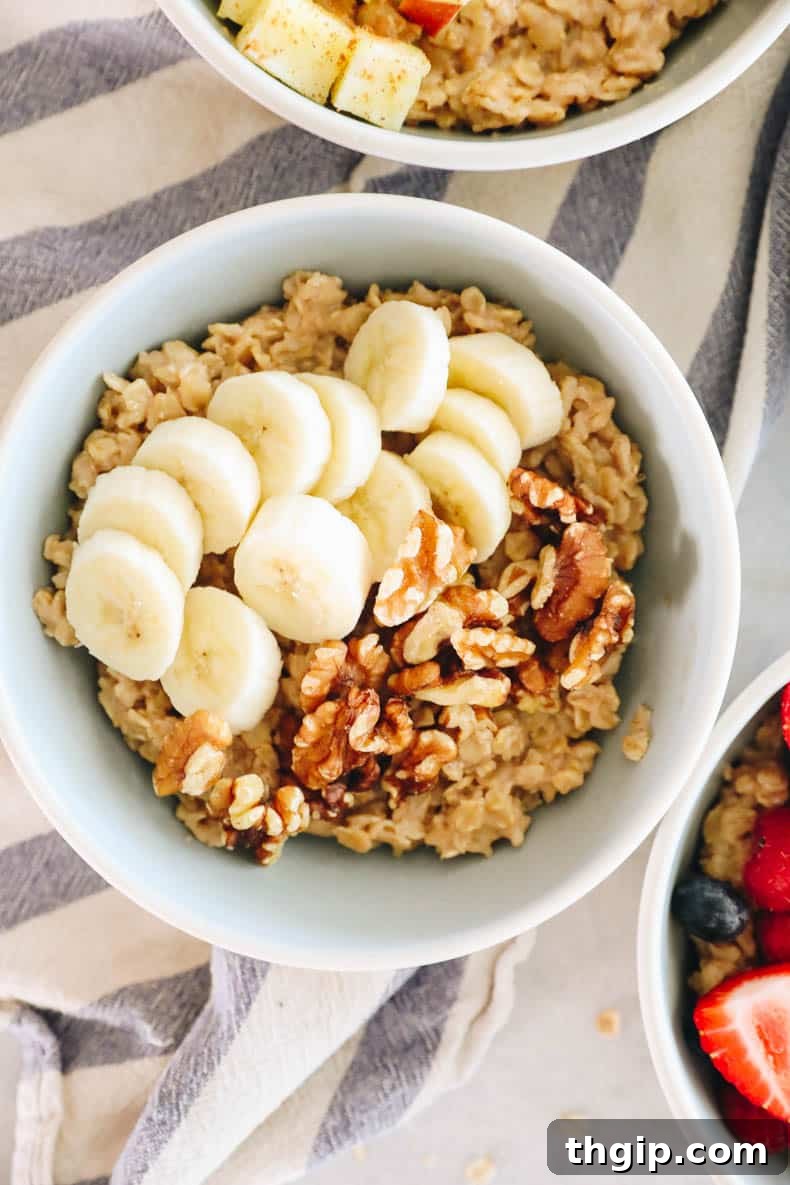
2. Banana Nut Oatmeal: This variation offers comforting flavors and satisfying crunch. Stir in half a sliced ripe banana – its natural sweetness and creamy texture are perfect with warm oats. Then, add 1 to 2 tablespoons of your favorite chopped nuts for a delightful textural contrast and healthy fats. Walnuts and pecans are classic choices, offering an earthy, buttery flavor, but almonds or even a mixed nut blend would also be fantastic. A tiny drizzle of extra maple syrup can enhance the banana’s sweetness, or add a dash of nutmeg for an extra layer of warmth.
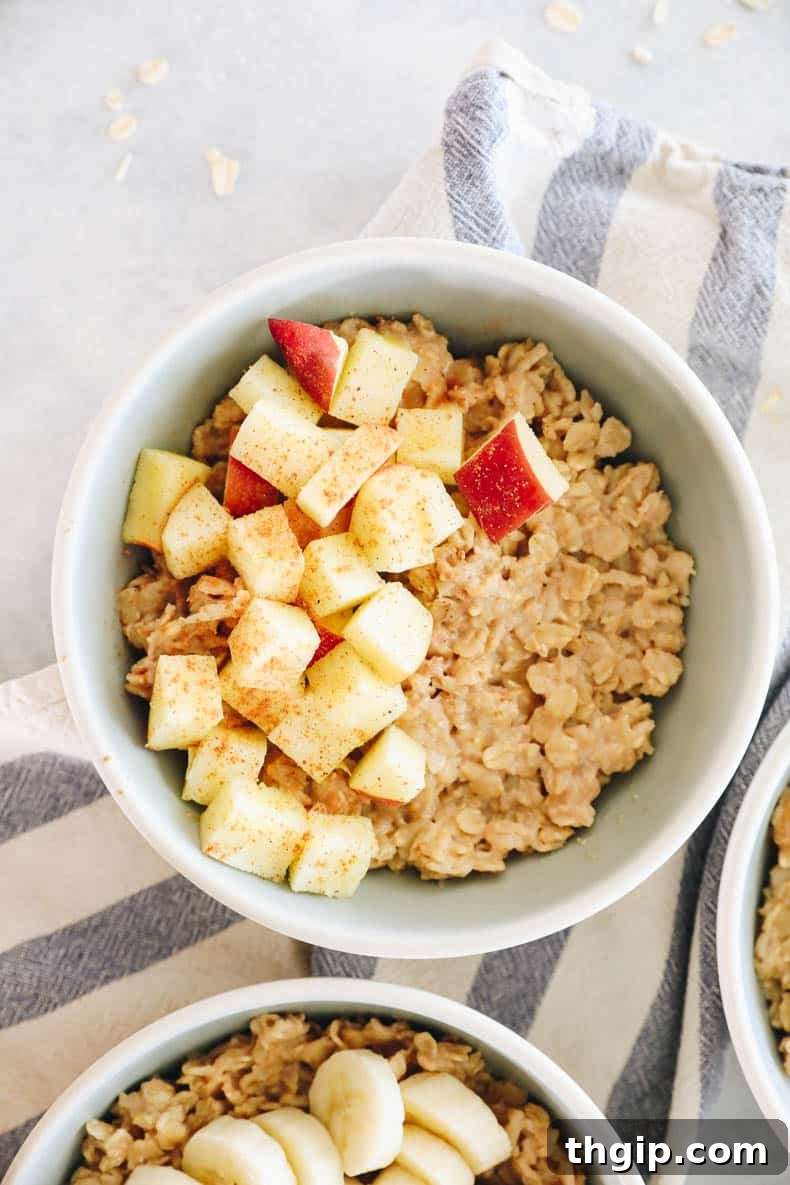
3. Apple Cinnamon Oatmeal: A timeless classic that evokes cozy memories. Incorporate half a chopped apple of your choice (Granny Smith for tartness, Fuji for sweetness, or Honeycrisp for crispness) into your cooked oatmeal. Boost the warmth by adding an additional 1/4 teaspoon of cinnamon and a delicate pinch of nutmeg. I often like to toss my chopped apple pieces with these spices before adding them to the hot oats, ensuring they are beautifully coated and infused with flavor. A sprinkle of brown sugar or a few raisins would be wonderful additions here.
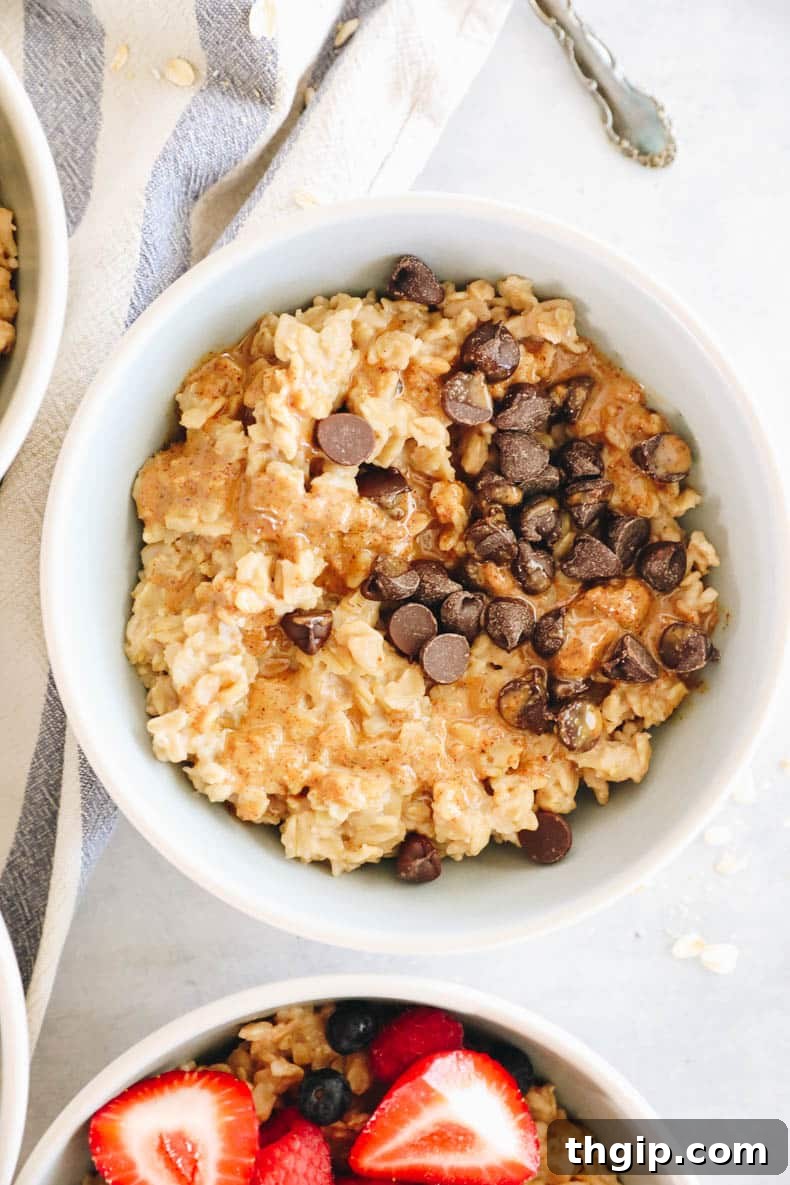
4. Peanut Butter Cup Oatmeal: Indulge your sweet tooth with this satisfying and slightly decadent variation. Swirl in 1 tablespoon of creamy or crunchy peanut butter (or any nut/seed butter you prefer) and then sprinkle 1 to 2 tablespoons of chocolate chips over the top. The residual heat from the oatmeal will gently melt the chocolate chips and peanut butter, creating a delightful, comforting, and utterly delicious “peanut butter cup” experience in your bowl. For an extra treat, use dark chocolate chips for a richer flavor and a touch of sea salt to balance the sweetness.
Endless Possibilities: More Delicious Oatmeal Topping Ideas
The beauty of oatmeal lies in its versatility. It’s a blank canvas waiting for your creative touch. Beyond the variations above, here are even more ideas to elevate your bowl, catering to different tastes and nutritional needs:
- Fresh & Frozen Fruits: Beyond berries and bananas, explore other vibrant fruits. Sliced peaches, diced mango, pineapple chunks, kiwi slices, or even stewed apples and pears are fantastic. Frozen fruit can also be added directly to hot oatmeal; it will thaw and warm through beautifully, adding a delicious juicy element.
- Warm Spices & Flavorings: While cinnamon is a staple, don’t stop there. Experiment with nutmeg, ground cloves, ginger, cardamom, or even pumpkin pie spice for a seasonal touch. A dash of almond extract can offer a lovely, subtle nutty flavor, or a tiny bit of orange zest for brightness.
- Nut & Seed Powerhouses: For an added crunch, healthy fats, and protein, nuts and seeds are indispensable. Almonds (sliced, slivered, or chopped), pecans, walnuts, cashews, hazelnuts, and pistachios are all excellent. Don’t forget seeds like chia seeds (for thickening and omega-3s), flax seeds (ground for better absorption), pumpkin seeds, or sunflower seeds. A dollop of any nut butter (almond, cashew, sunflower seed butter) also adds creaminess and healthy fats.
- Creamy & Protein Boosters: A scoop of your favorite yogurt (Greek yogurt for extra protein and tang, or a plant-based alternative) adds a wonderful creamy texture and probiotic benefits. Cottage cheese can also be stirred in for a savory-sweet twist and a significant protein boost.
- Protein Powder: For a substantial protein kick, mix in a scoop of your preferred protein powder (whey, casein, or plant-based) after cooking. A small note: protein powder can sometimes make oatmeal thicker and drier, so you might need to add a little extra liquid to achieve your desired consistency.
- Natural Sweeteners: Beyond maple syrup, consider brown sugar, raw cane sugar, coconut sugar, date syrup, or even a squeeze of honey. For a truly healthy option, sweeten with unsweetened applesauce or mashed dates.
- Indulgent Extras: For an occasional treat, sprinkle in some chocolate chips (dark, milk, or white), cacao nibs for a bitter chocolate kick, shredded coconut (toasted for extra flavor), mini marshmallows, or a swirl of caramel sauce.
- Savory Twists: Don’t limit oatmeal to sweet! Try savory oatmeal with a fried egg, avocado, cheese, a sprinkle of everything bagel seasoning, or sautéed vegetables and herbs for a unique and nutritious meal.
Explore More Oatmeal Recipes You’ll Love
If this basic oatmeal recipe has sparked your love for oats, you’re in for a treat! There’s a whole world of oatmeal possibilities to explore, from convenient overnight options to creative flavor pairings. Dive into some of my other favorite oatmeal recipes, each offering a unique twist on this humble grain:
- Banana Nut Overnight Oats: Prepare ahead for a grab-and-go breakfast bursting with banana and nutty goodness.
- Overnight Steel Cut Oats: Experience the hearty chew of steel-cut oats, made easy with overnight preparation.
- Chocolate Almond Butter Overnight Oats: A decadent yet healthy breakfast that tastes like a treat.
- Instant Pot Steel Cut Oats: For a truly hands-off approach to cooking tougher steel-cut oats.
- Peaches and Cream Overnight Oats: A dairy-free delight, evoking summery sweetness.
Print
How to Make Oatmeal

5 Stars 4 Stars 3 Stars 2 Stars 1 Star
No reviews
Wondering how to make a basic oatmeal recipe? With just 6 simple ingredients you can have stove-top oatmeal in 10 minutes and even less in the microwave! 4 flavor variations included. This comprehensive guide helps you master the perfect bowl every time, offering tips for ideal consistency, healthy variations, and smart storage.
- Author: Davida Lederle
- Prep Time: 2 minutes
- Cook Time: 10 minutes
- Total Time: 12 minutes
- Yield: 1 serving 1x
- Category: Breakfast
- Method: Cook
- Diet: Gluten Free
Ingredients
Scale
- 1/2 cup old fashioned rolled oats
- 1 cup water or milk (dairy or non-dairy)
- 1/2 tsp cinnamon
- pinch of salt
- 1/2 tsp vanilla extract
- 1–2 tbsp maple syrup, to taste.
Very Berry Oatmeal:
- 1/3–1/2 cup of mixed berries (strawberries, blueberries, blackberries etc…)
Banana Nut Oatmeal:
- 1/2 banana, sliced
- 1–2 tbsp chopped nuts (I like walnuts or pecans)
Apple Cinnamon Oatmeal:
- 1/2 apple, chopped
- 1/4 tsp additional cinnamon
- pinch of nutmeg
Peanut Butter Cup Oatmeal:
- 2 tbsp chocolate chips
- 1 tbsp peanut butter
Instructions
- Add all basic ingredients (rolled oats, water or milk, cinnamon, salt, vanilla extract, and maple syrup) to a medium pot. Place the pot over medium-high heat on your stovetop.
- Bring the oatmeal mixture to a boil, then immediately reduce the heat to a gentle simmer. Cook for 5-10 minutes, or until the oats have fully absorbed the liquid and reached your preferred creamy consistency. Remember to stir occasionally to prevent the oats from sticking to the bottom of the pot.
- Once cooked, remove the pot from the heat and transfer the oatmeal to a serving bowl. Top generously with your desired toppings and enjoy immediately! See suggestions above for various flavor combinations.
Notes
To make in the microwave:
For a quicker method, combine all basic ingredients into a large microwave-safe bowl (ensure it’s at least twice the volume of your ingredients to prevent overflow). Cook on high for 3 minutes. Carefully remove the bowl from the microwave and stir the oatmeal thoroughly. Return to the microwave and continue cooking in 40-second increments, stirring after each, until all liquid has been absorbed and the oats are cooked through to your liking. Top with desired additions (as suggested above) and serve.