
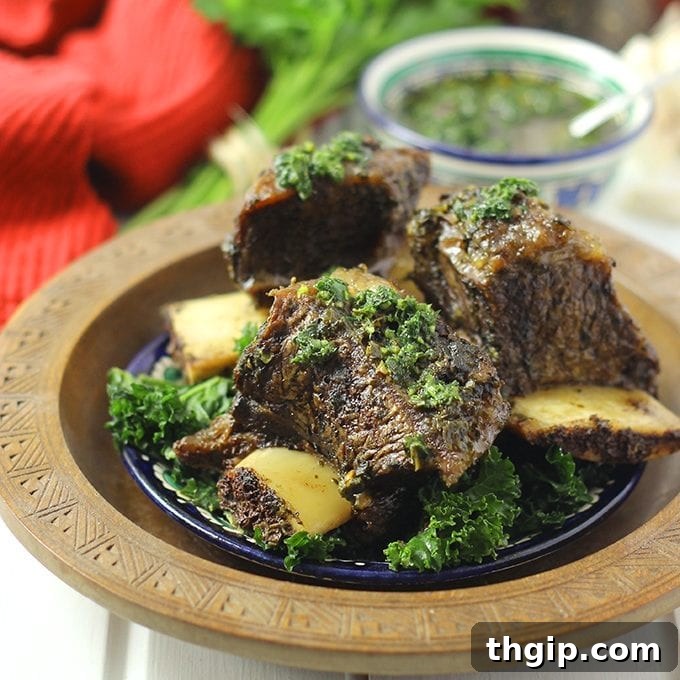
“But I thought you were plant-based?” This question often arises whenever I discuss or share content about meat. It’s second only to inquiries about my gluten-free status, a topic we can delve into another time!
It’s a perfectly valid question, given that there was indeed a period in my life when I consciously committed to a more plant-focused way of eating. While I’m not one to rigidly label my diet, I do have a history of committing wholeheartedly when I decide to pursue something. This dedication often meant I approached dietary changes with significant zeal.
The Initial Shift Towards Plant-Focused Eating
To clarify, I never officially adopted a vegan diet or even strictly defined myself as “plant-based,” a term whose exact meaning can often be ambiguous and debated. However, I did make a conscious effort to significantly reduce my consumption of animal products. My motivations for this dietary shift were twofold and deeply personal: First, I aimed to lessen my ecological footprint. It’s widely acknowledged that industrial meat production isn’t the most sustainable practice for our planet, raising concerns about resource consumption, greenhouse gas emissions, and land use. Second, maintaining a diet rich in high-quality meat can be an extremely expensive habit, especially when one prioritizes ethical sourcing and superior standards, as I do. Finding affordable, humanely raised, and environmentally conscious meat options was a constant challenge.
This decision also coincided with a broader realization: perhaps, contrary to conventional wisdom, animal protein doesn’t need to be the centerpiece of every single meal. For some, this might seem like an obvious insight, but for me, it was a genuine revelation. I grew up in a typical North American household where the standard plate often consisted of a sizable portion of animal protein, a carbohydrate, and a smaller serving of vegetables. We were even encouraged to eat our protein first – a rule that meant no touching those fries until the chicken nuggets were gone! This ingrained habit created a strong association between protein and animal sources, making it hard to envision a meal without them.
I certainly don’t fault my family for this upbringing; it reflects a widespread cultural belief that protein equates to strength and health, and that animal sources are inherently superior. However, this perspective is an oversimplification. The world offers an incredible array of plant-based protein sources, from legumes and grains to nuts, seeds, and even many vegetables. My intuition was strongly urging me to explore these alternatives more deeply, not just for ethical or environmental reasons, but for my personal health and culinary curiosity. This curiosity led me down a fascinating path of culinary discovery and nutritional introspection, challenging long-held beliefs about what constitutes a “complete” meal.
Navigating the Plant-Based Journey: Lessons Learned
I’m incredibly grateful for embarking on that journey, though I must admit my initial approach was a tad extreme. During my first month of experimenting with plant-based eating, I unintentionally cut out all animal products entirely, going full vegan without proper planning or gradual adaptation. By the end of that month, my body was practically screaming for meat, specifically cravings for something like a juicy filet mignon. It was an intense craving, a strong signal that going “cold turkey” – a pun I can’t resist – is rarely a sustainable or advisable strategy when it comes to significant dietary changes. This experience served as a valuable lesson in moderation, the importance of nutrient diversity, and listening to my body’s true needs rather than adhering to rigid rules.
Instead of rigid restriction, I pivoted my focus towards genuine experimentation with plant-based cooking. I immersed myself in plant-based cookbooks, challenged myself with exciting new recipes involving tofu scrambles, lentil stews, and bean burgers, and began to question the conventional idea that an “ideal” plate must always be divided neatly into thirds: protein, carb, and vegetable. Over the course of the next year, my palate expanded significantly. I developed a deep appreciation for diverse ingredients like various types of beans, versatile tofu, flavorful tempeh, and nutritious brown rice. I also discovered that many of the vegetables I already loved, such as broccoli, spinach, and asparagus, were, in fact, excellent sources of protein, often overlooked. Nuts and seeds also became a staple in my diet, offering both nutrition and versatility as snacks, toppings, and ingredients in their own right. I’m especially thankful to my partner, C, who, despite his initial reservations about a more plant-heavy diet, wholeheartedly joined me on this culinary adventure, providing invaluable support and trying all my new creations.
The Return to Meat: Listening to My Body’s Signals
During this period of intense dietary exploration, I also made it a priority to become acutely aware of my hunger and fullness cues, and most importantly, how different foods made me feel physically and mentally. Honestly, a diet that was 100% plant-based left me feeling consistently sluggish, tired, and lacking in sustained energy. I experienced a noticeable dip in my vitality and often felt less satisfied after meals, leading to more frequent snacking. While I firmly believe that many individuals can absolutely thrive on a completely plant-based diet – and I admire those who do – I discovered through personal experience that I am simply not one of them. Though I no longer feel the need for animal protein at every meal, I consistently find that I feel significantly better, more energetic, and more satisfied when it’s incorporated into at least one meal a day. This realization was a pivotal moment in understanding my body’s unique nutritional requirements.
This realization, of course, posed a new challenge: how could I reconcile my renewed desire for meat with my original goals of eating more sustainably and managing the significant cost of high-quality animal products? I knew, deep down, that I was imposing external rules on my diet rather than making choices that truly aligned with my body’s needs and my personal values. The cognitive dissonance was real, and finding a harmonious balance between personal well-being, ethical considerations, and financial practicalities became my next quest. It required a thoughtful re-evaluation of my priorities and a search for practical solutions.
Prioritizing Health and Sustainable Sourcing
From a sustainability standpoint, I made a conscious decision that I wouldn’t compromise my own physical and mental health for the sake of the planet. While some might disagree with this perspective, for me, it felt like the most authentic and necessary choice. Instead, I shifted my focus to consuming high-quality meat that has been raised sustainably and ethically. This approach felt like a far better decision than eliminating meat entirely, as it allowed me to support better farming practices while meeting my body’s needs. Humans have consumed meat since the dawn of time, evolving with a diet that included animal protein. While I am far from a strict paleo follower, there’s an undeniable primal instinct within me that sometimes craves it. When I abstain from animal products for extended periods, my body persistently signals a desire for steak, chicken, and eggs. It’s incredibly intelligent, communicating its needs even when my mind tries to deny them with logical arguments or self-imposed rules. My journey toward a more sustainable lifestyle involves many choices beyond just diet – from reducing waste to conserving energy – and while I’ve significantly reduced my overall animal product consumption, complete elimination simply isn’t the right path for my personal well-being and intuitive health.
This flexible approach, often referred to as “flexitarianism,” allowed me to integrate meat back into my diet in a thoughtful and intentional way, aligning with both my physical needs and my ethical considerations for animal welfare and environmental impact. It taught me that sustainability isn’t an all-or-nothing proposition, but rather a spectrum of conscious choices and continuous improvement. It’s about making the best choices within your circumstances, rather than striving for an unattainable perfection that might compromise your health.
Discovering ButcherBox: A Sustainable and Affordable Solution
Addressing the cost concern, I was convinced there had to be an accessible solution for sourcing quality meat without breaking the bank. This is where ButcherBox entered my life – or, more accurately, they discovered me. About six months ago, I received an email from them inviting me to try one of their curated boxes. I accepted, and the experience was overwhelmingly positive. I loved their service so much – the quality, the convenience, the ethical sourcing – that I’ve since become a regular customer, purchasing several boxes with my own money. It truly transformed how I approached buying meat.
What is ButcherBox and Why I Love It
ButcherBox is a convenient meat subscription service that delivers organic chicken, humanely raised pork, and 100% grass-fed and grass-finished red meat directly to your doorstep. Each thoughtfully packed box typically contains between 18 to 25 pounds of various cuts, which we keep frozen and defrost as needed. This bulk purchasing and home delivery eliminate frequent trips to specialty stores and ensures we always have high-quality meat on hand. Depending on the specific box you choose – whether it’s a curated selection designed for variety or a more customized option tailored to your preferences – the cost usually ranges from about $129 upwards. For us, a single box typically lasts around two months, bringing the average cost per meal to approximately $6. This is a significant saving compared to what we were spending on comparable quality meat at specialty grocery stores, especially considering the added convenience and ethical sourcing. The quality of ButcherBox products is consistently fantastic, from the flavor to the texture, and the price point truly offers exceptional value for premium meat. As long as we maintain adequate freezer space, this service has proven to be an excellent, sustainable solution, allowing us to access premium, ethically sourced meat at a much more affordable price, without compromising on our values or our health.
If you’re intrigued by ButcherBox and considering trying it for yourself, you can use THIS LINK to save $10 off your first box and receive two FREE ribeye steaks. I genuinely endorse this service and wholeheartedly recommend it to anyone seeking high-quality, sustainably sourced meat delivered with convenience. Please note: this post is NOT sponsored by ButcherBox in any capacity. I’m simply sharing an affiliate link because it provides a fantastic discount for you, the reader, based on a product I personally use and love and have integrated into my own sustainable eating habits.
Embracing Dietary Flexibility and Intuitive Eating
The core message of this post is a crucial reminder: it is absolutely OKAY to change your diet. Our bodies, lifestyles, and nutritional needs evolve over time, and what serves us well at one point might not be the best approach later on. If you recognize that something isn’t working for your body, your energy levels, or your overall well-being, do not be afraid to adapt your approach. This holds true even if you feel external pressure to maintain consistency, adhere to a particular dietary label, or uphold an image you’ve previously projected. Just because you – and perhaps others – have categorized yourself in a certain way doesn’t mean that dietary framework continues to serve your best interests. Listening to your body’s wisdom is paramount for long-term health and happiness.
This also serves as a comprehensive answer to that recurring question: “But I thought you were plant-based?” While I never explicitly claimed to be strictly plant-based, I acknowledge that both I and others might have internalized the idea that I didn’t consume meat. However, that perception no longer accurately reflects my current eating habits. In fact, it’s quite the opposite. These days, I often find myself reaching for a bag of Lorissa’s Kitchen for a convenient, protein-rich snack or adding lean chicken to my salads for a satisfying and energizing meal. It’s simply what feels inherently right and nourishing for my body at this moment, providing the energy and satisfaction I need to thrive.
Will my diet evolve further in the future? Possibly! I remain open and receptive to future changes if that’s where my personal health journey leads me. Nutritional science is constantly evolving, and my body’s needs may shift with age or changing activity levels. But for now, by listening to my body, challenging restrictive beliefs, and embracing a flexible, intuitive approach that prioritizes my well-being and supports sustainable choices, I’m feeling incredibly healthy, energized, and balanced. It’s a journey of continuous self-discovery, not a destination of rigid adherence.
Your Turn: Share Your Dietary Journey
Do you have any questions for me about this evolving dietary approach, balancing personal health with sustainability, or integrating meat back into your diet?
Have you ever felt, deep in your heart, that you needed to make a significant change to your diet, perhaps defying expectations, social pressures, or previous commitments? Share your experiences and insights in the comments below!