
As we continue our journey towards a more equitable world, the conversation around racial justice, systemic racism, and police brutality remains paramount. It’s a profound and necessary dialogue, both within our communities and globally, that demands sustained engagement and action. We acknowledge that dismantling systems built over centuries is a long and arduous process, one that requires consistent effort and dedication across generations. For many, active allyship with the Black community is a personal commitment, transforming anti-racism education and learning into a daily practice. As an ardent reader, I’ve found books to be an indispensable resource for fostering deeper understanding, empathy, and practical knowledge.
There are countless avenues for self-education, but the power of literature to illuminate complex issues and humanize experiences is unmatched. My personal library has become a cornerstone of my anti-racism journey. While many valuable lists of anti-racism books circulate, they can often be extensive, making it challenging to know where to begin. My aim with this curated selection is to offer a more personal starting point, sharing titles I have genuinely read and gleaned insights from. My hope is that by seeing these titles and my reflections, you’ll feel empowered to embark on or continue your own educational path through reading. Remember, every book purchased, especially from Black authors, contributes to a vital movement that supports talent and amplifies diverse voices within the publishing world. Consider making an intentional choice to support Black authors, championing their perspectives and helping to ensure their stories reach a wider audience.
My recommendations span both non-fiction and fiction genres, as I firmly believe both are crucial for a comprehensive understanding of racial dynamics. Non-fiction often provides the critical historical context, sociological frameworks, and analytical tools necessary to understand systemic issues. It equips us with facts, theories, and calls to action. However, fiction holds a unique power: it humanizes the statistics, allows us to step into different lived experiences, and fosters a profound sense of empathy. By engaging with compelling narratives, we can integrate the factual knowledge gained from non-fiction, making abstract concepts more tangible and deeply personal. This dual approach ensures a well-rounded and impactful learning experience.
This list is by no means exhaustive, but it provides a heartfelt and insightful look into the anti-racism books that have personally shaped my understanding and informed my commitment to social justice. Each book has offered unique perspectives and invaluable lessons, contributing to a more nuanced view of race, privilege, and the path towards a more just society.
Essential Anti-Racism Reads: My Personal Journey Through Books
Non-Fiction Titles for Deeper Understanding
Delving into non-fiction is often the first step for those seeking to understand the historical roots, current manifestations, and structural complexities of racism. These books offer critical analyses, personal narratives, and actionable insights that are indispensable for effective allyship and genuine systemic change.
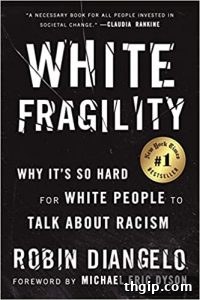
White Fragility: Why It’s So Hard for White People to Talk About Race by Robin DiAngelo
White Fragility is an absolutely essential starting point for any white individual committed to becoming an effective ally in the fight for racial justice. Authored by a white woman specifically for white readers, DiAngelo meticulously dissects the concept of white fragility: the discomfort and defensiveness white people often experience when confronted with information about racial inequality and injustice. She explains how this fragility prevents productive conversations about race and reinforces racial hierarchies. The book compellingly explores the ways in which white individuals have been socialized to be oblivious to their racial privilege and the pervasive nature of systemic racism. DiAngelo challenges readers to move beyond a superficial understanding of racism, urging them to recognize their complicity and to actively engage in the ongoing work of anti-racism. Her work is a call to self-reflection and a guide for dismantling internalized biases, making it a foundational text for understanding one’s own role in maintaining or disrupting racial inequity.
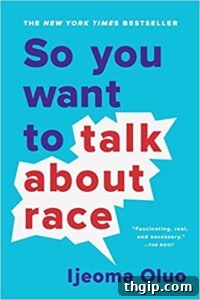
So You Want to Talk About Race by Ijeoma Oluo
For those ready to move beyond foundational concepts and engage in more direct, impactful conversations about race, So You Want to Talk About Race by Ijeoma Oluo is an invaluable guide. Oluo tackles a wide array of complex racial topics, from microaggressions and cultural appropriation to intersectionality and the school-to-prison pipeline, providing clear, concise, and often challenging explanations. What sets this book apart is Oluo’s practical approach; she doesn’t just define terms but offers concrete strategies and frameworks for navigating difficult discussions about race. She empowers readers to address racial injustice not only within their personal circles but also at a broader, systemic level. Her candid and direct style helps readers understand why these conversations are so crucial and how to engage in them more effectively, without fear of misstep, but with a commitment to learning and growth. This book is a powerful tool for anyone seeking to move from passive awareness to active participation in anti-racist work.
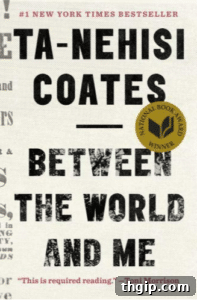
Between the World and Me by Ta-Nehisi Coates
Ta-Nehisi Coates’s Between the World and Me is a profoundly moving and intellectually rigorous exploration of what it means to be Black in America. Structured as a letter to his adolescent son, Coates grapples with deeply personal and historical questions surrounding race, identity, and the American dream. Through a series of revelatory experiences, from his upbringing in Baltimore to his observations of the world, Coates shares his awakening to the stark realities of his place in a society built on racial hierarchy. He delves into the concept of the “dream,” a seductive but ultimately dangerous illusion of American innocence that often comes at the expense of Black bodies and lives. The book is both an emotional memoir and a piercing analysis of race in America, offering readers a raw, unflinching look at the persistent violence—both physical and systemic—that shapes Black existence. It’s an essential read for understanding the weight of history and the ongoing struggle for freedom and recognition.
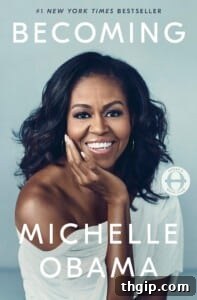
Becoming by Michelle Obama
While not strictly categorized as an “anti-racism” book, Michelle Obama’s autobiography Becoming offers an incredibly vital and personal perspective on race in America through the lens of one of its most prominent figures. Obama’s journey, from her humble beginnings on the South Side of Chicago to her unprecedented role as America’s first Black First Lady, is inextricably linked to the complexities of race relations. She candidly shares the obstacles she faced, the microaggressions endured, and the stereotypes challenged throughout her life and career. Her narrative beautifully illustrates the resilience, intelligence, and grace required to navigate predominantly white institutions while staying true to her identity. The book subtly but powerfully highlights the implications of race on ambition, family, and public perception, making it an inspiring and educational read for anyone seeking to understand the Black experience in contemporary America and the extraordinary achievements made despite systemic barriers. It’s a testament to identity, perseverance, and the constant negotiation of one’s place in the world.
Fiction Titles for Empathy and Connection
Fiction allows us to experience the world through the eyes of others, fostering empathy and making the abstract realities of racial injustice deeply personal. These novels, while fictional, are powerful vehicles for understanding historical contexts, cultural nuances, and the profound human impact of systemic racism.
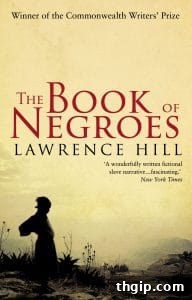
The Book of Negroes by Lawrence Hill
I first read Lawrence Hill’s The Book of Negroes (published as Someone Knows My Name in the U.S.) shortly after its release in 2007. As a Canadian, this historical fiction novel offered me my first profound and visceral encounter with the horrific realities and long-lasting implications of slavery in America. The story follows the incredible life of Aminata Diallo, a bright and resilient young girl kidnapped at the tender age of 11 from her village in Bayo, Niger, West Africa. Her harrowing journey across the Atlantic on a slave ship to South Carolina vividly portrays the brutality of the transatlantic slave trade. Aminata’s unwavering spirit and determination to return home drive her through unimaginable suffering, eventually leading her to Nova Scotia and later to Sierra Leone, experiencing both the promises and betrayals of freedom. The narrative masterfully blends historical events, such as the creation of “The Book of Negroes” – a ledger documenting Black Loyalists who sought passage to freedom after the American Revolution – with a deeply personal and compelling fictional account. It’s a powerful testament to the human spirit’s resilience in the face of unspeakable injustice and an essential read for understanding a critical period in history.
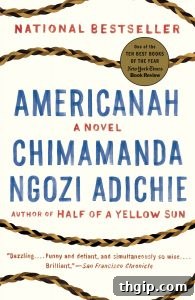
Americanah by Chimamanda Ngozi Adichie
Americanah by Chimamanda Ngozi Adichie is truly one of the most remarkable books I’ve ever had the pleasure of reading, and I’ve been recommending it ceaselessly since 2018. This brilliant novel tells the captivating love story of Ifemelu and Obinze, two young Nigerians who fall deeply in love in Lagos during their youth. Their paths diverge when Ifemelu moves to America to pursue her education, where she grapples with the complexities of race, identity, and assimilation. Through her experiences, Adichie offers a sharp and witty critique of American racial dynamics, particularly highlighting the distinct differences between the experiences of African immigrants and African Americans. Ifemelu’s blog posts, embedded within the narrative, provide incisive commentary on “non-American Blacks” and the nuanced categorizations of race in a Western context. Meanwhile, Obinze’s own struggles as an undocumented immigrant in London further broaden the scope of the novel’s exploration of identity and belonging. Americanah is a masterful blend of romance, cultural exploration, and a profound examination of race relations across continents, making it an insightful and incredibly engaging read.
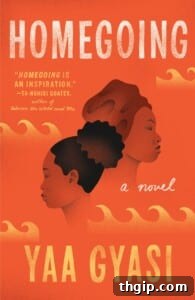
Homegoing by Yaa Gyasi
To be completely transparent, it took me a little while to fully immerse myself in Yaa Gyasi’s Homegoing, primarily because I initially overlooked the family tree provided in my Kindle edition, which led to some initial confusion. However, once I oriented myself and understood the intricate lineage, this book absolutely captivated and blew me away. Homegoing is an ambitious and breathtaking novel that traces the descendants of two half-sisters, Effia and Esi, across three hundred years, from the villages of Ghana to the cotton plantations and bustling cities of America. One sister marries an Englishman and remains in Ghana, her descendants navigating the complexities of colonial rule and tribal conflicts. The other is sold into slavery, her lineage enduring the brutal realities of the transatlantic slave trade and the enduring legacy of slavery in America. Gyasi masterfully weaves together individual stories, each chapter focusing on a different descendant, illustrating how the choices and circumstances of one generation ripple through centuries, profoundly impacting subsequent lives. It’s a powerful and poignant exploration of identity, family, the enduring trauma of slavery, and the resilience of the human spirit, offering a sweeping historical perspective on the intertwined fates of two families and two continents.
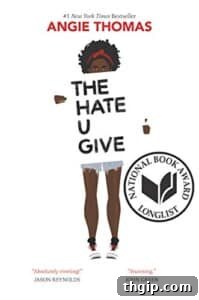
The Hate U Give by Angie Thomas
I had the privilege of reading Angie Thomas’s powerful novel The Hate U Give before its film adaptation was released, and I’m incredibly grateful for that experience. While the movie is also highly commendable, the book offers a much deeper, more nuanced dive into the emotional landscape and the profound societal issues it addresses. This story provides an unparalleled perspective on what police brutality truly looks and feels like for Black families and communities. The narrative centers on Starr Carter, a sixteen-year-old Black girl who navigates two vastly different worlds: her impoverished Black neighborhood and the predominantly white private school she attends. Her life is irrevocably altered when she witnesses the fatal shooting of her childhood best friend, Khalil, by a white police officer. Starr finds herself caught between these two worlds, forced to find her voice and speak out for justice, even as her community grieves and faces escalating tensions. While I can never claim to fully comprehend the pain and fear experienced by Black individuals, Starr’s poignant story and the tragic death of Khalil will undoubtedly leave a lasting impact on anyone who reads it, fostering a crucial understanding of racial injustice and the urgent need for empathy and change.
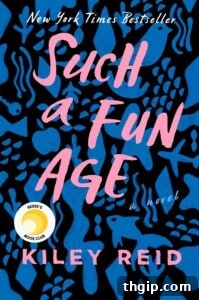
Such a Fun Age by Kiley Reid
Kiley Reid’s Such a Fun Age is a particularly poignant and timely novel that I read just a few months ago. It offers a sharp, contemporary look at issues of race, white privilege, and the subtle yet profound implications these dynamics have on Black individuals in America. The story primarily examines the complex and often awkward relationship between Alix Chamberlain, a white Instagram influencer and blogger, and Emira Tucker, her Black babysitter. The narrative kicks off with an incident where Emira is wrongly accused of kidnapping Alix’s child at a grocery store, simply because of her race. This event unravels a series of interactions that expose the deep-seated biases and power imbalances at play. On a very superficial level, I found myself relating to Alix’s professional life as a blogger, but the true brilliance of the book lies in its unflinching examination of how race and privilege fundamentally impact the life trajectories, perceptions, and relationships between the two women. Reid masterfully uses humor and relatable scenarios to highlight uncomfortable truths about performative allyship, racial microaggressions, and the complexities of navigating interracial friendships and employment in modern society. It’s a thought-provoking and engaging read that sparks important conversations.
What’s Next On My Anti-Racism Reading List
The journey of learning is continuous, and my “to-read” pile is always growing with influential titles that promise further insights into anti-racism and social justice. These books are highly recommended by others and represent the next phase of my educational commitment. I am particularly excited to dive into Red at the Bone by Jacqueline Woodson, known for her lyrical prose and deep exploration of family history and identity. Stamped from the Beginning: The Definitive History of Racist Ideas in America by Ibram X. Kendi is a monumental work that I know will provide crucial historical context on how racist ideas have been constructed and perpetuated. Me and White Supremacy by Layla F. Saad offers a powerful 28-day challenge to dismantle internalized white supremacy and privilege, a necessary companion to books like White Fragility. Michelle Alexander’s seminal work, The New Jim Crow: Mass Incarceration in the Age of Colorblindness, is vital for understanding the carceral state and its profound impact on Black communities. I’m also eager to explore more of Zadie Smith’s brilliant writing, starting with On Beauty, as her novels often weave intricate narratives about identity, class, and race. Finally, The Vanishing Half by Brit Bennett comes highly recommended for its exploration of race, identity, and the choices that define lives, promises to be another gripping fictional journey. This diverse selection reflects a commitment to continually deepen my understanding through various lenses—historical, personal, and fictional—each offering unique insights into the ongoing pursuit of racial justice.
A Note on Affiliate Links & Supporting the Cause:
Please note that I’ve included affiliate links for all of these book recommendations. This is part of a conscious effort to ensure that our collective reading efforts contribute directly to the cause of racial justice. Any books purchased through these links will have a portion of the funds donated to the Equal Justice Initiative (EJI), an organization dedicated to ending mass incarceration, excessive punishment, and racial inequality. Alternatively, and equally important, I strongly encourage you to purchase books through any of these fantastic Black-owned bookstores, both online and in your local community. Supporting these businesses directly empowers Black entrepreneurs and strengthens communities, aligning our consumer choices with our commitment to equity.
Further Resources for Your Anti-Racism Journey
Beyond this list of books, I encourage you to explore additional content that delves deeper into various facets of anti-racism and allyship. Continuous learning is key, and these related articles provide further avenues for engagement and action:
- What We’re Doing to Support Black Lives Matter: Explore concrete steps and actions that can contribute to the Black Lives Matter movement and promote racial justice.
- Black-Owned Clean Beauty Brands: Discover and support Black entrepreneurs in the beauty industry, learning about ethical consumption and economic empowerment.
- Racism + The Wellness Industry: Examine how racism manifests within specific industries, shedding light on systemic issues and advocating for inclusive practices in wellness spaces.