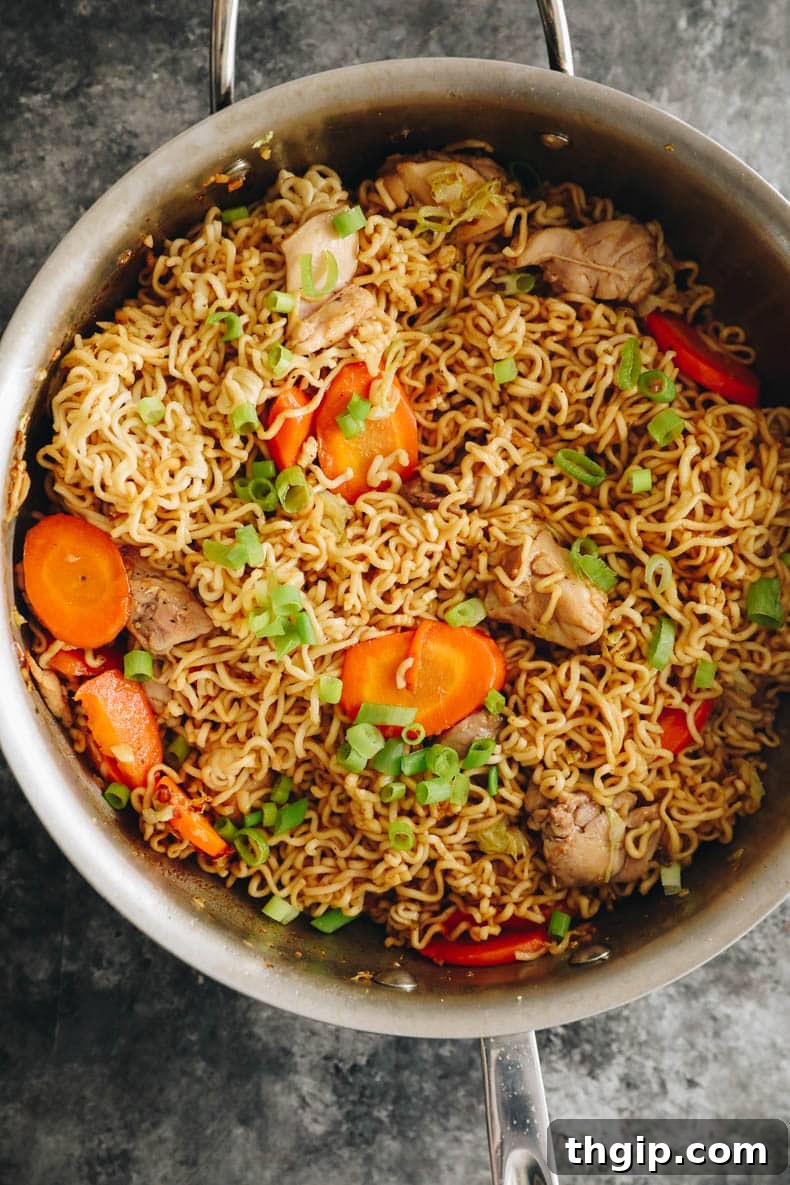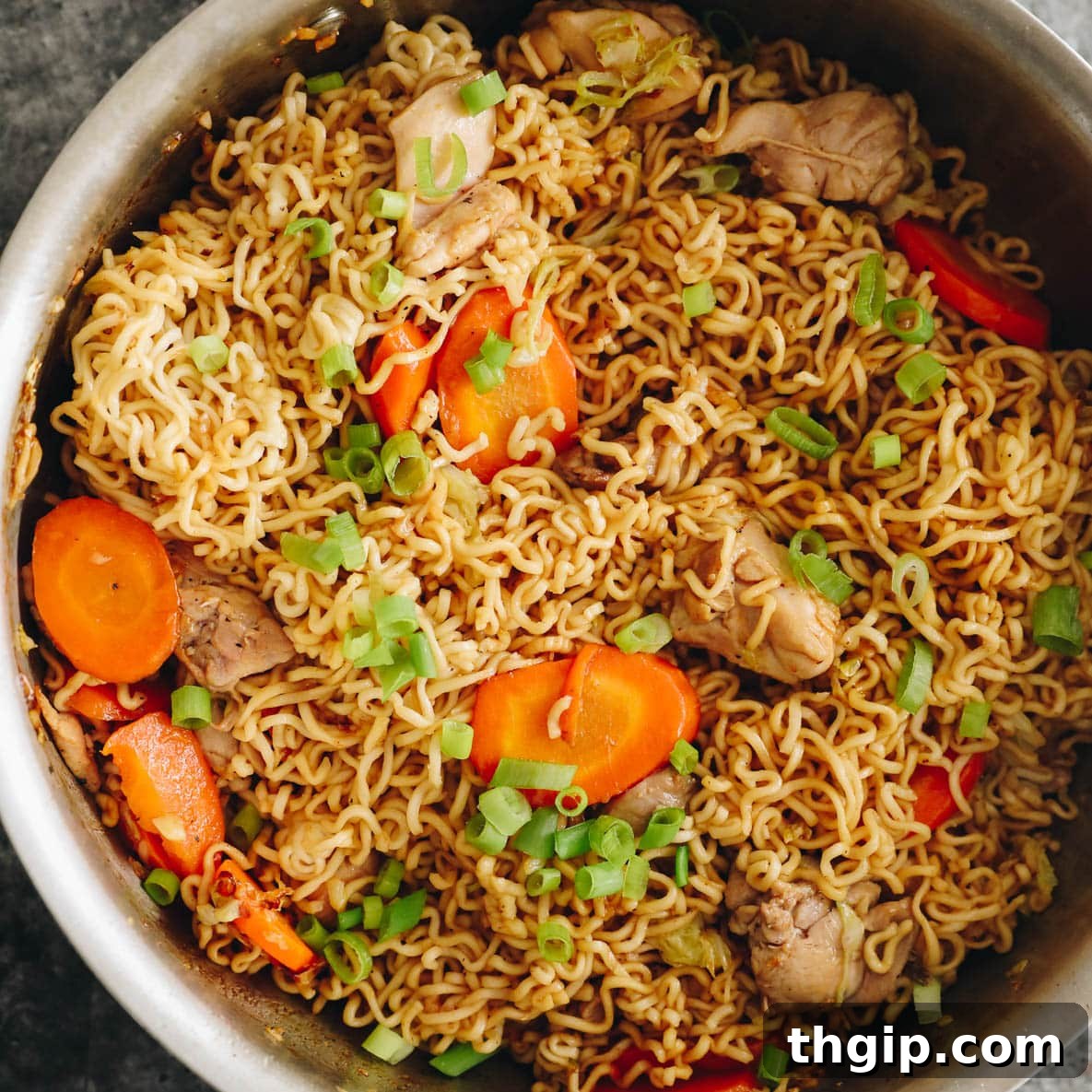
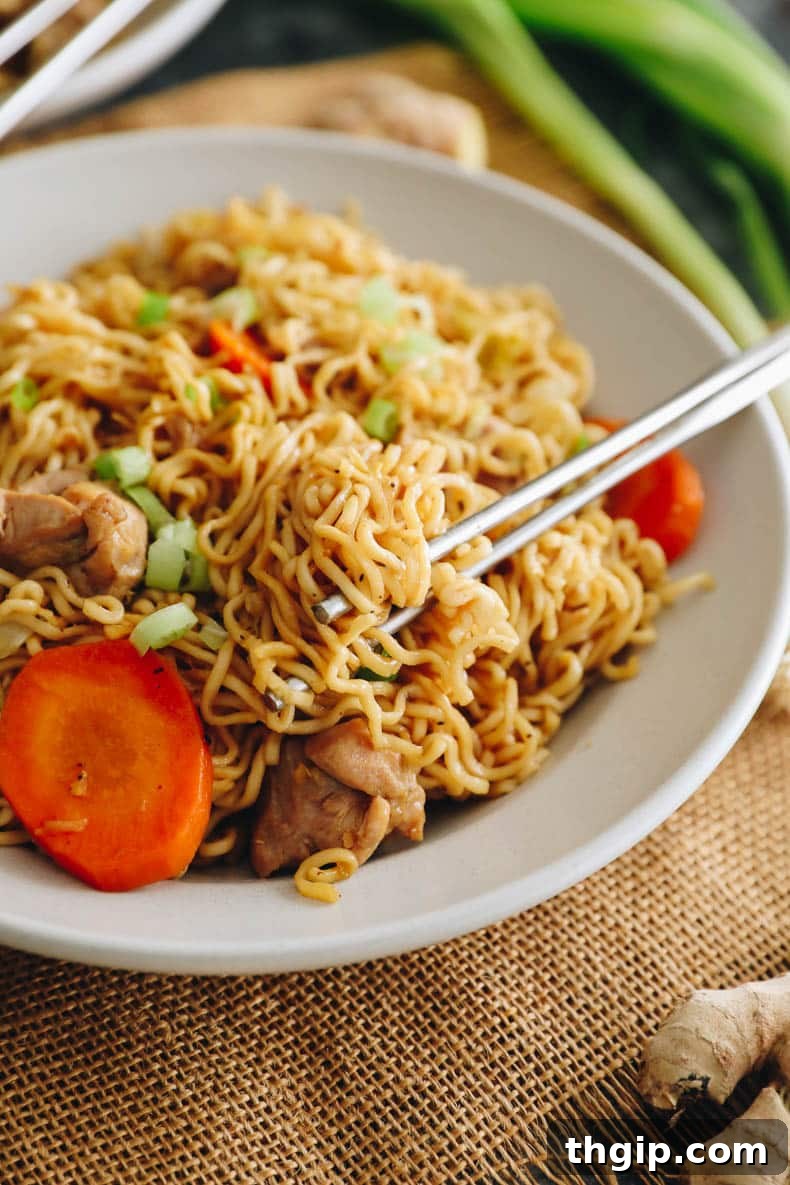
Experience the authentic taste of your favorite Chinese restaurant right in your own kitchen with this incredible Chicken Chow Mein recipe! Crafted to deliver that coveted restaurant-quality flavor and texture, this traditional Cantonese dish can be on your table in under 30 minutes, offering a healthier, fresher, and quicker alternative to takeout.
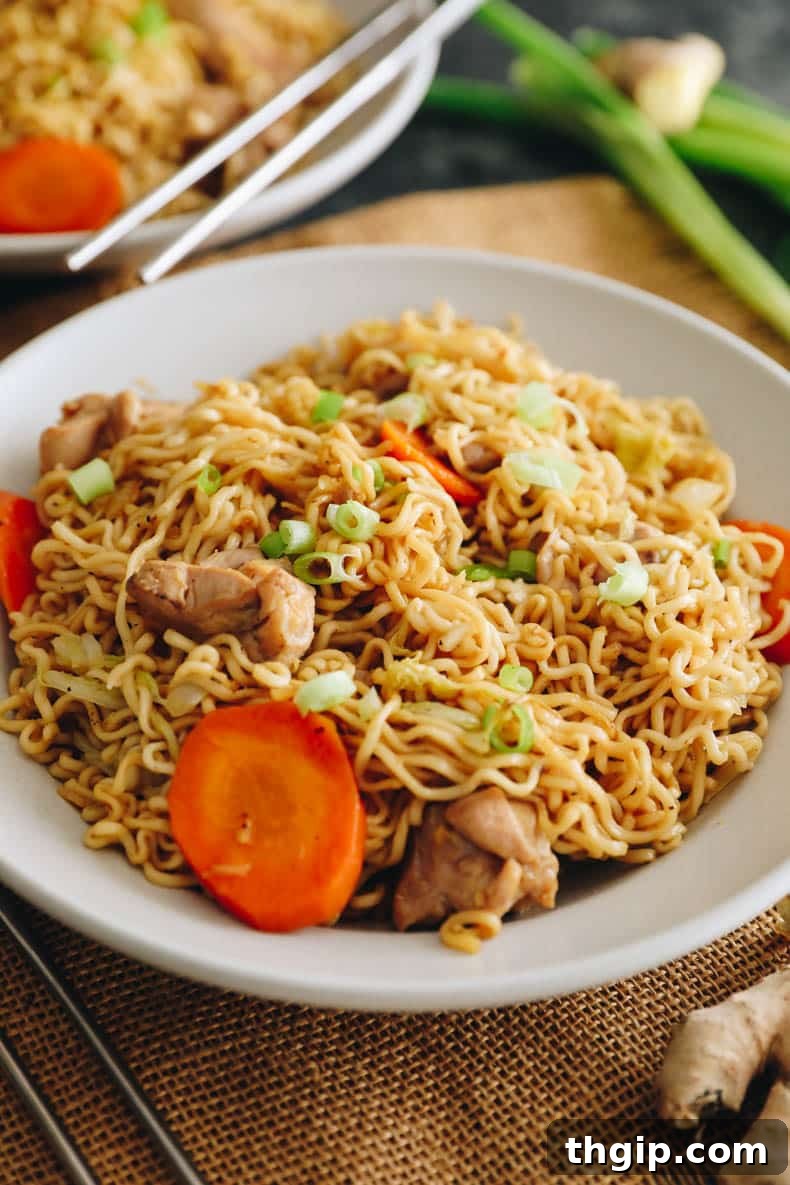
Prepare to elevate your weeknight dinner game with what might just be the most delicious recipe you’ll try all year! This homemade chicken chow mein is a culinary triumph, featuring perfectly thin and delightfully crispy chow mein noodles, tender, succulent chicken, and a vibrant medley of crunchy, flavor-packed vegetables. It’s a complete meal that promises to win over every member of your family with its irresistible aroma and satisfying taste.
While this recipe might be slightly adapted for the home cook, it closely mirrors the beloved Americanized chicken chow mein that many of us adore. Forget your usual takeout cravings; this rendition is akin to your favorite fast-casual Chinese chain, but with an unparalleled freshness and depth of flavor that’s truly next-level. Let’s delve into what makes this recipe an absolute must-try!
Why This Homemade Chicken Chow Mein Will Become Your New Favorite
If the enticing images haven’t already convinced you, here are compelling reasons why you should whip up this delicious chicken chow mein recipe tonight:
- Effortless and Rapid Preparation: Craving a quick dinner? This recipe is a lifesaver. From start to finish, you can have a gourmet-level meal prepped and served in just 30 minutes, making it the ideal solution for busy weeknights when you want something satisfying without the fuss.
- Explosion of Delectable Flavors: You simply can’t go wrong with perfectly stir-fried noodles! The sauce is a harmonious blend of savory, sweet, and tangy notes, meticulously crafted to infuse every strand of noodle and every piece of chicken and vegetable with an incredible depth of flavor. Say goodbye to bland meals forever!
- Nutritious and Wholesome: Unlike many takeout options, this homemade version is packed with goodness. With lean chicken thighs providing ample protein and a generous amount of crisp vegetables, you’ve got a well-balanced, meal-in-one dish that’s both fulfilling and remarkably healthier.
- Highly Customizable: This recipe serves as a fantastic base for creativity. Whether you want to add more vegetables, try a different protein, or adjust the spice level, it’s incredibly versatile to suit your family’s preferences and whatever ingredients you have on hand.
- Budget-Friendly: Enjoying restaurant-quality Chinese food doesn’t have to break the bank. Making chow mein at home is significantly more economical than ordering takeout, allowing you to savor delicious flavors without the hefty price tag.
- Family-Approved: This dish is a crowd-pleaser! Its universally loved flavors and textures make it a hit with both kids and adults, ensuring there are no complaints at the dinner table.
What Exactly Is Chow Mein? A Culinary Exploration
The name “Chow Mein” originates from Cantonese, literally translating to “fried noodles” or “pan-fried noodles.” This culinary term perfectly encapsulates the dish’s preparation: noodles are typically briefly boiled to cook them through, then swiftly drained, and finally pan-fried or stir-fried in a searing hot wok or skillet alongside an assortment of fresh vegetables, a protein of choice, and a flavorful sauce.
While often confused, chow mein noodles are traditionally thin egg noodles, celebrated for their ability to become slightly crispy when stir-fried, offering a delightful textural contrast. Lo mein noodles, on the other hand, are generally thicker and flatter, designed to be tossed with sauce and ingredients rather than fried until crispy. Both types are widely available in pre-cooked or dried forms and can be successfully used in this easy chicken chow mein recipe, though thin chow mein noodles are preferred for that authentic crispy texture.
You’ll be pleased to know that finding chow mein noodles is usually quite easy. Most conventional grocery stores carry them in their international or Asian food aisles. For an even wider selection, or if you prefer fresh noodles, a local Asian market is an excellent resource, often offering various brands and types to choose from.
Essential Ingredients for a Flavorful Chicken Chow Mein
Crafting exceptional chicken chow mein begins with selecting the right ingredients. Here’s a detailed breakdown of what you’ll need and why each component is crucial:
- Chow Mein Noodles: As previously discussed, these thin egg noodles are the star of the dish. For this recipe, dried chow mein noodles are typically used for their consistent texture and convenience. Look for brands that specify “chow mein” or “Hong Kong style pan-fry noodles” for the best results.
- Chicken Thighs: I highly recommend using boneless, skinless chicken thighs for stir-fries. Their higher fat content ensures they remain incredibly juicy and flavorful, even when cooked at high heat. However, you can easily substitute chicken breasts for a leaner option, or explore other proteins like shrimp, beef, or pork.
- Oyster Sauce: This fermented oyster-based sauce is a cornerstone of Cantonese cuisine, imparting a rich, savory, and slightly sweet umami depth. It’s a non-negotiable for authentic flavor. For a vegan alternative, consider a mushroom-based “vegetarian oyster sauce.”
- Soy Sauce: The backbone of many Asian sauces, soy sauce provides essential saltiness and umami. I prefer using low-sodium soy sauce to have better control over the overall sodium content of the dish, allowing you to adjust seasoning to your personal preference.
- Cornstarch: A key ingredient for thickening the sauce, cornstarch creates a silky, glossy consistency that clings beautifully to the noodles and other ingredients. It also helps to “velvet” the chicken, tenderizing it and locking in moisture. Arrowroot or tapioca starch can be used as alternatives.
- Rice Wine Vinegar: A splash of rice wine vinegar adds a bright, tangy acidity that balances the richness of the other sauce ingredients, preventing the dish from tasting too heavy.
- Sesame Oil: Used both for cooking and as a flavor enhancer, toasted sesame oil adds a distinct nutty aroma that is characteristic of many Asian dishes. While cooking with sesame oil, you can also use a more neutral oil like vegetable, canola, or peanut oil for the main stir-frying, reserving sesame oil for its aromatic finish.
- Carrots: Sliced diagonally, carrots add a touch of sweetness, vibrant color, and a satisfying crunch that holds up well during stir-frying.
- Cabbage: Any type of cabbage, thinly sliced or shredded, works wonderfully here, providing bulk, a slight sweetness, and a pleasant crisp-tender texture. Napa cabbage or green cabbage are common choices.
- Garlic: Freshly minced garlic is indispensable, infusing the dish with its pungent and aromatic qualities.
- Ginger: Use freshly grated ginger for its warm, slightly spicy, and incredibly aromatic flavor profile, which pairs perfectly with garlic and chicken.
- Green Onions: Sliced green onions are used primarily as a fresh, aromatic garnish, adding a mild oniony bite and a pop of color just before serving.
- Salt and Black or White Pepper: White pepper is traditionally used in Cantonese cooking for its milder, earthier flavor, but black pepper works just as well. Season to taste, remembering that soy sauce and oyster sauce contribute significant saltiness.
How to Master Homemade Chicken Chow Mein: A Step-by-Step Guide
Creating restaurant-quality chicken chow mein at home is easier than you think! Follow these steps for a perfect stir-fry:
STEP 1: PREPARE THE NOODLES
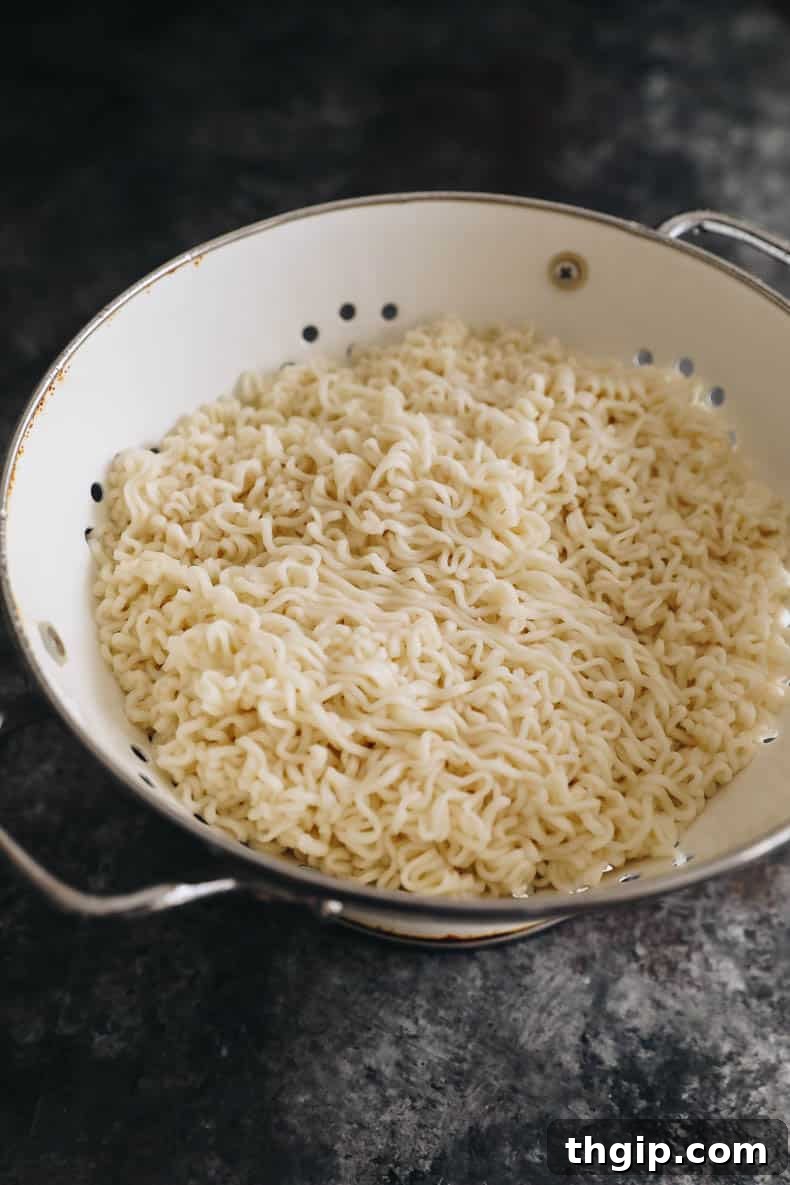
Begin by cooking your chow mein noodles according to the package instructions. This usually involves boiling them in salted water until al dente. It’s crucial not to overcook them, as they will be stir-fried later. Immediately drain the cooked noodles and set them aside. You can lightly toss them with a tiny bit of oil to prevent sticking.
STEP 2: WHISK TOGETHER THE SIGNATURE SAUCE
In a medium-sized bowl, combine all the sauce ingredients: oyster sauce, low-sodium soy sauce, cornstarch, rice wine vinegar, salt, and black or white pepper. Whisk thoroughly until the cornstarch is fully dissolved and all ingredients are well incorporated. Set this flavorful sauce aside, ready to be added to the wok.
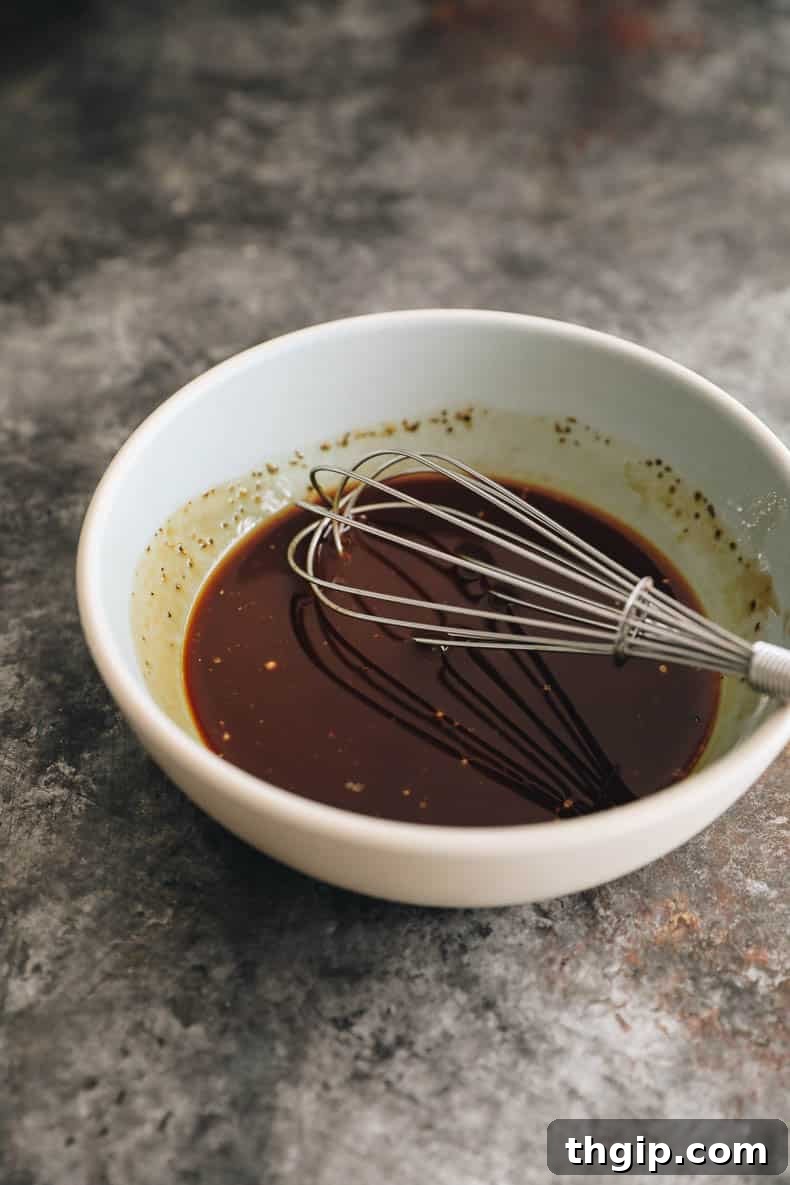
STEP 3: SEAR THE CHICKEN TO PERFECTION
Heat a large pot or wok over medium-high heat. Add 2 tablespoons of sesame oil (or your preferred cooking oil). Once shimmering, add your bite-sized pieces of chicken thighs. Season with a pinch of salt and pepper. Sear the chicken on each side until lightly browned and mostly cooked through. Remove the chicken from the pot and set it aside on a clean plate. Do not overcrowd the pan; cook in batches if necessary to ensure even browning.
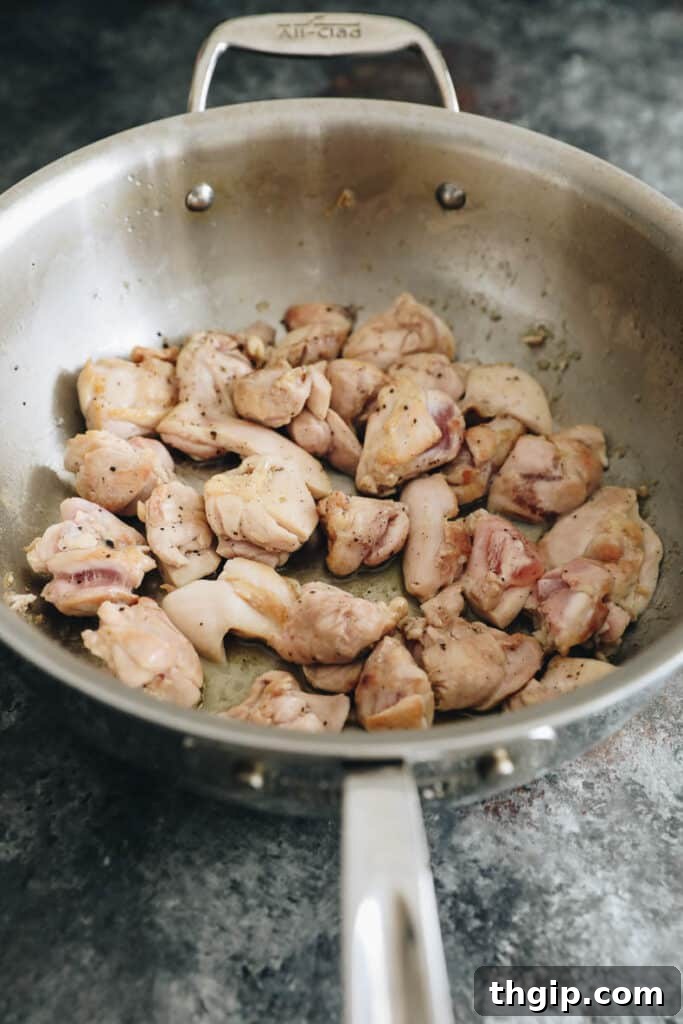
STEP 4: STIR-FRY THE CRISP VEGETABLES
Add the remaining sesame oil to your pot or wok. Increase the heat slightly if needed. Add the carrots and cabbage and stir-fry for 3-5 minutes, until they begin to soften but still retain a slight crunch. Next, stir in the minced garlic and freshly grated ginger, cooking for an additional 1 minute until fragrant. Be careful not to burn the garlic.
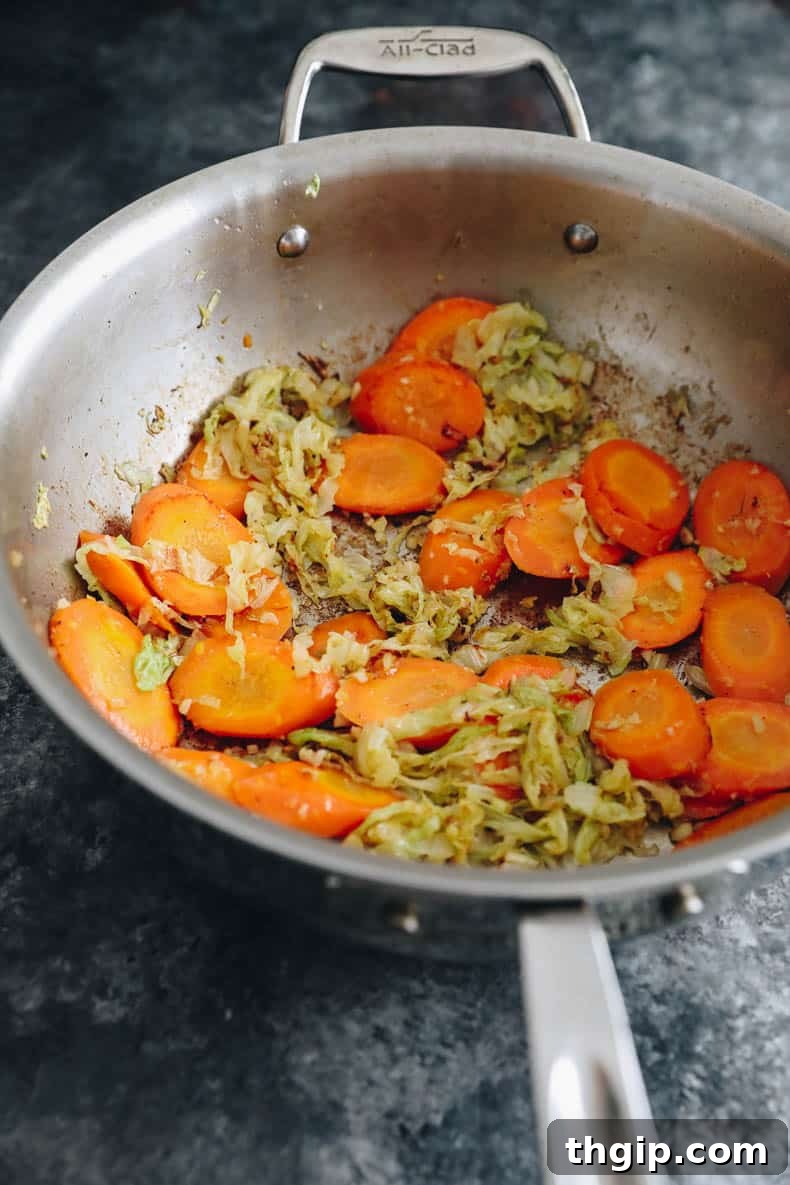
STEP 5: COMBINE ALL THE DELICIOUS COMPONENTS
Return the cooked chicken to the pot or wok, along with the prepared chow mein noodles. Pour in the whisked sauce ingredients. Toss vigorously and continuously, ensuring that the noodles, chicken, and vegetables are thoroughly coated in the sauce. Continue to cook for a few minutes, stirring frequently, until the noodles are fully saturated, heated through, and have developed slightly crispy edges. This is where the “fried” aspect of chow mein truly comes alive!
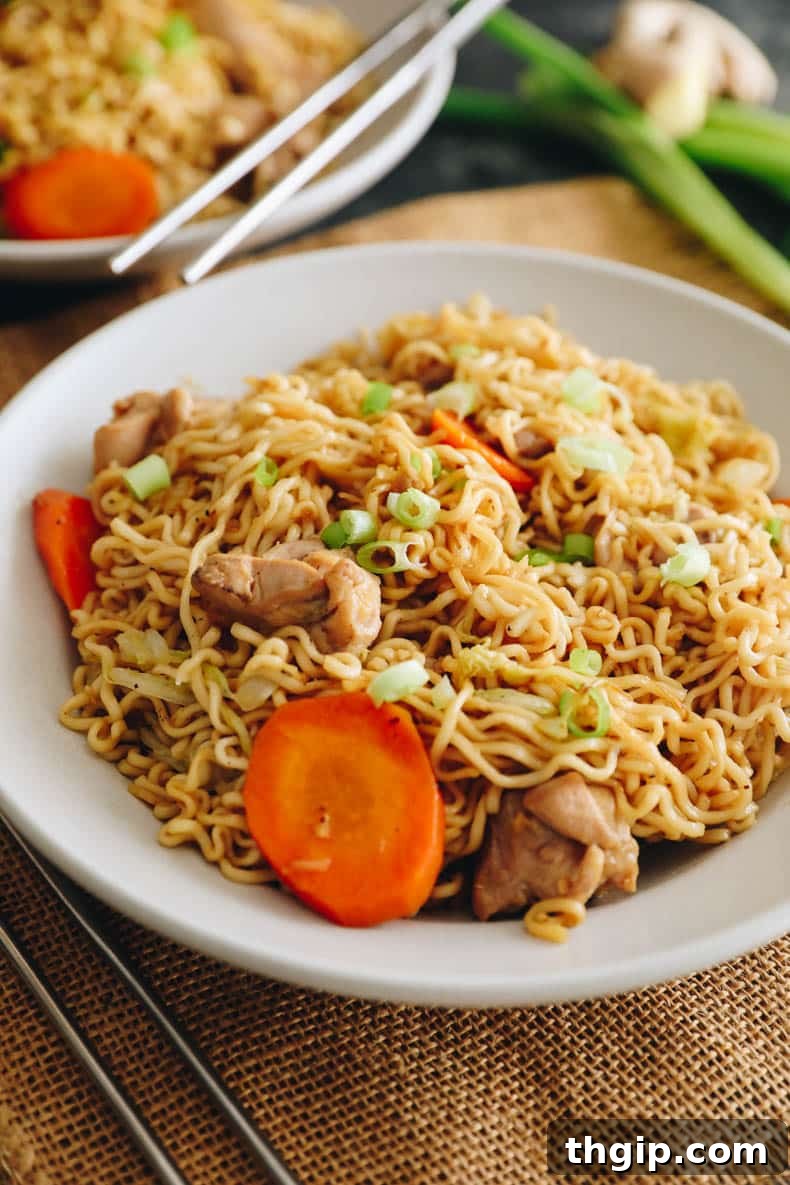
STEP 6: GARNISH AND SERVE IMMEDIATELY
Once your chow mein has reached peak deliciousness, transfer it to serving bowls. Garnish generously with freshly sliced green onions for a burst of color and a fresh, mild oniony flavor. Serve immediately while hot and enjoy your homemade restaurant-style chicken chow mein!
Easy Swaps & Dietary Adaptations for Your Chow Mein
One of the beauties of stir-fries is their incredible flexibility. Don’t hesitate to customize this chicken chow mein recipe to fit your dietary needs or personal preferences:
- Making it Gluten-Free: To transform this into a gluten-free chicken chow mein, you’ll need a couple of key substitutions. Firstly, replace traditional chow mein noodles with a certified gluten-free alternative like wide rice noodles or gluten-free ramen. Secondly, swap out regular soy sauce for gluten-free tamari. Lastly, double-check the ingredients on your oyster sauce, as some brands contain wheat-based soy sauce. Opt for a gluten-free oyster sauce or a suitable gluten-free vegan alternative if necessary.
- Crafting a Vegan Version: Adapting this recipe for a vegan diet presents a unique challenge if you aim to maintain the traditional flavors, but it’s certainly achievable and still delicious! Replace the chow mein egg noodles with thin rice noodles or another egg-free noodle option. Substitute oyster sauce with hoisin sauce (which, while different in flavor profile, offers a wonderful sweet and savory depth) or a mushroom-based vegetarian oyster sauce. Of course, simply omit the chicken entirely. For vegetarians who consume eggs and fish products, omitting only the chicken would suffice.
- Experimenting with Vegetables: While carrots and cabbage are excellent choices, feel free to get creative with your veggie selection. Some fantastic ideas include sliced mushrooms, celery, crisp bean sprouts, colorful bell peppers, snow peas, or broccoli florets. The key is to slice them uniformly for even cooking and add them at appropriate stages to ensure they are cooked but still retain some bite.
- Changing the Protein: This recipe shines with chicken thighs, but your protein options are vast! Easily swap in chicken breast, thinly sliced beef (like flank or sirloin), plump shrimp (added towards the end as they cook quickly), tender pork, or even a plant-based protein like pan-fried tofu, tempeh, or chickpeas for a vegetarian-friendly twist.
Pro Tips for the Best Homemade Chicken Chow Mein
Achieve truly restaurant-quality results with these expert tips:
- High Heat is Key: Stir-frying demands high heat. Ensure your wok or large skillet is screaming hot before adding any ingredients. This creates that desirable “wok hei” (breath of the wok) flavor and ensures ingredients sear rather than steam.
- Don’t Overcrowd the Wok: Cook ingredients in batches if necessary, especially the chicken and then the vegetables. Overcrowding lowers the pan temperature, leading to steamed, rather than stir-fried, ingredients.
- Proper Noodle Prep: If using dried noodles, cook them slightly under al dente as they will continue to cook in the wok. Rinse them under cold water after draining to prevent sticking and stop the cooking process, then toss with a tiny bit of oil.
- Taste and Adjust: Always taste your sauce before adding it to the wok and the final dish before serving. Adjust salt, pepper, or a touch more soy sauce or rice wine vinegar as needed to suit your palate.
- Prep Everything Ahead: Stir-frying moves very quickly. Have all your ingredients chopped, measured, and ready to go (mise en place) before you even turn on the stove. This ensures a smooth and stress-free cooking process.
Storage & Reheating Instructions
Should you have any delicious leftovers, store your chicken chow mein in an airtight container in the refrigerator for up to 3 days. To reheat, you can either warm it on the stove top over medium heat, adding a splash of water or broth to prevent dryness, or use the microwave until heated through. The noodles may lose some of their crispiness upon reheating, but the flavors will remain fantastic!
Frequently Asked Questions (FAQ) About Chicken Chow Mein
- Can I use frozen vegetables? Yes, you can! Just ensure they are thawed and well-drained before adding them to the wok to prevent excess water from steaming the dish.
- What’s the difference between chow mein and lo mein again? Chow mein involves frying the noodles until they are slightly crispy, while lo mein noodles are typically boiled and then tossed with the sauce and other ingredients without significant frying.
- How can I make my chow mein spicier? To add a kick, you can include a pinch of red pepper flakes with the garlic and ginger, or drizzle with chili oil or Sriracha when serving.
- Can I freeze chicken chow mein? While technically possible, freezing chow mein is not recommended as the noodles can become mushy upon thawing and reheating, and the vegetables might lose their crisp texture. It’s best enjoyed fresh or from the refrigerator within a few days.
- Do I need a wok to make chow mein? While a wok is ideal for stir-frying due to its even heat distribution and large surface area, a large, heavy-bottomed skillet or Dutch oven can also work effectively. Ensure it’s big enough to handle all the ingredients without overcrowding.
More Delicious Noodle Recipes to Explore
If you’re a fan of flavorful noodle dishes, be sure to check out these other mouth-watering recipes:
- Spicy Ramen Noodles
- Orange Sesame Noodles
- Veggie Pad Thai
- Chicken Pad See Ew
- Sesame Soba Noodles
- Curried Thai Coconut Ramen w/ Shrimp
Restaurant-Style Chicken Chow Mein Recipe
5 Stars 4 Stars 3 Stars 2 Stars 1 Star
No reviews
This real chicken chow mein recipe tastes just like restaurant quality but can be made in your home kitchen! Make this traditional Cantonese dish in 30 minutes for a healthier and quicker alternative to take-out!
- Author: Davida Lederle
- Prep Time: 10 minutes
- Cook Time: 20 minutes
- Total Time: 30 minutes
- Yield: 6 servings
- Category: Dinner
- Method: Cook
- Cuisine: Cantonese
Ingredients
Scale
- 12 oz chow mein noodles
- 1 lb boneless, skinless chicken thighs, cut into bite-sized pieces.
- 3 tbsp sesame oil
- 2 large carrots, peeled + sliced diagonally
- 4 cups shredded cabbage
- 3 garlic cloves, minced
- 2 tsp freshly minced ginger
- 1/2 cup sliced green onions
Sauce Ingredients:
- 3 tbsp oyster sauce
- 3 tbsp low-sodium soy sauce
- 1 tsp cornstarch
- 1 tbsp rice wine vinegar
- 1/2 tsp salt (add more or less to taste)
- 1/4 tsp black or white pepper
Instructions
- Cook your chow mein noodles according to package instructions. Drain immediately and set aside.
- In a medium bowl combine all sauce ingredients and set aside.
- Using a large pot or wok at medium-high heat add 2 tbsp sesame oil and your bite-sized pieces of chicken. Top with salt and pepper and sear on each side so lightly browned. Remove from pot and set aside.
- Add remaining sesame oil to your pot or wok and add your veggies (carrots and cabbage) and cook for 3-5 minutes. Stir in garlic and minced ginger and cook for 1 more minute.
- Add your chicken and cooked chow mein noodles to your pot or wok and toss with sauce ingredients. Cook until noodles are fully saturated with sauce and have become slightly crispy.
- Top with green onions and serve.
- See storage instructions above.