
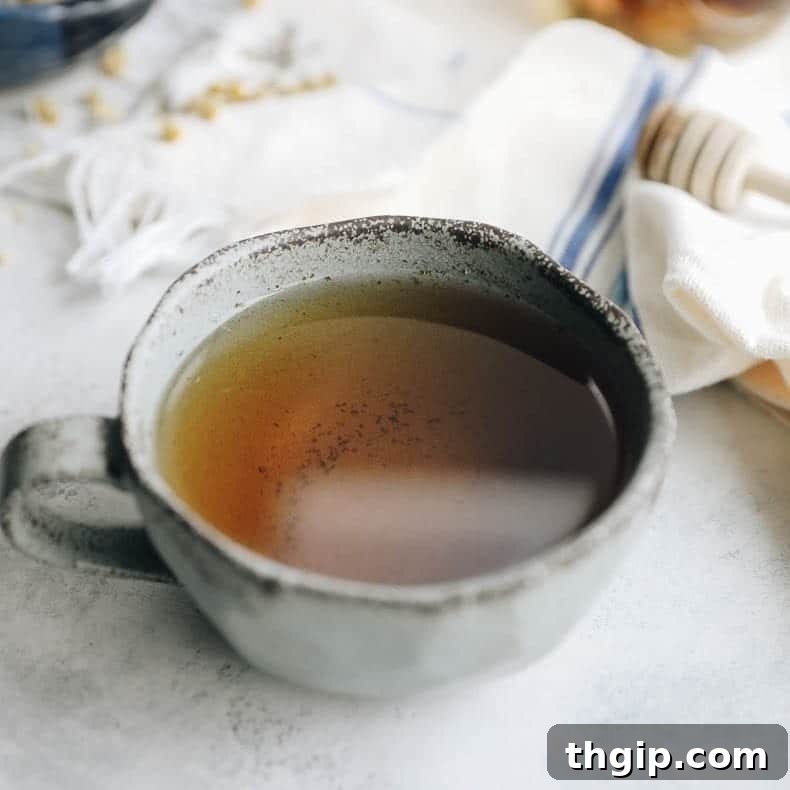
In our modern, fast-paced world, stress has become an almost unavoidable companion. From the relentless demands of work and personal life to the subtle influences of diet and environment, stress impacts us constantly. It manifests as physical strain on our bodies, psychological pressure on our minds, and emotional turbulence in our hearts. Left unchecked, this pervasive force can silently erode our mental clarity, physical vitality, and overall emotional well-being.
Understanding the Physiology of Stress: Sympathetic vs. Parasympathetic
At its core, stress triggers our sympathetic nervous system, often dubbed the “fight or flight” response. This evolutionary mechanism primes us for immediate danger, diverting energy from non-essential functions. While crucial for survival in acute situations, prolonged activation means we spend less time in our parasympathetic mode—the “rest and digest” state. This crucial state governs vital bodily functions like digestion, mood regulation, and sleep patterns. When the sympathetic system dominates, our body deprioritizes these restorative processes, leading to significant imbalances.
Chronic stress, in particular, unleashes a cascade of stress hormones, primarily cortisol, into our system. While a healthy amount of cortisol helps us wake up and navigate daily challenges, persistently elevated levels can be profoundly damaging. This hormonal imbalance is a silent precursor to a host of health issues, ranging from cardiovascular diseases and irritable bowel syndrome (IBS) to metabolic disorders like diabetes. Our bodies are incredibly resilient and designed to handle transient stress, but they struggle to recover when constantly in overdrive. This means effective stress relief isn’t just about minimizing stressors; it’s about re-regulating our body’s inherent ability to return to a state of balance and calm.
Strategies for Effective Stress Reduction
Addressing stress is a multifaceted journey, often requiring a comprehensive approach to achieve lasting peace. Sometimes, the most direct path to reducing stress involves identifying and eliminating immediate stressors from our lives. This could mean ending a draining relationship, transitioning from a toxic work environment, or finding ways to shorten a burdensome commute. While seemingly simple, making such changes can be incredibly challenging and may not be feasible for everyone. In these instances, the focus shifts from removal to optimization—simplifying and controlling the elements within your power.
Often, stress is deeply intertwined with fundamental lifestyle choices. A diet rich in processed foods, chronic sleep deprivation, and a sedentary lifestyle can significantly amplify our stress response. Prioritizing nutrient-dense whole foods, establishing a consistent bedtime routine, and integrating regular physical activity are not just health recommendations; they are critical pillars of stress management. These changes require commitment and effort but yield profound benefits in enhancing our body’s resilience to stress.
My personal philosophy leans towards “less is more.” It’s not about frantically adding more tasks to an already overflowing plate; rather, it’s about thoughtfully eliminating commitments that no longer serve your highest good and maximizing the activities that genuinely nourish your soul. For me, this translates into prioritizing adequate sleep, engaging in calming yoga practices, enjoying daily walks in nature, and eating in alignment with my core values. I also consciously carve out time for rituals that bring me immense joy and grounding, such as savoring a cup of herbal tea, journaling my thoughts, and spending quality time with cherished friends. This often necessitates the powerful act of saying “no,” even to opportunities that initially excite me, because understanding and respecting my personal limits within the 24 hours of a day is paramount to sustaining my well-being.
The Power of Herbal Tea: A Ritual for Stress Relief
Among my most cherished rituals for mitigating stress is the mindful act of sipping on a warm cup of herbal tea. My journey as a dedicated tea drinker spans decades, and this year, my passion deepened as I embarked on a formal education in herbalism. Having recently completed my studies, I am thrilled to share some of the incredible knowledge and resources I’ve gained. Herbal medicine, with its vast array of plant allies, offers remarkable benefits for our bodies, from alleviating stress to supporting skin health and addressing various ailments.
One of the most celebrated attributes of herbs is their profound ability to aid in stress reduction. It’s crucial to understand that no single herb acts as a magic bullet to eradicate stress overnight. However, when integrated into a holistic lifestyle—one that incorporates balanced nutrition, adequate sleep, and mindful practices—herbal teas can significantly contribute to overall health and remarkably impact your stress levels. They work synergistically with your body to foster a sense of calm and resilience.
So, what exactly constitutes a “stress relief tea”? It is a carefully curated blend of botanical ingredients specifically chosen for their affinity with our nervous system. These herbs work in concert to help soothe, balance, and decrease the physiological manifestations of stress. Each herb brings its unique properties to the blend, contributing to a holistic supportive effect on the body, encouraging relaxation and a return to equilibrium.
Demystifying Adaptogens for Enhanced Stress Resilience
Before delving into the specific herbs featured in our DIY stress relief tea, it’s essential to understand a special category of herbs known as adaptogens. I’ve explored this topic in greater detail in a dedicated blog post available here, but their relevance to stress relief makes them worth a focused discussion. Adaptogens are unique plant compounds that help your body “adapt” to various forms of stress—be it physical, chemical, or biological. Rather than directly suppressing or stimulating a bodily function, they work intelligently with your system to normalize physiological processes and find the perfect balance tailored to your needs. They help your body achieve homeostasis, improving its ability to cope with stress more effectively.
Here are some prominent examples of adaptogenic herbs and their primary benefits:
- Ashwagandha: Renowned for its ability to support adrenal function and alleviate symptoms of anxiety, helping to restore calm and energy.
- Holy Basil (Tulsi): A revered herb that profoundly supports the body’s response to stress, promoting mental clarity and emotional balance.*
- Eleuthero (Siberian Ginseng): Known for enhancing physical and mental endurance, stamina, and overall vitality, especially during periods of fatigue.*
- Maca: Traditionally utilized to boost energy levels, improve stamina, and support hormonal balance.
- Rhodiola Rosea: Valued for its capacity to increase energy, improve physical performance, and enhance a general sense of well-being and focus.
*These adaptogens are thoughtfully included in the DIY stress relief tea blend we’ll be making.
Crafting Your Own DIY Stress Relief Tea Blend
The world of herbalism is vast and wonderfully diverse, offering hundreds, if not thousands, of herbs tailored to an incredible array of purposes. Some herbs are renowned for promoting relaxation, others for inducing restful sleep, some provide support during pregnancy, and many can even help prevent common ailments like headaches. It’s safe to say there’s an herb (or a dozen) for nearly every need imaginable.
The DIY Stress Relief Tea recipe presented here is my personal favorite blend for effectively managing and reducing stress. While many other fantastic herbs exist, I’ve intentionally selected these five for their optimal balance of efficacy, accessibility, and palatability. My criteria for selection included: a) superior taste profile, b) ease of sourcing high-quality ingredients, and c) simplicity of the recipe, upholding the principle that “simple is best” for consistent use. This blend strategically combines both adaptogenic herbs, which help your body adapt and build resilience to stress, and nervine herbs, which work to directly soothe and calm the nervous system, providing immediate relief.
Let’s explore the powerful properties of each herb in this harmonious blend:
The Calming Concoction: Key Herbs for Your Tea
- Chamomile (Matricaria chamomilla): This beloved herb is a household name for good reason—it’s remarkably effective. Chamomile acts as a gentle yet potent relaxing nervine, known for its ability to soothe frayed nerves and promote profound rest. Its mild sedative properties encourage restful sleep, which is a foundational element in stress reduction. Additionally, chamomile has carminative properties that can ease digestive discomfort often exacerbated by stress, making it a comprehensive ally for both mind and gut.
- Lavender (Lavandula angustifolia): Much like chamomile, lavender is celebrated for its powerfully relaxing nervine actions. It excels at inducing a sense of calm and facilitating better sleep quality. Beyond its well-known aromatherapy applications, internal consumption of lavender has been shown in multiple clinical trials to significantly decrease anxiety levels and reduce the perception of pain (source). Its delicate floral notes add a pleasant aroma and taste to the tea, enhancing the overall sensory experience of relaxation.
- Lemon Balm (Melissa officinalis): My deep admiration for lemon balm blossomed after I personally experienced its profound healing capabilities during my recovery from shingles. This incredible herb is a true superpower. As an antispasmodic carminative, lemon balm is exceptionally beneficial when stress or anxiety manifests as digestive issues, such as irritable bowel syndrome (IBS), by acting simultaneously on both the digestive and nervous systems. It has a bright, uplifting quality that can gently elevate mood, and I’m convinced it tastes delightfully reminiscent of fruit loops!
- Holy Basil (Ocimum tenuiflorum), also known as Tulsi: This revered adaptogenic herb is a cornerstone of Ayurvedic medicine, cherished for its ability to restore balance to the nervous system. Holy Basil possesses a unique combination of relaxing and uplifting qualities, acting as a mildly relaxing nervine. This makes it an excellent choice for individuals grappling with anxiety and mild depression, offering a gentle yet profound sense of calm and mental clarity without causing drowsiness. It helps the body navigate stress more gracefully and promotes overall vitality.
- Eleuthero (Eleutherococcus senticosus): Often referred to as “Siberian Ginseng” or the “work hard, play hard” herb, Eleuthero is a potent adaptogenic powerhouse. It is particularly effective at helping to balance the nervous systems of those who tend to push themselves too hard, both professionally and personally. Eleuthero is renowned for boosting physical and mental stamina, improving endurance, and fostering a robust immune system. It helps the body cope with fatigue and enhances overall resilience without the overstimulation often associated with conventional stimulants.
Now that we understand the incredible properties of each constituent, let’s prepare this soothing and balancing herbal tea!
Print Recipe
DIY Stress Relief Tea

- Author: Davida Lederle
- Prep Time: 1 minute
- Total Time: 20 minutes
- Yield: 1 cup
Ingredients
- 2 tsp dried holy basil
- 1 tsp dried lemon balm
- 1 tsp dried chamomile
- 1/2 tsp dried lavender
- 1/2 tsp dried eleuthero root
Instructions
- Combine all dried herbal ingredients in a mason jar or a heat-safe cup.
- Bring water to a boil, then pour the hot water over the herbs.
- Immediately place a plate or a lid onto the mason jar or cup and let the tea infuse for 20 minutes. (Covering the tea is crucial as it prevents the volatile oils, which are the essential plant compounds, from escaping as steam. This ensures they are fully infused into your water for maximum benefit.)
- After steeping, remove the plate or lid and strain the tea through a fine-mesh strainer or a cheesecloth into another cup. This separates the spent herbs from your infused tea.
- If desired, add a touch of honey, maple syrup, or your preferred sweetener to enhance the flavor.
- Find a quiet moment, sip slowly, and allow yourself to relax and enjoy the calming benefits of your homemade stress relief tea.
Note: You can easily premix these dried ingredients in larger batches and store them in an airtight container for future use, simplifying your daily ritual. Feel free to experiment with the amounts of each herb to find a blend that best suits your taste and desired effects, or incorporate other stress-supportive herbs you enjoy.
It’s important to reiterate that mastering stress demands a holistic, integrated approach. Consuming this herbal tea, while incredibly beneficial, will not single-handedly diminish your stress levels if other lifestyle factors continue to work against your well-being. For those truly committed to profoundly transforming their stress response, I encourage you to explore my FREE stress relief guide, “Creating Rituals.” This comprehensive resource is designed to help you strategically decrease your stress and cultivate lasting peace in just 10 days.
Important Disclaimer: The information presented in this article is for educational purposes only and has not been evaluated or approved by the Food and Drug Administration. While anecdotal reports and traditional uses of herbal medicine are compelling and valuable for exploration, scientific research on many herbs is still evolving and can be limited. Therefore, herbal remedies should be consumed with your best discretion and understanding. It is crucial to be aware that certain herbs may interact with medications or have contraindications, especially for individuals who are pregnant, breastfeeding, or have pre-existing medical conditions. Always consult with your healthcare professional or a qualified herbalist before incorporating any new herbal remedies into your routine to ensure they are safe and appropriate for your individual health needs.