
The sudden onset of Shingles, often colloquially known as adult chickenpox, can be an excruciating and unforgettable experience. For anyone who has endured its relentless pain, you know it’s a battle far more challenging than the childhood chickenpox many of us encountered before the vaccine era. This comprehensive guide aims to shed light on my personal journey with Shingles, medically known as herpes zoster or varicella zoster virus, and share actionable strategies for a swift and effective recovery.
While a medical diagnosis should always come from a qualified healthcare professional, my goal here is to provide a detailed, first-hand account of the symptoms, recovery process, and a collection of natural and lifestyle tips that significantly aided my healing. When faced with this painful condition, many, like myself, turn to the internet in search of helpful insights. This article is crafted to be that supportive resource, offering productive tips gleaned from personal experience and research, designed to help you, or a loved one, navigate the challenges of Shingles recovery. We’ll explore everything from early detection and medical treatments to a variety of holistic approaches that can complement conventional care. Let’s tackle this together!
Shingles Diagnosis: Early Signs and Recognition
The onset of shingles is often preceded by a series of subtle yet unsettling symptoms. In my case, several days before the characteristic rash appeared, I experienced significant inflammation in the lymph nodes on the left side of my neck and around my ear, accompanied by a general feeling of feverishness. This quickly escalated into intense ear pain and a debilitating headache, prompting a visit to the doctor the following day to rule out an ear infection.
That same morning, I noticed two unusually large, deep-set “zits” on my forehead. While I found their presence odd – as I rarely break out on my forehead – I dismissed them as typical blemishes, resembling those painful, underground cysts. My doctor, after examining my ear and lymph nodes, confirmed there was no ear infection, attributing my discomfort to a viral infection my body was actively fighting. The forehead bumps didn’t raise any alarms for either of us at that point, and I left feeling unwell but relieved it wasn’t an ear issue.
However, over the next few hours, the true nature of my condition began to reveal itself. More bumps emerged on my forehead and eyebrow, and those initial “zits”—which were, in fact, shingles blisters—became increasingly painful. The sharp pain in my ear started migrating into my head, and the swollen lymph nodes made it difficult to turn my neck. It was only later that I learned the ear pain was likely due to the shingles developing along my trigeminal nerve, a major facial nerve located near the middle ear. This particular nerve pathway explained the specific pain and rash distribution.
The moment the pain expanded to my forehead, a strong suspicion of shingles formed in my mind. Many are surprised to learn that shingles can strike individuals under 60 and can manifest on the face. My mother had experienced facial shingles when I was young, a memory that, thankfully, provided me with crucial insight into my own situation. For those unaware, it’s vital to remember: shingles can affect individuals of any age, and the rash can appear along any nerve root in your body, including highly sensitive areas like the face. Recognizing these early, often non-specific symptoms is paramount for timely intervention.
Shingles Recovery: The Critical First Steps
My quick recognition of the symptoms allowed me to initiate my shingles recovery fairly promptly, which proved to be a significant advantage. The Centers for Disease Control and Prevention (CDC) emphasizes that antiviral medications, typically acyclovir, valacyclovir (Valtrex), and famciclovir, are most effective when administered within 72 hours of the first appearance of blisters.
I consider myself fortunate to have fallen within this crucial 72-hour window, and I am confident that this early intervention was key to my rapid recovery. While not everyone will immediately recognize shingles, if you experience a gut feeling or any of the symptoms I’ve described, seeking medical attention without delay is highly recommended. A prompt diagnosis can significantly alter the course and severity of the illness.
Beyond the antiviral regimen, which I took three times a day, I was also prescribed stronger pain medication. However, I found that heavy pain relievers often left me feeling nauseous and groggy. Consequently, except for the first two days when the pain was almost unbearable, I opted to manage my discomfort with over-the-counter options like Advil/Motrin (ibuprofen) and Tylenol (acetaminophen). These proved sufficient to temper the pain while allowing me to remain more alert and functional.
The typical progression of shingles involves an initial phase of pain and tingling, followed by the eruption of a rash. As the blisters eventually dried and scabbed over, the intense pain gradually subsided, replaced by an often-intense itchiness. It’s important to note that once the rash has fully scabbed and crusted over, the virus is no longer contagious. This marks a significant turning point in the recovery process, reducing the risk of transmission to others.
In addition to medical treatment, I consciously incorporated specific dietary and lifestyle choices to support my body’s healing process. I firmly believe that these complementary strategies, alongside the antivirals, played a crucial role in significantly shortening the duration and intensity of my shingles experience. Now, let’s delve into these holistic approaches that can help you recover from shingles quickly.
How to Recover from Shingles Quickly: Holistic and Natural Strategies
While early medical intervention with antivirals is undeniably crucial, shingles recovery extends far beyond simply taking pills. This section is arguably the most important, as it outlines a range of home remedies and lifestyle adjustments that can significantly accelerate the healing process, alleviate pain, and reduce the persistent itchiness that often accompanies the condition. These strategies are intended to complement conventional medicine, supporting your body’s innate ability to heal.
Targeted Pain and Inflammation Management
CBD/THC for Relief
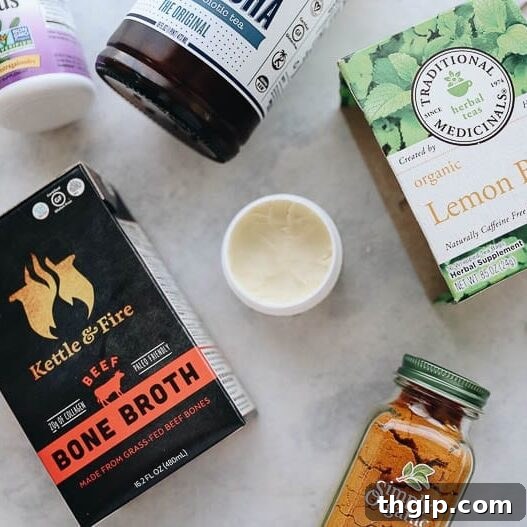
In addition to conventional over-the-counter pain relievers, I found immense relief through the use of CBD and THC. These compounds, derived from the cannabis plant, are well-regarded for their anti-inflammatory and analgesic properties. I experimented with various CBD formulations and discovered that specific “Calm” pens were particularly effective for systemic relief. For localized pain and inflammation directly on the rash, a topical THC salve proved to be a literal godsend. It functioned much like a highly potent calamine lotion, providing immediate and significant comfort without the grogginess associated with stronger oral pain medications. Always ensure you understand the legal status and consult with a healthcare provider before using cannabis-derived products.
Bone Broth: An Immune-Boosting Elixir
There’s a deep-seated wisdom behind craving broth when you’re unwell. Bone broth is a nutritional powerhouse, renowned for its anti-inflammatory and immune-boosting properties. Rich in collagen, gelatin, and essential amino acids like glycine, proline, and glutamine, it actively supports gut health – a critical component of a robust immune system. Consuming bone broth regularly helps reduce systemic inflammation and pain, providing the body with vital nutrients when its defenses are compromised. I consistently consumed two cups of bone broth daily during my recovery, finding particular enjoyment in mushroom and chicken varieties.
Gut Health and Immune Support
Kombucha and Probiotics: The Gut-Immune Connection
The adage “it all starts in your gut” holds profound truth, especially concerning immune health. Following a previous battle with SIBO, I had learned the importance of gradually reintroducing fermented foods and probiotics. By the time shingles struck, I was happily back to my daily probiotic routine and enjoying Health-Ade kombucha. Fermented foods like kombucha introduce beneficial bacteria to the gut, helping to restore a healthy microbiome. A balanced gut flora is essential for immune function, aiding the body in fighting off viral invaders and reducing inflammation. My 5:00 PM “kombucha happy hour” became a cherished part of my recovery ritual.
Essential Supplements for Shingles Recovery
When dealing with shingles, many will offer supplement recommendations. While numerous supplements can support general health, I focused on a select few, including those from my personalized vitamin packs and L-Lysine, a consensus recommendation from nearly everyone. These supplements were chosen for their specific roles in immune support and antiviral action:
- Zinc: A vital mineral known to bolster immune function and exhibit direct antiviral effects, making it a critical nutrient during a viral infection.
- L-Lysine: An essential amino acid that is widely believed to help inhibit the replication of the herpes simplex virus (HSV) and, by extension, the varicella zoster virus, thereby reducing the spread and severity of shingles.
- Rhodiola: An adaptogenic herb prized for its stress-relieving properties. Given that stress is a common trigger for shingles, Rhodiola helps the body adapt to and manage stressors, indirectly supporting immune resilience.
- Astragalus: Another powerful herb recognized for its immune-supporting capabilities and antiviral activity, contributing to the body’s defense against the virus.
Herbal and Topical Remedies
Lemon Balm: A Soothing Antiviral Herb
Lemon Balm (Melissa officinalis) deserves its own category due to its remarkable efficacy against shingles pain and inflammation, both internally and topically. I prioritized hydration by drinking 6-8 cups of Lemon Balm Tea daily. After the initial excruciating pain subsided, I began applying a topical lemon balm cream or salve directly to the affected area. This Lemon Balm Salve, a recommendation from an Instagram follower, proved to be incredibly effective. Its thick consistency created a protective barrier over the fluid-filled blisters, helping to reduce inflammation, alleviate pain, and actively promote healing. Within a week of consistent use, I observed a significant reduction in the rash and clear signs of healing. While some advocate for capsaicin cream, I haven’t personally tried it.
Dietary Foundations for Healing
I am a firm believer in the profound healing power of food. While a “perfectly clean” diet isn’t a substitute for lifestyle habits or conventional medicine, it serves as an excellent supportive therapy. When ill, our bodies often signal their true needs. For me, this translated into an intense craving for warm, green vegetables simmered in broth, particularly kale and bok choy. Interestingly, my acupuncturist later explained that bok choy is considered a cooling and healing food in Traditional Chinese Medicine, which is highly beneficial as shingles is often associated with excessive internal heat. Our bodies truly possess an incredible intuitive wisdom!
In addition to copious amounts of vegetables, I found myself gravitating towards antioxidant-rich fruits such as berries and an abundance of bananas. Unintentionally, I also consumed virtually no refined sugar for about a week. As my condition improved, the craving for sweet treats returned with full force, but during the peak of my pain, my body simply rejected them. I also significantly increased my turmeric intake, especially enjoying it in my morning Matcha and Turmeric Latte. My body did not crave coffee, so matcha provided the gentle energy boost I needed without overstimulation.
Supporting Therapies and Self-Care
Essential Oils for Mind and Body
While essential oils often serve as my primary support when feeling unwell, they played a secondary, yet important, role during my shingles recovery. I applied immune-supporting blends, such as Fortify, to my chest and neck lymph nodes. For emotional well-being and to foster a calming environment, I diffused grounding and soothing blends like Unwind, Spa Spirit, and Tranquility. These helped promote relaxation and self-care during a period of intense discomfort.
Comforting Baths and Compresses
Although my facial shingles prevented me from using this method, many people swear by oatmeal baths for shingles located on the torso or other areas suitable for soaking. Oatmeal baths are known for their soothing properties, helping to relieve pain and intense itching. Similarly, applying a cool compress to the affected area can provide significant localized relief from burning and discomfort.
Note: Approximately two weeks into my recovery, I began seeing an acupuncturist. This was crucial for managing residual postherpetic neuralgia (PHN)—the lingering nerve pain that can persist even after the rash has fully healed and scabbed. If you continue to experience pain beyond the initial itching and scabbing phases, I highly recommend exploring acupuncture as a complementary therapy.
The Most Important Tip for Shingles: Embrace Relaxation
Understanding all this information might feel overwhelming, so allow yourself the time to process it. However, if there’s one piece of advice to take away, it is this: RELAX. Shingles is very often triggered by stress. While I initially didn’t perceive my life as particularly stressful—I had made significant strides in managing it—a thorough review of my responsibilities revealed an undeniable overburdening of my body and mind.
The greatest lesson I learned from this experience was the absolute necessity of truly supporting your body. While many commented on my good fortune to have a remote job, making it easy to work from home, the reality is that when you’re sick, the boundaries blur. It’s tempting to reach for your phone in bed or attempt to work on a project from the couch. Despite doing the bare minimum necessary, I consciously dedicated ample time to rest, nap, journal, watch TV, and essentially, do nothing productive. This deliberate period of inactivity was fundamental to my healing.
Acknowledging the stressors in your life and implementing concrete plans to eliminate or significantly reduce them is perhaps the most critical step in overcoming shingles and preventing future outbreaks. It’s a profound reminder that our physical health is deeply intertwined with our mental and emotional well-being.
Please note: there is no magic cure for shingles in 3 days! Anyone claiming so is misinformed. However, by diligently applying the tips and strategies outlined in this guide – encompassing both conventional medical treatment and supportive holistic approaches – you can significantly expedite your recovery and minimize the risk of complications, such as postherpetic neuralgia.
* * * * *
For individuals over 50 (not 60, per recent CDC guidelines), the Shingrix vaccine offers highly effective prevention against shingles and its potential complications. If you fall into this age group or have other risk factors, I encourage you to consult your doctor or healthcare provider about vaccination. It’s important to remember that even if you have had shingles previously, vaccination is still recommended, as you can contract the virus more than once. Prevention remains a powerful tool against this painful condition.