
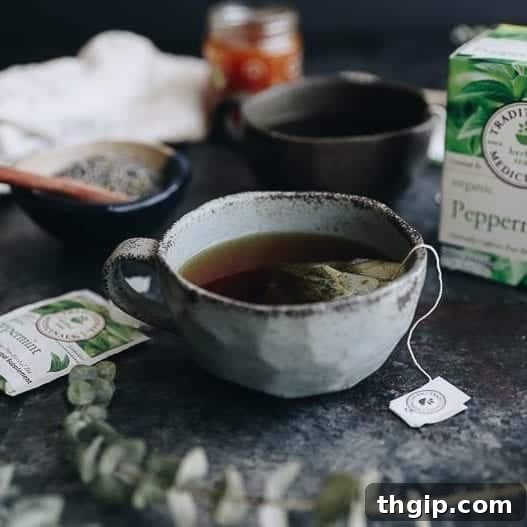
Discover the World of Herbal Tea: Your Ultimate Guide to Benefits, Brewing, and Wellness
Are you a tea enthusiast or embarking on a new journey into the world of warm, comforting beverages? This comprehensive guide will navigate you through the remarkable benefits of herbal teas, help you identify the best plants for your needs, and instruct you on how to brew each cup perfectly to unlock its full potential for your well-being.
My personal exploration into the realm of tea has been a profound one, leading me to a revelation: tea has woven itself more consistently into the fabric of my daily life than coffee ever has. I confess, my initial draw to tea was purely its exquisite taste. From the invigorating zing of peppermint to the soothing embrace of chamomile and the earthy warmth of turmeric, I simply adore the ritual, the nuanced flavors, and the sheer deliciousness that a mug of tea offers. This deep appreciation began in my early teens with a cherished cup before bed, a tradition I proudly maintain to this day.
As I matured and delved deeper into the intricate world of health and wellness, I unearthed a powerful truth: herbal tea is far more than just flavored water. It possesses an incredible capacity to support overall well-being. Whether you’re seeking improved sleep, better digestion, or effective stress relief, herbal teas are imbued with properties that can benefit almost everyone. This discovery marked a pivotal shift for me, moving away from artificially flavored concoctions to embracing the pure, organic quality offered by reputable companies like Traditional Medicinals.
In this expansive guide, we will explore the multifaceted advantages of incorporating herbal teas into your daily regimen. We’ll delve into the science behind their efficacy, highlight specific blends for targeted wellness goals, and provide actionable tips for maximizing their benefits. Prepare to embark on a journey that could transform your health, one delightful cup at a time.
What Exactly is Herbal Tea? Understanding Tisanes
It might surprise you to learn that what we commonly refer to as “herbal tea” is not technically “tea” in the traditional sense. True tea—encompassing black, green, white, and oolong varieties—originates exclusively from the Camellia sinensis plant. Herbal teas, on the other hand, are classified as “tisanes.” This distinction refers to infusions made from the leaves, stems, bark, roots, flowers, seeds, or any other part of various non-tea plants, steeped in hot water to extract their beneficial compounds.
The art of making tisanes has a rich history spanning thousands of years, with cultures worldwide utilizing these botanical infusions for medicinal, ceremonial, and recreational purposes. From ancient Egyptian remedies to traditional Chinese medicine and indigenous practices across continents, herbal infusions have been a cornerstone of natural wellness. Steeping these herbs in hot water is a crucial step; it gently coaxes out the plants’ active ingredients, such as essential oils, flavonoids, antioxidants, vitamins, and minerals, making them bioavailable for consumption.
When selecting herbal teas, quality is paramount. The efficacy and benefits of any herbal tea are directly proportional to the quality of its ingredients. Always prioritize teas free from artificial flavorings, preservatives, or sweeteners. Authentic herbal teas are naturally delicious and don’t require additives to enhance their taste. Wherever possible, opt for organic varieties. This ensures that the herbs are grown without synthetic pesticides or herbicides, preserving their purity and potency. Companies like Traditional Medicinals exemplify this commitment to quality, meticulously sourcing medicinal-grade plants through ethical trading partnerships. Their dedication to sustainable practices and organic certification ensures that you receive the finest herbal teas, brimming with natural goodness.
The Wellness Wonders: Unpacking the Benefits of Herbal Teas
Just as each plant boasts its unique set of properties, so too does every herbal tea offer distinct benefits. The true magic often lies in the artful blending of various herbs, designed to target specific wellness goals. While the spectrum of herbal tea benefits is virtually endless, let’s explore some of the most popular and impactful varieties that are certainly worth integrating into your daily routine.
Digestive Harmony and Comfort
- Peppermint Tea: A classic choice for digestive support, peppermint tea is renowned for its ability to soothe an upset stomach and alleviate various forms of digestive discomfort.* The menthol in peppermint acts as a natural antispasmodic, relaxing the muscles of the digestive tract and helping to relieve gas, bloating, and indigestion. Enjoy a cup after meals to aid digestion or whenever you feel a rumbling in your belly.
- Roasted Dandelion Root Tea: This earthy infusion is a powerful ally for digestive health and liver support. Traditionally used as a mild laxative, it gently stimulates bile production, which is crucial for efficient digestion and detoxification. Many find its robust, slightly bitter flavor, reminiscent of coffee, makes it an excellent caffeine-free alternative for a morning boost, helping to “get the juices flowing” and support healthy bowel function.*
Calm, Relaxation, and Stress Relief
- Chamomile Tea: A quintessential bedtime brew, chamomile is celebrated for its gentle yet effective calming properties. It helps to quiet the mind, ease nervous tension, and promote restful sleep.* Beyond its sedative qualities, chamomile also offers mild digestive support, making it a soothing choice for overall relaxation. For enhanced stress relief, try Chamomile with Lavender, a blend designed to double down on tranquility.*
- Lemon Balm Tea: This delicately flavored herb offers gentle relaxation and is known for its ability to relieve tension and mild anxiety.* It can also assist with occasional indigestion, making it a versatile choice for soothing both the mind and the gut. Lemon balm is a wonderful tea to enjoy during moments of stress or to wind down before bedtime.
Support for an Active Lifestyle and General Wellness
- Turmeric with Meadowsweet & Ginger Tea: This powerful blend harnesses the anti-inflammatory potential of turmeric, combined with the soothing properties of ginger and meadowsweet. It is specifically formulated to support a healthy response to inflammation often associated with an active lifestyle and everyday exertion.* This tea is an excellent choice for those seeking natural support for joint comfort and overall vitality.
- Nettle Leaf Tea: Rich in vitamins and minerals, nettle leaf tea is a nourishing tonic that supports joint health and overall wellness.* It’s often valued for its natural diuretic properties, which can help flush the body gently. Nettle tea is particularly beneficial during seasonal changes or as a regular addition to a wellness-focused diet.
- Red Clover Tea: Traditionally utilized in herbal medicine for its purported benefits for skin health, red clover tea is often consumed to support a clear and radiant complexion.* It’s also considered a general tonic, contributing to overall well-being.
The world of herbs is vast and captivating, and this is merely an introduction to a select few. I enthusiastically encourage you to embark on your own research, exploring the countless other beneficial herbs available. Always remember to consult with a qualified herbalist, naturopath, or medical practitioner before making significant changes to your wellness routine, especially if you have underlying health conditions or are taking medication.
Mastering the Art of Herbal Tea Brewing: Tips for Optimum Benefit
While the act of drinking herbal tea is inherently beneficial, mastering the art of proper brewing is essential to fully harness the potent therapeutic compounds within each plant. Follow these expert tips to ensure you extract the maximum goodness from every single cup:
1. Prioritize Quality Herbs: The Foundation of a Great Brew
The efficacy of your herbal tea begins with the quality of your ingredients. Always strive to select organic herbs whenever possible. Organic certification guarantees that the plants have been grown without harmful pesticides, herbicides, or synthetic fertilizers, ensuring a purer and more potent infusion. High-quality herbs will also be vibrant in color, aromatic, and free from excessive stems or debris. Remember, you truly get the best return on your investment when the quality of the plant material is superior.
2. Steep for Longer: Unlocking Botanical Potency
Unlike traditional black or green teas, which can become bitter if over-steeped, herbal teas require a more generous steeping time to fully release their active constituents. A general rule of thumb is to steep your herbal tea for at least 10 to 15 minutes per cup, and in some cases, even longer. This extended infusion period allows the water to draw out the essential oils, flavonoids, and other beneficial compounds that contribute to the tea’s flavor and therapeutic effects. Don’t be shy; let your herbs truly steep and infuse.
3. Cover Your Mug: Preserving Precious Essential Oils
This simple yet crucial step is often overlooked. When steeping your herbal tea, always cover your mug or teapot with a lid or a small plate. Many of the therapeutic benefits and the aromatic essence of herbal teas come from their volatile essential oils. These oils can easily evaporate into the air if left uncovered during steeping. By covering your vessel, you trap these precious compounds, ensuring they condense back into your tea, enriching its flavor, aroma, and medicinal properties. This practice ensures that you consume the full spectrum of benefits the herb has to offer.
4. Use Quality Water and Proper Temperature
The water you use significantly impacts the taste and quality of your tea. Filtered or spring water is ideal, as tap water can contain impurities or chlorine that may affect flavor. Additionally, ensure your water is hot enough. Most herbal teas benefit from boiling water (around 212°F or 100°C) to effectively extract their compounds. Avoid microwaving water, as it can heat unevenly.
5. Explore Different Infusion Methods
While a simple mug and infuser are great, consider exploring other methods like a French press for larger batches or a dedicated teapot with a built-in infuser. For roots or barks, a decoction method (simmering herbs in water for a longer period) might be more effective than a standard infusion.
Embrace Your Herbal Tea Journey
Embarking on a journey with herbal teas is an invitation to explore a world of natural wellness, delightful flavors, and mindful rituals. From supporting digestion and calming the nervous system to boosting overall vitality, the benefits are vast and deeply personal. By understanding what constitutes a true herbal tea, discerning quality ingredients, and employing proper brewing techniques, you empower yourself to unlock the full potential of these botanical treasures. Let each cup be a moment of self-care, a step towards holistic health, and a celebration of nature’s profound gifts.
Disclosure: This post is sponsored byTraditional Medicinals. While I was compensated for my time, all opinions expressed are 100% my own. Thank you for supporting the brands who help make THM possible!
*These statements have not been evaluated by the Food and Drug Administration. These products are not intended to diagnose, treat, cure, or prevent any disease.
Like this post? Here are some others you might enjoy:
DIY Stress-Relief Tea
An Intro Guide to Meditation
Adaptogens 101 + How To Use Them