
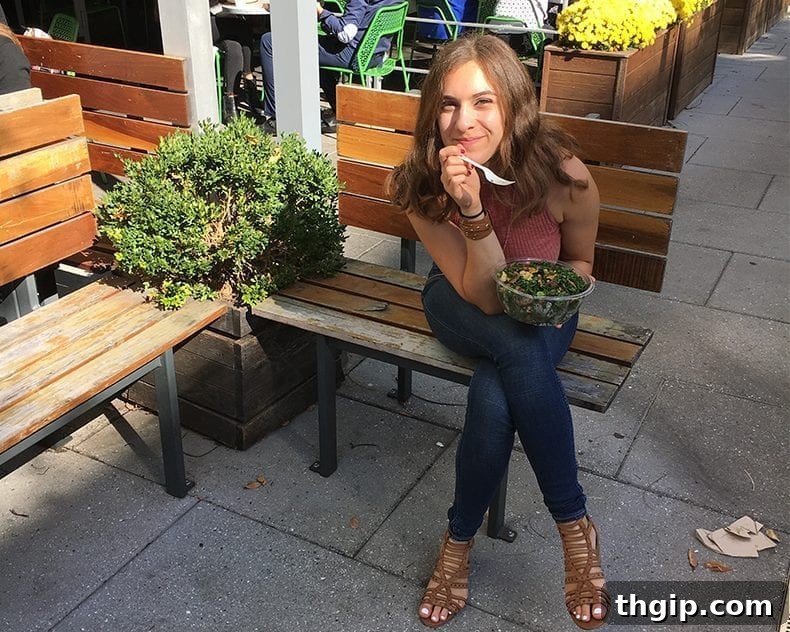
Hello THM Fam! It is with immense pleasure and great excitement that I introduce the newest talent to join our Team Maven on the blog today. A few months ago, Nicole reached out with an inspiring eagerness to gain experience within the dynamic world of blogging, and I couldn’t have been more thrilled to extend this incredible opportunity to her. Honestly, I find myself learning just as much, if not more, from her fresh perspective and insightful contributions. Nicole has already become an invaluable asset, lending her expertise to some of our upcoming THM events on the east coast and enriching our Instagram content with her creative flair. Today, she’s gracing our blog with her profound words of wisdom. As you’re about to discover, Nicole possesses a remarkable depth of understanding and a clarity of vision that truly belies her age, signaling a very bright and expansive future ahead. But enough from me; I’ll gladly hand the reins over to her. Please give a warm welcome to Nicole!
* * * * *
Hi everyone! I am absolutely thrilled and deeply honored to be sharing my thoughts and experiences here on the THM blog today. I’ve been a devoted follower of Davida’s journey since I was just a young sixteen-year-old, navigating the complexities of adolescence. Over these formative years, Davida has emerged as an incredibly significant role model in my life, guiding me through the challenging process of overcoming disordered eating habits and fostering a profound appreciation for treating my body and mind with unwavering kindness and compassion. Her work has been a beacon, illuminating the path towards a healthier, more balanced relationship with myself.
Now, at twenty years old, I find myself immersed in the vibrant academic world of Georgetown University, where I’m pursuing a dual degree in Psychology and Business. I affectionately refer to Georgetown as my “personal Hogwarts,” a place where learning feels magical and opportunities abound. As a born and raised New Yorker, I’m currently soaking up every ounce of the exhilarating NYC vibe, exploring new neighborhoods, discovering hidden gems, and embarking on countless adventures before I head back to DC. Beyond my studies and urban explorations, a few simple pleasures truly make my heart sing: a perfectly brewed cup of coffee, an engaging journaling session where thoughts can freely flow, long and meaningful conversations with dear friends, and, of course, the enchanting world of Harry Potter. 🙂

Unmasking the Perfection Myth: Breaking Free from Unrealistic Pressures
With introductions now complete, I wanted to delve into a topic that resides very close to my heart—a subject I’ve been deeply ruminating on since my very first steps onto the Georgetown campus two years ago: the pervasive issue of unrealistic pressures and the relentless striving for perfection. This isn’t just a niche problem; it’s a societal epidemic that none of us are truly immune to. In today’s hyper-connected world, dominated by carefully curated Instagram feeds, the endless scroll of social media, and an often-insane work culture, comparison has become virtually unavoidable. The external pressures that bombard us from all angles can be not only overwhelming but utterly debilitating, chipping away at our sense of self-worth.
Time and again, I witness both women and men falling prey to these lofty, often unattainable expectations that society relentlessly places upon us. In those moments, I simply want to shout from the rooftops, “You are perfectly wonderful just the way you are! Why would you ever aspire to be someone else?” Having spent countless hours scrolling through feeds, mesmerized by individuals whose lives and bodies I wished to emulate, I intimately understand the profound agony of feeling utterly unworthy, absolutely lost, and profoundly alone. I recall vividly believing that “if only I had that person’s body” or “that person’s seemingly perfect life,” then true happiness would magically materialize for me. This comparison trap is a formidable opponent, often leaving us feeling inadequate and perpetually chasing an elusive ideal.
My Journey Towards Authentic Self-Acceptance
It required several years of arduous inner work, diligently training myself to dismantle and reverse deeply ingrained negative thought patterns. This journey was about accepting, unequivocally, that I am on my own unique path—a journey entirely distinct and independent of anyone else’s. I had to consciously, repeatedly convince myself that the pursuit of an abstract, unattainable perfection was not worth squandering my precious time or, more importantly, my life. Gradually, patiently, the profound message began to permeate my being and truly sink in. I began to believe it, not just intellectually, but deep within my soul, and to actively live by it. This transformation involved loosening the rigid, self-imposed rules that had governed my existence and bravely allowing myself to relax into the liberating unknown. This shift marked a pivotal moment, freeing me from the shackles of endless striving and opening the door to genuine self-acceptance.
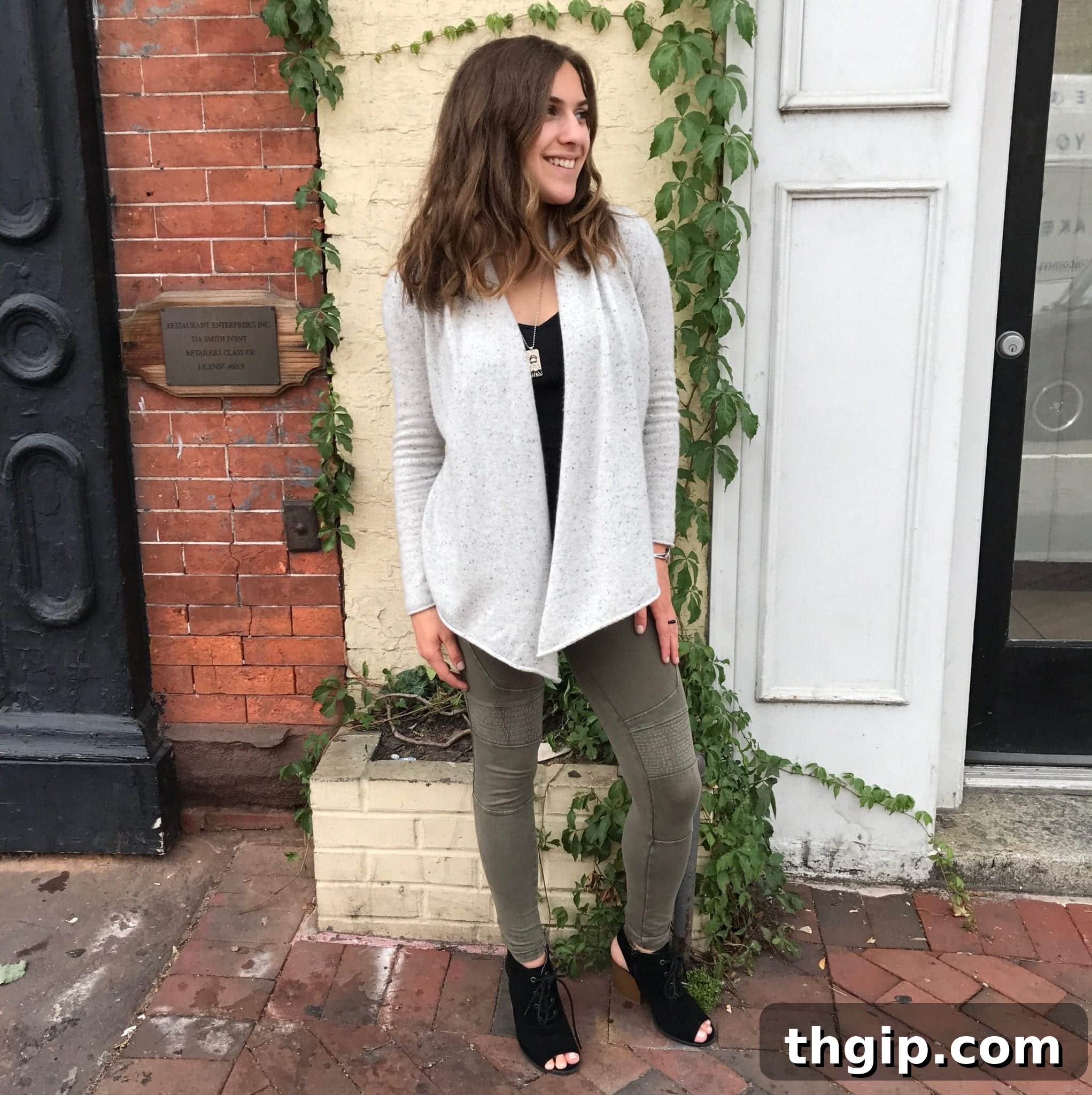
Interestingly, the very moment I consciously made the choice to cultivate more self-compassion, a profound awareness dawned upon me. I began to acutely notice just how pervasive this relentless drive toward perfection and external success was among my peers. It became strikingly clear how starkly my newfound commitment to self-love contrasted with what was undeniably the prevailing norm—a deeply ingrained belief that we are, somehow, never quite good enough as we inherently are. This societal narrative often pushes us to constantly seek validation outside ourselves, fostering a culture of endless aspiration without genuine contentment.
While I wholeheartedly believe in the importance of continuously pushing oneself to be the best version of who you can be—to grow, learn, and evolve—I also recognize a crucial distinction. There’s a fundamental difference between understanding your unique strengths and limitations, striving for personal growth, and instead, using others’ achievements and successes as some sort of absolute, unwavering marker against which to constantly measure your own worth. True growth comes from within, not from a relentless comparison to external benchmarks.
College Life: A Microcosm of Societal Pressures
From the instant I stepped foot onto the college campus, the air seemed thick with the hum of comparison and self-deprecation. It felt as if everyone around me was intensely aspiring to some arbitrary, unspoken standard they had collectively—or individually—decided would dictate their entire college experience. This pressure was palpable, manifesting in countless ways, both overt and subtle, shaping interactions and perceptions.
It was as if everyone viewed their college life as one grand, meticulously curated Instagram feed—one that absolutely had to be as vibrant, perfectly organized, and flawless as humanly possible. And while, intellectually, everyone understood that the “feeds” of others were nothing more than carefully selected highlight reels, edited to showcase only the best moments, they still found themselves grappling with overwhelming self-doubt and gnawing jealousy. They’d scroll through another’s seemingly flawless account, silently wondering how they, too, could achieve such effortless success, overlooking the immense effort and often unseen struggles behind those polished facades. This constant, often subconscious, comparison fuels a cycle of dissatisfaction and anxiety among students.

The Dual Burdens: Body Image and Academic Excellence
Within the college environment, two pervasive themes immediately stood out to me as central to this culture of unrealistic pressure: an intense preoccupation with physical appearance, particularly the size and shape of one’s body, and the relentless pursuit of academic success. These two pillars often become intertwined, creating a formidable burden on students’ mental and physical well-being.
Body Image and the Insidious Nature of Diet Culture
I would see it unfold in the dining hall, a common stage for these observations. Three identically slender blonde girls would glide past me, their plates conspicuously holding nothing more than a few leaves of lettuce and some sadly sparse tomatoes for their evening meal. It was a visual reminder of the extreme measures some felt compelled to take.
I witnessed it repeatedly at the gym, where those very same girls—or others like them—would be relentlessly sprinting on the treadmill, irrespective of the day or time I chose to enter. Their commitment seemed less about joyful movement and more about an urgent, perhaps anxious, obligation to achieve a certain physique.
And then, I would inevitably hear the conversations, the casual yet deeply revealing self-deprecating comments that normalized unhealthy relationships with food and body:
“I can’t believe I ate that entire burger today. I feel so fat.”
“I have to do two hours of cardio on the weekends just to burn off all the alcohol I drink; otherwise, I’d be a thousand pounds.”
“I never eat bread because it makes me gain weight like crazy.”
And the one that, without fail, still makes my right eye twitch uncontrollably in exasperation…
“Isn’t peanut butter, like, really bad for you?”
Honestly, my initial reaction is always irritation when I hear people utter these sentiments. But the truth is, I’m not truly angry at them. It’s not their fault that they haven’t been introduced to the liberating principles of intuitive eating, or the empowering philosophy of the Health At Every Size (HAES) movement, or the vital message of body positivity. It’s not their fault that they likely come from families and social circles where dieting has always been a normalized, often celebrated, way of life. My anger, instead, is directed at the larger institutions and societal structures that normalize and perpetuate this damaging diet culture without taking proactive steps to educate, inform, and challenge these harmful narratives.
The statistics are sobering: Georgetown, like many other universities, grapples with a substantial percentage of students facing diagnosed eating disorders and an alarming amount of general disordered eating habits within its student body. And I am absolutely certain that my university is not an anomaly; countless other colleges are likely wrestling with equally staggering figures. It’s a sad, yet undeniable, reality that bringing a large group of young people together during such a critical period of identity formation often inadvertently breeds comparison, intensifies self-inflicted pressure, and can exacerbate vulnerabilities related to body image and self-worth.
Thankfully, I am now far enough removed from my old disordered tendencies that behaviors and comments such as these no longer trigger or affect me in the same way. I have learned to prioritize my mental sanity and profound joy over the fleeting satisfaction of wearing the smallest size jeans. I learned the hard way that being “tiny” did not magically gain me more friends, lasting happiness, or true success. Instead, it plunged me into a state of misery and withdrawal, reducing me to a mere shell of my former self. Even worse, I observe how many of these young women unknowingly pile additional, unnecessary stress onto their already hefty academic burdens—our vigorous coursework—by adding these unrealistic eating and exercise goals to their plates. This self-imposed pressure creates a vicious cycle that depletes both mental and physical resources.

Academic Pressure: The Pursuit of the Perfect Résumé
Beyond the relentless focus on physical appearance, we attend a school where, in addition to maintaining a perfect outward image, one is expected to sustain a GPA as close as possible to a perfect 4.0. Freshmen, barely settled into their new environment, eagerly scramble for internships, often dedicating countless hours on the Hilltop between classes. This isn’t just about gaining experience; it’s primarily about meticulously building a formidable resume and forging a wide, influential network—all before they’ve even truly defined their career paths. Students frequently choose to spend grueling hours toiling over an essay or intensely studying for an exam, consciously sacrificing valuable time they could spend connecting with friends or simply unwinding with Netflix. The concept of having a “free summer”—one dedicated to rest, personal interests, or unstructured exploration—is both rare and highly frowned upon. Instead, we are all strongly encouraged, almost implicitly mandated, to be constantly working, interning, or volunteering abroad, always striving for the next impressive credential.
On one hand, I genuinely believe it’s commendable that Georgetown fosters such a strong work ethic. We are, by and large, an ambitious, hard-working, and success-driven student body, eager to make our mark on the world. We understand that we are in school to learn, and we approach our education with a profound sense of seriousness and commitment. However, it deeply concerns me—and frankly, it scares me—that at the impressionable ages of 18 to 22, we are implicitly being taught that it is somehow more important to be confined at home with our books than to be out forging friendships, exploring new passions, or simply taking essential time for our hobbies and personal well-being. This creates a dangerous imbalance, where productivity often overshadows personal growth and mental health.
It particularly bothers me that after what has already been a tremendously difficult and challenging academic year, I still feel an immense and mounting pressure to engage in at least three “impressive” activities this summer. The underlying fear is that if I don’t, I will have somehow “wasted” this precious time. This internal battle against the external expectation to constantly be productive is something I grapple with daily.
The Ongoing Battle: Shifting Values and Redefining Success
The truth is, this is a battle I am still actively fighting, a continuous process of challenging deeply ingrained beliefs. I need to constantly remind myself that ten years from now, it will likely make little to no difference how many internships I managed to squeeze into my summers, or precisely how close to a 4.0 my GPA ultimately got. While these achievements might seem monumental now, their long-term impact on overall life satisfaction is often overestimated.
What will truly matter, what will profoundly shape my future, are the genuine relationships I am able to cultivate and nurture, the deep connections that grow and last. What will matter are the core values I consciously choose to live my life by, the principles that guide my decisions and actions. Ultimately, what will truly count is whether I am living my authentic truth, embracing who I truly am, or merely playing some sad, exhausting imitation game, constantly striving to be someone I’m not.
For a recovering perfectionist like myself, it is incredibly hard to even entertain the thought of setting aside demanding academic work to stay up all night laughing and sharing deep conversations with friends. It’s equally challenging to allow myself the vulnerability of earning a B in a class where I know, deep down, I could easily achieve an A if I just dedicated a few more hours to intensive studying. These are small, yet significant, acts of defiance against the ingrained perfectionist mindset.
But then, I reflect on my past self. Just a few years ago, I couldn’t fathom not doing an intense, hour-long workout every single day, no matter how tired I felt. Nor could I imagine allowing myself the simple pleasure of eating ice cream for dessert on a random Tuesday, free from guilt or internal negotiation. This perspective reminds me of how far I’ve come and reinforces the possibility of continued growth.

Redefining Success: Embracing Joy, Connection, and Self-Discovery
It took years—a dedicated, sometimes painful, process—to truly accept that these patterns of relentless striving and self-denial were simply not serving me. It required immense courage to finally let them go and to rediscover and embrace my full, authentic, and fearless self once again. I now staunchly refuse to once again fall prey to the insidious idea that being “successful” inherently means running myself into the ground, sacrificing my well-being, and forfeiting all the things that truly make life joyful, vibrant, and meaningful.
Because to me, having a truly great college experience isn’t about the perfect GPA or the most impressive resume entries. It’s profoundly about building friendships that will genuinely last a lifetime, forging deep connections that withstand the test of time and distance. It’s about those spontaneous, laughter-filled moments, like eating ice cream on the stoop of our dorm building, sharing our dreams and fears as we talk late into the night. And most importantly, it’s about the privilege of learning from some of the most amazing and inspirational people that I am incredibly lucky to be surrounded by on a daily basis—mentors, peers, and friends who challenge and uplift me.
A Call to Embrace Your True Self
So, if you are currently fortunate enough to be navigating the vibrant and transformative landscape of college, I urge you to seize this precious time. Use it to explore deeply, to truly discover the things that genuinely light your soul on fire, and to make memories that will resonate with you and enrich your life for decades to come. Don’t waste a single moment striving to be someone you’re not, or tirelessly reaching for an arbitrary standard that someone else—or society—has decided is a worthy goal. Simply allow yourself to be unequivocally you, in all your glorious complexity and authenticity, and I promise you that is precisely where the true magic of life unfolds. It’s in that space of genuine self-acceptance that profound growth, joy, and connection reside.
Thank you again, Davida, for graciously sharing this wonderful space with me today. It is blogs like yours, filled with honesty and encouragement, that serve as a daily reminder that I am inherently worthy and more than enough, exactly as I am.
If you would like to connect with me further and explore more thoughts on these topics, I regularly blog over at Laughing My Abs Off. There, I share insights on all things related to college life, navigating NYC, embracing wellness, and my ongoing journey of living my best, most authentic, and most magical life. Come say hello!
* * * * *
A huge and heartfelt thanks to Nicole for sharing her experience so vulnerably, openly, and eloquently with our community. Her insights are truly invaluable, and I feel incredibly lucky to have her as an integral part of Team Maven this summer! Her perspective is a powerful reminder of the importance of self-compassion and challenging societal norms.