
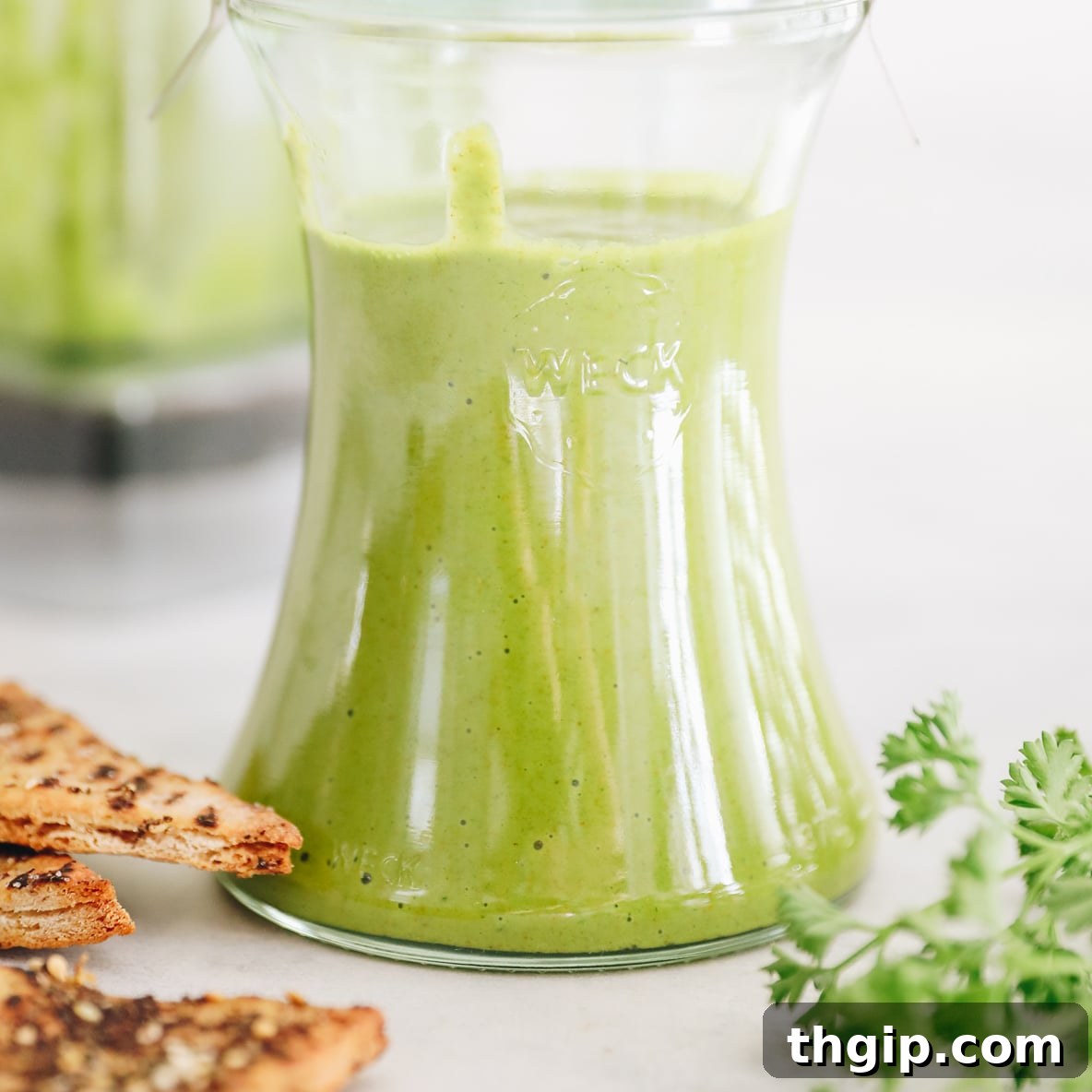
Elevate your culinary creations with an explosion of flavor! Discover the authentic taste of the Middle East with this traditional Zhug (also known as Skhug) recipe, a fiery and aromatic Yemeni hot sauce. Crafted from simple, fresh ingredients – vibrant peppers, fragrant herbs, and a symphony of spices – this versatile condiment promises to transform everyday meals into extraordinary dining experiences. Get ready to awaken your taste buds!
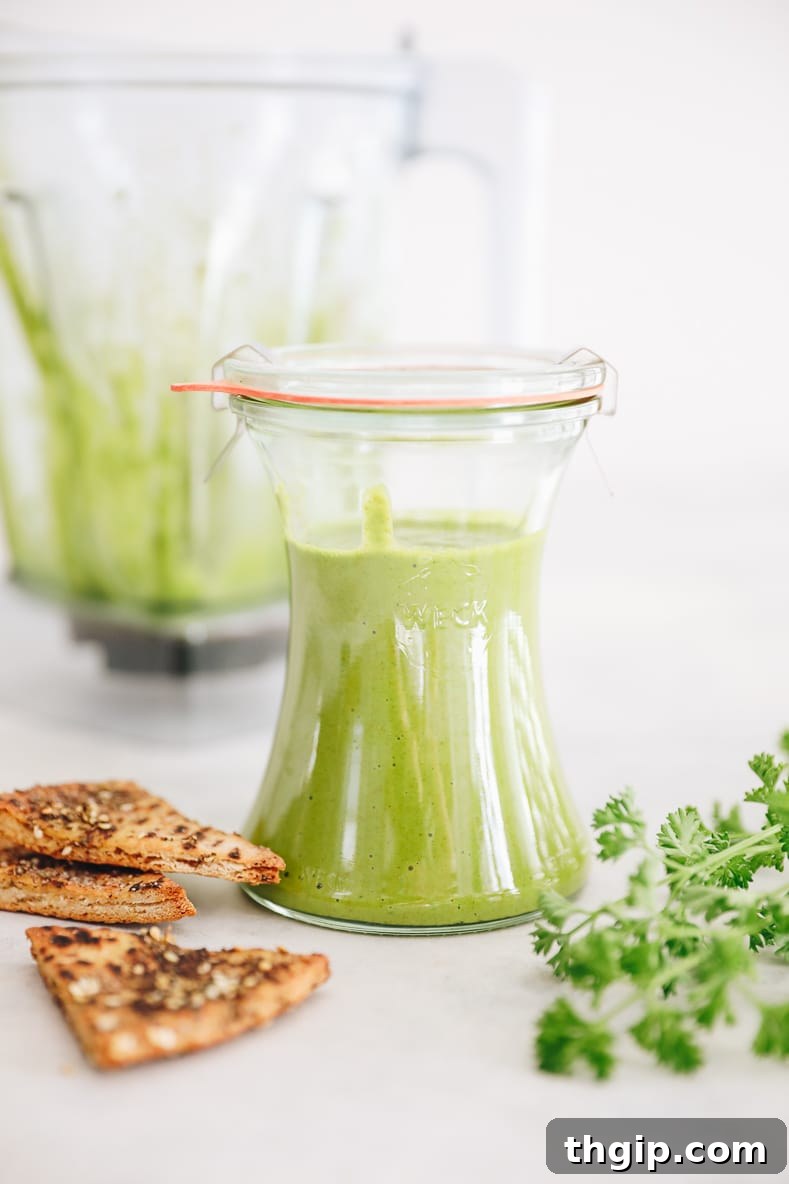
Unveiling the Flavor of Zhug: A Culinary Journey to Yemen
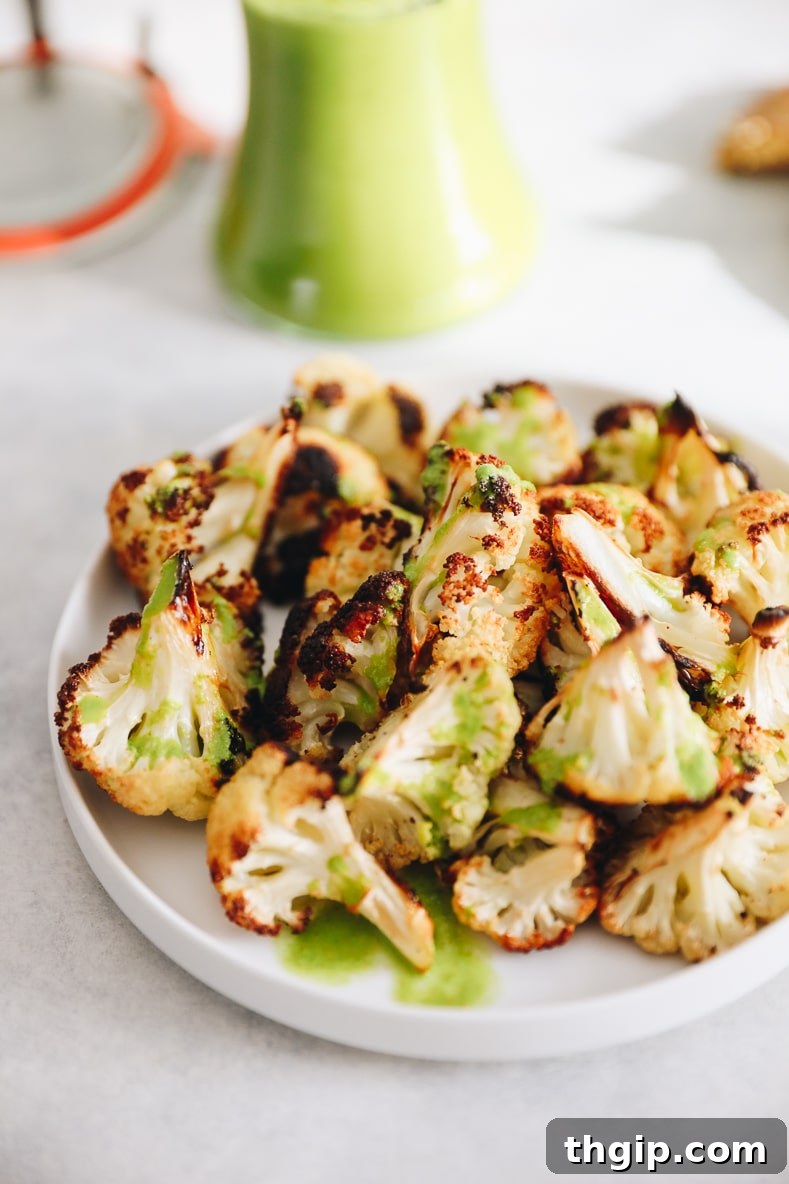
It’s incredible how a single meal can spark a year-long quest for flavor perfection. My journey to mastering this incredible Zhug recipe began back in the fall of 2019, during a memorable trip to Portland with C. We stumbled upon an Israeli restaurant called Shalom Y’all, a place I wholeheartedly recommend for anyone seeking an authentic Middle Eastern culinary adventure. It was there that I first encountered their irresistible hot sauce, which they spelled “s’hug.” From the first taste, I was utterly captivated. Its vibrant heat and fresh, herbaceous notes complemented everything on the menu, from tender roasted cauliflower to perfectly grilled octopus. It was, quite simply, to-die-for!
Before we left, I couldn’t resist asking our server for the secret to this magical condiment. While he couldn’t share the exact recipe, he generously offered a crucial hint: it was a blend of grapeseed oil, fresh peppers, parsley, and a unique combination of spices. Armed with this valuable clue, I embarked on a personal mission. Over the following months, I delved into research, experimenting with various proportions and ingredients in my own kitchen. After numerous attempts and delightful tasting sessions, I finally landed on a Zhug sauce recipe that I absolutely adore – one that beautifully captures the essence of that unforgettable meal. C and I have been slathering it on nearly everything we eat, and I knew it was high time to share this treasure with you. As they say, better late than never!
What Exactly is Zhug (Skhug)? Delving into this Yemeni Treasure
Zhug, often spelled Skhug, Schug, or even Zhoug, is far more than just a hot sauce; it’s a foundational condiment in Yemeni cuisine and a beloved staple across the entire Middle East. This vibrant, aromatic paste is renowned for its intense heat, balanced by a refreshing burst of herbs and a complex spice profile. Traditionally, Zhug comes in two primary varieties: green and red, each offering a distinct visual appeal and subtle flavor variations.
The origins of Zhug trace back to Yemen, where it has been a culinary cornerstone for centuries. Its presence is deeply embedded in the culture, reflecting the region’s rich spice trade history and a love for bold, fresh flavors. As Yemeni Jewish communities migrated across the Middle East, particularly to Israel, the popularity of Zhug spread, adapting slightly to local tastes and available ingredients. Today, you’ll find myriad variations, each chef and family often having their own treasured version, but the core essence—a potent blend of peppers, herbs, and spices suspended in oil—remains consistent.
The flavor profile of Zhug is truly remarkable. It delivers an immediate kick from the hot peppers, followed by the bright, earthy notes of fresh cilantro and/or parsley, and a warm, complex finish from ground spices like cumin, coriander, and sometimes cardamom or cloves. It’s a sauce that doesn’t just add heat; it adds a profound depth of flavor and freshness that elevates any dish. While a truly traditional preparation might involve meticulously grinding whole spices by hand with a mortar and pestle to release their most potent aromas, this modern recipe offers a convenient alternative using pre-ground spices and a blender or food processor, making it accessible for even the busiest home cooks without compromising on authentic taste.
The Essential Ingredients for Authentic Zhug (Skhug)
Creating an exceptional Zhug sauce starts with selecting high-quality, fresh ingredients. Each component plays a vital role in building the distinctive flavor profile of this Yemeni hot sauce:
- Grapeseed Oil: This is a traditional choice for Middle Eastern condiments due to its neutral flavor profile, allowing the vibrant tastes of the peppers and herbs to shine through without interference. It also has a high smoke point, making it suitable for a variety of uses. If grapeseed oil is unavailable, a good quality extra virgin olive oil can be a suitable, though slightly more robust, substitute.
- Serrano Peppers: These provide the characteristic heat of green Zhug. Serranos are significantly hotter than jalapeños, offering a pungent, clean spice. If you prefer a milder sauce, you can remove the seeds and membranes from the peppers, as these contain most of the capsaicin. For those who enjoy an even fierier kick, consider leaving them in or adding an extra pepper. Jalapeños also work wonderfully for a milder, more approachable version.
- Fresh Parsley: A cornerstone of green Zhug, parsley imparts a fresh, slightly peppery, and herbaceous flavor. We’re going big here – use an entire bunch! Simply trim off the thick, woody stems at the bottom, but there’s no need for fine chopping; your blender will do all the work. For a slightly different, perhaps even more aromatic, green Zhug, fresh cilantro is an excellent alternative or can be used in combination with parsley for added complexity.
- Fresh Garlic: The pungent, savory notes of fresh garlic cloves are indispensable to Zhug. It adds depth and a sharp counterpoint to the heat and herbs. Always opt for fresh garlic over powdered for the best flavor.
- Ground Spices: A meticulously chosen blend of spices creates the signature warmth and aroma of Zhug.
- Ground Cumin: Earthy, warm, and slightly musky, cumin is a staple in Middle Eastern cuisine and essential for Zhug.
- Ground Coriander: Citrusy, floral, and slightly sweet, coriander brightens the overall flavor profile.
- Turmeric: While primarily contributing to the vibrant green color (and red, if used in red zhug), turmeric also adds a subtle earthy and slightly bitter note, along with its renowned health benefits.
- Salt: Crucial for enhancing all the other flavors, salt also acts as a natural preservative, helping the sauce last longer.
Mastering the Art of Making Skhug: A Simple Recipe Guide
Despite its complex flavor profile, making Zhug is surprisingly straightforward. The beauty of this recipe lies in its simplicity, requiring minimal effort and just a few essential kitchen tools. The most important step is gathering your fresh, quality ingredients; the rest is just a matter of blending them to perfection.
The entire process takes mere minutes from start to finish, making it an ideal condiment to whip up for a last-minute gathering or to have on hand for quick flavor boosts throughout the week. Forget the time-consuming processes of traditional sauce making; this Zhug recipe leverages modern kitchen appliances to deliver authentic taste with unparalleled convenience.
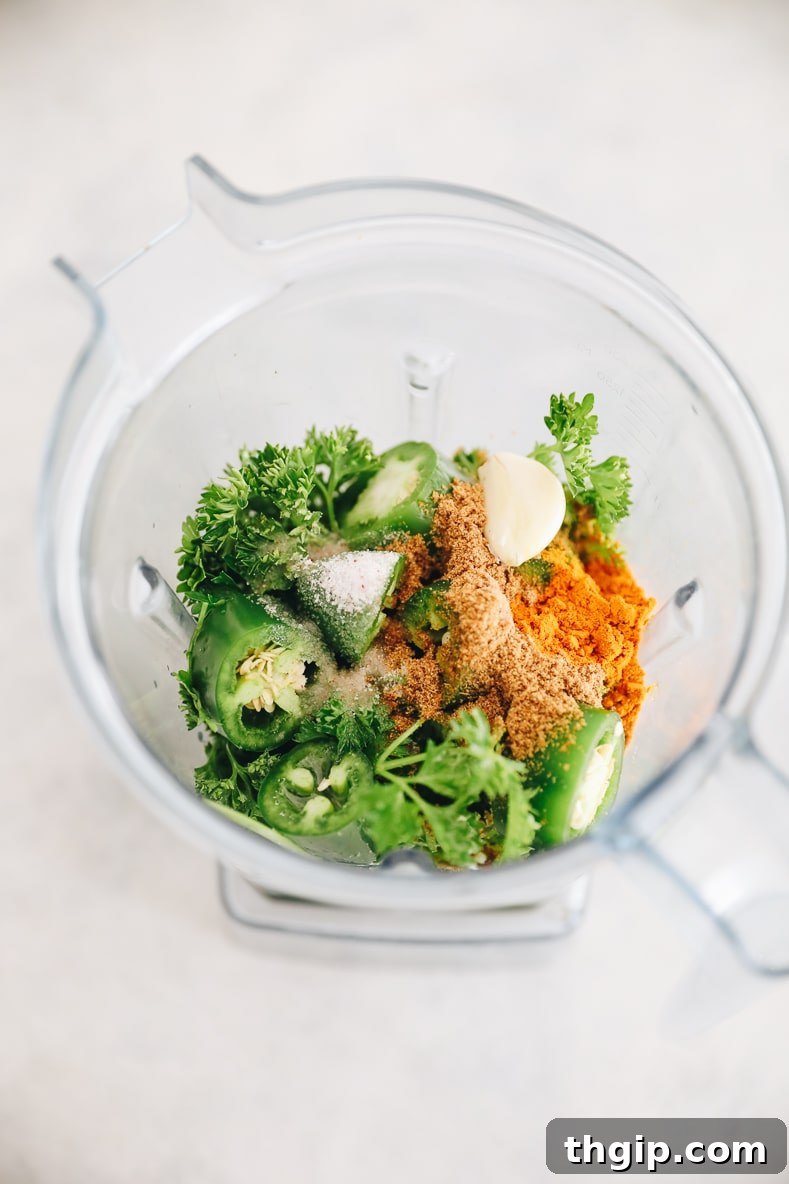
- Prepare Your Ingredients: Begin by washing your parsley and removing any thick, tough stems. Remove the tops from your serrano peppers. Peel your garlic clove. Measure out your grapeseed oil and all ground spices.
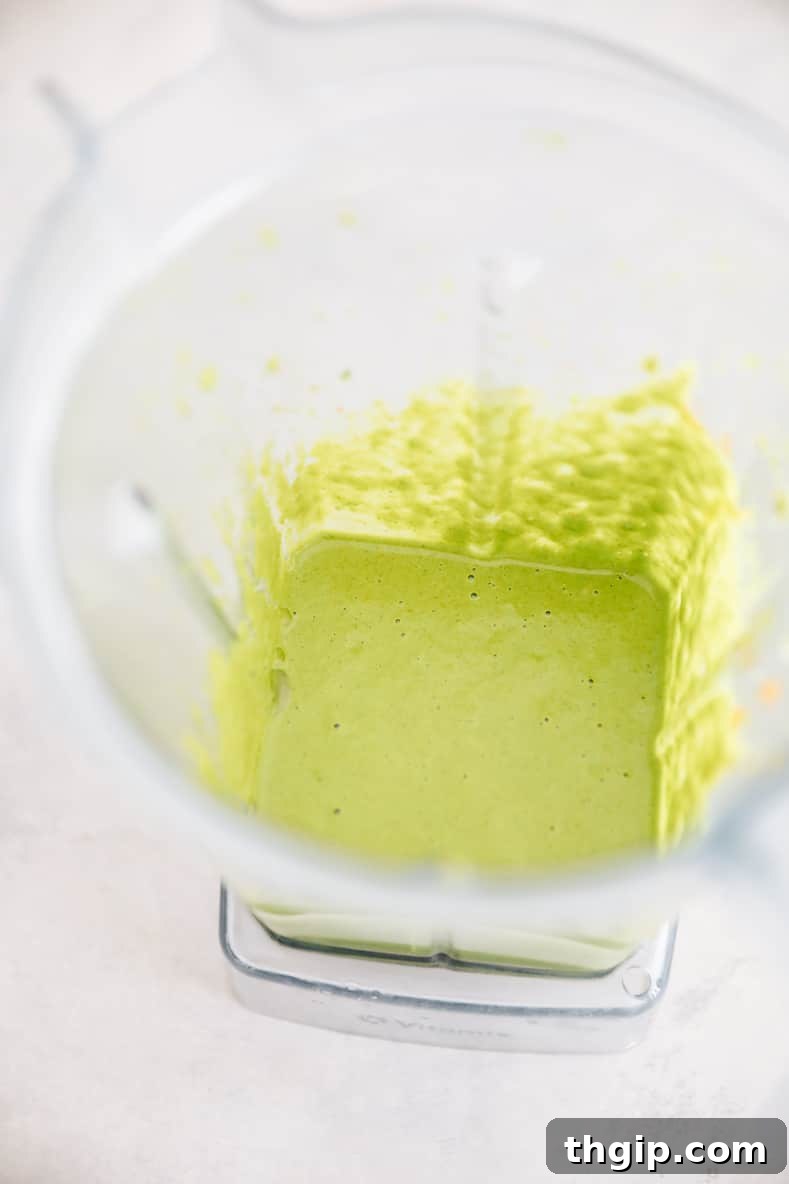
- Blend to Perfection: Add all the prepared ingredients—grapeseed oil, serrano peppers, parsley, garlic clove, ground cumin, ground coriander, turmeric, and salt—into a high-speed blender or food processor. Process on high until the mixture is completely smooth. You may need to stop and scrape down the sides a few times to ensure everything is thoroughly incorporated. The goal is a vibrant, uniform paste or sauce.
- Store and Savor: Once blended, transfer your freshly made Zhug sauce into a clean, sealable glass jar or airtight container. Store it promptly in the refrigerator to maintain its freshness and flavor.
Storing Your Homemade Zhug: Maximizing Freshness and Flavor
One of the many advantages of homemade Zhug sauce is its excellent shelf life, allowing you to enjoy its vibrant flavors for an extended period. When stored properly, your Zhug will remain fresh and potent in the refrigerator for up to one month. The key to maximizing its longevity and preserving its quality is proper storage.
Always transfer your freshly blended Zhug into an airtight, sealable container or glass jar. This prevents oxidation and keeps unwanted odors from permeating your sauce, ensuring it retains its intense aroma and taste. Over time, you might notice that your Zhug sauce will naturally thicken in the refrigerator. This is a normal occurrence due to the congealing of the oil and the settling of the solids. Personally, I find this thicker consistency quite appealing, especially for spreading on toast or as a hearty dip. However, if you prefer a thinner hot sauce, simply stir in a teaspoon or two of water or a little extra grapeseed oil just before use until you reach your desired consistency. Avoid adding too much liquid at once; start small and add more as needed. Stirring it vigorously with a spoon or whisk can also help to loosen it up without adding extra liquid.
For those who wish to extend the life of their Zhug even further, freezing is a viable option. Pour the sauce into ice cube trays and freeze until solid. Once frozen, transfer the Zhug cubes to a freezer-safe bag or container. This method allows you to portion out small amounts as needed, making it incredibly convenient. Frozen Zhug can last for up to 3-4 months without significant loss of flavor, ensuring you always have a burst of Yemeni spice at your fingertips.
Green Zhug vs. Red Zhug: A Palette of Heat and Flavor
Zhug’s versatility extends beyond its applications; it also comes in two main chromatic variations: green and red. While both deliver an exciting level of heat and flavor, they offer distinct experiences that cater to different preferences and dishes. Understanding the nuances between them allows you to choose the perfect Zhug for any occasion.
Green Zhug, as featured in this recipe, is characterized by its vivid emerald hue, derived primarily from fresh herbs like parsley and/or cilantro. Its flavor profile is intensely fresh, herbaceous, and bright, with the garlic and spices providing an earthy warmth beneath the immediate heat of the green peppers. It’s often preferred for its invigorating and lively taste, pairing exceptionally well with lighter dishes, fresh vegetables, fish, and as a refreshing kick in a hummus or tahini swirl. The “good dose of parsley” truly makes this version pop with verdant flavor.
Red Zhug, on the other hand, boasts a rich, fiery red color, typically achieved through the use of red hot peppers and often omitting the green herbs. This variation tends to have a deeper, sometimes smokier, and more concentrated chili flavor. While it can still be fresh depending on the peppers used, it generally leans towards a bolder, more intense heat with a less pronounced herbaceous note. Red Zhug is fantastic with heartier meats, stews, robust grain bowls, or wherever you desire a profound chili-forward punch.
To create your own Red Zhug, the modifications are simple:
- Replace your serrano peppers with hot red peppers: Think cayenne peppers, red chilies (fresh or rehydrated dried varieties like Arbol or Guajillo for a complex flavor), or even red jalapeños for color with less intense heat. The choice of red pepper will significantly influence the final color and heat level.
- Omit the parsley (and cilantro, if you used it in green Zhug): This allows the red peppers to dominate the visual and primary flavor profile.
All other ingredients, such as grapeseed oil, garlic, cumin, coriander, and salt, remain the same. The preparation method is identical: simply blend all ingredients until smooth. Like its green counterpart, red Zhug can be stored in a sealed container in the fridge for up to a month, ready to infuse your dishes with its distinctive heat and depth. Experimenting with both varieties will surely expand your appreciation for this incredible Yemeni hot sauce!
Unleashing the Versatility: How to Enjoy Your Zhug Sauce
Now that you’ve mastered the art of making Zhug sauce, the real fun begins: incorporating it into your daily meals! Honestly, once you have a jar of this incredible condiment in your fridge, you’ll find yourself reaching for it constantly. Think of Zhug as your go-to flavor enhancer, ready to add a burst of spicy, herbaceous zest to almost anything. Use it as liberally as you would any hot sauce, or even more so – its fresh flavors make it wonderfully adaptable.
Here are just a few suggestions to get you started, but don’t be afraid to experiment and discover your own favorite pairings:
- Elevate Your Eggs and Breakfast: Stir a dollop into your shakshuka for an extra layer of warmth and spice, or for a truly unique twist, add it to green shakshuka! It’s also fantastic drizzled over scrambled eggs, omelets, or even mixed into a breakfast burrito.
- Transform Roasted Vegetables: Thin out the Zhug with a bit of water or lemon juice and drizzle it generously over roasted cauliflower, broccoli, or other roasted vegetables. The heat and freshness cut through the richness of the roasted flavors beautifully.
- Upgrade Your Avocado Toast: Mix a spoonful into your mashed avocado before spreading it on toast for an instant kick. It adds a delicious depth that regular hot sauce can’t match.
- The Ultimate Dip: Serve Zhug as a vibrant dip for warm pita bread (learn how to make homemade pita!) or an assortment of fresh crudités like cucumber, carrots, and bell peppers. It’s also incredible swirled into hummus or labneh.
- Perfect Pairing for Proteins: Whether it’s rotisserie chicken, grilled steak, lamb, or baked fish, Zhug acts as an incredible marinade or a vibrant finishing sauce. Its bold flavors complement both red and white meats, enhancing their natural taste without overpowering them.
- Boost Your Burgers and Bowls: Top a falafel burger, or mix it into a falafel bowl or any grain bowl for a burst of flavor and a healthy dose of heat. It’s also delicious on traditional beef or veggie burgers.
- Spice Up Soups and Stews: A swirl of Zhug can instantly brighten and add complexity to lentil soups, chickpea stews, or even a simple tomato soup.
- Homemade Dressing: Whisk Zhug with a little more olive oil, lemon juice, and perhaps a touch of honey for a unique salad dressing that will make any salad exciting.
- Marinade Magic: Use Zhug as a quick marinade for chicken, shrimp, or firm tofu. Let it sit for at least 30 minutes before grilling, baking, or pan-frying for deeply infused flavors.
No matter how you choose to enjoy this incredible Yemeni hot sauce, just promise me you’ll savor every spicy, herbaceous, and utterly delicious bite!
Health Benefits of Zhug: More Than Just Flavor
Beyond its incredible taste, Zhug also packs a nutritional punch, thanks to its wholesome and fresh ingredients. Hot peppers like serranos are rich in capsaicin, which is known for its anti-inflammatory properties and its potential to boost metabolism. Fresh herbs like parsley are packed with vitamins A, C, and K, as well as antioxidants that support overall health. Garlic is celebrated for its immune-boosting and cardiovascular benefits. The blend of spices, including cumin, coriander, and turmeric, also brings a host of anti-inflammatory and digestive benefits. Enjoying Zhug isn’t just a treat for your taste buds; it’s a flavorful way to incorporate beneficial compounds into your diet.
Customizing Your Zhug: Tips for the Perfect Batch
One of the joys of making homemade Zhug is the ability to customize it to your exact preferences. Don’t hesitate to experiment with the ratios and ingredients to create your signature hot sauce:
- Adjusting the Heat: For a milder Zhug, use fewer serrano peppers, or remove all the seeds and membranes. For extra heat, add more peppers, or even a spicier variety like a small Thai chili.
- Herb Variation: While parsley is traditional, feel free to use a combination of parsley and cilantro, or even exclusively cilantro for a different aromatic profile. Some versions also include a hint of fresh mint.
- Spice Profile: Experiment with additional spices. A pinch of cardamom can add a warm, exotic note, while a touch of clove or black pepper can deepen the complexity. Ensure your ground spices are fresh for maximum flavor impact.
- Acidity Boost: A squeeze of fresh lemon juice at the end can brighten the sauce and add another layer of flavor.
- Texture Control: If you prefer a chunkier Zhug, blend it for a shorter period, leaving some texture from the herbs and peppers. For an ultra-smooth sauce, blend for longer until completely emulsified.
Troubleshooting Common Zhug Questions
Even with a simple recipe, questions can arise. Here are solutions to a few common Zhug-making queries:
- “My Zhug is too thick!” As mentioned, Zhug can thicken in the fridge. Simply stir in a teaspoon of water or grapeseed oil at a time until it reaches your desired consistency before serving.
- “It’s not spicy enough!” If you find your Zhug lacking heat, next time, try adding an extra serrano pepper, or leave some of the seeds and membranes in. You can also add a pinch of cayenne pepper to the finished sauce for an immediate boost.
- “My Zhug is too bland.” Ensure you’re using fresh garlic and vibrant, high-quality herbs. Don’t skimp on the salt, as it’s crucial for enhancing all the other flavors. If your spices are old, their potency might have diminished; try using newly bought, fresh ground spices.
- “Can I make it in a mortar and pestle?” Absolutely! For a truly traditional experience, you can grind all the solid ingredients first with a mortar and pestle, then gradually incorporate the oil until a paste forms. This method creates a coarser texture and often a more potent aroma, but requires more effort.
Skhug Sauce
No reviews
Kick up your spice game with this traditional Zhug Recipe, a Yemeni-inspired hot sauce recipe. All you need is some oil, peppers, herbs and spices and you have flavorful additional to all sorts of meals!
- Author: Davida Lederle
- Prep Time: 5 minutes
- Cook Time: 0 minutes
- Total Time: 5 minutes
- Yield: 10-12 servings
- Category: Sauce
- Method: Blend
- Cuisine: Middle Eastern
- Diet: Vegan
Ingredients
- 1/2 cup grapeseed oil
- 2 serrano peppers, tops removed
- 1 bunch of parsley, thick stems removed
- 1 garlic clove
- 1 1/2 tsp ground cumin
- 1 1/2 tsp ground coriander
- 1 tsp turmeric
- 1 tsp salt
Instructions
- Add all ingredients to a blender and blend until smooth.
- Store in a sealed jar in the fridge for up to one month.
Like this recipe? Here are some others you might enjoy to complement your Zhug:
- Green Shakshuka: A perfect canvas for a dollop of Zhug.
- Roasted Vegetables with Tahini: Zhug adds a vibrant kick to earthy roasted veggies.
- Greek Chicken Gyros: Replace or supplement your usual hot sauce with Zhug for a Middle Eastern twist.
- Fattoush Salad with Grilled Chicken: Drizzle Zhug into your dressing for an exciting flavor boost.