
A few months ago, while visiting Santa Cruz—a region often hailed as a hub for the organic food movement—I found myself engrossed in a fascinating conversation with my parents. Surrounded by innovative organic farming programs at UCSC and an abundance of locally grown vegetables and berries, it was only natural for the topic of organic food to arise. This discussion wasn’t just interesting; it was a profound reflection on how much our understanding of food has evolved.
The Overlooked Power of Our Plate: Why Organic Matters More Than Ever
For me, the past few years have been a deep dive into the world of organic agriculture. Before this educational journey, I often believed that simply adhering to lists like the “Clean Fifteen” and diligently buying organic from the “Dirty Dozen” was sufficient. It never truly dawned on me the broader implications of my everyday purchasing choices. While our constitutional right to vote in elections is undeniably crucial, the “votes” we cast daily with our wallets, through the products we choose to buy, wield immense power that should never be underestimated. These daily decisions shape industries, impact ecosystems, and influence the well-being of communities far beyond our dinner tables.
Returning to that pivotal conversation with my parents, their perspective offered a vivid contrast to today’s food landscape. My mother recounted a childhood where most vegetables came from a can, and my father, by his own admission, barely knew green vegetables existed until he met my mother at 18. For them, the ability to walk into a grocery store and choose from a fresh produce aisle, or even better, have fresh, vibrant vegetables delivered straight to their door, represents a monumental shift from their upbringing. And I wholeheartedly support this progress. Universal access to fresh produce, whether organic or conventionally grown, is absolutely essential. However, the dialogue often stops there. What I’ve found is that the compelling arguments for choosing organic often get lost in a confusing morass of conflicting information and mixed messages. Consumers are left to navigate a labyrinth of claims, making informed decisions incredibly challenging.
My exploration into the organic movement has revealed that everyone has their unique “why” for choosing organic. These individual motivations, when considered collectively, form a remarkably strong case. Yet, the more I learn, the more apparent it becomes that there’s a significant communication gap between organic advocates and the general public. It’s not that the supporting evidence is lacking—quite the opposite. Conclusive research backs nearly every argument for going organic. The challenge lies in translating this complex scientific information into an easily digestible and relatable format for the average consumer. This task is further complicated by powerful lobbying groups on the opposing side, whose primary agenda is often to discredit organics, often solely to protect and increase their own profits. But let’s refocus!
Today, I aim to bridge that gap by sharing five compelling reasons to choose organic, each supported by robust, evidence-based research. The real credit belongs to the pioneers and leaders of the organic movement, including organizations like the Organic Farming Research Foundation, California Certified Organic Farmers (CCOF), and The Organic Trade Association (OTA). My goal is simply to serve as a conduit, helping to communicate their vital message. My sincere hope is that at least one of these reasons will resonate deeply with you. If not, I simply encourage you to do what you can, within your personal means and accessibility, to make more conscious food choices.
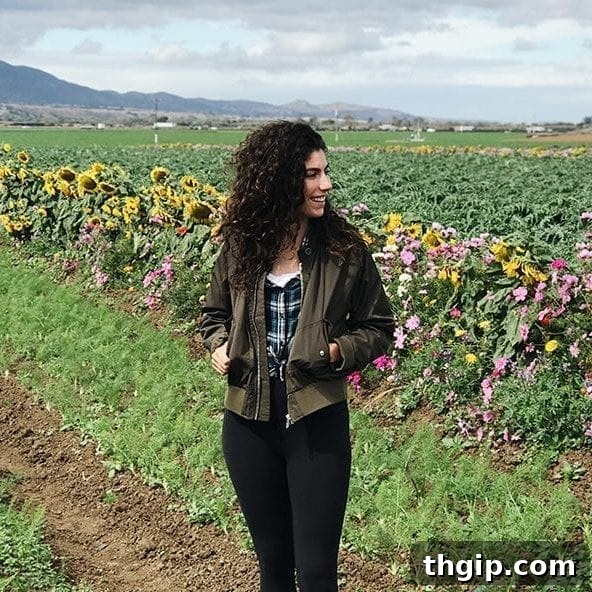
Before we delve into the details, I want to extend a heartfelt thank you to Earthbound Farm for their sponsorship of this post. Earthbound Farm has been a trailblazer in the organic sector, committed to 100% organic practices since its inception 34 years ago. Today, they cultivate an astounding 30,000 certified organic crop acres. I was fortunate enough to visit Earthbound’s organic farms in the picturesque Salinas and Carmel Valleys, gaining invaluable insights into their operations and the broader organic movement. Earthbound is not just a company that brings organic produce to tables nationwide; they are fervent advocates, dedicated to spreading the message of why organics truly matter. Whether your motivation for choosing organic stems from a desire for better taste, enhanced health benefits, or a commitment to planetary well-being, Earthbound Farm believes you deserve access to all the information needed to make the right decision for yourself. I couldn’t be prouder to align The Healthy Maven with such an incredible, mission-driven company. More about their impact below.
5 Compelling Reasons to Choose Organic Food
1. The Unparalleled Taste and Quality
It’s hard to argue with taste buds. One of the most common reasons people switch to organic is simply because it tastes better. A fascinating insight I gained during my visit with Earthbound was the scientific explanation behind this superior flavor profile. Organic produce is often allowed to mature at its natural pace, without the artificial acceleration provided by synthetic fertilizers. This slower growth process allows fruits and vegetables to fully develop their complex flavors and nutritional compounds. Think of it like slow-cooked food versus fast food – patience yields richer, deeper flavors. This concept applies beautifully to agriculture. Furthermore, scientific research has illuminated another key factor: organic food boasts up to 69% higher levels of antioxidants compared to conventionally grown produce. These antioxidants are not only vital for our health but also significantly contribute to the more delicious and vibrant flavor often associated with organic fruits and vegetables (source). The robust flavor of a perfectly ripe organic tomato or the crisp sweetness of an organic apple can transform a meal, making healthy eating a more enjoyable and satisfying experience.
2. Superior Health Benefits for You and Your Family
While the long-term effects of consuming trace amounts of pesticides are still under extensive research, a growing body of evidence strongly suggests that organic food offers significant health advantages. Consider Glyphosate, the active ingredient in the widely used herbicide Roundup, which has been classified as a “probable human carcinogen” by the WHO’s International Agency for Research on Cancer (source). Another concerning chemical, the insecticide chlorpyrifos, has been linked to developmental delays in infants (source). These are just two examples among hundreds of synthetic pesticides commonly used in conventional agriculture, many of which can leave residues on our food. A groundbreaking study conducted in France recently demonstrated a compelling association between consuming an organic food-based diet and a reduced risk of cancer (source). Beyond the absence of harmful pesticides, organic produce has also been shown to be richer in essential nutrients, including Vitamin C, iron, magnesium, and phosphorus (source). The reality is that while a single exposure to a low amount of pesticides might not be immediately detrimental, the cumulative, long-term exposure from our food, water, and even body care products can have a significant and undeniable impact on our overall health and well-being. Choosing organic is a proactive step towards reducing this daily toxic load.
3. Fostering the Health of Our Soil
Our soil is far more than just dirt; it’s a living ecosystem, teeming with microbial life essential for growing healthy food and maintaining ecological balance. Constant exposure to synthetic pesticides and chemical fertilizers in conventional farming gradually degrades the quality of this vital resource, rendering it less productive and ultimately, less useful over time. Organic farming, however, adopts a fundamentally different approach. It focuses on regenerative practices that actively improve soil quality, enriching its structure and fertility (source). To draw an analogy, think of soil much like you think about your gut microbiome. A healthy gut has an enormous impact on our immune system and overall health, and one of the best ways to care for it is by ensuring a rich and diverse balance of beneficial bacteria. The same principle applies to our soil. Soil possesses its own intricate microbiome, and the persistent use of broad-spectrum pesticides is akin to the long-term, indiscriminate use of antibiotics in humans. It doesn’t just eliminate harmful organisms; it devastates the beneficial bacteria and fungi that are crucial for soil health and nutrient cycling. Eventually, without these vital microorganisms, the soil loses its ability to sustain itself. It becomes entirely dependent on chemical inputs to function, a dependency that is neither sustainable nor effective in the long run. As soil scientist Dr. Elaine Ingham eloquently states: “If we lose both bacteria and fungi, then the soil degrades. Overuse of chemical fertilizers and pesticides have effects on the soil organisms that are similar to human overuse of antibiotics. Indiscriminate use of chemicals might work for a few years, but after awhile, there aren’t enough beneficial soil organisms to hold onto the nutrients” (source). Supporting organic farming means supporting a thriving, resilient soil system—the very foundation of our food security.
4. A Powerful Strategy Against Climate Change
In the face of daunting climate challenges, choosing organic agriculture emerges as a surprisingly impactful solution, not only helping to prevent further climate change but actively working to reverse its effects. Research consistently demonstrates that organic farming systems have a significantly lower net energy footprint compared to conventional methods (source). Since most energy production relies on burning fossil fuels, which release vast amounts of carbon dioxide – the most prevalent greenhouse gas – reduced energy consumption directly translates to a smaller contribution to climate change. Moreover, organic practices, with their inherent focus on nurturing and improving soil quality, play a critical role in carbon sequestration. This means healthy organic soils effectively “eat up” and store more carbon from the atmosphere. On average, organic farms boast 44% higher levels of humic acid, a stable component of soil organic matter that sequesters carbon over the long term, compared to soils not managed organically (source). Essentially, the soil acts as a natural carbon sink, drawing down atmospheric carbon that would otherwise contribute to global warming (source). While many of us feel a sense of helplessness concerning the massive scale of climate change, supporting organic agriculture offers a tangible and accessible opportunity for every consumer to contribute to mitigating its impact and fostering a more sustainable future.
5. Better, Safer Conditions for Farm Workers
This particular reason for choosing organic truly resonated with me during my visit to Earthbound Farm. Before that experience, I hadn’t fully considered the human cost of conventional agriculture. Meeting the farmers and listening to their personal stories – why they chose to work on an organic farm rather than a conventional one – was incredibly impactful. Many shared vivid accounts of their past experiences on conventional farms, detailing their deep fear of pesticide exposure and the profound impact these chemicals had on their families. One farmer, Larry, spoke movingly about a stark routine he developed: he wouldn’t hug his children immediately upon returning home from work until he had thoroughly showered and changed his clothes, all out of a terrifying concern of inadvertently exposing his kids to residual pesticides. This personal anecdote highlights a critical, often unseen, aspect of our food system.
The dangers faced by farm workers are not theoretical. Earlier this year, a landmark case saw Monsanto (the manufacturer of Roundup) ordered to pay a school groundskeeper $289 million after years of exposure to the chemical led to his terminal cancer diagnosis (source). Dewayne Johnson regularly used the weed killer up to 30 times a year to maintain the fields at the school where he worked. Now, imagine the daily reality for farm workers who are out in the fields, day after day, week after week, continuously exposed to Roundup or similarly potent chemicals. Choosing organic isn’t just about what’s best for your own body or the health of our planet; it’s a profound ethical choice that supports the well-being of your fellow citizens. It’s a choice that directly benefits the dedicated men and women who work tirelessly in the fields to provide the fresh produce that graces our tables every single day, often at great personal risk. It’s a vote for dignity, safety, and a healthier working environment for all.
Further Questions and Insights on Organic Living
Following my immersive trip with Earthbound Farm, I received numerous thoughtful questions about organics and Earthbound in general. Many of these questions are addressed in this previous post, where I delve into a range of common organic queries. However, a few specific questions emerged repeatedly, warranting a deeper dive and reiteration here.
Can Organic Agriculture Feed the Entire World?
The simple answer is a resounding yes. However, the more nuanced explanation involves understanding the dynamic interplay between “big organic” and “small organic.” Many people instinctively associate organic farming with charming, small-scale farm stands found at local weekly farmer’s markets. While I am a staunch advocate for supporting these local farmers and cherish the direct connection they offer, these types of farms, while vital, often: a) do not produce at a scale high enough to meet global food demand, and b) are not universally accessible to everyone. Companies like Earthbound Farm, though large in scale, are driven by the same fundamental passion for farming in a way that truly nourishes the soil, going beyond mere crop production and profit. Their farmers are just as dedicated to sustainable practices.
If you are fortunate enough to have access to local farmers and the financial means to purchase directly from them, please continue to offer your invaluable support. That said, it’s crucial to acknowledge that countless individuals across the globe lack either the geographical accessibility or the financial resources required to support small-scale farming exclusively. This is where large-scale organic companies, like Earthbound Farm, become indispensable. They are uniquely positioned to make organic produce accessible and affordable for a broader population, producing yields large enough to contribute significantly to feeding us all. It’s a misconception to view “big organic” as inherently negative or to believe that organic must synonymous with small-scale. Both play crucial roles in building a sustainable and healthy food system.
What About the Packaging of Organic Products?
This is a frequently raised concern, particularly after my visit with Earthbound, and honestly, there isn’t a universally easy solution yet. What I can share, particularly regarding baby lettuces, is that you are often making a better environmental choice by selecting clamshells over plastic bags. Earthbound’s clamshells, for instance, are crafted from 100% Post-Consumer Recycled (PCR) plastic, meaning they are made from reused materials, thus reducing demand for new plastics. In contrast, many plastic bags are still made from virgin plastic, contributing to greater waste and resource depletion. I know that leading companies like Earthbound are actively investing in research and development to find more sustainable packaging solutions, including compostable and biodegradable options. For now, it’s important to understand that the industry is diligently working towards improvements, and everyone is striving to do the best they can within current technological and economic constraints. As consumers, supporting brands committed to these changes can accelerate progress.
But Don’t Organic Farms Still Use Pesticides?
Yes, that’s a common and valid question, and it’s important to clarify. The key distinction lies between synthetic chemical pesticides and naturally derived ones. The use of a broad-spectrum, synthetic chemical like Roundup is fundamentally different from spraying with neem oil, which is extracted from a tree and acts as a natural insecticide. Organic certification standards strictly limit the use of pesticides to only 24 naturally derived substances, and these are only permitted as a last resort. Conventional agriculture, conversely, utilizes over 1,000 types of synthetic pesticides. Furthermore, organic farmers prioritize proactive, ecological pest management strategies such as crop rotation, companion planting, and physically removing insects, before ever considering natural pest control agents. To gain a comprehensive understanding of the stringent requirements and detailed regulations necessary to receive organic certification, I encourage you to consult this page provided by the USDA, which outlines the national organic standards.
What If I Can’t Afford to Buy Organic?
This is a particularly challenging question, and my honest advice is this: Do what you can, within your means. There are multiple complex reasons why organic products often carry a higher price tag. Factors include lower consumer demand (though this is shifting), a historical lack of substantial government subsidies for organic farming compared to conventional agriculture, the need to compensate more workers for labor-intensive organic practices, and the smaller scale of many organic operations, which limits economies of scale. I genuinely sympathize with the financial constraints many face. However, it also points to a broader societal issue: we, as a society, frequently undervalue the true cost of food. Many countries around the world allocate a much larger portion of household budgets to food, whereas in the US, there’s an ingrained expectation for food to be “dirt cheap.” Until there’s a collective shift in our societal values regarding food’s true worth, the “organic premium” will continue to feel expensive. Yet, it’s worth noting that this premium is often quite modest; for items like salad greens, it’s typically only 10-20% higher. Therefore, the responsibility for price reduction isn’t solely on farmers; it also rests on us, the consumers, through increased demand and a willingness to invest in healthier, more sustainable choices. Prioritizing items from the “Dirty Dozen” list (those conventionally grown produce items most likely to harbor pesticide residues) is a great strategy if your budget is limited. Supporting local farmers, even if they aren’t certified organic, can also provide fresher, healthier options while stimulating local economies.
Do You Personally Eat 100% Organic?
This is a question I get asked all the time, and the straightforward answer is: No, I do not! Would I aspire to? Absolutely. But a significant portion of what I consume is outside my direct control. In our home, we prioritize buying organic produce and meats, and we make a conscious effort to choose organic options for non-perishable goods, as well as body care and home products, whenever possible. Outside the home, however, the situation becomes considerably trickier. I can confidently say that if given the choice, we consistently opt for organic. That being said, there are many situations where organic choices simply aren’t available, or the convenience factor outweighs the option. While I dream of a future world where we no longer have to ask “is this organic?”, I don’t let it stress me out if an organic option isn’t present. As I always advise: do what you can with what you have access to. Every conscious choice, no matter how small, contributes to a larger positive impact.
Disclaimer: This post is proudly sponsored by Earthbound Farm. I was offered an incredible opportunity to visit and experience their farms firsthand and was compensated for my time and effort in creating this content. However, it is paramount to state that all opinions and perspectives expressed within this article are 100% my own, genuinely held beliefs. I extend my sincere gratitude for supporting the brands and companies who play a vital role in making THM possible and helping us continue to deliver valuable content. To explore more about Earthbound Farm and discover the exceptional variety of organic produce they cultivate, please visit their official site here.
Do you actively choose organic products? What fuels your personal “why”? Share your thoughts and experiences in the comments below!