
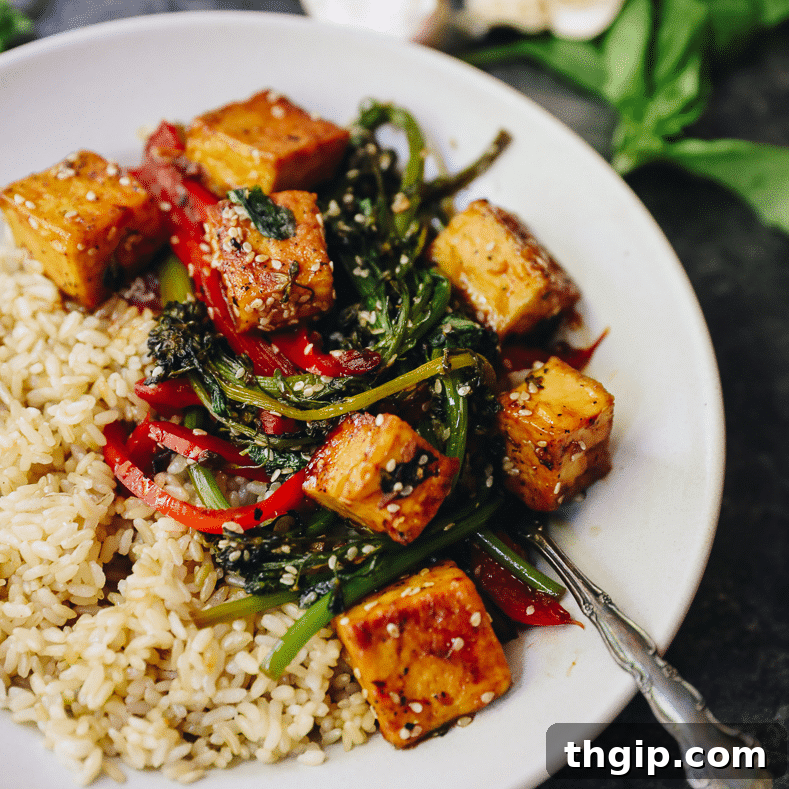
Welcome to a culinary adventure that proves healthy, flavorful meals don’t have to be complicated or time-consuming. This **Easy Thai Basil Tofu recipe**, a delightful plant-based twist on the classic Pad Kra Pao, is designed to bring authentic Thai flavors to your dinner table in under 30 minutes. Whether you’re a seasoned chef or just starting your journey in the kitchen, this recipe is incredibly approachable, incredibly delicious, and packed with vibrant ingredients that will tantalize your taste buds.
We believe that anyone can be a confident cook with the right guidance and a willingness to explore. That’s why we’ve crafted this recipe to be as straightforward as possible, ensuring that every step is clear and achievable. From perfectly crispy tofu to a rich, aromatic sauce, you’ll be amazed at the depth of flavor you can create with minimal effort. Plus, it’s incredibly versatile, making it easy to adapt to various dietary preferences and what you already have in your pantry.
This dish is more than just a meal; it’s an invitation to expand your cooking repertoire with a recipe that delivers on taste, convenience, and health. Get ready to discover your new favorite weeknight stir-fry!
What is Thai Basil Tofu (A Vegetarian Pad Kra Pao)?
Pad Kra Pao, or Phat Kaphrao, is a beloved and iconic dish in Thai cuisine, typically featuring stir-fried ground meat (most commonly chicken or pork) with pungent holy basil leaves and fiery chilies, served over rice. It’s renowned for its bold, savory, and spicy flavor profile that truly awakens the senses.
Our **Thai Basil Tofu** version pays homage to this classic by capturing its essence in a plant-based form. Instead of ground chicken, we use extra-firm tofu, crisped to perfection, absorbing all the incredible flavors of the stir-fry sauce. While traditional Pad Kra Pao relies on Holy Basil (Grapao), which can be challenging to find outside of specialty Asian markets, our recipe adapts beautifully with readily available Thai basil or even common sweet basil, ensuring a delicious result every time. For the spicy kick, we opt for accessible chili paste like sambal oelek, making this authentic taste achievable in any home kitchen.
This adaptation allows everyone to enjoy the rich culinary heritage of Thailand, offering a nutritious, satisfying, and incredibly flavorful meal that caters to vegetarians and vegans alike, without compromising on the vibrant spirit of the original dish.
Why You’ll Love This Easy Thai Basil Tofu Stir-Fry
This isn’t just another tofu recipe; it’s a game-changer for your weeknight dinners. Here’s why this Thai Basil Tofu is destined to become a staple in your kitchen:
- Lightning Fast Prep & Cook Time: From start to finish, you can have a gourmet-tasting meal on the table in under 30 minutes. Perfect for busy weeknights when time is precious.
- Incredibly Flavorful: A harmonious blend of savory, spicy, tangy, and subtly sweet notes creates an explosion of taste in every bite. The aromatic basil truly shines!
- Healthy & Wholesome: Packed with plant-based protein from tofu and a medley of fresh vegetables, this dish is naturally nutritious and satisfying.
- Effortlessly Customizable: Whether you want to swap proteins, add different vegetables, or adjust the spice level, this recipe is incredibly forgiving and adaptable to your preferences.
- Budget-Friendly: Tofu and common stir-fry vegetables are economical ingredients, making this a delicious meal that won’t break the bank.
- Naturally Vegetarian & Easily Vegan/Gluten-Free: With a simple omission of fish sauce and a swap to tamari, this dish caters to various dietary needs without sacrificing flavor.
- Beginner-Friendly: We’ve broken down each step to be clear and concise, empowering even novice cooks to achieve impressive results with confidence.
Essential Ingredients for Your Thai Basil Tofu
Creating this delicious Thai Basil Tofu requires a thoughtful selection of fresh produce and pantry staples. Each ingredient plays a crucial role in building the complex flavors of this stir-fry. Here’s a detailed look at what you’ll need:
- Rice: A foundational component. While we recommend short-grain brown rice for its nutty flavor and health benefits, feel free to use your preferred variety like jasmine, basmati, or even quinoa for a gluten-free alternative. Prepare it according to package instructions.
- Extra Firm Tofu (14 oz): This is your primary protein source. Opt for extra-firm tofu to ensure it holds its shape and crisps up beautifully during cooking. Pressing the tofu thoroughly to remove excess water is a critical step for achieving the desired crispy texture.
- Tapioca Starch: Key for creating that irresistible crispy coating on the tofu. If tapioca starch isn’t available, cornstarch or even all-purpose flour can be used as a substitute. A pinch of salt and pepper added here will enhance the flavor.
- Soy Sauce: Provides a rich, umami depth to the sauce. For those following a gluten-free diet, tamari is an excellent, equally flavorful alternative.
- Fish Sauce: A quintessential ingredient in Thai cooking, offering a unique savory, salty, and fermented flavor that adds immense depth. If you’re making this dish vegan or strictly vegetarian, simply omit it; the stir-fry will still be delicious.
- Chili Paste (Sambal Oelek): Delivers the signature spicy kick of Thai cuisine. Sambal oelek is widely available and provides a clean, bright heat. Adjust the quantity (1-2 tablespoons) to your personal spice preference.
- Rice Wine Vinegar: Contributes a pleasant tang and acidity, balancing the richness of the other sauce components. Fresh lime juice can be used if rice wine vinegar is unavailable, adding a zesty brightness.
- Coconut Sugar: Used to perfectly balance the salty, spicy, and tangy elements of the sauce. Brown sugar is a suitable substitute if you don’t have coconut sugar on hand.
- Sesame Oil: Adds a distinct nutty aroma and flavor to the stir-fry. For a more neutral profile or if you prefer, olive oil, avocado oil, or any high-heat cooking oil can be used.
- Fresh Vegetables:
- Garlic & Ginger: Freshly minced garlic and grated ginger are essential aromatics that form the flavorful base of the stir-fry.
- Bell Peppers: Red or orange bell peppers add sweetness, crunch, and vibrant color.
- Broccoli or Broccolini: These provide a hearty green vegetable component, rich in nutrients. Trim the ends or cut into florets for even cooking.
- Thai Basil or Sweet Basil: The star herb! While Thai basil offers a unique peppery, anise-like flavor, common sweet basil is a fantastic and accessible substitute that will still yield a delicious result. Roughly tear the leaves before adding.
- Raw Sesame Seeds: A simple garnish that adds a subtle nutty flavor and appealing texture to the finished dish.
- Optional Toppings: Elevate your meal with additions like crunchy cashews, thinly sliced green onions (scallions), fresh cilantro, a sprinkle of red pepper flakes for extra heat, or even a fried egg for added richness.
Mastering the Art of Thai Basil Tofu Stir-Fry: Step-by-Step Guide
Achieving a restaurant-quality Thai Basil Tofu at home is easier than you think, especially with these detailed instructions. The key lies in proper preparation and strategic cooking to ensure crispy tofu and perfectly cooked vegetables.
Step 1: Prepare Your Rice
Start by preparing your chosen rice according to the package instructions. This ensures it’s ready to serve alongside your hot stir-fry as soon as it’s done.
Step 2: Press and Coat the Tofu
Tofu, especially extra-firm, contains a good amount of water. To get it perfectly crispy, you must press out this excess moisture. Place the block of tofu in a clean dishtowel or several layers of paper towels. Gently but firmly squeeze to remove as much water as possible. Once pressed, cut the tofu into uniform 1-inch cubes.
In a large bowl, combine the pressed tofu cubes with tapioca starch (or cornstarch/flour), a pinch of salt, and a dash of black pepper. Toss gently to ensure each tofu cube is evenly coated. This starchy coating is crucial for creating that coveted crispy exterior.
Step 3: Whisk Together the Aromatic Sauce
In a small bowl, whisk together all the sauce ingredients: soy sauce (or tamari), fish sauce (if using), chili paste (adjust to your spice preference), rice wine vinegar, and coconut sugar. Stir until the sugar is dissolved and all ingredients are well combined. Set this flavorful mixture aside; it will be added at the end.
Step 4: Prepare Your Vegetables and Aromatics (Mise en Place!)
For a successful stir-fry, having all your ingredients prepped and ready before you start cooking is essential. This is known as “mise en place.” Mince your garlic, grate your fresh ginger, thinly slice your bell pepper, and trim/cut your broccoli or broccolini into florets. Roughly tear your fresh basil leaves. Having everything ready ensures a smooth and quick cooking process.
Step 5: Crisping the Tofu
Heat sesame oil (or your preferred cooking oil) in a large skillet or wok over medium-high heat. To test if the oil is hot enough, add a tiny splash of water; if it sizzles and simmers, it’s ready. Carefully add the coated tofu cubes to the hot pan in a single layer, avoiding overcrowding. Cook for about 5-7 minutes, using tongs to flip the tofu occasionally until all sides are beautifully golden brown and crispy. Once cooked, remove the crispy tofu from the skillet and set it aside on a plate.
Step 6: Sauté the Vegetables
In the same skillet (add a little more oil if needed), add the minced garlic, grated ginger, sliced bell peppers, and broccoli/broccolini. Sauté for 1-2 minutes, stirring constantly. To help the vegetables tenderize and cook through quickly, add about a tablespoon of water and immediately cover the skillet with a lid or tin foil. Allow the veggies to steam for approximately 2 minutes. Remove the lid and continue to cook, stirring occasionally, until the vegetables are slightly browned, tender-crisp, and cooked to your liking.
Step 7: Combine and Sauce
Return the crispy tofu to the skillet with the cooked vegetables. Pour in the pre-mixed Thai basil sauce. Bring the mixture to a boil, then reduce the heat to a simmer. Let it cook for about 3 minutes, stirring gently, allowing the sauce to thicken and coat all the ingredients beautifully. The starch from the tofu coating will help the sauce achieve a glossy, thick consistency.
Step 8: Finish with Fresh Basil and Serve
Remove the skillet from the heat. Stir in the roughly torn fresh basil leaves and raw sesame seeds. The residual heat will wilt the basil, releasing its fragrant oils without overcooking it. Serve your delicious Thai Basil Tofu immediately over your prepared rice. Garnish with any optional toppings like cashews, green onions, or fresh cilantro for an extra touch of flavor and presentation.
Make This Thai Basil Recipe Vegetarian & Vegan-Friendly
One of the fantastic aspects of this Thai Basil Tofu recipe is how naturally accommodating it is to vegetarian and vegan diets. The primary protein is tofu, making it an excellent choice for plant-based eating. The only ingredient that needs special attention for strict vegetarians or vegans is fish sauce.
Fish sauce, a staple in Southeast Asian cuisine, provides a unique depth of savory, umami flavor. If you are a pescatarian, we highly recommend keeping it in the recipe, as it genuinely enhances the traditional Thai flavor profile. However, if you follow a strict vegan or vegetarian diet, simply omit the fish sauce entirely. You’ll find the dish still exceptionally delicious and full of flavor thanks to the aromatic basil, chili paste, and other sauce ingredients. To compensate for a slight loss of umami depth, you can consider adding a dash of tamari or a vegan mushroom-based soy sauce substitute.
For a completely vegan dish, ensure your coconut sugar is also vegan (some processed sugars use bone char, though coconut sugar rarely does). By making this one simple adjustment, you transform this vibrant stir-fry into a meal suitable for a wider range of dietary needs.
Customizing Your Thai Basil Tofu: Easy Recipe Swaps & Variations
This Thai Basil Tofu recipe is wonderfully flexible, allowing you to easily adapt it to your preferences, dietary needs, or whatever ingredients you have on hand. Don’t be afraid to get creative!
- Protein Power-Ups:
- Not a Tofu Fan? No problem! This recipe works beautifully with other proteins. Try it with sliced chicken breast, lean ground beef, shrimp, or even firm chickpeas for another plant-based option. You can cook these proteins following similar instructions as the tofu (browning them in the skillet before adding vegetables) or use pre-cooked options for even quicker meal prep.
- Add a Fried Egg: For an extra layer of richness and protein, top your serving with a perfectly fried egg, just like in many traditional Thai street food dishes. The runny yolk adds incredible flavor to the rice and stir-fry.
- Veggie Variety:
- Prefer Different Veggies? Red bell pepper and broccoli/broccolini are delicious, but feel free to replace them with your favorites. Snap peas, green beans, carrots (julienned), mushrooms, baby corn, or bamboo shoots would all be excellent additions. Just ensure they are cut into similar sizes for even cooking.
- Herb & Spice Adjustments:
- Can’t Find Thai Basil? While Thai basil lends an authentic peppery-anise flavor, regular sweet basil (the kind commonly found in grocery stores) is a fantastic substitute. The dish will still be incredibly flavorful and delicious.
- Adjust the Heat: The amount of chili paste can be easily adjusted. Use less for a mild dish, or add more if you crave an extra fiery kick. Fresh Thai chilies, if available, can also be minced and added for an even more authentic heat.
- Making it Vegan or Gluten-Free:
- Make it Vegan! As mentioned, simply omit the fish sauce to make this Thai basil recipe completely vegan. For added umami, a splash of vegan mushroom sauce can be a good addition.
- Gluten-Free: Ensure you use tamari instead of soy sauce to keep the dish gluten-free.
- Alternative Servings:
- Beyond Rice: While traditionally served with rice, this stir-fry is also delicious over rice noodles, quinoa, cauliflower rice for a low-carb option, or even served in lettuce cups for a fresh and crunchy meal.
Expert Tips for the Ultimate Thai Basil Tofu Stir-Fry
To truly elevate your Thai Basil Tofu, keep these pro tips in mind:
- Hot Wok/Skillet is Key: Ensure your pan is screaming hot before adding the oil and then the ingredients. This is essential for achieving the characteristic “wok hei” (breath of the wok) and preventing ingredients from steaming instead of stir-frying.
- Don’t Overcrowd the Pan: Cook the tofu in batches if necessary, and don’t overload the pan with vegetables. Overcrowding lowers the temperature and leads to soggy, rather than crisp, results.
- Mise en Place: As mentioned, have all your ingredients prepped, measured, and ready to go before you even turn on the stove. Stir-frying is a rapid cooking method, and you won’t have time to chop mid-cook.
- Press Your Tofu Thoroughly: This cannot be stressed enough. The drier the tofu, the crispier it will become. Don’t rush this step.
- Taste and Adjust: Before serving, always taste your stir-fry. Thai cuisine is all about balance. Adjust the seasoning by adding a little more soy sauce for saltiness, sugar for sweetness, vinegar/lime for tang, or chili paste for heat, until it perfectly suits your palate.
- Add Basil Last: Fresh basil is delicate. Stir it in at the very end, just after removing the pan from the heat, to preserve its vibrant flavor and aroma.
Storage and Meal Prep
This Thai Basil Tofu is fantastic as leftovers, making it an excellent candidate for meal prepping:
- Storage: Store any leftover Thai Basil Tofu and rice separately in airtight containers in the refrigerator for up to 3-4 days.
- Reheating: Reheat in a skillet over medium heat or in the microwave until warmed through. You might want to add a tiny splash of water or broth if the sauce has thickened too much.
- Meal Prep Ideas:
- Cook a larger batch of rice at the beginning of the week.
- Prepare your sauce ahead of time and store it in a jar in the fridge.
- Chop all your vegetables and store them in separate containers.
- Press and cube your tofu in advance.
This way, when dinner time rolls around, you’re only minutes away from a freshly cooked, flavorful meal.
More Thai-Inspired Recipes to Explore:
If you loved this Thai Basil Tofu, you’re in for a treat! Discover more delightful Asian-inspired dishes that are perfect for quick, healthy, and flavorful meals:
- Cilantro Lime Tofu Bowls
- Chicken Pad See Ew
- Veggie Pad Thai
- Tofu Buddha Bowls
- Thai Basil Turkey Bowls
Print Recipe
Thai Basil Tofu Stir-Fry
5 Stars 4 Stars 3 Stars 2 Stars 1 Star
4.8 from 8 reviews
Experience the vibrant flavors of Thailand with this incredibly easy and delicious Thai Basil Tofu recipe. This vegetarian stir-fry, inspired by the classic Pad Kra Pao, is ready in under 30 minutes, making it a perfect healthy weeknight meal. Featuring crispy pan-fried tofu, fresh vegetables, and an aromatic sauce, it’s easily adaptable for dietary needs and guaranteed to be a family favorite. No Thai basil? No problem! Regular sweet basil works beautifully too.
- Author: Davida Lederle
- Prep Time: 10 minutes
- Cook Time: 15 minutes
- Total Time: 25 minutes
- Yield: 4 servings 1x
- Category: Dinner, Stir-Fry
- Method: Stir-fry, Pan-fry
- Cuisine: Thai, Asian
- Diet: Vegetarian, Easily Vegan, Gluten-Free Option
Ingredients
Scale
- 1 1/2 cups dry brown rice (or your preferred rice)
- 14 oz package extra firm tofu, pressed and cubed
- 1 tbsp tapioca starch or cornstarch/flour
- pinch of salt + pepper
- For the Sauce:
- 1/3 cup soy sauce (or tamari for GF)
- 1 tbsp fish sauce (omit for vegan/vegetarian)
- 1–2 tbsp chili paste (sambal oelek), to taste
- 2 tbsp rice wine vinegar (or fresh lime juice)
- 2 tbsp coconut sugar (or brown sugar)
- 2 tbsp sesame oil (or olive oil, avocado oil)
- 4 cloves garlic, minced
- 1 inch fresh ginger, grated
- 1 large red or orange bell pepper, thinly sliced
- 1 head of broccolini or broccoli, ends trimmed or cut into florets
- 1 cup fresh Thai or regular basil, roughly torn
- 1 tbsp raw sesame seeds
- optional toppings: cashews, scallions, additional basil, cilantro, red pepper flakes, fried egg
Instructions
- Prepare rice according to package instructions and set aside.
- Place the block of extra-firm tofu in a clean dishtowel or several layers of paper towel and press firmly to remove as much moisture as possible. Cut the pressed tofu into 1-inch cubes.
- In a large bowl, combine the cubed tofu with tapioca starch (or cornstarch/flour), a pinch of salt, and pepper. Toss gently until the tofu is evenly coated.
- In a small bowl, prepare the sauce by whisking together the soy sauce (or tamari), fish sauce (if using), chili paste, rice wine vinegar, and coconut sugar until well combined. Set aside.
- Heat sesame oil in a large skillet or wok over medium-high heat. Test if the oil is ready by adding a splash of water; if it sizzles, proceed.
- Add the coated tofu to the hot skillet in a single layer (cook in batches if necessary to avoid overcrowding). Cook for 5-7 minutes, flipping occasionally with tongs, until the tofu is golden brown and crispy on all sides. Remove the crispy tofu from the skillet and set it aside.
- To the same skillet (add a little more oil if needed), add the minced garlic, grated ginger, thinly sliced bell peppers, and broccolini/broccoli florets. Sauté for 1-2 minutes. Add a tablespoon of water, cover the skillet with a lid or tin foil, and allow the vegetables to steam for 2 minutes to tenderize. Remove the lid and continue cooking until the vegetables are slightly browned and tender-crisp.
- Return the crispy tofu to the skillet with the cooked vegetables. Pour in the pre-mixed Thai basil sauce. Bring the mixture to a boil, then reduce to a simmer and let cook for about 3 minutes, stirring gently, until the sauce has thickened to your desired consistency and coats all ingredients.
- Remove the skillet from the heat. Stir in the roughly torn fresh basil leaves and raw sesame seeds until the basil is just wilted.
- Serve your flavorful Thai Basil Tofu immediately over the prepared rice, garnished with any optional toppings like cashews, green onions, or cilantro. Enjoy!