
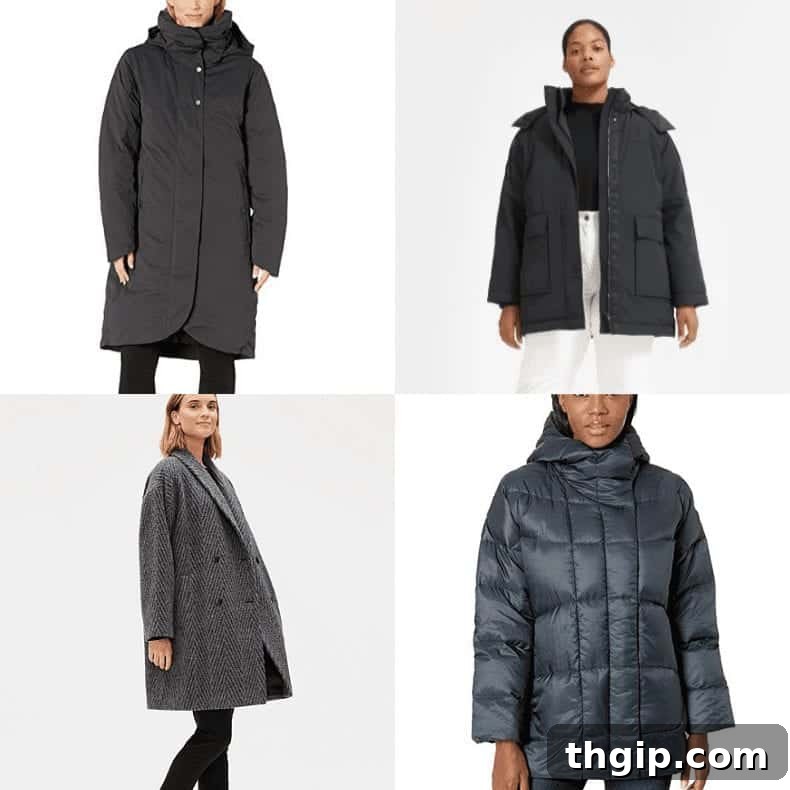
Finding Your Perfect Sustainable Winter Coat: A Comprehensive Guide to Eco-Friendly Outerwear
Even if you live in a place known for its mild winters, like San Francisco, the need for a reliable, warm winter coat often arises. Whether it’s for travel to colder climates, embracing chilly outdoor adventures, or simply for those of us with Canadian roots who understand the true essence of winter, a quality winter coat is an essential investment. But beyond warmth and style, there’s a growing imperative to choose outerwear that aligns with our values: a sustainable winter coat.
In today’s fashion landscape, making conscious choices is more crucial than ever. We’ve explored the broader concepts of sustainable fashion and highlighted our favorite sustainable clothing brands. Now, let’s get specific. This guide is dedicated to helping you find an eco-friendly winter coat that not only keeps you warm and stylish but also minimizes your environmental footprint. Winter coats are often a significant financial investment, but when chosen wisely and cared for properly, they can last for many years, offering excellent value in terms of “cost per wear.” Prioritizing high-quality, sustainable options means you’re investing in a piece that will stand the test of time and weather, from chic trench coats to cozy puffer jackets.
Why Choose a Sustainable Winter Coat? The Environmental and Ethical Imperative
The fashion industry, particularly fast fashion, has a profound impact on our planet and its people. Conventional winter coats often rely on materials like virgin polyester, nylon, and down, which come with a heavy environmental cost. Producing these materials can deplete natural resources, consume vast amounts of energy, and release harmful chemicals and greenhouse gases. Furthermore, the dyeing processes can pollute waterways, and the disposal of synthetic materials contributes to landfill waste for centuries, often shedding microplastics into our oceans.
Beyond environmental concerns, ethical issues frequently plague the supply chains of conventional fashion brands. Exploitative labor practices, unsafe working conditions, and unfairly low wages are unfortunately common. Opting for a sustainable winter coat means supporting brands that prioritize ethical manufacturing, fair wages, safe working environments, and environmentally responsible practices. It’s a choice that reflects a commitment to a healthier planet and a more equitable world.
What Makes a Winter Coat Truly Sustainable? Key Features to Look For
When searching for the perfect eco-friendly winter coat, it’s important to understand the criteria that define true sustainability. This isn’t just about a single material or a marketing claim; it’s about a holistic approach to design, production, and longevity.
Sustainable Materials: The Foundation of Eco-Friendly Outerwear
- Recycled Polyester and Nylon: These materials are fantastic alternatives to virgin synthetics. They divert plastic waste from landfills and oceans, reducing the demand for new petroleum-based products. Look for certifications that ensure the recycled content and quality.
- Organic Cotton and Hemp: For lighter coats or linings, organic cotton is grown without harmful pesticides and chemicals, using less water than conventional cotton. Hemp is another incredibly durable and low-impact fiber.
- Ethical or Recycled Down: If you prefer down insulation, choose coats with Responsible Down Standard (RDS) certified down, ensuring the welfare of birds, or even better, recycled down, which reuses existing materials.
- Ethically Sourced Wool: Wool is a natural, biodegradable, and highly insulating material. Ensure it’s certified (like Responsible Wool Standard – RWS) to guarantee animal welfare and responsible land management, free from practices like mulesing.
- Innovative & Plant-Based Materials: Some brands are exploring Tencel (lyocell), derived from sustainably sourced wood pulp, or other innovative plant-based insulations as alternatives.
- PFC-Free DWR Coatings: Many waterproof coatings (Durable Water Repellent or DWR) traditionally used per- and polyfluoroalkyl substances (PFCs), which are harmful “forever chemicals.” Look for PFC-free DWR treatments, which are safer for both the environment and human health.
Ethical Production and Transparency
A sustainable coat isn’t just about the materials; it’s also about how and where it’s made. Look for brands that are transparent about their supply chain, from the farms to the factories. This includes:
- Fair Labor Practices: Ensuring workers are paid fair wages, work in safe conditions, and are treated with respect. Certifications like Fair Trade can offer assurance here.
- Certifications: Beyond material-specific certifications, look for company-wide certifications such as B Corp, which signifies a company meets high standards of verified performance, accountability, and transparency on factors from employee benefits and charitable giving to supply chain practices and input materials.
- Reduced Waste and Water Usage: Brands committed to sustainability often implement practices to minimize waste in production and conserve water.
Durability and Circularity: Designed to Last
The most sustainable coat is one that lasts for a very long time. High-quality construction and timeless design are key. Additionally, look for brands that:
- Offer Repair Services: Companies that stand by their products often offer repair programs, encouraging customers to fix items rather than replace them.
- Have Take-Back Programs: Some brands allow you to return old garments for recycling or repurposing, closing the loop on their products.
- Embrace “Cost Per Wear”: Investing in a durable, well-made coat might have a higher upfront cost, but if it lasts for 10-20 years, its true cost per wear is significantly lower than repeatedly buying cheaper, less durable alternatives.
Top Sustainable Winter Coat Brands to Keep You Warm and Eco-Conscious
Now that you know what to look for, let’s explore some leading brands that are making waves in sustainable outerwear.
Eileen Fisher
Eileen Fisher has been a pioneer in the sustainable clothing business for decades, long before “eco-friendly fashion” became a mainstream concept. They are truly the OGs when it comes to combining sophisticated design with unwavering ethical commitments, known for their exceptional durability and long-lasting wear. Their timeless pieces defy fleeting trends, making them true investment garments.
Ethics: Eileen Fisher is celebrated for its radical transparency across its entire supply chain, from raw materials to manufacturing processes and employee welfare. They are meticulous about their fabric sourcing, making extensive use of recycled materials such such as cashmere, nylon, polyester, and cotton. Their commitment extends to the origins of their wool, where they ensure not only high animal welfare standards but also responsible land management practices at the farm level. They actively seek out and support organic and regenerative farming methods, ensuring their impact is positive.
Types of Coats: Known for elegant, minimalist designs, Eileen Fisher offers versatile coats that range from refined wool coats to chic trench styles, often in classic silhouettes that can be dressed up or down. Their focus is on quality and timelessness rather than fast fashion trends.
Price Range: $400 – $800. While a significant investment, the longevity and ethical integrity of their garments justify the price.
Everlane
Everlane is another highly represented brand in many conscious closets, including ours. They’ve made significant strides in sustainable outerwear, notably with their “ReNew” collection, which utilizes post-consumer recycled polyester to create stylish and functional coats and jackets. This initiative demonstrates a strong commitment to tackling plastic waste and incorporating circular practices.
Ethics: Everlane built its brand on “Radical Transparency,” explicitly detailing their factory partners, their production costs, and their pricing. While they might not explicitly label every item as “sustainable,” their foundational commitment to transparency empowers consumers to make informed choices. They are a quintessential “slow fashion” brand; their items are designed for longevity and are not produced at a rapid pace to meet constantly changing trends. Their primary focus has always been on ensuring ethical wages and excellent working conditions for the people who make their clothes, which is a crucial and commendable starting point for any responsible brand.
Types of Coats: Everlane offers a range of modern, minimalist outerwear, including popular puffers, parkas, and classic wool coats, all designed with everyday wearability and enduring style in mind. Their ReNew collection specifically highlights jackets made from recycled materials.
Price Range: $150 – $200. Everlane aims to make ethical fashion more accessible, offering well-made pieces at a more mid-range price point.
Patagonia
Patagonia is legendary in the outdoor industry and a personal favorite for many, myself included. My own Patagonia winter coat has proven its mettle over countless cold adventures, and I don’t foresee needing to replace it anytime soon. They offer a huge selection of high-performance coats designed for durability and extreme conditions.
Ethics: Patagonia’s commitment to social responsibility and environmental impact is deeply ingrained in their corporate DNA. They consistently assess their factories, scrutinize the fabrics and materials they use, and meticulously review the methods employed to create their products. They are a certified B Corp, donate 1% of their sales to environmental causes (1% for the Planet), and are pioneers in circularity with their “Worn Wear” program, which encourages customers to repair, reuse, and recycle their gear. They use a significant amount of recycled content in their products, including recycled polyester and NetPlus (recycled fishing nets), and are deeply committed to ethical down and wool sourcing.
Types of Coats: From their iconic down puffers and parkas to versatile 3-in-1 jackets and waterproof shells, Patagonia offers technical outerwear for every climate and activity. Their products are designed for performance, longevity, and repairability.
Price Range: $200 – $800. Reflecting their high-performance materials, robust construction, and deep commitment to sustainability.
Nau
Nau was founded with a clear vision: to eliminate the compromise between high performance and sustainability. This innovative company creates functional, stylish clothing that lasts, leveraging sustainable materials and practices, and importantly, gives back a significant portion of its earnings. They donate 2% of every dollar spent directly to grassroots environmentalist causes, reinforcing their commitment to planetary stewardship.
Ethics: Nau excels in educating consumers about their material choices, notably detailed on this page of their website. They have made a profound commitment to utilizing the 10 most sustainable textiles available for their products. This includes extensively using recycled polyester, organic cotton, and recycled down. They focus on closed-loop systems and reducing their environmental footprint at every stage, from material sourcing to manufacturing. Their blend of urban style and outdoor functionality doesn’t come at the expense of their ethical backbone.
Types of Coats: Nau offers a range of modern, versatile coats suitable for both city living and outdoor adventures. Their collection includes insulated jackets, trench coats, and parkas, all designed with a sleek aesthetic and high-performance sustainable materials.
Price Range: $230 – $400. Providing a competitive price point for highly sustainable and performance-oriented outerwear.
Reformation
Reformation consistently makes our list of sustainable brands, and for good reason! This brand seamlessly blends on-trend fashion with rigorous sustainability metrics. There’s no shame in loving a brand that makes you look good while doing good.
Ethics: Reformation’s approach to sustainability is remarkably data-driven. They developed the “RefScale” for every product, a unique tool that tracks the amount of carbon dioxide, water, and waste generated through its production. This allows consumers to see a clear comparison of the environmental impact of a Reformation garment versus a traditionally manufactured equivalent in the US. Furthermore, they are committed to accountability through transparency, providing a comprehensive sustainability report every year, detailing their progress, challenges, and future goals. They prioritize sustainable materials, ethical factories, and circular practices.
Types of Coats: Reformation offers stylish and contemporary outerwear, often featuring classic silhouettes with a modern twist. Their collection includes wool coats, trench coats, and fashion-forward jackets that are perfect for those who want to stay chic and warm with a clear conscience.
Price Range: $200 – $500. Offering high-style sustainable options that are on-trend yet built to last.
Making Your Sustainable Investment Last
Choosing a sustainable winter coat is the first step; ensuring its longevity is the next. Proper care can significantly extend the life of your coat, further reducing its environmental impact and maximizing your investment. Always follow the care instructions on the label, and consider minor repairs before opting for a replacement. Many brands, particularly those listed above, offer repair services or guidance, promoting a culture of mending rather than discarding. By making mindful choices and taking good care of your garments, you contribute to a more sustainable and circular fashion system.
Conclusion: Empowering Your Winter Wardrobe with Purpose
The journey to finding the perfect sustainable winter coat is an empowering one. It’s a chance to align your personal style with your environmental and ethical values. By prioritizing durable materials, transparent production, and brands committed to genuine sustainability, you’re making a powerful statement with your wardrobe. These eco-friendly outerwear options prove that you don’t have to sacrifice warmth, quality, or style to make a positive impact on the planet. Invest wisely, wear proudly, and stay warm with purpose.
Like this post? Here are others you might enjoy:
- What is Sustainable Clothing + Is It Really Sustainable?
- The Best Sustainable Clothing Brands
- 10 Ways to Live More Sustainably for Under $10
- Zero-Waste Travel Tips