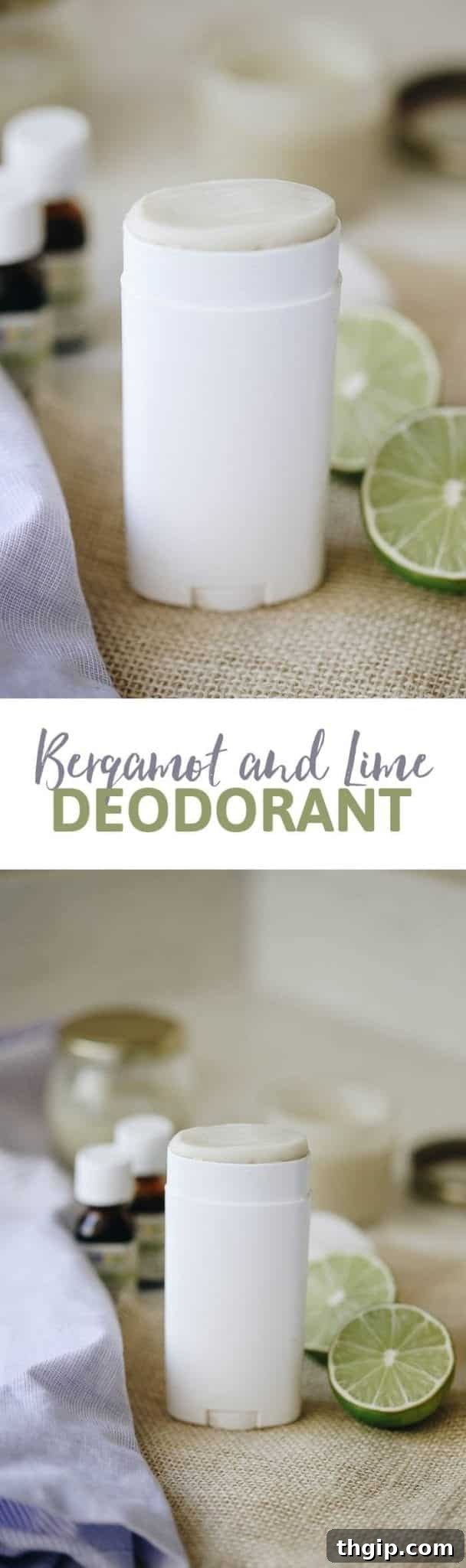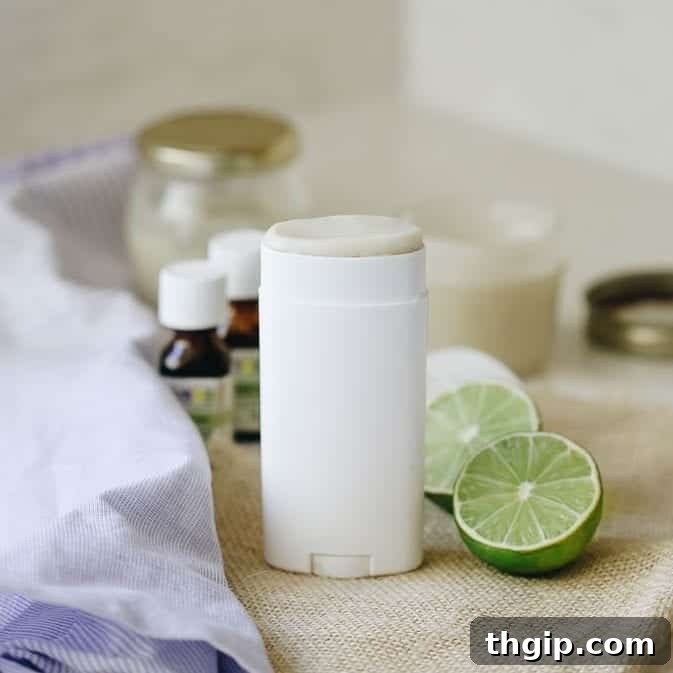
Have you ever dreamed of crafting your own natural deodorant but felt intimidated by the process? This comprehensive DIY guide for Bergamot and Lime Deodorant is your perfect starting point. We promise a non-toxic formula that not only smells absolutely incredible but also delivers on its promise of effective, long-lasting freshness. Dive in to discover how simple and rewarding it is to create a deodorant that truly works for you.
For the longest time, I was convinced I’d never be one of those people who made their own deodorant. The idea seemed overly complicated, perhaps a bit too “crunchy” for my style. Oh, how wrong I was. Fast forward over two and a half years, and I am proudly “that girl.” And honestly? I haven’t looked back once. Embracing homemade personal care products, especially deodorant, has been one of the most transformative decisions for my well-being and confidence.
My journey into DIY deodorant wasn’t entirely smooth, but it was certainly enlightening. I vividly recall a moment, deep in the chaos of our move, when I unexpectedly ran out of my trusty homemade batch. A fleeting thought of “going without” crossed my mind, quickly dismissed by my partner, C, who wisely reminded me of the practicalities. So, I ventured to a local co-op, hoping to find a quick, natural fix. There, I stumbled upon a store-bought natural deodorant, delightfully scented with bergamot and lime. I instantly fell in love with the fragrance – it was invigorating, fresh, and everything I wanted in a deodorant. However, my joy was short-lived. Within days, my underarms developed an unsightly, uncomfortable rash. The texture of the product became strangely crystallized, creating an abrasive, sandpaper-like sensation under my arms. It was, to put it mildly, a truly unpleasant experience that underscored the importance of truly understanding what goes into our products.
This frustrating encounter sparked a new mission: to recreate that captivating bergamot and lime aroma in my existing, trusted homemade deodorant recipe. I was determined to enjoy the scent without any of the irritating side effects. The result? Pure bliss! I’m back to my tried-and-true formula, now infused with my favorite citrusy blend, and my underarms are happy, healthy, and I dare say, smell utterly delicious. No one has complained yet, so I’m taking that as a resounding success!
While the core structure of my original natural deodorant recipe remains largely unchanged, I couldn’t resist highlighting this exquisite new scent combination. For many, the thought of making their own personal care products can feel daunting. But trust me, once you gather the handful of simple, non-toxic ingredients, the process is far easier than you might imagine. It’s essentially a straightforward swap of essential oils, and quality matters! I’ve always been a fan of Aura Cacia’s essential oils for their purity and potency. For a visual guide, watch the video above to see the entire process, or follow the detailed recipe below to craft your very own homemade Bergamot and Lime Deodorant. You’ll be amazed at how quickly you can create an effective, nourishing deodorant that truly works for your body.
Print
Bergamot and Lime Deodorant
5 Stars 4 Stars 3 Stars 2 Stars 1 Star
No reviews
- Author: Davida Lederle
- Yield: 1 3 ounce jar (will last between 4–6 months) 1x
Ingredients
Scale
- 2 1/2 tbsp unrefined coconut oil
- 2 1/2 tbsp unrefined shea butter
- 1/4 cup arrowroot starch
- 2 tbsp baking soda
- 12 drops bergamot essential oil
- 8 drops lime essential oil
- 2 drops tea tree essential oil (optional)*
Instructions
- Place coconut oil and shea butter in a glass bowl or jar and place the bowl/jar inside a medium sauce pan.
- Add water to the saucepan (enough to surround bowl/jar but not to overflow it) and bring to a boil.
- As water is heating up, ensure to stir coconut oil and shea butter and continue to do so until it melts.
- Once melted, add in arrowroot starch, baking soda and essential oils.
- Place in a 3 ounce jar and allow to cool at room temp or in fridge (will harden faster in fridge) until it’s reached a solid state. If hardening in fridge, it will need to thaw for 10 or so minutes before use.
- Cover with lid and keep in a cool and dry place
Directions for use:
- Wet underarms slightly (this helps with even application)
- Spoon out a pea-sized amount with a wooden scoop or with fingers and rub between fingers before applying directly to underarms.
- For a regular day, one application in the morning should be fine. For hotter days, workouts or if you’re particularly sweaty, feel free to reapply as needed.
Recipe based off this one
*Certain people are sensitive to tea tree oil so be sure to test your skin with a drop before adding to mixture. It is not necessary to include but tea tree is antibacterial and it is the bacteria in your underarms that leads to smell so it is a nice addition if you are not sensitive.
This homemade natural deodorant is crafted with carefully selected ingredients, each playing a vital role in its effectiveness and skin-loving properties. Understanding these components can help you appreciate the simplicity and power of DIY personal care.
- Unrefined Coconut Oil: More than just a moisturizer, coconut oil is celebrated for its natural antibacterial properties. This is crucial for a deodorant, as body odor is primarily caused by bacteria breaking down sweat on the skin. By inhibiting bacterial growth, coconut oil helps to keep you fresh.
- Unrefined Shea Butter: A powerhouse of hydration and skin protection, shea butter soothes and nourishes delicate underarm skin. It helps to ensure the deodorant glides on smoothly, preventing irritation, and its rich fatty acids are excellent for skin health.
- Arrowroot Starch: This natural absorbent is key to keeping you dry. Arrowroot starch effectively soaks up excess moisture, helping to minimize the feeling of dampness without blocking your pores like aluminum-based antiperspirants.
- Baking Soda: A well-known odor neutralizer, baking soda works by altering the pH on your skin, making it less hospitable for odor-causing bacteria. It’s incredibly effective at combating strong body odor, though some individuals may find it irritating (more on that below).
- Bergamot Essential Oil: Beyond its uplifting, citrusy aroma, bergamot essential oil possesses purifying properties, making it a wonderful addition for natural odor control. It adds a sophisticated, fresh scent that is both calming and invigorating.
- Lime Essential Oil: Zesty and refreshing, lime essential oil complements bergamot beautifully. It’s known for its cleansing qualities and bright, cheerful scent, further enhancing the deodorant’s odor-fighting capabilities and appealing fragrance.
- Tea Tree Essential Oil (Optional): A potent natural antiseptic, tea tree oil offers robust antibacterial benefits. While not essential for this recipe to work, it provides an extra layer of odor protection by directly targeting the bacteria responsible for smell. However, always perform a patch test as some people are sensitive to it.
One common question I receive revolves around the application method and storage, particularly concerning DIY natural deodorant moulds versus traditional jars. This was actually my first time experimenting with a deodorant mould, primarily based on feedback from readers eager for a stick-style application. And yes, it absolutely works to pour your freshly made deodorant into a traditional stick mould! The product solidifies perfectly, allowing for a familiar swipe-on experience.
However, after trying both, I personally find myself gravitating back to the mason jar method. I simply prefer applying the deodorant with my fingers from the jar. I’ve noticed that I achieve a much more even and controlled application this way, ensuring full coverage without any missed spots. When using a stick mould, especially in warmer environments, the deodorant can melt much faster due to the natural heat of your underarms. This isn’t a deal-breaker, as it still functions, but it might mean needing to store your deodorant stick in the fridge to maintain its solid consistency, particularly if you live in a hot or humid climate. This is less of a concern with the jar method, as a slightly softer consistency is still easy to apply. Ultimately, the choice between a mould and a jar comes down to personal preference and how you like your application experience to be.
Making the switch to homemade natural deodorant is a fantastic step towards a cleaner, more conscious lifestyle. It removes questionable chemicals and allows you to customize scents to your liking. But it’s also important to be aware of the “detox” period some people experience. When transitioning from conventional antiperspirants, which block sweat glands, your body may need time to adjust. You might notice increased sweating or temporary odor as your body purges toxins and rebalances. Don’t be discouraged! This phase typically lasts a few days to a few weeks, and consistency with your new natural deodorant will help expedite the process. Staying hydrated, eating a clean diet, and reapplying your DIY deodorant as needed can all support a smoother transition.
For those with sensitive skin, particularly to baking soda, there are simple adjustments you can make. While baking soda is highly effective, its alkaline nature can sometimes cause irritation. If you experience redness or itchiness, try reducing the amount of baking soda in the recipe by half, or even replacing a portion of it with additional arrowroot starch. Some people opt for entirely baking soda-free recipes, relying more heavily on the antibacterial properties of coconut oil and essential oils. Listen to your body and adjust accordingly – the beauty of DIY is tailoring it to your unique needs.
The refreshing blend of bergamot and lime is truly a game-changer for daily freshness. It’s an uplifting aroma that’s perfect for starting your day on a positive note. But the world of essential oil deodorant is vast and exciting! Consider other popular combinations like lavender and tea tree for a calming, purifying effect, or eucalyptus and peppermint for an invigorating, cooling sensation. Frankincense and cedarwood offer a more earthy, grounding aroma, while geranium and rose provide a beautifully floral option. Always research essential oil safety guidelines and ensure proper dilution, especially if you have sensitive skin. With a bit of experimentation, you can find your perfect signature scent and create a truly personalized, effective natural deodorant.
Ready to try your hand at crafting your own natural deodorant? What amazing scent combinations are you eager to experiment with? Share your experiences and favorite blends in the comments below!